


Search results
Search for "photocatalysts" in Full Text gives 129 result(s) in Beilstein Journal of Nanotechnology.
Photocatalytic and adsorption properties of TiO2-pillared montmorillonite obtained by hydrothermally activated intercalation of titanium polyhydroxo complexes
Beilstein J. Nanotechnol. 2018, 9, 364–378, doi:10.3762/bjnano.9.36
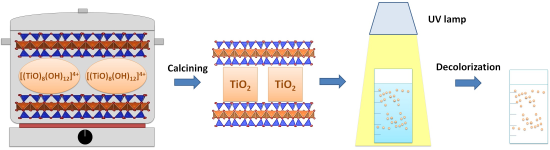
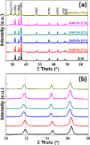
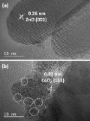
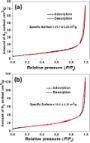
- . Keywords: adsorption; intercalation; mesoporosity; photocatalytic activity; pillared montmorillonite; titanium oxide; Introduction Titanium dioxide in its nanometer-sized form is one of the most promising modern photocatalysts [1]. However, the use of pure TiO2 nanoparticles is hindered by some
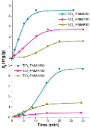
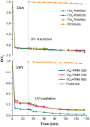
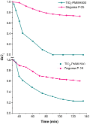
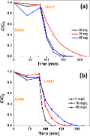
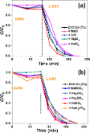
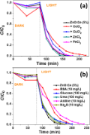
- results for the removal of the MO and RhB dyes in aqueous solution in the presence of produced photocatalysts under UV irradiation are shown in Figure 10 and Figure 11. These results indicate that the degradation of the MO and RhB dyes upon irradiation for 1 hour in the absence of photocatalysts was only
- -PMM800 (79% and 94%, respectively), and the lowest efficiency among all photocatalysts under study was shown by the TiO2-PMM500 sample, which removed about 62% MO and 89% RhB in 120 minutes. The photocatalyst series TiO2-PMMH500, TiO2-PMMH700, TiO2-PMMH800 features a reverse trend – removal rate







Anchoring of a dye precursor on NiO(001) studied by non-contact atomic force microscopy
Beilstein J. Nanotechnol. 2018, 9, 242–249, doi:10.3762/bjnano.9.26
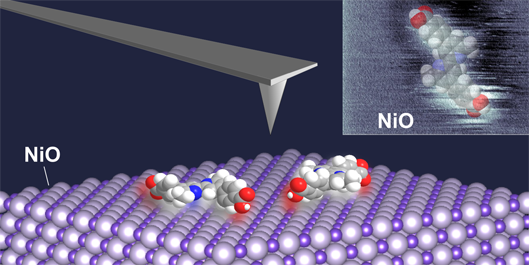
- (II) oxide (NiO); non-contact atomic force microscopy; p-type semiconductor; sub-molecular resolution; Introduction Inorganic substrates functionalized with organic molecules are nowadays highly regarded materials for emerging hybrid technologies including molecular electronics, photocatalysts or




Bombyx mori silk/titania/gold hybrid materials for photocatalytic water splitting: combining renewable raw materials with clean fuels
Beilstein J. Nanotechnol. 2018, 9, 187–204, doi:10.3762/bjnano.9.21
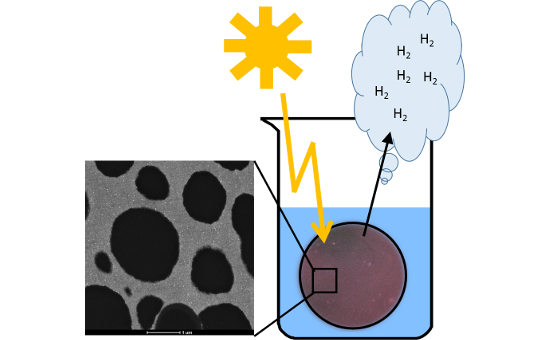
- materials are effective water splitting catalysts and produce up to 30 mmol of hydrogen per 24 h. Overall the article demonstrates that the combination of a renewable and robust scaffold such as B. mori silk with a photoactive material provides a promising approach to new monolithic photocatalysts that can
- described so far are powders or NPs. As a result, recycling is rather difficult and other photocatalysts that can more easily be recycled and are suited for continuous processes are necessary. For example, Liu et al. used a titanium sheet to make TiO2 nano-sheet films doped with different amounts of silver
- ]. Photocatalytic water splitting is among the most promising technologies for point-of-use H2 production and therefore a large number of photocatalysts have been developed [8][87][88][89][90]. As pointed out in the introduction, however, NP-based photocatalysts have disadvantages, for example in terms of recycling





Review on optofluidic microreactors for artificial photosynthesis
Beilstein J. Nanotechnol. 2018, 9, 30–41, doi:10.3762/bjnano.9.5
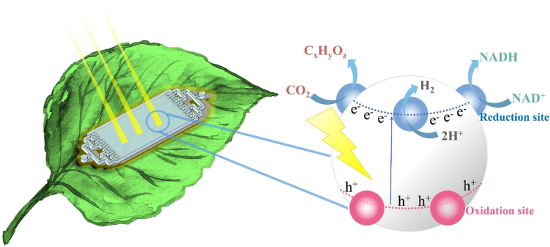
- [38], easy flow control and improved mass and photon transfer in the reaction system [49][50][51][52][53]. The small volume of optofluidic systems reduces the diffusion time, dramatically increases the reaction rate on the photocatalyst surface, and reduces the consumption of expensive photocatalysts
- and enzymes. Therefore, this platform is also useful for the rapid screening of various photocatalysts [54][55][56][57][58][59]. Inexpensive, parallel tests are beneficial for the rare or expensive chemical reactions, too [60][61]. Moreover, for enzymatic reactions, the flow-based reaction has the
- regeneration) utilize the electrons on the reduction site, as shown in Figure 2. However, recombination of photoexcited electrons and holes may occur. Even after the electrons are moved to the surface of photocatalysts, some of them would be wasted due to recombination if the electrons are not used immediately


Facile synthesis of silver/silver thiocyanate (Ag@AgSCN) plasmonic nanostructures with enhanced photocatalytic performance
Beilstein J. Nanotechnol. 2017, 8, 2781–2789, doi:10.3762/bjnano.8.277
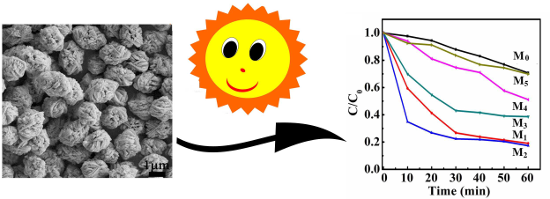
- catalyst due to its wide bandgap of 3.2 eV, which limits its practical application. Therefore, the development of new photocatalysts with visible-light catalytic performance, high surface active sites and long life of separated electron and hole pairs, has become a hot research topic in recent years. Ag
- improve the visible-light catalytic performance of Ag-based materials [8][9][10]. Among them, plasmonic photocatalysts consisting of Ag/AgX (X = Cl, Br, I) have exhibited improvement in separation of photogenerated electrons and holes [11][12][13][14][15][16][17][18]. However, these Ag-based
- photocatalysts, Ag/AgX (X = Cl, Br, I), suffer from instability during the recycling application, mainly due to the decomposition of AgX (X = Cl, Br, I) under irradiation [19][20][21][22]. Therefore, the development of visible-light catalysts with both high catalytic activity and long-term stability is of great


CdSe nanorod/TiO2 nanoparticle heterojunctions with enhanced solar- and visible-light photocatalytic activity
Beilstein J. Nanotechnol. 2017, 8, 2741–2752, doi:10.3762/bjnano.8.273
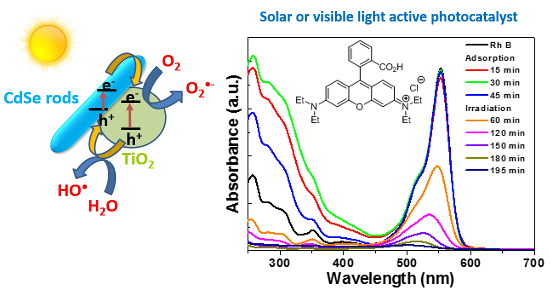
- catalysts show high potential for real water decontamination. Keywords: CdSe nanorods; heterojunction; photocatalysis; TiO2; Introduction The development of efficient photocatalysts to address environmental and energy needs, such as degradation of harmful organic compounds in water and in the air or the
- ][14][15][16][17][18][19][20][21][22][23][24][25][26][27][28][29][30][31][32][33][34][35][36][37], very little attention has been devoted to the influence of CdSe crystal morphology on the photocatalytic activity of the CdSe/TiO2 heterostructured photocatalysts. CdSe nanorods (NRs) and wires are of
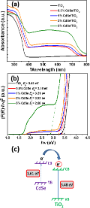
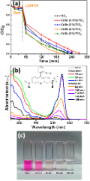
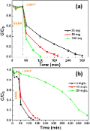
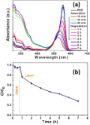
- and TiO2 favors the transfer of electrons in the CB of TiO2 followed by the production of O2•− radicals (Figure 11b). Conclusion In this study, CdSe NRs with an average length of ≈120 nm were successfully associated to TiO2 particles to form heterostructured CdSe/TiO2 photocatalysts. Due to their






Hydrothermal synthesis of ZnO quantum dot/KNb3O8 nanosheet photocatalysts for reducing carbon dioxide to methanol
Beilstein J. Nanotechnol. 2017, 8, 2264–2270, doi:10.3762/bjnano.8.226
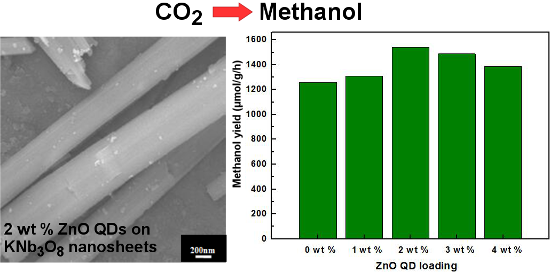
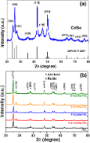
- . The as-prepared photocatalysts were characterized by X-ray diffraction (XRD), energy dispersive X-ray spectroscopy (EDS), scanning electron microscopy (SEM), high-resolution transmission electron microscopy (HRTEM) and UV–vis absorption spectroscopy (UV–vis). The photocatalytic activity of the
- , similar to what occurs in natural photosynthesis. Until now, the organics produced by such artificial photosynthesis include methane [2], formaldehyde [3], methanol [4], methyl formate [5], among others. Alkaline niobates, which are great potential photocatalysts, have been developed in virtue of their
- knowledge, there have been few reports about the photocatalytic reduction of CO2 using KNb3O8 nanosheets. In this paper, we describe the synthesis of composite photocatalysts comprised of ZnO quantum dots and KNb3O8 nanosheets, produced by hydrothermal synthesis. The as-prepared photocatalysts were tested




Evaluating the toxicity of TiO2-based nanoparticles to Chinese hamster ovary cells and Escherichia coli: a complementary experimental and computational approach
Beilstein J. Nanotechnol. 2017, 8, 2171–2180, doi:10.3762/bjnano.8.216

- alters the rate of chemical reactions, when exposed to light (photocatalyst) [1]. TiO2-based NPs have already found wide applications as efficient photocatalysts for sterilization, sanitation, air and water purification systems, hydrogen production by water splitting, and dye-sensitized solar cells [1


Two-dimensional carbon-based nanocomposites for photocatalytic energy generation and environmental remediation applications
Beilstein J. Nanotechnol. 2017, 8, 1571–1600, doi:10.3762/bjnano.8.159
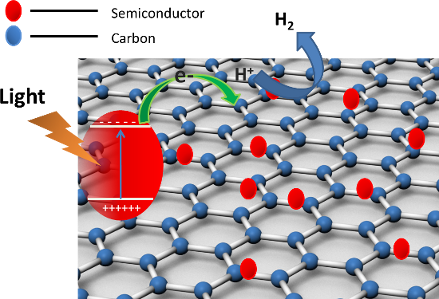
- carbon nitride-based nanocomposites as photocatalysts for energy and environmental applications is discussed in detail. This review concludes by highlighting the advantages and challenges involved in the use of two-dimensional carbon-based nanocomposites for photocatalysis. Finally, the future
- separation rate of photogenerated charge carriers to enhance the quantum yield. Notably, such heterojunction formation with semiconductors also enhances the light absorption efficiency of photocatalysts from UV to visible region of the solar energy spectrum. Furthermore, it is noteworthy to mention here that
- the preparation of g-C3N4 based nanocomposites, which includes molecular self-assembly [93], microwave assisted heating [38], molten salt synthesis [94] and ionic liquid strategy [95]. 2D carbon-based nanocomposites as photocatalysts 2D graphene-based photocatalysts for energy generation


ZnO nanoparticles sensitized by CuInZnxS2+x quantum dots as highly efficient solar light driven photocatalysts
Beilstein J. Nanotechnol. 2017, 8, 1080–1093, doi:10.3762/bjnano.8.110
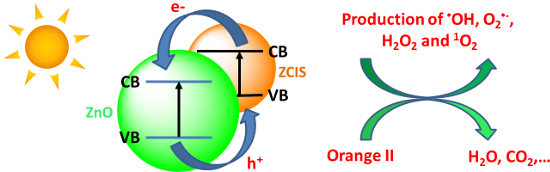
- air [1][2][3][4][5] and can also be used to produce energy vectors such as hydrogen from water [6][7][8]. Due to their strong catalytic activity, reasonable photo- and chemical stability, and weak toxicity, TiO2 and ZnO semiconductors are the most commonly used photocatalysts. However, their large
- bandgap (≈3.2–3.3 eV) restricts light activation to the UV range (which accounts for only ≈4% of the solar spectrum) for the generation of the charge carriers responsible for the surface redox reactions. To improve the efficient use of solar light, visible-light-responsive photocatalysts should be
- coupled to those of the QDs [10][11][12]. Heterostructured photocatalysts such as ZnO/CdS or TiO2/CdS or TiO2/PbS exhibit extended light absorption and improved photoreactivity due to the promoted separation of photo-induced charge carriers [13][14][15][16][17][18][19]. However, QDs such as CdS or PbS





Assembly of metallic nanoparticle arrays on glass via nanoimprinting and thin-film dewetting
Beilstein J. Nanotechnol. 2017, 8, 1049–1055, doi:10.3762/bjnano.8.106
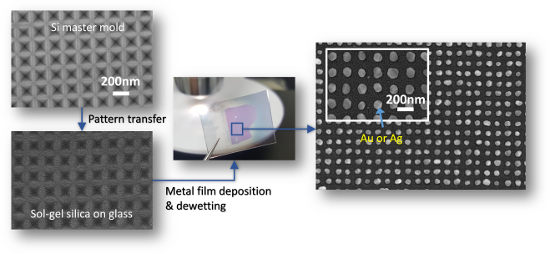
- surface [1][2]. Because it is a relatively simple process [3], this technique opens up numerous applications, such as high-density magnetic recording media [2][4], photovoltaic devices [5][6][7][8][9][10], photocatalysts [11] and catalysts for the fabrication of carbon nanotubes and nanowires. However


High photocatalytic activity of Fe2O3/TiO2 nanocomposites prepared by photodeposition for degradation of 2,4-dichlorophenoxyacetic acid
Beilstein J. Nanotechnol. 2017, 8, 915–926, doi:10.3762/bjnano.8.93
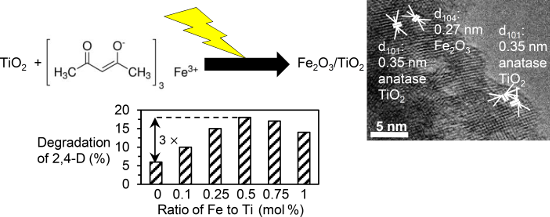
- have been widely suggested for environmental remediation under mild conditions. In the presence of only a photocatalyst and a light source of appropriate energy, the process can mineralize organic pollutants to harmless products such as carbon dioxide and water. Among the semiconductor photocatalysts
- of the best modifiers, the use of a co-catalyst has been recognized to improve the photocatalytic performance of semiconductor photocatalysts as it promotes charge separation and suppresses photocorrosion of the semiconductor photocatalyst [3][4]. One of the potential co-catalyst modifiers is iron
- (III) oxide (Fe2O3), which is nontoxic, stable, cost effective and found abundantly in the earth. It has been reported that Fe2O3 can be used to increase the photocatalytic activity or selectivity of semiconductor photocatalysts for degradation of organic pollutants [5][6][7][8][9][10][11][12][13][14


Synthesis of graphene–transition metal oxide hybrid nanoparticles and their application in various fields
Beilstein J. Nanotechnol. 2017, 8, 688–714, doi:10.3762/bjnano.8.74
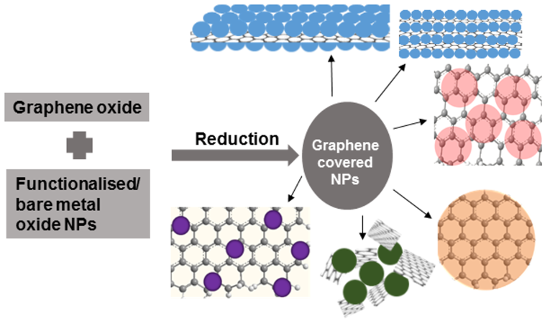
- ), sensors, photocatalysts, removal of organic pollutants, etc. Recent studies have shown that a single graphene sheet (GS) has extraordinary electronic transport properties. One possible route to connecting those properties for application in electronics would be to prepare graphene-wrapped TMO NPs. In this
- synthesis, properties and applications of graphene–metal oxide composite NPs are discussed in detail [21]. The review by Yin et al. focusses on graphene–NP-based hybrid sensors [22], while Xiang et al. review the state of the art in graphene–semiconductor photocatalysts [23]. In this review, we
- then the TiO2 NPs were wrapped by graphene. These hybrids have high potential for photocatalytic application [72]. Zhang et al. have reported graphene-encapsulated TiO2 nanospheres as efficient photocatalysts for the decomposition of rhodamine B with an efficiency up to 91% in 90 min, which is much






Investigation of the photocatalytic efficiency of tantalum alkoxy carboxylate-derived Ta2O5 nanoparticles in rhodamine B removal
Beilstein J. Nanotechnol. 2017, 8, 604–613, doi:10.3762/bjnano.8.65
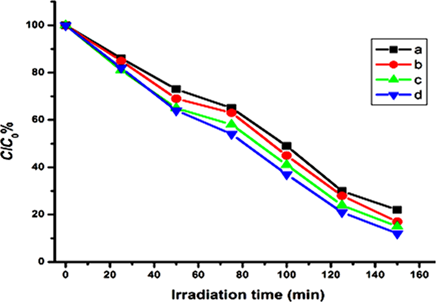
- and CeO2, serve as potential photocatalysts [1][2][3][4]. The properties of the metal oxide nanoparticles (surface area, band gap, porosity) determine its photocatalytic activity for the degradation of organic pollutants from water. Because of properties such as high refractive index and large band


Photocatalysis applications of some hybrid polymeric composites incorporating TiO2 nanoparticles and their combinations with SiO2/Fe2O3
Beilstein J. Nanotechnol. 2017, 8, 272–286, doi:10.3762/bjnano.8.30
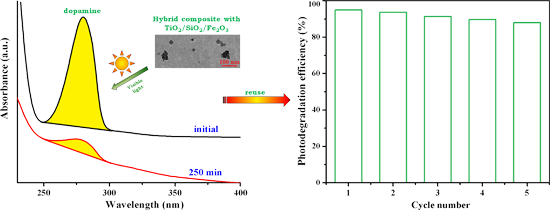
- pursued to reuse and reduce the expense caused by complex centrifugation or filtration steps of the nanostructured photocatalysts, for example, the preparation of TiO2 NPs with magnetic properties [27][28][29][30] or the immobilization of titania on/in diverse matrices such as glass, zeolite, ceramic
- maximization of the photocatalytic efficiency. An interesting route to reach this goal is the use of iron(III) added to titanium dioxide photocatalysts, which improves the photocatalytic activity under visible light reducing the recombination rates of the photo-excited carriers [38]. Also, the immobilization
- of TiO2 photocatalysts in a polymer matrix allowing a re-use seems to be beneficial in contrast to the colloidal photocatalytic systems. In fact, the fabrication of such composites from conjugated organic polymers (polypyrrole, polyaniline) and TiO2 NPs [39][40][41] or other polymer matrices as


Organoclay hybrid materials as precursors of porous ZnO/silica-clay heterostructures for photocatalytic applications
Beilstein J. Nanotechnol. 2016, 7, 1971–1982, doi:10.3762/bjnano.7.188
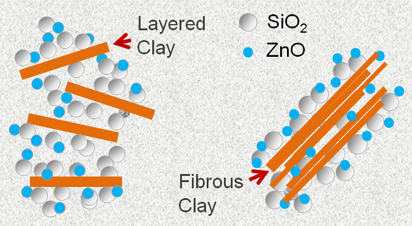
- of the prepared heterostructures were characterized by diverse physico-chemical techniques (such as XRD, FTIR, TEM, FE-SEM). The efficiency of these new porous ZnO/SiO2-clay heterostructures as potential photocatalysts in the degradation of organic dyes and the removal of pharmaceutical drugs in
- immobilized and photoactive. To confirm this, the resulting ZnO/silica-clay heterostructured porous solids have been tested in photocatalytic experiments using water solutions of methylene blue (MB) dye or ibupofren drug, as models of organic pollutants, to prove their efficiency as photocatalysts for
- heterostructures acting as photocatalysts. Apparently, ZnO/SiO2-clay materials act as efficient photocatalysts as MB is completely degraded after 180 min of irradiation in presence of ZnO/SiO2-SEP or ZnO/SiO2-CLO heterostructures, and after only 120 min in presence of the ZnO/SiO2-TSM clay heterostructure. It





Role of RGO support and irradiation source on the photocatalytic activity of CdS–ZnO semiconductor nanostructures
Beilstein J. Nanotechnol. 2016, 7, 1684–1697, doi:10.3762/bjnano.7.161
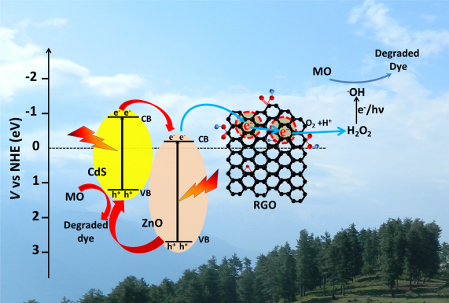
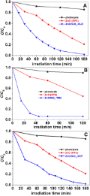
- the photocatalysts. In this work, we have investigated the role of reduced graphene oxide (RGO) support and the irradiation source on mixed metal chalcogenide semiconductor (CdS–ZnO) nanostructures. The photocatalyst material was synthesized using a facile hydrothermal method and thoroughly
- photocatalytic decomposition of organic pollutants [4][5][6][7][8]. These semiconductor photocatalysts not only degrade the contaminants, but also cause their complete mineralization into CO2, H2O and mineral acids [9][10]. Thus, it is advantageous over physico-chemical methods such as flocculation–coagulation
- radiation [17]. Due to this high band gap value, ZnO can only absorb ultraviolet (UV) light and this limits its practical applications [18]. Thus, in order to design more efficient photocatalysts, which are active in visible light, many research groups have devoted their studies towards dye sensitization





High performance Ce-doped ZnO nanorods for sunlight-driven photocatalysis
Beilstein J. Nanotechnol. 2016, 7, 1338–1349, doi:10.3762/bjnano.7.125
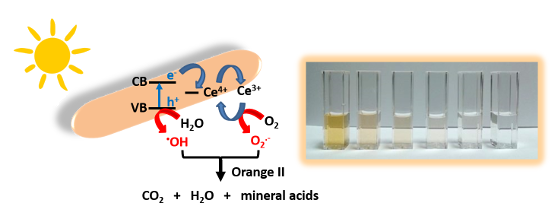
- been developed and their ability to degrade cyanide anions [28] or organic dyes [29][30][31][32][33] like methylene blue or methyl-orange has been demonstrated. The preparation of Ce–Cu, Ce–Pd or Ce–Ag co-doped photocatalysts to enhance the solar or the visible light catalytic response was also
- solvothermal method. Ce-doping not only increases the surface area of photocatalysts but also induces a red-shift in the absorption and improves solar and visible light capacities. At the optimal Ce doping percentage of 5 mol %, Orange II degradation is complete in 80 min. under solar light irradiation and the
- good stability and can reused at least seven times, thus indicating that these materials have great potential as photocatalysts in practical applications. Experimental Materials Zn(OAc)2·2H2O (>98%, Sigma), anhydrous Ce2(SO4)3 (97%, Sigma), Orange II sodium salt (>85%, Sigma), sodium hydroxide (>97







Selective photocatalytic reduction of CO2 to methanol in CuO-loaded NaTaO3 nanocubes in isopropanol
Beilstein J. Nanotechnol. 2016, 7, 776–783, doi:10.3762/bjnano.7.69
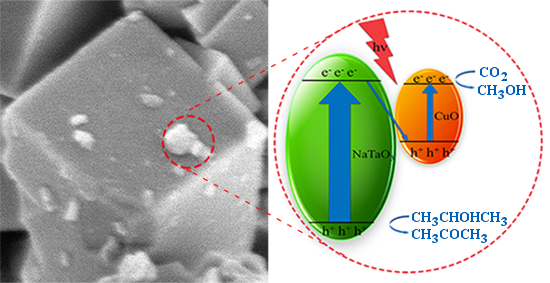
- Engineering, Tianjin University of Technology, Tianjin 300384, China 10.3762/bjnano.7.69 Abstract A series of NaTaO3 photocatalysts were prepared with Ta2O5 and NaOH via a hydrothermal method. CuO was loaded onto the surface of NaTaO3 as a cocatalyst by successive impregnation and calcination. The obtained
- photocatalysts were characterized by XRD, SEM, UV–vis, EDS and XPS and used to photocatalytically reduce CO2 in isopropanol. This worked to both absorb CO2 and as a sacrificial reagent to harvest CO2 and donate electrons. Methanol and acetone were generated as the reduction product of CO2 and the oxidation
- SiC), producing CH3OH, HCOOH, HCHO and trace amounts of CH4. In the 1990s, Ta oxide photocatalysts began to draw attention in the field of water splitting. A series of Ta catalysts, such as LiTaO3 [9], NaTaO3 [10], KTaO3 [11], AgTaO3 [12], CaTa2O6 [13], SrTa2O6 [13], KBa2Ta3O10 [14], were proved to


Impact of ultrasonic dispersion on the photocatalytic activity of titania aggregates
Beilstein J. Nanotechnol. 2015, 6, 2423–2430, doi:10.3762/bjnano.6.250
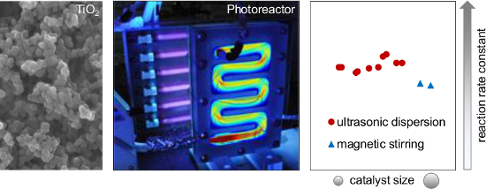
- promising photocatalyst because of its commercial availability, chemical and biological inertness, and because it has no known adverse health effects on humans [5][6]. Due to its large active surface area, the suspended TiO2 powder is favored [6]. Most slurry photocatalysts have been implemented in
- illuminated batch reactors [6][7][8] and follow Langmuir–Hinshelwood kinetics [9][10]. This research has focused on the materials aspects such as the structural properties (e.g., surface area, particle size, crystal composition, porosity) [8][11] of pristine or modified photocatalysts [2][5][12]. However
- of fine, primary particles (as a result of the larger surface area) has been investigated [4][16][17][18], the behavior and properties of the aggregates is not well understood. This paper shows an engineering approach to study the aggregation in photocatalysts. The first part presents the


Green and energy-efficient methods for the production of metallic nanoparticles
Beilstein J. Nanotechnol. 2015, 6, 2354–2376, doi:10.3762/bjnano.6.243
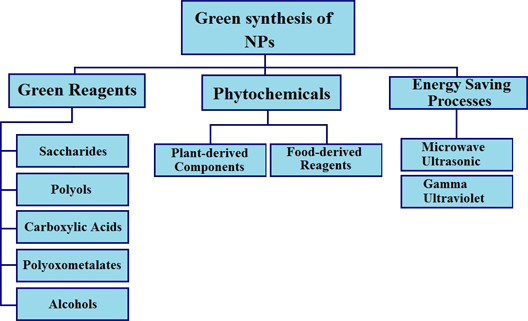
- can result in less energy and raw material consumption, and also less waste generation [118]. For example, polyoxometalates (POMs) can act as a photocatalysts in the synthesis of metallic NPs so that the reactions can take place at room temperature within several minutes [134]. Degradability: Chemical


Paramagnetism of cobalt-doped ZnO nanoparticles obtained by microwave solvothermal synthesis
Beilstein J. Nanotechnol. 2015, 6, 1957–1969, doi:10.3762/bjnano.6.200
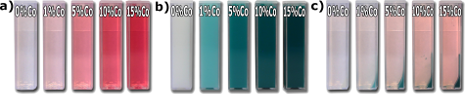
- attractive material with a wide range of applications such as: transparent transistors based on semiconducting transparent oxides [4], ultraviolet (UV) light blockers [5], photocatalysts [6] or antibacterial uses [7]. The energy band gap of ZnO is ≈3.3 eV at room temperature, corresponding to a wavelength of




High photocatalytic activity of V-doped SrTiO3 porous nanofibers produced from a combined electrospinning and thermal diffusion process
Beilstein J. Nanotechnol. 2015, 6, 1281–1286, doi:10.3762/bjnano.6.132
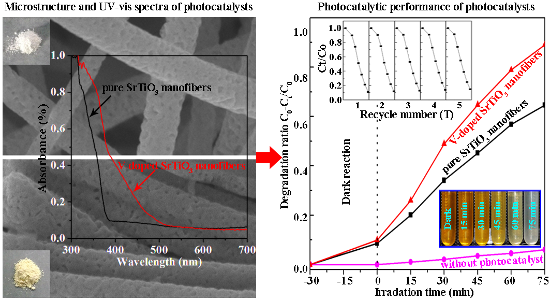
- , chemical fertilizers and phenol [4]. Fortunately, a new and eco-friendly photocatalysis technique has drawn much attention. Photocatalysts are capable of accelerating the oxidation and mineralization of such organic substances with a fast removal rate [5][6] by producing strongly reactive and nonselective
- metal ions [8][9][10][11], such as Ti4+, Zr4+, Ta5+, Nb5+ and V5+, as well as the development of new photocatalysts. Strontium titanate (SrTiO3), an important multifunctional semiconductor, has been applied in photocatalysis technology for water splitting and organic contaminant degradation [12][13
- excellent photocatalytic properties of Fe-doped SrTiO3, Nd-doped SrTiO3 and Ni/La co-doped SrTiO3 [18][19][20]. These new photocatalysts enable a good response to light or overcome light corrosion caused by the excessive accumulation of photogenerated carriers due to poor conductivity. However, there are



Effects of swift heavy ion irradiation on structural, optical and photocatalytic properties of ZnO–CuO nanocomposites prepared by carbothermal evaporation method
Beilstein J. Nanotechnol. 2015, 6, 928–937, doi:10.3762/bjnano.6.96
- ], biosensors [22] and photocatalysts [23][24][25]. Nanocomposites consisting of nanostructures of ZnO and other metal-oxide semiconductors are being widely studied due to their improved physicochemical properties as compared to the individual counterparts. CuO, a p-type narrow band gap semiconductor, is
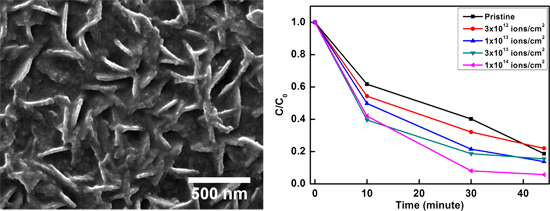
- optimize the photocatalytic activity of ZnO–CuO nanocomposites. Figure 6 and Figure 7 show the UV–visible absorption spectra of 3.7 μM MB and MO dyes with the pristine and ion-irradiated nanocomposite samples as photocatalysts upon irradiation with sun light for different periods of time. The
- irradiation can be used to controllably engineer the shape of ZnO nanostructures (nanorods and nanosheets) and enhance the photocatalytic activity of ZnO–CuO nanocomposites, improving their applicability as reusable photocatalysts. Conclusion ZnO–CuO nanocomposite thin films were prepared by carbothermal





Tm-doped TiO2 and Tm2Ti2O7 pyrochlore nanoparticles: enhancing the photocatalytic activity of rutile with a pyrochlore phase
Beilstein J. Nanotechnol. 2015, 6, 605–616, doi:10.3762/bjnano.6.62
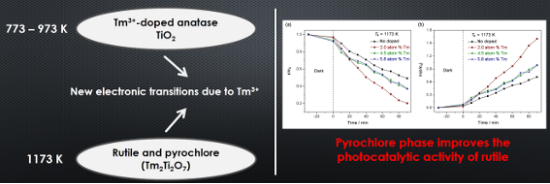
- studies in the literature in which pyrochlore-type compounds with high photocatalytic activity are used as a photocatalysts, such as Bi2Ti2O7 [9][10], Pb2Nb2O7 [11]; other pyrochlore compounds that have been evaluated are rare earths, such as Gd2BiSbO7 [12] or Ln2Ti2O7 (Ln = Nd, Gd, Er) [13]. In this





