Search results
Search for "photovoltaic" in Full Text gives 161 result(s) in Beilstein Journal of Nanotechnology.
Electro-optical characteristics of a liquid crystal cell with graphene electrodes
Beilstein J. Nanotechnol. 2017, 8, 2802–2806, doi:10.3762/bjnano.8.279
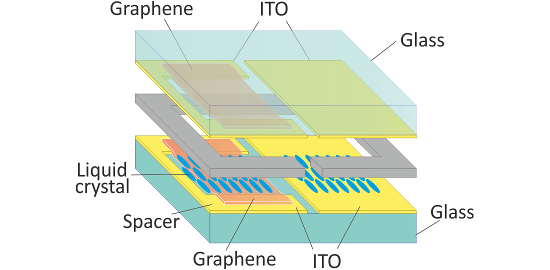
- flexibility [4]. Many studies have been conducted on the application of graphene electrodes for light-emitting devices [5][6][7], photovoltaic devices [8][9], and touch screens [10], with much promise as a replacement for ITO. However, fundamental studies on the application of graphene as transparent


PTFE-based microreactor system for the continuous synthesis of full-visible-spectrum emitting cesium lead halide perovskite nanocrystals
Beilstein J. Nanotechnol. 2017, 8, 2521–2529, doi:10.3762/bjnano.8.252
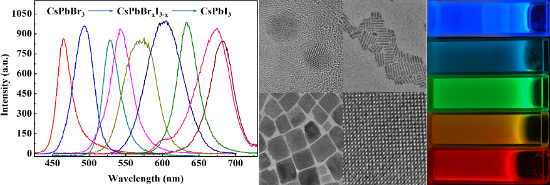
- reports on the synthesis of colloidal, hybrid organic–inorganic perovskite QDs (CH3NH3PbX3, X = Cl, Br, I and their mixture thereof) and all inorganic perovskite QDs (CsPbX3, X = Cl, Br, I and their mixture thereof) [7][8][9], which likely can be used as a photosensitive layer for photovoltaic devices


Dynamic behavior of a nematic liquid crystal mixed with CoFe2O4 ferromagnetic nanoparticles in a magnetic field
Beilstein J. Nanotechnol. 2017, 8, 2467–2473, doi:10.3762/bjnano.8.246
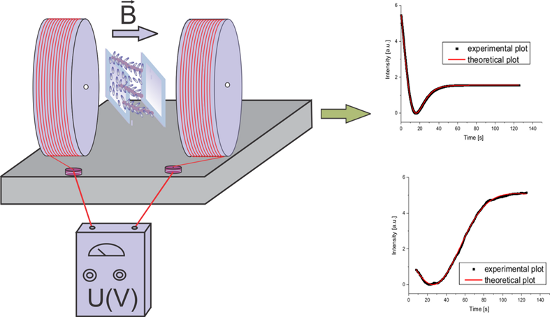
- recorded by a ThorLab photovoltaic cell and the data are collected to get real-time plots. The Fréedericksz transition threshold was determined by slowly increasing the applied field. It was found to be 0.047 T for the pure liquid crystal and 0.062 T for the cell containing the ferroparticles. The


Changes of the absorption cross section of Si nanocrystals with temperature and distance
Beilstein J. Nanotechnol. 2017, 8, 2315–2323, doi:10.3762/bjnano.8.231
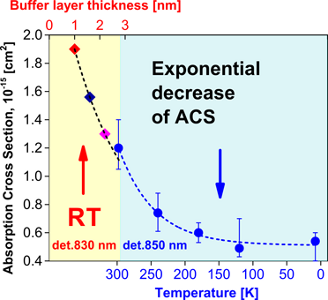
- silicon, which reveals all advantages of the quantum confinement effect [1], is a promising candidate for the development of a new generation of Si photovoltaic and photonic devices [2]. SiO2-embedded silicon nanocrystals (Si NCs) can be relatively easy integrated into current CMOS technology. In


Substrate and Mg doping effects in GaAs nanowires
Beilstein J. Nanotechnol. 2017, 8, 2126–2138, doi:10.3762/bjnano.8.212
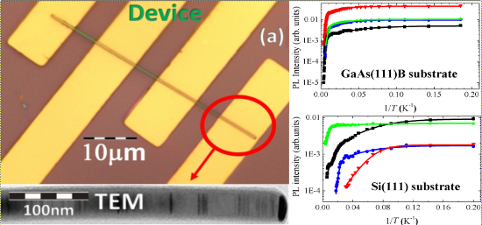
- photonic circuits, and solar cells [1][2][3]. Semiconductor nanowires have been a topic of intense research in the scope of third generation photovoltaic technology, with a predicted significant reduction of cost production [4]. Group III–V semiconductor nanowires are considered very promising materials
- carriers dynamics. This is very important for the intended photovoltaic applications of these nanowires, in which the collection of charge carriers is a key issue. On average, for growth on the GaAs(111)B substrate, the temperature dependence of the PL showed the thermal activation of non-radiative de


Parylene C as a versatile dielectric material for organic field-effect transistors
Beilstein J. Nanotechnol. 2017, 8, 1532–1545, doi:10.3762/bjnano.8.155
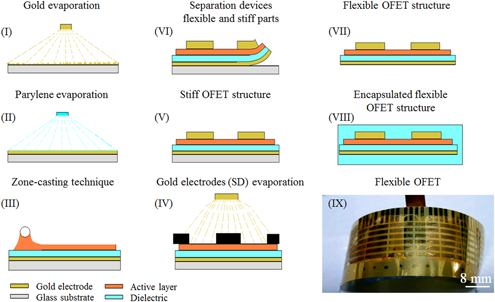
- utilized in a form of protective layers stabilizing organic electronic devices. It should be pointed out that the requirements for the barrier protecting an organic transistor (about 10−2 g/m2 per day) are not as restricted as those regarding an organic photovoltaic (OPV) device (10−4 g/m2 per day) or an




Spin-chemistry concepts for spintronics scientists
Beilstein J. Nanotechnol. 2017, 8, 1427–1445, doi:10.3762/bjnano.8.143
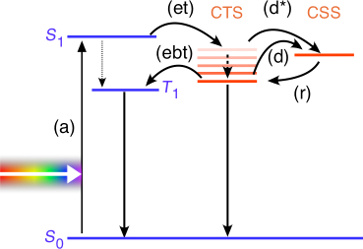
- solar cells (OSCs) [27][28]. We chose this to serve as example as it closely resembles the functional principles of systems found in spin chemistry. While OSCs have significant potential to become an inexpensive, large area and flexible photovoltaic technology at lower cost than conventional
- (electron) acceptor, as the photoactive layer. These two materials are combined either as a blend (the resulting architecture is called bulk heterojunction solar cell) or as two adjacent layers, yielding a planar heterojunction solar cell. The key processes for photovoltaic energy conversion in these types
- harvested by the solar cell concept as described above. This concept allows, therefore, internal up-conversion of incident photons, thus extending the absorption range of the photovoltaic system to the little exploited near-infrared regime of the solar spectrum. Spin dynamics in radical pairs Radical pairs



Oxidative chemical vapor deposition of polyaniline thin films
Beilstein J. Nanotechnol. 2017, 8, 1266–1276, doi:10.3762/bjnano.8.128
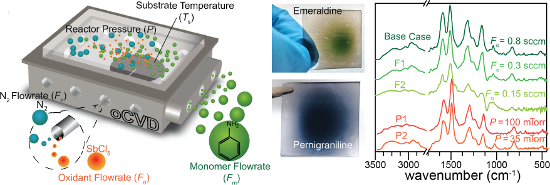
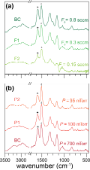
- demonstrated PEDOT as a neutral hole-transporting polymer for enhancing solar cells efficiency and lifetime [28]. oCVD PEDOT was also used to encapsulate flexible organic photovoltaics [29] and in the fabrication of organic photovoltaic circuits on unmodified paper [30]. Likewise, our group demonstrated the




Assembly of metallic nanoparticle arrays on glass via nanoimprinting and thin-film dewetting
Beilstein J. Nanotechnol. 2017, 8, 1049–1055, doi:10.3762/bjnano.8.106
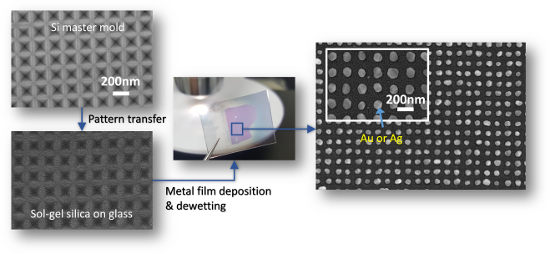
- surface [1][2]. Because it is a relatively simple process [3], this technique opens up numerous applications, such as high-density magnetic recording media [2][4], photovoltaic devices [5][6][7][8][9][10], photocatalysts [11] and catalysts for the fabrication of carbon nanotubes and nanowires. However


Energy-level alignment at interfaces between manganese phthalocyanine and C60
Beilstein J. Nanotechnol. 2017, 8, 927–932, doi:10.3762/bjnano.8.94
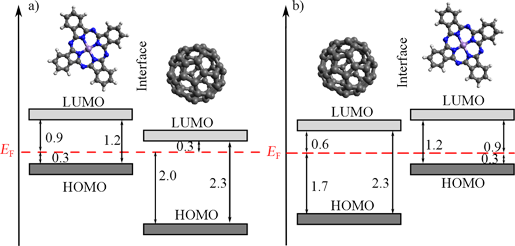
- fullerene C60. We show that this energy-level alignment depends upon the preparation sequence, which is explained by different molecular orientations. Moreover, our results demonstrate that MnPc/C60 interfaces are hardly suited for application in organic photovoltaic devices, since the energy difference of
- phthalocyanine-based (model) devices have been realized [28][29][30][31][32][33]. In particular, organic photovoltaic cells containing, e.g., copper phthalocyanine (CuPc) can be found rather frequently in the literature [28][30][34][35][36]. There, the charge separation at interfaces between the phthalocyanine
- be estimated to about 0.8 eV. This difference is predominantly due to the rather different energy gaps in CuPc (about 2.2 eV [52]) and MnPc (1.2 eV). As a consequence, MnPc/C60 junctions are less suited for the application in organic photovoltaic devices since the energy gain associated with the


Synthesis of coaxial nanotubes of polyaniline and poly(hydroxyethyl methacrylate) by oxidative/initiated chemical vapor deposition
Beilstein J. Nanotechnol. 2017, 8, 872–882, doi:10.3762/bjnano.8.89
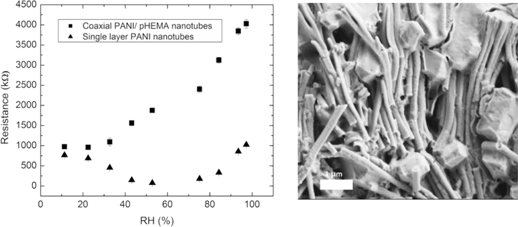
- applications in light emitting diodes [15], photovoltaic cells [16][17], supercapacitors [18], sensors [19] and drug delivery [20]. During synthesis of these nanostructures, the use of solvents is a major drawback for homogeneity and conformal coatings, especially on high-aspect-ratio templates, due to wetting


Synthesis of graphene–transition metal oxide hybrid nanoparticles and their application in various fields
Beilstein J. Nanotechnol. 2017, 8, 688–714, doi:10.3762/bjnano.8.74
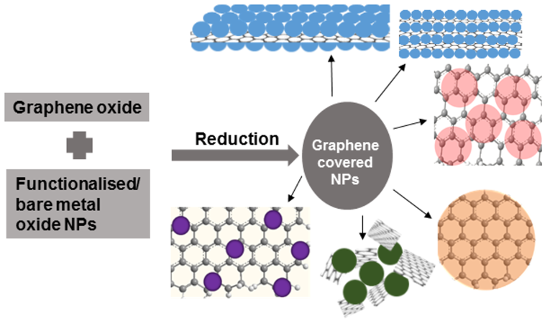
- , multicomponent NPs have been also integrated with graphene, but such examples are still very few to date [29]. In a photovoltaic cell, sunlight energy is directly converted to electricity. Graphene and graphene–NP hybrids have been investigated extensively in the field of solar cells because of their unique
- that the energy conversion efficiency of the photovoltaic devices that use TiO2 NPs critically depends on the morphology and size of the NPs [79][80]. Additionally, in TiO2–graphene hybrid systems, the morphology of TiO2 plays an important role in various applications. TiO2 anode materials have






Analysis and modification of defective surface aggregates on PCDTBT:PCBM solar cell blends using combined Kelvin probe, conductive and bimodal atomic force microscopy
Beilstein J. Nanotechnol. 2017, 8, 579–589, doi:10.3762/bjnano.8.62
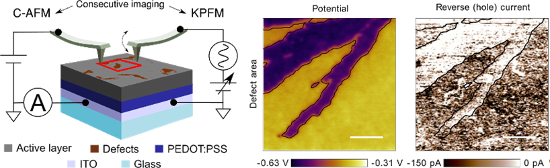
- Hanaul Noh Alfredo J. Diaz Santiago D. Solares Department of Mechanical and Aerospace Engineering, The George Washington University, Washington, DC 20052, United States of America 10.3762/bjnano.8.62 Abstract Organic photovoltaic systems comprising donor polymers and acceptor fullerene
- -to-roll mass production [2]. There have been immense improvements regarding the efficiency of photovoltaic devices [3], their lifetime [4] and their stability [5], such that recent PSCs show power conversion efficiencies (PCE) above 10% [6] and an intrinsic lifetime approaching seven years [4]. Since


Fabrication of black-gold coatings by glancing angle deposition with sputtering
Beilstein J. Nanotechnol. 2017, 8, 434–439, doi:10.3762/bjnano.8.46
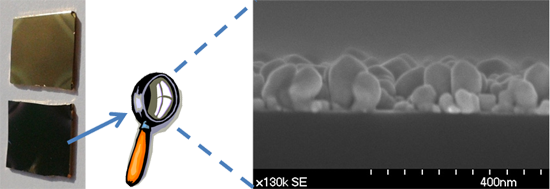
- ; Introduction Black-metal coatings are metallic coatings that exhibit a high absorption in a certain region of the electromagnetic spectra. They are of interest in a wide range of applications [1][2][3][4][5][6][7] such as radiative heat exchangers, solar energy absorbers, electrodes of photovoltaic cells


In-situ monitoring by Raman spectroscopy of the thermal doping of graphene and MoS2 in O2-controlled atmosphere
Beilstein J. Nanotechnol. 2017, 8, 418–424, doi:10.3762/bjnano.8.44
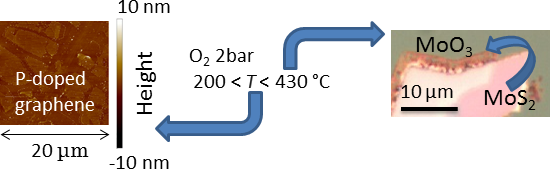
- ]. Especially the possibility to produce van der Waals heterostructures combining Gr and MoS2, is pushing the study of this subject [1]. Indeed, the non-zero band gap, good chemical sensitivity and photo response of MoS2 pave the way for its application in optoelectronics, sensing and photovoltaic devices [22


Performance of natural-dye-sensitized solar cells by ZnO nanorod and nanowall enhanced photoelectrodes
Beilstein J. Nanotechnol. 2017, 8, 287–295, doi:10.3762/bjnano.8.31
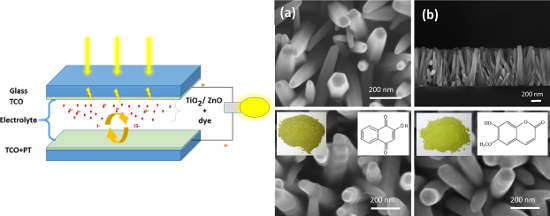
- varied between 40 and 100 nm and the length from 500 to 1000 nm, depending on the growth time. The obtained NWs had a length of 850 nm. The properties of the developed ZnO NW and NR layers with different thicknesses and their effect on the photovoltaic parameters were studied. An internal coverage of the
- ; nanorods; nanowalls; natural dye; ZnO; Introduction Energy demand has increased rapidly during the last forty years to reach a growth rate of 1.8% per year [1]. To satisfy this growing need, it is necessary to find new sources of renewable energy. For instance, photovoltaic (PV) technologies offer a
- conductive layers compared to N2 or O2, which was confirmed in the photovoltaic parameters of the final cells. We also highlight the fact that the use of a TiO2 blocking layer in the structure ZnO NW/TiO2/dye increases the photovoltaic performance of the realized DSSC by enhancing the morphological and


Performance of colloidal CdS sensitized solar cells with ZnO nanorods/nanoparticles
Beilstein J. Nanotechnol. 2017, 8, 210–221, doi:10.3762/bjnano.8.23
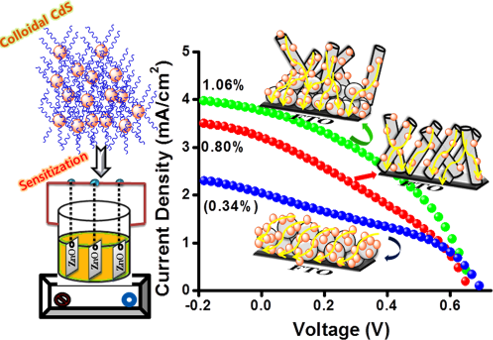
- performance after sensitization with colloidal CdS. In addition, by using 1D ZnO nanorods as a scattering layer, improved photovoltaic activity of ZnO upon sensitization with colloidal CdS could be achieved [32][33]. Experimental Materials The raw material used for the synthesis of Cd(NO3)2, 3H2O, Na2S·7H2O
- reflectance spectra were measured on a UV–vis–NIR spectrometer (Shimadzu, UV-3600) on the considered films. Contact angle (CA) measurements were performed on a KRUSS Drop Shape Analyser, Germany (DSA-4). The photovoltaic J–V characteristics were measured using a solar simulator (Newport) at 100 mW/cm2 (1 sun
- AM 1.5). A standard silicon solar cell (serial number 189/PVM351) from Newport, U.S. was used as a reference cell. The active area of the fabricated cells used for photovoltaic measurement was 0.25 cm2. Further, the I–V characteristics under normal light on CdS-sensitized ZnO films were measured


Influence of hydrofluoric acid treatment on electroless deposition of Au clusters
Beilstein J. Nanotechnol. 2017, 8, 183–189, doi:10.3762/bjnano.8.19
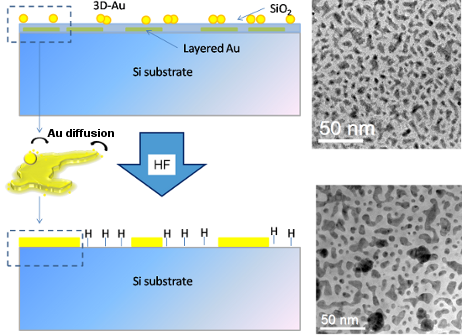
- nanoparticle arrays and to improve the conversion efficiency of hybrid photovoltaic devices. Keywords: electroless deposition; galvanic deposition; gold nanoparticles; HF acid treatment; HF-propelled motion; hydrogen termination; silicon surfaces; Introduction Gold nanoparticles on silicon substrates have


Tandem polymer solar cells: simulation and optimization through a multiscale scheme
Beilstein J. Nanotechnol. 2017, 8, 123–133, doi:10.3762/bjnano.8.13
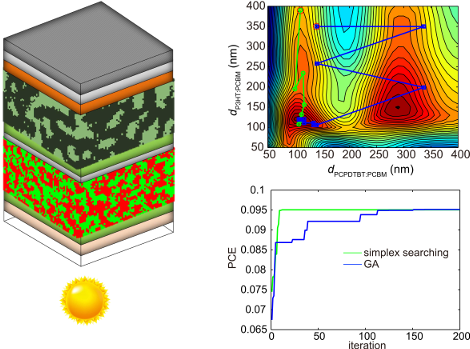
- an example. Two configurations with different sub-cell sequences in the tandem photovoltaic device were tested and compared. The comparison of the simulation results between the two configurations demonstrated that the balance between the two sub-cells is of critical importance for tandem organic
- through both simplex algorithm and GA. The optimized tandem device parameters were in agreement with those reported in fabricated devices. This work not only provides promising guidance for tandem polymer solar cell fabrication, but also sheds light on the fundamental principles of tandem photovoltaic





Ordering of Zn-centered porphyrin and phthalocyanine on TiO2(011): STM studies
Beilstein J. Nanotechnol. 2017, 8, 99–107, doi:10.3762/bjnano.8.11
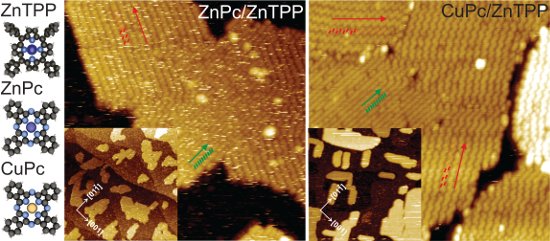
- device functionality. It was reported that a mixture of porphyrins and phthalocyanine has a profound impact on the photovoltaic parameters of dye-sensitized solar cells [9][10]. Therefore, the microscopic investigation on such systems is crucial. One of the most popular nonmetal substrates used for


Scanning probe microscopy studies on the adsorption of selected molecular dyes on titania
Beilstein J. Nanotechnol. 2016, 7, 1642–1653, doi:10.3762/bjnano.7.156
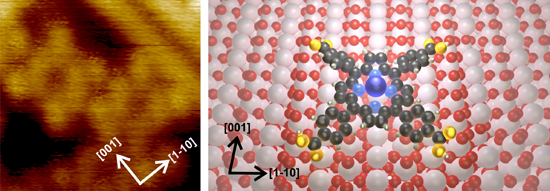
- , Jagiellonian University, Łojasiewicza 11, 30-348 Krakow, Poland Department of Physics, University of Basel, Klingelbergstr. 82, 4056 Basel, Switzerland 10.3762/bjnano.7.156 Abstract Titanium dioxide, or titania, sensitized with organic dyes is a very attractive platform for photovoltaic applications. In this
- dianhydride (PTCDA); phtalocyanines; porphyrins; rutile; scanning probe microscopy; scanning tunneling microscopy (STM); titanium dioxide (TiO2); Introduction Today it comes as no surprise that photovoltaic devices can be made of materials other than silicon. Nanocrystalline materials accompanied by organic
- molecules or conducting polymers offer several advantages, e.g., they are relatively cheap to fabricate and can be used on flexible substrates [1]. The use of organic sensitizers allows even wide-band-gap semiconductors to be used in photovoltaic applications. Semiconductors with large band gaps offer


Nanostructured germanium deposited on heated substrates with enhanced photoelectric properties
Beilstein J. Nanotechnol. 2016, 7, 1492–1500, doi:10.3762/bjnano.7.142
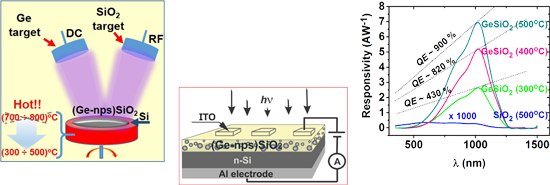
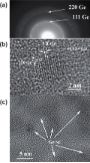
- into a dielectric matrix of stoichiometric SiO2. This determines the dark current level (which should be as small as possible) whereas Ge:SiOx layers with small oxygen deficit (x < 2) represent the favorable components for photovoltaic applications, according to the analysis conducted by A. Nyrow and
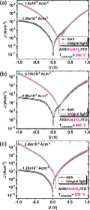
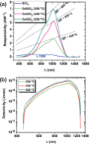
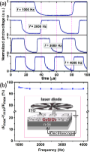
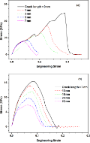
- bias respectively; b) spectral detectivity for Al/n-Si/Ge:SiO2/ITO structures obtained at different temperatures. Photovoltaic response speed of the photodetector structure (fabricated at 400 °C) under pulsed (Pin = 7.6 mW) NIR light (808.5 nm laser): (a) with frequency of 1000, 2000, 3000 and 4000 Hz




The effect of dry shear aligning of nanotube thin films on the photovoltaic performance of carbon nanotube–silicon solar cells
Beilstein J. Nanotechnol. 2016, 7, 1486–1491, doi:10.3762/bjnano.7.141
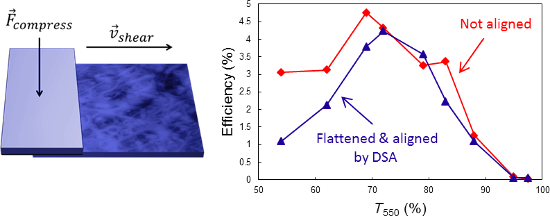
- photovoltaic performance of devices produced with and without dry shear aligning is compared. Keywords: absorbance; carbon nanotubes; current-voltage; dry shear aligning; order parameter; Introduction During the last decade or so, the potential benefits of using carbon nanotubes in solar cells has been
- ε0 have their usual meaning. The as-prepared films and those aligned by DSA were deposited on silicon substrates patterned with electrodes, and the photovoltaic performance was measured, with the results summarised in Figure 3 (and with the full J–V curves shown in Supporting Information File 1
- surface of the films using the newly developed technique of dry shear aligning. Whilst the DSA process produced films that were two orders of magnitude flatter and exhibited a 2D order parameter of up to 0.3, both of which have been previously observed to improve the photovoltaic performance of carbon


Fracture behaviors of pre-cracked monolayer molybdenum disulfide: A molecular dynamics study
Beilstein J. Nanotechnol. 2016, 7, 1411–1420, doi:10.3762/bjnano.7.132
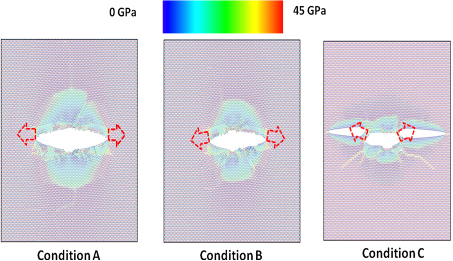
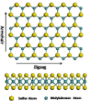
- with pre-existing cracks is of great significance in engineering application. Metal dichalcogenides such as MoS2 and WS2 are well known for their interesting catalytic, photovoltaic, and lubricant properties [2][3][4] making them of interest for a variety of potential applications including scanning




Manufacturing and investigation of physical properties of polyacrylonitrile nanofibre composites with SiO2, TiO2 and Bi2O3 nanoparticles
Beilstein J. Nanotechnol. 2016, 7, 1141–1155, doi:10.3762/bjnano.7.106
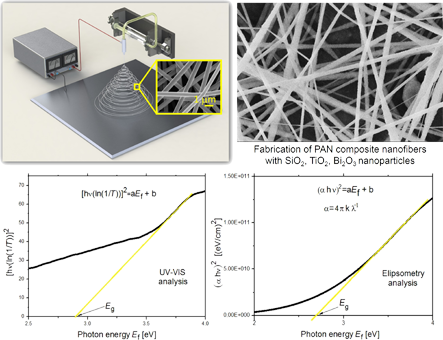
- their electrical, optical and photovoltaic properties. The properties of these oxides contribute to the fact that the materials obtained with their participation are successfully used for the construction of organic thin-layer transistors (OTFTs) [18], Schottky diodes [19] or sensors [20]. Currently
- such obtained carbon fibre. As it was demonstrated by Chureerat Prahsarn and collaborators [34], the polymer nanofibres of PAN are a very good medium for TiO2 nanoparticles with photovoltaic properties, providing the particles with stable embedding, while preserving the large contact area of the