


Search results
Search for "pressure" in Full Text gives 1097 result(s) in Beilstein Journal of Nanotechnology. Showing first 200.
Synthesis of a multicomponent cellulose-based adsorbent for tetracycline removal from aquaculture water
Beilstein J. Nanotechnol. 2025, 16, 728–739, doi:10.3762/bjnano.16.56
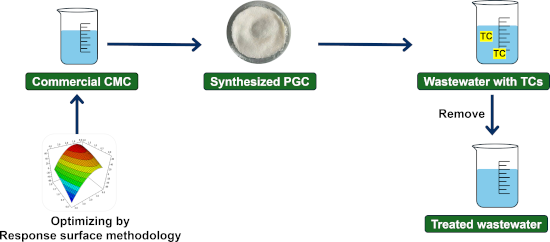
- ‒desorption isotherms at 77.3 K under controlled pressure conditions. Before analysis, the sample was degassed at 150 °C for 2 h and 30 min under an N2 atmosphere. High-performance liquid chromatography-mass spectroscopy (HPLC–MS/MS) The HPLC-MS/MS system consisted of an AB Sciex 4000 QTRAP mass spectrometer


Efficiency of single-pulse laser fragmentation of organic nutraceutical dispersions in a circular jet flow-through reactor
Beilstein J. Nanotechnol. 2025, 16, 711–727, doi:10.3762/bjnano.16.55
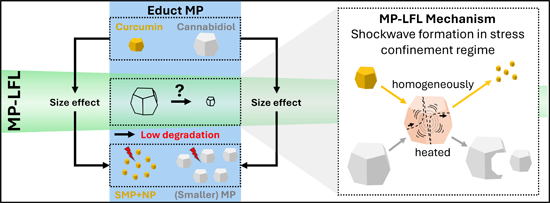
- inorganic IrO2 [14] based on shock wave formation caused by stress confinement. The conditions for stress confinement are fulfilled if the pulse duration is shorter than the acoustic relaxation time and thus a maximum pressure increase occurs in the particle. For curcumin and CBD, this is the case with a


High-temperature epitaxial growth of tantalum nitride thin films on MgO: structural evolution and potential for SQUID applications
Beilstein J. Nanotechnol. 2025, 16, 690–699, doi:10.3762/bjnano.16.53
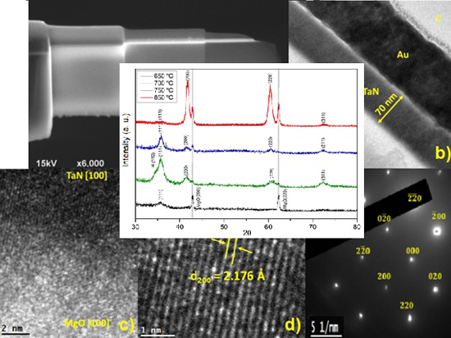
- the present work, superconducting TaN thin films were synthesized using PLD. A high-purity Ta target was ablated in a N2 atmosphere while the N2 pressure was varied to investigate its effect on film properties. The substrate temperature was systematically altered to explore its impact on the growth
- temperature and N2 pressure. This optimization aimed to achieve a low oxygen concentration in the films, surpassing levels reported by other researchers. Low oxygen content is crucial for exhibiting superconducting properties and potentially enhancing Tc. Among the fabricated samples, the film deposited at
- that oxygen can occupy the N sites of the crystal without structural modifications [15]. These findings reinforce the potential of PLD as a viable method for fabricating high-quality TaN superconducting films with controlled stoichiometry and phase purity. The optimal combination of N2 pressure and


Colloidal few layered graphene–tannic acid preserves the biocompatibility of periodontal ligament cells
Beilstein J. Nanotechnol. 2025, 16, 664–677, doi:10.3762/bjnano.16.51
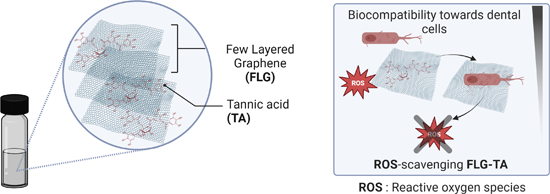
- mW emission from a YAG laser source with an MPC600 PSU quantum laser to excite the samples. The XPS measurements were conducted in an ultrahigh vacuum setup (base pressure 5 × 10⁻⁹ mbar) comprising several interconnected chambers. The analysis chamber features a RESOLVE 120 MCD5 hemispherical




Aprepitant-loaded solid lipid nanoparticles: a novel approach to enhance oral bioavailability
Beilstein J. Nanotechnol. 2025, 16, 652–663, doi:10.3762/bjnano.16.50
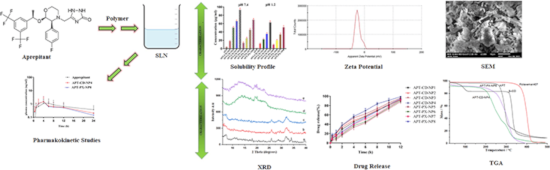
- increasing the swelling of the polymer [22]. In the dissolution medium, pores are formed in the polymeric membrane that determine the release of the drug through osmotic pressure difference [16]. Statistical analysis The drug release from the formulated SLNs was analyzed statistically using ANOVA, followed



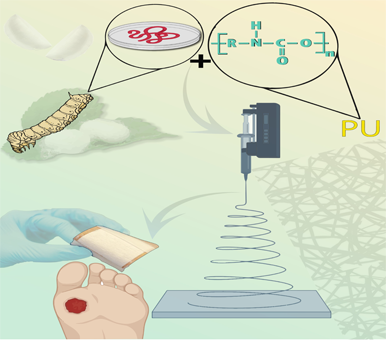
Polyurethane/silk fibroin-based electrospun membranes for wound healing and skin substitute applications
Beilstein J. Nanotechnol. 2025, 16, 591–612, doi:10.3762/bjnano.16.46
- , and regulatory organ. It protects us from microbes and environmental harmful elements, controls body temperature, and gives the sensation of heat, cold, pain, pressure, and touch [24]. Epidermis, dermis, and hypodermis are the three primary layers of the skin [25]. The integrity of the skin can be



Retrieval of B1 phase from high-pressure B2 phase for CdO nanoparticles by electronic excitations in CdxZn1−xO composite thin films
Beilstein J. Nanotechnol. 2025, 16, 551–560, doi:10.3762/bjnano.16.43

- Abstract This study investigates the recovery of the B1 phase from the high-pressure B2 phase, at atmospheric pressure, in cadmium oxide (CdO) nanoparticles incorporated within sol–gel synthesized CdxZn1−xO (x = 0.40) composite thin films. The recovery process is investigated using electronic excitations
- pressure exerted by the Zn2SiO4 phase on CdO nanoparticles during oxygen ion irradiation leads to the coexistence of both B1 and B2 phases. X-ray absorption near-edge spectra (XANES) reveal minimal changes in the intensity of the spike-like Zn L3,2 pre-edge feature associated with the Zn2SiO4 phase under
- , we reported a local pressure-driven structural phase transformation (PT) from B1 (NaCl) to B2 (CsCl) in CdxZn1−xO (x = 0.4) composite binary oxide thin films [1]. The radiation stability of these phases is crucial for optoelectronic applications in space, where the exposure to high-energy particles


Electron beam-based direct writing of nanostructures using a palladium β-ketoesterate complex
Beilstein J. Nanotechnol. 2025, 16, 530–539, doi:10.3762/bjnano.16.41
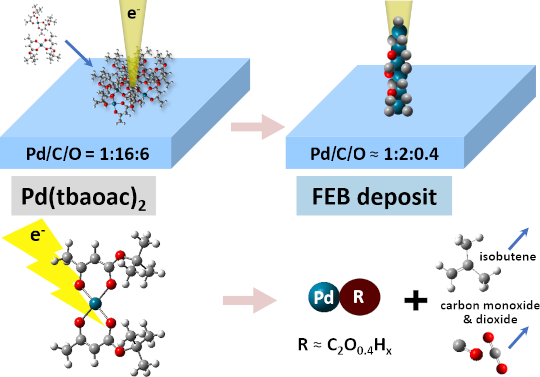
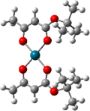
- introduced into the GIS under ambient conditions as it was tested stable. The GIS nozzle was placed 200 µm above the substrate at an angle of 30° to the substrate plane. Both GIS and substrate were heated using resistive heating wires. FEBID was carried out at an operating pressure of 2.0 × 10⁻⁶ mbar. For
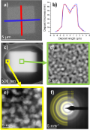
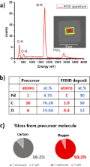
- 0.35 nA. The operating pressure was 1.5 × 10⁻⁵ mbar. Results and Discussion The square deposit, fabricated on the native-oxide Si(100) substrate using a spiral inward scanning strategy, was analyzed to assess its morphology and structure. Secondary electron detection in SEM imaging reveals the


Zeolite materials with Ni and Co: synthesis and catalytic potential in the selective hydrogenation of citral
Beilstein J. Nanotechnol. 2025, 16, 520–529, doi:10.3762/bjnano.16.40
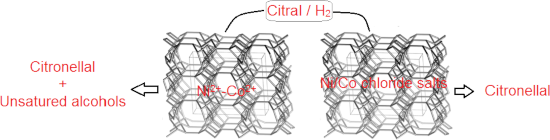
- of isopropanol and transferred into the autoclave. The reactor was first purged with nitrogen and then with hydrogen before raising the temperature to 130 °C. A mixture of 3 mL citral and 10 mL isopropanol was then introduced into the reactor via a cylinder under 75 bar of hydrogen pressure. Time
- zero was considered at this point. During the catalytic test, the reaction was carried out under constant pressure using a pressure control system. After various reaction times, liquid samples were manually collected and analyzed by gas chromatography to determine conversion and selectivity values. It


N2+-implantation-induced tailoring of structural, morphological, optical, and electrical characteristics of sputtered molybdenum thin films
Beilstein J. Nanotechnol. 2025, 16, 495–509, doi:10.3762/bjnano.16.38
- generation in Mo thin films with a low-energy argon ion beam (1 keV) across different ion fluences (1016–1018 ions·cm−2). Thornton et al. [16] examined a transition from tensile to compressive stress in argon-ion-implanted Mo thin films as the sputtering gas pressure decreased. Sun et al. [17] also analyzed
- the properties of argon-ion-implanted Mo thin films deposited via ion beam sputtering, varying deposition parameters such as accelerating voltage, incidence angle, and chamber pressure. Films deposited at near-normal incidence exhibited compressive stress and a nearly linear increase with the
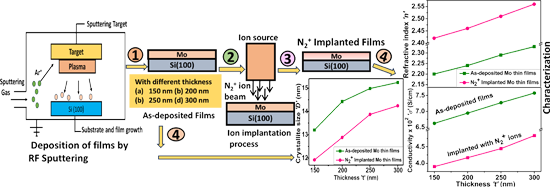
- to a base pressure of 2.0 × 10⁻³ mbar, with a working pressure during deposition of approximately 1.2 × 10⁻² mbar; deposition times varied from 7 to 12 min, resulting in films with thicknesses from 150 to 300 nm, as measured by spectroscopic ellipsometry. After deposition, some films with different


Performance optimization of a microwave-coupled plasma-based ultralow-energy ECR ion source for silicon nanostructuring
Beilstein J. Nanotechnol. 2025, 16, 484–494, doi:10.3762/bjnano.16.37

- extraction composed of molybdenum. The study systematically examines the dependence of ion beam current on critical parameters, such as gas pressure, magnetron power, extraction voltage, and ion energies. The Gaussian nature of the beam profile is scrutinized and elucidated within the context of grid
- for sustaining the plasma. The ion source’s compact design is user-friendly and capable of producing a high beam current density using single- or multigrid extraction systems [27][28]. The extracted beam current is influenced by magnetron power, gas pressure, and extraction voltage. Furthermore, the
- various parameters is extensively examined and elucidated. Experimental parameters, spanning from plasma generation to ion beam extraction, are systematically optimized for the study of low-energy Ar-ion-induced nanostructures on silicon. The dependence of the extracted ion beam on gas pressure, magnetron


Impact of adsorbate–substrate interaction on nanostructured thin films growth during low-pressure condensation
Beilstein J. Nanotechnol. 2025, 16, 473–483, doi:10.3762/bjnano.16.36

- elastic adsorbate–substrate interactions in processes of nanostructuring of thin films during low-pressure condensation in the framework of theoretical approaches and numerical simulations. It will be shown that an increase in the elastic interaction strength induces first-order transitions and pattern
- multicomponent substrates leads to the formation of a stationary surface morphology with an elevated number of adsorbate islands of smaller size, compared to one-component substrates. This study provides a deep insight into the peculiarities of nanostructured thin films’ growth in low-pressure systems with
- ], sensors [5], and catalysts [6][7][8]. Nanostructured thin films grown via low-pressure deposition methods have garnered significant attention because of their diverse applications in electronics, optics, catalysis, and sensors [9]. The ability to precisely control properties such as morphology


Effect of additives on the synthesis efficiency of nanoparticles by laser-induced reduction
Beilstein J. Nanotechnol. 2025, 16, 464–472, doi:10.3762/bjnano.16.35
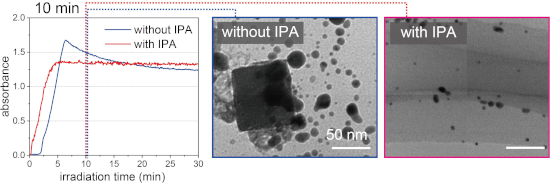
- irradiating a solution containing metal ions with a high-intensity laser. It is simple and environmentally friendly, as it does not require reducing agents or high-temperature, high-pressure environments. In this method, nanoparticles are synthesized by reducing metal ions with short-lived radical species
- of chemical substances such as reducing agents and stabilizers that should be purified and removed after synthesis. In some cases, control of temperature and/or pressure are also required during reaction. In contrast, laser processing in liquids, which does not require chemical substances as reducing
- agents and can form nano- and submicron particles at room temperature and atmospheric pressure, has attracted much attention as a simple and environmentally friendly particle synthesis technique. Laser-based particle synthesis methods can be roughly divided into two categories depending on whether the


Size control of nanoparticles synthesized by pulsed laser ablation in liquids using donut-shaped beams
Beilstein J. Nanotechnol. 2025, 16, 407–417, doi:10.3762/bjnano.16.31
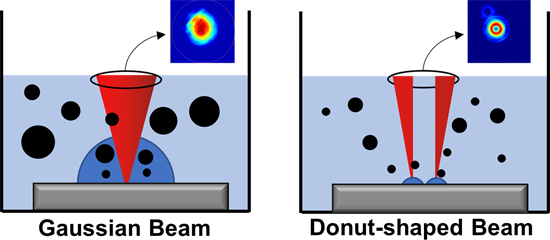
- ). The plasma temperature and pressure determine the cavitation bubble and NP formation [40][41]. The plasma plume that heats up the liquid causes liquid vaporization and subsequent bubble nucleation. The initial pressure of the bubble is very high (higher than 1 GPa) allowing it to expand until it
- reaches equilibrium with the outer pressure, achieving the bubble maximum size. The bubble then collapses, and the process can be repeated for several cycles. Ions, atoms, and clusters within the confined bubble nucleate and grow to form the NPs. The bubble collapse can induce shockwaves that break up the
- the spatial distribution of the laser intensity and, thus, the radiation absorption by the target, influencing plasma plume and cavitation bubble formation, evolution, cooling, and the temperature and pressure conditions that determine nanoparticle formation. In the case of a donut-shaped beam, the


ReactorAFM/STM – dynamic reactions on surfaces at elevated temperature and atmospheric pressure
Beilstein J. Nanotechnol. 2025, 16, 397–406, doi:10.3762/bjnano.16.30
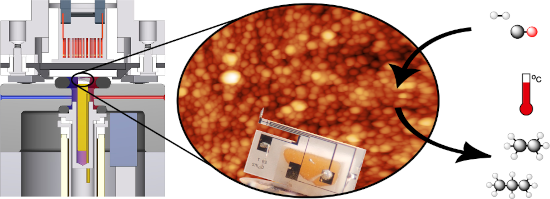
- structure of materials under reaction conditions. We demonstrate this by imaging a Pd(100) single crystal at 450 K with combined AFM/STM. The surface is compared under ultrahigh vacuum and under 0.5 bar O2 pressure showing a notable increase in RMS current, which we attribute to oxidation. Also, we study
- relevant conditions. While much research has been conducted at room temperatures (or below) and under ambient to ultrahigh vacuum (UHV) conditions, industrial conditions expose catalysts to 1000 K and beyond in pressures ranging from ambient to 100 bar [1][2]. This difference in pressure, which influences
- whether a given catalyst becomes reactive, is referred to as the pressure gap. To provide an interpretive framework for catalysts under industrial conditions, new experimental and theoretical analysis tools are required. While recent years have witnessed a tremendous effort in this direction [3], many of


Pulsed laser in liquid grafting of gold nanoparticle–carbon support composites
Beilstein J. Nanotechnol. 2025, 16, 349–361, doi:10.3762/bjnano.16.26
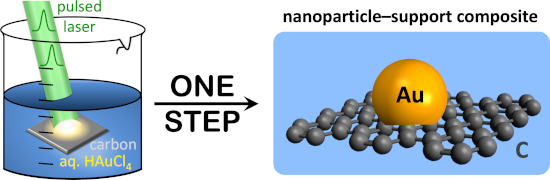
- tape was used to adhere the gold nanoparticle–carbon fiber paper composites to sample stubs. X-ray photoelectron spectra (XPS) data were collected at UR-Nano using a Kratos Axis Ultra XPS instrument with a monochromatized Al Kα source. At a base pressure of 3.0 × 10⁻⁸ mbar, the instrument operated at


Tailoring of physical properties of RF-sputtered ZnTe films: role of substrate temperature
Beilstein J. Nanotechnol. 2025, 16, 333–348, doi:10.3762/bjnano.16.25
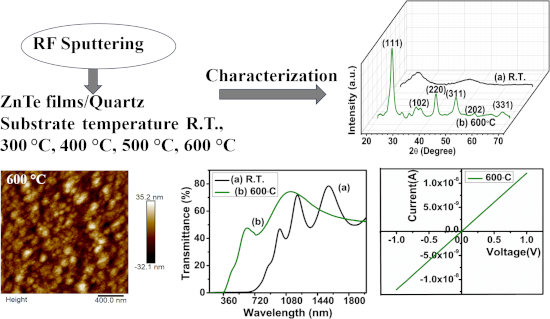
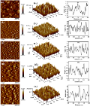
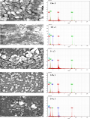
- –target distance, substrate temperature, and pressure during deposition inside the chamber can be varied. These process parameters have a remarkable impact on the structural, optical, and electrical properties of the grown films. Further, films with uniform thickness can be grown using this technique




Fabrication and evaluation of BerNPs regarding the growth and development of Streptococcus mutans
Beilstein J. Nanotechnol. 2025, 16, 308–315, doi:10.3762/bjnano.16.23
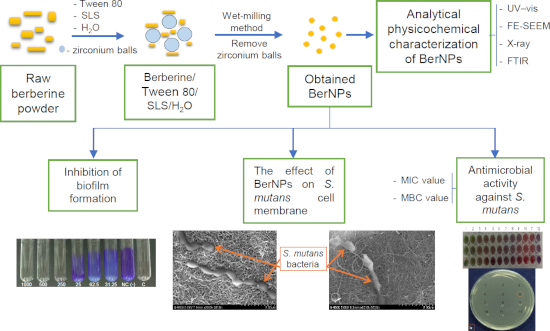
- synthesized by ASP using glycerol as a safe organic solvent, resulting in BerNPs with a narrow size distribution and an average diameter of 156 nm [12]. Additionally, the high-pressure homogenization method reduced the average size of BerNPs to approximately 72.4 nm [25]. Numerous studies showed that smaller




Enhancing mechanical properties of chitosan/PVA electrospun nanofibers: a comprehensive review
Beilstein J. Nanotechnol. 2025, 16, 286–307, doi:10.3762/bjnano.16.22

- selecting the plasma source and controlling discharge conditions such as voltage, pressure, and gas flow rate, various functional groups can be introduced on the fiber surface, enabling tailored modifications that enhance polymer biocompatibility. Punamshree et al. [162] performed surface modification of


Radiosensitizing properties of dual-functionalized carbon nanostructures loaded with temozolomide
Beilstein J. Nanotechnol. 2025, 16, 229–251, doi:10.3762/bjnano.16.18
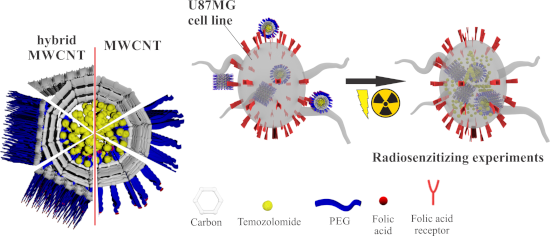
- effects on the proliferation of cancer cells by blocking the cell cycle in the G0/G1 phase and increasing the osmotic pressure [91][92]. In addition, in a paper of Xu et al. [93], dynamic biological interactions between PEG and cells on the molecular level were clarified, explaining both the inhibitory




Recent advances in photothermal nanomaterials for ophthalmic applications
Beilstein J. Nanotechnol. 2025, 16, 195–215, doi:10.3762/bjnano.16.16
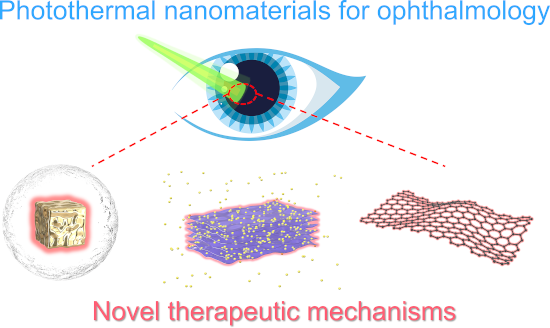
- nanosecond low-energy laser pulses (about 1000 times weaker than the pulses used in standard clinical YAG laser therapy), these nanoparticles rapidly heat up, producing rapidly expanding and collapsing VNBs. This action generates jets and high-pressure shockwaves that mechanically disrupt the collagen
- ]. 3.4 Glaucoma Glaucoma stands as the second most common cause of blindness globally. It arises from impaired circulation of aqueous humor, leading to an increase in intraocular pressure (IOP) [124]. This elevation in IOP can result in the progressive death of retinal ganglion cells and subsequent optic


A review of metal-organic frameworks and polymers in mixed matrix membranes for CO2 capture
Beilstein J. Nanotechnol. 2025, 16, 155–186, doi:10.3762/bjnano.16.14
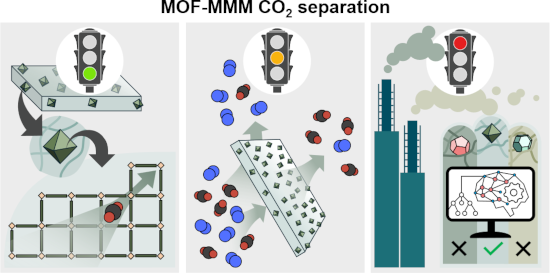
- operation [5]. However, a significant drawback of membrane separation is the inherent trade-off between permeability (pressure-normalized flux) and selectivity (αA/B) for gases A and B, as described by the relationship in Equation 1 [5][12][13][14]. where PA is the steady-state permeability of the more
- modification of the synthesized MOFs and allows for the synthesis of multifunctional frameworks [32][33][34][35]. Alternatively, MOFs can undergo post-synthetic modification to achieve similar functionalization without the risk of degrading functionalized linkers during high-temperature and high-pressure MOF
- flexibility, which may undergo dynamic changes in response to external stimuli, such as pressure and temperature. This characteristic allows for gated CO2 adsorption under specific conditions [44], which presents itself as a unique strategy to selectively control CO2 separation in gas mixtures. For instance




TiO2 immobilized on 2D mordenite: effect of hydrolysis conditions on structural, textural, and optical characteristics of the nanocomposites
Beilstein J. Nanotechnol. 2025, 16, 128–140, doi:10.3762/bjnano.16.12
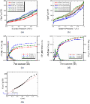
- . Nitrogen sorption and thermogravimetric studies Figure 5a,b shows the N2 adsorption/desorption isotherms of the studied nanocomposites. They demonstrate features characteristic of hierarchical porous structures possessing both micro- and mesoporosity. At low pressure, there is a sharp gas absorption
- (isotherm I or II according to IUPAC classification); at increasing pressure, the absorption continues and is accompanied by a hysteresis loop (isotherm IV according to IUPAC classification). For the series of Ti-WNh-C samples hydrolyzed in pure water, the inflection point on the desorption curves appears
- . For a correct transformation of relative pressure (P/P0) to t, we used the formulas proposed in [38][39] for hierarchical microporous/mesoporous zeolites. In this method, a linear fit at low thickness of adsorbate film (low relative pressure) provides the micropore volume Vmicro (the intercept) and



Modeling and simulation of carbon-nanocomposite-based gas sensors
Beilstein J. Nanotechnol. 2025, 16, 90–96, doi:10.3762/bjnano.16.9
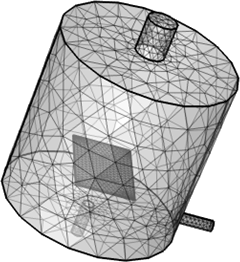
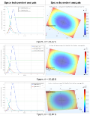
- represented by the deep blue regions, whereas the highest coverage (13.6%) is represented by the bright red regions. The gas entering the chamber experiences a pressure gradient from the inlet point to areas farther away. This pressure gradient causes the gas to radially expand, spreading out toward the



Precursor sticking coefficient determination from indented deposits fabricated by electron beam induced deposition
Beilstein J. Nanotechnol. 2025, 16, 35–43, doi:10.3762/bjnano.16.4

- the method to quantify the sticking coefficient: bis(benzene)chromium, Cr(C6H6)2, and trimethyl(methylcyclopentadienyl)platinum(IV), Me3CpPtMe. Initially, the precursor flux at the BIR was calculated from the total precursor flux estimated from the operating pressure during deposition, turbo pump
- were 100 μm above the surface and 100 μm away from the beam axis. The base pressure of the instrument was 4 × 10⁻⁷ mbar, the chamber pressure during deposition which was used for the estimation of precursor flux was 5 × 10⁻⁷ mbar for Cr(C6H6)2 and 6 × 10⁻⁶ mbar for Me3CpPtMe, respectively. The
- to a significantly lower ESD influence for this precursor. Another precursor behavior that may give a hint about the precursor stickiness is the pressure decay upon closing of the GIS. However, pressure decay can have several impacting factors rather than the calculated sticking coefficient itself





