


Search results
Search for "reduction" in Full Text gives 1294 result(s) in Beilstein Journal of Nanotechnology. Showing first 200.
The role of biochar in combating microplastic pollution: a bibliometric analysis in environmental contexts
Beilstein J. Nanotechnol. 2025, 16, 1401–1416, doi:10.3762/bjnano.16.102

- composition, and microbial community. Regarding soil physical properties, MPs modify porosity and aeration, which in turn disrupt water and air circulation, leading to soil compaction and dryness that adversely affect root development [52][54][56]. These changes are exemplified by the reduction in water
- related to microplastics predominantly emphasize plastic waste reduction and recycling, without establishing clear regulatory thresholds for microplastic concentrations in water and soil [86]. Given the well-documented environmental and biological hazards posed by microplastic pollution, biochar’s



Parylene-coated platinum nanowire electrodes for biomolecular sensing applications
Beilstein J. Nanotechnol. 2025, 16, 1392–1400, doi:10.3762/bjnano.16.101
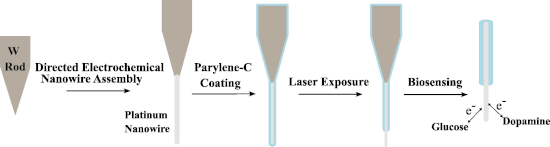
- nanowire growth occurs due to reduction of platinum ions from the solution. Frequency and peak-to-peak voltage parameters were optimized to grow a single platinum nanowire (needle-like) as opposed to dendritic nanowire branches or multiple nanowires. Starting values for growth frequency and peak-to-peak
- electrodes were used as above. The Gamry potentiostat was used for CV tests with scan range from −0.5 to 0.5 V, 30 mV/s, 1 mV step size (1 data point for 1 mV change, 30 data point per second), and four cycles. For noise reduction and statistical considerations, the mean value from the last three cycles were


Synthesis and antibacterial properties of nanosilver-modified cellulose triacetate membranes for seawater desalination
Beilstein J. Nanotechnol. 2025, 16, 1380–1391, doi:10.3762/bjnano.16.100
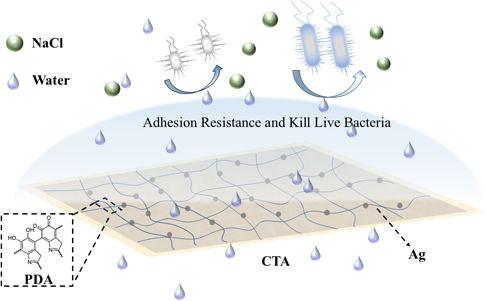
- pollution in cellulose triacetate (CTA) membranes during seawater desalination, silver (Ag) nanoparticles were incorporated onto the CTA surface using polydopamine (PDA). PDA, which contains phenolic and amino groups, exhibits excellent adhesiveness and provides active sites for the attachment and reduction
- evaporation. The CNTs were functionalized with polyethylene imine (PEI) to enhance their dispersibility and to impart antibacterial properties to the membrane. The CNT@PEI/MCE membrane exhibited significant antibacterial activity against Escherichia coli [24]. In summary, the in situ reduction method is
- further functionalization (Figure 4c). This PDA layer imparts functional groups, such as catechol and amino groups, which facilitate the subsequent reduction and immobilization of Ag nanoparticles. Upon Ag deposition, the PCTA membrane’s surface exhibits evenly distributed Ag nanoparticles nestled within


Enhancing the therapeutical potential of metalloantibiotics using nano-based delivery systems
Beilstein J. Nanotechnol. 2025, 16, 1350–1366, doi:10.3762/bjnano.16.98
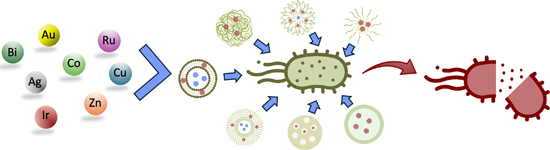
- antimicrobial testing of the liposomal formulation against clinical isolates revealed a remarkable reduction in MIC and MBC when compared to free tobramycin. Notably, the formulation eradicated a highly resistant P. aeruginosa strain at concentrations 1000-fold lower than the free antibiotic. The enhanced


Wavelength-dependent correlation of LIPSS periodicity and laser penetration depth in stainless steel
Beilstein J. Nanotechnol. 2025, 16, 1302–1315, doi:10.3762/bjnano.16.95
- -enhanced Raman spectroscopy, reduction of friction and wear, fuel injection, and enhancement of tribological properties [14][15][16][17][18][19][20][21][22][23][24][25][26][27][28][29][30]. Extensive research efforts have been directed toward understanding LIPSS, encompassing systematic investigations on
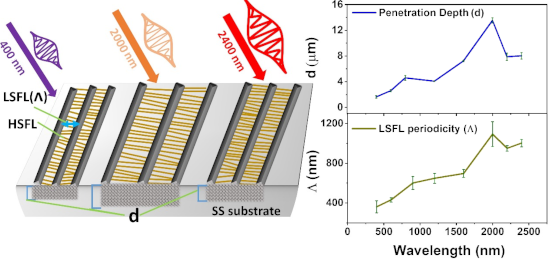
- falling around 1022 to 1023 cm−3 [73][74]. It is conceivable that the plasma frequency can have an effect at wavelengths exceeding 2000 nm, leading to a reduction in penetration depth for larger wavelengths (2200 and 2400 nm); detailed theory and experimental work are needed with pure metals to confirm




Enhancing the photoelectrochemical performance of BiOI-derived BiVO4 films by controlled-intensity current electrodeposition
Beilstein J. Nanotechnol. 2025, 16, 1289–1301, doi:10.3762/bjnano.16.94
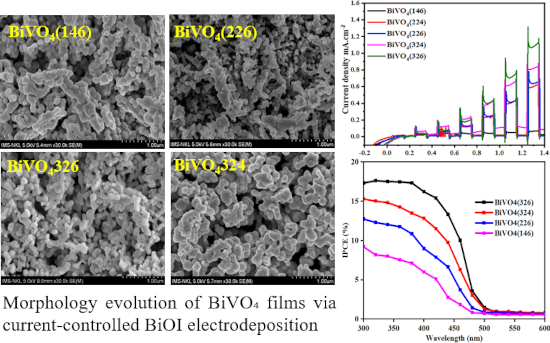
- charge carrier transport; however, their uneven porosity and high charge recombination rates hindered their PEC performance improvement. McDonald and Choi [19] introduced a facile electrodeposition method based on p-benzoquinone reduction to fabricate ultrathin BiOI films, which could be thermally
- deposition parameters indicates a reduction in the structural defects and lattice strain. The vibrational modes at 329 cm−1 and 370 cm−1, corresponding to the asymmetric and symmetric deformations of the V–O bond [30][31], respectively, showed a strong correlation with XRD-derived grain size variations
- efficient charge separation and transport. Previous studies have reported that the (121), (040), and (010) facets of monoclinic BiVO4 contribute to enhanced photocatalytic activity by serving as active sites for oxidation and reduction reactions [32][33]. In particular, the large surface area of the (010



Acrocomia aculeata oil-loaded nanoemulsion: development, anti-inflammatory properties, and cytotoxicity evaluation
Beilstein J. Nanotechnol. 2025, 16, 1277–1288, doi:10.3762/bjnano.16.93
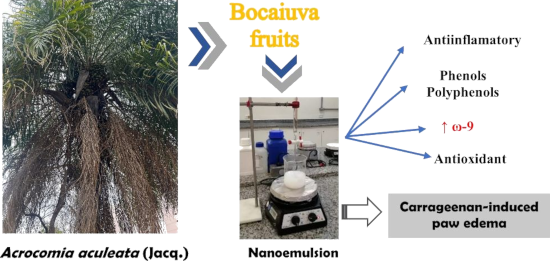
- marked reduction in droplet size, stabilizing between 110 and 120 nm across all time points. This reduction can be attributed to several interrelated physicochemical mechanisms. Primarily, the nonionic surfactants Span 80® and Tween 80® reduce interfacial tension between oil and aqueous phases, a


Hydrogels and nanogels: effectiveness in dermal applications
Beilstein J. Nanotechnol. 2025, 16, 1216–1233, doi:10.3762/bjnano.16.90
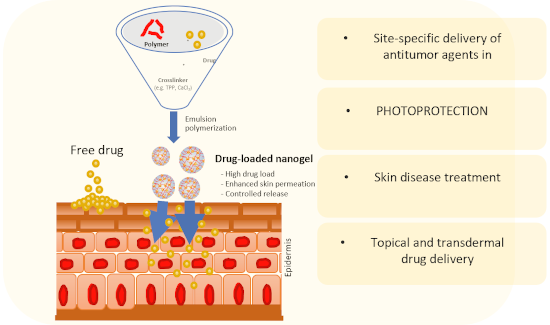
- ][200], radiation [201], reduction potential [202], or concentration of specific compounds, including glucose [203] and reactive oxygen species [204], may result in the modification of particle conformation, leading to the release of the transported drug. Some nanogels can simultaneously respond to two
- nanogels showed responsiveness to pH and temperature variation. In an ex vivo test performed with rat skin, the nanogel activated by sodium carbonate revealed a significantly higher release of naproxen into the epidermis, with a 2.8-fold increase in the steady flow of the drug. A 50% reduction in the
- activity of the COX-2 enzyme and reduction of rat paw edema were also observed by comparing the base-activated nanogel with the nonactivated nanogel in tests confirmed by immunofixation, which corroborated the in vivo/ex vivo data [151]. Nanogels for the transdermal release of methotrexate (MTX), an


Chitosan nanocomposite containing rotenoids: an alternative bioinsecticidal approach for the management of Aedes aegypti
Beilstein J. Nanotechnol. 2025, 16, 1197–1208, doi:10.3762/bjnano.16.88
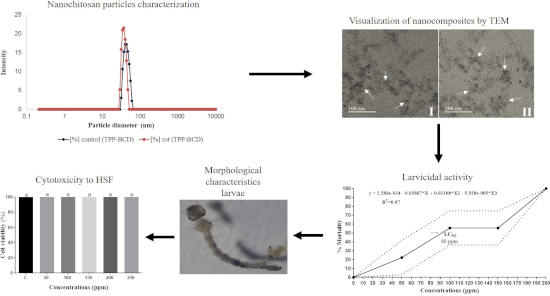
- nanocomposite. Additionally, a noticeable reduction in the intensity of the amide-related bands in CS/TPP-β-CD-rot suggests possible interactions – such as hydrogen bonding or covalent bonding – between rotenoids and the chitosan matrix. These spectral features confirm the successful incorporation of rotenoids



Electronic and optical properties of chloropicrin adsorbed ZnS nanotubes: first principle analysis
Beilstein J. Nanotechnol. 2025, 16, 1184–1196, doi:10.3762/bjnano.16.87
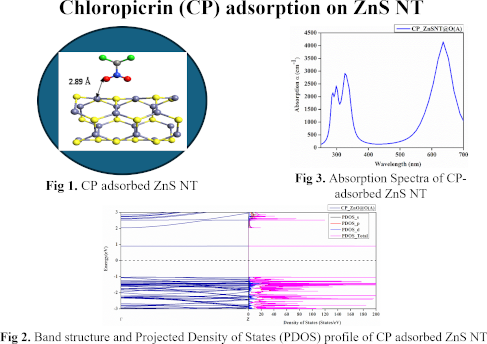
- , optical absorption, and optical conductivity of the ZnS NT-CP system. Our findings reveal that the interaction between CP and ZnS NT induces notable changes in the electronic and optical properties of the nanotube, including a substantial bandgap reduction of up to ≈40% for the specific orientation A. The
- ZnS NT with (3,3) chirality is illustrated in Figure 2. The structural analysis reveals an average Zn–S bond length of 2.29 Å, which is slightly shorter than the bond length of bulk ZnS (2.34 Å). This reduction in bond length can be attributed to the curvature of the NT structure, which induces a
- Figure 4. The pristine ZnS NT exhibits a bandgap of 3.03 eV (Figure 3i), consistent with previous studies [38][40][54][55][56][57][58]. Upon CP adsorption, the bandgap values for orientations A, B, C, and D were reduced to 1.92, 2.27, 2.31, and 2.47 eV, respectively. This reduction in the bandgap is


Crystalline and amorphous structure selectivity of ignoble high-entropy alloy nanoparticles during laser ablation in organic liquids is set by pulse duration
Beilstein J. Nanotechnol. 2025, 16, 1141–1159, doi:10.3762/bjnano.16.84
- decomposition [4], oxygen evolution reactions (OER) [14], oxygen reduction reactions (ORR) [15], in CO oxidation [16], and in CO2 and CO reduction [17]. This high activity in catalysis has been attributed to adsorption energy distribution patterns (AEDP) during catalytic reactions [18], which may be tuned based
- on density functional theory calculations of binding energies and machine learning algorithms for an efficient catalyst design [15][17][19]. The synthesis of HEA NPs has been realized by many methods, including carbothermal shock synthesis (CTS) [20][21], chemical reduction [22][23], fast-moving bed
- , colloidal nanoparticles can be synthesized and/or processed by laser ablation in liquid (LAL) [51][52][53][54][55], laser fragmentation in liquid (LFL) [56][57], and laser reduction in liquid (LRL) [58][59][60], making LSPC an efficient method for nanoparticle research but also for scale-up, as it has been




Deep learning for enhancement of low-resolution and noisy scanning probe microscopy images
Beilstein J. Nanotechnol. 2025, 16, 1129–1140, doi:10.3762/bjnano.16.83
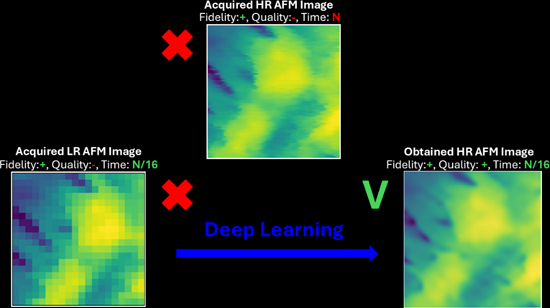
- shows deep learning models to be superior for super-resolution tasks and enables significant reduction in AFM measurement time, whereby low-pixel-resolution AFM images are enhanced in both resolution and fidelity through deep learning. Keywords: atomic force microscopy; deep learning; fast scanning


Influence of ion beam current on the structural, optical, and mechanical properties of TiO2 coatings: ion beam-assisted vs conventional electron beam evaporation
Beilstein J. Nanotechnol. 2025, 16, 1097–1112, doi:10.3762/bjnano.16.81
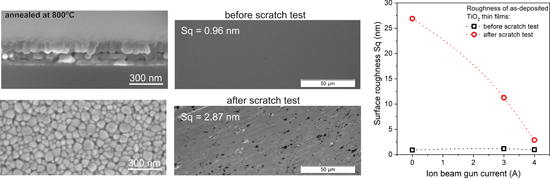
- occurred for all coatings. In particular, an increase in ion beam current led to a reduction in crystallite size by approximately 30% compared to coatings prepared by conventional EBE process. The average anatase crystallite size for annealed films was in the range of 30.8 to 43.5 nm. A detailed SEM
- such as substrate temperature, deposition rate, substrate biasing, and ion beam gun settings. Moreover, post-process annealing can lead to a reduction in thermal stress due to the difference in thermal expansion coefficients between the film and the substrate and can also affect internal stress by




Fabrication of metal complex phthalocyanine and porphyrin nanoparticle aqueous colloids by pulsed laser fragmentation in liquid and their potential application to a photosensitizer for photodynamic therapy
Beilstein J. Nanotechnol. 2025, 16, 1088–1096, doi:10.3762/bjnano.16.80
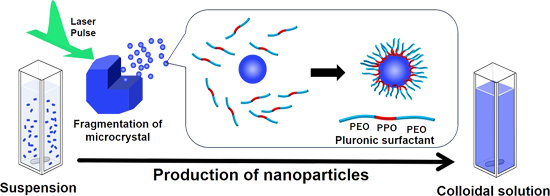
- [30][31]. A halogen lamp light with a wide spectral range of 500–800 nm using optical filters was used as light source for 10 min at an output power of 35 mW·cm−2 (Figure S6 and Figure S7, Supporting Information File 1). For AlClPc and PtOEP nanoparticles, a significant reduction in the cell viability


Piezoelectricity of hexagonal boron nitrides improves bone tissue generation as tested on osteoblasts
Beilstein J. Nanotechnol. 2025, 16, 1068–1081, doi:10.3762/bjnano.16.78
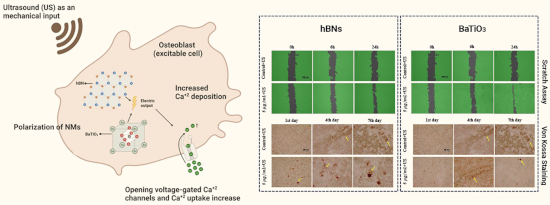
- . However, the viability of cells treated with hBNs+US for 24 h was decreased to 80% for all concentrations of hBNs. Both hBNs and BaTiO3 showed the same behavior with the US exposure for 24 h. This reduction in cell viability can be attributed to the transient mechanical effects by ultrasound exposure
- , the scratch width was significantly reduced in cells treated with hBNs+US (5 and 10 µg/mL) and BaTiO3+US (5 and 10 µg/mL). However, cells treated with hBNs+US exhibited a significantly greater scratch width reduction than those treated with BaTiO3+US. The enhanced migration ability can be attributed


Soft materials nanoarchitectonics: liquid crystals, polymers, gels, biomaterials, and others
Beilstein J. Nanotechnol. 2025, 16, 1025–1067, doi:10.3762/bjnano.16.77
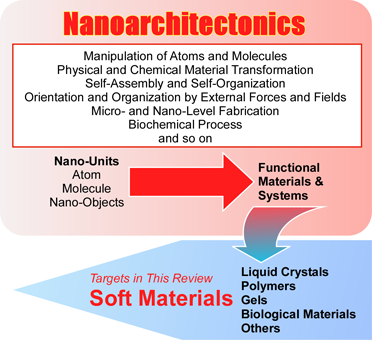
- reversibly alter the orientation of liquid crystals at room temperature. The dissociative adsorption of hydrogen on the palladium/gold film results in the reduction of pre-adsorbed oxygen and the generation of adsorbed hydrogen. This process causes the nitrile-containing liquid crystal to undergo a change in
- organic ionic plastic crystals/Li on LLZO particles enhances the ionic conductivity. In systems with disordered interfaces, an increase in the amount of additive results in a reduction in the distance between particles and a gradual interconnection of the interfaces, thereby enhancing the ionic
- Ru complexes were employed as assembly templates to direct the topochemical addition of repeating monomers. The polymer is extended in discrete steps through the oxidation of units such as thiophene and pyrene, and the reduction of alkynyl units. The same reaction is then repeated in order to repair






Multifunctional properties of bio-poly(butylene succinate) reinforced with multiwalled carbon nanotubes
Beilstein J. Nanotechnol. 2025, 16, 1014–1024, doi:10.3762/bjnano.16.76
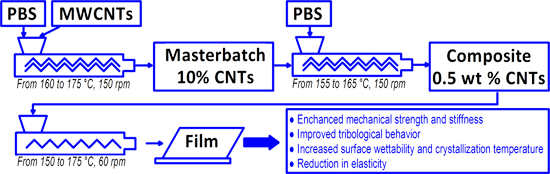
- %. Furthermore, the surface wettability increased by 15%, and the crystallization temperature rose by 25%, indicating an acceleration in crystallization kinetics. However, these enhancements were accompanied by a 37–50% reduction in elasticity. Despite the decrease in ductility, the elongation at break remained



A calix[4]arene-based supramolecular nanoassembly targeting cancer cells and triggering the release of nitric oxide with green light
Beilstein J. Nanotechnol. 2025, 16, 1003–1013, doi:10.3762/bjnano.16.75
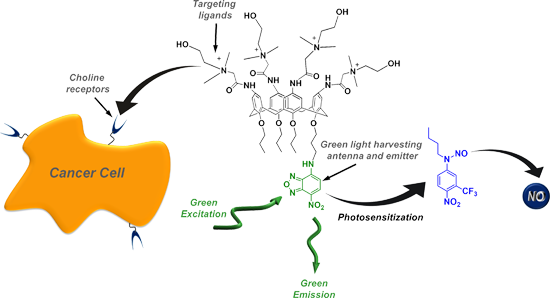
- supported well by the reduction of the values of Φf and τ as a result of the photosensitization process competitive with the fluorescence emission. Conclusion In summary, we have designed and synthesized a multifunctional calix[4]arene, which self-assembles into nanoaggregates in water medium, which are


Time-resolved probing of laser-induced nanostructuring processes in liquids
Beilstein J. Nanotechnol. 2025, 16, 968–1002, doi:10.3762/bjnano.16.74
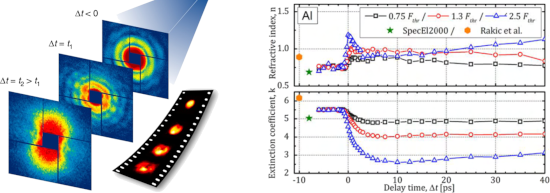
- from the particle surface and grain boundaries, as evidenced by a reduction in crystal domain sizes. Direct imaging of void formation further deepened the understanding of the process, showing that voids act as primary drivers of the transition, corroborated by TTM-MD simulations and additional single


Shape, membrane morphology, and morphodynamic response of metabolically active human mitochondria revealed by scanning ion conductance microscopy
Beilstein J. Nanotechnol. 2025, 16, 951–967, doi:10.3762/bjnano.16.73
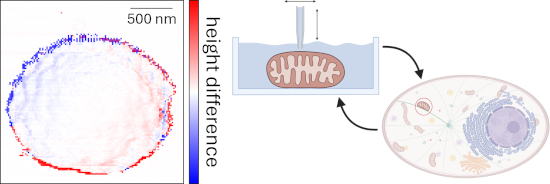
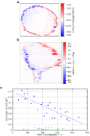
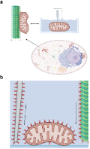
- drops sharply due to reduction of ion cross section. This decrease triggers the feedback system to stop the approach at a predefined setpoint current, effectively determining the z-position of the sample at that location. By scanning the sample pixel-by-pixel in hopping mode, a three-dimensional
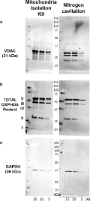
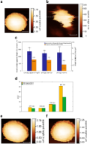
- stability contrasts with the structural alterations reported with more violent techniques, such as deformability cytometry [37]. For mitochondria isolated using the nitrogen cavitation method, fixed mitochondria exhibit significantly smaller dimensions (Figure 4b). The reduction in size can be explained by



Tendency in tip polarity changes in non-contact atomic force microscopy imaging on a fluorite surface
Beilstein J. Nanotechnol. 2025, 16, 944–950, doi:10.3762/bjnano.16.72
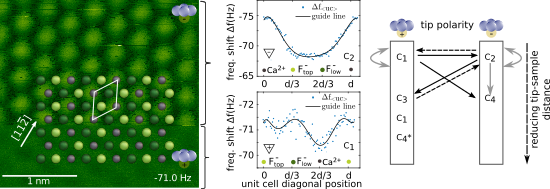
- tip changes to eventually arrive in contrast mode C4 is shown in Figure 4. Images in Figure 4a–c and Figure 4g–i represent image data acquired while step-wise decreasing the frequency shift setpoint. Such a reduction of the tip–surface distance eventually triggers tip changes. Contrast profiles for


Synthesis of biowaste-derived carbon-dot-mediated silver nanoparticles and the evaluation of electrochemical properties for supercapacitor electrodes
Beilstein J. Nanotechnol. 2025, 16, 933–943, doi:10.3762/bjnano.16.71
- reduction of Ag is extremely hazardous and can be dangerous to humans and the environment [17]. Hence, safer nontoxic methods for the production of AgNPs are in high demand. Green chemistry emphasizes the use of nontoxic chemicals and production pathways for environmental safety. Motivated by these
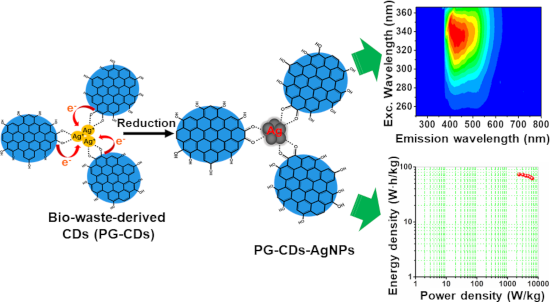
- -derived CDs was utilized for the reduction of Ag+ to AgNPs. The efficient reduction of Ag(I) to Ag(0) at optimal concentrations of CDs confirmed the successful production of AgNPs from silver nitrate (AgNO3). The adding of a small amount of PG-CDs to a 0.1 mM AgNO3 solution (i.e, 1:9) produced AgNPs, as
- contour map of PG-CDs-AgNPs, which suggests the PL emission in the blue range. The crystalline nature of the PG-CDs-AgNPs was established from the X-ray diffraction pattern. Figure 2a displays an XRD pattern of the PG-CDs-AgNPs synthesized via PG-CDs mediated reduction. According to the XRD pattern, the


Structural and magnetic properties of microwave-synthesized reduced graphene oxide/VO2/Fe2O3 nanocomposite
Beilstein J. Nanotechnol. 2025, 16, 921–932, doi:10.3762/bjnano.16.70
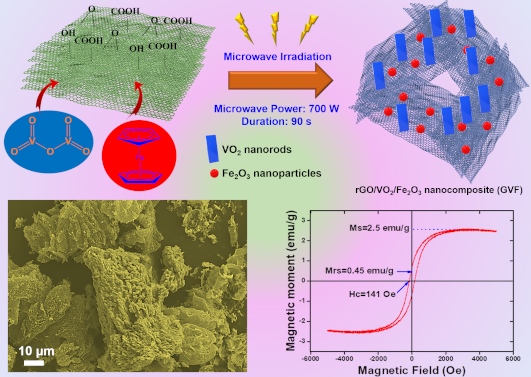
- gained considerable research attention. In this context, the current work demonstrates a facile rGO-supported solid-state MW synthetic route for fabricating a ternary nanocomposite of VO2, Fe2O3, and rGO. Here, the MW irradiation for 90 s was found to be suitable for the reduction and exfoliation of
- graphite oxide to form rGO, the reduction of V2O5 to form VO2, and the formation of Fe2O3 from ferrocene. X-ray diffraction and X-ray photoelectron spectroscopy analyses confirm the formation of distinct metal oxides in the presence of rGO. Furthermore, the morphological analysis reveals the deposition of
- for supercapacitor applications. In another work, Mn3O4 nanograins-intercalated rGO NC was synthesized through the MW-assisted hydrothermal approach, which showed superior oxygen reduction reaction (ORR) activity [11]. Aside from the oxides, mixed metal sulfides are likewise reported to be combined



Ar+ implantation-induced tailoring of RF-sputtered ZnO films: structural, morphological, and optical properties
Beilstein J. Nanotechnol. 2025, 16, 872–886, doi:10.3762/bjnano.16.66
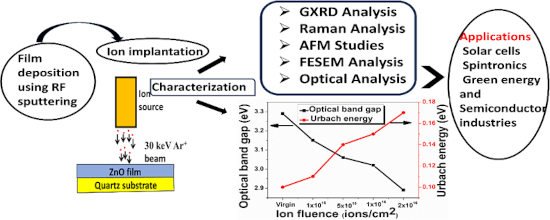
- merges completely with disorder-induced broad band at higher fluences. Moreover, the deconvolution of the A1 (LO) Raman peak affirms the presence of defect-related Raman modes in the implanted samples. A gradual reduction in crystallinity of the implanted ZnO films with increasing ion fluence is observed
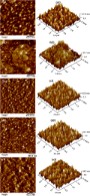
- in grazing incidence angle X-ray diffraction patterns. Atomic force microscopy images show grain size reduction and a fall in the surface roughness value of films after implantation. The implantation-induced structural modifications are further correlated with the variation in diffuse reflectance
- intense (002) peak is further analyzed. The intensity of the peak reduces with increasing ion fluence, revealing a reduction in crystallinity. This is due to argon ion implantation-induced lattice damage. Yet, even at the highest fluence, complete amorphization is not detected. ZnO films were implanted






Insights into the electronic and atomic structures of cerium oxide-based ultrathin films and nanostructures using high-brilliance light sources
Beilstein J. Nanotechnol. 2025, 16, 860–871, doi:10.3762/bjnano.16.65

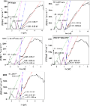
- reported in Figure 3c. The exposure to the photon beam induces a much more pronounced decrease of Zr4+ intensity in the ceria–zirconia mixed oxide film than in pure zirconia. This was ascribed to a synergy between the two oxides inducing an oxygen transfer from ceria to zirconia upon reduction using soft X
- structural modifications associated with thermal reduction in CeO2/Pt(111) films, as well as the influence of the Pt substrate’s proximity, were investigated using XANES/EXAFS combined with surface X-ray diffraction (SXRD) [47]. A strong interaction between cerium oxide and platinum was identified and
- an irreversible amorphization was observed at high reduction temperatures, while a partial decomposition of the ceria nanoislands to metallic cerium was found to occur under milder conditions than on Pt(111) or other metal substrates [48]. High-energy resolution fluorescence detected (HERFD)-XANES





