


Search results
Search for "room temperature" in Full Text gives 1452 result(s) in Beilstein Journal of Nanotechnology. Showing first 200.
Tendency in tip polarity changes in non-contact atomic force microscopy imaging on a fluorite surface
Beilstein J. Nanotechnol. 2025, 16, 944–950, doi:10.3762/bjnano.16.72
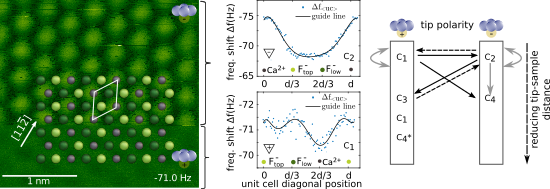
- structure elucidation and identification of surface sites. However, this approach is presently not feasible for measurements performed at room temperature as the required control over the tip termination is challenged by thermal motion. For room-temperature measurements, it is common practice to bring the
- foremost tip atom may rearrange to minimize the tip surface energy in response to increasing tip–sample interaction forces. Here, we perform an experimental investigation of tip changes during NC-AFM imaging of a CaF2(111) surface with non-functionalized tips at both room temperature (RT) and low
- present NC-AFM data demonstrating tip changes on a bulk CaF2(111) surface at room temperature and on a CaF2/CaF/Si(111) thin film surface at 77 K. We demonstrate the effect of tip changes on the contrast formation and find, as a key result, routes for a discrimination between polarity-preserving tip


Synthesis of biowaste-derived carbon-dot-mediated silver nanoparticles and the evaluation of electrochemical properties for supercapacitor electrodes
Beilstein J. Nanotechnol. 2025, 16, 933–943, doi:10.3762/bjnano.16.71
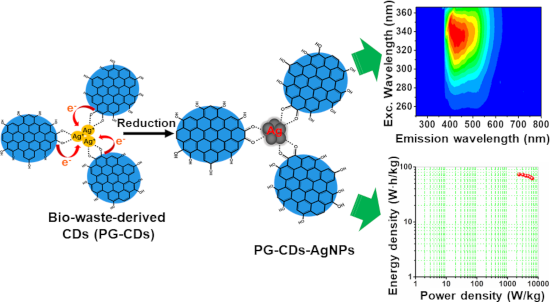
- -CDs-AgNPs) The method for synthesizing AgNPs employing PG-CDs as both the reducing and stabilizing agents is as follows. PG-CDs-AgNPs were synthesized by adding the PG-CDs solution to 1 mM AgNO3 in 1:10 V/V ratio in 100 mL of distilled water. The reaction was kept at room temperature undisturbed. The
- filtered by a Whatman filter paper and the extract was collected and placed on a magnetic stirrer with a sand bath maintained at 120 °C for 24 h. The color of the solution changed from orange to brown confirming the reaction progresses. After that, it was left alone until the reaction solution reached room
- temperature. Centrifugation was conducted for 5 min at 3000 rpm, followed by syringe filtration (0.22 µM) to discard larger agglomerated particles. Finally, the clear brown solution of PG-CDs was then kept in a refrigerator for additional experiments. Synthesis of carbon-dot-mediated silver nanoparticles (PG


Structural and magnetic properties of microwave-synthesized reduced graphene oxide/VO2/Fe2O3 nanocomposite
Beilstein J. Nanotechnol. 2025, 16, 921–932, doi:10.3762/bjnano.16.70
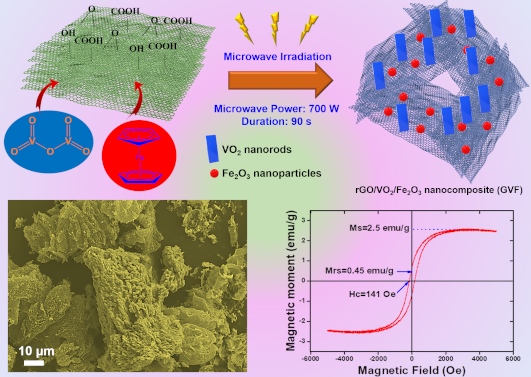
- conducted inside the MW oven at room temperature. Furthermore, most of the reported works are based on synthesizing Fe2O3 from Fe-based aqueous salt in liquid phases. In contrast, the current work demonstrates the formation of Fe2O3 from a Fe-based organometallic compound, ferrocene. Herein, the graphite
- of metal oxide on the rGO surface, which agrees with the previous SEM, XRD, and XPS analysis. The magnetic properties of the GVF investigated at room temperature under an applied magnetic field ranging from −6000 Oe to 6000 Oe is shown in Figure 9. Herein, the saturation magnetization (Ms) value for
- , including XRD, Raman, and XPS analyses. The morphological study revealed the deposition of α-Fe2O3 NPs and VO2 nanorods on the rGO surface. Owing to the presence of magnetic components, the ternary NC displayed good magnetic characteristics at room temperature to showcase its potentiality in advanced



Characterization of ion track-etched conical nanopores in thermal and PECVD SiO2 using small angle X-ray scattering
Beilstein J. Nanotechnol. 2025, 16, 899–909, doi:10.3762/bjnano.16.68
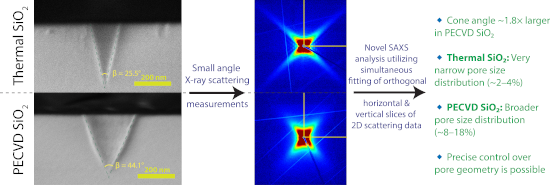
- , Australian National University). The irradiation fluences ranged from 1 × 10⁸ to 5 × 10⁸ ions·cm−2, ensuring minimal overlap between ion tracks and resulting nanopores [13][54][55]. To convert the ion tracks into nanopores, the samples were etched at room temperature in 3% hydrofluoric acid for varying


Heat-induced transformation of nickel-coated polycrystalline diamond film studied in situ by XPS and NEXAFS
Beilstein J. Nanotechnol. 2025, 16, 887–898, doi:10.3762/bjnano.16.67
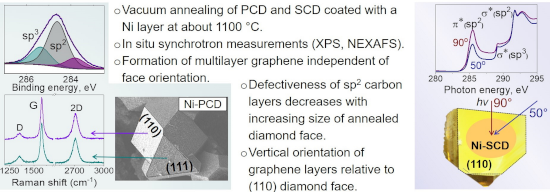
- producing hybrid materials which combine these two forms of carbon [1][2][3]. In particular, such graphene-on-diamond heterostructures have been shown to be attractive for power electronics [4][5], microelectronic devices [6][7], and detectors [7][8]. At room temperature and atmospheric pressure, carbon in
- bare PCD film and that with a nickel coating (denoted Ni-PCD) were placed on the same holder and simultaneously annealed in the vacuum chamber of the RGL-PES end-station of BESSY at 1100 °C for 15 min. After annealing, PCD and Ni-PCD films were cooled to room temperature without contact with air and
- PCD. Next, we annealed it and conducted angle-dependent TEY NEXAFS measurements at the C K-edge. Figure 6 compares the C K-edge spectra of the bare polished (110) face of SCD (Figure 6a) and the Ni-coated (110) face of SCD (Figure 6b) after annealing and subsequent cooling to room temperature. The


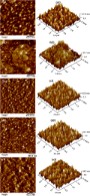
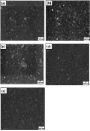
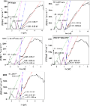
Ar+ implantation-induced tailoring of RF-sputtered ZnO films: structural, morphological, and optical properties
Beilstein J. Nanotechnol. 2025, 16, 872–886, doi:10.3762/bjnano.16.66
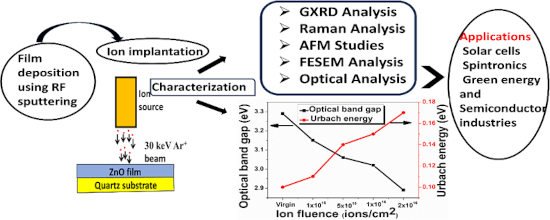
- the chamber has stabilized, the sputtering power is set to a value of 80 W. The sputtering is performed at a pressure of 1.8 × 10⁻⁵ Torr at room temperature with a deposition rate of 0.4–0.5 Å·s−1. A spectroscopic ellipsometer is used to calculate the thickness of the pristine ZnO films. An
- crystalline structure is studied using a Bruker AXS D8 Advance X-ray diffractometer operating in grazing incidence geometry using Cu Kα radiation (λ = 1.5406 Å). The scans are obtained at an incidence angle of 0.5°. The Raman spectra of ZnO films before and after implantation are recorded at room temperature






Synchrotron X-ray photoelectron spectroscopy study of sodium adsorption on vertically arranged MoS2 layers coated with pyrolytic carbon
Beilstein J. Nanotechnol. 2025, 16, 847–859, doi:10.3762/bjnano.16.64
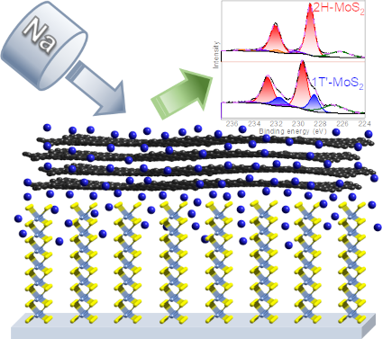
- reactor zone heated to 473 K. A flow of 24 sccm argon was passed through both reactor zones for 30 min at atmospheric pressure. After this time, sulfurization of the Mo layer was complete. Both zones were cooled to room temperature in a flow of 250 sccm argon. To remove polysulfide impurities and form a


Synthesis and magnetic transitions of rare-earth-free Fe–Mn–Ni–Si-based compositionally complex alloys at bulk and nanoscale
Beilstein J. Nanotechnol. 2025, 16, 823–836, doi:10.3762/bjnano.16.62
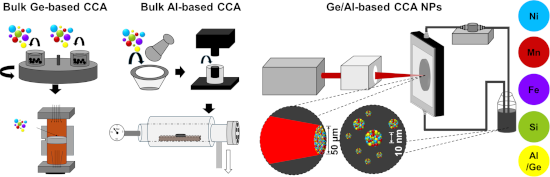
- temperature ranges, such as room-temperature cooling and cryogenic systems [3][4]. The magnetic transition also plays a critical role in the development of temperature-sensitive magnetic sensors and actuators [5][6]. These devices harness the abrupt change in magnetic properties at Tc to detect temperature
- information, indicating the coexistence of BCC and FCC phases. This differs from the work by Law et al. [25] where the alloy synthesized by arc melting resulted in a single-phase HCP structure at room temperature. The BCC phase, predominant in the current work, may not appear in alloys processed by arc
- orthorhombic at room temperature. Additionally, the FCC crystal structure observed in the bulk Ge-based CCA target is not observed. For the Al-based CCA NPs, the diffractogram reveals numerous bright spots corresponding to an orthorhombic NiSi-type crystal structure with lattice parameters a = 0.36062 nm, b


Supramolecular hydration structure of graphene-based hydrogels: density functional theory, green chemistry and interface application
Beilstein J. Nanotechnol. 2025, 16, 806–822, doi:10.3762/bjnano.16.61
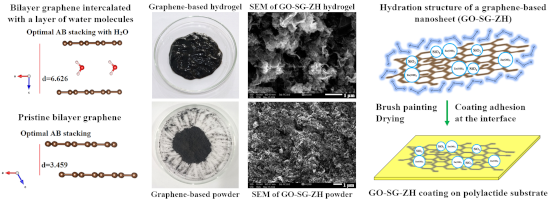
- cooling water bath and an infrared thermometer were used for controlling the reactor temperature below 55 °C (the peak of the reactor temperature is about 50 °C). After agitation in room-temperature conditions for 4 h, the graphite/Mn(VII)/H2SO4 suspension was slowly poured into 360 mL of water (the


Morphology and properties of pyrite nanoparticles obtained by pulsed laser ablation in liquid and thin films for photodetection
Beilstein J. Nanotechnol. 2025, 16, 785–805, doi:10.3762/bjnano.16.60
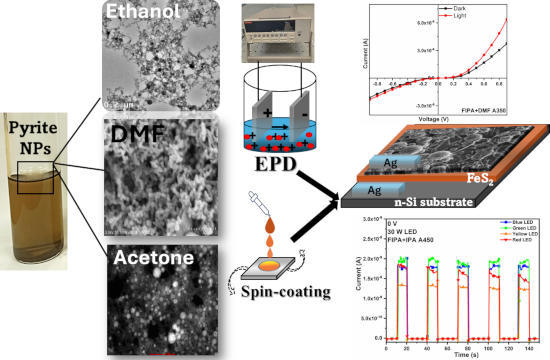
- parallel to one another and immersed in 12.5 mL FeS2 nanocolloid (FIPA) kept at room temperature during EPD. A potential difference of 400 V (constant voltage, with current of approximately 2 mA) was applied after optimization of EPD conditions. The deposition was carried out for 1 h. The positive
- of nitrogen flow prevented the samples from oxidizing or being contaminated during sulfurization. The heated samples were gradually cooled down to room temperature. Throughout the experiment, the flow of nitrogen gas was kept steady. The optimal conditions were determined through trials using varying




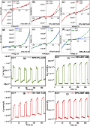


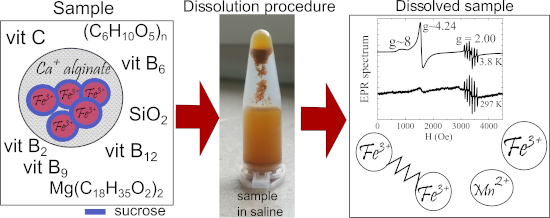
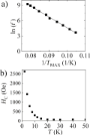
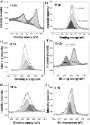
Changes of structural, magnetic and spectroscopic properties of microencapsulated iron sucrose nanoparticles in saline
Beilstein J. Nanotechnol. 2025, 16, 762–784, doi:10.3762/bjnano.16.59





Thickness dependent oxidation in CrCl3: a scanning X-ray photoemission and Kelvin probe microscopies study
Beilstein J. Nanotechnol. 2025, 16, 749–761, doi:10.3762/bjnano.16.58
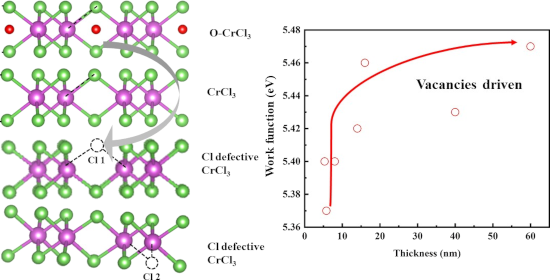
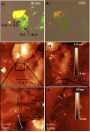
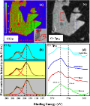
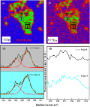
- Cl and Cr core levels at room temperature (RT). By monitoring the core levels and valence band spectra at various spatial resolutions (≥0.13 μm), we obtained quantitative maps of the chemical composition to correlate these maps with the thicknesses measured by AFM. Additionally, we investigated the
- tip about 50–150 nm to measure the surface potential and avoid the influence of morphological features. The applied voltage was varied from 0.2 to 1 V without significant changes in the measured surface potential value. All micrographs were recorded at room temperature. (a) Optical contrast and (b





Serum heat inactivation diminishes ApoE-mediated uptake of D-Lin-MC3-DMA lipid nanoparticles
Beilstein J. Nanotechnol. 2025, 16, 740–748, doi:10.3762/bjnano.16.57
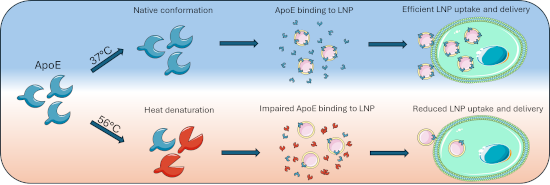
- ratio of both luciferase activities was used as a read out for LNP-mediated knockdown. Protein thermal stability To determine the thermal stability of ApoE, a solution of ApoE or BSA at 170 µg/mL in PBS was incubated at room temperature, 37 °C, 56 °C or 75 °C shaking at 300 rpm for 30 min. Subsequently
- humans [31]. The most widely employed procedure for heat inactivation of FCS is 30 min incubation at 56 °C. To determine the heat stability of ApoE3, human recombinant ApoE3 was incubated for 30 min at varying temperatures between room temperature and 75 °C. Subsequently, the heat treated protein was
- or BSA following ThT staining as determined by spectrophotometry, after a 30 min incubation at room temperature (rt), 37, 56 and 75 °C (n = 3) (B). Differences were considered statistically significant at p < 0.05 and were annotated as ns = non-significant, * = p ≤ 0.05, ** = p ≤ 0.01, *** = p


Nanostructured materials characterized by scanning photoelectron spectromicroscopy
Beilstein J. Nanotechnol. 2025, 16, 700–710, doi:10.3762/bjnano.16.54
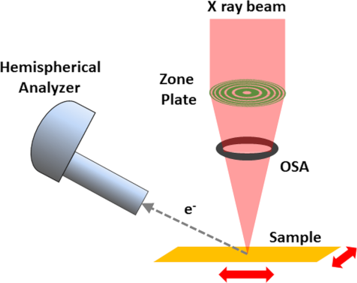
- nanowire surface. The measured binding energy shift amounts to 0.48 eV in the In 4d spectra and 0.47 eV in the P 2p spectra. Even though this is a significant and well-resolved shift, its value is surprisingly low compared with the InP band gap of 1.34 eV at room temperature. Similarly grown InP p–n


High-temperature epitaxial growth of tantalum nitride thin films on MgO: structural evolution and potential for SQUID applications
Beilstein J. Nanotechnol. 2025, 16, 690–699, doi:10.3762/bjnano.16.53
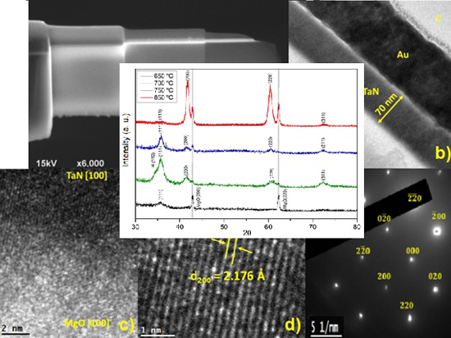
- growth. In fact, at 850 °C, the adatom surface mobility and surface diffusion of the deposited atoms are further increased, which has also been shown by Elangovan et al. [20], Adamik et al. [22], and Cheng and collaborators [23]. The variation of resistance of TaN films, measured from room temperature


Colloidal few layered graphene–tannic acid preserves the biocompatibility of periodontal ligament cells
Beilstein J. Nanotechnol. 2025, 16, 664–677, doi:10.3762/bjnano.16.51
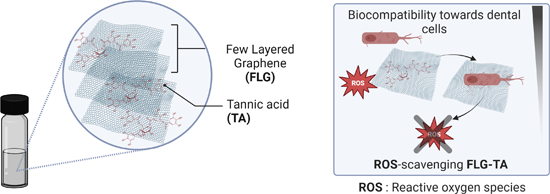
- then washed three times with cold 0.175 M sodium cacodylate buffer for 10 min each. The samples then underwent dehydration through a cold graded ethanol series (30%, 50%, 70%, and 95%) for 7 min each, followed by two 5-minute rinses in cold absolute ethanol and one 5-minute rinse in room-temperature




A formulation containing Cymbopogon flexuosus essential oil: improvement of biochemical parameters and oxidative stress in diabetic rats
Beilstein J. Nanotechnol. 2025, 16, 617–636, doi:10.3762/bjnano.16.48
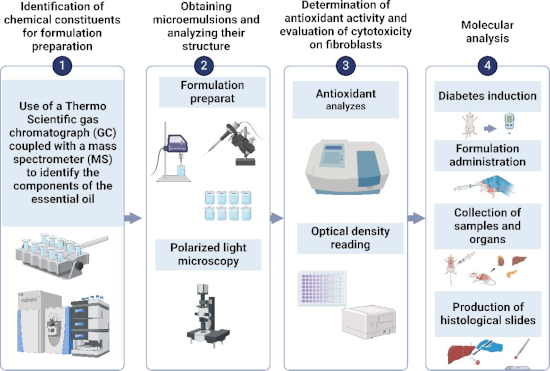
- study, room temperature was used, which may also explain why the antioxidant action was maintained. EOCF, on E. coli and S. Aureus bacteria, showed antioxidant activity and control in pathogenic species resistant to oxidative stress. The authors also emphasized that EOCF acted as a potent attenuator of
- carried out in triplicate at room temperature and at 37 °C. The pH analyses were carried out after diluting the MEs (1:10). A digital pH meter (model Analion PM 608) containing a glass electrode and temperature sensor (Phtek PH 3B), previously calibrated with buffer solution (pH 4.0 and 7.0), was used at
- room temperature [52]. Determination of antioxidant activity The in vitro antioxidant activities of the S. Mix. samples (surfactants + water, without EOCF), EOCF (10 mg/mL), and selected microemulsions containing EOCF (10 mg/mL) were evaluated using the 2,2-diphenyl-1-picrylhydrazyl (DPPH) free radical




Feasibility analysis of carbon nanofiber synthesis and morphology control using a LPG premixed flame
Beilstein J. Nanotechnol. 2025, 16, 581–590, doi:10.3762/bjnano.16.45
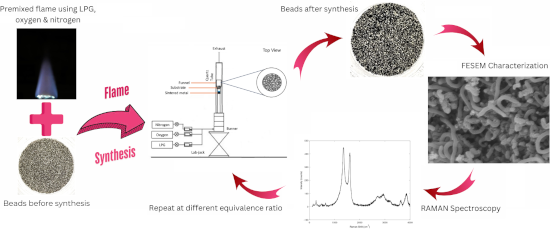
- room temperature, the product was purified with 1% HCl solution, distilled water, and ethanol, then vacuum-dried at 50 °C for about 4 h. The final product was nearly pure CNFs, as shown by FESEM images. TEM images indicated an average CNF diameter of 100 nm. Raman spectra showed a strong, narrow peak



Retrieval of B1 phase from high-pressure B2 phase for CdO nanoparticles by electronic excitations in CdxZn1−xO composite thin films
Beilstein J. Nanotechnol. 2025, 16, 551–560, doi:10.3762/bjnano.16.43

- ; Introduction Zinc oxide (ZnO)-based thin films are of significant interest due to their wide bandgap value (3.37 eV at room temperature), transparent electrical conduction, and large excitonic binding energy (60 meV) [1]. In contrast, cadmium oxide (CdO) exhibits a lower bandgap of 2.2 eV, along with high
- film prior to further irradiation. The characterization of the thin films was performed using X-ray diffraction (XRD) on a Bruker high-resolution X-ray diffractometer, employing a Cu Kα beam over a 2θ range of 30–50°. Raman spectroscopic measurements were conducted at room temperature with a SENTERRA


Functionalized gold nanoflowers on carbon screen-printed electrodes: an electrochemical platform for biosensing hemagglutinin protein of influenza A H1N1 virus
Beilstein J. Nanotechnol. 2025, 16, 540–550, doi:10.3762/bjnano.16.42
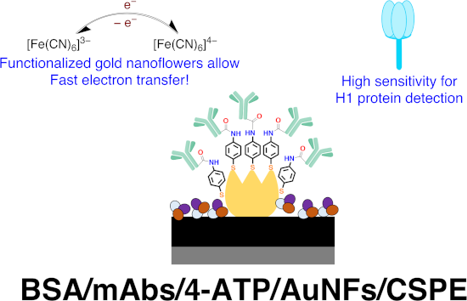
- HAuCl4 solution containing 6 mM HCl and 0.5 M sulfuric acid was added on top of the CSPE, and a potential of −0.25 V (vs Ag/AgCl) was applied for 60 s. The electrode was then rinsed with 25 mL deionized water, dried under a flow of N2, and stored at room temperature (RT) in dark. Functionalization with 4


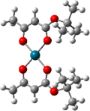
Electron beam-based direct writing of nanostructures using a palladium β-ketoesterate complex
Beilstein J. Nanotechnol. 2025, 16, 530–539, doi:10.3762/bjnano.16.41
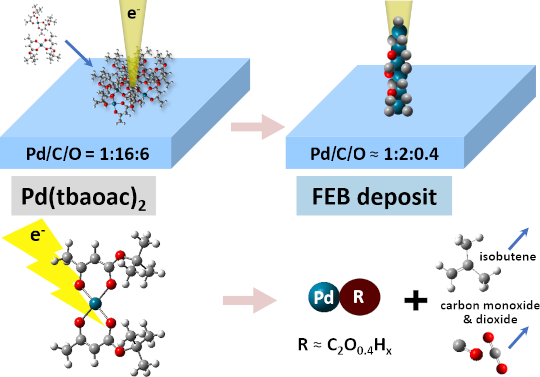
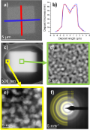
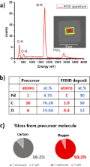
- substrates were held at room temperature for [Pd(η5-Cp)(η3-allyl)] and [Pd(hfac)2], which may explain the lower carbon removal efficiency due to residual gas contamination or less effective thermal desorption processes. Comparison with [Cu(tbaoac)2] When comparing [Cu(tbaoac)2] and [Pd(tbaoac)2], the highest
- room temperature. Comparison of [Pd(tbaoac)2] and [Cu(tbaoac)2] FEBID deposit compositions along with the experimental parameters employed. Supporting Information Supporting Information File 36: Additional experimental details and details on the theoretical calculations. Funding This work was funded


Zeolite materials with Ni and Co: synthesis and catalytic potential in the selective hydrogenation of citral
Beilstein J. Nanotechnol. 2025, 16, 520–529, doi:10.3762/bjnano.16.40
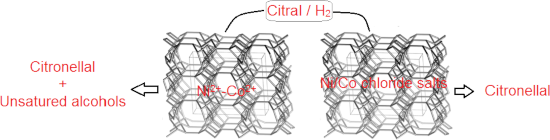
- reduction (TPR) analyses were performed on an AutoChem 2910 instrument (Micromeritics, USA) equipped with a thermal conductivity detector (TCD). The procedure for TPR involved heating the sample in a 1.0 vol % H2/Ar gas mixture at a flow rate of 30 mL/min, from room temperature to 600 °C, at a ramp rate of


Water in nanoporous hexagonal boron nitride nanosheets: a first-principles study
Beilstein J. Nanotechnol. 2025, 16, 510–519, doi:10.3762/bjnano.16.39
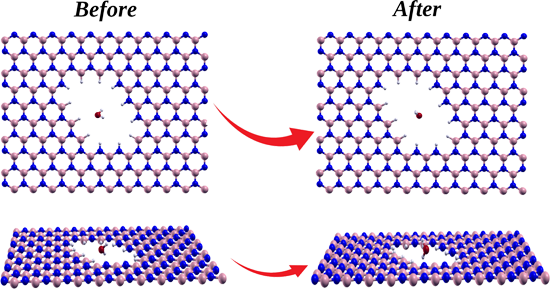
- formation energy per atom is either negative or lower than kBT at room temperature (approximately 25 meV). Specifically, N–H and B–H terminations are likely to occur in N-rich and B-rich environments, respectively. Additionally, N–H/B–H-terminated stoichiometric parallelogram pores exhibit low values of




N2+-implantation-induced tailoring of structural, morphological, optical, and electrical characteristics of sputtered molybdenum thin films
Beilstein J. Nanotechnol. 2025, 16, 495–509, doi:10.3762/bjnano.16.38
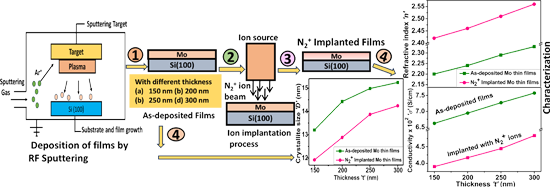
- remarkable thermal stability, high melting point, and chemical inertness. In the present study, Mo thin films of different thicknesses (150, 200, 250, and 300 nm) have been deposited on Si(100) substrates via radio frequency sputtering in an argon atmosphere at room temperature. Some of these films have been
- this study, molybdenum thin films of varying thickness were deposited at room temperature on Si(100) substrates via RF sputtering using a pure 2″ diameter Mo target (99.99% purity) in Ar gas atmosphere with a flow rate of 10 sccm. The plasma was obtained by setting the RF power to 100 W, while careful
- production of Mo nanoparticles and the subsequent increase in surface plasmon resonance or interband transitions. As-deposited molybdenum thin films deposited at room temperature typically exhibit a smooth surface and crystalline structure. The absorbance of molybdenum thin films increases with increasing


Impact of adsorbate–substrate interaction on nanostructured thin films growth during low-pressure condensation
Beilstein J. Nanotechnol. 2025, 16, 473–483, doi:10.3762/bjnano.16.36

- can have nanometer-scale linear dimensions [10][11]. Experimental observations showed that nanometer-scale vacancy islands can arrange into a perfect triangular lattice when a single monolayer of Ag is deposited on a Ru(0001) surface at room temperature [12]. Similar elongated nanometer-sized islands





