Search results
Search for "saline" in Full Text gives 215 result(s) in Beilstein Journal of Nanotechnology. Showing first 200.
pH-driven enhancement of anti-tubercular drug loading on iron oxide nanoparticles for drug delivery in macrophages
Beilstein J. Nanotechnol. 2021, 12, 1127–1139, doi:10.3762/bjnano.12.84
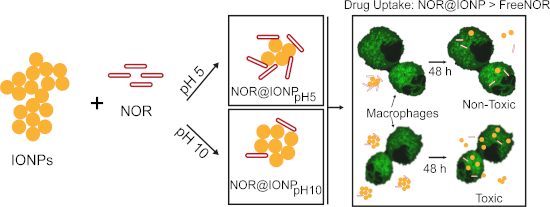
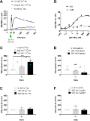
- neutral (pH 7.4) and acidic (pH 5) conditions. To investigate any alterations in the drug release profile from the NOR@IONPs based on the cellular pH variations, the drug release was monitored over 48 h in phosphate buffer saline (PBS) release media, maintaining the pH at either 5 or 7.4. We observed that
- correcting the volume reduction due to sampling loss. The concentration of NOR released was estimated fluorometrically (Ex/Em: 280/420 nm) (SpectraMax M5, Molecular Devices) using a known NOR concentration versus fluorescence standard, prepared with dilution in phosphate buffer saline (PBS) (same as the

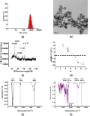


Comprehensive review on ultrasound-responsive theranostic nanomaterials: mechanisms, structures and medical applications
Beilstein J. Nanotechnol. 2021, 12, 808–862, doi:10.3762/bjnano.12.64
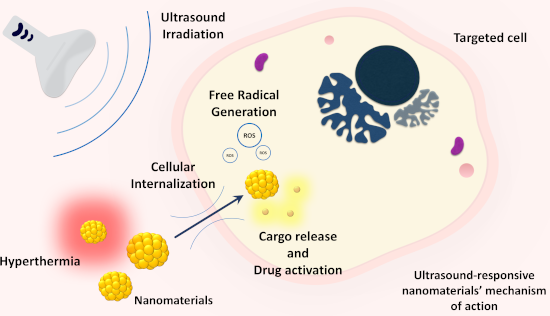


Silver nanoparticles nucleated in NaOH-treated halloysite: a potential antimicrobial material
Beilstein J. Nanotechnol. 2021, 12, 798–807, doi:10.3762/bjnano.12.63
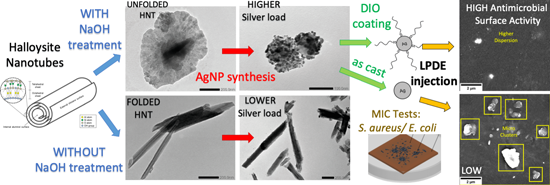
- inoculated into a general culture medium (Mueller–Hinton + agar broth) and incubated again at 37 °C for another 24 h. After the bacteria colonized their cultivation media, five isolated colonies of each species were selected and transferred to two tubes (one for each species) containing 9 mL of saline




Fate and transformation of silver nanoparticles in different biological conditions
Beilstein J. Nanotechnol. 2021, 12, 665–679, doi:10.3762/bjnano.12.53
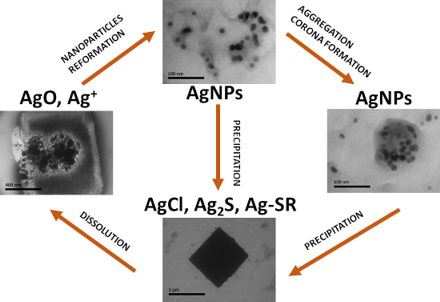
- puncture into a heparinised tube and the plasma was separated by centrifugation. The kidneys, liver, and brain were carefully removed and washed in ice-cold saline. Each tissue (1 g) was homogenised in 10 mL of PBS (0.05 M, pH 7.4) containing 0.1 mM of EDTA using a motor-driven homogenizer. Both WB and BP




On the stability of microwave-fabricated SERS substrates – chemical and morphological considerations
Beilstein J. Nanotechnol. 2021, 12, 541–551, doi:10.3762/bjnano.12.44
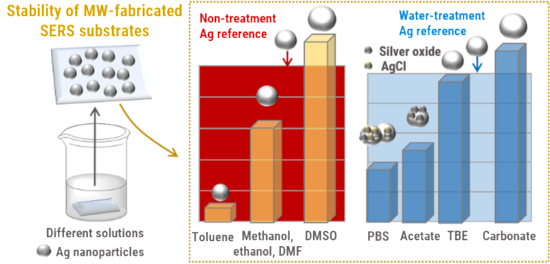
- sulfoxide (DMSO) treatment completely preserved or even slightly improved the Raman enhancement capabilities. SERS substrates immersed into phosphate-buffered saline (PBS) solutions were observed to be rather instable in low and neutral pH buffer solutions. Other buffer systems showed less severe influences
- choice of a suitable media is of utmost importance for many biological investigations as it can alter the structure of biomolecules (e.g., proteins) [33]. We tested five commonly used buffer systems which include phosphate-buffered saline (PBS), HEPES-buffered glucose solution (HBG), tris-borate-EDTA


Doxorubicin-loaded gold nanorods: a multifunctional chemo-photothermal nanoplatform for cancer management
Beilstein J. Nanotechnol. 2021, 12, 295–303, doi:10.3762/bjnano.12.24
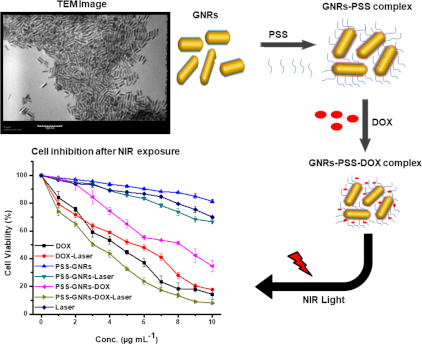
- analyzed by UV–vis spectroscopy. In vitro drug release by NIR exposure NIR-triggered drug release from PSS-GNRs was measured in 10 mM phosphate-buffered saline (PBS, pH 5.6 at 37 °C). A continuous-wave 808 nm NIR laser (Ti-Sapphire, Spectra Physics CA 95054, USA) was used. DOX-PSS-GNRs (40 µg/mL, 2 mL
- collection was performed by a trained phlebotomist in order to minimize the risk to the donor. A written informed consent was obtained from each donor prior to the blood drawn. To the 5 mL of blood 15 mL of sterilized phosphate buffer saline (PBS) was added and, after slow agitation, tubes were centrifuged
- at 500g for 10 min. Supernatant containing plasma was aspirated and the buffy coat was washed thrice and diluted with normal saline to a 50% packed cell volume (hematocrit) adjusted at pH 7.4 and stored at 4 °C. Different concentrations of PSS-GNRs (100 μL each) were incubated with 100 μL of RBCs


Characterization, bio-uptake and toxicity of polymer-coated silver nanoparticles and their interaction with human peripheral blood mononuclear cells
Beilstein J. Nanotechnol. 2021, 12, 282–294, doi:10.3762/bjnano.12.23
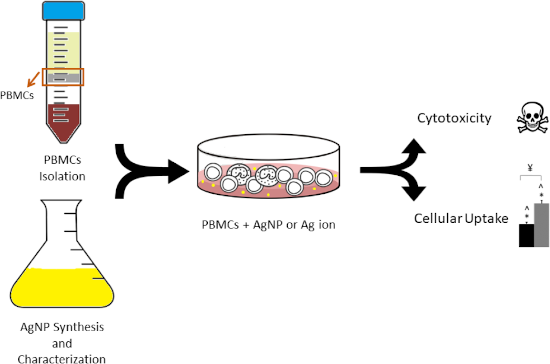
- Healthcare Bio-Sciences AB, Sweden) [65][66]. In brief, peripheral blood from healthy volunteers was diluted with an equal volume of sterile phosphate-buffered saline (PBS; Gibco by life Technologies) and slowly layered onto the Ficoll-Paque media solution. Tubes were centrifuged at 500g for 30 to 40 min at



Differences in surface chemistry of iron oxide nanoparticles result in different routes of internalization
Beilstein J. Nanotechnol. 2021, 12, 270–281, doi:10.3762/bjnano.12.22
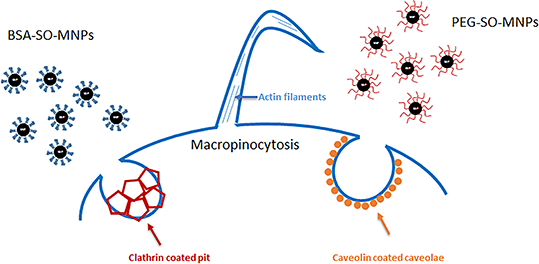
- additional time of 1 h. Cell exposure was finished by sucking off the culture medium and washing the cells twice with phosphate-buffered saline (PBS). An illustration of the treatment is shown in Figure 4. The final concentrations of individual inhibitors of endocytosis or cytoskeleton dynamics were prepared
- -buffered saline (PBS). Basic physicochemical properties of surface-modified magnetite nanoparticles. Inhibitors of endocytosis and cytoskeleton dynamics. Supporting Information Supporting Information File 52: Expression of clathrin and caveolin, cytotoxicity of MNPs and endocytic inhibitors, time-lap



The nanomorphology of cell surfaces of adhered osteoblasts
Beilstein J. Nanotechnol. 2021, 12, 242–256, doi:10.3762/bjnano.12.20
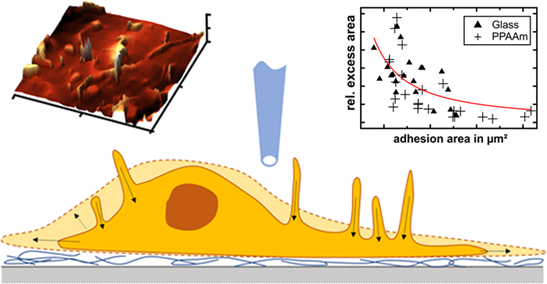
- % CO2, 37 °C) was used. The sample was immersed in physiological electrolyte (DMEM with 10% FCS and 1% gentamicin) in case of living topography and membrane fluctuation measurements. Measurements of fixed cells took place at room temperature (21 °C) in phosphate-buffered saline (PBS). Nanopipettes with


Effect of different silica coatings on the toxicity of upconversion nanoparticles on RAW 264.7 macrophage cells
Beilstein J. Nanotechnol. 2021, 12, 35–48, doi:10.3762/bjnano.12.3
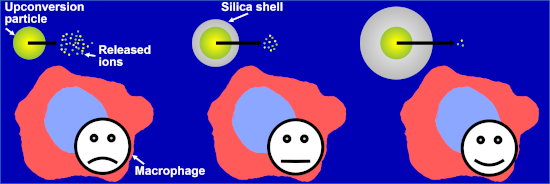
- lanthanide chlorides in DMEM. However, only Er3+ could be detected, with a high measurement uncertainty, in the filtrate of lanthanide chloride solutions. Lanthanide ions are known to bind to phosphate in phosphate-buffered saline (PBS) and form stable lanthanide phosphates [20]. Since DMEM contains Na2HPO4


Cardiomyocyte uptake mechanism of a hydroxyapatite nanoparticle mediated gene delivery system
Beilstein J. Nanotechnol. 2020, 11, 1685–1692, doi:10.3762/bjnano.11.150
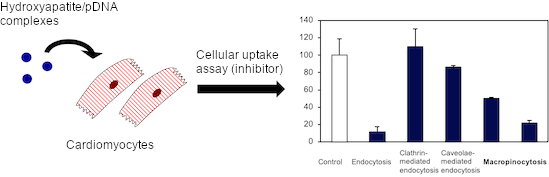
- μM of genistein, 10 µM of EIPA, and 4 µM of cytochalasin D) and then added to the medium. After 24 and 72 h of incubation, the medium was replaced with a fresh medium containing 5 mg/mL of MTT and the cells were incubated for 3 h. Next, the cells were washed two times with phosphate-buffered saline


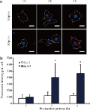
Electrokinetic characterization of synthetic protein nanoparticles
Beilstein J. Nanotechnol. 2020, 11, 1556–1567, doi:10.3762/bjnano.11.138
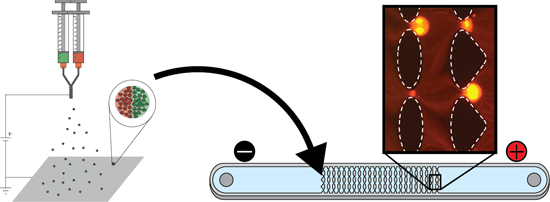
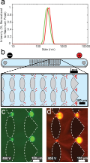
- measured in Dulbecco’s phosphate-buffered saline (DPBS), they had significantly different values for ζp, which were −3.5 ± 0.5 mV and 11.2 ± 0.9 mV for SPNP-BSA-488s and SPNP-Lys-488s, respectively. SPNP-Lys-488s were then analyzed using an EK device, as previously described, and the particles were trapped



Ultrasensitive detection of cadmium ions using a microcantilever-based piezoresistive sensor for groundwater
Beilstein J. Nanotechnol. 2020, 11, 1242–1253, doi:10.3762/bjnano.11.108
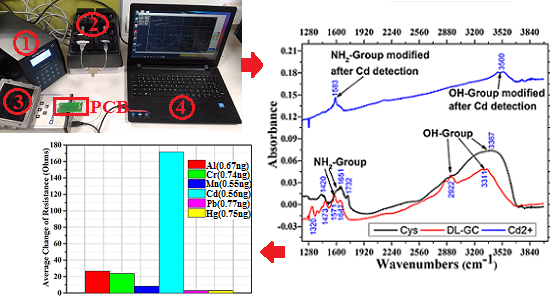
- phosphate buffer saline (PBS, pH 7) according to [34] was prepared. The cysteamine SAM was allowed to cross-link with the ᴅʟ-glyceraldehyde solution for at least 2–3 hours by covering the container using silver foil. Stock solutions of 1 mM/10 mL of different salts (AlCl3, MnCl2, CrCl3, HgCl2, PbCl2, CdCl2




A few-layer graphene/chlorin e6 hybrid nanomaterial and its application in photodynamic therapy against Candida albicans
Beilstein J. Nanotechnol. 2020, 11, 1054–1061, doi:10.3762/bjnano.11.90
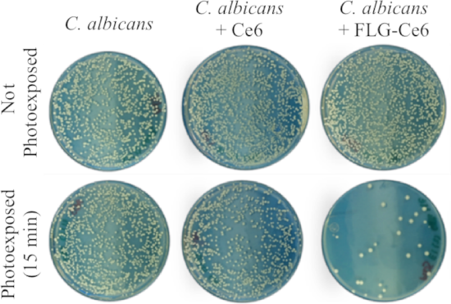
- synthesis of FLG by the exfoliation of graphite in water and phosphate buffer saline (PBS) using Ce6 as the stabilizing molecule. The π–π stacking interactions between FLG and Ce6 allows the stabilization of FLG in biocompatible media. Following this methodology, a FLG-Ce6 hybrid nanomaterial was prepared


Highly sensitive detection of estradiol by a SERS sensor based on TiO2 covered with gold nanoparticles
Beilstein J. Nanotechnol. 2020, 11, 1026–1035, doi:10.3762/bjnano.11.87
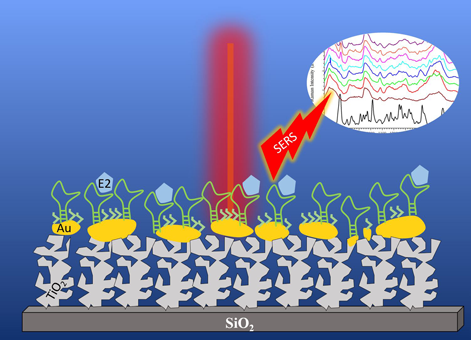
- orientation on the surface [31]. The MCH solution was prepared in phosphate-buffered saline (PBS) solution mixed with 10 mM MgCl2. The concentration of MCH was constant at 14.6 μM. The samples were rinsed three times with PBS and reverse osmosis water (RO water) to remove any unbound or excess molecules after



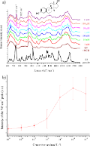
Uniform Fe3O4/Gd2O3-DHCA nanocubes for dual-mode magnetic resonance imaging
Beilstein J. Nanotechnol. 2020, 11, 1000–1009, doi:10.3762/bjnano.11.84
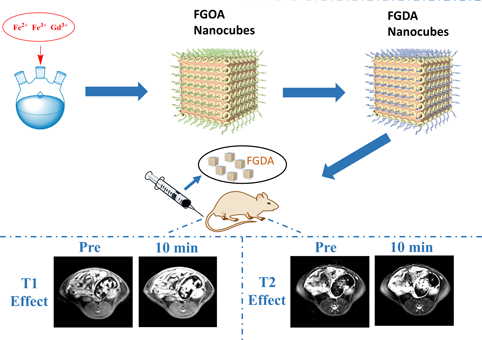
- were diluted in normal saline and their relaxation time rates were measured using the 3.0 T magnetic resonance scanner with a 15-channel knee coil with T1-weighted imaging (TR/TE = 1000/11 ms) and T2-weighted imaging (TR/TE = 4000/70 ms). Cytotoxicity assay L929 cells were seeded onto a 96-well plate
- % paraformaldehyde solution and processed for Prussian blue staining. In vivo toxicity evaluation of FGDA nanocubes FGDA nanocubes were injected intravenously at a dose of 2 mg Fe/kg. Alternatively, the control group received a normal saline intravenous injection. After two weeks, the rats were euthanized by



Identification of physicochemical properties that modulate nanoparticle aggregation in blood
Beilstein J. Nanotechnol. 2020, 11, 550–567, doi:10.3762/bjnano.11.44
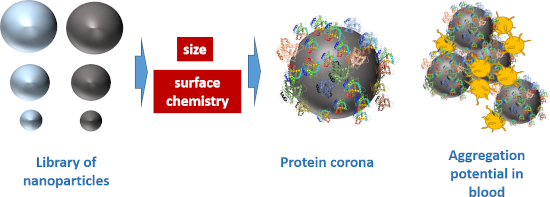
- aggregation. Materials and Methods Reagents Sodium polyacrylate, ᴅ-(+)-glucose, thionine acetate salt, phosphate buffered saline powder, EDTA, glutathione reduced and 5,5′-dithiobis(2-nitrobenzoic acid), tetraethyl orthosilicate (TEOS), phosphate buffered saline (PBS) tablets were obtained from Sigma-Aldrich
- aggregation was monitored by light transmission aggregometry (LTA) in a Chronolog-490D aggregometer (CHRONO-LOG® Corporation, Havertown, PA). Adenosine diphosphate (ADP) and collagen were used as activators of platelet aggregation. The NPs were first suspended in phosphate buffered saline (PBS) and then they
- , custom parallel plate perfusion chambers were coated overnight with 100 μg/mL VWF, washed with phosphate-buffered saline and blocked with 1% bovine serum albumin for 1 h prior to use. Whole blood was labelled with 1 μM DiOC6 (Sigma-Aldrich, Ireland) for 5 min at 37 °C prior to perfusion through the




Luminescent gold nanoclusters for bioimaging applications
Beilstein J. Nanotechnol. 2020, 11, 533–546, doi:10.3762/bjnano.11.42
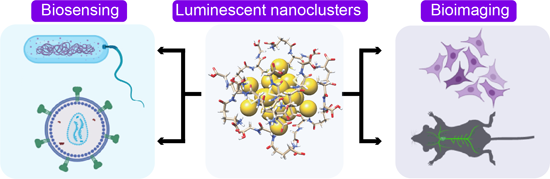
- systematic study used several other pathogenic bacteria, including Streptococcus pyogenes, vancomycin-resistant Enterococcus faecalis (VRE), E. Coli J96, Pseudomonas aeruginosa, pandrug-resistant Acinetobacter baumannii and Enterobacter cloacae in phosphate-buffered saline (PBS) at pH 6 (Figure 2A


Preparation and in vivo evaluation of glyco-gold nanoparticles carrying synthetic mycobacterial hexaarabinofuranoside
Beilstein J. Nanotechnol. 2020, 11, 480–493, doi:10.3762/bjnano.11.39
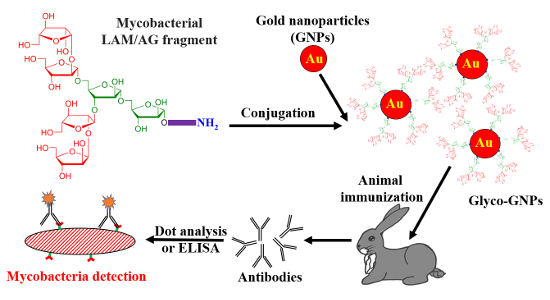
- glycoside 2 with a longer spacer aglycon was slightly inferior and could stabilize GNPs only at pH values of 9.7 and above. For this reason, immunization of rabbits was carried out with solutions of Ara6-GNPs 3 and 4 at pH ≈9.7, at which both Ara6-GNPs 3 and 4 were stable in saline medium. The stability of
- the corresponding glyco-GNPs and the studies in this direction seem promising. The conjugates prepared in this study (Ara6-GNPs) are stable in water (after removal of excess Ara6 glycoside by centrifugation) or in a saline medium (either at pH ≥8.9 or after lyophilization (in the presence of 5


Poly(1-vinylimidazole) polyplexes as novel therapeutic gene carriers for lung cancer therapy
Beilstein J. Nanotechnol. 2020, 11, 354–369, doi:10.3762/bjnano.11.26
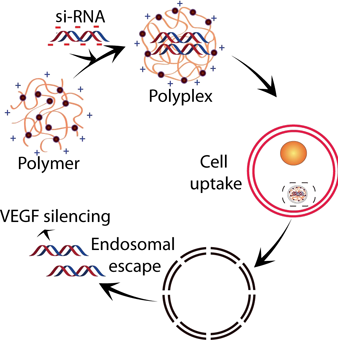
- buffered saline (PBS, pH 7.4) in order to remove the non-adherent cells. The polyplexes containing siRNA were dissolved in 100 µL of serum-free media and added to the cells such that the concentration of siRNA in each well was 100 nM. The medium was replaced with fresh medium after 4 h followed by
- blocking buffer (5% skimmed milk in Tris-buffered saline containing 0.1% Tween-20) followed by overnight incubation with primary antibody (VEGF antibody, dilution 1:500, Santa Cruz Biotechnology, USA) at 4 °C. The blots were then washed and incubated for 1 h with appropriate anti-mouse horseradish


Facile biogenic fabrication of hydroxyapatite nanorods using cuttlefish bone and their bactericidal and biocompatibility study
Beilstein J. Nanotechnol. 2020, 11, 285–295, doi:10.3762/bjnano.11.21
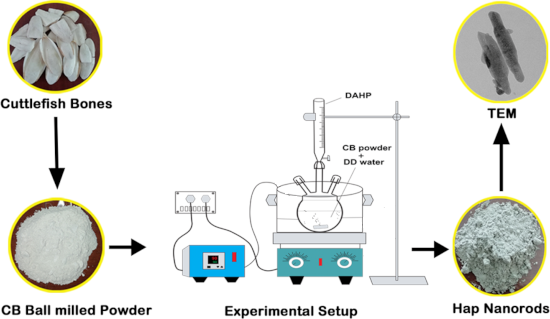
- %, MW – 105.99 g/mol), Na3C6H5O7 (Sigma-Aldrich, purity – 99%, MW – 258.07 g/mol) and phosphate buffer saline (PBS) (pH 7.4). Preparation of cuttlebone powder The thick outer layer of the cuttlefish bone part, called the dorsal shield, was removed using a lancet and the inner part (lamellae matrix) was
- prevented from coagulation by mixing it with 3.2% of trisodium citrate (MW – 258.07 g/mol, purity – 99%) in the ratio 1:10. Various concentrations (200, 100, 75, 50, 25 and 10 µg/mL) of CB-Hap NRs were prepared with phosphate buffer saline (PBS) (purity – 99%, pH 7.4) and anticoagulated blood was used as a


Phase inversion-based nanoemulsions of medium chain triglyceride as potential drug delivery system for parenteral applications
Beilstein J. Nanotechnol. 2020, 11, 213–224, doi:10.3762/bjnano.11.16
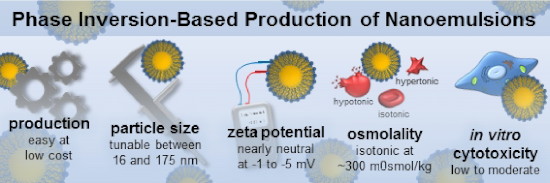
- the NaCl solution xNaCl,0: The mass of the ice-cold water mice water for shock dilution is the difference between the desired total mass of the nanoemulsion and the components calculated beforehand: To achieve isotonic nanoemulsions after shock dilution, the targeted osmolality of the saline aqueous




Rational design of block copolymer self-assemblies in photodynamic therapy
Beilstein J. Nanotechnol. 2020, 11, 180–212, doi:10.3762/bjnano.11.15






Fully amino acid-based hydrogel as potential scaffold for cell culturing and drug delivery
Beilstein J. Nanotechnol. 2019, 10, 2579–2593, doi:10.3762/bjnano.10.249
- -buffered saline (PBS) tablet (Sigma), ᴅʟ-dithiothreitol (CAS: 3483-12-3, Sigma, ≥99%). Synthesis of poly(succinimide) Poly(succinimide) (PSI) was synthesized by thermal polycondensation of the mixture of ʟ-aspartic acid and orthophosphoric acid. The mixture was loaded into a 1 L flask and inserted into a
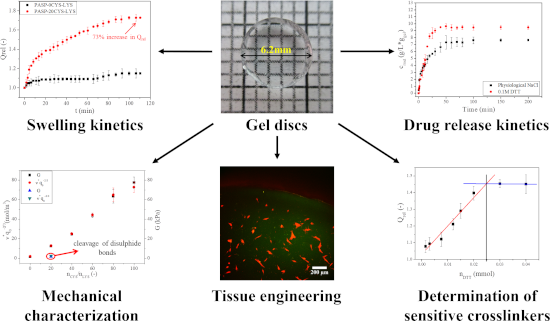
- probability value is smaller than 0.05 (p < 0.05). Drug release measurement For the drug release measurement metoprolol was used as a model drug. Gel disks with a thickness of 0.75 mm and a diameter of 6 mm were swelled in physiological saline solution to reach the equilibrium swelling degree. After that
- , they were immersed in 100 mg/mL metoprolol tartrate (Sigma-Aldrich) solution for three days, and then the solution was carefully sponged up from the gel surface prior to the measurement. The release of the metoprolol was measured in 20 mL physiological saline solution (cNaCl = 9 g/L, pH 5.5) and in 20


Bombesin receptor-targeted liposomes for enhanced delivery to lung cancer cells
Beilstein J. Nanotechnol. 2019, 10, 2553–2562, doi:10.3762/bjnano.10.246
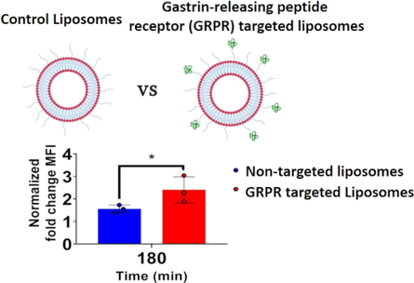
- delivery of doxorubicin into PC-3 prostate cells using a modified bombesin targeting peptide [30]. The authors showed a reduction in mouse PC-3 xenograft size compared to non-targeted doxorubicin liposomes and saline control, consistent with tumour accumulation of the delivery system. In summary, an