Search results
Search for "surfactant" in Full Text gives 238 result(s) in Beilstein Journal of Nanotechnology. Showing first 200.
Key for crossing the BBB with nanoparticles: the rational design
Beilstein J. Nanotechnol. 2020, 11, 866–883, doi:10.3762/bjnano.11.72
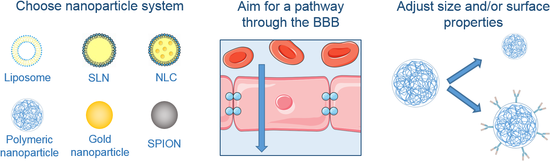
- to cross the BBB through transcytosis. To reach this goal, their surfaces have to be modified, either non-covalently with a coating or covalently by functionalization. Coating with surfactants Coating nanoparticles with a surfactant was the first method used to enhance their BBB permeation ability
- dalargin [49]. Thus, it was proposed that the binding of doxorubicin led to an alteration of the nanoparticle surface properties that allowed ApoE and B to be bound. It was then concluded that the BBB permeation ability of nanoparticles was not only dependent of the surfactant coating but also of the


Facile biogenic fabrication of hydroxyapatite nanorods using cuttlefish bone and their bactericidal and biocompatibility study
Beilstein J. Nanotechnol. 2020, 11, 285–295, doi:10.3762/bjnano.11.21
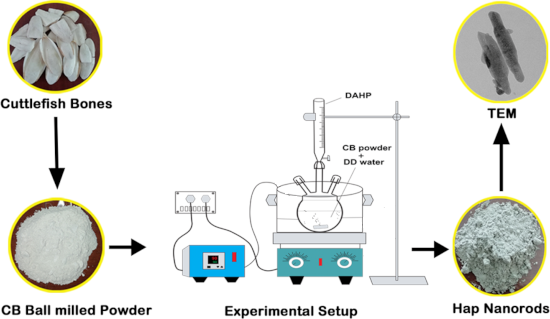
- structure, diffusion rate, metabolism and interaction of the nanoparticles with the microorganisms [57]. A similar study was conducted by Tank et al. (2014) to compare the antibacterial activity of pure and zinc-doped nanometer-sized Hap that are synthesized via a chemical precipitation mediated surfactant


Phase inversion-based nanoemulsions of medium chain triglyceride as potential drug delivery system for parenteral applications
Beilstein J. Nanotechnol. 2020, 11, 213–224, doi:10.3762/bjnano.11.16
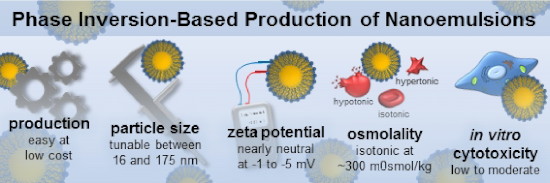
- use of potentially toxic organic solvents. The systematic investigation of the relation of the three involved components surfactant, aqueous phase and lipid phase showed that depending on the ratio of surfactant to lipid the emulsions contained particles of diameters between 16 and 175 nm with narrow
- polydispersity index distributions and uncharged surfaces. Nanoemulsions with particles of 50 and 100 nm in diameter showed very little toxicity to fibroblast cells in vitro. An unusual, exponential-like nonlinear increase in osmolality was observed with increasing concentration of the nonionic surfactant
- surfactant show different effects on the final product. For example, these factors influence the feasibility of forming stable nanostructures, they affect the phase inversion zone, the in vitro cellular toxicity and the above mentioned particle and surface properties [3][4][12]. There are marketed drug




The effect of heat treatment on the morphology and mobility of Au nanoparticles
Beilstein J. Nanotechnol. 2020, 11, 61–67, doi:10.3762/bjnano.11.6
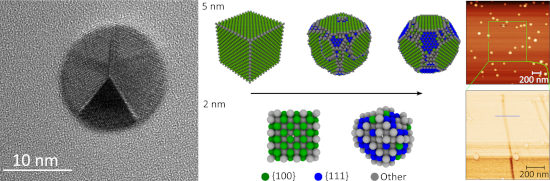
- from the ellipsometry measurements presented in Figure 7. How exactly the rapid growth of the SiO2 layer may be related to the drastic increase in friction remains unclear and can be the subject for future studies. Overall, we demonstrated that heat treatment, which is widely used as a surfactant
- of the SiO2 layer. Both processes are highly temperature-dependent, exhibiting drastic enhancement above 700 °C. Overall, we demonstrated that heat treatment, which is widely used for surfactant removal prior to nanomanipulation experiments, can have an extensive effect on the mobility of Au NPs


Recent progress in perovskite solar cells: the perovskite layer
Beilstein J. Nanotechnol. 2020, 11, 51–60, doi:10.3762/bjnano.11.5

- production. However, at such high speeds, compact and uniform large-area perovskite films are not easily fabricated. This problem could be circumvented by incorporating very small amounts of surfactant additives such as ʟ-α-phosphatidylcholine into the perovskite ink solution. The surfactant additive
- improves the adhesion of the perovskite ink to hydrophobic substrates, effectively inhibiting the solution flow dynamics in the drying perovskite ink layer leading to compact and uniform perovskite films. The very small amount of surfactant additive has no adverse effect on the optoelectronic properties of


Coating of upconversion nanoparticles with silica nanoshells of 5–250 nm thickness
Beilstein J. Nanotechnol. 2019, 10, 2410–2421, doi:10.3762/bjnano.10.231
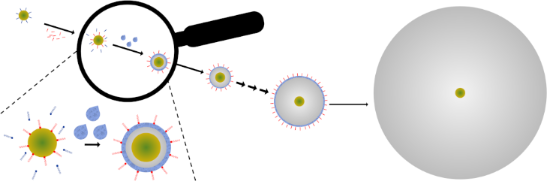
- followed by a stepwise growth of these particles without a purification step, where in each step equal volumes of tetraethyl orthosilicate and ammonia water are added, while the volumes of cyclohexane and the surfactant Igepal® CO-520 are increased so that the ammonia water and surfactant concentrations
- in polar media is the reverse microemulsion technique [22][23][30][31][32][33][34][35][36][37][38][39][40][41][42][43]. In a reverse microemulsion, the aqueous solution is confined in uniform, nanosized droplets that are stabilized by a surfactant such as a polyoxyethylene (5) nonylphenylether (trade
- name Igepal® CO-520) and distributed in the continuous nonpolar phase [44]. The ratio between the aqueous components and the surfactant determines the size of these droplets [30], which act as nanoreactors. For the polycondensation of precursors such as TEOS, ammonia usually acts as a catalyst [43


The role of Ag+, Ca2+, Pb2+ and Al3+ adions in the SERS turn-on effect of anionic analytes
Beilstein J. Nanotechnol. 2019, 10, 2338–2345, doi:10.3762/bjnano.10.224
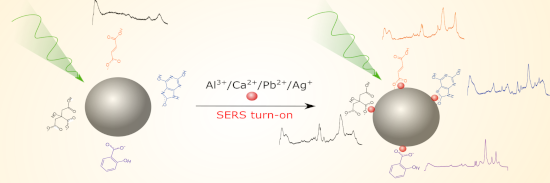
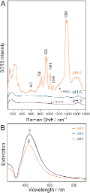
- they provide a good trade-off between colloidal stability and surfactant affinity to the AgNP. We avoided the use of chloride-containing silver colloids [13][25] because of the competitive chemisorption between the anionic analyte and the Cl− capping agent to the Ca2+, Pb2+ or Al3+ activated AgNPs, Cl


Design of a nanostructured mucoadhesive system containing curcumin for buccal application: from physicochemical to biological aspects
Beilstein J. Nanotechnol. 2019, 10, 2304–2328, doi:10.3762/bjnano.10.222
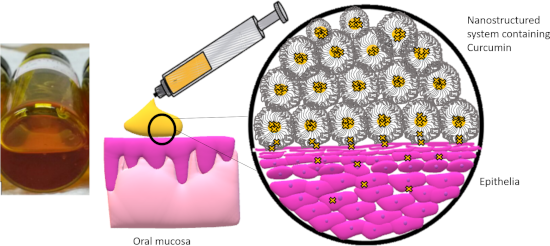
- sink condition. In this study, Tween 80 was used as a surfactant, as previously used in other in vitro CUR drug release investigations [30][78]. Tween 80 can interfere with the structure and rheological properties of the peripheral area of the gel. However, this situation is similar to in vivo
- conditions, where other substances with surfactant properties can be present in buccal environment [59][79]. The complete release of CUR (100%) occurred after approximately 8 h (Figure 10), making it suitable for buccal applications. The general equation (Equation 7) described for polymeric systems [80] was
- FaDu and FNB6 cells. The cytotoxic effect of the formulations could be explained by the presence of P407, a known surfactant. The incorporation of CUR into nanostructured systems caused a significant (p < 0.05) increase in the IC50 values for both FaDu and FNB6 compared to Cal27. This behavior


Microfluidics as tool to prepare size-tunable PLGA nanoparticles with high curcumin encapsulation for efficient mucus penetration
Beilstein J. Nanotechnol. 2019, 10, 2280–2293, doi:10.3762/bjnano.10.220
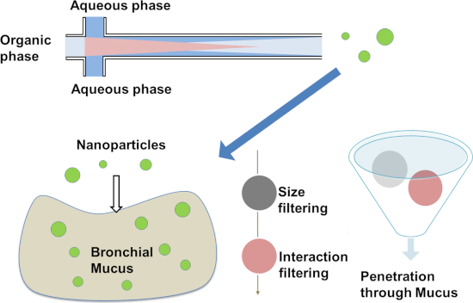
- a simple model for assessing the interaction of different types of surfactant-coated PLGA NPs with mucin [46][47]. The interaction with mucin as a major component for mucus is reflected in size changes and aggregation of the particles. PLGA NPs stabilized with Pluronic F68 or Pluronic 10500 showed


BergaCare SmartLipids: commercial lipophilic active concentrates for improved performance of dermal products
Beilstein J. Nanotechnol. 2019, 10, 2152–2162, doi:10.3762/bjnano.10.208
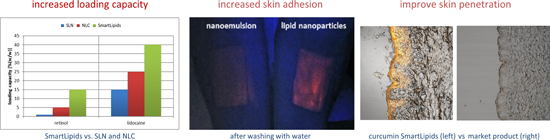
- the following years attempts were made to come up with better delivery systems of the next generation. Looking back, these efforts were of limited or no success. For example, many expectations were raised with dermal microemulsions. However, the need of relatively high surfactant concentrations (skin
- melting point of the highest melting lipid, then the active agent is dissolved in the lipid melt and the melt containing the active agent is dispersed in a hot aqueous stabilizer solution (surfactant, polymer) of identical temperature by high-speed stirring to form a coarse emulsion. This pre-emulsion is


Microbubbles decorated with dendronized magnetic nanoparticles for biomedical imaging: effective stabilization via fluorous interactions
Beilstein J. Nanotechnol. 2019, 10, 2103–2115, doi:10.3762/bjnano.10.205
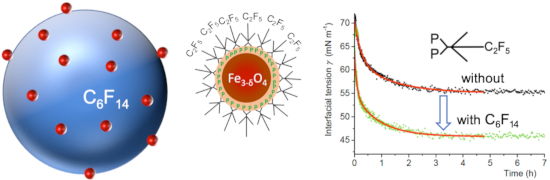
- osmotic agent [14][15] and as a co-surfactant to phospholipids [16] and block co-polymers [17]. Nanoparticles can be attached to the bubble shells to extend their diagnostic and therapeutic potential by combining multimodal imaging, drug or gene delivery, and/or enhancement and control of the acoustic


Porous silver-coated pNIPAM-co-AAc hydrogel nanocapsules
Beilstein J. Nanotechnol. 2019, 10, 1973–1982, doi:10.3762/bjnano.10.194
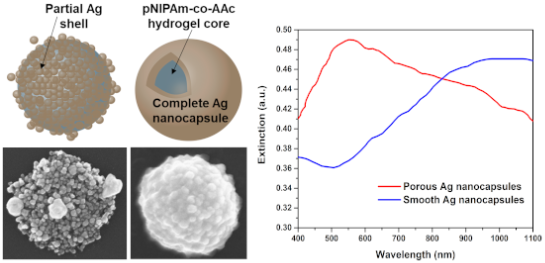
- describes the preparation and characterization of a new type of core–shell nanoparticle in which the structure consists of a hydrogel core encapsulated within a porous silver shell. The thermo-responsive hydrogel cores were prepared by surfactant-free emulsion polymerization of a selected mixture of N
- encapsulation of thermo-responsive pNIPAM-co-AAc hydrogel cores within porous silver nanoshells, and for the purpose of comparison, within a complete nonporous silver nanoshell. We adopt a simple surfactant-free emulsion polymerization (SFEP) technique to grow the initial hydrogel core templates [74][75][76
- -growth method and surfactant-free emulsion polymerization, we demonstrated a reliable synthesis of silver nanocapsules encapsulating thermo-responsive pNIPAM-co-AAc hydrogel cores. The 800 nm silver nanocapsules with a capsule thickness of ≈50 nm were characterized by SEM, TEM, and UV–vis spectroscopy


Synthesis and potent cytotoxic activity of a novel diosgenin derivative and its phytosomes against lung cancer cells
Beilstein J. Nanotechnol. 2019, 10, 1933–1942, doi:10.3762/bjnano.10.189
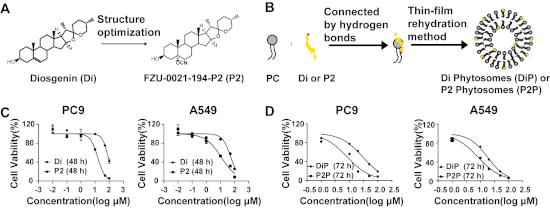
- charged cell membranes, anionic nanoparticles could have less cytotoxicity than cationic ones [35]. In addition, it was reported that anionic nanoparticles could be inclined to interact with the lung surfactant yielding a better access into lung cells [36]. Therefore, the phytosomes we prepared with sizes



Preservation of rutin nanosuspensions without the use of preservatives
Beilstein J. Nanotechnol. 2019, 10, 1902–1913, doi:10.3762/bjnano.10.185
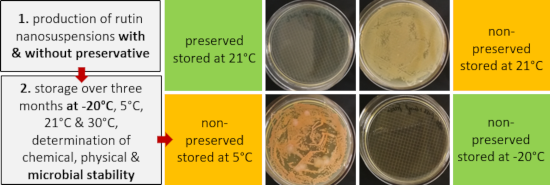
- , whereas Plantacare-stabilized formulations remained stable. Reasons for the differences might be the different stabilizers that interact differently with the preservative. Poloxamer 188 is a non-ionic surfactant, providing steric stabilization for the nanocrystals. In general, a thick surfactant layer
- reduced to about −30 mV when analysed in water, because upon dilution with water surfactant is “washed off” from the particle surface, which results in less electrostatic stabilization of the particles. However, due to its chemical structure, Plantacare is also able to provide steric stabilization. This
- the chemical stability, was assessed. All formulations were chemically stable over the whole time of observation. Physical stability was influenced by the type of surfactant, the preservative and the storage temperature. Preserved samples were only stable when stored at room temperature. Storage at


Microfluidic manufacturing of different niosomes nanoparticles for curcumin encapsulation: Physical characteristics, encapsulation efficacy, and drug release
Beilstein J. Nanotechnol. 2019, 10, 1826–1832, doi:10.3762/bjnano.10.177
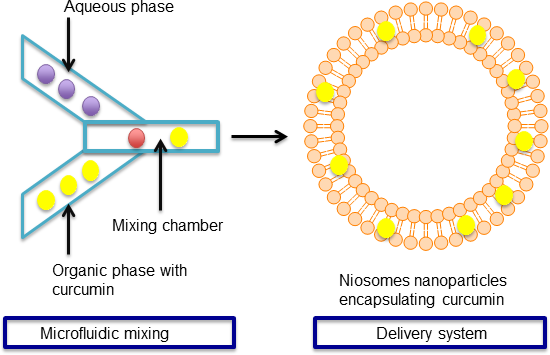
- had an average particle size of 70–230 nm depending on the type of non-ionic surfactant used and the mixing parameter. Moreover, all prepared niosomes were monodisperse with an average polydispersity index ranging from 0.07 to 0.3. All prepared niosomes were spherical as demonstrated by transmission
- electron microscopy. Curcumin was encapsulated with a maximum encapsulation efficiency of around 60% using Tween 85 as the non-ionic surfactant. Niosomes prepared by microfluidic mixing provided a controlled release of curcumin, as indicated by the release profile of curcumin, improving its therapeutic
- a surfactant with Chol were prepared using microfluidic mixing on a NanoAssemblrTM (Benchtop, Precision NanoSystems Inc., Vancouver, Canada) as described previously [12]. The mixing process takes place in a microfluidic cartridge with staggered herringbone structures, which has two inlets, one for


Lipid nanostructures for antioxidant delivery: a comparative preformulation study
Beilstein J. Nanotechnol. 2019, 10, 1789–1801, doi:10.3762/bjnano.10.174
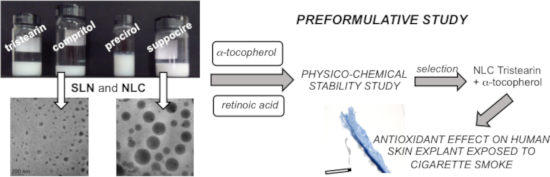
- in mixture (1:1 w/w) with the liquid caprylic/capric triglycerides (miglyol), characterized by C8–C10 chains. With regard to surfactant concentration, higher poloxamer amounts, namely 3 and 4% w/w with respect to the aqueous phase, have been tested. However, the increase of poloxamer led to foam

Materials nanoarchitectonics at two-dimensional liquid interfaces
Beilstein J. Nanotechnol. 2019, 10, 1559–1587, doi:10.3762/bjnano.10.153
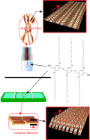
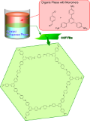
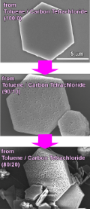
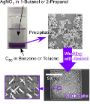
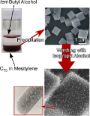
- controlled assemblies of fullerene molecules through liquid–liquid interfacial precipitation [240]. For example, the conversion from one-dimensional structures to three-dimensional morphologies of C60 rods and tubes was carried out via a surfactant-assisted process in liquid–liquid interfacial precipitation
- depends on type and concentration of the surfactants. When the non-ionic surfactant diglycerol monolaurate was added to butanol (0.01%), flower-like three-dimensional objects were precipitated at the interface with benzene. Detailed morphological analyses with electron microscopy techniques revealed that
- the surfactants did not basically alter primarily the one-dimensional structures of the formed assemblies. Instead, they seemed to promote super-lattice formation constructing three-dimensional flowers form the same one-dimensional rods observed in non-surfactant systems (tubes). The thermal













Highly ordered mesoporous silica film nanocomposites containing gold nanoparticles for the catalytic reduction of 4-nitrophenol
Beilstein J. Nanotechnol. 2019, 10, 1368–1379, doi:10.3762/bjnano.10.135
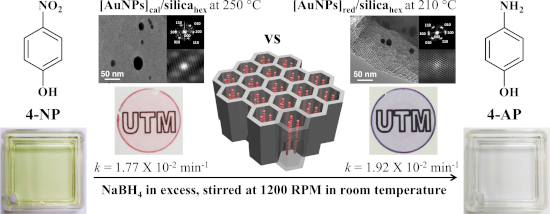
- surfactant to form the material Mobil composition of matter (MCM)-41 [15]. Considering their low toxicity, their bio-degradable nature, and the fact that they are inexpensive and highly availability, non-ionic surfactants such as Brij [16] and Pluronic [17] block copolymers have also been employed as
- groups were successfully reported using a functional organic amphiphile surfactant as a template [22][23][24]. Lintang et al. [25] reported the fabrication of hexagonal mesoporous silica nanocomposites ([Au3Pz3]C10TEG/silicahex) using columnar assembly of an amphiphilic trinuclear gold(I) pyrazolate
- external AuNPs was suggested due to the sintering effect as reported by others [29]. As the source of the AuNPs, the organic functional groups are arranged inside the silica channels using a template sol–gel synthesis of mesoporous silica with a functional surfactant [22][23][24][25]. Due to the heat


Tailoring the magnetic properties of cobalt ferrite nanoparticles using the polyol process
Beilstein J. Nanotechnol. 2019, 10, 1166–1176, doi:10.3762/bjnano.10.116
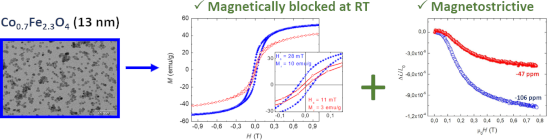
- emerged as promising and versatile chemical route for the preparation of highly crystalline, monodisperse particles that are isotropic in shape [20][21]. Polyols act not only of solvents, but also as complexing ligands, avoiding the presence of any surfactant. Hydrolysis ratio, nature of polyol, synthesis


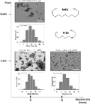


Photoactive nanoarchitectures based on clays incorporating TiO2 and ZnO nanoparticles
Beilstein J. Nanotechnol. 2019, 10, 1140–1156, doi:10.3762/bjnano.10.114
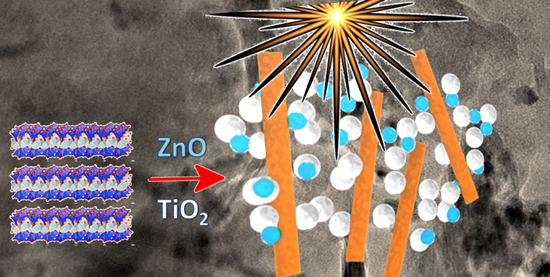
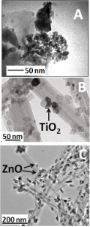
- , taking place during the heterocoagulation of hydrolyzed alkoxides previously incorporated in the surfactant–clay interface, as it was first reported by Letaïef and Ruiz-Hitzky [126][127]. In the same way, organoclays dispersed in an organic solvent can facilitate the incorporation of already formed metal



Porous N- and S-doped carbon–carbon composite electrodes by soft-templating for redox flow batteries
Beilstein J. Nanotechnol. 2019, 10, 1131–1139, doi:10.3762/bjnano.10.113
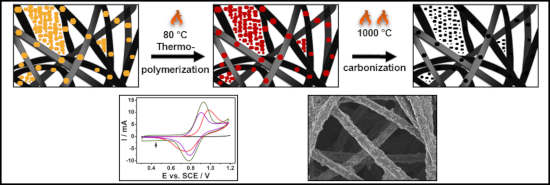
- interactions between phloroglucinol and the surfactant lead to the formation of hydrogen bonds to the polyethylene chains of the polymer. In this fashion the porogen initiates a porous structure. It will be removed during the subsequent carbonization step [25]. The new composite materials have great potential



Tailoring the stability/aggregation of one-dimensional TiO2(B)/titanate nanowires using surfactants
Beilstein J. Nanotechnol. 2019, 10, 1024–1037, doi:10.3762/bjnano.10.103
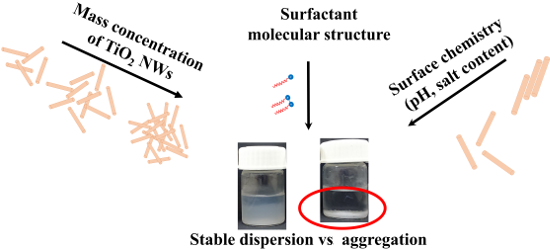
- environmental impact. Due to their high abundance in aqueous environments and their rich technological applicability, surfactants are among the most interesting compounds used for tailoring the stability. The aim of this paper is to determine the influence of surfactant molecular structure on TNW stability
- behavior. In order to gain more insight into changes in the surface properties after surfactant adsorption on the TNW surface, a surface complexation model was employed. With this first attempt to quantify the contribution of the surfactant structure on the adsorption equilibrium according to the observed
- in aqueous solutions. In order to fill this void, in this study, the effect of monomers and micelles of (a) monomeric dodecyltrimethylammonium bromide (DTAB), and (b) its corresponding gemini, bis(N,N-dimethyl-N-dodecyl)ethylene-1,2-diammonium dibromide (12-2-12) quaternary ammonium surfactant


Synthesis of novel C-doped g-C3N4 nanosheets coupled with CdIn2S4 for enhanced photocatalytic hydrogen evolution
Beilstein J. Nanotechnol. 2019, 10, 912–921, doi:10.3762/bjnano.10.92
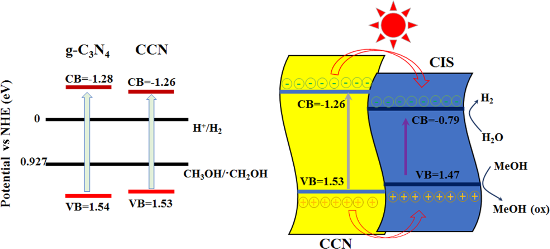
- photogenerated holes and electrons. Yang et al. designed and constructed a 2D/2D nanocomposite photocatalyst through the in situ generation of ZnIn2S4 nanoleaf structures on the surface of g-C3N4 nanosheets by a facile one-step solvothermal method with surfactant, which exhibited distinct high-speed charge


An iridescent film of porous anodic aluminum oxide with alternatingly electrodeposited Cu and SiO2 nanoparticles
Beilstein J. Nanotechnol. 2019, 10, 735–745, doi:10.3762/bjnano.10.73
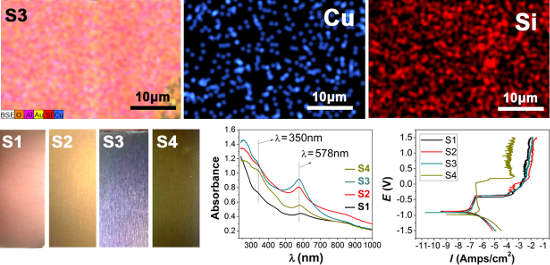
- surfactant) were of analytical reagent (AR) grade and obtained from Fuchen Chemical Reagent Factory. Potassium nitrate (AR) was supplied by Guangzhou Chemical Reagent Factory, and all the other reagents were AR grade and purchased from Guangdong Guanghua Sci-Tech Co., Ltd. Anodization and electrodeposition


Self-assembly and wetting properties of gold nanorod–CTAB molecules on HOPG
Beilstein J. Nanotechnol. 2019, 10, 696–705, doi:10.3762/bjnano.10.69
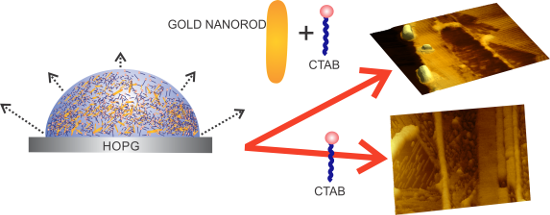
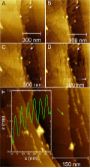
- that CTAB surfactant molecules can self-assemble on a highly ordered pyrolytic graphite (HOPG) surface in the form of hemi-cylindrical micelles [43][44][45]. The surface of HOPG is hydrophobic [46][47], while the CTAB molecules have a hydrophilic end group and a hydrophobic tail [48]. Therefore, to
- assembled nanorods can disturb the desired properties between the associated gold nanorods and the HOPG surface. Furthermore, the study and understanding of various assembled morphologies of surfactant molecules is relevant in many other areas [13][14][32]. Results and Discussion In drying experiments on
- -assembled CTAB molecules. As a cationic surfactant, CTAB molecules consist of a hydrophilic head and a hydrophobic tail. In an attempt to shield the hydrophobic tail from the aqueous phase, CTAB molecules assemble on HOPG in the form of hemi-cylindrical micelles [57] and cover the entire region occupied by