


Search results
Search for "therapy" in Full Text gives 253 result(s) in Beilstein Journal of Nanotechnology. Showing first 200.
Fragmentation of metal(II) bis(acetylacetonate) complexes induced by slow electrons
Beilstein J. Nanotechnol. 2023, 14, 980–987, doi:10.3762/bjnano.14.81
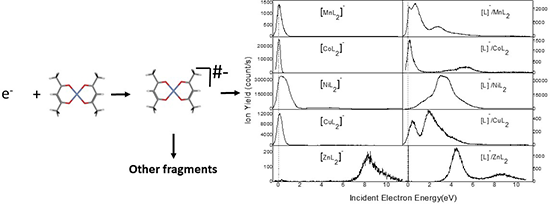
- beams), in plasma applications, or possibly in radiation therapy as radiosensitizers. Experimental We performed electron collision experiments with several metal acetylacetonate compounds, ML2, in a crossed-beam arrangement. According to the description given in [16][17][29], this arrangement consists


Antibody-conjugated nanoparticles for target-specific drug delivery of chemotherapeutics
Beilstein J. Nanotechnol. 2023, 14, 912–926, doi:10.3762/bjnano.14.75
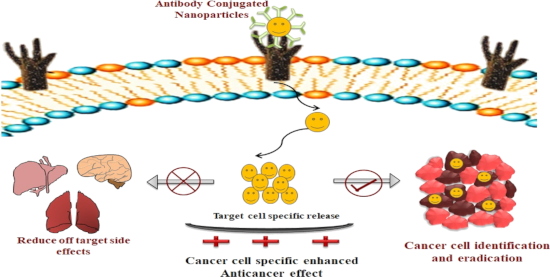
- higher binding affinity and specificity, mAbs have received a lot of attention for the detection of selective cancer biomarkers and also for the treatment of various types of cancer. Antibody-conjugated nanoparticles (ACNPs) are an effective targeted therapy for the efficient delivery of
- -directed enzyme prodrug therapy, small molecule drug conjugates, and others are being investigated [2][3]. Targeted delivery with nanoparticles (NPs) has received a lot of attention because it reduces toxicity while also providing good drug compatibility and loadability. Furthermore, NPs increase drug
- potential and can be effectively used as imaging/therapeutic agents (Table 1). In some cases, ACNPs provide opportunities for image-guided therapy with overall theranostic applications. The NP-mediated targeted delivery ultimately provides advanced diagnostic and therapeutic options for early diagnosis and



Green SPIONs as a novel highly selective treatment for leishmaniasis: an in vitro study against Leishmania amazonensis intracellular amastigotes
Beilstein J. Nanotechnol. 2023, 14, 893–903, doi:10.3762/bjnano.14.73
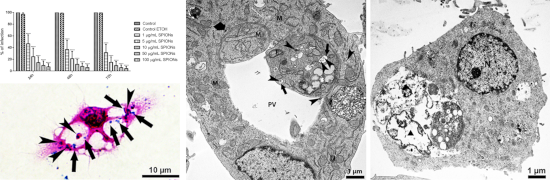
- exhibit theranostic properties, that is, they can be used simultaneously for diagnosis and therapy. Thus, SPIONs have emerged as one of the best options for the development of new therapeutic methods. SPIONs offer several features such as good biocompatibility, degradability under moderate acid conditions


Nanoarchitectonics to entrap living cells in silica-based systems: encapsulations with yolk–shell and sepiolite nanomaterials
Beilstein J. Nanotechnol. 2023, 14, 522–534, doi:10.3762/bjnano.14.43
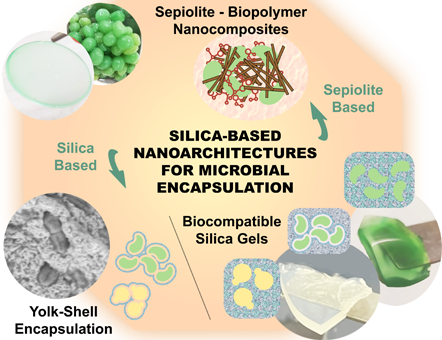
- confer a shell structure to the unicellular organisms to improve their inherent properties and functions. In fact, the so-called “cellular shellization” has been proposed to obtain a cell surface allowing for applications in advanced technologies and biomedicine including cell delivery and cell therapy


Microneedle patches – the future of drug delivery and vaccination?
Beilstein J. Nanotechnol. 2023, 14, 494–495, doi:10.3762/bjnano.14.40

- . Hypodermic syringe injections are, of course, ubiquitous in modern medicine for drug therapy and vaccination, where oral administration is either not desirable or not possible. Delivery may be intravenous, intramuscular or percutaneous. Hypodermic needles of various dimensions are also used to extract venous
Specific absorption rate of randomly oriented magnetic nanoparticles in a static magnetic field
Beilstein J. Nanotechnol. 2023, 14, 485–493, doi:10.3762/bjnano.14.39
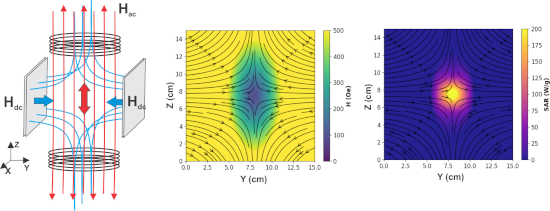
- hyperthermia; magnetic nanoparticles; magnetic particle imaging; specific absorption rate; static magnetic field; Introduction Magnetic nanoparticles, mainly iron oxides, are promising materials for the diagnosis and therapy of oncological diseases [1][2][3]. Important fields of application of magnetic
- environment, except for a certain area near the field-free point (FFP). This will allow one to localize the heat release in the tumor area with millimeter accuracy. The search for optimal assemblies for joint MH-MPI therapy is an urgent task in this research area. Experimental measurements of dynamic
- therapy since, in this case, the maximum heat release is concentrated in a well-localized region near the FFP. Also, it has been found that for nanoparticles of larger diameters, D ≥ 30 nm, the change in the assembly SAR with an increase in the dc magnetic field has a nonmonotonic character. Namely, in


Plasmonic nanotechnology for photothermal applications – an evaluation
Beilstein J. Nanotechnol. 2023, 14, 380–419, doi:10.3762/bjnano.14.33
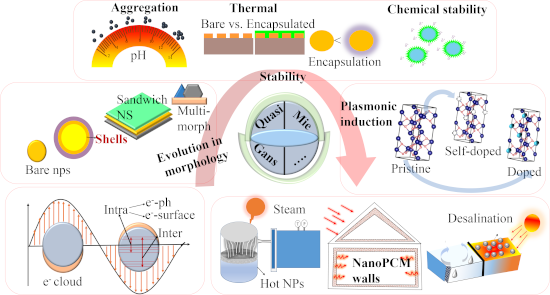
- tunability of optothermal properties and enhanced stability, these nanostructures show a wide range of applications in optical sensors, steam generation, water desalination, thermal energy storage, and biomedical applications such as photothermal (PT) therapy. The PT effect, that is, the conversion of
- materials [7][8], such as Au nanoparticles (AuNPs), in photodynamic therapy [9][10][11]. Metal nanoparticles in general have been extensively explored in PPT applications due to their high free electron density and the possibility of intricate tuning of light absorption [12]. Noble metal nanoparticles with
- temperature and reactivity. With broad applications in therapy [22][23], laser combined imaging, solar vapour generation [24], and biosensors [25], the global market for PT devices is expected to be a multimillion dollar enterprise by 2025 [26]. This review will focus on concepts such as the theoretical




The steep road to nonviral nanomedicines: Frequent challenges and culprits in designing nanoparticles for gene therapy
Beilstein J. Nanotechnol. 2023, 14, 351–361, doi:10.3762/bjnano.14.30

Polymer nanoparticles from low-energy nanoemulsions for biomedical applications
Beilstein J. Nanotechnol. 2023, 14, 339–350, doi:10.3762/bjnano.14.29
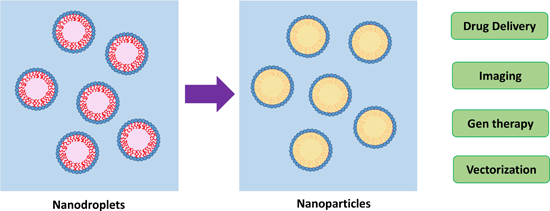
- 5) with viabilities higher than 70% for HeLa cells are promising candidates for gene therapy (e.g., gene vaccines). Protein binding on PLGA nanoparticles prepared from nanoemulsions has also been studied [62]. After incubation with human serum, afamin was one of the specific proteins bound to PLGA




Overview of mechanism and consequences of endothelial leakiness caused by metal and polymeric nanoparticles
Beilstein J. Nanotechnol. 2023, 14, 329–338, doi:10.3762/bjnano.14.28
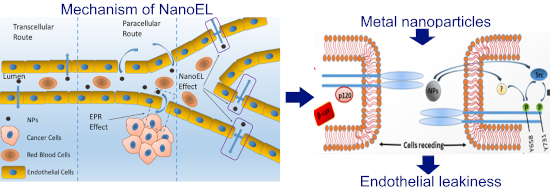
- from the EPR effect and active targeting strategies may increase the efficacy of the therapy. Nevertheless, the accumulation in other, non-targeted organs indicates the existence of a method of NP transport through the endothelium other than EPR [26][28][29][32]. Sindhwani et al. identified an active
- independent of the tumor stage. Therefore, NanoEL can be used in the early stages of cancer without requiring the EPR effect. Early diagnosis and treatment when the tumor has accumulated only a few mutations is a key determinant in the effectiveness of the therapy. Moreover, earlier diagnosis and treatment


Recent progress in cancer cell membrane-based nanoparticles for biomedical applications
Beilstein J. Nanotechnol. 2023, 14, 262–279, doi:10.3762/bjnano.14.24
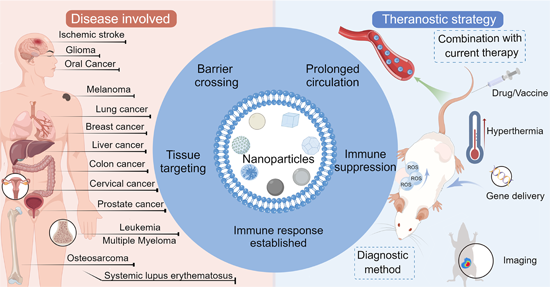
- clinical translation prospects, and the associated challenges are discussed. Keywords: cancer cell biomimetics; nanoparticles; precision medicine; targeted therapy; theranostic nanomedicine; Review 1 Introduction Biomimetic nanotechnology, an emerging interdisciplinary field, involves different
- necessary to customize treatments to maximize the benefit of the treatment for the patient at the lowest cost. Cancer cell membranes hold great promise for personalized precision therapy because of their unique homologous targeting properties and immune evasion capabilities. Cancer cell membrane-based
- summarized in Table 1 and described in detail in the following sections. 3.1 Malignant neoplasms Insufficient targeting of tumor tissue has hindered patients from further benefiting from therapy. Exploiting the homotypic aggregation behavior during initiation and progression of solid tumors [31], biomimetic


Nanotechnology – a robust tool for fighting the challenges of drug resistance in non-small cell lung cancer
Beilstein J. Nanotechnol. 2023, 14, 240–261, doi:10.3762/bjnano.14.23
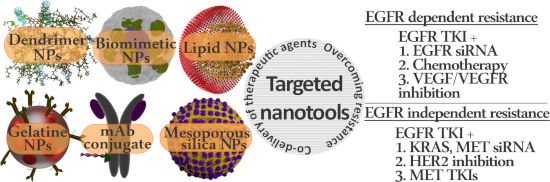
- therapy, leading to the rapid exhaustion of standard molecularly targeted therapeutic options against mutant variants. Attacking multiple molecular targets within one or several signaling pathways by co-delivery of multiple agents is a viable strategy for overcoming and preventing resistance to EGFR TKIs
- intracellular internalization, and bring advantages over conventional nanocarriers. Keywords: co-delivery nanoparticles; combinatorial therapy; EGFR TKI resistance; non-small cell lung cancer (NSCLC); overcoming and preventing resistance; Introduction Among the malignant diseases, lung cancer takes the lead
- treatments because of their ability to target specific molecular abnormalities associated with NSCLC cells [8][9][10][11][12][13]. Unlike traditional chemotherapy, which interferes with cell division and kills rapidly dividing cells, molecularly targeted therapy is directed towards somatic genome mutations


Cyclodextrins as eminent constituents in nanoarchitectonics for drug delivery systems
Beilstein J. Nanotechnol. 2023, 14, 218–232, doi:10.3762/bjnano.14.21
- delivery of chemical drugs Light irradiation is an eminent stimulus for the on–off control of drug delivery since light can be strictly focused to target sites and irradiated only when necessary. These two factors facilitate the precise spatiotemporal control of the therapy and minimize undesired side
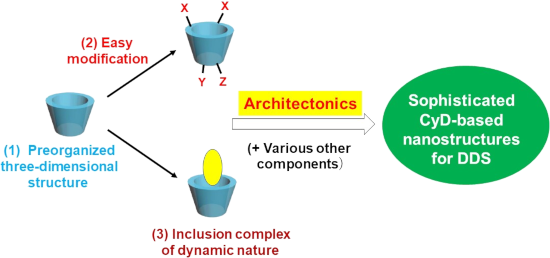
- delivered to a target site, the therapy should be more efficient than a unimodal therapy. For such a co-delivery, CyD-based nanoarchitectures are very convenient since well-defined structures of CyDs allow for the precise molecular design of nanoarchitectures in which the desired nucleic acid drugs are
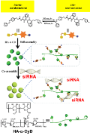
- S–S linkages by intracellular glutathione (GSH). As the result, both gene editing by sgRNA/Cas9 and gene silencing by the antisense DNA cooperatively suppressed the PLK1 gene, providing remarkable antitumor activity. 4 CyD-based nanoarchitectures for effective photodynamic therapy Photodynamic




Concentration-dependent photothermal conversion efficiency of gold nanoparticles under near-infrared laser and broadband irradiation
Beilstein J. Nanotechnol. 2023, 14, 205–217, doi:10.3762/bjnano.14.20
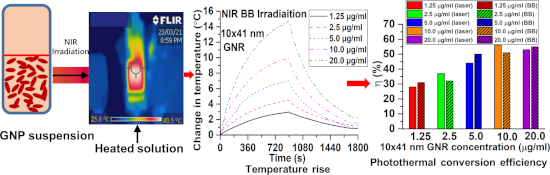
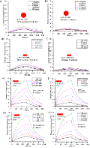
- ]. Localized heat generation through GNPs under irradiation can be used for hyperthermia treatment of tumors, termed plasmonic photothermal therapy (PPTT) [7][8][9][10][11]. The net temperature rise of a GNP-containing medium highly depends on shape and size of the GNPs, the dielectric constant of the medium




Facile preparation of Au- and BODIPY-grafted lipid nanoparticles for synergized photothermal therapy
Beilstein J. Nanotechnol. 2022, 13, 1432–1444, doi:10.3762/bjnano.13.118
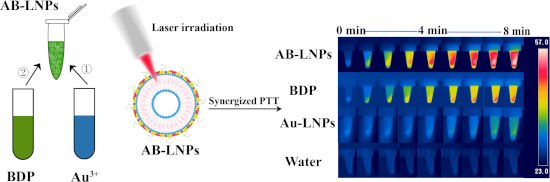
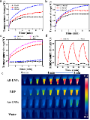
- Synthesis and Function Discovery (Fujian Province University), Fuzhou University, Fuzhou 350116, Fujian, China 10.3762/bjnano.13.118 Abstract Gold nanoparticles with large size exhibit preferable properties for photothermal therapy (PTT). However, the prolonged tissue retention and slow elimination of gold
- synergistic PTT in the treatment of cancer and other diseases. Keywords: BODIPY; gold nanoparticles; lipid nanoparticles; photothermal therapy; synergism; Introduction Photothermal therapy (PTT) relies on photothermal agents (PTAs) to convert light into heat energy to burn cancer cells. Due to its spatial
- specificity and minimal invasiveness, it has attracted a great deal of attention as complementary modality for conventional cancer therapy options [1]. Gold nanoparticles (AuNPs) can absorb light and generate heat from light absorption because of the surface plasmon resonance (SPR) phenomenon and the tunable




Orally administered docetaxel-loaded chitosan-decorated cationic PLGA nanoparticles for intestinal tumors: formulation, comprehensive in vitro characterization, and release kinetics
Beilstein J. Nanotechnol. 2022, 13, 1393–1407, doi:10.3762/bjnano.13.115
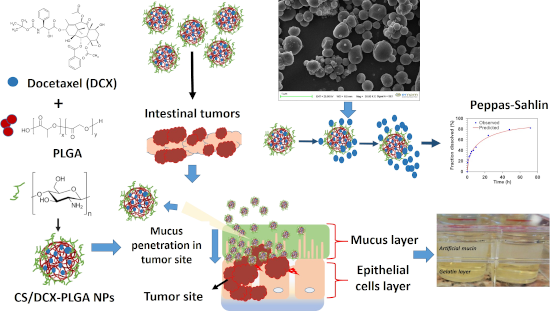
- -/microscale systems [25]. Chitosan is a natural biopolymer that is widely used in oral nanoparticulate formulations to provide increased drug concentration in the colon and to achieve improved therapy for the colon [26][27][28]. The degradation of chitosan occurs through the lysis of glycosidic bonds by the


Microneedle-based ocular drug delivery systems – recent advances and challenges
Beilstein J. Nanotechnol. 2022, 13, 1167–1184, doi:10.3762/bjnano.13.98
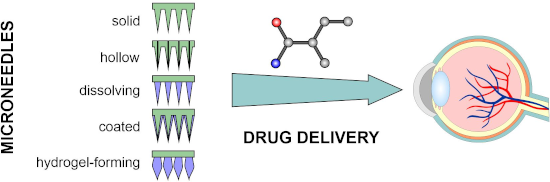
- inappropriate or late therapy, irreversible changes may occur [26]. It is also worth mentioning the very high global annual costs of therapies reaching up to US$ 250 billion [14], though it has to be kept in mind that the incidence rate is closely related to such factors as gender, age, life quality, and socio
- disadvantage is the need for frequent dosing, which can be troublesome. Hence, the treatment regimen is rarely followed, leading to a reduction in the effectiveness of the therapy [58][59]. Therefore, apart from designing the vehicle/base composition, drugs are often incorporated into appropriate carriers or
- /). Microscopic image of the MNs obtained by Amer and Chen. Figure 6 was adapted from [178], M. Amer; R. K. Chen, "Hydrogel-Forming Microneedle Arrays for Sustained and Controlled Ocular Drug Delivery", Journal of Engineering and Science in Medical Diagnostics and Therapy, with permission from ASME. Copyright


Recent advances in green carbon dots (2015–2022): synthesis, metal ion sensing, and biological applications
Beilstein J. Nanotechnol. 2022, 13, 1068–1107, doi:10.3762/bjnano.13.93
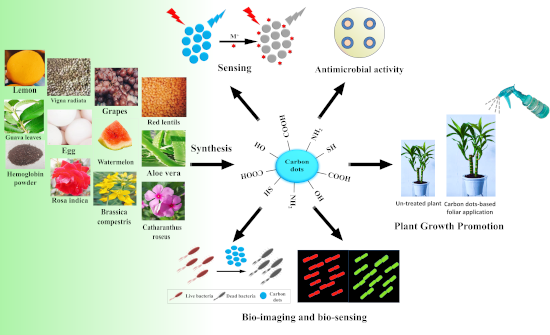
- nanomaterials has proved to be useful for applications in a variety of disciplines, including chemical or biological sensing, bioimaging, drug delivery, photodynamic therapy, electrocatalysis, and photocatalysis, with advantages over commonly used semiconductor dots or conventional fluorescent probes such as




Detection and imaging of Hg(II) in vivo using glutathione-functionalized gold nanoparticles
Beilstein J. Nanotechnol. 2022, 13, 549–559, doi:10.3762/bjnano.13.46
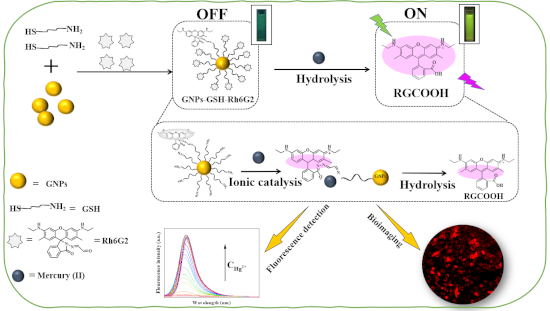
- biocompatibility, large specific surface area, and remarkable photoelectric properties [1][2][3]. Among them, gold nanoparticles (GNPs) have been frequently employed for drug delivery, sensing, imaging, and photodynamic therapy owing to their high extinction coefficient, distinct optical properties, excellent


Ciprofloxacin-loaded dissolving polymeric microneedles as a potential therapeutic for the treatment of S. aureus skin infections
Beilstein J. Nanotechnol. 2022, 13, 517–527, doi:10.3762/bjnano.13.43
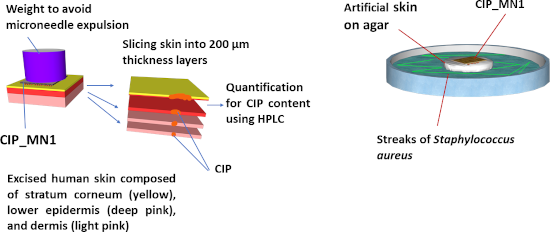
- Sharif Abdelghany Walhan Alshaer Yazan Al Thaher Maram Al Fawares Amal G. Al-Bakri Saja Zuriekat Randa SH. Mansour School of Pharmacy, University of Jordan, Amman, 11942, Jordan Cell Therapy Center, University of Jordan, Amman, 11942, Jordan Faculty of Pharmacy, Philadelphia University, Amman


Design and characterization of polymeric microneedles containing extracts of Brazilian green propolis
Beilstein J. Nanotechnol. 2022, 13, 503–516, doi:10.3762/bjnano.13.42
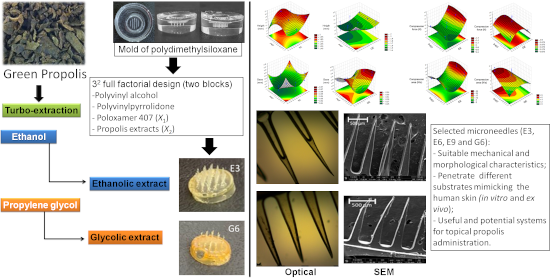
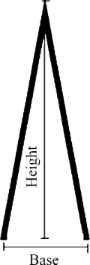
- permeation mechanism [6][9][10]. Nanocarriers can be used together with polymeric MNs in a synergistic therapy. The nanocarriers can immediately come into contact with the stratum corneum with the help of polymeric MNs, enhancing the transdermal drug delivery of the drugs. Furthermore, these polymeric MNs


Coordination-assembled myricetin nanoarchitectonics for sustainably scavenging free radicals
Beilstein J. Nanotechnol. 2022, 13, 284–291, doi:10.3762/bjnano.13.23
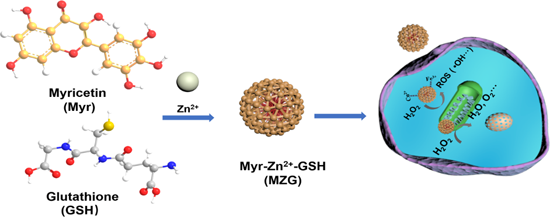
- used for effectively scavenging multiple ROS. Metal-based nanomaterials, such as CeO2 and Fe3O4, have been widely applied for antioxidant therapy [10]. In addition, bioactive small-molecule compounds, such as bilirubin and curcumin, and antioxidant peptides such as glutathione (GSH) and casein


Systematic studies into uniform synthetic protein nanoparticles
Beilstein J. Nanotechnol. 2022, 13, 274–283, doi:10.3762/bjnano.13.22
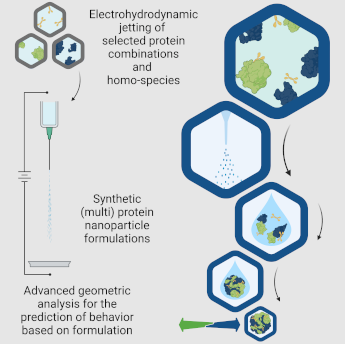
- , particularly as a combination therapy [10]. To leverage the endogenous properties of albumin, nab technology uses a high-pressure manufacturing process to force hydrophobic drugs into the internal hydrophobic pockets of human serum albumin (HSA) [11]. This leads to the formation of albumin-bound, paclitaxel


Photothermal ablation of murine melanomas by Fe3O4 nanoparticle clusters
Beilstein J. Nanotechnol. 2022, 13, 255–264, doi:10.3762/bjnano.13.20
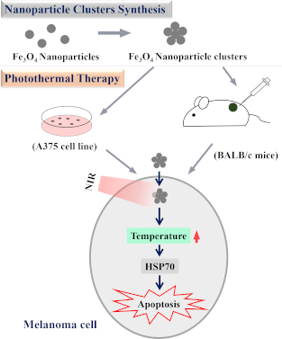
- development of resistance. Here, we fabricated Fe3O4 nanoparticle clusters (NPCs), which have drawn widespread attention, and investigated their role in the treatment of melanoma by photothermal therapy (PTT). Scanning electron microscopy imaging shows that our synthesized NPCs are spherical with an average
- the promise of Fe3O4 NPCs as a new PTT option to treat melanoma. Keywords: Fe3O4 nanoparticle clusters; heat shock protein 70; melanoma; near infrared; photothermal therapy; Introduction The global incidence of melanoma, one of the deadliest forms of cancer, has kept increasing annually over the
- past decades at an accelerating rate [1]. Depending on the features of melanomas, therapeutic options include surgical resection, chemotherapy, immunotherapy, photodynamic therapy and several others. Although these treatments could initially meet therapeutic needs, their efficacies commonly drop


Engineered titania nanomaterials in advanced clinical applications
Beilstein J. Nanotechnol. 2022, 13, 201–218, doi:10.3762/bjnano.13.15
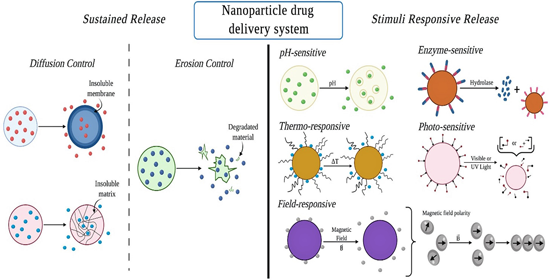
- reported by Rehman [8], who used the photodynamic properties of TiO2 for killing HeLa cancer cells. The hydrophobic nature of photosensitizers commonly used in photodynamic therapy led to selectivity and aggregation issues that jeopardize their effectiveness. Therefore, TiO2 nanoparticles (nps), which
- conversion efficiency and by an accumulation of photosensitizers in tumor sites. ROS-related cancer therapeutics such as photodynamic therapy, sonodynamic therapy, and chemical dynamic therapy showed great potential to significantly enhance the precision and efficacy of cancer therapeutics [14]. Neoplastic
- cells containing TiO2 nps undergo oxidative degeneration upon light irradiation under the influence of generated ROS and, therefore, these nps are considered as a potent photosensitizer in anticancer photodynamic therapy and the photodynamic inactivation of antibiotic-resistant bacteria [15]. TiO2





