Search results
Search for "zinc" in Full Text gives 265 result(s) in Beilstein Journal of Nanotechnology. Showing first 200.
Sputtering onto liquids: a critical review
Beilstein J. Nanotechnol. 2022, 13, 10–53, doi:10.3762/bjnano.13.2
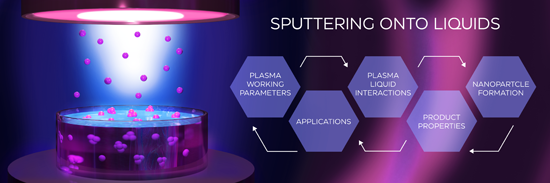
- reported in [56] where zinc (Zn) and tin/copper (Sn/Cu) targets are both co-sputtered in a reactive H2S/Ar reactive plasma for the synthesis of Cu2ZnSnS4 (CZTS) coatings. In the case of reactive sputtering, MFCs manage the flow (usually expressed in standard cubic centimeters per minute, sccm). This is a






Biocompatibility and cytotoxicity in vitro of surface-functionalized drug-loaded spinel ferrite nanoparticles
Beilstein J. Nanotechnol. 2021, 12, 1339–1364, doi:10.3762/bjnano.12.99
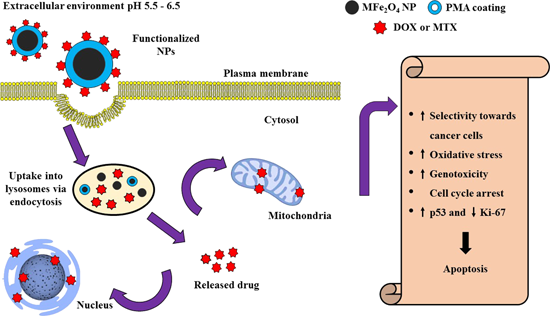
- vitro compared to free drug controls. The IC50 values ranged from 0.81 to 3.97 μg/mL for HepG2 and HT144 cells, whereas IC50 values for normal lymphocytes were 10 to 35 times higher (18.35–43.04 µg/mL). Cobalt ferrite (CFO) and zinc ferrite (ZFO) NPs were highly genotoxic (p < 0.05) in cancer cell lines
- magnetocrystalline anisotropy, high saturation magnetization, and coercivity even at room temperature as compared to others [15]. The substitution of metal cations M+ for cobalt, nickel, and zinc contributes to diverse magnetic properties, morphology, and size of iron oxide NPs [13][16] along with varied tissue
- cobalt ferrite (CFO), nickel ferrite (NFO), and zinc ferrite (ZFO) as compared to FeO due to the ionic radii difference of divalent M+2 cations. The peak shift also indicates the incorporation of M+2 cations into the lattice. Further confirmation of the crystalline nature of the composites was obtained







Identifying diverse metal oxide nanomaterials with lethal effects on embryonic zebrafish using machine learning
Beilstein J. Nanotechnol. 2021, 12, 1297–1325, doi:10.3762/bjnano.12.97
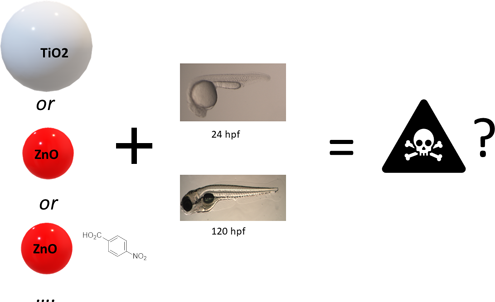
- . This is restrictive, as generalization for nanomaterials with similar but non-identical chemical compositions is not possible. Subsequent studies only developed local models for ENMs with nominally the same core material, for instance, gold or zinc oxide, where only the variation in the chemical


Enhancement of the piezoelectric coefficient in PVDF-TrFe/CoFe2O4 nanocomposites through DC magnetic poling
Beilstein J. Nanotechnol. 2021, 12, 1262–1270, doi:10.3762/bjnano.12.93
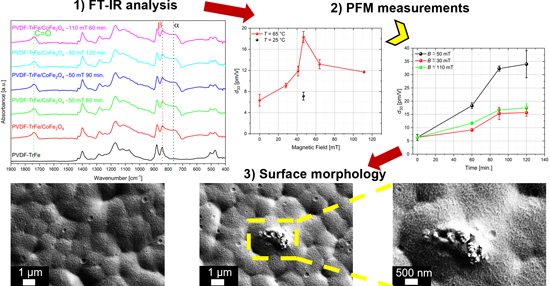
- with zinc oxide nanostructures [1][3][5][6]. Recently, it was shown that the β phase content of PVDF can be improved introducing CoFe2O4 nanoparticles into the polymer and applying a DC magnetic field [25]. This effect has been ascribed to the strong tensile stress at the CoFe2O4/PVDF interfaces


Morphology-driven gas sensing by fabricated fractals: A review
Beilstein J. Nanotechnol. 2021, 12, 1187–1208, doi:10.3762/bjnano.12.88
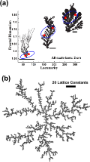
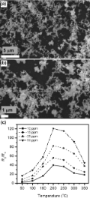
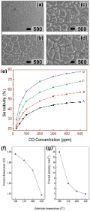
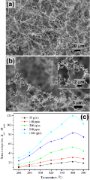
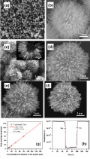
- . The response of sensor was described by the real and imaginary parts of the reflection coefficient using a specific waveguide. The response was found to be linear for ammonia in the range of 0–500 ppm. Zinc oxide-based fractals Hierarchical dandelion-like hollow ZnO structures were reported by Fan et
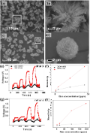
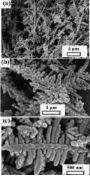
- al. who annealed a zinc precursor [75]. Figure 14a–f shows SEM images of ZnO structures obtained at different temperatures. The fabricated structures had large surface area and affluent pores and were tested for sensing ethanol vapors. The authors reported good sensing response (34.5), rapid response










The effect of cobalt on morphology, structure, and ORR activity of electrospun carbon fibre mats in aqueous alkaline environments
Beilstein J. Nanotechnol. 2021, 12, 1173–1186, doi:10.3762/bjnano.12.87
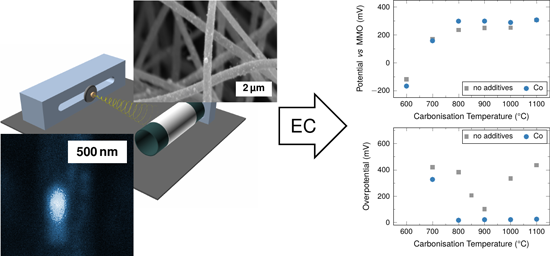
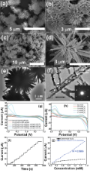
- batteries based on zinc or iron anodes are such promising systems due to their high specific energy densities of [2] for zinc and [2] for iron. However, even with increasing research effort over the past decades, these systems do not live up to their potential; the performance of the cathodes limits the
- , Electronics and Analytics (ZEA-3) of Forschungszentrum Jülich for performing the elemental analysis as well as X-ray photoelectron spectroscopy measurements and data analysis. Funding Funding by the German Federal Ministry of Education and Research (BMBF) project LuZi “Air–zinc batteries with innovative


Self-assembly of amino acids toward functional biomaterials
Beilstein J. Nanotechnol. 2021, 12, 1140–1150, doi:10.3762/bjnano.12.85
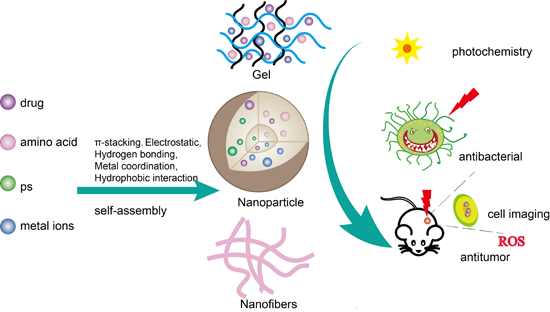
- performance [58]. In addition, Liu et al. [59], inspired by the cystine pathological biomineralization process, developed a zinc-directed cystine assembly to mimic chloroplast photosynthesis. Zn2+ promotes rapid nucleation of cystine crystals and regulates crystal morphology through splitting growth
- et al. [62] self-assembled metal nanoparticles with good catalytic activity by coordination of histidine derivatives N-(benzyloxycarbonyl)-ʟ-histidinohydrazide with zinc ions on a minimum design principle. The catalytic performance of p-nitrophenyl acetate hydrolysis to p-nitrophenol was evaluated by
- antitumor PDT effects. In addition to Mn2+, Li et al. [71] self-assembled Fmoc-L, Fmoc-H, and N-benzyloxycarbonyl-ʟ-histidine-ʟ-phenylalanine with zinc ions to form Fmoc-H/Zn2+ and Z-HF/Zn2+ nanoparticles (approx. 70 nm in size). Then, Ce6 was encapsulated and the Ce6 loading of Fmoc-H/Zn2+/Ce6 and Z-HF/Zn2

The role of deep eutectic solvents and carrageenan in synthesizing biocompatible anisotropic metal nanoparticles
Beilstein J. Nanotechnol. 2021, 12, 924–938, doi:10.3762/bjnano.12.69
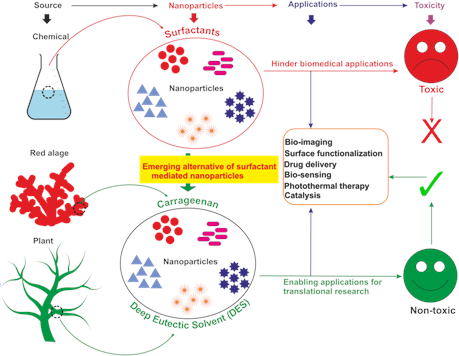
- successful use in biological milieus. Recent studies indicated that the green synthesis of nanoparticles, such as zinc oxide nanoparticles and bimetallic copper–silver and nickel–cobalt nanoparticles, is preferred for catalytic, antibacterial, and therapeutic applications [12][13][14]. Several other
- ethylene glycol in a molar ratio of 1:2 for electrodeposition of a zinc–nickel alloy to provide corrosion protection [90]. Due to the ever-rising interest in DESs for nanomaterial synthesis, a fundamental understanding regarding interfacial behavior and mass transport, such as ionic adsorption, surface
- . Much of the understanding of the interfacial behavior of DESs has been derived from electrodeposition studies. For example, Abbott et al. showed zinc electrodeposition in two different DESs (ethaline and reline in choline chloride), yielding respectively, “rice grains” and “platelets” morphologies [92


Comprehensive review on ultrasound-responsive theranostic nanomaterials: mechanisms, structures and medical applications
Beilstein J. Nanotechnol. 2021, 12, 808–862, doi:10.3762/bjnano.12.64


9.1% efficient zinc oxide/silicon solar cells on a 50 μm thick Si absorber
Beilstein J. Nanotechnol. 2021, 12, 766–774, doi:10.3762/bjnano.12.60
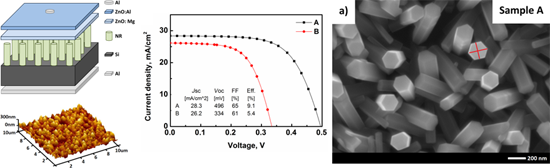
- using zinc oxide nanorods. The efficiency of a textured solar cell structure is compared with the one obtained for a planar zinc oxide/silicon structure. The present results show the possibility to produce efficient solar cells on a relatively thin 50 μm thick silicon substrate. Solar cells with
- structured top electrodes were examined by numerous measuring techniques. Scanning electron microscopy revealed a grain-like morphology of the magnesium-doped zinc oxide film. The size of the grains is closely related to the structure of the nanorods. The external quantum efficiency of the cells was measured
- % for planar structures, respectively. The work, therefore, describes an environmentally friendly technology for PV architecture with surface textures increasing the efficiency of PV cells. Keywords: atomic layer deposition; hydrothermal method; photovoltaics; silicon; solar cell; zinc oxide


Recent progress in magnetic applications for micro- and nanorobots
Beilstein J. Nanotechnol. 2021, 12, 744–755, doi:10.3762/bjnano.12.58
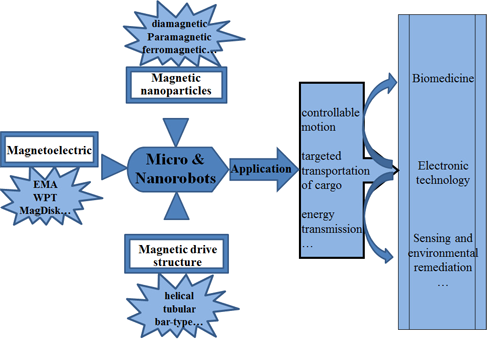
- ]. Wang et al. [83] successfully fabricated a biocompatible and pH-responsive magnetic helical microstructure coated with zinc-based MOF and zeolite imidazole framework-8 (ZIF-8). They also developed a helical swimmer with 2PP, also called artificial bacterial flagella, as shown in Figure 2. In order to


A review of defect engineering, ion implantation, and nanofabrication using the helium ion microscope
Beilstein J. Nanotechnol. 2021, 12, 633–664, doi:10.3762/bjnano.12.52
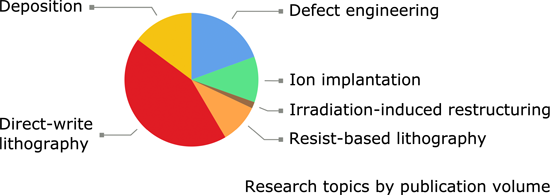
- by localized helium ion irradiation. For example, using a helium ion dose of 5 × 10¹⁴ ions/cm2, permanent local tuning of the charge density in an amorphous thin film of the semiconductor indium gallium zinc oxide (film thickness 50 nm) has been demonstrated, thereby enabling activation of the


Impact of GaAs(100) surface preparation on EQE of AZO/Al2O3/p-GaAs photovoltaic structures
Beilstein J. Nanotechnol. 2021, 12, 578–592, doi:10.3762/bjnano.12.48
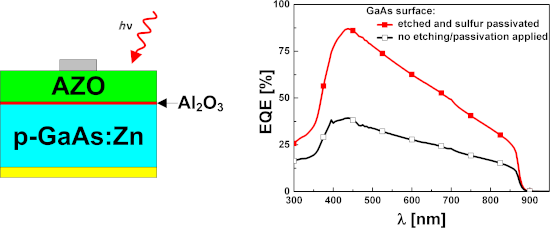
- ; gallium arsenide; photovoltaics; surface passivation; Introduction The atomic layer deposition (ALD) method is used for silicon passivation in photovoltaics. In recent years we proposed the usage of ALD for the construction of simplified Si-based cells [1]. Once zinc oxide (ZnO) nanorods were employed as
- for aluminum-doped zinc oxide). Experimental GaAs surface treatment We used lightly Zn-doped GaAs single-crystal (100) wafer (p = 6.8 × 1016 cm−3, ρ = 3.2 × 10⁻¹ Ω·cm, μ ≤ 225 cm2/Vs, d = 400 μm) (fabricated at the Institute of Electronic Materials Technology, ITME) as the substrate. Before starting
- -cycles. Each multi-cycle, in turn, consisted of one aluminum oxide creation cycle (TMA + H2O) and 24 cycles of zinc oxide deposition (diethylzinc/Zn(C2H5)2, DEZ, CAS:557-20-0) + H2O [2]. In the final fabrication process, a top point contact was deposited (70 nm) by aluminum-target sputtering (Kurt J




Structural and optical characteristics determined by the sputtering deposition conditions of oxide thin films
Beilstein J. Nanotechnol. 2021, 12, 354–365, doi:10.3762/bjnano.12.29
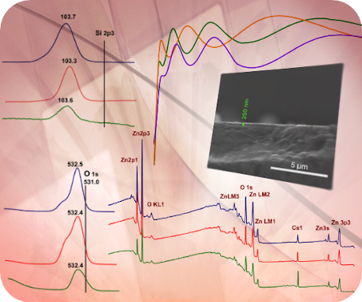
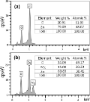
- dioxide (SiO2) and zinc oxide (ZnO) thin films deposited by radio frequency magnetron sputtering on quartz substrates was investigated. The deposition conditions were optimized to achieve stoichiometric thin films. The orientation of crystallites, structure, and composition were investigated by X-ray
- eV, which correspond to the Zn 2p3 and Zn 2p1 lines, respectively [47]. The presence of metallic zinc is not observed in the general spectrum, which indicates that we have only oxidized zinc in the film. These results are in good agreement with those in the literature [49][50][51]. Using a


A review on the biological effects of nanomaterials on silkworm (Bombyx mori)
Beilstein J. Nanotechnol. 2021, 12, 190–202, doi:10.3762/bjnano.12.15
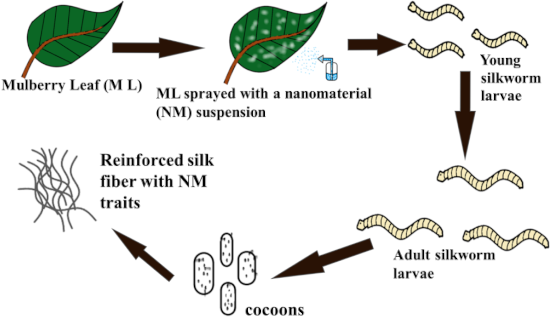
- to generate more reactive oxygen species (ROS) and to induce oxidative stress could be a reason for their antibacterial activity against R. solanacearum in tobacco plants [23]. Aside from MgO NPs, other nanomaterials, including titanium dioxide (TiO2 NPs), zinc oxide (ZnO NPs), copper oxide (CuO NPs
- [37] and chemicals, and to evaluate nano–bio interactions. The exposure of nanomaterials (NM) to the environment is reported to have detrimental effects on human lungs. Pulmonary inflammation was reported in C57BL/6N mice exposed to zinc oxide (ZnO) (size of nanoparticles functionalized with


Paper-based triboelectric nanogenerators and their applications: a review
Beilstein J. Nanotechnol. 2021, 12, 151–171, doi:10.3762/bjnano.12.12
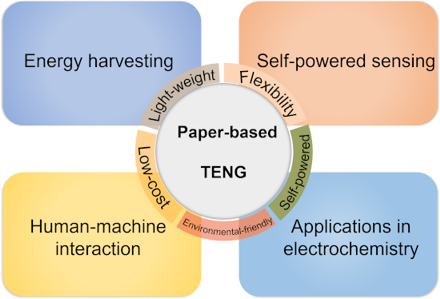
- flexible conductive materials, metallic materials (e.g., copper, zinc, silver, and gold) are still frequently used as electrodes for flexible electronics due to their excellent electrical conductivity. By using the Kapton tape to attach soft stencils to paper, various metals can be deposited through the







ZnO and MXenes as electrode materials for supercapacitor devices
Beilstein J. Nanotechnol. 2021, 12, 49–57, doi:10.3762/bjnano.12.4
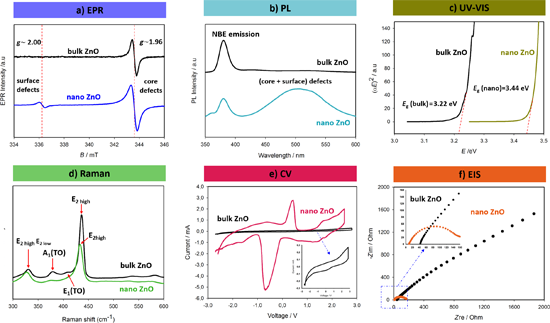
- materials; electrodes; MXenes; supercapacitors; zinc oxide (ZnO); Introduction In this article, the past, the present, and the prospects of ZnO and MXenes are discussed in terms of their usage as electrode materials in supercapacitor devices. Recently, supercapacitors gained a lot of attention due to their
- and 3D materials will be of utmost benefit to the interested community. Review ZnO as electrode material for supercapacitors Zinc oxide (ZnO) is a highly defective semiconductor material, regardless of its synthesis route, that has a large bandgap energy (Eg) at room temperature. However, defect types

Antimicrobial metal-based nanoparticles: a review on their synthesis, types and antimicrobial action
Beilstein J. Nanotechnol. 2020, 11, 1450–1469, doi:10.3762/bjnano.11.129

- -based NPs have demonstrated antimicrobial activity over the last years. Several metal and metal oxide NPs, such as silver, copper, zinc oxide, titanium oxide, copper oxide, and nickel oxide NPs, are known to display antimicrobial activity [15][16][17] that depends on their composition, surface
- nanomaterials which have also presented relevant antimicrobial properties against several pathogenic microorganisms. Zinc oxide, titanium dioxide, copper oxide, and nickel oxide are the most typical metal-oxide NPs with potential antibacterial, antifungal and antiviral activities [127][128]. These oxides have
- ]. Silver, gold, zinc oxide, and titanium dioxide NPs can be attracted to the cell wall by electrostatic attraction [161], van der Waals forces [162], and hydrophobic interactions [163], inducing changes in the shape, function and permeability of the cells. Proteins and DNA Proteins play a fundamental role


Photothermally active nanoparticles as a promising tool for eliminating bacteria and biofilms
Beilstein J. Nanotechnol. 2020, 11, 1134–1146, doi:10.3762/bjnano.11.98
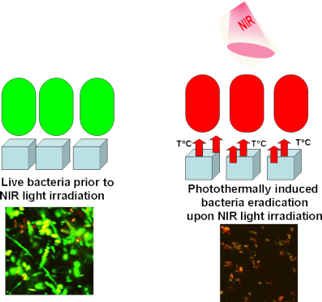
- P. aeruginosa biofilm growth. Another recent study, also published in 2019, validated an exogenous antibacterial agent consisting of zinc-doped Prussian blue nanoparticles against the methicillin-resistant S. aureus in vitro and in a rat model for a cutaneous wound infection [77]. The authors


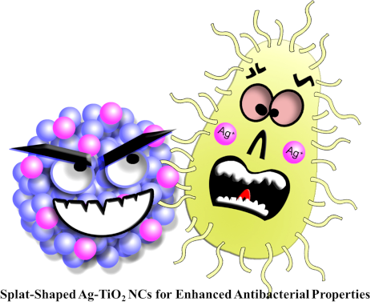
Gram-scale synthesis of splat-shaped Ag–TiO2 nanocomposites for enhanced antimicrobial properties
Beilstein J. Nanotechnol. 2020, 11, 1119–1125, doi:10.3762/bjnano.11.96
- , silver (Ag), zinc oxide (ZnO), copper oxide (CuO), iron oxide (Fe3O4) and titanium oxide (TiO2) are well recognized options due to their outstanding antibacterial properties. These nanoparticles have antibacterial activity due to the production of reactive oxygen species (ROS) [9][10][11]; more


Applications of superparamagnetic iron oxide nanoparticles in drug and therapeutic delivery, and biotechnological advancements
Beilstein J. Nanotechnol. 2020, 11, 1092–1109, doi:10.3762/bjnano.11.94
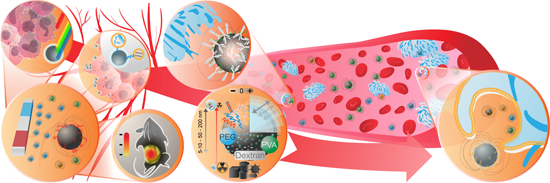
- . They did not obtain a measurable difference in temperature while still more that 70% of the cells died by apoptosis after hyperthermia treatment [149]. There are nanoparticle combinations of iron with zinc, manganese or nickel that have better heating properties under an alternating magnetic field


Plant growth regulation by seed coating with films of alginate and auxin-intercalated layered double hydroxides
Beilstein J. Nanotechnol. 2020, 11, 1082–1091, doi:10.3762/bjnano.11.93
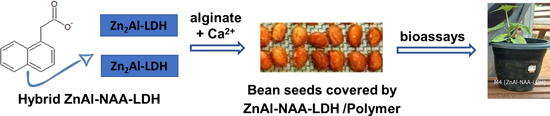
- layered compounds, emerges as a very promising approach to a new form of growth regulator application. Thus, the presented work had three aims: (i) the synthesis and characterization of an organic–inorganic hybrid material containing a layered double hydroxide (LDH) of zinc and aluminum and the synthetic
- growth. This work describes (i) the synthesis and characterization of a zinc–aluminium LDH intercalated with NAA (ZnAl-NAA-LDH); (ii) the preparation a hybrid films for bean seed coating (Phaseolus vulgaris L.) containing a mixture of sodium alginate and ZnAl-NAA-LDH; (iii) bioassays with the coated
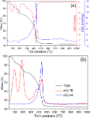
- °C (mass loss of 9.6%) and the release of a fragment with m/z 18 suggests sample dehydration. The second step from 155 °C up to about 260 °C (mass loss of 9.1% and m/z 18) is assigned to the dehydroxylation of the zinc–aluminium LDH layers [27]. Between 260 and 500 °C, the sample loses about 38% of



Microwave-induced electric discharges on metal particles for the synthesis of inorganic nanomaterials under solvent-free conditions
Beilstein J. Nanotechnol. 2020, 11, 1019–1025, doi:10.3762/bjnano.11.86
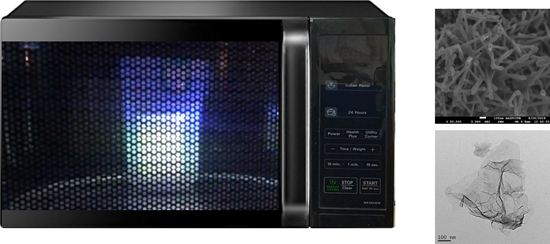
- , microwave irradiation of zinc metal in the presence of Teflon and g-C3N4 creates ZnF2 nanorods inside fluorinated carbon. From XPS (Figure S4, Supporting Information File 1) the carbon-to-fluorine ratio was calculated to be 3:2. Zn is highly electropositive and reacts readily with fluorine from Teflon and


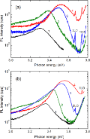
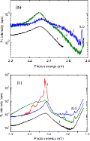
Band tail state related photoluminescence and photoresponse of ZnMgO solid solution nanostructured films
Beilstein J. Nanotechnol. 2020, 11, 899–910, doi:10.3762/bjnano.11.75
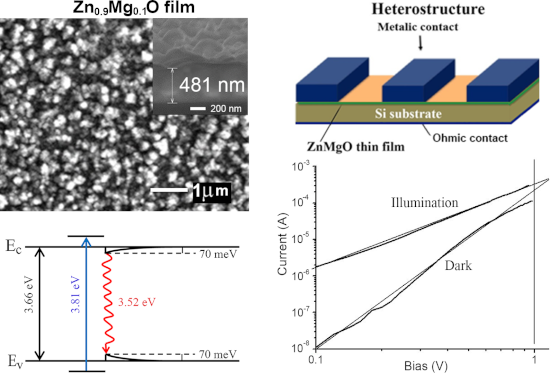
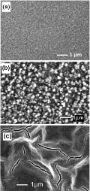
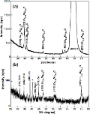
- to some Zn clusters [43]. A peak at 40.5° marked with an asterisk in Figure 6b was previously found in ZnO nanopowders prepared by the sol–gel method with zinc acetate dihydrate as a precursor [44]. In contrast to this, only peaks related to the Zn0.8Mg0.2O phase are observed in the film annealed at
- deposition of 10 layers, the sample was treated at a temperature in the range of 400–650 °C in air for one hour. For the purpose of comparison, thin films were also prepared by the aerosol spray pyrolysis method. A solution of zinc acetate dihydrate with 99.999% purity and magnesium acetate tetrahydrate with
- purity ≥ 99%, both purchased from Sigma-Aldrich, dissolved in ethanol (C2H5OH), was sprayed onto the substrate using a homemade sprayer with an O2 gas flow. The substrate was heated in the temperature range of 400 °C to 650 °C during the deposition. 0.35 M zinc acetate and magnesium acetate solutions

Preparation, characterization and photocatalytic performance of heterostructured CuO–ZnO-loaded composite nanofiber membranes
Beilstein J. Nanotechnol. 2020, 11, 631–650, doi:10.3762/bjnano.11.50
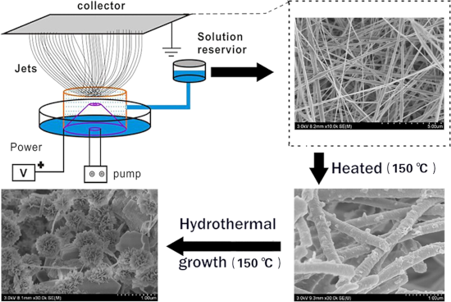
- methyl orange. Experimental Materials Anhydrous copper acetate (Cu(Ac)2, Mw = 199.65 g/mol) and anhydrous zinc acetate (Zn(Ac)2, Mw = 183.48 g/mol) were supplied by Shanghai Macklin Biochemical Co., Ltd. and Aladdin industrial Corporation (Shanghai, China), respectively. Polyacrylonitrile (PAN, Mw
- = 150,000 g/mol) powders were purchased from Beijing Lark Branch Co., Ltd. (Beijing, China). Polyvinylidene fluoride (PVDF, Mw = 400,000 g/mol) and N,N-dimethylformamide (DMF) were provided from Shanghai Chemical Reagent Co., Ltd. (Shanghai, China). Anhydrous copper sulfate (CuSO4, Mw = 159.60 g/mol), zinc
- ammonium ions will be released, and copper ions and zinc ions will form [Cu(NH3)4]2+ and [Zn(NH3)4]2+, respectively. Finally, Cu(OH)2 and Zn(OH)2 are formed under alkaline conditions after the addition of NH3·H2O. At a certain temperature and pressure, the water evaporate, and CuO and ZnO nanocrystals will