


Search results
Search for "TGA" in Full Text gives 149 result(s) in Beilstein Journal of Nanotechnology.
First examples of organosilica-based ionogels: synthesis and electrochemical behavior
Beilstein J. Nanotechnol. 2017, 8, 736–751, doi:10.3762/bjnano.8.77
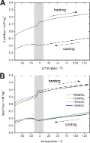
- . Simultaneous thermogravimetric analysis-differential thermal analysis (TGA-DTA) experiments were done on a Linseis L81 thermal balance and on a Linseis STA PT-1600 thermal balance in air from 20 to 900 °C with a heating rate of 10 °C/min. Differential scanning calorimetry (DSC) measurements were done on a
- same composition but made in acetone or methanol only shows minor differences, which are within the sample to sample variation typically observed in these reactions. Figure 4 shows representative thermogravimetric analysis (TGA) data of the pure organosilica host materials. All TGA curves exhibit a
- 17%, respectively. Figure 10 shows representative TGA data obtained from the IL and the MBA IGs. If the IGs are dried in vacuum before the TGA experiments, they are stable up to 250 °C with a maximum mass loss of only around 3%. This is presumably due to traces of water in the IL, to condensation of








Carbon nanotube-wrapped Fe2O3 anode with improved performance for lithium-ion batteries
Beilstein J. Nanotechnol. 2017, 8, 649–656, doi:10.3762/bjnano.8.69
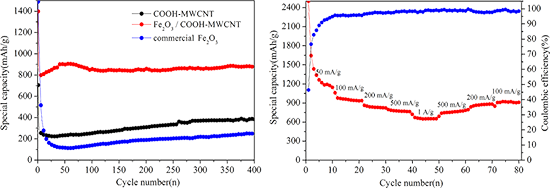
- ), scanning electron microscopy (SEM, S-4800, Hitachi), transmission electron microscopy (TEM, Tecnai F20) and thermogravimetric analysis (TGA, Perkin Elmer TGA 7). Electrochemical measurements Working electrodes were fabricated by a standard slurry casting procedure. The as-prepared anode material (70 wt
- (TGA) was carried out in oxygen by heating the samples to 700 °C at a heating rate of 10 °C·min−1 (Figure 3). A weight loss of approximately 6% can be observed at a temperature of 100 °C indicating a loss of absorbed water in the sample. Fe2O3/COOH-MWCNT composites decomposed in two steps in a


Fiber optic sensors based on hybrid phenyl-silica xerogel films to detect n-hexane: determination of the isosteric enthalpy of adsorption
Beilstein J. Nanotechnol. 2017, 8, 475–484, doi:10.3762/bjnano.8.51
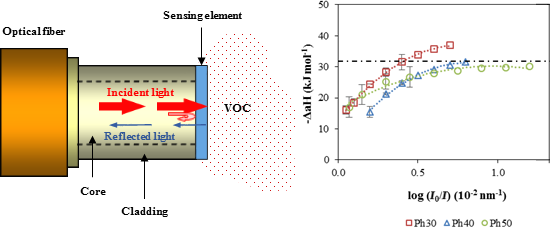
- Cantabria (Spain) for TGA–DSC analysis.






Methods for preparing polymer-decorated single exchange-biased magnetic nanoparticles for application in flexible polymer-based films
Beilstein J. Nanotechnol. 2017, 8, 408–417, doi:10.3762/bjnano.8.43
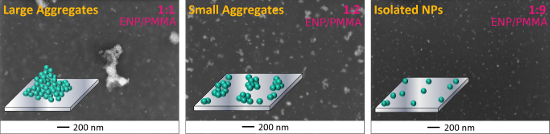
- catalytic Cu-PMDETA complex, with polymerization times of 1 to 3 h. The polymer coating was characterized by X-ray photoelectron spectroscopy (XPS) and thermogravimetric analysis (TGA) [15]. For all samples the grafted chain density was 1.4 chain nm−2, i.e., significantly higher than the results previously
- polymerization time increases. TGA thermograms of PS-decorated ENPs are presented in Figure 4. PS is generally decomposed at about 380 °C. It can be seen that, although the polymer is thicker at the ENP surface in the case of PS, the weight losses of PS (6% and 14% for NP-PS-18 and NP-PS-24, respectively) are
- polystyrene (PS), using radical-controlled polymerization under various processing conditions. We evidenced through TGA, IR spectroscopy and XPS measurements that polymer chains were efficiently grafted onto the nanoparticles using either the direct grafting or the “all in solution” process. In the TEM images


Tailoring bifunctional hybrid organic–inorganic nanoadsorbents by the choice of functional layer composition probed by adsorption of Cu2+ ions
Beilstein J. Nanotechnol. 2017, 8, 334–347, doi:10.3762/bjnano.8.36
- (sample NMh), the rate of condensation is also higher, and more methyl groups get fixed on the surface according to TGA and elemental analysis data (Table S1 and Table S4, Supporting Information File 1). Therefore, some of the amino groups are located at a distance that does not favor the formation of


Functionalized TiO2 nanoparticles by single-step hydrothermal synthesis: the role of the silane coupling agents
Beilstein J. Nanotechnol. 2017, 8, 304–312, doi:10.3762/bjnano.8.33
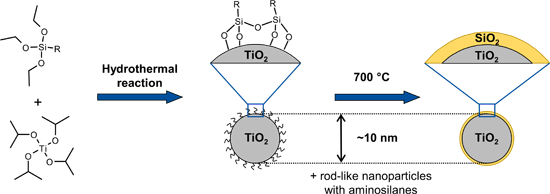
- cm−1. Thermogravimetric analysis (TGA) was acquired on a Netzsch Jupiter STA 449 C using an alumina crucible. The nanoparticles were firstly heat-treated from 25 to 150 °C (10 °C·min−1), maintained at 150 °C for 30 min, cooled down to room temperature, and heat-treated again from 25 to 200 °C (2
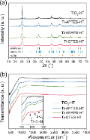
- , and (d) Ti-AEAPS. (a) Adsorption (solid symbols) and desorption (open symbols) isotherms and (b) BJH desorption dV/dlog(D) pore volume, from nitrogen adsorption measurements, of TiO2 and in situ surface-functionalized TiO2 nanoparticles. (a) TGA curves and (b) FTIR spectra of TiO2 and in situ surface
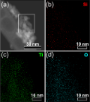
- , and TGA analysis. Properties of heat-treated TiO2 and in situ surface-functionalized TiO2 nanoparticles from XRD and SEM analysis. Supporting Information Supporting Information features Rietveld refinements of diffractograms of in situ functionalized and heat-treated nanoparticles, EDS spectra



Nanocrystalline ZrO2 and Pt-doped ZrO2 catalysts for low-temperature CO oxidation
Beilstein J. Nanotechnol. 2017, 8, 264–271, doi:10.3762/bjnano.8.29
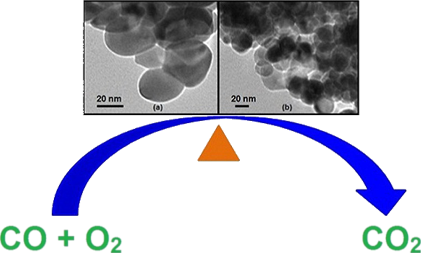
- .8.29 Abstract Zirconia (ZrO2) nanoparticles were synthesized by solution combustion using urea as an organic fuel. Brunauer–Emmett–Teller (BET), X-ray diffraction (XRD), thermal gravimetric analysis (TGA), transmission electron microscopy (TEM), UV–vis and Fourier transform infrared (FTIR) measurements
- support. This paper also reports the characterization of the prepared catalysts by BET, XRD, TGA, TEM, UV–vis and FTIR measurements. Results and Discussion Materials characterization The specific surface area, pore volume and pore diameter of ZrO2 and Pt(1%)-ZrO2 were obtained carrying out BET nitrogen
- thermal analysis of the prepared ZrO2 and Pt(1%)-ZrO2 nanoparticles is shown in Figure 3. The TGA curve shows an initial small weight loss between 50 and 100 °C, which may be due to evaporation of water adsorbed in the sample. After the initial weight loss, there was a small weight loss leading to a total


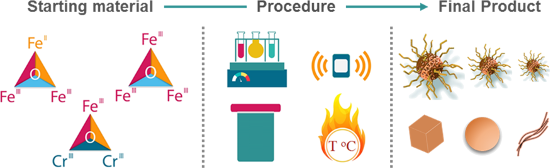
From iron coordination compounds to metal oxide nanoparticles
Beilstein J. Nanotechnol. 2016, 7, 2074–2087, doi:10.3762/bjnano.7.198
- the organic material (for example, 2922 cm−1 assigned to CH2, medium) [26]. A reverse phenomenon was observed in the NPT1a spectrum, and this suggests that the content of the inorganic core in NPT1b is much higher. Thermogravimetric analysis (TGA) (Supporting Information File 1, Figure S3) was used to
- investigated by TGA (700 °C) was 62.61% for NPS1, 63.37% for NPS2 and 30.36% for NPS3, respectively (Supporting Information File 1, Figure S12). From the TGA data, it can be seen that with a decreasing amount of DA used in the process of obtaining nanoparticle samples NPS1–NPS3, the percentage of decomposed
- the scan step was 0.01 and 0.02, respectively. For analysis of single crystals and for powder diffraction measurements of several samples, an Oxford-Diffraction XCALIBUR E CCD diffractometer equipped with monochromated Mo Kα radiation was used. Thermogravimetric analysis (TGA) was performed on a


Controlled supramolecular structure of guanosine monophosphate in the interlayer space of layered double hydroxide
Beilstein J. Nanotechnol. 2016, 7, 1928–1935, doi:10.3762/bjnano.7.184
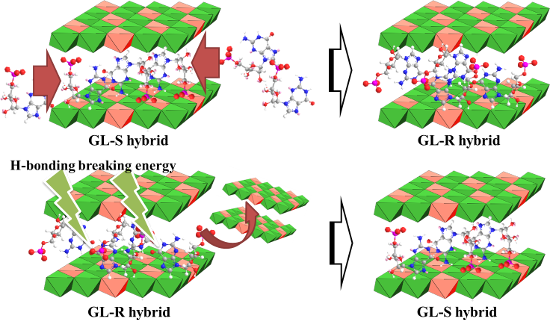
- molecular orientation of GMPs. According to thermogravimetric analysis (TGA) and X-ray fluorescence (XRF) spectroscopy, the chemical formula of GL-S and GL-R were determined to be Mg2.00Al(OH)6(GMP)0.37(NO3)0.26·(H2Ointerlayer)(0.63H2Osurface) and Mg2.00Al(OH)6(GMP)0.42(NO3)0.16·(H2Ointerlayer
- transform-infrared spectra (FTIR, PerkinElmer, Spectrum One) with conventional KBr pellet method was carried out. The morphology of GL hybrids was observed by scanning electron microscopic (SEM) images obtained with an FEI QUANTA 250 FEG. For quantitative analysis, a thermogravimetric analyzer (TGA, SINCO


In situ formation of reduced graphene oxide structures in ceria by combined sol–gel and solvothermal processing
Beilstein J. Nanotechnol. 2016, 7, 1815–1821, doi:10.3762/bjnano.7.174
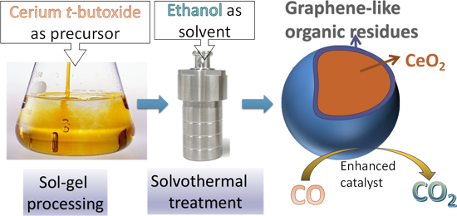
- oxidation activity than the hydrothermally treated samples. A weight loss of ca. 12% was observed in TGA after solvothermal treatment of the gels with ethanol. This was not the case after hydrothermal treatment (only ca. 4%). We interpreted the high weight loss in the former samples to the presence of
- , and then deposited on copper grids covered with carbon films. FTIR spectra with 4 cm−1 resolution were recorded on a Bruker Tensor 27 equipped with an ATR Micro Focusing MVP-QL with a ZnSe crystal, using OPUS 4.0 software for analysis. Thermogravimetric analysis (TGA) was performed on a Netzsch Iris
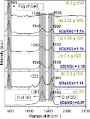
- . In the absence of externally added rGO, the TGA curve had only one shoulder at 150–250 °C, corresponding to a weight loss of 12.3%, as reported earlier [17]. The rGO-containing samples had an additional shoulder at 300–400 °C, which is probably due to the formation of rGO (Supporting Information File




Influence of hydrothermal synthesis parameters on the properties of hydroxyapatite nanoparticles
Beilstein J. Nanotechnol. 2016, 7, 1586–1601, doi:10.3762/bjnano.7.153
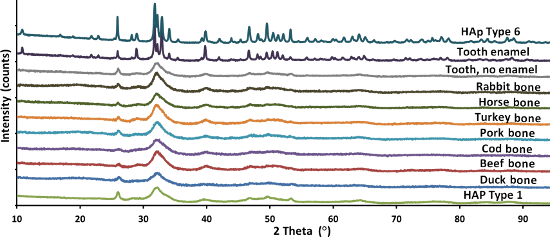
- thermogravimetric analysis (TGA) results (Table 8) provided information about total water content. The surface water and structural water can be distinguished. While heating, the water adsorbed on the surface evaporates up to 200 °C, then the structural water is evaporated subsequently in the temperature range 200


Development of adsorptive membranes by confinement of activated biochar into electrospun nanofibers
Beilstein J. Nanotechnol. 2016, 7, 1556–1563, doi:10.3762/bjnano.7.149
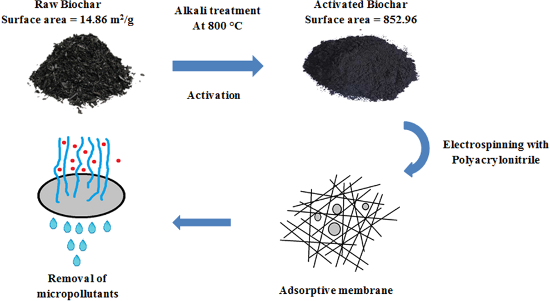
- (BET) specific surface areas were obtained from the N2 adsorption isotherms recorded at 77 K using an Autosorb-1 gas analyzer (Quantachrome Instruments, USA) in the relative pressure range from 0.05 to 1. Thermogravimetric analysis (TGA) and differential scanning calorimetry (DSC) were performed using
- , the shift to higher temperature from NFM-0% to NFM-1.5% confirmed the inhibitory effect of the confined particles [26]. Similarly, Figure 7 illustrates the TGA thermograms of pure PAN powder, NFM-0% and NFM-1.5%. The onset temperature of these samples were 288.9 °C, 286.2 °C and 301.2 °C, respectively
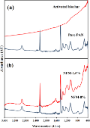
- and cumulative surface area versus pore width for NFM-0% and NFM-1.5%. FTIR spectra of (a) pure PAN powder and activated biochar and (b) NFM-0% and NFM-1.5%. DSC thermograms for pure PAN powder, NFM-0% and NFM-1.5%. TGA thermograms for pure PAN powder, NFM-0% and NFM-1.5%. Performance of an adsorptive




Antitumor magnetic hyperthermia induced by RGD-functionalized Fe3O4 nanoparticles, in an experimental model of colorectal liver metastases
Beilstein J. Nanotechnol. 2016, 7, 1532–1542, doi:10.3762/bjnano.7.147
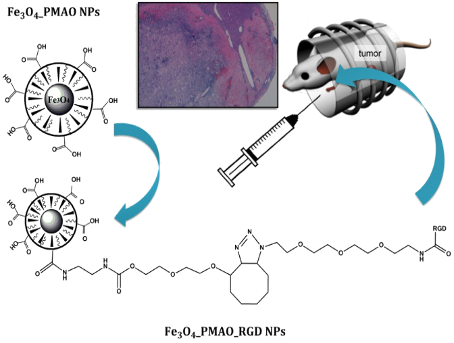
- scattering (DLS) and thermogravimetric analysis (TGA) were performed. The XRD profiles of the synthesized Fe3O4 NPs confirmed the presence of nanocrystalline structures with quite broad diffraction peaks whose positions and relative intensities match well with the standard profile of the characteristic
- absorption is related to the carboxyl groups in PMAO, resulting from the opening of anhydride rings, confirming the recovery of the nanoparticles by the amphiphilic ligand. The percentage of organic coating has been calculated by TGA measurements performed in Ar atmosphere. A weight loss of 8% was observed
- Supporting Information includes a representative scheme of the functionalization method of Fe3O4 NPs, a description of the preparation of RGD peptide, the heat induction procedure and additional figures of the XRD, TGA and FTIR characterization. Acknowledgements O.K. Arriortua thanks the Spanish Government


Microwave synthesis of high-quality and uniform 4 nm ZnFe2O4 nanocrystals for application in energy storage and nanomagnetics
Beilstein J. Nanotechnol. 2016, 7, 1350–1360, doi:10.3762/bjnano.7.126
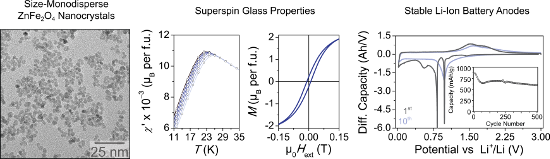
- energies arise from organic compounds containing C–O and C=O bonds, respectively. The fact that the as-prepared nanoparticles are not “naked” was also confirmed by thermogravimetric analysis-mass spectrometry (TGA-MS). The TGA-MS data of vacuum-dried material in Supporting Information File 1, Figure S5
- lines). (c) XANES reference spectra used for fitting. Summary of fitted Mössbauer parameters.a Supporting Information Supporting Information File 174: GC-MS, TGA-MS, Mössbauer spectra, alternating-current magnetometry and Tauc plots of as-prepared ZFO nanoparticles; SEM images of ZFO nanoparticle


Multiwalled carbon nanotube hybrids as MRI contrast agents
Beilstein J. Nanotechnol. 2016, 7, 1086–1103, doi:10.3762/bjnano.7.102
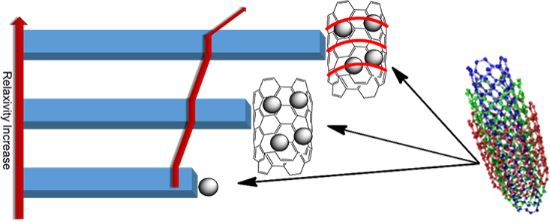
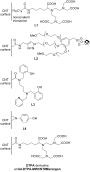
- pristine MWCNT [27]. The reaction of p-azidophenol with MWCNT dispersion resulted in a hybrid containing 9% (w/w) of N–Ph–OH according to TGA. Since phenols exhibit a high affinity and selectivity for Fe3+ [28], we coordinated the iron ions to achieve an Fe content over 6% (m/m) in Fe-L4-MWCNT#Kuźnik
- form (i.e., γ-Fe2O3 and Fe3O4 in the hybrids with SPIO). Fourier transform infrared spectroscopy (FTIR) and thermogravimetric analysis (TGA), supported again by TEM, were applied to monitor the effects of wrapping with organic moieties. Infrared spectroscopy has commonly been used to follow the
- covalent transformations, e.g., the data were shown to couple oxidized SWCNT with hyaluronic acid containing amino groups [44]. Liu described interesting mass growth during the heating of SPIO–MWCNT hybrids above 400 °C in TGA, which was explained as oxidation of iron(II) in Fe3O4 to iron(III) in Fe2O3



Comparison of the interactions of daunorubicin in a free form and attached to single-walled carbon nanotubes with model lipid membranes
Beilstein J. Nanotechnol. 2016, 7, 524–532, doi:10.3762/bjnano.7.46
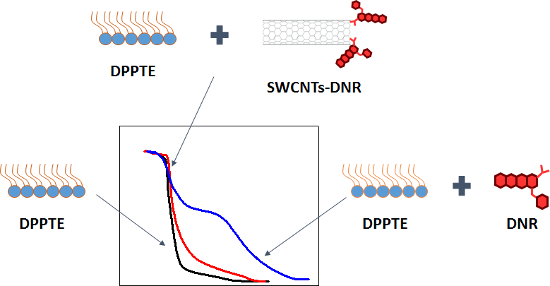
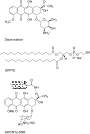
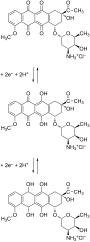
- hydrazone. The detailed procedure of the covalent end modification of single-walled carbon nanotubes with daunorubicin by the formation of hydrazone was inspired by the protocol previously described for side and end carboxylated SWCNTs modification [25]. Basing on the TGA analysis such modification




Single-molecule mechanics of protein-labelled DNA handles
Beilstein J. Nanotechnol. 2016, 7, 138–148, doi:10.3762/bjnano.7.16
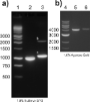
- and coupling to polystyrene beads PCR amplification of plasmid pTYB1 (7477 bp, New England Biolabs, Ireland (NEB)) with 5’-biotin (5’-AAT TCT TGA AGA CGA AAG GGC GGC-3’ for 4056 bp DNA and 5’-GGA TAC GAC GAT ACC GAA GAC AGC-3’ for 3034 bp DNA) and 5’-thiol or 5’-DIG end-modified primers (both have the
- sequence 5’-TGT AAC TCG CCT TGA TCG TTG GGA-3’) were used to prepare DNA molecules (4056 and 3034 bp). BSAI linearized pNEB193 plasmids (2713 bp, NEB) were used to produce the 1000 bp long dsDNA handles. Here the primers 5’-biotin CAA CTG TTG GGA AGG GCG ATC-3’ and 5’-DIG-CTG TTA CCA GTG GCT GCT GCC-3
- coupled to amino beads with an average of 50 DNA molecules per bead (Figure 1b). A dsDNA linker of 24 bp length with biotinylated 3’- and 5’-ends was formed from two complementary single DNA strands (sequence: biotin-5’-AAT TCT TGA AGA CGA AAG GGC GGC-3’-biotin and its complementary sequence 5’-GCC GCC



Green and energy-efficient methods for the production of metallic nanoparticles
Beilstein J. Nanotechnol. 2015, 6, 2354–2376, doi:10.3762/bjnano.6.243
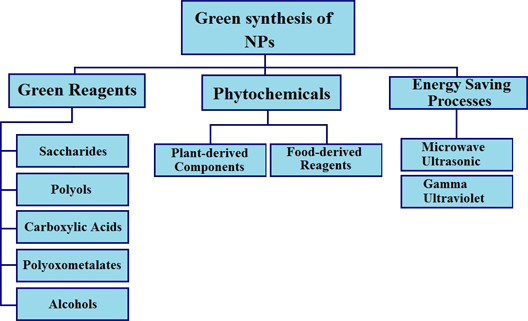
- observed that their Ag NPs have spherical shape with diameters of 6–8 nm [56][99]. An et al. prepared Ag NPs using CTS as stabilizer agent after stirring the aqueous solution for 30 min at 30 °C. Their SEM micrographs showed a regular spherical shape with less than 20 nm in size and also their TGA analysis


Silica-coated upconversion lanthanide nanoparticles: The effect of crystal design on morphology, structure and optical properties
Beilstein J. Nanotechnol. 2015, 6, 2290–2299, doi:10.3762/bjnano.6.235
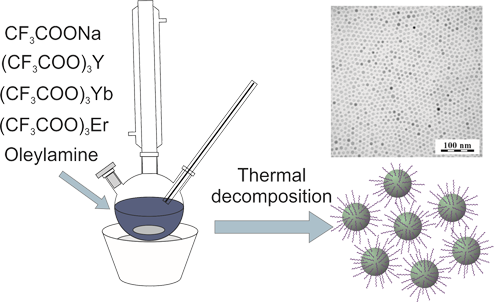
- and time on the properties of the particles was investigated. The nanoparticles were characterized by transmission electron microscopy (TEM), electron diffraction (ED), energy dispersive spectroscopy (EDX), dynamic light scattering (DLS), thermogravimetric analysis (TGA), elemental analysis and X-ray
- particle size (Dh) was measured using dynamic light scattering (DLS) on a ZEN 3600 Zetasizer Nano Instrument (Malvern Instruments; Malvern, UK) at pH 1. Thermogravimetric analysis (TGA) was performed in air using a Perkin Elmer TGA 7 analyzer (Norwalk, CT, USA) from 30 to 850 °C at a heating rate of 10
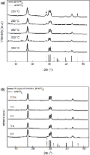
- relatively high amounts of coating (23 and 21 wt % according to C and N analysis, respectively). The OM content on the OM–NaYF4:Yb3+/Er3+ nanoparticles prepared at different reaction temperatures was also determined by TGA (Figure 6a). Small weight losses (ca. 1 wt %) observed upon heating from room






Fabrication of hybrid nanocomposite scaffolds by incorporating ligand-free hydroxyapatite nanoparticles into biodegradable polymer scaffolds and release studies
Beilstein J. Nanotechnol. 2015, 6, 2217–2223, doi:10.3762/bjnano.6.227
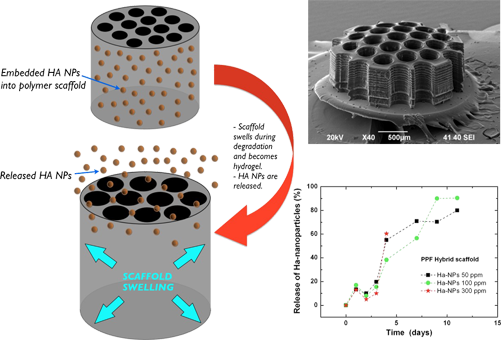
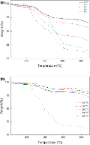
- into biodegradable polymer resin. We also present HA NPs release studies. Results and Discussion Materials characterization In order to evaluate the effects of nanoparticle incorporation, the cured resins have been characterized through nanoindentation, thermogravimetric analysis (TGA), profilometry
- nanoindentations. For TGA and FTIR, the same 20 layer, 5 mm diameter non-porous samples were used. For all 3D scaffolds, the layer thickness was adjusted to 100 µm. Most results were then compared to our previously acquired data. Figure 1 shows a TEM image of hydroxyapatite colloidal solution (Figure 1a) prepared
- achieve direct compatibility between the particles and the PPF resin. As seen in Figure 2a, the added nanoparticles only barely affected the penetration depth of the light from the XeCl excimer laser (308 nm) even with the highest particle concentration. On the other hand, TGA (Figure 2a inset) and


A single-source precursor route to anisotropic halogen-doped zinc oxide particles as a promising candidate for new transparent conducting oxide materials
Beilstein J. Nanotechnol. 2015, 6, 2161–2172, doi:10.3762/bjnano.6.222
- Cary 100 scan UV–vis spectrophotometer equipped with an Ulbricht reflecting sphere. TGA analysis was performed on a Netzsch STA 449F3. EDX spectra were acquired on a Hitachi TM 3000 SEM equipped with a Bruker Quantax 70 detector. Dielectric measurements were performed with a Zahner IM6. For each sample
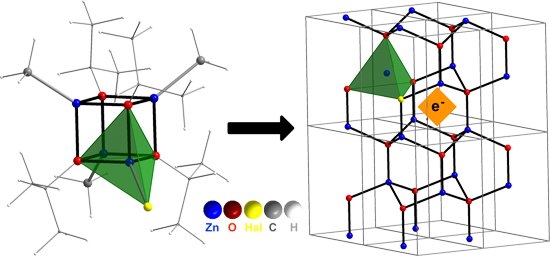
- detail. We chose a thermal route for the transformation of the precursors into the final materials. Thermogravimetric analysis (TGA) reveals important information about the thermal behavior of the anticipated single source precursor [Cl(Et)3Zn4(OiPr)4] (Figure 2a). It can be seen that there is hardly any
- difference between the TGA traces in inert atmosphere (N2) and in air (20% O2), which indicates that oxygen is not pivotal for the complete transformation of the precursor. The latter is an important criterion for a single-source precursor, and an advantage because oxygen can also react with halogens at



Synthesis, characterization and in vitro biocompatibility study of Au/TMC/Fe3O4 nanocomposites as a promising, nontoxic system for biomedical applications
Beilstein J. Nanotechnol. 2015, 6, 1677–1689, doi:10.3762/bjnano.6.170
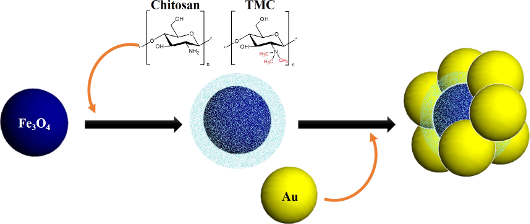
- (VSM), energy dispersive X-ray diffraction (EDXD), dynamic light scattering (DLS), and thermogravimetric analysis (TGA). Results and Discussion In this study we successfully designed, synthesized, and compared two hybrid magnetic–gold nanocomposites by applying chitosan and one of its well-known
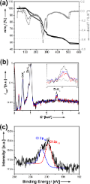
- [35]. Given that the applications of such nanoparticles are based on their sufficient magnetic properties, the use of TMC (with better magnetic properties as compared to the classical chitosan system) is recommended, especially in biomedical applications. Thermogravimetric analysis (TGA) During the
- TGA measurement (Figure 9), the first major weight loss occurred at 25–300 °C, which is related to the removal of intramolecular, chemisorbed and physisorbed water [45]. As previously reported, the second weight loss step arises from the decomposition of organic compounds, such as the polymers, which




The convenient preparation of stable aryl-coated zerovalent iron nanoparticles
Beilstein J. Nanotechnol. 2015, 6, 1192–1198, doi:10.3762/bjnano.6.121
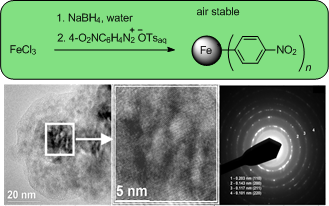
- a 10 nm thick organic layer to provide long-term protection in air for the highly reactive zerovalent iron core up to 180 °C. The surface-modified iron NPs possess a high grafting density of the aryl group on the NPs surface of 1.23 mmol/g. FTIR spectroscopy, XRD, HRTEM, TGA/DTA, and elemental
- NPs. Methods such as FTIR, XRD, HREM, TGA/DTA, and elemental analysis were used to characterize the structure of the obtained ZVI NPs. We also believe that this novel synthetic approach will not only be useful for the preparation of iron NPs but also provide a general functionalization strategy for
- elemental analysis, TGA/DTA curves, core size distribution, specific surface area and magnetization curve. Acknowledgements This work was financially supported by the Ministry of Education and Science of the Russian Federation (project “Science” No. 4.2569.2014/K). G.K.A is also thankful the Ministry of


Transformation of hydrogen titanate nanoribbons to TiO2 nanoribbons and the influence of the transformation strategies on the photocatalytic performance
Beilstein J. Nanotechnol. 2015, 6, 831–844, doi:10.3762/bjnano.6.86
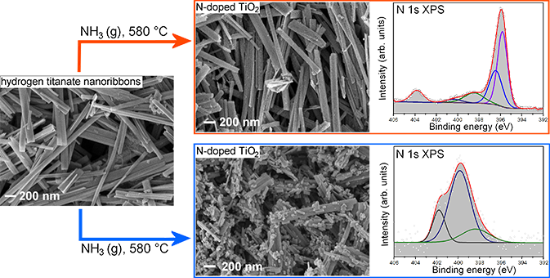
- illumination of the samples in an EPR cavity. An Oxford Cryogenics continuous-flow liquid He cryogenic system ensured a temperature stability with a range of fluctuation below 0.1 K. The thermogravimetric (TG) measurements were performed on a Mettler Toledo TGA/DSC 1 Instrument from room temperature up to 800
- °C with a heating rate of 10 K/min. Samples with an initial mass of around 10 mg were placed into 150 µL Pt crucibles. During the measurement, the furnace was purged with an air flow with a rate of 50 mL·min−1. The baseline was automatically subtracted from the measured TGA curve. Differential
- Information Supporting Information File 62: SEM and TGA and DSC data for the precursor hydrogen titanate nanoribbons sample, XRD patterns, SEM and TEM images, XPS and optical absorbance spectra of selected TiO2 nanoribbon samples, and concentration profiles of isopropanol and acetone during the photocatalytic




Silica micro/nanospheres for theranostics: from bimodal MRI and fluorescent imaging probes to cancer therapy
Beilstein J. Nanotechnol. 2015, 6, 546–558, doi:10.3762/bjnano.6.57

- . The thioglycolic acid (TGA)-coated CdTe QDs were synthesized from CdCl2·5H2O. Finally, the desired nanocomposites were coated with silica in a reverse microemulsion process. To check the biological compatibility of these prepared hybrid nanocomposites, these were covalently conjugated with goat
- Fe3O4 NPs that were incorporated in silica and functionalized with a carboxylic acid group for bioconjugation. The synthesis involved coating silica around citric-acid-coated Fe3O4 NPs by using the Stöber process. The MPS-activated silica-coated Fe3O4 NPs were then conjugated with TGA-modified CdTe NPs
- poly(N-isopropylacrylamide)-coated luminescent/magnetic silica microspheres. The synthesis involved a sequence of three steps in which the first step led to the incorporation of iron oxide magnetic NPs inside silica spheres through the Stöber process. In the next step, negatively charged TGA





