


Search results
Search for "antimicrobial" in Full Text gives 135 result(s) in Beilstein Journal of Nanotechnology.
Electrodeposition of reduced graphene oxide with chitosan based on the coordination deposition method
Beilstein J. Nanotechnol. 2018, 9, 1200–1210, doi:10.3762/bjnano.9.111
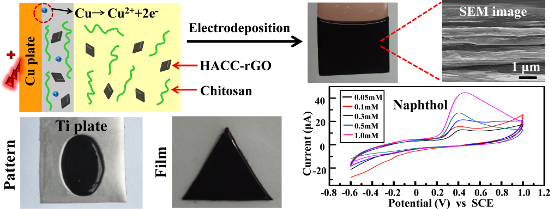
- nanoparticles, carbon nanotubes, manganese oxides nanoparticles, and carbon dots) on electrodes through codeposition with chitosan, which offers attractive applications in antimicrobial coatings, biosensors, microbial fuel cells, and energy storage materials [14][15][16][17][18]. Among the studies on the


Bioinspired self-healing materials: lessons from nature
Beilstein J. Nanotechnol. 2018, 9, 907–935, doi:10.3762/bjnano.9.85
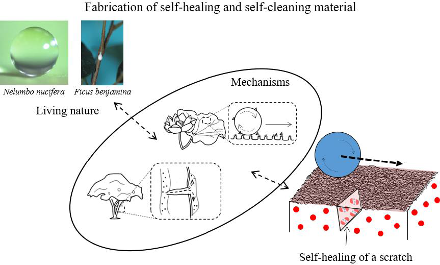
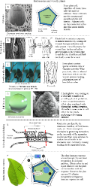
- change to form chemical and physical “walls” to prevent the spread of disease and/or decay. In a healthy tree, the parenchyma creates antimicrobial phytoalexins. When cellular signals call for CODIT, the tree uses these chemicals to form thin, chemical boundary layers to control the spread of disease and







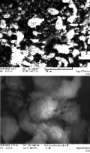
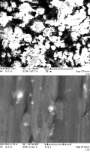
Comparative study of antibacterial properties of polystyrene films with TiOx and Cu nanoparticles fabricated using cluster beam technique
Beilstein J. Nanotechnol. 2018, 9, 861–869, doi:10.3762/bjnano.9.80
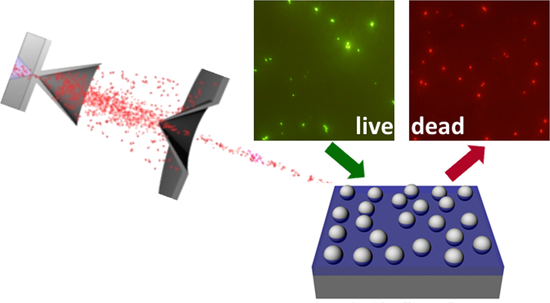
- organic cells. Because of these toxic properties the films and nanostructures of such metals or metal compounds are widely used as antibacterial and antimicrobial agents. Among them are Ag, Cu, Au, CuO, ZnO, Fe3O4, Al2O3 and TiO2, to name just a few [1][2][3]. They all exhibit bactericidal properties
- affecting in a destructive way the cell components but rendering innocuous products (mechanism ii) [5][6]. Thus, both Cu and TiO2 nanoparticles are excellent candidates for the formation of composites with antibacterial and antimicrobial properties. For more convenience in use and extended applications, NPs




Noble metal-modified titania with visible-light activity for the decomposition of microorganisms
Beilstein J. Nanotechnol. 2018, 9, 829–841, doi:10.3762/bjnano.9.77
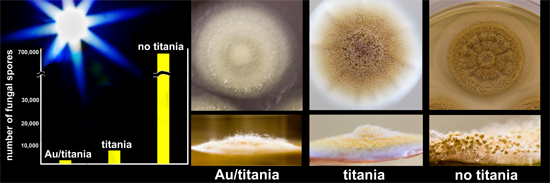
- found that silver-modified titania showed superior antibacterial activity, whereas gold-modified samples were very active against fungi, suggesting that bimetallic photocatalysts containing both gold and silver should exhibit excellent antimicrobial properties. Keywords: antifungal properties
- ; antimicrobial properties; bactericidal effect; noble-metal nanoparticles; plasmonic photocatalysis; Introduction Environmental pollution and the lack of clean potable water are main issues facing human development. Although, various methods of efficient control and monitoring of waste management have been
- of toxic compounds. Moreover, ozonation and UV irradiation are quite expensive technologies considering both investment and exploration costs. Accordingly, inorganic antimicrobial agents have been extensively investigated for water purification since they are stable and environmentally safe


Evaluating the toxicity of TiO2-based nanoparticles to Chinese hamster ovary cells and Escherichia coli: a complementary experimental and computational approach
Beilstein J. Nanotechnol. 2017, 8, 2171–2180, doi:10.3762/bjnano.8.216
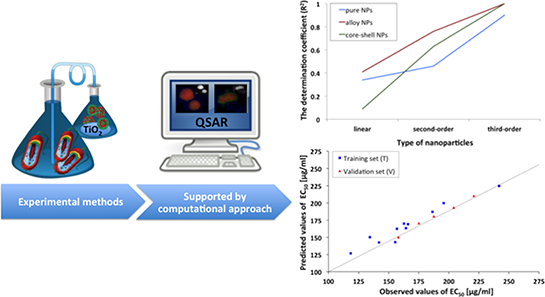
- (Fe/N-co-doped) TiO2 nanocomposite particles were detectably cytotoxic [22]. More complex nanostructures of TiO2 bilayer nanosheets doped with bismuth tungstate (Bi2WO6) nanoclusters demonstrated enhanced antimicrobial activity towards E. coli: the bacteria population continuously decreased with the
- Toxicity evaluation Three types of TiO2-based NPs were synthetized: (1) monometallic (Au, Pd) clusters, (2) core–shell particles and (3) alloy bimetallic clusters (Au/Pd). The cytotoxicity and antimicrobial activity of TiO2 modified with palladium and/or gold NPs is presented in Table 1. Inhibition of
- summarized in the Table 1, suggest that the antimicrobial activity of the studied nanomaterials varies only insignificantly. Thus, we have chosen the cytotoxicity (EC50) to Chinese hamster ovary (CHO-K1) cells as a target activity for further study. Empirical variables (i.e., average size, BET surface) that


Luminescent supramolecular hydrogels from a tripeptide and nitrogen-doped carbon nanodots
Beilstein J. Nanotechnol. 2017, 8, 1553–1562, doi:10.3762/bjnano.8.157
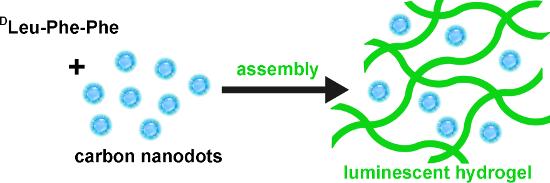
- by rheometry, fluorescence, circular dichroism (CD), FTIR spectroscopy, transmission electron microscopy (TEM), and differential scanning calorimetry (DSC). Given that this tripeptide is capable of forming a hydrogel with mild antimicrobial activity and a lack of cytotoxicity in vitro [26], this new


Needs and challenges for assessing the environmental impacts of engineered nanomaterials (ENMs)
Beilstein J. Nanotechnol. 2017, 8, 989–1014, doi:10.3762/bjnano.8.101


Vapor deposition routes to conformal polymer thin films
Beilstein J. Nanotechnol. 2017, 8, 723–735, doi:10.3762/bjnano.8.76
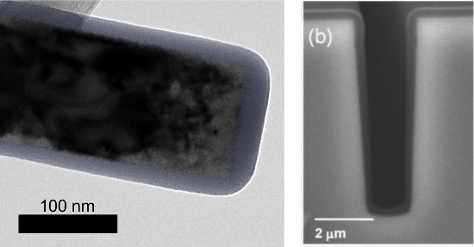
- that controlled protein adsorption [16]. Martin et al. used iCVD deposited conformal coatings of poly(dimethylaminomethylstyrene) on nylon fabric as antimicrobial agents again E. Coli and B. subtilis, as shown in Figure 6f [27]. Xu et al. demonstrated the benefit of iCVD over plasma enhanced polymer


Development of adsorptive membranes by confinement of activated biochar into electrospun nanofibers
Beilstein J. Nanotechnol. 2016, 7, 1556–1563, doi:10.3762/bjnano.7.149
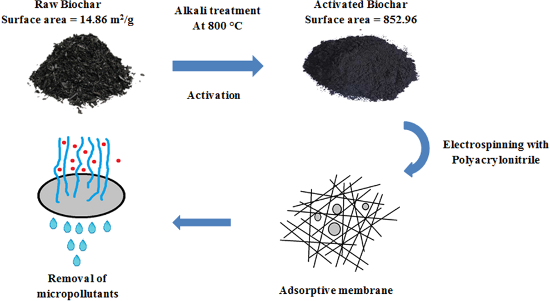
- effects on human health and environment. Chlortetracycline (CTC), a broad-spectrum antimicrobial agent, is commonly used as veterinary medicine for poultry, swine, and livestock [20]. This compound can enter the environment through the application of animal manure for agriculture, moving to rivers, ground




Tunable longitudinal modes in extended silver nanoparticle assemblies
Beilstein J. Nanotechnol. 2016, 7, 1219–1228, doi:10.3762/bjnano.7.113
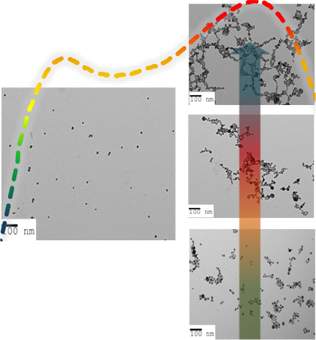
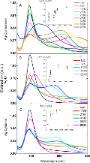
- triggered or directed by solution conditions such as temperature, illumination, pH and metal ion concentration [21]. Amongst the various self-assembled nanostructures, silver nanoparticles (AgNPs) are of great significance due to their sharp plasmon resonance, the antimicrobial function and a distinguished


Preparation of alginate–chitosan–cyclodextrin micro- and nanoparticles loaded with anti-tuberculosis compounds
Beilstein J. Nanotechnol. 2016, 7, 1208–1218, doi:10.3762/bjnano.7.112
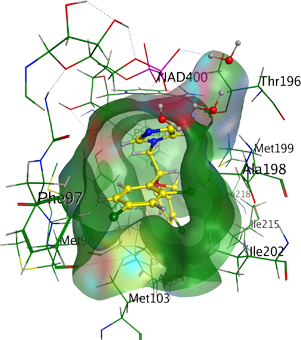
- aminoglutethimide [27]. We have suggested that isoconazole is an active inhibitor of enoyl–acyl carrier protein reductase (InhA) from M. tuberculosis. InhA is one of the key enzymes involved in the fatty acid biosynthesis of the mycobacterium and is an effective antimicrobial target. InhA inhibitors are promising
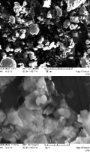
- -linked D-glucosamine and N-acetyl-D-glucosamine units. Chitosan is mainly used as carrier for different pharmaceutical compositions and also shows some antimicrobial activity [31][32]. These three saccharides are practically non-toxic, biocompatible and biodegradable. The aim of the paper is to obtain



Hierarchical coassembly of DNA–triptycene hybrid molecular building blocks and zinc protoporphyrin IX
Beilstein J. Nanotechnol. 2016, 7, 697–707, doi:10.3762/bjnano.7.62
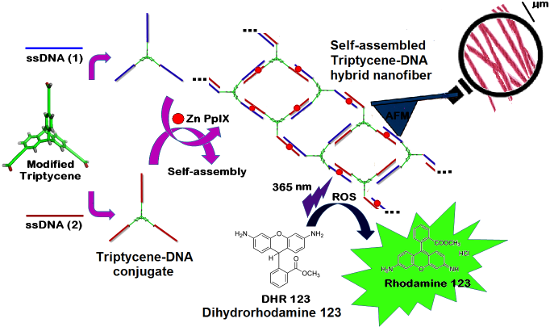
- regard to the light-induced oxidation of DHR 123 than the corresponding free Zn PpIX due to enhanced local confinement of ROS in the composite. Therefore, considering this feature, this system could be explored further for PDT, photodynamic antimicrobial chemotherapy (PACT) and catalysis applications


Antibacterial activity of silver nanoparticles obtained by pulsed laser ablation in pure water and in chloride solution
Beilstein J. Nanotechnol. 2016, 7, 465–473, doi:10.3762/bjnano.7.40
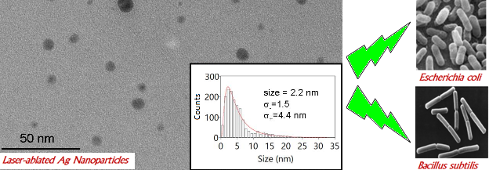
- as antibacterial agents with applications in several fields due to their strong, broad-range antimicrobial properties. AgNP synthesis by pulsed laser ablation in liquid (PLAL) permits the preparation of stable Ag colloids in pure solvents without capping or stabilizing agents, producing AgNPs more
- suitable for biomedical applications than those prepared with common, wet chemical preparation techniques. To date, only a few investigations into the antimicrobial effect of AgNPs produced by PLAL have been performed. These have mainly been performed by ablation in water with nanosecond pulse widths. We
- previously observed a strong surface-enhanced Raman scattering (SERS) signal from such AgNPs by “activating” the NP surface by the addition of a small quantity of LiCl to the colloid. Such surface effects could also influence the antimicrobial activity of the NPs. Their activity, on the other hand, could


Ultrastructural changes in methicillin-resistant Staphylococcus aureus induced by positively charged silver nanoparticles
Beilstein J. Nanotechnol. 2015, 6, 2396–2405, doi:10.3762/bjnano.6.246
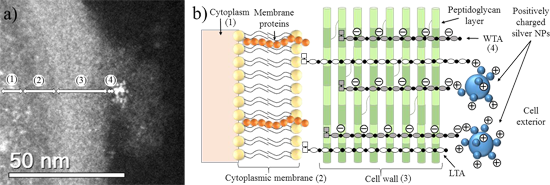
- aureus. Future research should focus on defining the related molecular mechanisms and their importance to the antimicrobial activity of silver nanoparticles. Keywords: electron microscopy; methicillin-resistant Staphylococcus aureus (MRSA); positively charged nanoparticles; silver nanoparticles
- plasmids has been studied by geneticists at a molecular level [46]. The continuous leaching of silver ions by AgNPs [42] creates a favorable antimicrobial environment. MSSA and MRSA were treated with a solution of AgNPs to study the ultrastructural changes and bactericidal and lytic effects that were
- on defining the molecular details of the key mechanisms and their importance to the antimicrobial activity of AgNPs. We also propose that Ag0/Ag+ makes AgNP solutions even more effective in inactivating bacteria. The positively charged AgNPs not only possess a greater affinity to bind to the


Green and energy-efficient methods for the production of metallic nanoparticles
Beilstein J. Nanotechnol. 2015, 6, 2354–2376, doi:10.3762/bjnano.6.243
- considerable anticoagulant and inflammatory properties which is promising for various applications [70]. In a similar report, they used DAPHP and HA for production of Ag NPs from AgNO3 and studied their antimicrobial properties. According to this study, Ag–HA and Ag–DAPHP are more stable at physiological salt
- concentrations than metallic NPs and they show remarkable antimicrobial activity [55]. In another study, they found that Ag– and Au–DAPHP have potential applications in treatment of angiogenesis accelerated disorders, such as cancer and inflammatory diseases [71]. Cai et al. used the nanoporous structure of


NanoE-Tox: New and in-depth database concerning ecotoxicity of nanomaterials
Beilstein J. Nanotechnol. 2015, 6, 1788–1804, doi:10.3762/bjnano.6.183
- Consumer Products Inventory [2]. According to this inventory, the most abundant ENMs used in consumer products are silver (438 products), titanium (107), carbon (90), silica (81), zinc (38) and gold (24) with the main applications in antimicrobial protection (381 products), coatings (188) and health


Nanotechnology in the real world: Redeveloping the nanomaterial consumer products inventory
Beilstein J. Nanotechnol. 2015, 6, 1769–1780, doi:10.3762/bjnano.6.181

- compositions, silver is also the most frequently advertised nanomaterial component, with 207 products or 14.5% [11]. Silver nanoparticles are popular consumer product additives due to their well-documented antimicrobial properties [22]. Figure 3 shows how the availability of these major nanomaterial
- ). A significant portion of products in the CPI (31% of products analyzed) utilize nanomaterials – mostly silver nanoparticles, but also titanium dioxide and others – to confer antimicrobial protection. Nanomaterials such as titanium dioxide and silicon dioxide are used to provide protective coatings
- features on their surface (e.g., nanofilm-coated products) Surface-bound particles: Nanoparticles added to the surface of a solid product or part (e.g., a computer keyboard coated with silver nanoparticles for antimicrobial protection) Suspended in liquid: Nanomaterials suspended in a liquid product (e.g





Fulleropeptide esters as potential self-assembled antioxidants
Beilstein J. Nanotechnol. 2015, 6, 1065–1071, doi:10.3762/bjnano.6.107
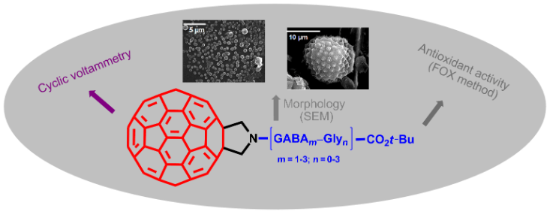
- wide range of activities of fullerene–peptide conjugates has been studied [3][7][16]. Fulleropeptides synthesized by Prato's research group [17] showed a good bacteriostatic activity against Gram-positive bacterium S. aureus making it interesting for potential antimicrobial chemotherapeutics. Recently


Influence of gold, silver and gold–silver alloy nanoparticles on germ cell function and embryo development
Beilstein J. Nanotechnol. 2015, 6, 651–664, doi:10.3762/bjnano.6.66
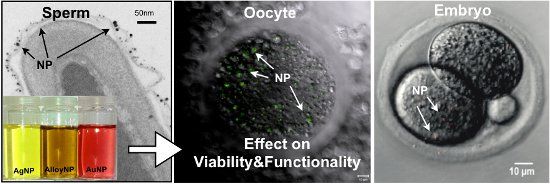
- antimicrobial properties [20][21]. This variety in applications generates several potential exposure routes for gold and silver nanoparticles, including injection and inhalation particularly for biomedical applications, but also ingestion and skin contact for medical and consumer products. The uptake behaviour


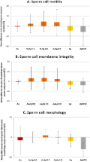


Novel ZnO:Ag nanocomposites induce significant oxidative stress in human fibroblast malignant melanoma (Ht144) cells
Beilstein J. Nanotechnol. 2015, 6, 570–582, doi:10.3762/bjnano.6.59
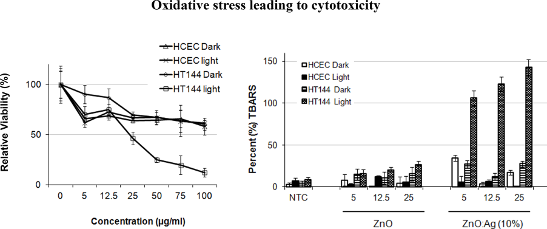
- exhibit an improved photocatalytic activity [26][27] and photostability [28] compared to the ZnO NPs. Nanoscale Ag2+ itself exhibits antimicrobial and anticancer activity [29], therefore it might be a very interesting and useful addition to the ZnO NPs as it not only enhances the photocatalytic activity
- with 3% Ag content (size: 12 nm) were toxic to different bacterial strains. Talari et al. [34] reported that increase in Ag content in the ZnO:Ag nanocomposites improved the antimicrobial activity of these particles. The addition of Ag content in ZnO NPs causes a positional shift in XRD pattern


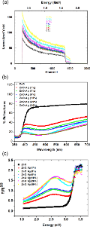


Nanobioarchitectures based on chlorophyll photopigment, artificial lipid bilayers and carbon nanotubes
Beilstein J. Nanotechnol. 2014, 5, 2316–2325, doi:10.3762/bjnano.5.240
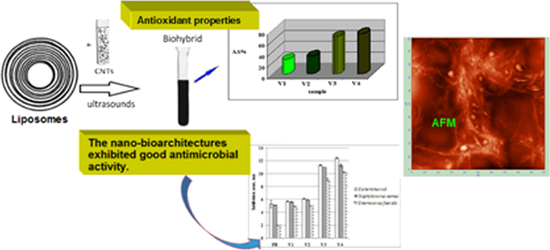
- stability, good antioxidant and antimicrobial properties, and could be used as biocoating materials. As compared to the cholesterol-free samples, the cholesterol-containing hybrid structures demonstrated better stability (i.e., their zeta potential reached the value of −36.4 mV), more pronounced oxygen
- Sigma-Aldrich (Germany). The antimicrobial activity was tested against human pathogenic bacteria such as Staphylococcus aureus ATTC 25923, Escherichia coli ATCC 8738, and Enterococcus faecalis ATCC 29212. The bacterial strains were grown in Luria Bertani Agar (LBA) plates at 37 °C with the following
- ). Antimicrobial activity of samples The antimicrobial investigations were performed on Gram-negative (Escherichia coli) and Gram-positive (Staphylococcus aureus, Enterococcus faecalis) bacteria. Phosphate buffer solution (pH 7.4) was the negative control for all the samples. The liposomes alone (samples V1 and V2


Effect of silver nanoparticles on human mesenchymal stem cell differentiation
Beilstein J. Nanotechnol. 2014, 5, 2058–2069, doi:10.3762/bjnano.5.214
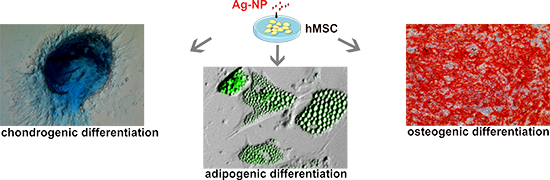
- behavior of Ag-NP, such as cell toxicity or antimicrobial potency, are related to the reactivity of silver ions [38][39][40][41]. As we have shown previously, the rate and degree of the dissolution of Ag-NP depends on their surface functionalization, their concentration, the oxygen content and temperature


PVP-coated, negatively charged silver nanoparticles: A multi-center study of their physicochemical characteristics, cell culture and in vivo experiments
Beilstein J. Nanotechnol. 2014, 5, 1944–1965, doi:10.3762/bjnano.5.205



A study on the consequence of swift heavy ion irradiation of Zn–silica nanocomposite thin films: electronic sputtering
Beilstein J. Nanotechnol. 2014, 5, 1691–1698, doi:10.3762/bjnano.5.179
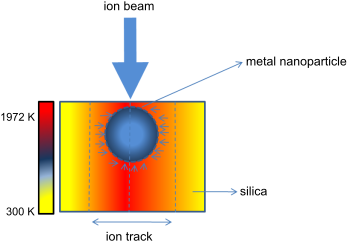
- therapy, anticorrosive coating and antimicrobial coatings, in chemical reaction as catalyst, galvanization of iron and steel [30][31]. Bulk Zn has a melting point of 419.6 °C and the melting point of Zn nanoparticle varies from 250 to 420 °C depending on the size of nanoparticle [32][33]. The melting


Current state of laser synthesis of metal and alloy nanoparticles as ligand-free reference materials for nano-toxicological assays
Beilstein J. Nanotechnol. 2014, 5, 1523–1541, doi:10.3762/bjnano.5.165
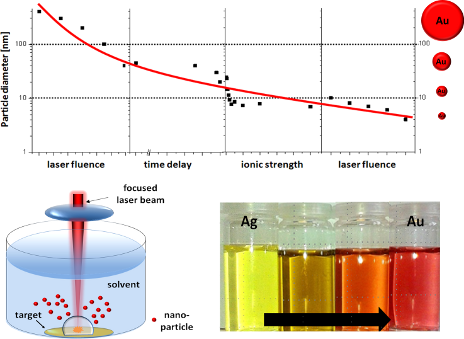
- its antimicrobial effect [134][135][136]. Next to the abundance of potentially toxic stabilizers, the synthesis of AuAg alloy nanoparticles by chemical methods proofs to be difficult as parallel co-reductions of Au3+ and Ag+ metal salts operates at different rates due to different redox potentials
- the particles while adverse effects strongly increase as a certain threshold in the composition of the particle is reached. These findings could be reproduced by Grade et al. [148] who also found a steep increase of cytotoxicity as well as antimicrobial effects at GMF < 0.5 (Figure 13B). In many
- made with nanocomposites and do not necessarily apply to colloidal nanoparticles. Furthermore, it could be demonstrated that the cytotoxicity of AuAg alloy nanoparticles is likewise affected by the presence of surface ligands [148]. Here, citrate reduced cytotoxic and antimicrobial effects, while they





