Search results
Search for "contaminants" in Full Text gives 196 result(s) in Beilstein Journal of Nanotechnology.
Electromigrated electrical optical antennas for transducing electrons and photons at the nanoscale
Beilstein J. Nanotechnol. 2018, 9, 1964–1976, doi:10.3762/bjnano.9.187
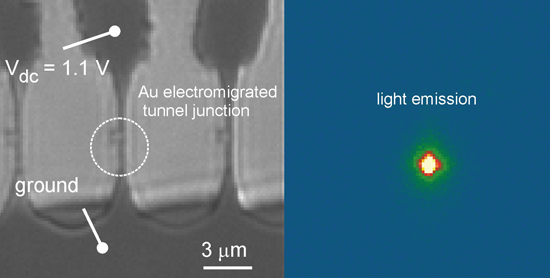
- momentary rise of the conductance, which we attribute to the desorption of surface contaminants as well as a temperature annealing of the constriction due to dissipation of the electrical power in this area. This effect can be traced in Figure 2a at around t = 150 s. An example of another temperature effect


![[Graphic 32]](/bjnano/content/inline/2190-4286-9-187-i38.svg?max-width=637&scale=1.18182) and
and ![[Graphic 33]](/bjnano/content/inline/2190-4286-9-187-i39.svg?max-width=637&scale=1.18182) are...
are...


Synthesis of a MnO2/Fe3O4/diatomite nanocomposite as an efficient heterogeneous Fenton-like catalyst for methylene blue degradation
Beilstein J. Nanotechnol. 2018, 9, 1940–1950, doi:10.3762/bjnano.9.185
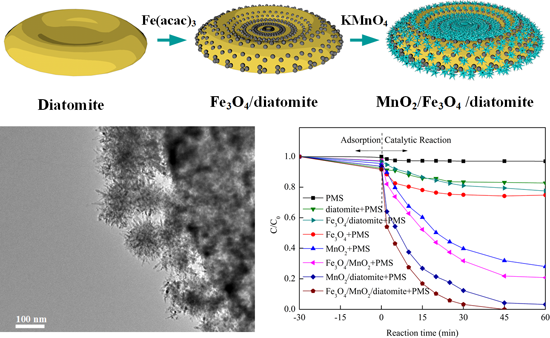
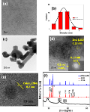
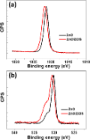
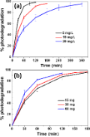
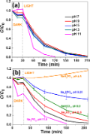
- ) oxide (Fe3O4); manganese(IV) oxide (MnO2); Introduction Organic contaminants are widely distributed in water and soil due to the excessive emissions of industrial processes, which causes a great threat to the ecosystem as well as to human health [1][2][3]. Most of the organic pollutants are toxic and
- degradation of organic contaminants) and show the advantages of a fast reaction rate and being cost-efficient [8]. However, the practical application is limited through issues such as the narrow acidic pH range, non-selective oxidation, H2O2 storage and sludge removal [9][10]. To overcome the limitation, the
- composite is the most effective strategy [14]. Through this strategy, catalysts with controllable particle size, better dispersion and decreased agglomeration are easy to be synthesized and are expected to significantly increase the contact between active sites and contaminants. In addition, with the


Synthesis of hafnium nanoparticles and hafnium nanoparticle films by gas condensation and energetic deposition
Beilstein J. Nanotechnol. 2018, 9, 1868–1880, doi:10.3762/bjnano.9.179

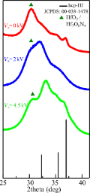
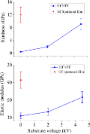
- produced by inert-gas condensation. In order to avoid contaminants the base pressure prior to deposition was ca. 9·10−7 mbar, a high-purity (99.95%) sputtering Hf target was utilized, and thorough target presputtering was performed prior to deposition. All depositions were performed at room temperature






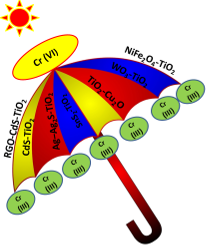
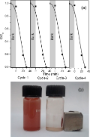
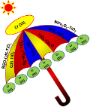
Cr(VI) remediation from aqueous environment through modified-TiO2-mediated photocatalytic reduction
Beilstein J. Nanotechnol. 2018, 9, 1448–1470, doi:10.3762/bjnano.9.137


Formation mechanisms of boron oxide films fabricated by large-area electron beam-induced deposition of trimethyl borate
Beilstein J. Nanotechnol. 2018, 9, 1282–1287, doi:10.3762/bjnano.9.120
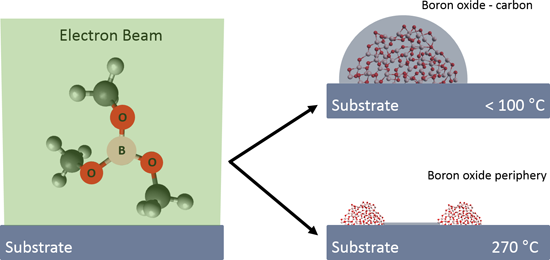
- except for the two O-rings used in the differential pumping apparatus. This provides a deposition rate attributed to residual contaminants of less than 50 nm in 30 min at room temperature under high vacuum (ca. 10−4 Pa). A focused, Gaussian profile 2 keV, 20 μA, 200 μm radius (ω0, radius at 1/e2



Heterostuctures of 4-(chloromethyl)phenyltrichlorosilane and 5,10,15,20-tetra(4-pyridyl)-21H,23H-porphine prepared on Si(111) using particle lithography: Nanoscale characterization of the main steps of nanopatterning
Beilstein J. Nanotechnol. 2018, 9, 1211–1219, doi:10.3762/bjnano.9.112
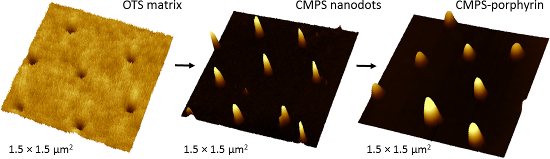
- distinct differences in the interfacial chemistry of the uncovered silicon surface within the nanoholes versus the surrounding OTS matrix. A closer look at the hexagonal arrangement of nanoholes is presented in Figure 2c and 2d. A few bright spots on the areas of OTS reveal trace contaminants that were not
- Figure 3b [38]. A close-up view of three nanodots are shown in zoom-in topography and phase images in Figures 3c and 3d. The heights and sizes of the nanodots are quite similar, without nonspecific attachment of contaminants in surrounding areas of the OTS resist film. There is a dark outline surrounding
- ) were rinsed with water and cleaned in piranha solution (3:1 sulfuric acid to hydrogen peroxide) for 1.5 h to remove surface contaminants. Caution: this solution is highly corrosive and should be handled carefully. The substrates were then rinsed with ultrapure water and dried under nitrogen. After


Effect of annealing treatments on CeO2 grown on TiN and Si substrates by atomic layer deposition
Beilstein J. Nanotechnol. 2018, 9, 890–899, doi:10.3762/bjnano.9.83
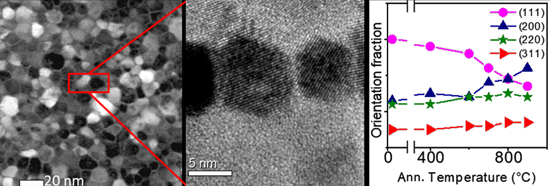
- , we can conclude that CeO2 is stable up to 600 °C with no annealing effects on its structure or chemical composition. Moreover, annealing (at 300 °C in O2) helps in the removal of the adsorbed moisture and in reducing residual contaminants, such as carbon, from the deposition process. However, the


Heavy-metal detectors based on modified ferrite nanoparticles
Beilstein J. Nanotechnol. 2018, 9, 762–770, doi:10.3762/bjnano.9.69
- life, detect contaminants [5] and receive intelligent packaging [6]. A lot of research is focused on the reduction of the amount of fat in the products through the use of nanotechnological solutions. The idea to use fat in the forms of nanoemulsions, e.g., in cream or mayonnaise, became very popular in


Tuning adhesion forces between functionalized gold colloidal nanoparticles and silicon AFM tips: role of ligands and capillary forces
Beilstein J. Nanotechnol. 2018, 9, 660–670, doi:10.3762/bjnano.9.61
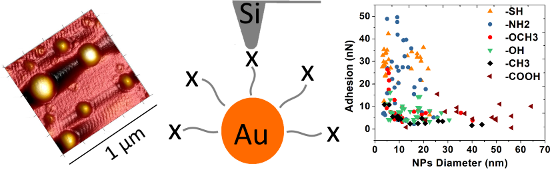
- that under ambient conditions an adsorbed thin water film exists at the NPs–substrate interface, that should increase the capillary forces and indirectly the adhesion between NPs and tip. On the other hand, high polarity of –COOH group increases the reactivity of NPs with airborne contaminants, which


Anchoring Fe3O4 nanoparticles in a reduced graphene oxide aerogel matrix via polydopamine coating
Beilstein J. Nanotechnol. 2018, 9, 591–601, doi:10.3762/bjnano.9.55
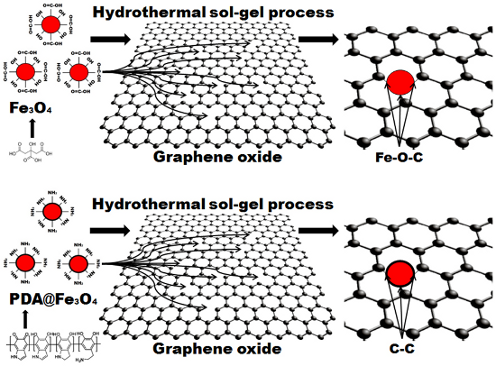
- batteries [8][9][10][11], supercapacitors [12][13][14][15][16]), sensors (gas sensors [17][18][19], biosensors [20][21]) and adsorbers (oil pollution [22][23], organic contaminants [24][25]). Moreover, the properties of GO-based aerogels can be modified by addition of various functional additives, e.g


Fabrication and photoactivity of ionic liquid–TiO2 structures for efficient visible-light-induced photocatalytic decomposition of organic pollutants in aqueous phase
Beilstein J. Nanotechnol. 2018, 9, 580–590, doi:10.3762/bjnano.9.54
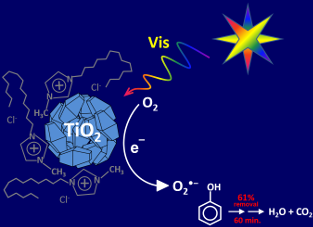
- , evaluated for all samples, were estimated to be higher than nominal values related to the respective IL cations (see Table 3). This may be caused by adsorption of additional carbon contaminants on the finally prepared IL-assisted TiO2 because of the exposure of the samples to air prior to the XPS analysis




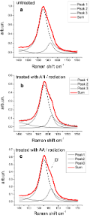
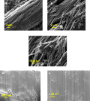
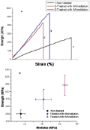
Single-step process to improve the mechanical properties of carbon nanotube yarn
Beilstein J. Nanotechnol. 2018, 9, 545–554, doi:10.3762/bjnano.9.52
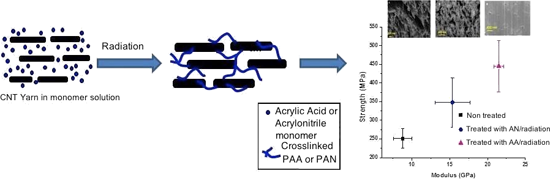
- intensity for the C–O peak (see Figure 1). As also illustrated in Table 1, some traces of contaminant elements (sulfur (S), iron (Fe) and aluminum (Al)) were observed in XPS spectra of all samples, which can be attributed to traces of the inhibitor metal salt, FeSO4 and other contaminants. The samples




Photocatalytic and adsorption properties of TiO2-pillared montmorillonite obtained by hydrothermally activated intercalation of titanium polyhydroxo complexes
Beilstein J. Nanotechnol. 2018, 9, 364–378, doi:10.3762/bjnano.9.36
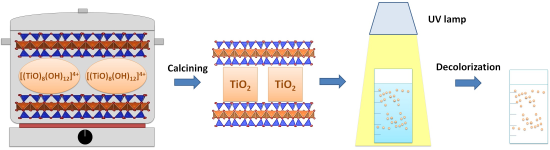
- to anionic ones. The pillared materials prepared using hydrothermal treatment combine sorptive and photocatalytic properties and can be recommended for mineralization and decomposition of organic contaminants, even in highly acidic media. Experimental Montmorillonite A fraction of MM particles with a


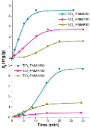


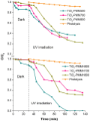
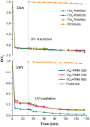
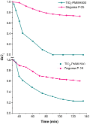


Review: Electrostatically actuated nanobeam-based nanoelectromechanical switches – materials solutions and operational conditions
Beilstein J. Nanotechnol. 2018, 9, 271–300, doi:10.3762/bjnano.9.29
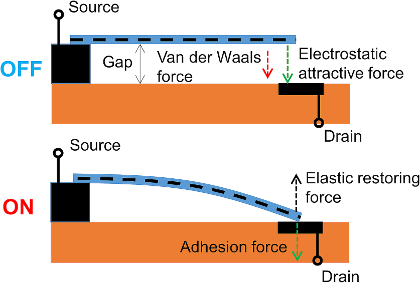
- mostly defined by the contacting material properties and the real contact area. In non-vacuum environments the presence of contaminants can significantly impact these processes, as will be discussed later in this review. Despite the importance of understanding of the nanocontact evolution, only a few


Comparing postdeposition reactions of electrons and radicals with Pt nanostructures created by focused electron beam induced deposition
Beilstein J. Nanotechnol. 2017, 8, 2410–2424, doi:10.3762/bjnano.8.240
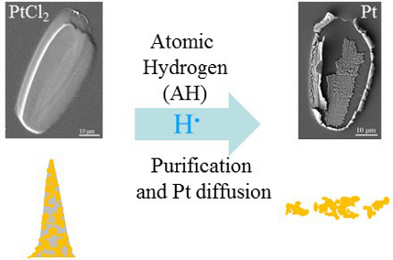
- could also be exploited to help redisperse metals, such as Pt, which have nucleated as a result of sintering during catalysis. Other Pt-containing deposits In contrast to the effectiveness of AH towards purification of PtCl2, there was no measureable removal of carbon or phosphorus contaminants for




Involvement of two uptake mechanisms of gold and iron oxide nanoparticles in a co-exposure scenario using mouse macrophages
Beilstein J. Nanotechnol. 2017, 8, 2396–2409, doi:10.3762/bjnano.8.239
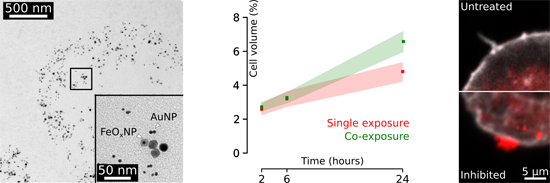
- comparison with FeOxNPs. However, it should be noted that the presence of an intracellular transport system for the AuNPs cannot be ruled out completely. Conclusion Most studies on NPs focus on exposure to a single analyte. The existing literature on joint toxicity of NPs and co-existing contaminants is



Adsorbate-driven cooling of carbene-based molecular junctions
Beilstein J. Nanotechnol. 2017, 8, 2060–2068, doi:10.3762/bjnano.8.206
- . STM break-junction measurements are often carried out in solution, where, in addition to target molecules, solvent molecules are also present [11][12][13][14][15][16]. The presence of contaminants that might diffuse on the surface and cause fluctuations in conductance or sudden changes in the junction


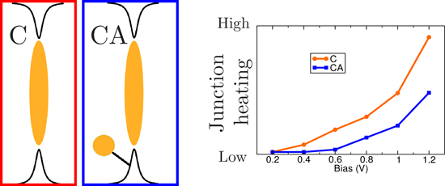
![[Graphic 14]](/bjnano/content/inline/2190-4286-8-206-i21.png?max-width=637&scale=1.18182) = 176 meV as a function of applied bias for the C and CA junctions, a...
= 176 meV as a function of applied bias for the C and CA junctions, a...

Fluorination of vertically aligned carbon nanotubes: from CF4 plasma chemistry to surface functionalization
Beilstein J. Nanotechnol. 2017, 8, 1723–1733, doi:10.3762/bjnano.8.173
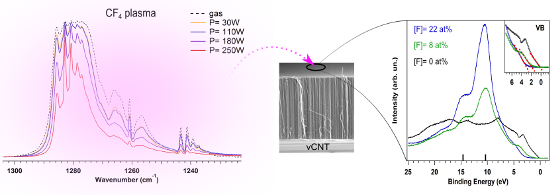
- combination of these experimental approaches enables evaluating the nature of the species that are generated inside the glow considering the presence of contaminants in the background pressure and at the walls of the functionalization chamber. These contaminants are responsible for the CO, CO2 and COF2
- plasma-activated background contaminants in the vacuum chamber, thus generating COF and COF2 as well. The signal corresponding to ionized HF raises for applied power higher than 110 W, in correspondence to the intensities depletion of ionized CF2, CF, COF and COF2, suggesting a high fragmentation rate
- presence of contaminants in the background pressure and on the walls of the chamber are responsible for the CO, CO2 and COF2 production due to reactions occurring within the discharge. Although an ion current is measured in the mass spectrum relatively to the COF ionized molecule, FTIR analysis excludes




Metal oxide nanostructures: preparation, characterization and functional applications as chemical sensors
Beilstein J. Nanotechnol. 2017, 8, 1205–1217, doi:10.3762/bjnano.8.122
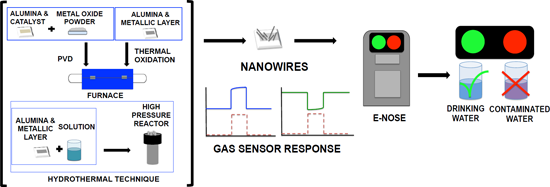
- . Samples were finally mounted on TO39 packages using electro-soldered gold wires. A flow-meter technique was used to evaluate the performance of fabricated conductometric devices for the detection of two common air contaminants, namely carbon monoxide (CO) and nitrogen dioxide (NO2). Samples were mounted


Synthesis, spectroscopic characterization and thermogravimetric analysis of two series of substituted (metallo)tetraphenylporphyrins
Beilstein J. Nanotechnol. 2017, 8, 1191–1204, doi:10.3762/bjnano.8.121
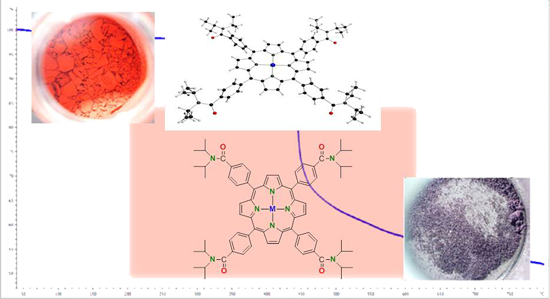
- + K]+ ions and of cations of low m/z values, for example [393]+ (observed in the ESIMS spectra of 2c,d and 3c,d), is due to contaminants that typically appear in such measurements as described in the literature [23][24]. For 2b,c, 3 and 3a–c double charged ion peaks are visible, clearly identifiable


Growth, structure and stability of sputter-deposited MoS2 thin films
Beilstein J. Nanotechnol. 2017, 8, 1115–1126, doi:10.3762/bjnano.8.113
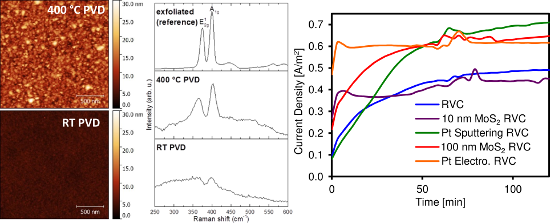
- the films [37][38]. This suggests that possibly S atoms (and/or other ad-atoms such as Ar, or residual co-sputtered contaminants such as metals or oxygen from the PVD system) may have been placed in between the MoS2 layers, resulting in the observed increased interlayer spacing and reduced mass


ZnO nanoparticles sensitized by CuInZnxS2+x quantum dots as highly efficient solar light driven photocatalysts
Beilstein J. Nanotechnol. 2017, 8, 1080–1093, doi:10.3762/bjnano.8.110
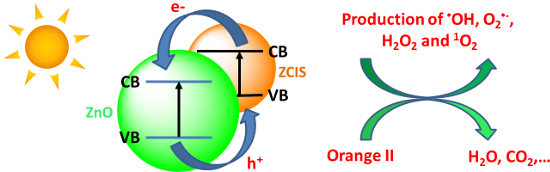
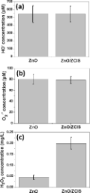
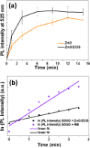
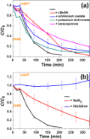
- ; singlet oxygen; ZCIS quantum dots; ZnO; Introduction Over the last twenty years, the field of photocatalysis has attracted wide attention due to the environmental and energy crisis. Photocatalysis is considered to be a green technology, allowing the degradation of numerous contaminants both in water and





Graphene functionalised by laser-ablated V2O5 for a highly sensitive NH3 sensor
Beilstein J. Nanotechnol. 2017, 8, 571–578, doi:10.3762/bjnano.8.61
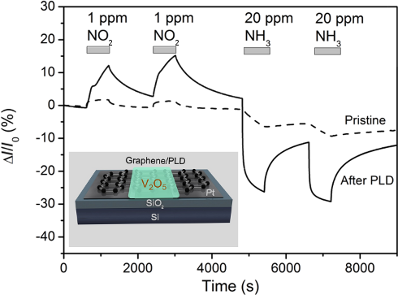
- established in order to clean the graphene surface and minimise the effect of trace contaminants left from the manufacturing process of the graphene sensor. The V2O5 target was ablated by using a laser pulse energy density of 5.0 J/cm2 in the presence of 5 × 10⁻² mbar of O2. During the deposition, the sensor


Impact of air exposure and annealing on the chemical and electronic properties of the surface of SnO2 nanolayers deposited by rheotaxial growth and vacuum oxidation
Beilstein J. Nanotechnol. 2017, 8, 514–521, doi:10.3762/bjnano.8.55
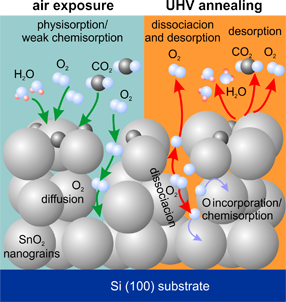
- carbon contamination. After air exposure the relative [O]/[Sn] concentration increased to 1.80 while maintaining a relatively low level of carbon contaminants. Subsequent UHV annealing led to a relative [O]/[Sn] concentration comparable to the pristine samples. The oxidation resulted in a variation of
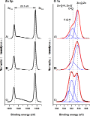
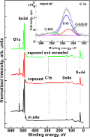
- the O-Sn4+ as well as the O-Sn2+ components at 531.2 eV and 530.4 eV, respectively, a small additional component was visible at a binding energy about 533 eV. We suspect that it could be attributed to O=C or C–OH contaminants, likely existing at the surface of RGVO SnO2 nanolayers after exposure to
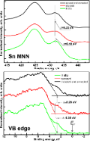
- ] concentration reached a value comparable to the pristine samples. However, looking at the respective O 1s and Sn 3d5/2 spectral lines shown in Figure 2e,f it is easy to observe that i) the SnO2 phase became more dominant and ii) the amount of contaminants decreased. The first finding led us to conclusion that



Study of the surface properties of ZnO nanocolumns used for thin-film solar cells
Beilstein J. Nanotechnol. 2017, 8, 446–451, doi:10.3762/bjnano.8.48
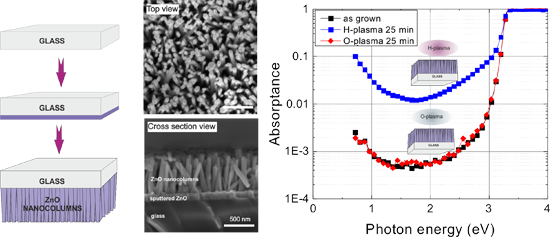
- –H contributions centered at 530.4, 531.7 and 532.5 eV, respectively. The O=C and C–O–H contributions originate from organic contaminants adsorbed on the ZnO NCs surface during the transfer of the substrates to the XPS chamber. The plasma treatments that are typically used in the solar cell
- O 1s spectra and a strong increase of the contributions at about 531.7 eV, mainly due to the rise of the plasma induced Zn–O–H and Zn–O− contributions [18]. Pristine nanocolumns are characterized by a ratio between the non-lattice oxygen (Zn–O–H, Zn–O−) (excluding the O=C contaminants contributions