


Search results
Search for "electrochemical" in Full Text gives 513 result(s) in Beilstein Journal of Nanotechnology. Showing first 200.
Sputtering onto liquids: a critical review
Beilstein J. Nanotechnol. 2022, 13, 10–53, doi:10.3762/bjnano.13.2







Measurement of polarization effects in dual-phase ceria-based oxygen permeation membranes using Kelvin probe force microscopy
Beilstein J. Nanotechnol. 2021, 12, 1380–1391, doi:10.3762/bjnano.12.102
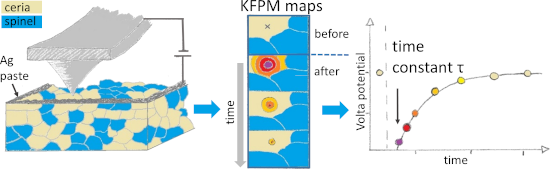
- images can be used to determine room temperature diffusion coefficients [24]. These data are not easily accessible by oxygen permeation experiments or state-of-the-art electrochemical experiments with macroscopic electrodes, because the electrical conductivity of ceria-based materials is very low below
- small contacts are needed, where the electron and ion conducting phase can be addressed separately, making AFM-based electrochemical measurements predestined for detailed analyses of the constituents of composite materials. Theoretical Background Kelvin probe force microscopy The presented measurements
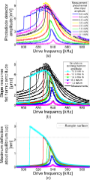
- electrochemical studies. The surface potential at the direct contact point of the measuring tip can be determined from the KPFM measurement data at different times after the end of polarization. The results usually follow an exponential rule if plotting ΔΦSP versus time. By fitting of the expontential function


Cantilever signature of tip detachment during contact resonance AFM
Beilstein J. Nanotechnol. 2021, 12, 1286–1296, doi:10.3762/bjnano.12.96
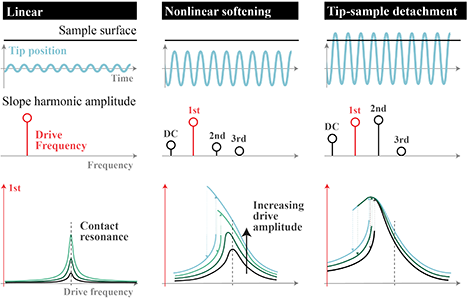
- Devin Kalafut Ryan Wagner Maria Jose Cadena Anil Bajaj Arvind Raman School of Mechanical Engineering, Purdue University, West Lafayette, IN 47907, USA 10.3762/bjnano.12.96 Abstract Contact resonance atomic force microscopy, piezoresponse force microscopy, and electrochemical strain microscopy are
- microscopy (PFM) [3], and electrochemical strain microscopy (ESM) [4] are atomic force microscopy (AFM) [5] methods where the probe tip is held in contact with the sample at a constant average force while a small superimposed vibrational response is monitored. CR-AFM can measure the viscoelastic properties


Electrical, electrochemical and structural studies of a chlorine-derived ionic liquid-based polymer gel electrolyte
Beilstein J. Nanotechnol. 2021, 12, 1252–1261, doi:10.3762/bjnano.12.92
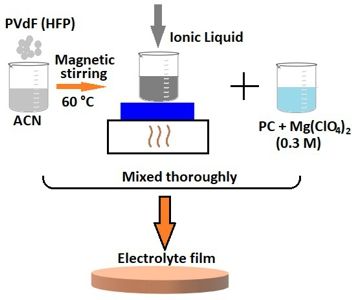
- conductivity of σ = 8.9 × 10⁻³ S·cm−1. The temperature dependence of the prepared polymer gel electrolytes follows the thermally activated behavior of the Vogel–Tammann–Fulcher equation. The total ionic transference number was ≈0.91 with a wider electrochemical potential window of 4.0 V for the prepared
- , researchers have been developing polymer electrolytes (solid/gel) as an alternative to commercial liquid-based electrolytes which are suitable for electrochemical devices, such as Li-ion batteries, solar cells, fuel cells, and supercapacitors [1][2][3][4][5]. The main aim is to increase the amorphous content
- in the polymer which assists in the rapid ion motion while keeping its mechanical stability. The second aim is to increase the ionic conductivity of the electrolytes, which is generally insufficient for practical applications in electrochemical energy storage devices. Hence, different kinds of



Morphology-driven gas sensing by fabricated fractals: A review
Beilstein J. Nanotechnol. 2021, 12, 1187–1208, doi:10.3762/bjnano.12.88
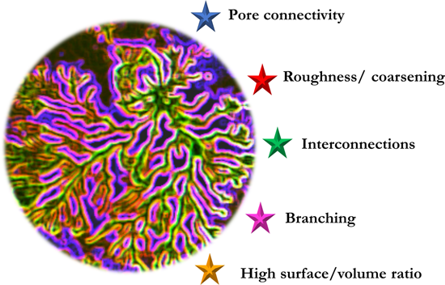
- ). Additionally, low cost, low power consumption, and simple fabrication of gas sensors are desirable factors. Different technologies have been used to detect numerous gases that include semiconductor, catalytic, electrochemical, optical, and acoustic gas sensors [8]. In particular, conductometric semiconductor
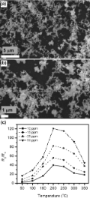
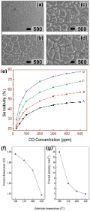
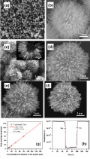
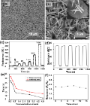
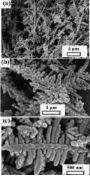
- study, Kante et al. prepared SnO2 films with fractal morphology by an electrochemical method with a subsequent oxidation process [68]. Both groups tested the films for CO gas sensing at different temperatures. Figure 8a–d shows the SEM images of SnO2 thin films on a Si(100) substrate obtained by Chen
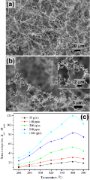
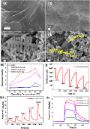
- . 3D porous nanoscale hybrid SnO2/CuO foam sensors were prepared by Jeun et al. via electrochemical deposition followed by thermal oxidation [72]. These foam sensors were studied for H2S gas sensing. Figure 10a and Figure 10b show SEM images of the porous and 3D network structure of as-prepared Sn/Cu










The effect of cobalt on morphology, structure, and ORR activity of electrospun carbon fibre mats in aqueous alkaline environments
Beilstein J. Nanotechnol. 2021, 12, 1173–1186, doi:10.3762/bjnano.12.87
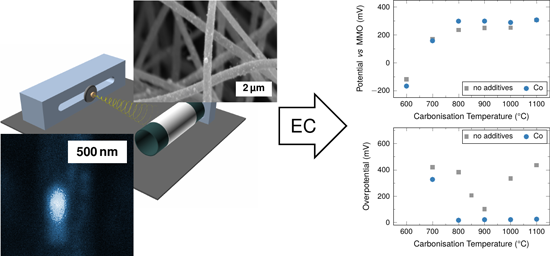
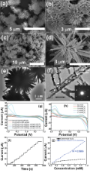
- temperature to gain a more detailed understanding of the interactions of the cobalt additive and the carbon framework, as well as the formation and location of cobalt–nitrogen species. The changes in graphitisation, fibre chemistry, and electrochemical ORR performance are studied in depth using scanning
- electrochemical activity using linear sweep voltammetry with a focus on the oxygen reduction reaction. Experimental Synthesis of carbon fibres and electrode preparation Polyacrylonitrile (PAN) (98%, MW = 150,000 g·mol−1; BOC sciences, USA) was dissolved in N,N-dimethyl formamide (DMF) to obtain 10 wt % solutions
- dissolved in 30 mL of 5% HCl and filled up to a total volume of 50 mL. For each sample two aliquotes of the solution were diluted 1:100 and analysed. Electrochemical characterisation Electrochemical investigation of the electrodes was performed in a FlexCell-PP (Gaskatel, Germany) with a geometric area of


An overview of microneedle applications, materials, and fabrication methods
Beilstein J. Nanotechnol. 2021, 12, 1034–1046, doi:10.3762/bjnano.12.77
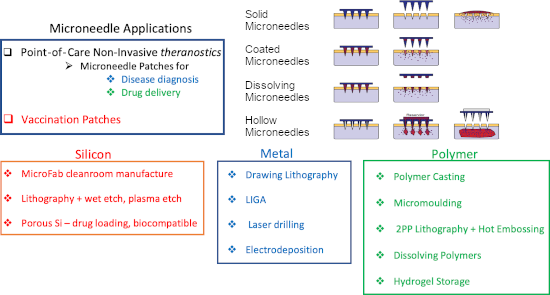
- porous silicon structures [40][41], for example arrays with biodegradable macroporous silicon tips produced using electrochemical anodization. A disadvantage is that the tips of the microneedles may break off and remain in the skin during the drug delivery process where they will be biodegraded only


Progress and innovation of nanostructured sulfur cathodes and metal-free anodes for room-temperature Na–S batteries
Beilstein J. Nanotechnol. 2021, 12, 995–1020, doi:10.3762/bjnano.12.75
- if charged with “green electricity”. Therefore, improving energy storage may lead to more sustainable energy consumption [3]. In this context, rechargeable batteries play an important role owing to the fact that electrochemical energy storage is more efficient than physical energy storage [4]. Today
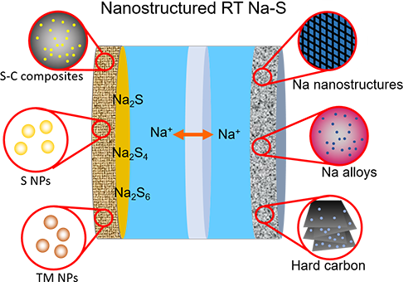
- -efficiency RT Na–S batteries (vide infra). The electrochemical mechanism of RT Na–S batteries is based on the release of sodium cations from the anode leading to the transfer of two electrons that reduce sulfur on the cathode side (Figure 1A) [4]. The redox reactions of the battery are as follows (the
- performance and prevent their commercialization. The main drawbacks of these electrochemical devices are (1) the polysulfide shuttle effect, (2) the insulating nature of both sulfur and sodium sulfide, and (3) the large volume expansion of the cathode during the discharge process (Figure 2) [16]. Other





A Au/CuNiCoS4/p-Si photodiode: electrical and morphological characterization
Beilstein J. Nanotechnol. 2021, 12, 984–994, doi:10.3762/bjnano.12.74
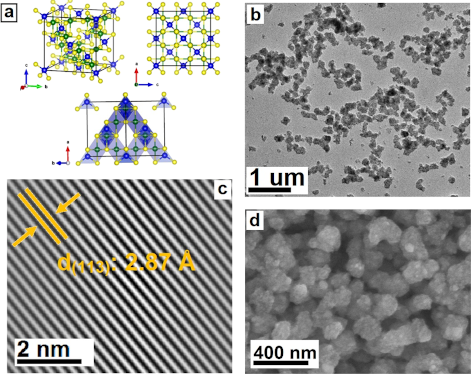
- to their remarkable crystal, electric, thermoelectric, magnetic, and optical properties [6][7]. There are many studies on the usage of thiospinels in batteries, super-capacitors, and electrochemical reactions [8][9][10][11][12]. However, there are only two studies on the synthesis and application of



Uniform arrays of gold nanoelectrodes with tuneable recess depth
Beilstein J. Nanotechnol. 2021, 12, 957–964, doi:10.3762/bjnano.12.72
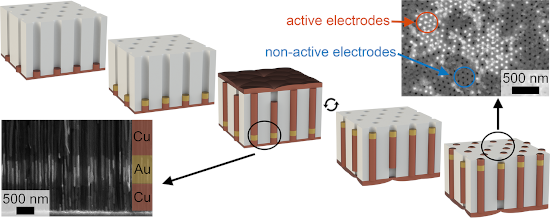
- available porous AAO films with a highly irregular structure to prepare the Au nanowell electrodes with 600 nm depth by templated electrodeposition. It is worth noting that the percentage of nanoelectrodes in the array that are involved in electrochemical reactions has not been discussed in detail. At the
- address the third issue, a new design of the Au NEAs with a multi-layered structure has been suggested. The fourth requirement has been proved experimentally using electrochemical methods and scanning electron microscopy. Results and Discussion The first stage of NEA preparation (Figure 1a) was the
- decreased to 0.64 ± 0.09 µm (Figure 1f). It is worth noting that a decrease in LCu1 value leads to a significant reduction of the absolute length deviation. Segment 2 – gold The high chemical stability of Au makes it an intrinsic material for electrochemical sensors and has motivated the choice of this


The role of deep eutectic solvents and carrageenan in synthesizing biocompatible anisotropic metal nanoparticles
Beilstein J. Nanotechnol. 2021, 12, 924–938, doi:10.3762/bjnano.12.69

- maintaining high yield and monodispersity. Initially, gold nanorods were synthesized using electrochemical methods using polycarbonate membrane templates or porous alumina for shape control in the presence of surfactants (mostly CTAB) [34][35]. Because of their optical properties, gold nanorods became
- solvent. The solvation property determines the chemical (especially electrochemical) synthesis technology. Therefore, studying the solvation properties of a solvent is quite important for potential applications. DESs, due to their good solvation and electroconductivity properties, have been utilized in
- ]. The difference between the electrochemical double layers and a differential activity of chloride ions (i.e., preferential facet binding during crystal growth restricting the lattice growth in a particular direction) were responsible for the observed morphological difference. The lower surface tension


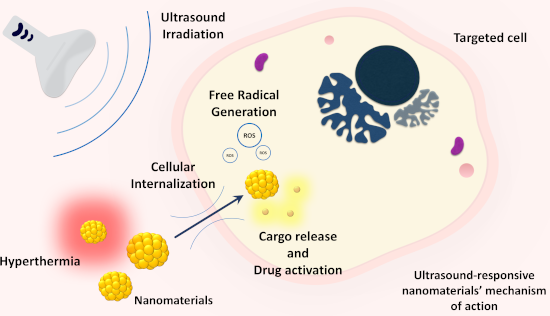
Comprehensive review on ultrasound-responsive theranostic nanomaterials: mechanisms, structures and medical applications
Beilstein J. Nanotechnol. 2021, 12, 808–862, doi:10.3762/bjnano.12.64


Recent progress in actuation technologies of micro/nanorobots
Beilstein J. Nanotechnol. 2021, 12, 756–765, doi:10.3762/bjnano.12.59
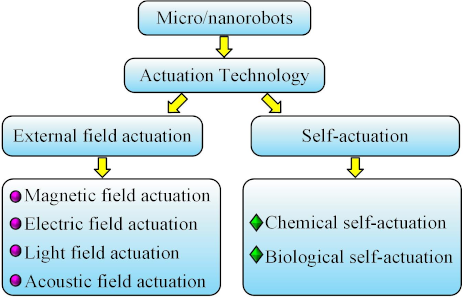
- conductive materials into a micro/nanorobot and then adjusting the surface charge of the robot or the electrochemical reaction on the interface through electric fields can also yield actuation. Zhang et al. [29] proposed an interdigital microelectrode system. When an AC electric field is applied, metal
- in future research. Miskin et al. [33] researched a new type of electrochemical actuator, which is compatible with existing silicon electronic devices, has a controllable voltage, and can wake up a robot to move. For a long time, the lack of micro/nanoscale actuators has limited the development of
- micro/nanorobots. Traditional piezoelectric actuators are suitable for millimeter-sized robots, but not for the micro/nanoscale. Therefore, the innovation was to design a new type of electrochemical actuator and to use it as legs of the robot. It was made of nanoscale platinum and manufactured by a


Nanogenerator-based self-powered sensors for data collection
Beilstein J. Nanotechnol. 2021, 12, 680–693, doi:10.3762/bjnano.12.54
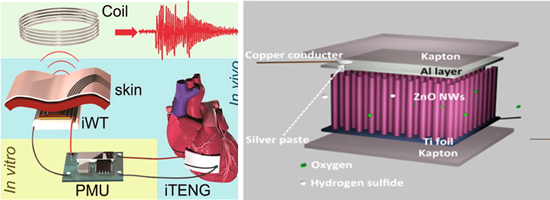
- for the design of sterilization and algae removal [72], wastewater treatment [73][74], and electrochemical corrosion protection of metal surfaces and battery cathodes [56][75][76]. TENG-based special flexible pressure sensors can be placed on the surface of human skin to monitor the physiological




Stability and activity of platinum nanoparticles in the oxygen electroreduction reaction: is size or uniformity of primary importance?
Beilstein J. Nanotechnol. 2021, 12, 593–606, doi:10.3762/bjnano.12.49
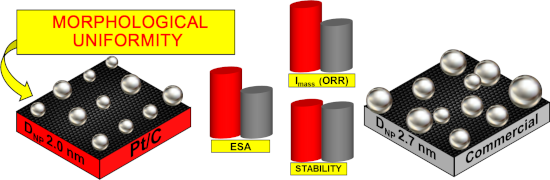
- composition and structure of the catalytic layers, and the catalysts themselves [9]. Platinum–carbon catalysts, whose composition and structure determine their functional characteristics, are the key components of MEA catalytic layers. Of particular importance is the study of the catalyst electrochemical
- multistage oxygen electroreduction reaction. When comparing platinum catalysts based on the same carbon support, differences in their electrochemical behavior are determined by the difference in the composition (Pt loading in Pt/C), structure (shape and size of the platinum NPs, dispersion of their size, and
- obtained during accelerated stress tests and the use of fuel cells in real practice is far from being perfect. Therefore, along with the study of how certain factors influence on the catalyst stability, the search for optimal methods and conditions for stress tests in an electrochemical cell is still



Boosting of photocatalytic hydrogen evolution via chlorine doping of polymeric carbon nitride
Beilstein J. Nanotechnol. 2021, 12, 473–484, doi:10.3762/bjnano.12.38
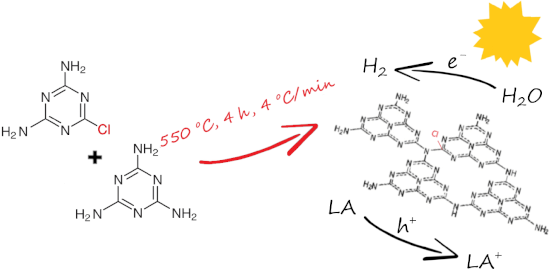
- three cycles of light on–off, the performance of both electrodes tends to stabilize, indicating that the photocatalysts are stable under visible-light irradiation [55]. The measurements obtained from electrochemical impedance spectroscopy (EIS) are shown in Figure 9b. It is known that the arc radius of
- (F7000, Hitachi) with an excitation wavelength of 280 nm. The DRS was performed using a Jasco (Japan) spectrometer. The Kubelka–Munk function was used to calculate the bandgap energy. The photocurrent response and electrochemical impedance spectroscopy were measured using the Autolab PGSTAT302 N


Rapid controlled synthesis of gold–platinum nanorods with excellent photothermal properties under 808 nm excitation
Beilstein J. Nanotechnol. 2021, 12, 462–472, doi:10.3762/bjnano.12.37
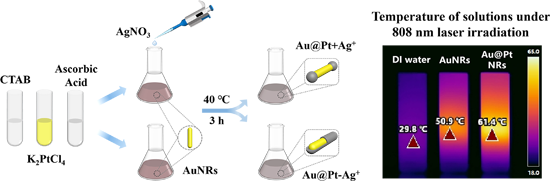
- at the surface of the AuNRs with a lower surface potential than the reduction potential of Ag+ [27]. Electrochemical and crystallographic studies have shown that deposition of Ag+ on the side of the AuNRs (i.e., {110} facets) should be faster than on the tip (i.e., {100} facets) [33]. Another reason


Solution combustion synthesis of a nanometer-scale Co3O4 anode material for Li-ion batteries
Beilstein J. Nanotechnol. 2021, 12, 424–431, doi:10.3762/bjnano.12.34
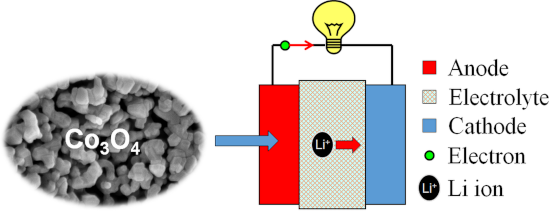
- densities of 100 and 500 mA·g−1, respectively. Moreover, electrochemical measurements indicate that even though the synthesized nanomaterial possesses a low active surface area, it exhibits a relatively high specific capacity measured at 100 mA·g−1 after 100 cycles and a quite good rate capability at
- natural abundance [1][2][3]. Considering the thermodynamic and chemical stability, as well as electrochemical properties, one of the important members of TMOs is cobalt(II,III) oxide (Co3O4) [4]. This oxide belongs to the group of spinels whose general formula is MNO4, where M and N are cations with
- been established that the electrochemical performance of Co3O4 materials is improved when they possess either small size or appropriate pore size distribution and morphologies, such as porous or hierarchical structures, or the combination of both these features [3][4]. So far, different syntheses have


TiOx/Pt3Ti(111) surface-directed formation of electronically responsive supramolecular assemblies of tungsten oxide clusters
Beilstein J. Nanotechnol. 2021, 12, 203–212, doi:10.3762/bjnano.12.16
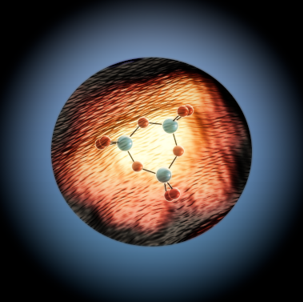
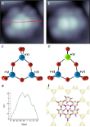
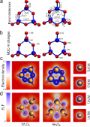
- . However, the resulting formation of W3O9 by thermal WO3 evaporation under UHV conditions differs significantly from other WO3 deposition techniques. For example, the formation of hydrated tungsten acid species could be demonstrated by electrochemical evaporation of tungsten oxide on rutile surfaces under



Paper-based triboelectric nanogenerators and their applications: a review
Beilstein J. Nanotechnol. 2021, 12, 151–171, doi:10.3762/bjnano.12.12
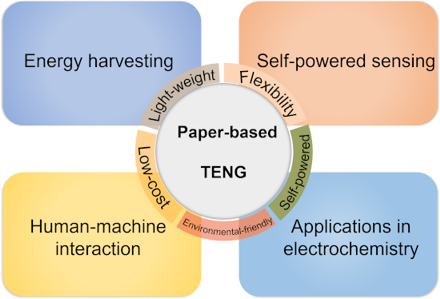
- pattering process results in porous MCG structures (with pore sizes ranging from hundreds of nanometers to several microns), which can be used in various applications, such as mechanical energy harvesting devices, chemical sensors, and electrochemical supercapacitors. Screen printing is a facile, efficient
- square-shaped A3 steel piece was connected to the cathode and a carbon electrode was connected to the anode, with a P-TENG paired with a rectifier and a capacitor connected in parallel with the electrochemical system. The P-TENG, in this case, was composed of PVDF and paper as the friction layers. The
- blank sample. After introducing the TENG-powered antifouling system, the stainless steel pieces on both the anode and cathode showed good antifouling properties, as indicated by algae density. An electrochemical reaction is an electron-transferring or flowing process between an electrode and a substance






A review on the green and sustainable synthesis of silver nanoparticles and one-dimensional silver nanostructures
Beilstein J. Nanotechnol. 2021, 12, 102–136, doi:10.3762/bjnano.12.9
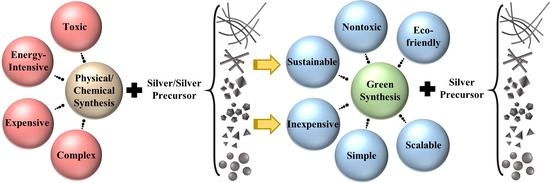
- processes [143][144][145][146], conventional chemical reduction [147][148][149][150][151], reverse micelle [152][153][154], co-precipitation [155], chemical vapor deposition [156][157][158], solvothermal [159][160][161], and electrochemical reduction [162][163][164][165]. Chemical synthesis methods are


Numerical analysis of vibration modes of a qPlus sensor with a long tip
Beilstein J. Nanotechnol. 2021, 12, 82–92, doi:10.3762/bjnano.12.7
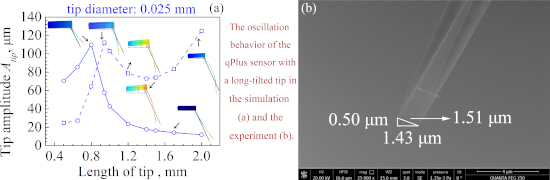
- purity of 99.95%. The tip was obtained by AC electrochemical etching in NaOH solution at a concentration of 1 mol·L−1. A tungsten wire with a length of 942 μm was attached to the end of the tuning fork with Torr seal epoxy. The angle between the tungsten wire and the prong was 65°. The excitation signal






ZnO and MXenes as electrode materials for supercapacitor devices
Beilstein J. Nanotechnol. 2021, 12, 49–57, doi:10.3762/bjnano.12.4
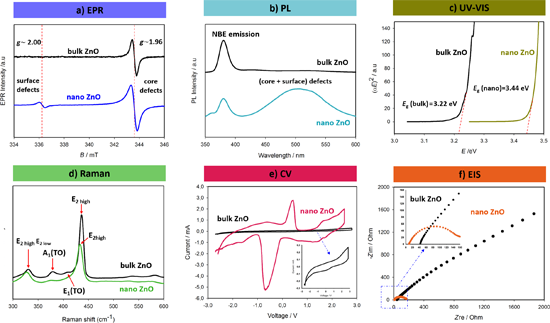
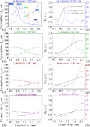
- high power density as well as due to the potential to further increase the energy density. Supercapacitors may act as batteries in electrochemical performance tests. The choice of the materials, their morphology, dimension, and synthesis technique, as well the synergy with the other components of the
- pseudocapacitive behavior in which Faradaic interactions are dominating [7]. The Faradaic electrochemical reactions have typical CV plots with additional humps, which can be seen in Figure 1e. These humps, in general, occur due to additional charges, which cause a rise in specific capacitance and energy density
- used, for example, in water purification, as electrochemical actuators, as transparent conductive electrodes, and as biosensors [21][22][28]. To enhance the performance of MXene supercapacitors, a variety of materials, such as graphene and carbon nanotubes (CNTs), tin(IV) oxide (SnO2), and iron(III
Atomic layer deposited films of Al2O3 on fluorine-doped tin oxide electrodes: stability and barrier properties
Beilstein J. Nanotechnol. 2021, 12, 24–34, doi:10.3762/bjnano.12.2
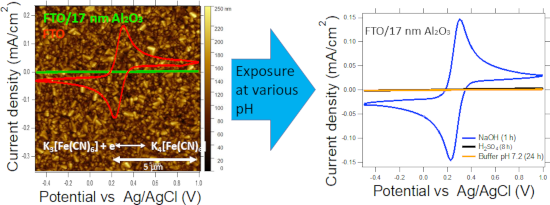
- ; Introduction Surface coverage by thin films for the improvement of mechanical, optical, and electrochemical properties of solid surfaces is of great technological importance. In this context, corrosion, which is an electrochemical process, is the main concern. In an oxidizing and humid atmosphere
- are of technological interest; however, they themselves are subject to deterioration if exposed to extreme basic or acidic conditions and/or to electrochemical reduction. Coating with an extra electrochemically resistant, sufficiently contiguous, and poreless oxide layer may aid in this case. This is
- studies, Al2O3 films on FTO were exposed, at various time intervals and at room temperature, to 1 M NaOH, 1 M H2SO4, and buffered solution (pH 7.2). Electrochemical experiments were carried out in a single-compartment three-electrode cell using a Zahner workstation. The reference electrode was Ag/AgCl (3


Piezotronic effect in AlGaN/AlN/GaN heterojunction nanowires used as a flexible strain sensor
Beilstein J. Nanotechnol. 2020, 11, 1847–1853, doi:10.3762/bjnano.11.166
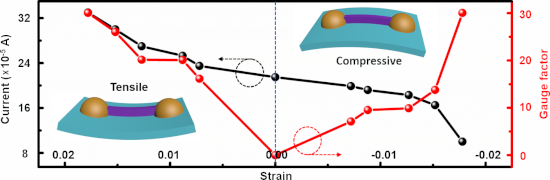
- , AlGaN/AlN/GaN NWs with high electron mobility, carrier density, and mechanical flexibility have become good candidates for highly sensitive and flexible strain sensors. In this work, we use a top-down two-step process, including inductively coupled plasma (ICP) dry etching and selective electrochemical





