Search results
Search for "material" in Full Text gives 1952 result(s) in Beilstein Journal of Nanotechnology. Showing first 200.
Laser processing in liquids: insights into nanocolloid generation and thin film integration for energy, photonic, and sensing applications
Beilstein J. Nanotechnol. 2025, 16, 1428–1498, doi:10.3762/bjnano.16.104
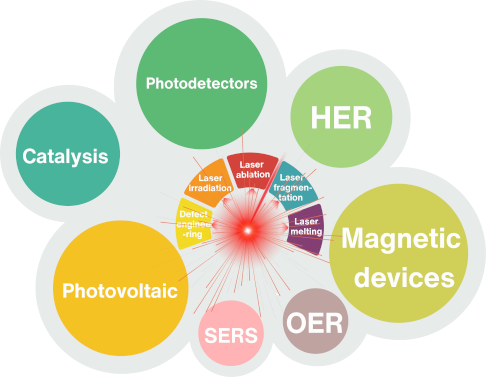
- foundational understanding, without investigating the extensive details that other reviews have already explored. The fundamental chemical and physical aspects of pulsed laser ablation (PLA) processes, with a focus on the evolution of material from the target to the deposited film, were explained by Ashfold et
- comprehensive understanding of the process flow, from the laser-induced ejection of material into the gas phase, through its processing and movement in the plume, to its eventual deposition onto a substrate. Figure 1 shows key developments in thin film synthesis and laser-based processing from 1909 to 2025
- [12]. The size, shape, and composition of these nanomaterials can be controlled by adjusting experimental parameters such as laser settings, liquid medium, and target material. Additionally, the preparation of doped and multicomponent semiconductor nanostructures could expand LAL’s potential in






The role of biochar in combating microplastic pollution: a bibliometric analysis in environmental contexts
Beilstein J. Nanotechnol. 2025, 16, 1401–1416, doi:10.3762/bjnano.16.102
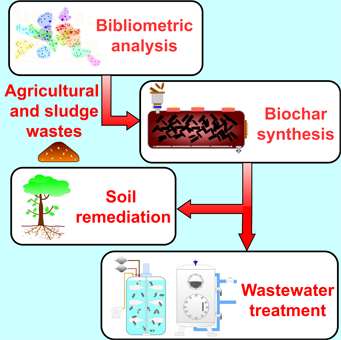
- , and disrupt microbial diversity and nutrient cycling. Biochar, a stable and eco-friendly material, has demonstrated effectiveness in mitigating these effects by restoring soil chemistry, enhancing microbial diversity and improving crop productivity. Recent studies report that biochar increases crop
- combined with fluidized bed treatment achieved 99.2% MP removal, while granular activated carbon coupled with a fixed-column system attained 95.2% removal efficiency [15][16]. Biochar (BC) has emerged as a promising material for environmental remediation, offering benefits such as pollutant adsorption
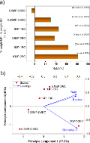
- . This underscores the necessity of interdisciplinary research integrating material science, agriculture, and microbiology in biochar–MP–plant interactions. Three primary research trajectories emerge from the keyword analysis: Investigating how different biochar synthesis methods influence



Parylene-coated platinum nanowire electrodes for biomolecular sensing applications
Beilstein J. Nanotechnol. 2025, 16, 1392–1400, doi:10.3762/bjnano.16.101
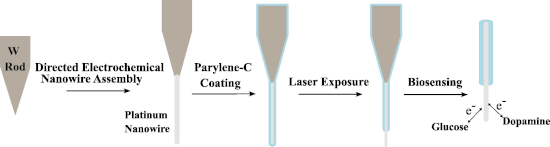
- [22]. Due to these attributes, parylene-C, along with other variants of parylene, has been extensively utilized in the protection of electronic devices and surface modification of biomedical devices [23]. In this study, platinum was chosen as the DENA growth material due to its exceptional


Synthesis and antibacterial properties of nanosilver-modified cellulose triacetate membranes for seawater desalination
Beilstein J. Nanotechnol. 2025, 16, 1380–1391, doi:10.3762/bjnano.16.100
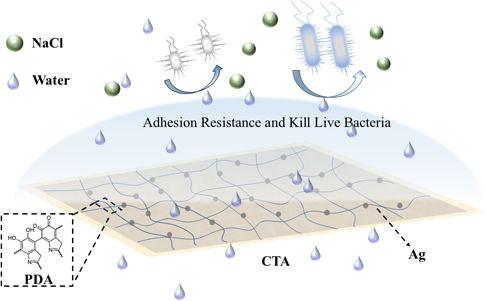
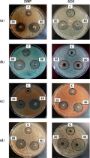
- fibers boast exceptional hydrophilicity, facile film-forming ability, high salt retention rate, cost effectiveness, environmental friendliness, and resistance to chlorine; making it a promising material for water desalination [25][26][27]. However, CTA is susceptible to erosion and degradation by
- and Discussion Structure of membrane material To verify the target structure of the synthesized material, Fourier-transform infrared spectroscopy (FTIR) and nuclear magnetic resonance spectroscopy (NMR) were conducted, with the spectra depicted in Figure 1 and Figure 2, respectively. The FTIR bands
- antibacterial properties of our material, we conducted a detailed comparison with existing literature on the use of Ag to enhance the antibacterial properties of desalination membranes. This comparison encompasses the types of bacteria inhibited and the various forms in which Ag exists, including AgNPs, Ag


Automated collection and categorisation of STM images and STS spectra with and without machine learning
Beilstein J. Nanotechnol. 2025, 16, 1367–1379, doi:10.3762/bjnano.16.99
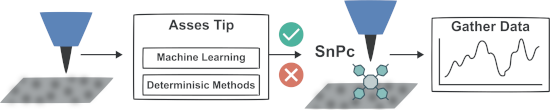
- features (e.g. molecular orbitals in the case of molecular samples) within the material. As for STM imaging, the sharpness and overall tip shape is crucial in optimising the spatial resolution of STS measurements; sharp tips result in localised tunnelling through a single position, whereas blunt or
- atomic resolution was obtained in STM feedback. SnPc was deposited onto the Au(111) surface using a custom-built evaporator, where the powdered source material is contained within a glass crucible using glass wool, around which a coil of tantalum wire is wound, providing a source of heat for the crucible





Wavelength-dependent correlation of LIPSS periodicity and laser penetration depth in stainless steel
Beilstein J. Nanotechnol. 2025, 16, 1302–1315, doi:10.3762/bjnano.16.95
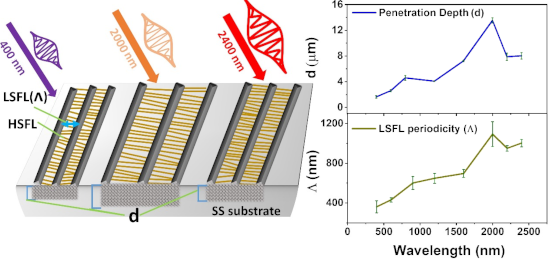
- 2000 nm, reaching a peak at approximately 13 µm, and subsequently decreases. This distinctive correlation underscores the role of plasma material reorganizational effects in LIPSS formation at higher wavelengths, presenting a new experimental observation to the existing literature. The findings enhance
- our comprehension of laser–material interactions and hold potential implications for surface engineering and material science applications. Keywords: cross section of LIPSS; high spatial frequency LIPSS (HSFL); laser-induced periodic surface structures (LIPSS); low spatial frequency LIPSS (LSFL
- modulation of the net localized energy distribution on the surface, and this field absorption is manifested as LIPSS on the surface. This process depends on several experimental factors, namely, incident wavelength, polarization, material dielectric, dielectric, fluence of the laser, pulse width, repetition




Enhancing the photoelectrochemical performance of BiOI-derived BiVO4 films by controlled-intensity current electrodeposition
Beilstein J. Nanotechnol. 2025, 16, 1289–1301, doi:10.3762/bjnano.16.94
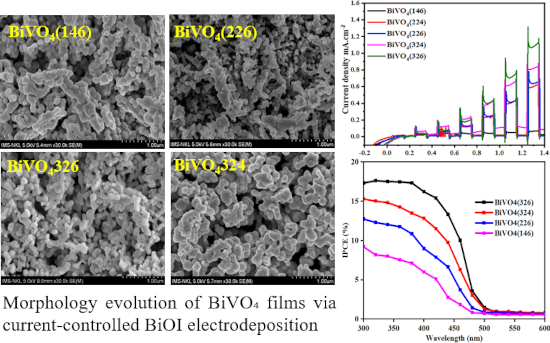
- limited by material challenges, including insufficient light absorption, high electron–hole recombination rates, and poor stability under operating conditions [5][6]. Among various semiconductor materials, bismuth vanadate (BiVO4) has attracted considerable interest due to its strong visible light
- produce BiVO4 thin films at high deposition rates; however, this method resulted in irregular grain structures and significant material defects, limiting the PEC performance improvements. Electrodeposition has emerged as a promising low-cost and scalable technique for BiVO4 film fabrication, offering
- synthesis parameters and PEC activity, while presenting a scalable and reproducible route for fabricating high-performance BiVO4 photoanodes. Experimental Material Bismuth nitrate pentahydrate (Bi(NO3)3·5H2O, 99.9%, Sigma-Aldrich) and vanadyl acetylacetonate (VO(acac)2, 98%, Sigma-Aldrich) were used as Bi



Acrocomia aculeata oil-loaded nanoemulsion: development, anti-inflammatory properties, and cytotoxicity evaluation
Beilstein J. Nanotechnol. 2025, 16, 1277–1288, doi:10.3762/bjnano.16.93
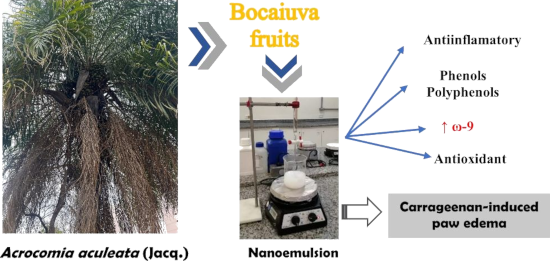
- )-3,4-dihydroxyoxyoxolan-2-yl]-2-hydroxyethyl (9Z)-octadec-9-enoate; C24H44O6 HLB 4.3). Deionized water was used in the preparation of all experiments throughout the study. Plant material The fruits of Acrocomia aculeata were collected in Campo Grande, Mato Grosso do Sul, Brazil (20°50'00.1" S 54
- standard addition method and a standard reference material (Sigma, USA). The results were expressed as gallic acid equivalent. Determination of carotenoid content Carotenoid content was evaluated spectrophotometrically (Shimatsu, Japan) following the procedure described by Rodriguez-Amaya. The molar


Better together: biomimetic nanomedicines for high performance tumor therapy
Beilstein J. Nanotechnol. 2025, 16, 1246–1276, doi:10.3762/bjnano.16.92
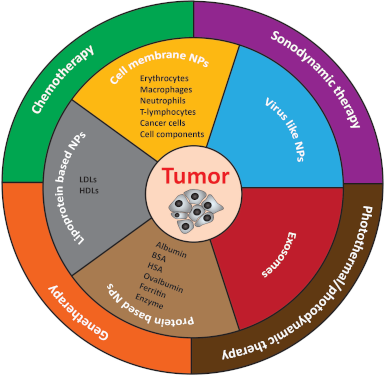
- ferritin. This property was exploited to design redox and pH dual-responsive ferritin nanoparticles. In drug-loaded mesoporous silica nanoparticles, ferritin was used as a gating material. It covered the pores to prevent drug release and opened only when activated by redox or pH stimuli [98]. Similarly
- vaccines and improving their immunogenicity [112]. The presence of viral nucleic acids has been a key concern in medical applications, which limits the use of viruses in living organisms. Virus-like particles are multimeric nanoparticles consisting of viral proteins but lack viral genetic material. Thus







Functional bio-packaging enhanced with nanocellulose from rice straw and cinnamon essential oil Pickering emulsion for fruit preservation
Beilstein J. Nanotechnol. 2025, 16, 1234–1245, doi:10.3762/bjnano.16.91
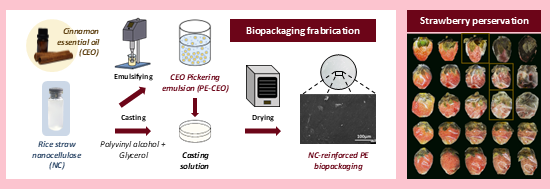
- cosmetic industries. The current major gaps in research regarding these biopackaging materials are their low mechanical strength and the introduction of functional additives to enhance their range of applications. In this paper, a biopackaging material is formulated using polyvinyl alcohol with glycerol as
- a plasticizer, rice straw-derived nanocellulose as a mechanical property enhancer and cinnamon essential oil Pickering emulsion as the main functional ingredient for strawberry preservation. With the combination of nanocellulose and Pickering emulsion, this study finds that the packaging material
- radical scavenging) were observed. These bioactive properties and the inherent moisture barrier property of the packaging material are utilized for strawberry preservation with a significant preservation time of 21 days compared to control samples that start to grow a white fungus on day 11. This




Hydrogels and nanogels: effectiveness in dermal applications
Beilstein J. Nanotechnol. 2025, 16, 1216–1233, doi:10.3762/bjnano.16.90
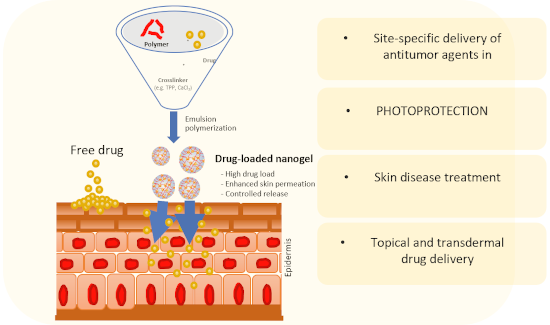
- temperature and polymer concentration [130]. Chitosan-based hydrogels have aroused a lot of interest in the health sciences field due to their biocompatibility, biodegradability, and low cytotoxicity [131]. This makes them attractive as a promising material for topical administration of biomolecules such as


Chitosan nanocomposite containing rotenoids: an alternative bioinsecticidal approach for the management of Aedes aegypti
Beilstein J. Nanotechnol. 2025, 16, 1197–1208, doi:10.3762/bjnano.16.88
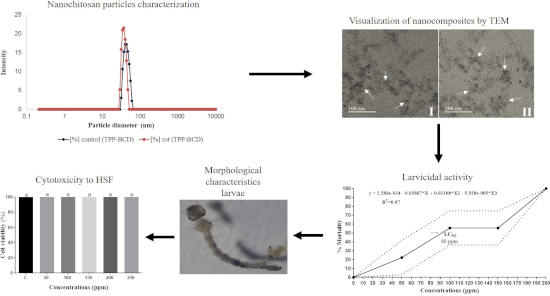
- , surpassed only by cellulose. Its relevance as a biopolymer is due to its properties such as biodegradability, biocompatibility, and nontoxicity to humans, characteristics that make it widely used in various scientific and technological fields [16][17]. Therefore, we used chitosan as the coating material for
- disease vectors and the prevention of urban arboviral diseases. Materials and Methods Biological material Aedes aegypti The larvae of Ae. aegypti from the Rockefeller strain were obtained from the insectary maintained at the Biotechnology Laboratory (LBT), at the Center for Biosciences and Biotechnology
- the previously isolated and characterized rotenoids [14] were prepared using chitosan (CS Sigma-Aldrich 419419) as the coating material. For comparison purposes and identification of the best method, both common ionic gelation (CS/TPP) and controlled ionic gelation (CS/TPP–β-CD) methods were employed



Electronic and optical properties of chloropicrin adsorbed ZnS nanotubes: first principle analysis
Beilstein J. Nanotechnol. 2025, 16, 1184–1196, doi:10.3762/bjnano.16.87
- Prakash Yadav Boddepalli SanthiBhushan Anurag Srivastava Advanced Material Research Group, Department of Engineering Sciences, ABV-Indian Institute of Information Technology and Management, Gwalior, MP-474015, India Department of Electronics and Communication Engineering, Indian Institute of
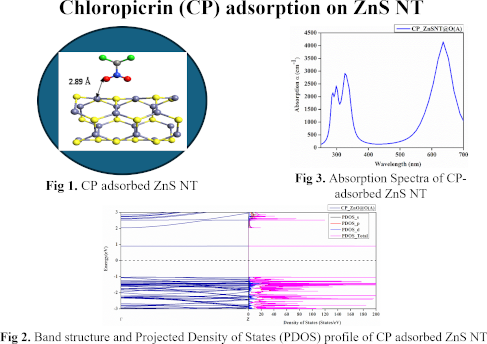
- between the valence and conduction bands, reflecting the fundamental optical properties of the material. Furthermore, the absence of significant absorption in the visible region (>400 nm) underscores the lack of mid-gap states in pristine ZnS NTs. Such optical characteristics align with previous reports
- , a high recovery time of 3.5 μs at room temperature supported by the weak van-der-Waals-based physisorption phenomenon and significant red shift in the absorption coefficient and optical conductivity peaks. The results underscore the potential of ZnS NT as a sensor material for CP and the suitability


Mechanical stability of individual bacterial cells under different osmotic pressure conditions: a nanoindentation study of Pseudomonas aeruginosa
Beilstein J. Nanotechnol. 2025, 16, 1171–1183, doi:10.3762/bjnano.16.86
- Secretaría de Ciencia, Humanidades, Tecnología e Innovación, México Master program in Sciences and Material Engineering (MCIM-UAZ), Autonomous University of Zacatecas, 801 López Velarde St, 9800 Zacatecas, Mexico Instituto de Física, Parque Chapultepec 1570, Privadas del Pedregal 78295, San Luis Potosí
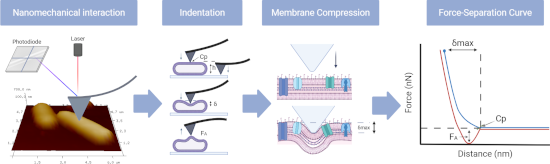
- performed in solution in a fluid chamber under controlled environmental conditions. Thus, critical structural changes on the lifestyle of the pathogen can be investigated [38][39][40][41][42]. Beyond imaging, AFM force spectroscopy capabilities are essential to extract material properties of the
- indenter pushes a planar elastic semi-space characterized by a particular elastic modulus Y. The Sneddon model then provides a relation between the applied force load (F), the induced deformation (δ), and the modulus of elasticity (Y) of the tested material in the following way: with α as the half angle


Crystalline and amorphous structure selectivity of ignoble high-entropy alloy nanoparticles during laser ablation in organic liquids is set by pulse duration
Beilstein J. Nanotechnol. 2025, 16, 1141–1159, doi:10.3762/bjnano.16.84
- Robert Stuckert Felix Pohl Oleg Prymak Ulrich Schurmann Christoph Rehbock Lorenz Kienle Stephan Barcikowski Technical Chemistry I and Center for Nanointegration Duisburg-Essen (CENIDE), University of Duisburg-Essen, Universitaetsstr. 7, 45141 Essen, Germany Institute for Material Science
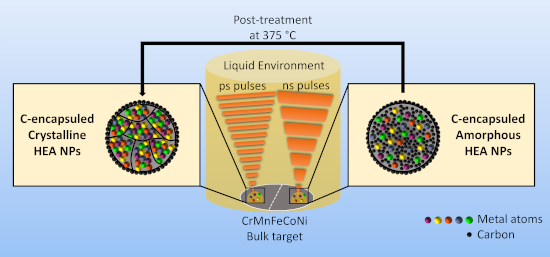
- Interface Science (KiNSIS), Christian-Albrechts University of Kiel, Christian-Albrechts-Platz 4, 24118 Kiel, Germany 10.3762/bjnano.16.84 Abstract High-entropy alloy nanoparticles (HEA NPs) represent a promising material class with significant potential in various applications, such as heterogeneous
- HEA NPs could also be synthesized by inert gas condensation as stated very recently by Zhou et al. [31]. However, none of these aforementioned synthesis techniques give access to colloidal HEA NPs but to structures bound to an often very specific support material or limited to gas phase conditions. An




Towards a quantitative theory for transmission X-ray microscopy
Beilstein J. Nanotechnol. 2025, 16, 1113–1128, doi:10.3762/bjnano.16.82
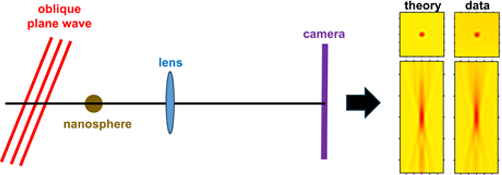
- ], absorption at selected locations in the sample is used to determine the amount of a material at those sites. Validation of these quantitative measurements requires a quantitatively accurate TXM model. Such models are also valuable both for the design of new soft TXMs, which relies on a deep understanding of



Influence of ion beam current on the structural, optical, and mechanical properties of TiO2 coatings: ion beam-assisted vs conventional electron beam evaporation
Beilstein J. Nanotechnol. 2025, 16, 1097–1112, doi:10.3762/bjnano.16.81
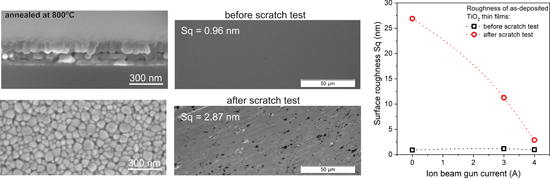
- are very high. The electron beam evaporation process uses the high kinetic energy of an electron beam to generate the thermal energy required to melt and then evaporate the source material to deposit it on the substrate [4]. Evaporation is an attractive deposition technique because of its many
- and without additional ion beam assistance. Moreover, all as-deposited films were additionally modified by post-process annealing at 800 °C. As a source material, titanium pentoxide (Ti3O5) pellets with a purity of 99.99 atom % (from K.J.Lesker) were used, which were evaporated from a molybdenum
- the film and bulk densities of titania, respectively, while nf and nb denote the refractive indices of the TiO2 coatings and bulk material for amorphous titanium dioxide as 2.449 [43][61][62]. Porosity (P) was calculated based on the Equation 3 [63][64]: The highest packing density (0.87) and the




Fabrication of metal complex phthalocyanine and porphyrin nanoparticle aqueous colloids by pulsed laser fragmentation in liquid and their potential application to a photosensitizer for photodynamic therapy
Beilstein J. Nanotechnol. 2025, 16, 1088–1096, doi:10.3762/bjnano.16.80
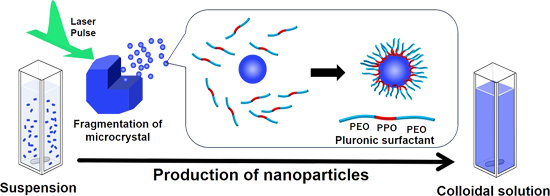
- degradation may occur during nanoparticle fabrication via PLAL. To investigate molecular degradation, the prepared nanoparticles were dissolved in organic solvents and their visible to NIR absorption spectra were measured. The spectra agreed well with those of the raw material compounds, confirming that at


Piezoelectricity of hexagonal boron nitrides improves bone tissue generation as tested on osteoblasts
Beilstein J. Nanotechnol. 2025, 16, 1068–1081, doi:10.3762/bjnano.16.78
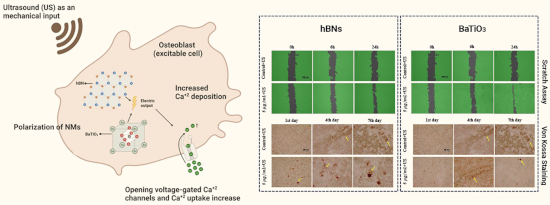
- properties. Studies have demonstrated that BaTiO3 enhances osteogenesis and promotes osteocyte differentiation [26][27]. In this study, BaTiO3, a well-established piezoelectric material, was used as a benchmark for comparison with hexagonal boron nitride (hBN). Hexagonal boron nitride (hBN) is a two
- -dimensional (2D) material, structurally similar to graphene, consisting of alternating boron and nitrogen atoms arranged in a hexagonal lattice. It is well known for its excellent thermal stability, electrical insulation, chemical inertness, and mechanical strength. Importantly, hBN exhibits piezoelectric
- properties due to its noncentrosymmetric crystal structure, making it a promising material for biomedical applications such as bone regeneration, where it can convert mechanical stimuli into bioelectrical signals. Additionally, the biocompatibility and ability of hBN to be integrated into composite scaffolds


Soft materials nanoarchitectonics: liquid crystals, polymers, gels, biomaterials, and others
Beilstein J. Nanotechnol. 2025, 16, 1025–1067, doi:10.3762/bjnano.16.77
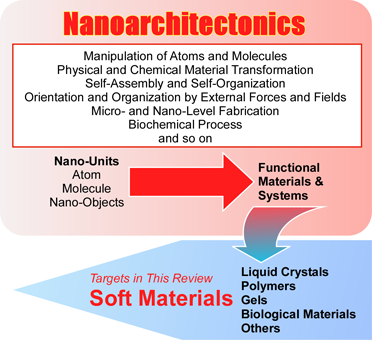
- for diabetic bone defects, and bactericidal materials. As can be seen from these examples, soft materials nanoarchitectonics offers a wide range of material designs, specific functions, and potential applications. In addition, this review examines the current state and future of soft materials
- as biomedical applications [15][16][17][18][19][20], but also extends to functional material systems that address issues such as energy [21][22][23][24][25] and environment [26][27][28][29][30]. The creation of such soft functional materials has been fostered alongside the advancement of science
- ., atomic and molecular) is becoming increasingly important in the development of functional materials [90][91][92][93][94]. Even for the same material, alterations to its internal or assembly structure can result in significant changes to its functionality. Furthermore, as evidenced by quantum materials






Multifunctional properties of bio-poly(butylene succinate) reinforced with multiwalled carbon nanotubes
Beilstein J. Nanotechnol. 2025, 16, 1014–1024, doi:10.3762/bjnano.16.76
- of MWCNTs to tailor the properties of BioPBS for specific applications, such as in the packaging, automotive, and biomedical industries, where both biodegradability and enhanced material performance are desirable. Keywords: melt compounding; multiwalled carbon nanotubes; poly(butylene succinate
- ); structure; tribological properties; Introduction In recent years, biodegradable polymers have gained significant attention as environmentally friendly alternatives to traditional plastics. One particularly promising material is poly(butylene succinate), which exhibits a desirable combination of mechanical
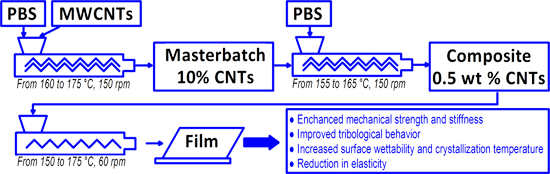
- . Results and Discussion The bio(nano)composite based on PBS containing 0.5 wt % of CNTs (denoted PBS/CNT_0.5) was successfully prepared via dilution of a pre-compounded masterbatch with 10 wt % CNTs (denoted PBS/CNT_10). This specific CNT content was identified as optimal, balancing enhanced material



Time-resolved probing of laser-induced nanostructuring processes in liquids
Beilstein J. Nanotechnol. 2025, 16, 968–1002, doi:10.3762/bjnano.16.74
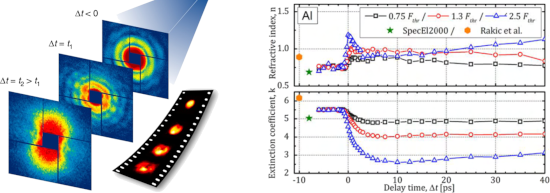
- . Ultrafast time-resolved probing approaches are key to revealing the transient states and pathways that govern material transformation in LSPC. Keywords: electron diffraction; laser processing in liquids; optical imaging; optical spectroscopy; pump–probe; single objects; time-resolved probing; X-ray
- reactions that span from atomic to macroscopic length scales. Consequently, it is paramount to understand the complex cascades that follow laser irradiation of condensed matter. Of particular importance here is the processing in the presence of liquids surrounding the irradiated material, but also
- exchanging energy and material with the excited loci. LSPC commonly encompasses laser ablation in liquid (LAL), which allows for producing NPs from a surface of virtually any solid [6][7][8][9], laser fragmentation in liquid (LFL) to further reduce dimensions of particles down to few-atom clusters [10][11


Tendency in tip polarity changes in non-contact atomic force microscopy imaging on a fluorite surface
Beilstein J. Nanotechnol. 2025, 16, 944–950, doi:10.3762/bjnano.16.72
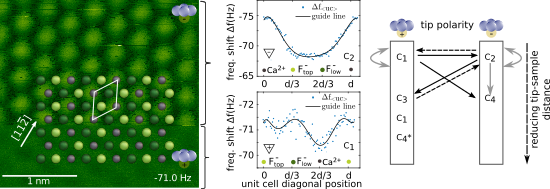
- . The sample was prepared in situ by first degassing a p-type Si (B-doped) sample (Institute of Electronic Materials Technology, Warsaw, Poland) for several hours after introduction into the vacuum. Second, the Si(111)-(7 × 7) termination was formed by flash annealing cycles. Third, CaF2 material (99.9


Synthesis of biowaste-derived carbon-dot-mediated silver nanoparticles and the evaluation of electrochemical properties for supercapacitor electrodes
Beilstein J. Nanotechnol. 2025, 16, 933–943, doi:10.3762/bjnano.16.71
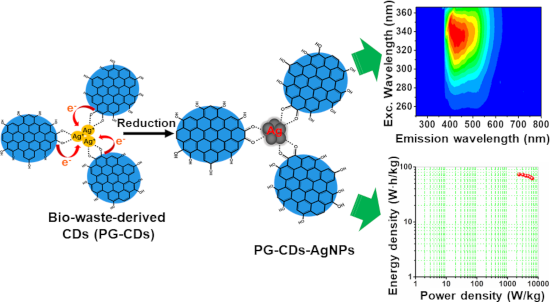
- environmentally friendly as CDs play a role as capping, reducing, and stabilizing agent without addition of any chemicals. PG-CDs-AgNPs showed a particle size of 10 nm having excellent fluorescence emission in the blue region, and it has been explored as an electrode material for supercapacitor applications. The
- in electrochemical energy storage applications given their exceptional chemical durability, high electronic conductivity, and surface chemical characteristics. Due to these characteristics, AgNPs possess the capacity to function as the electrode material for supercapacitors. Numerous reports have
- also shown that AgNPs actively improve the electrochemical characteristics of different electrode materials. Salve et al. reported a noteworthy charge-storing capacity of 367.16 mF/cm2 of the synthesized hybrid material, PGE/AgNPs/CS (pencil graphite electrodes/silver nanoparticles/chitosan) [15


Structural and magnetic properties of microwave-synthesized reduced graphene oxide/VO2/Fe2O3 nanocomposite
Beilstein J. Nanotechnol. 2025, 16, 921–932, doi:10.3762/bjnano.16.70
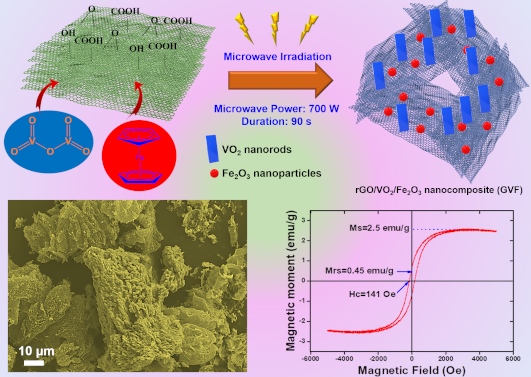
- the gaseous form. It is interesting to note that the obtained rGO material is found to be much lighter than the graphite oxide precursor. Microwave synthesis of rGO/VO2 nanocomposite The solid-state MW irradiation process was followed to synthesize the GV NC. In a typical process, initially, the
- GVF is reported to be 2.5 emu/g with a magnetic retentivity (Mrs) of 0.45 emu/g and coercivity of 141 Oe. Furthermore, it is speculated that the magnetic property in the case of GVF originates mostly from α-Fe2O3, with rGO being weakly magnetic and VO2 being a non-magnetic material [42][43][44][45