


Search results
Search for "permeability" in Full Text gives 187 result(s) in Beilstein Journal of Nanotechnology.
Multilayer capsules made of weak polyelectrolytes: a review on the preparation, functionalization and applications in drug delivery
Beilstein J. Nanotechnol. 2020, 11, 508–532, doi:10.3762/bjnano.11.41
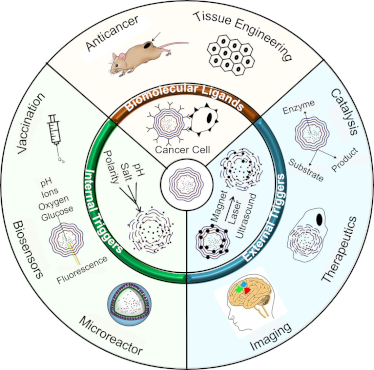
- manipulate the shell permeability [4]. However, most of the work uses strong PEs such as polystyrene sulfonate (PSS) as one of the polymers, and thus, in order to release the payload, a disturbance in the intermolecular forces (e.g., covalent binding, hydrogen bonding and electrostatic interactions) guarding
- the capsule stability is necessarily required. This led to the observation of various environmental triggers such as pH, ionic strength, polarity and temperature that play a major role in manipulating the capsule permeability by modulating the shell interactive forces [5]. Following this, successful
- ., covalent and noncovalent) between the PEs used for capsule fabrication and their nature. The multilayers showcase selective permeability by being permeable to low molecular weight compounds while impermeable to larger macromolecules [9]. The size of multilayered hollow capsules can be easily controlled by



Poly(1-vinylimidazole) polyplexes as novel therapeutic gene carriers for lung cancer therapy
Beilstein J. Nanotechnol. 2020, 11, 354–369, doi:10.3762/bjnano.11.26
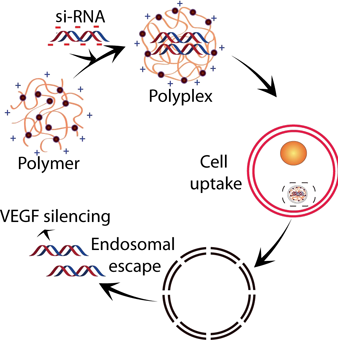
- delivery applications. The imidazole moieties in PVI can neutralize the acidic pH value, which in turn can aid their endosomal escape through the proton sponge mechanism, through altering the membrane permeability or through by-passing the endosomes [26]. However, the confocal images also reveal that a


An advanced structural characterization of templated meso-macroporous carbon monoliths by small- and wide-angle scattering techniques
Beilstein J. Nanotechnol. 2020, 11, 310–322, doi:10.3762/bjnano.11.23
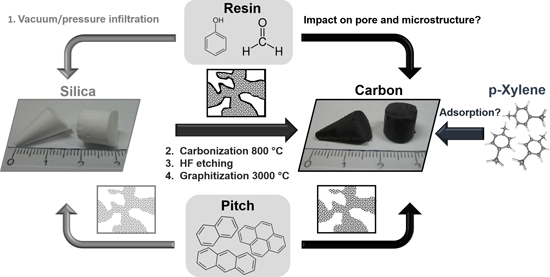
- surface area and a high permeability. Due to big macropores the material can achieve high flow rates for separation processes, and the mesopores within the walls of the macropores lead to a high surface area, which is beneficial for adsorption processes [39][40]. Carbon replicas based on silica monoliths




Rational design of block copolymer self-assemblies in photodynamic therapy
Beilstein J. Nanotechnol. 2020, 11, 180–212, doi:10.3762/bjnano.11.15
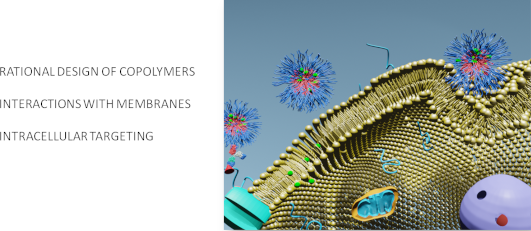
- site [1], researchers have been elaborating different strategies to achieve this goal. The discovery made by Matsumura and Maeda in the late 1990’s that some macromolecular therapeutics spontaneously accumulate in inflamed or cancerous tissues, the so-called enhanced permeability and retention (EPR
- proposed to overcome the drug resistance of cancer cells. Indeed, it induced membrane permeability of the endo-lysosome and particle disassembly after white-light irradiation thus triggering the release of doxorubicin in the cytosol [96]. In the study by Zheng et al. [100] the AIE fluorophore is used as






Internalization mechanisms of cell-penetrating peptides
Beilstein J. Nanotechnol. 2020, 11, 101–123, doi:10.3762/bjnano.11.10
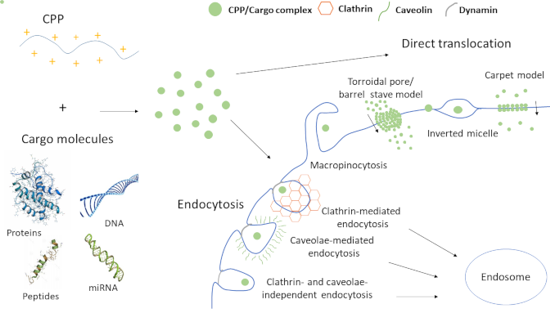
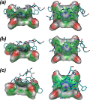
- . This new conformational state eases the formation of transient pore-like structures in the membrane, which leads to the translocation of the MPG/cargo complexes [33]. MPG also shows an inherent ability to induce membrane permeability, whether associated with cargo or not. This process might be due to
- fluidity and permeability [32]. Carpet model The ‘carpet’ model describing the direct penetration of some peptides was proposed in 1992 by Pouny and co-workers [34]. According to this model, the positively charged segments of the peptide lie parallel to the membrane surface and are bound to the acidic


Design of a nanostructured mucoadhesive system containing curcumin for buccal application: from physicochemical to biological aspects
Beilstein J. Nanotechnol. 2019, 10, 2304–2328, doi:10.3762/bjnano.10.222
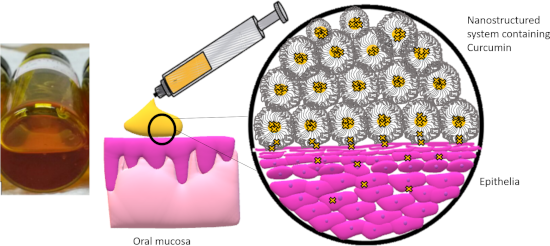
- biocompatibility, improved mechanical characteristics tailored for the specific application, in addition to new release mechanisms and improved permeability [9][12][13][14]. The delivery through the mucosa via buccal administration has shown several advantages as a drug delivery target site. The ease of
- buccal cavity presents significant differences in permeability due to the composition and thickening of the mucosa [81][82]. Different animal species display varying thickness and keratinization patterns with porcine oral mucosa the most commonly employed for ex vivo testing due to the physiological


Microfluidics as tool to prepare size-tunable PLGA nanoparticles with high curcumin encapsulation for efficient mucus penetration
Beilstein J. Nanotechnol. 2019, 10, 2280–2293, doi:10.3762/bjnano.10.220
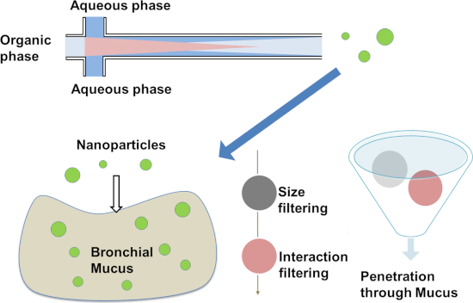
- mucus. Drug carrier systems such as nanoparticles (NPs) require proper surface chemistry and small size to ensure their permeability through the hydrogel-like systems. We have employed a microfluidic system to fabricate poly(lactic-co-glycolic acid) (PLGA) nanoparticles coated with a muco-penetrating
- was loaded (EE% of ≈68%) very efficiently into the nanoparticles. Finally, the permeability of muco-penetrating PLGA NPs through pulmonary human mucus was assessed; small NPs with a diameter of less than 100 nm showed fast permeation, underlining the potential of microfluidics for such pharmaceutical
- applications. Keywords: curcumin; human pulmonary mucus; microfluidics; muco-penetrating nanoparticles; nanomedicine; permeability; PLGA nanoparticles; Introduction In the last decades, the application of nanotechnology in medicine has gained significant attention, especially in the biomedical field for


Incorporation of doxorubicin in different polymer nanoparticles and their anticancer activity
Beilstein J. Nanotechnol. 2019, 10, 2062–2072, doi:10.3762/bjnano.10.201
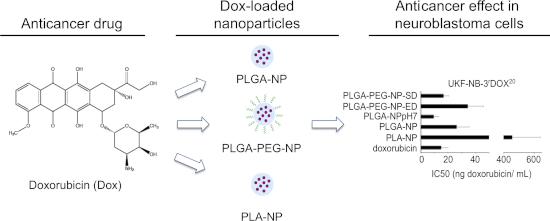
- targeting can be achieved via the enhanced permeability and retention (EPR) effect, which is the consequence of increased leakiness of the tumour vasculature and a lack of lymph drainage [4]. Nano-sized drug carrier systems can also prolong the circulation time of anticancer drugs, protect them from





Synthesis and potent cytotoxic activity of a novel diosgenin derivative and its phytosomes against lung cancer cells
Beilstein J. Nanotechnol. 2019, 10, 1933–1942, doi:10.3762/bjnano.10.189
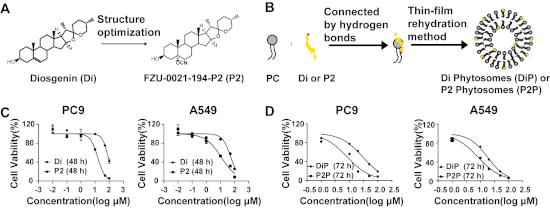
- targeted drug delivery to tumors. These nanoparticles can passively accumulate in tumors via enhanced permeability and retention (EPR) effect, thus decreasing the toxicity of nonselective bio-distribution [27]. Considering the advantages of liposomes as a drug delivery system for chemotherapeutic drugs and



Engineered superparamagnetic iron oxide nanoparticles (SPIONs) for dual-modality imaging of intracranial glioblastoma via EGFRvIII targeting
Beilstein J. Nanotechnol. 2019, 10, 1860–1872, doi:10.3762/bjnano.10.181
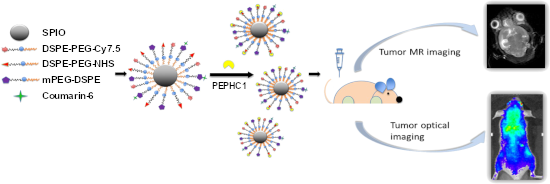
- accumulate in tumor tissue under the influence of enhanced permeability and retention (EPR) as previously discussed in the literature [43][44]. The zeta potential of the NPs and PNPs was found to be around −35.6 mV and −26.2 mV, respectively. The less negative value of the PNP zeta potential as compared to




Processing nanoporous organic polymers in liquid amines
Beilstein J. Nanotechnol. 2019, 10, 1844–1850, doi:10.3762/bjnano.10.179
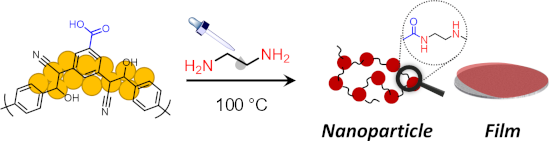
- advantage for favorable interaction toward target sorbate molecules. A control in thickness and composition of the film should also be achieved when varying the type and the concentration of nanoporous polymers, which will affect the permeability and selectivity of polymer films for adsorption applications



Microfluidic manufacturing of different niosomes nanoparticles for curcumin encapsulation: Physical characteristics, encapsulation efficacy, and drug release
Beilstein J. Nanotechnol. 2019, 10, 1826–1832, doi:10.3762/bjnano.10.177
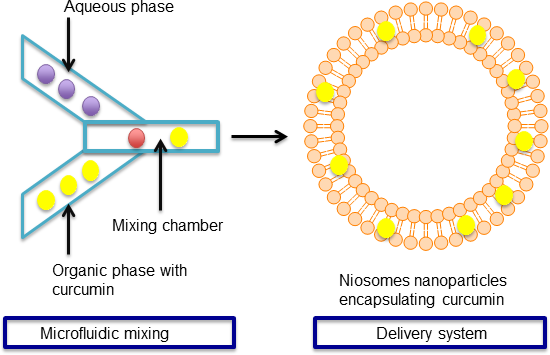
- have been proposed as carriers for curcumin to enhance its distribution and permeability [4]. Different types of nanoparticles have been investigated for curcumin delivery in order to prolong the plasma circulation time and enhance the localization of the drug in the target tissues while reducing the


TiO2/GO-coated functional separator to suppress polysulfide migration in lithium–sulfur batteries
Beilstein J. Nanotechnol. 2019, 10, 1726–1736, doi:10.3762/bjnano.10.168
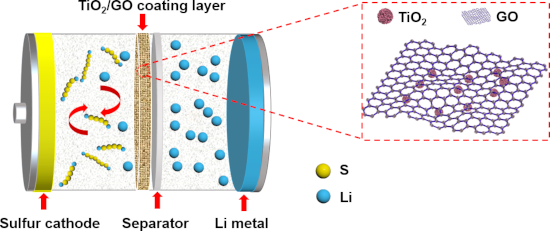
- EIS spectra of the TiO2/GO-coated separator batteries indicates that the presence of the TiO2/GO interlayer hindered the movement of polysulfides and thereby enhanced the utilization of the active material by reducing the shuttle effect. The permeability of polysulfides through both membranes was


Novel hollow titanium dioxide nanospheres with antimicrobial activity against resistant bacteria
Beilstein J. Nanotechnol. 2019, 10, 1716–1725, doi:10.3762/bjnano.10.167
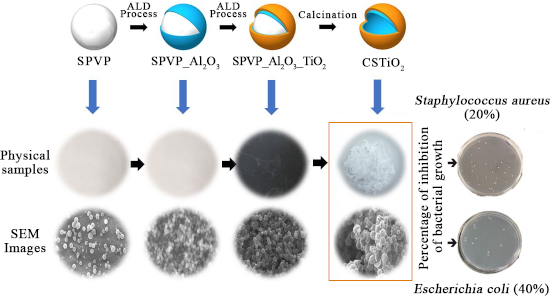
- , such as reduced cell permeability, target overproduction and protection [47]. As Table 1 shows, the concentration of the strongest antibiotics commonly used against these bacteria were in the range of 25–150 µg mL−1. In general, CSTiO2 exhibited higher antibacterial capacity against Gram-negative


Magnetic segregation effect in liquid crystals doped with carbon nanotubes
Beilstein J. Nanotechnol. 2019, 10, 1464–1474, doi:10.3762/bjnano.10.145
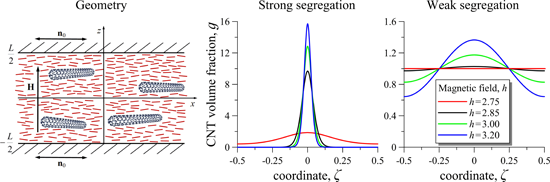
- CNTs, μ0 is the magnetic permeability of the vacuum, Wp is the surface anchoring energy density of the NLC matrix and CNTs, v and d are the volume and transverse diameter of the CNTs, f(r) is the local volume fraction of CNTs in the suspension, kB is the Boltzmann constant, T is the temperature. The


Scavenging of reactive oxygen species by phenolic compound-modified maghemite nanoparticles
Beilstein J. Nanotechnol. 2019, 10, 1073–1088, doi:10.3762/bjnano.10.108
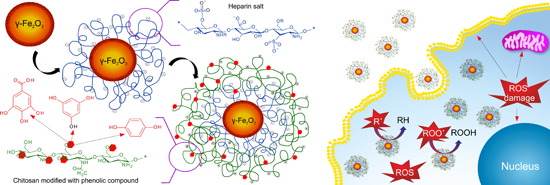
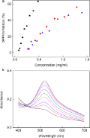
- aqueous γ-Fe2O3 colloid (4.4 mg/mL) at 260 K. The inset shows the magnetization curves of all colloids normalized by the nanoparticle weight. (d) Temperature dependence of the magnetization of the γ-Fe2O3@Hep-CS-G colloid. H is the applied magnetic field, and μ0 is the magnetic permeability of vacuum





Influence of dielectric layer thickness and roughness on topographic effects in magnetic force microscopy
Beilstein J. Nanotechnol. 2019, 10, 1056–1064, doi:10.3762/bjnano.10.106
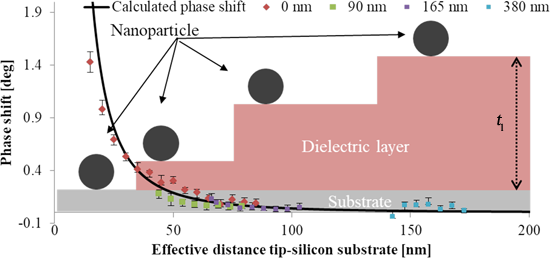
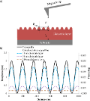
- magnetized sphere [20][22][23]: where Q is the quality factor of the cantilever, k is the spring constant, µ0 is the vacuum permeability, mp is the magnetic moment of the nanoparticle, mtip is the magnetic moment of the tip, and a is the distance between the two dipoles and is shown schematically in Figure 5




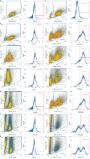
![[Graphic 2]](/bjnano/content/inline/2190-4286-10-106-i7.svg?max-width=637&scale=1.18182) ; black line) and measured phase shift for single nanoparticles with 10 ± 2 nm diameter...
; black line) and measured phase shift for single nanoparticles with 10 ± 2 nm diameter...


Effects of gold and PCL- or PLLA-coated silica nanoparticles on brain endothelial cells and the blood–brain barrier
Beilstein J. Nanotechnol. 2019, 10, 941–954, doi:10.3762/bjnano.10.95
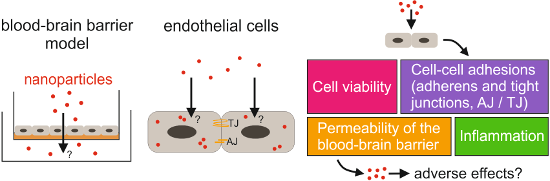
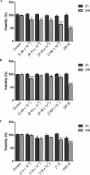
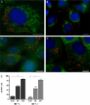
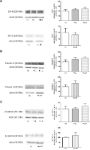
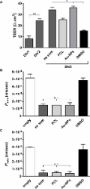
- , differentiation, nor did it induce inflammation. rBCEC4 cells showed blood–brain barrier characteristics including tight junctions. None of the nanoparticles altered the expression of tight junctions or impaired the blood–brain barrier permeability. The findings suggest that effects of these nanoparticles on the
- co-culture with SH-SY5Y cells were not affected by exposure to PEGylated Au-NPs [24]. Similar results were reported by Trickler et al. using Au-NPs in both a rat and a porcine model of the BBB. Smaller Au-NPs, however, increased the BBB-permeability in the rBMEC monolayer but not the pBMEC monolayer
- blood–brain barrier permeability rBCEC4 cells were grown on filter insert membranes to allow for the investigation of NP effects on BBB permeability. The transport of two tracers across the cell monolayer and transendothelial electrical resistance (TEER) were measured. TEER measurements showed a



Ceria/polymer nanocontainers for high-performance encapsulation of fluorophores
Beilstein J. Nanotechnol. 2019, 10, 522–530, doi:10.3762/bjnano.10.53
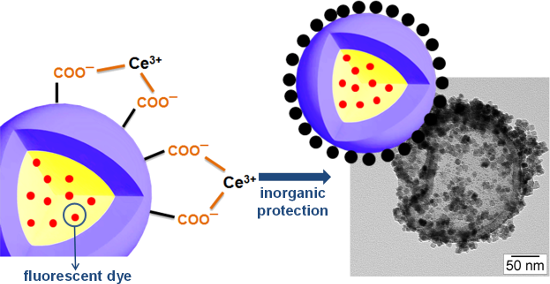
- materials. The core–shell structure of the hybrid organic–inorganic nanoparticles allows for the independent molecular design of each part. For instance, the oxygen permeability of the shell material can be lowered drastically by using semicrystalline nanocellulose [31]. Furthermore, a bovine serum albumin
- oxygen. In our case, during the encapsulation of TDI molecules the molecular oxygen present in the external environment (e.g., in the water phase) can enter into already formed polymer nanocapsules due to the permeability of the thin polymer shell. Thus, singlet oxygen is created by the process of


Nanocomposite–parylene C thin films with high dielectric constant and low losses for future organic electronic devices
Beilstein J. Nanotechnol. 2019, 10, 428–441, doi:10.3762/bjnano.10.42
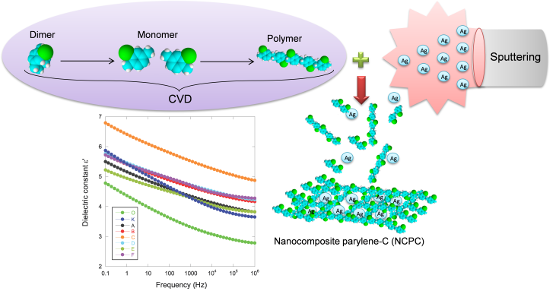
- ][22]. Parylene C is highly corrosion resistant on metallic surfaces and possesses outstanding electrical insulation with high tensile strength, moderate dielectric losses [16][23] and low permeability to gases [24][25]. Hydrophobicity [26] and physical stability [27] of parylene C make it a good




Targeting strategies for improving the efficacy of nanomedicine in oncology
Beilstein J. Nanotechnol. 2019, 10, 168–181, doi:10.3762/bjnano.10.16
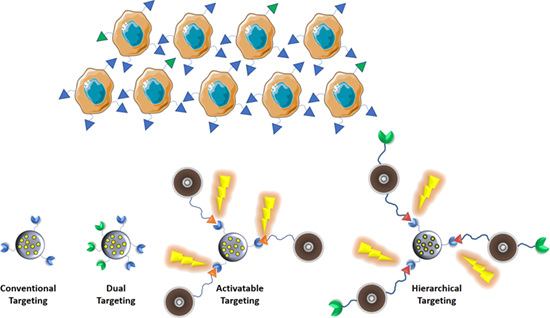
- cannot leave the tissue resulting in accumulation over long periods of time. These two characteristics, the high permeability of tumoral blood vessels and the lack of an efficient drainage system are responsible for the accumulation of the nanoparticles into neoplastic tissues. Unfortunately, the EPR


Size limits of magnetic-domain engineering in continuous in-plane exchange-bias prototype films
Beilstein J. Nanotechnol. 2018, 9, 2968–2979, doi:10.3762/bjnano.9.276
- bombarded and non-bombarded regions individually. Here, γ ≈ 0.577 is the Euler constant, μ0 = 4π × 10−7 N·A−2 is the vacuum permeability, and tf is the thickness of the FM layer. The saturation magnetization Ms as a function of the ion dose was measured in [35] for a similar material system (Ms,NB = 1226
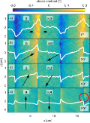


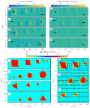


![[Graphic 63]](/bjnano/content/inline/2190-4286-9-276-i63.svg?max-width=637&scale=1.18182) .
. ![[Graphic 64]](/bjnano/content/inline/2190-4286-9-276-i64.svg?max-width=637&scale=1.18182) is the angle between the domain wall (DW) normal vector
is the angle between the domain wall (DW) normal vector ![[Graphic 65]](/bjnano/content/inline/2190-4286-9-276-i65.svg?max-width=637&scale=1.18182) and the local unidirectio...
and the local unidirectio...
Hybrid Au@alendronate nanoparticles as dual chemo-photothermal agent for combined cancer treatment
Beilstein J. Nanotechnol. 2018, 9, 2947–2952, doi:10.3762/bjnano.9.273
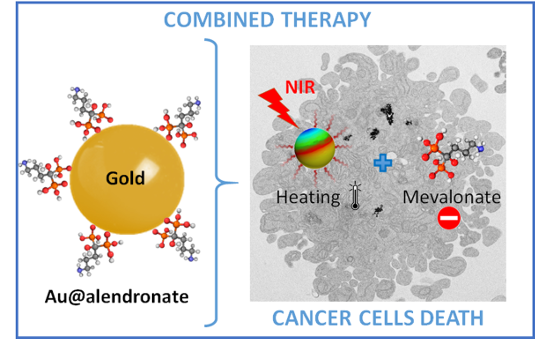
- efficient antitumor activity of Au@alendronate NPs through combining drug delivery in the form of a nanoplatform carrying alendronate and photothermal therapy. Indeed, Au@alendronate NPs will accumulate within cells because of the enhanced permeability retention effect: An enhanced permeability of blood


Time-resolved universal temperature measurements using NaYF4:Er3+,Yb3+ upconverting nanoparticles in an electrospray jet
Beilstein J. Nanotechnol. 2018, 9, 2916–2924, doi:10.3762/bjnano.9.270
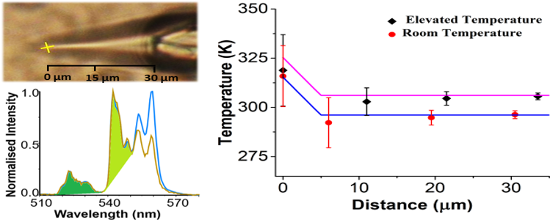
- permittivity and permeability of water, l is an integer, and a is the radius of the WGM cavity [39][40]. The plot of wavenumbers of WGM peaks vs as a function of l + 1/2 is shown in Figure 6B. The slope from a linear fit is used to calculate the cavity radius of 2.87 ± 0.02 μm. The Q-factor of the WGM cavity


Layered calcium phenylphosphonate: a hybrid material for a new generation of nanofillers
Beilstein J. Nanotechnol. 2018, 9, 2906–2915, doi:10.3762/bjnano.9.269
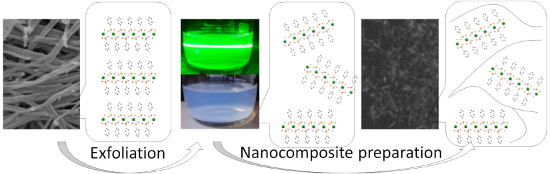
- influence the barrier properties of polymer films. In the case of CaPhP, the permeability of the epoxy film with 5% CaPhP (CaPhP_ a_5) as a filler for H2, CO2, He and CH4 was measured and the results were 21.02, 4.28, 13.55 and 4.85 Barrer, respectively (Table 2). This implies that the highest permeability
- was for H2 and the smallest for CO2. The addition of the filler increased the permeability for both these gases. In the case of hydrogen, it was approximately four times higher and in the case of CO2 even 5.6 times higher in comparison to the pristine epoxy film. Flammability Phosphorus containing
- permeability measurements. The permeability of pristine epoxy film for He and CH4 were not measured. Supporting Information Supporting Information File 182: XRD patterns of exfoliated sample CaPhP_exf and XRD pattern of free film with exfoliated filler CaPhP_exf_0.5. The XRD patterns of exfoliated sample





