


Search results
Search for "physicochemical properties" in Full Text gives 215 result(s) in Beilstein Journal of Nanotechnology. Showing first 200.
Nanoarchitectonics of the cathode to improve the reversibility of Li–O2 batteries
Beilstein J. Nanotechnol. 2022, 13, 689–698, doi:10.3762/bjnano.13.61
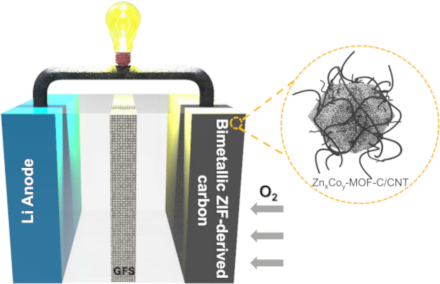
- blocked, resulting in a decrease of the electrochemical performance of LOBs [9]. In addition to the pore structure of the cathode, the morphology and physicochemical properties of Li2O2 directly affect the overpotential and round-trip efficiency of LOBs during cycling [10][11]. The morphologies and
- physicochemical properties of Li2O2 are reported to be dependent on many factors, including the pore structure of cathode. The electrical conductivity of the cathode is also essential for securing long-term cyclability as well as rate capability [12]. In this respect, various types of carbon materials have been
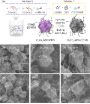
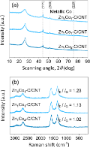
- as promising cathode materials for LOBs. The surface area and pore volume of the ZnxCoy–C/CNT composites could be controlled by adjusting the Zn/Co ratio during synthesis. The chemical composition of ZnxCoy particles directly affects their physicochemical properties such as BET surface area, pore


Antibacterial activity of a berberine nanoformulation
Beilstein J. Nanotechnol. 2022, 13, 641–652, doi:10.3762/bjnano.13.56
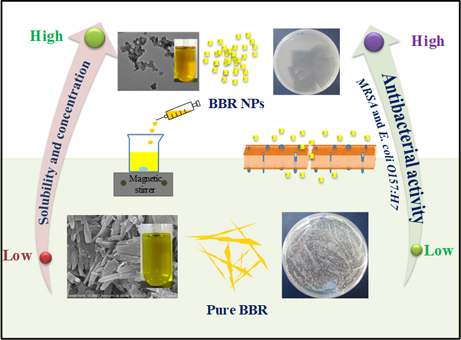
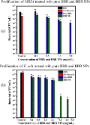
- of glycerol on the physicochemical properties of BBR NPs was investigated by UV–vis absorption and FTIR spectroscopy. The UV–vis absorption spectra of pure BBR and BBR NP solutions in distilled water at the same concentration are shown in Figure 1. Glycerol has no absorption band in the UV–vis
- BBR in a 2.0 mL Eppendorf tube containing 1.0 mL of distilled water. The tube was placed in an ultrasonic bath for 30 min at room temperature. Then, the BBR solution was centrifuged at a speed of 5000 rpm for 5 min. The supernatant liquid was withdrawn as saturated BBR solution. Physicochemical
- properties of BBR NPs UV–vis absorption spectra of the aqueous solutions of pure BBR and BBR NPs having the same concentration were measured in the wavelength range of 200–550 nm using a UV–vis spectrophotometer (6850 UV/Vis, Jenway). The chemical bonding characteristics of pure BBR powder and BBR NPs



Detection and imaging of Hg(II) in vivo using glutathione-functionalized gold nanoparticles
Beilstein J. Nanotechnol. 2022, 13, 549–559, doi:10.3762/bjnano.13.46
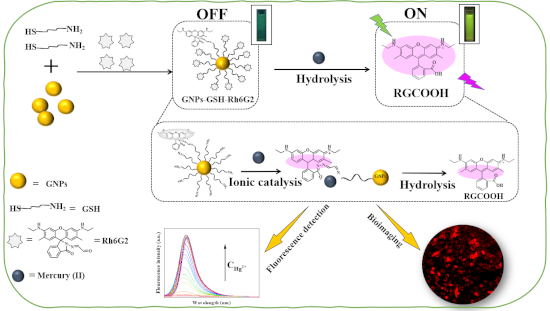
- cancer cells. In another work, Basu et al. designed a novel sensing system using DNA-functionalized GNPs. GNPs have a strong binding affinity to phosphate and sugar groups in DNA [20]. The combined GNPs-DNA has unique physicochemical properties and was used to detect Mg2+. Furthermore, Liu et al


Stimuli-responsive polypeptide nanogels for trypsin inhibition
Beilstein J. Nanotechnol. 2022, 13, 538–548, doi:10.3762/bjnano.13.45
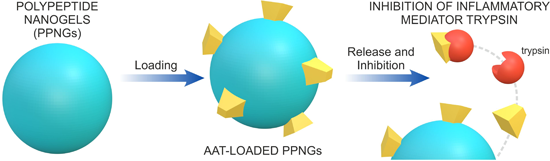
- -responsive behavior of the nanogels As the formed polypeptides are polyelectrolytes, their stimuli-responsive behavior was studied [26]. Here, biocompatible and biodegradable PHEG-Tyr and biocompatible Nα-Lys-NG were incubated at different pH values and temperatures to study their physicochemical properties


Ethosomal (−)-epigallocatechin-3-gallate as a novel approach to enhance antioxidant, anti-collagenase and anti-elastase effects
Beilstein J. Nanotechnol. 2022, 13, 491–502, doi:10.3762/bjnano.13.41
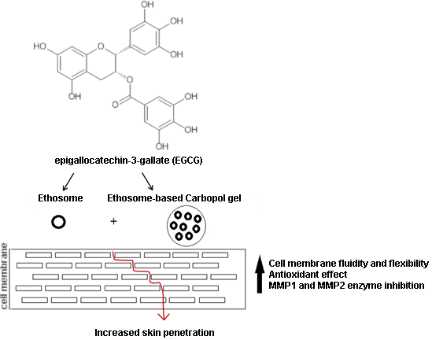
- at 4 °C (correlation coefficient, r2 = 0.994) and 22 days at 25 °C (r2 = 0.991), respectively. In ETHGs, it was determined that the gel was transparent at 4 °C, and transparent/yellowish at 25 °C, ± 60% relative humidity. The gel system showed good physicochemical properties at both 4 and 25 °C. The



Micro- and nanotechnology in biomedical engineering for cartilage tissue regeneration in osteoarthritis
Beilstein J. Nanotechnol. 2022, 13, 363–389, doi:10.3762/bjnano.13.31
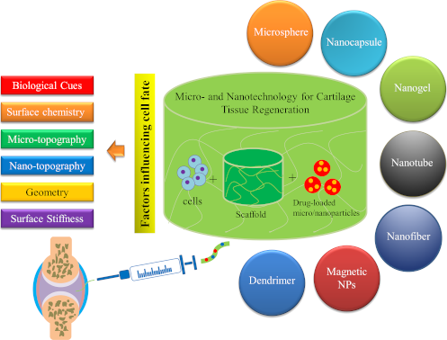
- carbon, silicon, boron, and halloysite clay sheets and possess unique physicochemical properties. Among nanotube structures, much attention has been paid to carbon nanotubes (CNTs) because of their excellent mechanical and tensile strength properties, thermal and electrical conductivity, and high surface


Engineered titania nanomaterials in advanced clinical applications
Beilstein J. Nanotechnol. 2022, 13, 201–218, doi:10.3762/bjnano.13.15
- . The advancement of this novel inorganic nanomaterial in theranostic nanomedicine might lead to an era of technology that can be used in real-world clinical settings. Review Effect of physicochemical properties of TiO2 on biocompatibility Biocompatibility is considered as one of the most important
- considered as a valuable antimicrobial agent due to its photocatalytic activity and self-cleaning properties. Several factors might affect the physicochemical properties of TiO2 nps. Crystal structure and shape are the most critical factors responsible for their antimicrobial property [76]. TiO2 has


Theoretical understanding of electronic and mechanical properties of 1T′ transition metal dichalcogenide crystals
Beilstein J. Nanotechnol. 2022, 13, 160–171, doi:10.3762/bjnano.13.11
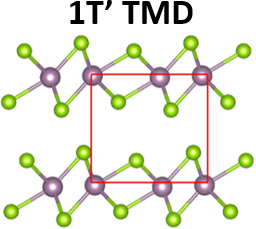
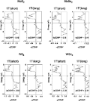
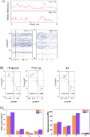
- of layered 1T′ TMD crystals have rarely been studied. As TMD monolayers do not have interlayer interactions, their physicochemical properties will differ from those of layered TMD materials. In this study, the electronic and mechanical characteristics of a range of 1T′ TMDs are systematically



A comprehensive review on electrospun nanohybrid membranes for wastewater treatment
Beilstein J. Nanotechnol. 2022, 13, 137–159, doi:10.3762/bjnano.13.10
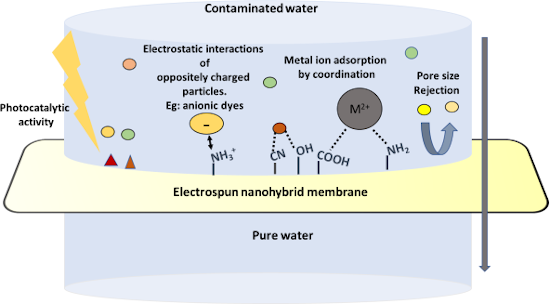
- different physicochemical properties of the solvents, such as the electrical conductivity, inherent viscosity of the polymers, and the difference of solubility parameters of the solvent and the polymer [36]. Moreover, they have reported that entanglement concentrations of the polymers varied significantly




Tin dioxide nanomaterial-based photocatalysts for nitrogen oxide oxidation: a review
Beilstein J. Nanotechnol. 2022, 13, 96–113, doi:10.3762/bjnano.13.7
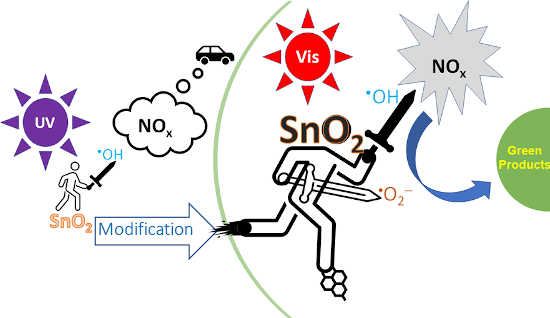
- [47]. Surface and defect states Structural defects and lattice imperfections usually bestow most of the properties exploited for applications of SnO2 materials as they influence various physicochemical properties and reactions on the surface. Most important are defect states of materials, including


Sputtering onto liquids: a critical review
Beilstein J. Nanotechnol. 2022, 13, 10–53, doi:10.3762/bjnano.13.2
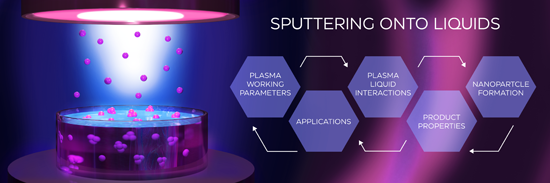
- position [42][47]. In the case of the SoL process, the abovementioned contributions may also impact the liquid temperature but also its physicochemical properties as plasma electrons, ions, and radiation may induce, for example, bond breaking in the liquid molecules. In Figure 5, we report some of our
- presence of a temperature gradient might influence the physicochemical properties of the host liquid and the transport of matter inside the liquid medium. It is possible to sputter two or more elements simultaneously by setting up the sputtering apparatuses identical to the one presented in Figure 3 with
- gauge, the electric power supply, and the gas inlets. Sputtering processes have been studied and developed for a long time [7][8] and have been implemented in the coating industry to deposit nanometer-scale films onto various solid substrates. Such functional coatings must have tailored physicochemical






Chemical vapor deposition of germanium-rich CrGex nanowires
Beilstein J. Nanotechnol. 2021, 12, 1365–1371, doi:10.3762/bjnano.12.100
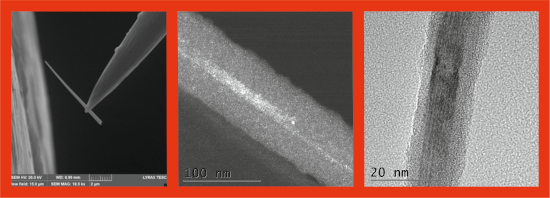
- even replace them due to their better physicochemical properties. However, while research on plenty of metal silicides is already underway, we are only at the beginning with germanides. For example, CuSix has been studied extensively for some time. There is even an important application of copper



Self-assembly of Eucalyptus gunnii wax tubules and pure ß-diketone on HOPG and glass
Beilstein J. Nanotechnol. 2021, 12, 939–949, doi:10.3762/bjnano.12.70
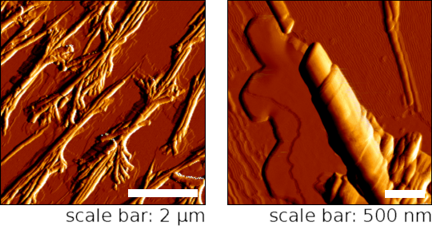
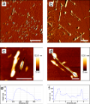
- used to study their recrystallization by SEM and AFM. Experimental Substrates used for recrystallization Recrystallization experiments of a wax solution and a ß-diketone solution were done on two substrates with different physicochemical properties. Glass microscope coverslips were used as polar




The role of deep eutectic solvents and carrageenan in synthesizing biocompatible anisotropic metal nanoparticles
Beilstein J. Nanotechnol. 2021, 12, 924–938, doi:10.3762/bjnano.12.69
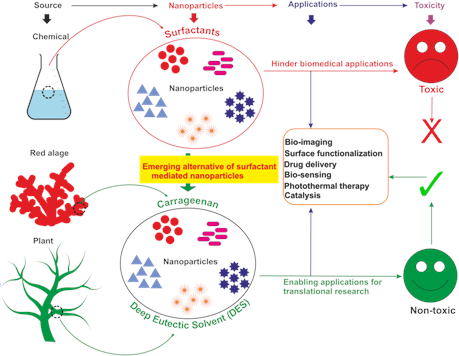
- in biomedical research is gaining attention due to their plasmonic/optical properties. However, in vitro cytotoxicity assessment of these nanomaterials is a prerequisite for further in vivo validation and subsequent clinical trials. The physicochemical properties of a nanoparticle such as size, shape
- nanoparticles than for spherical shapes. This is due to greater exposed surface area and more defects during crystal growth of anisotropic nanoparticles. Gold nanoparticles show tremendous potential in biomedical research due to unique optical and physicochemical properties and the inert nanoparticle core. The
- platinum, are showing excellent potential owing to their unique physicochemical properties. DESs were first used for synthesizing anisotropic gold nanoparticles with high monodispersity in a mixture of choline chloride and urea in 2008 by Sun and co-workers [27]. The anisotropy was driven using the mild


Comprehensive review on ultrasound-responsive theranostic nanomaterials: mechanisms, structures and medical applications
Beilstein J. Nanotechnol. 2021, 12, 808–862, doi:10.3762/bjnano.12.64
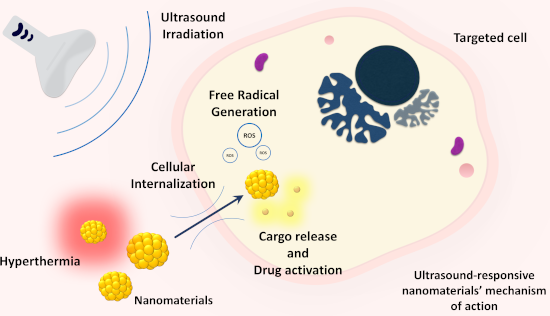
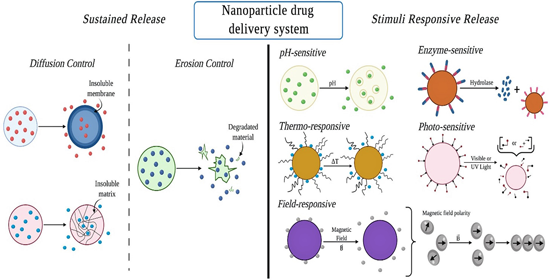
- materials that can undergo specific structural changes, for instance, protonation, cleavage, or conformational changes after exposure to certain stimuli which trigger the release of the cargo [3]. The physicochemical properties of these systems can be changed when triggered by environmental stimuli, such as


Physical constraints lead to parallel evolution of micro- and nanostructures of animal adhesive pads: a review
Beilstein J. Nanotechnol. 2021, 12, 725–743, doi:10.3762/bjnano.12.57
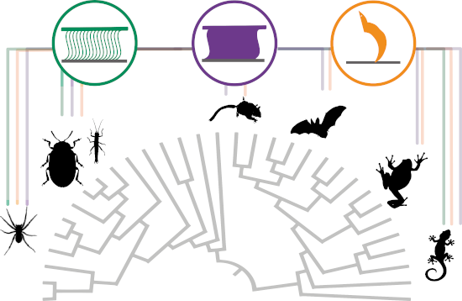
- affinity to substrata with various physicochemical properties (hydrophilic and hydrophobic). In other words, the fluid may be a kind of coupling agent, promoting and strengthening the adhesion between otherwise incompatible materials by providing the proximity of contact for intermolecular forces. At a


Fate and transformation of silver nanoparticles in different biological conditions
Beilstein J. Nanotechnol. 2021, 12, 665–679, doi:10.3762/bjnano.12.53
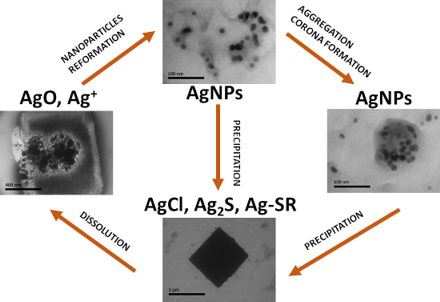
- Silver (nano) that insufficient data on AgNP physicochemical properties and toxicology in cosmetics hinder the health hazards caused by AgNPs [5]. Earlier, the Scientific Committee on Emerging and Newly Identified Health Risks (SCENIHR) raised questions on how different forms of Ag used in consumer and




Nanoporous and nonporous conjugated donor–acceptor polymer semiconductors for photocatalytic hydrogen production
Beilstein J. Nanotechnol. 2021, 12, 607–623, doi:10.3762/bjnano.12.50
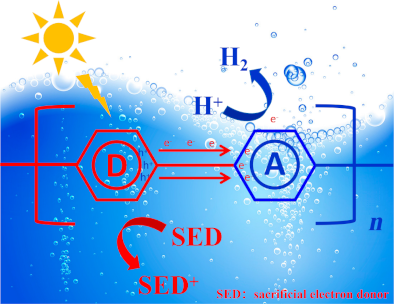
- multiple kind of acceptors, for example, D–A–A can improve the HER compared with simple D–A structures. (2) Incorporating heteroatoms, such as N, S, and O, into the polymer backbone can effectively modulate the physicochemical properties of the polymers. (3) Attaching side chains or functional groups, such




The preparation temperature influences the physicochemical nature and activity of nanoceria
Beilstein J. Nanotechnol. 2021, 12, 525–540, doi:10.3762/bjnano.12.43
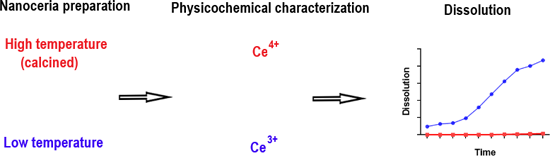
- engineered nanomaterials prepared by many methods that result in products with varying physicochemical properties and applications. Those used industrially are often calcined, an example is NM-212. Other nanoceria have beneficial pharmaceutical properties and are often prepared by solvothermal synthesis
- treatment of nanoceria can produce significant differences in solubility and surface cerium valence, which affect the biological and catalytic properties of nanoceria. Keywords: cerium; dissolution; nanoparticles; physicochemical properties; valence state; Introduction The long-term fate of engineered
- component, including cancer, radiation damage, bacterial infection, sepsis, wounds, stroke-induced ischemia, retinal degeneration, and neurodegenerative diseases [10]. Other reviews provide more information on nanoceria synthesis methods and the resulting physicochemical properties of the products as well




The impact of molecular tumor profiling on the design strategies for targeting myeloid leukemia and EGFR/CD44-positive solid tumors
Beilstein J. Nanotechnol. 2021, 12, 375–401, doi:10.3762/bjnano.12.31
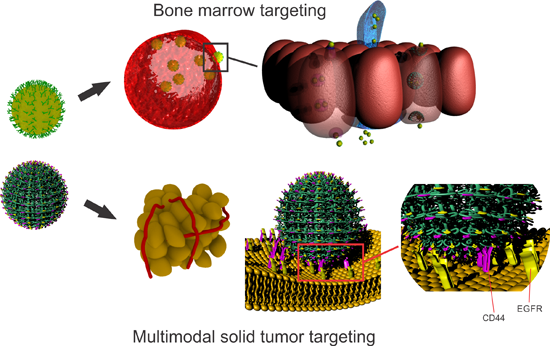
- without ligands, in a healthy murine model. Even though the authors reported an organ distribution of nearly 20% per gram in the BM, most of the porous silicon particles were entrapped in the spleen, liver, and lungs, because of their size and surface characteristics. In this case, the physicochemical
- properties of the carrier dominate the overall biological behavior of the NDDS, although some specificity was achieved through the employment of a specific targeting ligand. Strategies for targeting specific leukemia cells using NDDS: As discussed in the previous section, nanotechnology enables selective


Characterization, bio-uptake and toxicity of polymer-coated silver nanoparticles and their interaction with human peripheral blood mononuclear cells
Beilstein J. Nanotechnol. 2021, 12, 282–294, doi:10.3762/bjnano.12.23
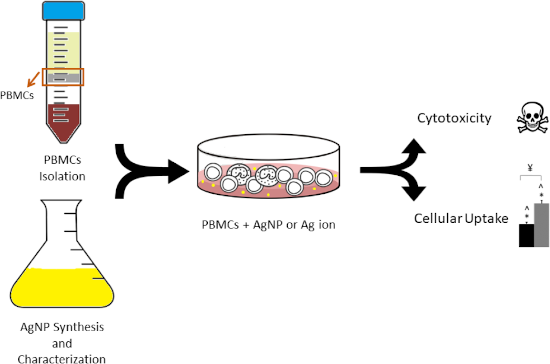
- nanoparticles; toxicity; uptake; Introduction Nanotechnology is a rapidly-growing industry that creates nanoscale products with novel physicochemical properties [1]. Nanoparticles (NPs) are particles with at least one dimension between 1 and 100 nm, which gives them unique properties for innovative



Differences in surface chemistry of iron oxide nanoparticles result in different routes of internalization
Beilstein J. Nanotechnol. 2021, 12, 270–281, doi:10.3762/bjnano.12.22
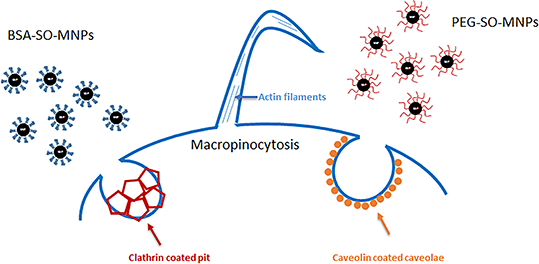
- -buffered saline (PBS). Basic physicochemical properties of surface-modified magnetite nanoparticles. Inhibitors of endocytosis and cytoskeleton dynamics. Supporting Information Supporting Information File 52: Expression of clathrin and caveolin, cytotoxicity of MNPs and endocytic inhibitors, time-lap



A review on the biological effects of nanomaterials on silkworm (Bombyx mori)
Beilstein J. Nanotechnol. 2021, 12, 190–202, doi:10.3762/bjnano.12.15
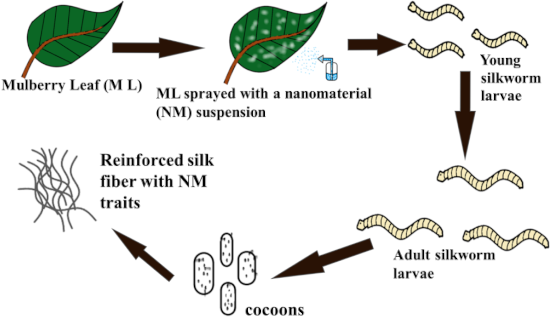
- their attractive physicochemical properties and their antimicrobial applications [142][143], and research reports have indicated that Ag NPs are lethal to bacteria and other pathogens [142][143][144][145]. Aside from the antimicrobial applications of Ag NPs, Govindaraju et al. [146] reported that an


The role of gold atom concentration in the formation of Cu–Au nanoparticles from the gas phase
Beilstein J. Nanotechnol. 2021, 12, 72–81, doi:10.3762/bjnano.12.6
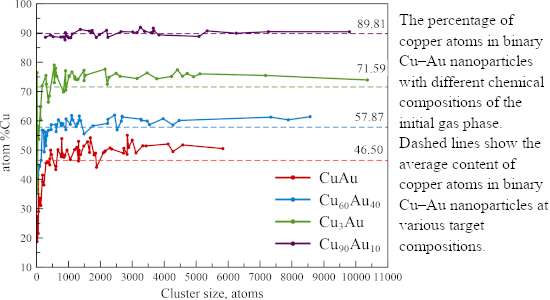
- oxidation of benzyl alcohol to benzaldehyde and in the epoxidation of propene with nitrous oxide. Moreover, in experimental and theoretical works [9], it was clearly shown that the partial substitution of copper with gold leads to a change in the physicochemical properties in many cases. For example, there
- formed under clear nonequilibrium conditions with a dependence on the physicochemical properties of the nanoparticle determined by its size. In this paper, we present the results of a computer simulation study of the condensation process of gold and copper atoms. For the modeling, we used the molecular


Unravelling the interfacial interaction in mesoporous SiO2@nickel phyllosilicate/TiO2 core–shell nanostructures for photocatalytic activity
Beilstein J. Nanotechnol. 2020, 11, 1834–1846, doi:10.3762/bjnano.11.165
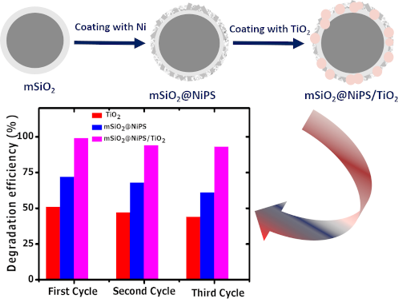
- nanostructures are attractive candidates for photocatalysis owing to their tunable physicochemical properties, their interfacial contact effects, and their efficacy in charge-carrier separation. This study reports, for the first time, on the synthesis of mesoporous silica@nickel phyllosilicate/titania (mSiO2





