


Search results
Search for "pressure" in Full Text gives 1097 result(s) in Beilstein Journal of Nanotechnology. Showing first 200.
Bioinspired nanofilament coatings for scale reduction on steel
Beilstein J. Nanotechnol. 2025, 16, 25–34, doi:10.3762/bjnano.16.3

- damage the coating visibly. Yet, most paintings and coatings will sustain damage when mechanically scratched. To evaluate shear stability under realistic operating conditions, we constructed a medium-temperature, medium-pressure, constant shear stress device (Figure 2A and Figure 2B). Our design is an
- coatings on steel were conducted under conditions relevant to oil production, which represents one of the most challenging applications for steel coatings. Specifically, the tests were performed in a 3 wt % toluene/water emulsion at a pressure of 70 bar and a temperature of 100 °C, with shear stresses at
- pressure is quickly released after 24 hours at 100 °C and 100 bar. The pressure is reduced to 50 bar over a period of five minutes and afterwards the pressure is reduced to ambient pressure over a period of ten minutes. Any blisters or cracks in the coating indicate delamination or mechanical failure. As


A nanocarrier containing carboxylic and histamine groups with dual action: acetylcholine hydrolysis and antidote atropine delivery
Beilstein J. Nanotechnol. 2025, 16, 11–24, doi:10.3762/bjnano.16.2

- added to the solution, and it was homogenized for 10 min in an ultrasonic bath. The solvent was then removed under reduced pressure. Then, solutions of Hist-RA (4 mM, 0.5 mL, PB, pH 8.5), CA-RA (8.8 mM, 0.5 mL, PB, pH 8.5), and BA (1.25 mM, 4 mL, PB, pH 8.5) were added, and then the synthesis was
- ) substituting Fl. Subsequently, polycondensation was carried out following the original procedure. After the polycondensation, the solution underwent dialysis for 1.5 h employing a dialysis bag with 12000 Da pores to eliminate unencapsulated Atr. The resulting dialysate was then distilled under reduced pressure
- . %EE was calculated as 60%. Then, the polymer particles containing encapsulated Atr (Atr@p(Hist-CA)) were mixed with ACh (5 mM) before undergoing another round of dialysis for 1 h. The dialysate was once again removed under reduced pressure, and the amount of Atr released in response to ACh was


Orientation-dependent photonic bandgaps in gold-dust weevil scales and their titania bioreplicates
Beilstein J. Nanotechnol. 2025, 16, 1–10, doi:10.3762/bjnano.16.1
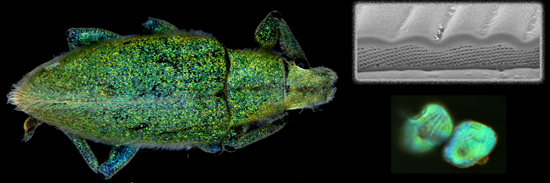
- , Watford, UK). The settings were: sputter time 120 s, current 40 mA, and background pressure 0.08 mbar. Cross-sectional images of single scales were recorded using a focused ion beam scanning electron microscope (Scios2, Thermo Fisher Scientific, Waltham, MA, USA) using an Everhart–Thornley detector and an
- settings were: etching time 36 min, power 50 W, argon pressure 0.9 mbar. Negative titania replicas were fabricated from the etched scales using a sol–gel chemistry protocol modified from ([24]). Briefly, titania sol was synthesized by adding 2 mL of hydrolyzed titanium ethoxide to a pre-mixed solution


Mechanistic insights into endosomal escape by sodium oleate-modified liposomes
Beilstein J. Nanotechnol. 2024, 15, 1667–1685, doi:10.3762/bjnano.15.131




Fabrication of hafnium-based nanoparticles and nanostructures using picosecond laser ablation
Beilstein J. Nanotechnol. 2024, 15, 1639–1653, doi:10.3762/bjnano.15.129
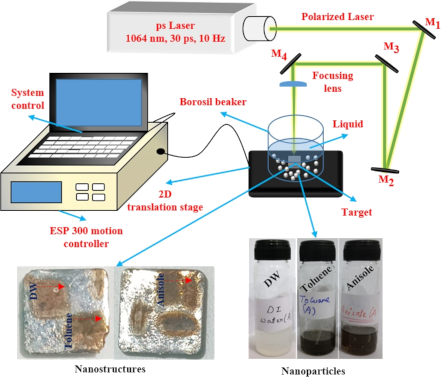
- liquid medium. The target material absorbs the pulse energy via the electrons. It transfers it to the lattice, which expulses the surface material as a plasma plume confined because of the pressure created by the surrounding liquid [16][20][23][24]. A cavitation bubble is formed as the energy is
- of the surrounding H2O molecules due to the laser energy [23][24][40]. This leads to the reaction of oxygen with Hf4+ ions in the plasma plume formed during the ablation [16][20][23][24][41], leading to the formation of hafnium oxide vapour as the plasma decays. As the pressure of the surrounding
- liquid exceeds the vapour pressure exerted by HfO2, the cavitation bubble collapses, and the vapour rushes through the liquid in the form of a jet [23][24][41]. The lower temperature of the surrounding liquid leads to the formation of nuclei [23][42][43] with random crystallographic orientation, which




Heterogeneous reactions in a HFCVD reactor: simulation using a 2D model
Beilstein J. Nanotechnol. 2024, 15, 1627–1638, doi:10.3762/bjnano.15.128
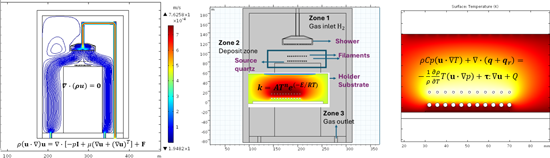
- process and the properties of the films, with the most important parameters being substrate temperature, gas pressure, species concentration, and flow velocity [1]. The structural, optical, and electrical properties of the SiOx, more generally known as silicon-rich oxide (SRO), films are determined by the
- ]. Also, modeling of CVD microreactors at atmospheric pressure using tetraethyl orthosilicate as a source to obtain SiO2 has been achieved through computational fluid dynamics (CFD) simulations [22]. The gas-phase and surface reactions were analyzed using direct Monte Carlo simulations of a hot wire
- chemical vapor deposition reactor for the growth of polycrystalline SiO2 [23]. Most of these models describe CVD reactors at low pressure and low temperature, but there are not enough models regarding CVD systems at high temperature (>800 K) and high pressure (atmospheric pressure). In this investigation


Natural nanofibers embedded in the seed mucilage envelope: composite hydrogels with specific adhesive and frictional properties
Beilstein J. Nanotechnol. 2024, 15, 1603–1618, doi:10.3762/bjnano.15.126
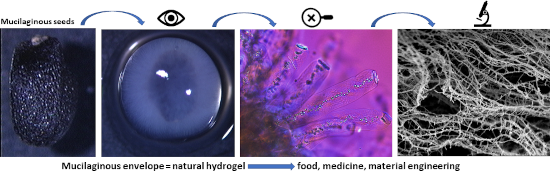
- structure. This technique is very effective for sample imagining in TEM and SEM [7][41][67][68]. CPD minimises the negative pressure differences during drying. The comparison of CPD and air-drying techniques of plant material, for example, parenchymatic cells [69] and the mucilage envelope [7][13], clearly


Ultrablack color in velvet ant cuticle
Beilstein J. Nanotechnol. 2024, 15, 1554–1565, doi:10.3762/bjnano.15.122

- different magnifications, starting at 15,000× and adjusted as needed. Transmission electron microscopy (TEM) TEM was utilized to examine the internal cuticle morphology at high resolution at a nanometer scale. The apparatus was configured to operate at 50 kV with a minimum vacuum column pressure of 5.10



Electrochemical nanostructured CuBTC/FeBTC MOF composite sensor for enrofloxacin detection
Beilstein J. Nanotechnol. 2024, 15, 1522–1535, doi:10.3762/bjnano.15.120
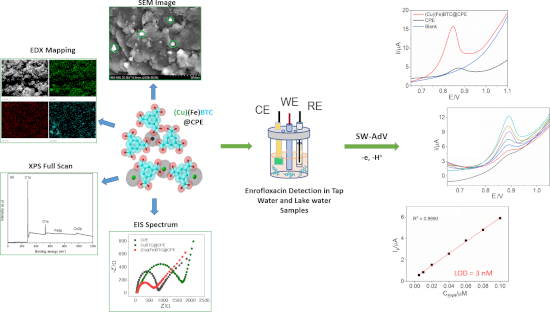
- isotherm for (Cu)(Fe)BTC shows rapid adsorption of nitrogen in the low-pressure range (P/P0 < 0.1), suggesting a predominance of micropores [36]. Surface area, pore volume, and capillary diameters of the (Cu)(Fe)BTC sample are 1147 m2/g, 0.544 cm3/g, and 1.50 and 1.90 nm, respectively. Total pore volume





Strain-induced bandgap engineering in 2D ψ-graphene materials: a first-principles study
Beilstein J. Nanotechnol. 2024, 15, 1440–1452, doi:10.3762/bjnano.15.116
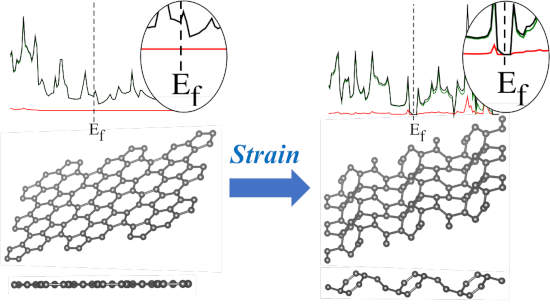
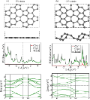
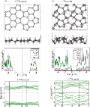
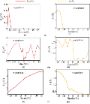
- unchanged under the influence of mechanical strain, preserving its initial characteristic of having a direct bandgap. This behavior offers opportunities for these materials in various vital applications in photodetectors, solar cells, LEDs, pressure and strain sensors, energy storage, and quantum computing
- that remains unchanged under mechanical strain. This outcome offers various critical applications of ψ-graphane in photodetectors, solar cells, LEDs, pressure and strain sensors, energy storage, and quantum computing. The mechanical strain tolerance of pristine and fully hydrogenated ψ-graphene is


Ion-induced surface reactions and deposition from Pt(CO)2Cl2 and Pt(CO)2Br2
Beilstein J. Nanotechnol. 2024, 15, 1427–1439, doi:10.3762/bjnano.15.115

- occurs at ≈1 mC/cm2 in Figure 5. Figure 6 and Figure S5 (Supporting Information File 1) show the results of experiments where a Si substrate was exposed to a constant partial pressure of Pt(CO)2Cl2 and a steady Ar+ flux of 5 nA at an incident energy of 800 eV. These conditions represent a situation that
- describes the typical deposition of structures by IBID, one where a substrate is exposed to a constant partial pressure of the precursor in the presence of simultaneous ion irradiation. Initial experiments resulted in Pt deposits that were not sufficiently thick to analyze with XPS or AES. To address this
- used as a precursor for creating pure Pt films during FIBID. However, using Pt(CO)2X2 as precursors for depositing nanostructures by means of FIBID will require gas injection systems that can be heated sufficiently to maintain a reasonable precursor partial pressure during deposition. Thus, the AES and



Lithium niobate on insulator: an emerging nanophotonic crystal for optimized light control
Beilstein J. Nanotechnol. 2024, 15, 1415–1426, doi:10.3762/bjnano.15.114
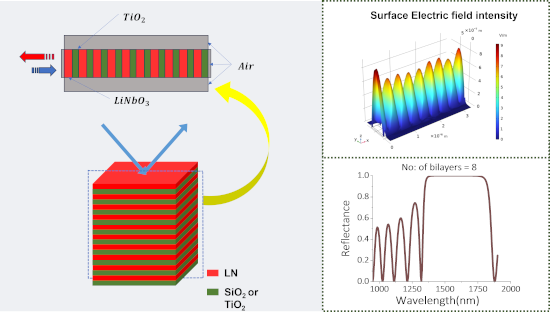
- implantation, the wafer is bonded to a SiO2 (or TiO2) substrate using direct bonding techniques, which involves bringing the surfaces into close contact and applying pressure or heat to form a strong bond. The wafer is then subjected to thermal annealing, which activates the splitting process along the


Nanotechnological approaches for efficient N2B delivery: from small-molecule drugs to biopharmaceuticals
Beilstein J. Nanotechnol. 2024, 15, 1400–1414, doi:10.3762/bjnano.15.113

- techniques to overcome the BBB can be invasive and noninvasive. As part of the invasive methods, disruption of the BBB with osmotic pressure and intrathecal delivery have been proposed [16]. As examples of noninvasive methods, intranasal drug delivery and bypassing the BBB by nanoparticles can be counted


Various CVD-grown ZnO nanostructures for nanodevices and interdisciplinary applications
Beilstein J. Nanotechnol. 2024, 15, 1390–1399, doi:10.3762/bjnano.15.112
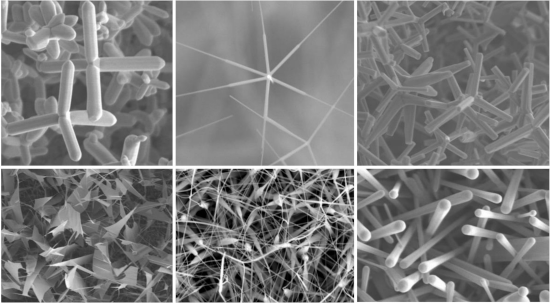
- annealing Zn powder under atmospheric pressure conditions, we collected nanocrystals with various morphologies, including rods, pencils, sheets, combs, tetrapods, and multilegs. Raman scattering study reveals that the samples are monophasic with a hexagonal structure, and fall into the P63mc space group
- centre of a horizontal quartz tube furnace, see [37] for more detail. The furnace tube was also connected with a gas line and a rotary vacuum pump oil. Before the growth, air was sucked out of the tube by backfilling it with argon (Ar) gas, and then pumped out until the base pressure went to ≈2 × 10⁻³
- Torr. After that, the gas mixture of Ar/O2 ≈ 4:1 at a flow rate of ≈300 sccm was introduced and used as a transport gas, which ensured the growth condition to be at atmospheric pressure. The growth was executed at a temperature range of T = 600–700 °C. After growth for 6–10 h, the CVD system was cooled



A biomimetic approach towards a universal slippery liquid infused surface coating
Beilstein J. Nanotechnol. 2024, 15, 1376–1389, doi:10.3762/bjnano.15.111
- flood gun. Scans were collected with a takeoff angle of 55° at a pressure below 3 × 10⁻⁹ Torr. A pass energy of 187.5 eV with a step size of 0.8 eV was used for the survey scans, and the high resolution had a pass energy of 23.5 eV and a step size of 0.5 eV/step. Spectra were collected with an X-ray




Interaction of graphene oxide with tannic acid: computational modeling and toxicity mitigation in C. elegans
Beilstein J. Nanotechnol. 2024, 15, 1297–1311, doi:10.3762/bjnano.15.105
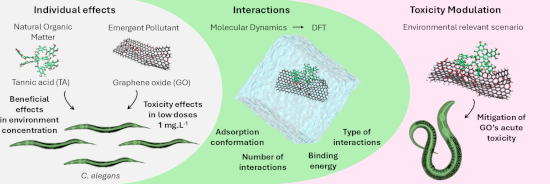
- temperature; for XPS, the suspensions were dripped on a silicon substrate. Computational methods MD simulations of interactions between TA and the GO surface were performed in LAMMPS, applying ReaxFF reactive force field [72]. MD simulations were conducted under constant pressure (P) and temperature (T), the


Mn-doped ZnO nanopowders prepared by sol–gel and microwave-assisted sol–gel methods and their photocatalytic properties
Beilstein J. Nanotechnol. 2024, 15, 1283–1296, doi:10.3762/bjnano.15.104
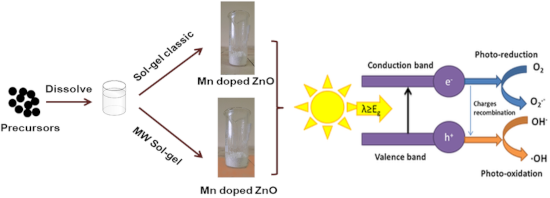
- vacuum before analysis. Specific surface areas (S-BET) were calculated according to the Brunauer–Emmett–Teller (BET) equation, using adsorption data in the relative pressure range between 0.05 and 0.30. The pore size distribution curves were obtained from the desorption data using the BJH (Barrett–Joyner


The role of a tantalum interlayer in enhancing the properties of Fe3O4 thin films
Beilstein J. Nanotechnol. 2024, 15, 1253–1259, doi:10.3762/bjnano.15.101

- ) substrate using RF magnetron sputtering. This was followed by the formation of a 5 nm thick layer of MgO. The Fe3O4 layers were applied using RF magnetron sputtering at a base pressure of 10−8 Torr, employing a flow of 33 sccm of Ar gas to maintain a stable plasma. The initially deposited films were
- annealed at a temperature of 723 K for a duration of 2 h under a base pressure of 2.3 × 10⁻⁸ Torr. The Fe3O4 films were analyzed regarding their surface morphology, magnetic properties, and structural properties using atomic force microscopy (EasyScan2, Nanosurf), vibration sample magnetometry (Quantum


Photocatalytic methane oxidation over a TiO2/SiNWs p–n junction catalyst at room temperature
Beilstein J. Nanotechnol. 2024, 15, 1132–1141, doi:10.3762/bjnano.15.92
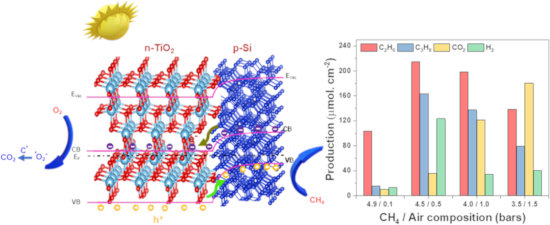
- result of the oxidative cross-coupling of methane and ethane (Figure 5a). The conversion reaction of CH4 can be described as follows: To evaluate the reaction ratio-dependent photocatalytic OCM efficiency, we varied the gas pressure ratios between CH4 and air. As shown in Figure 5b, more CO2 was
- (HAL-320). First, the reactor containing the photocatalytic thin film samples was evacuated using a vacuum pump for 10 min and filled with a mixture of CH4/air (4.5/0.5 pressure ratio). The pressure ratio of the gas mixture was varied to study gas composition-dependent efficiency. The total pressure of
- conditions (b) of the TiO2/SiNWs sample. Raman spectra of pure p-Si and Si NW (a), and the TiO2/SiNWs thin film (b). Photocatalytic CH4 oxidation as a function of irradiation time (a) and different CH4/air composition (b) over TiO2/SiNWs. Reaction conditions: TiO2/SiNWs chip (1 × 2 cm2), total pressure of 5


Local work function on graphene nanoribbons
Beilstein J. Nanotechnol. 2024, 15, 1125–1131, doi:10.3762/bjnano.15.91
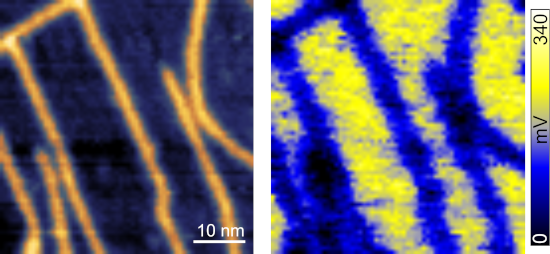
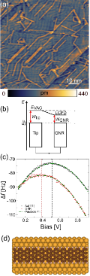
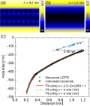
- -dependent measurements. Experimental The experiments were conducted in an Omicron VT-SFM system (base pressure 2 × 10⁻¹⁰ mbar). The Au(111) single crystal substrate (Mateck GmbH) was cleaned by repeated Ar ion sputtering–annealing cycles. The cleanliness of the samples was checked by SFM measurements. Then
- (f0 = 292 kHz, cL = 41 N/m) were used for imaging in the frequency modulation (FM) mode operated by a Nanonis electronic system. The tips were cleaned by sputtering (Ar pressure 5 × 10⁻³ Pa, energy 1 keV, 15 min) and annealing up to 375 K for 1–5 h (pressure below 1 × 10⁻⁷ Pa) prior to measurement

![[Graphic 1]](/bjnano/content/inline/2190-4286-15-91-i4.svg?max-width=637&scale=1.18182)
Direct electron beam writing of silver using a β-diketonate precursor: first insights
Beilstein J. Nanotechnol. 2024, 15, 1117–1124, doi:10.3762/bjnano.15.90

- compounds exist that feature sufficient vapor pressure and stability to be delivered into and used in a vacuum chamber. To date, only the class of carboxylates led to successful implementation, including both fluorinated and non-flourinated ligands [27]. The surprisingly high content of elemental silver
- density of silver particles with a transition to continuous silver towards the bottom. Similar non-uniform deposit structures were observed earlier. For pillar deposition of gold using Me2Au(acac) in a water atmosphere at about 1 Pa pressure, a solid metallic core surrounded by a carbon-rich shell was


Interface properties of nanostructured carbon-coated biological implants: an overview
Beilstein J. Nanotechnol. 2024, 15, 1041–1053, doi:10.3762/bjnano.15.85
- can reach 550 W·m−1·K−1 after sintering at high pressure [73]. Nevertheless, surface defects and the granular shape of the NDs represent boundaries for phonon transport reducing the thermal energy propagation [74]. Furthermore, the thermal conductivity of NDs increases with the increment of



Bolometric IR photoresponse based on a 3D micro-nano integrated CNT architecture
Beilstein J. Nanotechnol. 2024, 15, 1030–1040, doi:10.3762/bjnano.15.84
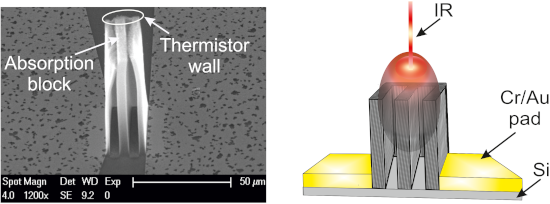
- absorption due to multiple absorption sites and can be integrated into array configurations for commercial applications. Our new designs were characterized at relatively low bias current, RT, and atmospheric pressure. It is noteworthy that the voltage responsivity of 30 V/W for sample 2 was already
- height, resulting in a larger resistance change and responsivity increase. CNT architectures with initially low thermal coupling at atmospheric pressure can reduce the thermal coupling to the environment in vacuum, leading to a significant improvement in bolometric photoresponse [24]. The first design of


Atomistic insights into the morphological dynamics of gold and platinum nanoparticles: MD simulations in vacuum and aqueous media
Beilstein J. Nanotechnol. 2024, 15, 995–1009, doi:10.3762/bjnano.15.81
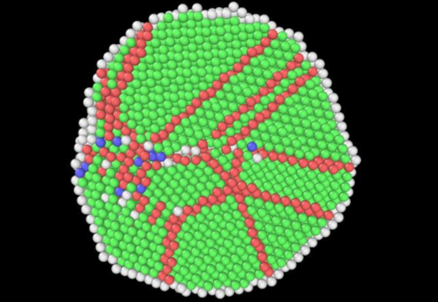
- stresses at the NP surface are crucial in phase transitions below a certain critical NP size [26]. Although it is understood that, qualitatively, the surface stress generates an effect comparable to an externally applied compressive pressure on the NP, a quantitative description is missing. While there


Beyond biomimicry – next generation applications of bioinspired adhesives from microfluidics to composites
Beilstein J. Nanotechnol. 2024, 15, 965–976, doi:10.3762/bjnano.15.79
- they are competing in a crowded market of existing technological solutions. Existing pressure-sensitive adhesives [6] are available in a wide range of tackiness, use cases, and temperatures; also, they are relatively inexpensive as they are usually designed for one-off uses. Hook and loop fasteners [7
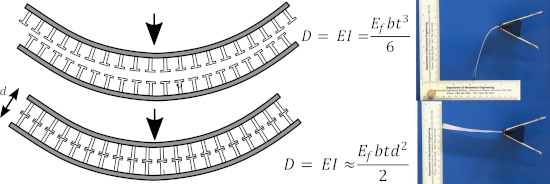
- film sheets combine under vacuum, offers more resilience and strength. However, vacuum jamming can present problems due to leaks, power consumption, noise from pumps, and the ultimate strength of the parts being limited by coefficients of friction and applied vacuum pressure. My interest in stiffness
- vacuum triggering) or locally (using positive pressure in geckofluidic channels) are also feasible. The utility of multiheight fibers, understood back in 2008 based on personal observations of spider foot hairs’ adhesion mechanisms, is that a biomimetic adhesive can remain in a default non-adhesive state





