Search results
Search for "purification" in Full Text gives 464 result(s) in Beilstein Journal of Nanotechnology. Showing first 200.
Design and characterization of polymeric microneedles containing extracts of Brazilian green propolis
Beilstein J. Nanotechnol. 2022, 13, 503–516, doi:10.3762/bjnano.13.42
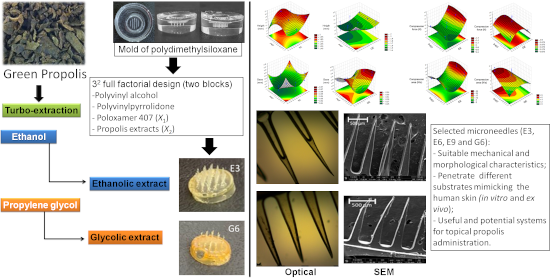
- , MI, USA). Purified water was obtained from a water purification system (Evoqua Water Technologies, Pittsburgh, PA, USA). Absolute ethanol was purchased from Anidrol (Sao Paulo, SP, Brazil). Preparation and characterization of PRP extracts Brazilian green propolis (PRP) was obtained from an apiary of


Alcohol-perturbed self-assembly of the tobacco mosaic virus coat protein
Beilstein J. Nanotechnol. 2022, 13, 355–362, doi:10.3762/bjnano.13.30
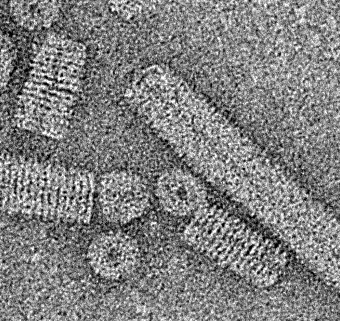
- solution conditions and alcohol content. Supporting Information Supporting Information features information on protein expression, purification, and characterization, as well as additional TEM images and DLS data. Supporting Information File 8: Additional experimental data. Funding This work was


Interfacial nanoarchitectonics for ZIF-8 membranes with enhanced gas separation
Beilstein J. Nanotechnol. 2022, 13, 313–324, doi:10.3762/bjnano.13.26
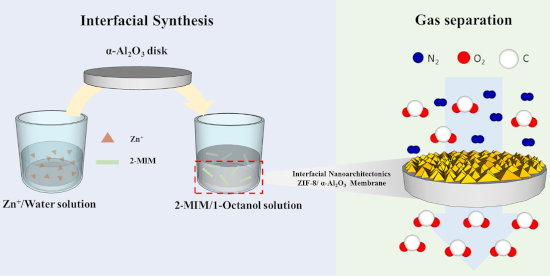
- mL) for 11 h for further purification. The beaker covered with parafilm was then placed in an oven at 45 °C for at least 12 h to dry the ZIF-8 membrane in saturated methanol vapor environment. Finally, the dried membrane was stored in a lyophilizer. Synthesis of ZIF-8 membranes via a counter


Piezoelectric nanogenerator for bio-mechanical strain measurement
Beilstein J. Nanotechnol. 2022, 13, 192–200, doi:10.3762/bjnano.13.14
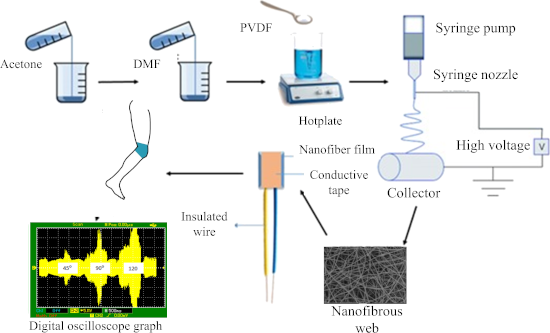
- (DMF) and acetone from Sigma-Aldrich were used as solvents without any further purification. A conductive tape was used to make electrodes. Knitted fabric was used for the integration of the nanofibrous mesh for human body angle measurement. Fabrication of the nanofibrous mesh and its characterization


A comprehensive review on electrospun nanohybrid membranes for wastewater treatment
Beilstein J. Nanotechnol. 2022, 13, 137–159, doi:10.3762/bjnano.13.10
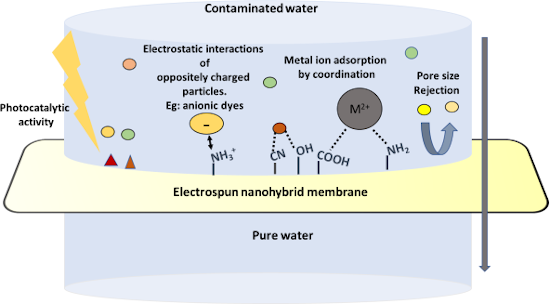
- discussed. Finally, an outlook on the future research pathways to fill the gaps existing in water remediation have been suggested. Keywords: electrospinning; environmental remediation; membrane technologies; nanohybrids; water purification; Review 1 Introduction Nanotechnology is a technique that exploits
- years for water purification and treatment. The basics of electrospinning, the limiting factors affecting electrospinning and the advantages of the ENH membranes in water treatment/purification over conventional membranes are highlighted. The application of ENHs in removing major pollutants and their
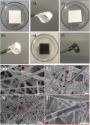
- purification and treatment. The electrospun membranes have shown potential to overcome the bottlenecks of conventional membranes used in water purification, fabricated by techniques such as phase inversion, sintering, stretching, and track-etching. For instance, sintering and stretching, which are commonly




Sputtering onto liquids: a critical review
Beilstein J. Nanotechnol. 2022, 13, 10–53, doi:10.3762/bjnano.13.2
- are suitable for the upscaled production due to poor reproducibility or difficult purification processes [4][5]. Indeed, some applications require the usage of components with specific purity. Purifying the colloidal solutions from the by-products is an additional, time-consuming, and expensive step
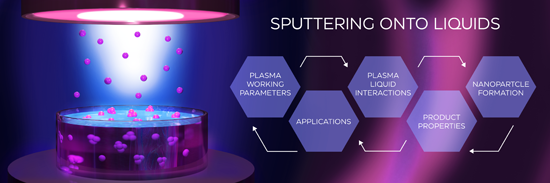
- in the production chain that might cause detrimental issues, for example, NP aggregation. In this respect, low-pressure plasma-based sputtering onto liquids (SoL) is a relatively new synthetic approach in which the purification step can be avoided. This technique is based on the sputtering of
- presence of undesired contaminants, such as fragments of biological materials, which require complicated, expensive, and time-consuming purification procedures. Bio-assisted methods can be divided into three categories according to the system used: (i) microorganisms, (ii) biomolecules, and (iii) plant






Biocompatibility and cytotoxicity in vitro of surface-functionalized drug-loaded spinel ferrite nanoparticles
Beilstein J. Nanotechnol. 2021, 12, 1339–1364, doi:10.3762/bjnano.12.99
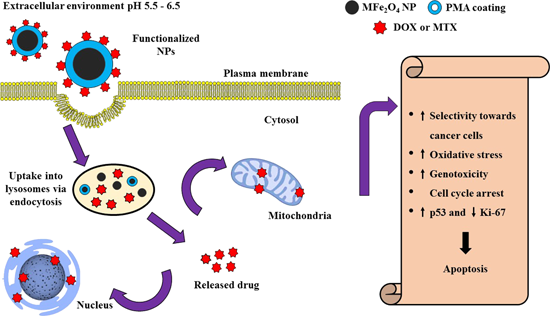
- ZS (Malvern Instruments, 69 UK) and the uniform size distribution by gel electrophoresis (GE BIORAD). Drug attachment and drug release analyses were performed by using UV–vis spectroscopy (Thermo Scientific Evo 220). Phase transfer, polymer coating, and purification of MFe2O4 (M = Fe, Co, Ni, Zn) NPs






Electrical, electrochemical and structural studies of a chlorine-derived ionic liquid-based polymer gel electrolyte
Beilstein J. Nanotechnol. 2021, 12, 1252–1261, doi:10.3762/bjnano.12.92
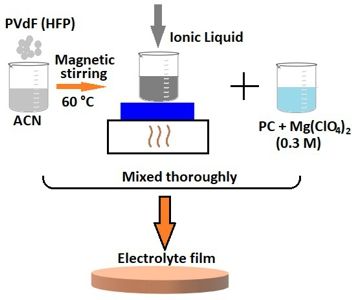
- (ACN) was obtained from Merck. All the chemicals were used without further purification. Preparation of IL-polymer gel electrolyte membranes The electrolyte films were synthesized by using the standard solution casting technique. Details can be seen in our previous articles [10][11]. Briefly, different



Irradiation-driven molecular dynamics simulation of the FEBID process for Pt(PF3)4
Beilstein J. Nanotechnol. 2021, 12, 1151–1172, doi:10.3762/bjnano.12.86
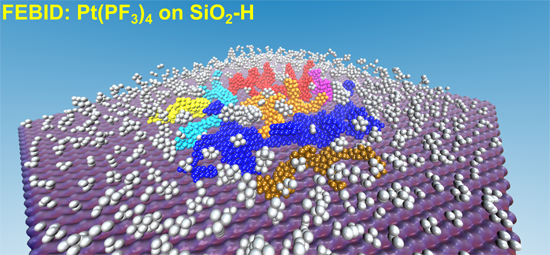
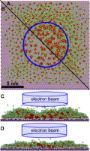
- irradiation and replenishment phases in step 4 using the experiment-related input parameters. Additional post-growth processing that enables purification of the deposited structures is simulated in step 5. All these steps are described in greater detail below. Step 1. System components: precursor and








Self-assembly of amino acids toward functional biomaterials
Beilstein J. Nanotechnol. 2021, 12, 1140–1150, doi:10.3762/bjnano.12.85
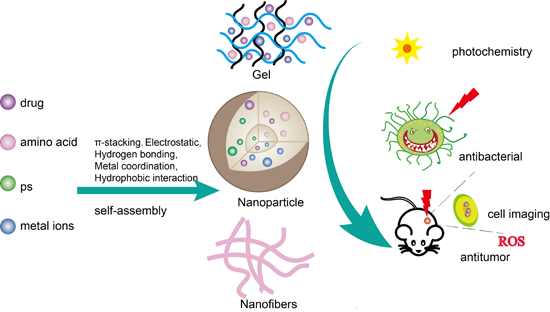
- . However, the self-assembly of proteins and peptides has disadvantages, such as difficulty in obtaining high quantities of materials, high cost, polydispersity, and purification limitations. The difficulties in using proteins and peptides as functional materials make it more complicate to arrange assembled
- function due to the collective behavior of aggregates [24]. However, protein and peptide assemblies exhibit disadvantages, such as difficulty in obtaining high quantities of materials, corresponding high costs, and in some cases polydispersity and purification limitations. When using proteins and peptides

Revealing the formation mechanism and band gap tuning of Sb2S3 nanoparticles
Beilstein J. Nanotechnol. 2021, 12, 1021–1033, doi:10.3762/bjnano.12.76
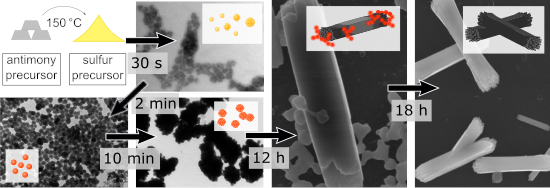
- KGaA, and 1,2-dichlorobenzene (>98%) from Fisher Scientific. All chemicals were used without further purification. Synthesis Undoped Sb2S3 nanoparticles All reaction steps were performed under an argon atmosphere. Prior to the reaction, two precursor solutions were freshly prepared. First, the sulfur


The role of deep eutectic solvents and carrageenan in synthesizing biocompatible anisotropic metal nanoparticles
Beilstein J. Nanotechnol. 2021, 12, 924–938, doi:10.3762/bjnano.12.69
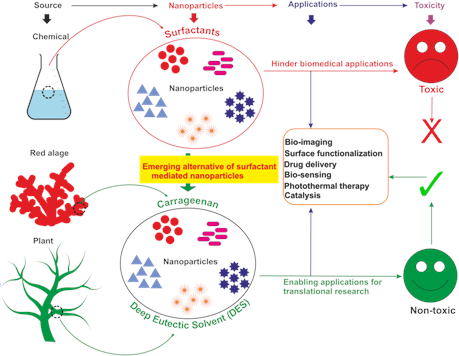
- during preparation, and require no further purification, which gives them properties of a green solvent [25]. However, DESs share remarkable features with RTILs such as low vapor pressure, high tolerance to humidity, and high thermostability. The term “deep eutectic solvent” was first coined by Abbott in


Modification of a SERS-active Ag surface to promote adsorption of charged analytes: effect of Cu2+ ions
Beilstein J. Nanotechnol. 2021, 12, 902–912, doi:10.3762/bjnano.12.67
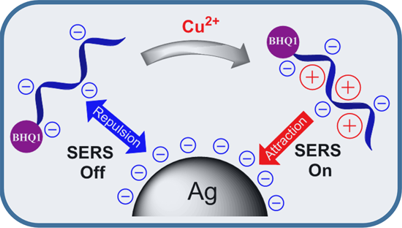
- chloride, sodium citrate, and other reagents, if not mentioned otherwise, were purchased from Merck and used without additional purification. Instrumentation and Software Absorption and extinction spectra of the samples were measured using PB 2201 spectrometers (SOLAR, Belarus). Scanning electronic


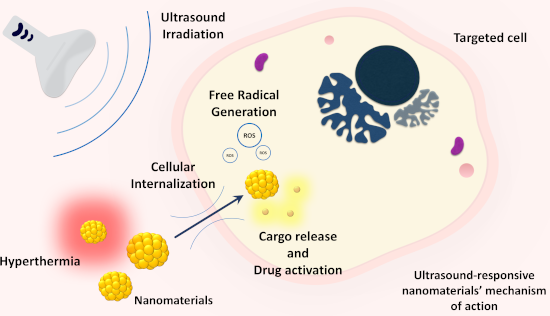
Comprehensive review on ultrasound-responsive theranostic nanomaterials: mechanisms, structures and medical applications
Beilstein J. Nanotechnol. 2021, 12, 808–862, doi:10.3762/bjnano.12.64


Recent progress in magnetic applications for micro- and nanorobots
Beilstein J. Nanotechnol. 2021, 12, 744–755, doi:10.3762/bjnano.12.58
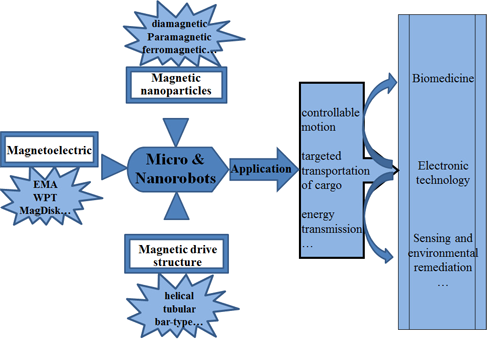
- ). Nayak [39] used metal-organic frameworks (MOFs) to adsorb heavy metals in water for water purification. MOFs have a very high specific surface area and modular structure, showing great advantages in the sustainable supply of clean drinking water. Later, Yu et al. [40] reported a method to disassemble


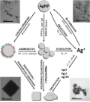
Fate and transformation of silver nanoparticles in different biological conditions
Beilstein J. Nanotechnol. 2021, 12, 665–679, doi:10.3762/bjnano.12.53
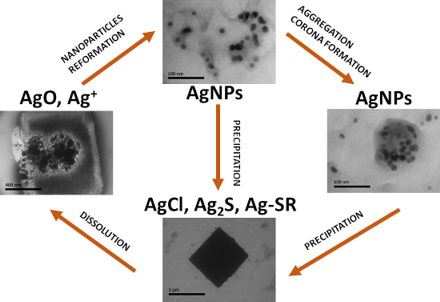
- ]. However, PVP-AgNPs were weakly negatively charged, even though PVP is a neutral polymer. The reason behind this can be found in residual BH4− ions that became strongly attached to the surface during the synthetic process and could not be removed by purification. Despite the ζ potential of −24.3 ± 3.7 mV




High-yield synthesis of silver nanowires for transparent conducting PET films
Beilstein J. Nanotechnol. 2021, 12, 624–632, doi:10.3762/bjnano.12.51
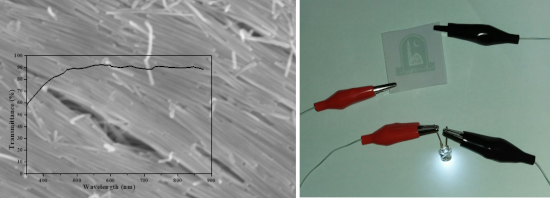
- ethanol, were purchased from Sigma-Aldrich. All of them were of analytical grade and were used as purchased without any purification. Ethylene glycol (EG) was used as a solvent in the reactions. Preparation of silver nanowires For synthesizing silver nanowires (AgNWs) with high aspect ratio and controlled


On the stability of microwave-fabricated SERS substrates – chemical and morphological considerations
Beilstein J. Nanotechnol. 2021, 12, 541–551, doi:10.3762/bjnano.12.44
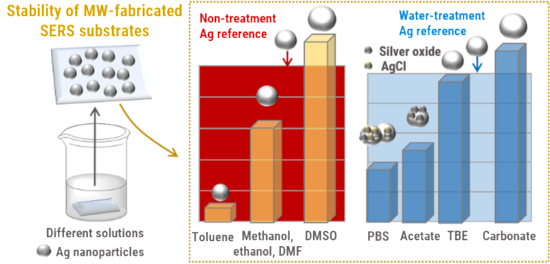
- (methanol, ethanol, DMF, toluene, and DMSO) were used without further purification. 4-ATP was also utilized as purchased. Preparation of surface-enhanced Raman spectroscopy substrates A silver acetate precursor solution was used as a metal salt and ethanol was utilized as a reducing agent. Commercially


Surface-enhanced Raman scattering of water in aqueous dispersions of silver nanoparticles
Beilstein J. Nanotechnol. 2021, 12, 497–506, doi:10.3762/bjnano.12.40
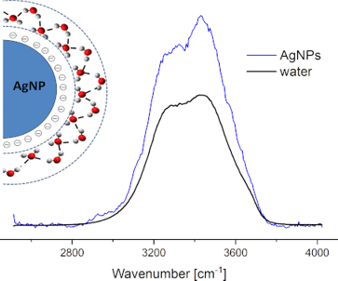
- AgNPs were studied by UV–vis and Raman spectroscopy without any purification. Characterization of silver nanoparticles The absorption spectra of AgNP dispersions were obtained by using double-beam UV–vis–NIR spectrophotometer (Cary 5000 - Varian) in the 200–800 nm range in relation to pure water, used


Boosting of photocatalytic hydrogen evolution via chlorine doping of polymeric carbon nitride
Beilstein J. Nanotechnol. 2021, 12, 473–484, doi:10.3762/bjnano.12.38
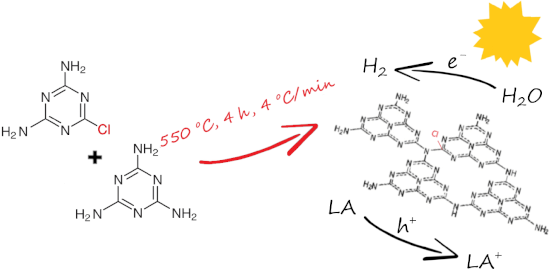
- PCN is a suitable strategy towards boosting photocatalytic hydrogen evolution. Experimental Materials All purchased reagents employed for catalyst preparation were analytical grade and used without further purification. Synthesis of polymeric carbon nitride Polymeric carbon nitride was synthesized by


Nickel nanoparticle-decorated reduced graphene oxide/WO3 nanocomposite – a promising candidate for gas sensing
Beilstein J. Nanotechnol. 2021, 12, 343–353, doi:10.3762/bjnano.12.28
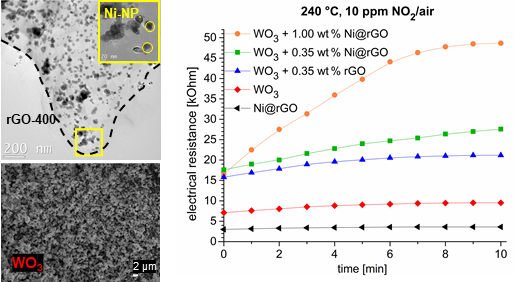
- 99.996 vol %) atmosphere by using standard Schlenk techniques. Samples were prepared and stored in a MBraun Glovebox. Solvents (acetonitrile, n-hexane, and methylene chloride) were dried by using a MBraun solvent purification system or distilled (1-methylimidazole and 1-chlorobutane) and stored over 4 Å
- molecular sieves in a nitrogen atmosphere. Final water contents measured by coulometric Karl Fischer titration (ECH/ANALYTIK JENA AQUA 40.00) did not exceed 10 ppm. Bis(1,5-cyclooctadiene)nickel(0) (Ni(COD)2) was purchased from ABCR, stored at −4 °C and used without further purification. The ionic liquid


Exploring the fabrication and transfer mechanism of metallic nanostructures on carbon nanomembranes via focused electron beam induced processing
Beilstein J. Nanotechnol. 2021, 12, 319–329, doi:10.3762/bjnano.12.26
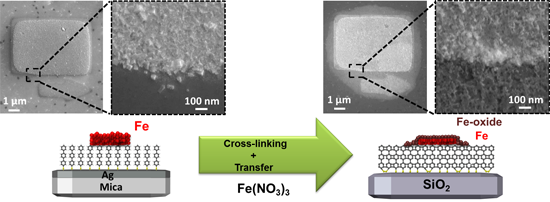
- , the large amount of available precursors allows for the deposition of many different materials [3]. One major challenge in EBID is the undesired co-deposition of carbon and other impurities [4]. The resulting carbonaceous deposits need to undergo further purification steps in order to obtain


A review on the biological effects of nanomaterials on silkworm (Bombyx mori)
Beilstein J. Nanotechnol. 2021, 12, 190–202, doi:10.3762/bjnano.12.15
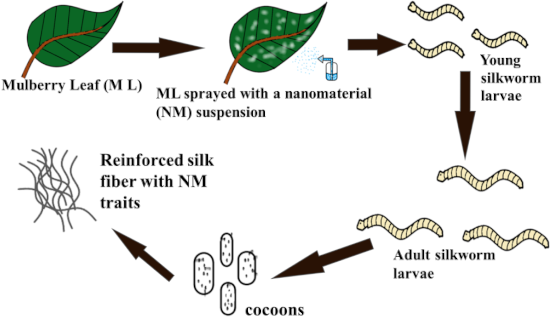
- feeding silkworm larvae with unpurified composites of CNTs and lignosulfonate composite (LGS) resulted in excess LGS coating, which blocked CNTs from being embedded into the silk fiber. The purification of CNT/LGS composites resulted in a higher CNT content, which led to an ordered graphitic structure in


A review on the green and sustainable synthesis of silver nanoparticles and one-dimensional silver nanostructures
Beilstein J. Nanotechnol. 2021, 12, 102–136, doi:10.3762/bjnano.12.9
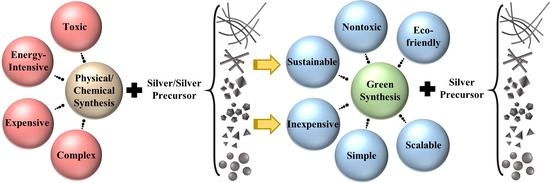
- for blood purification and to inhibit heart palpitations [44]. Silver was used in forms of aqueous solutions, coins, and plates for aseptic and antibacterial applications, as well as in food and dairy preservation up until the 19th century, as it was agreed that food and dairy products kept in silver


ZnO and MXenes as electrode materials for supercapacitor devices
Beilstein J. Nanotechnol. 2021, 12, 49–57, doi:10.3762/bjnano.12.4
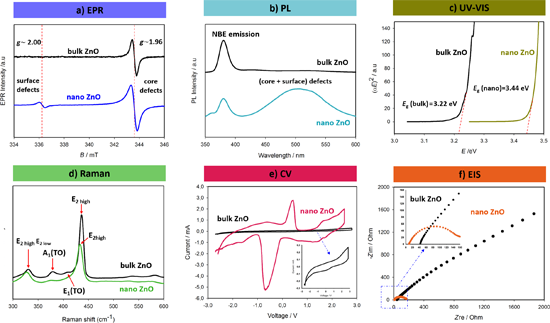
- used, for example, in water purification, as electrochemical actuators, as transparent conductive electrodes, and as biosensors [21][22][28]. To enhance the performance of MXene supercapacitors, a variety of materials, such as graphene and carbon nanotubes (CNTs), tin(IV) oxide (SnO2), and iron(III