Search results
Search for "separation" in Full Text gives 797 result(s) in Beilstein Journal of Nanotechnology. Showing first 200.
Determining by Raman spectroscopy the average thickness and N-layer-specific surface coverages of MoS2 thin films with domains much smaller than the laser spot size
Beilstein J. Nanotechnol. 2024, 15, 279–296, doi:10.3762/bjnano.15.26
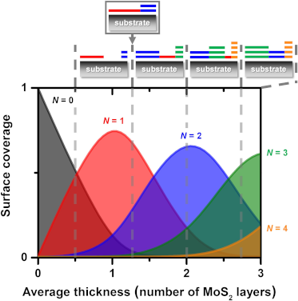
- layers and does not depend on the SiO2 thickness (Figure 3a). The separation between N and N + 1 values are larger than the experimental uncertainties (error bars in the graph) up to N = 3. The error bars start to overlap between N = 4 and N = 5. Comparison with data from the literature (see inset in
- Figure 3a) shows that this overlap occurs even between N = 3 and N = 4 when additional variability due to setup and samples is taken into account. Above N = 4, the separation becomes too small compared to the uncertainty. Thus, the measurement of ΔωA−E in exfoliated MoS2 flakes allows one to evaluate


Ultrasensitive and ultrastretchable metal crack strain sensor based on helical polydimethylsiloxane
Beilstein J. Nanotechnol. 2024, 15, 270–278, doi:10.3762/bjnano.15.25
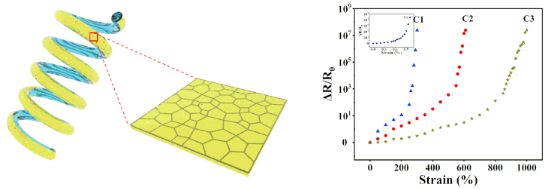
- microcracks in the Au thin film. The resistance of the sensor is altered when strain is applied because of the separation of overlapping scales and the generation of cracks in the gold thin film. The strain sensor is fabricated through a straightforward preparation method, resulting in an exceptionally high


Vinorelbine-loaded multifunctional magnetic nanoparticles as anticancer drug delivery systems: synthesis, characterization, and in vitro release study
Beilstein J. Nanotechnol. 2024, 15, 256–269, doi:10.3762/bjnano.15.24
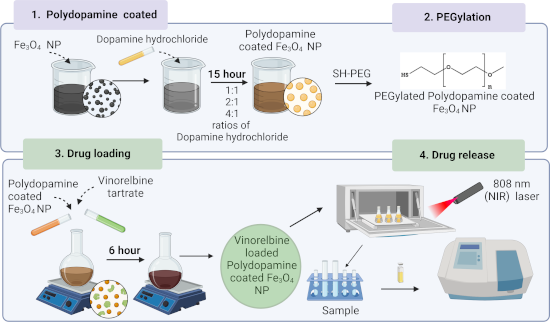
- temperature induced by the thermosensitive Fe3O4 NPs. Furthermore, the enhanced heating due to the photothermal properties of PDA facilitated the separation of VNB from the structure [45]. As shown in Figure 5c, it is worth noting that the temperature of PDA/Fe3O4 NPs increased from 25 to 45 °C in 3 min


Multiscale modelling of biomolecular corona formation on metallic surfaces
Beilstein J. Nanotechnol. 2024, 15, 215–229, doi:10.3762/bjnano.15.21
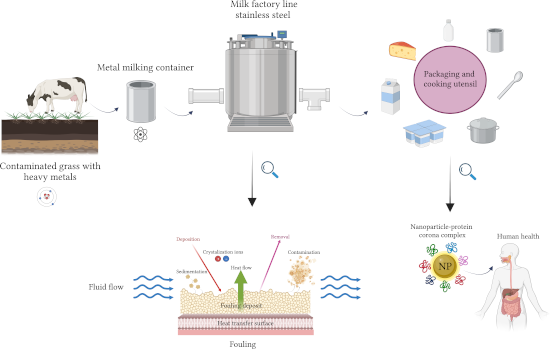
- -tempered metadynamics (AWT-MetaD) simulations, the adsorption energy was calculated at a temperature of 300 K, a pressure of 1.0 bar, and a neutral pH within the NVT ensemble. Additionally, we measured the interaction energy as a function of surface separation distance (SSD) as a collective variable
- , and a CG competitive adsorption model. The figure provides an overview of input and output data at each scale. Adsorption free energy profiles of SCAs on three aluminum fcc slabs as a function of the surface separation distance (SSD). These profiles were calculated using all-atom AWT-MetaD. The





Development and characterization of potential larvicidal nanoemulsions against Aedes aegypti
Beilstein J. Nanotechnol. 2024, 15, 104–114, doi:10.3762/bjnano.15.10
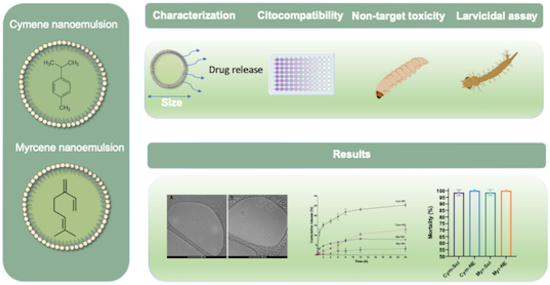
- containing cymene with HLB values of 10–13 showed a yellowish layer on the surface, which may be an indication of phase separation (Figure S1, Supporting Information File 1). Formulations with HLB values of 16 and 16.7 showed a milky appearance and slight creaming, which may be indicative of Ostwald
- , and 21 days after preparation. Signs of instability such as creaming, sedimentation, and phase separation were recorded, as well as physical aspects such as color, transparency, and fluidity. Dynamic light scattering analysis The average hydrodynamic diameter and polydispersity index (PdI) of the NEs


New application of bimetallic Ag/Pt nanoplates in a colorimetric biosensor for specific detection of E. coli in water
Beilstein J. Nanotechnol. 2024, 15, 95–103, doi:10.3762/bjnano.15.9
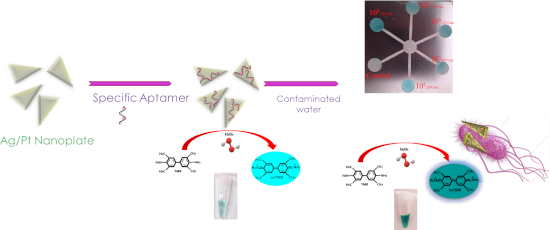
- assay with the goal of producing a fast and portable biosensor. The paper-based microfluidic system can result in an increased sensitivity due to the shorter amount of sample used without any need for dilution, separation, or pre-treatment through various stages. Conclusion In this research, Ag/Pt NPLs


Berberine-loaded polylactic acid nanofiber scaffold as a drug delivery system: The relationship between chemical characteristics, drug-release behavior, and antibacterial efficiency
Beilstein J. Nanotechnol. 2024, 15, 71–82, doi:10.3762/bjnano.15.7
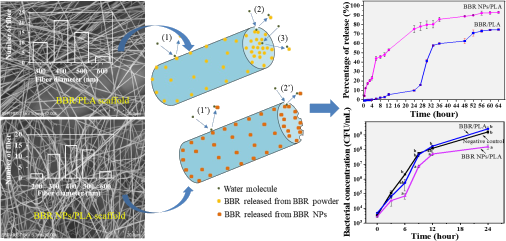
- separation during the electrospinning process [17][38][39], leading to the formation of a BBR-rich phase on the surface of nanofibers. The crystallinity of the PLA pellet and electrospun nanofiber scaffolds were examined by X-ray diffraction (XRD) analysis (Figure 3B). The XRD pattern of the PLA pellet shows


Influence of conductive carbon and MnCo2O4 on morphological and electrical properties of hydrogels for electrochemical energy conversion
Beilstein J. Nanotechnol. 2024, 15, 57–70, doi:10.3762/bjnano.15.6
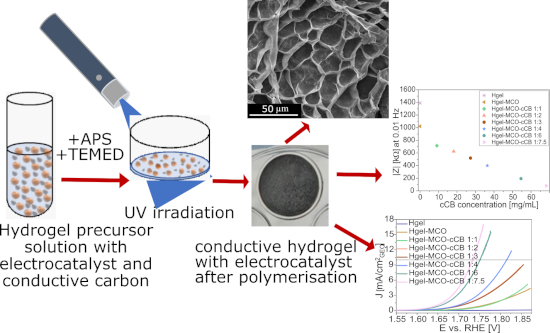
- possibility of using the produced hydrogel composites as electrocatalytic electrodes for the oxygen evolution reaction was presented. The results showed that, as predicted, the higher the concentration of conductive particles, the higher the electrocatalytic efficiency of the MCO particles. The separation of


Measurements of dichroic bow-tie antenna arrays with integrated cold-electron bolometers using YBCO oscillators
Beilstein J. Nanotechnol. 2024, 15, 26–36, doi:10.3762/bjnano.15.3
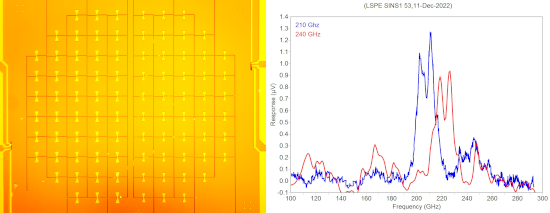
- measured with YBCO Josephson Junction oscillators show narrow peaks at 205 GHz for the 210 GHz array and at 225 GHz for the 240 GHz array; the separation of these two frequency bands is clearly visible. The noise equivalent power level at an operating point in the current bias mode is 5 × 10⁻¹⁶ W/√Hz
- relation between the frequency and voltage on the generator, we obtained the frequency response of the receiving resonant system. On the frequency response plot, clearly pronounced peaks are visible in the region of 205 GHz (Figure 6, blue curve) and 225 GHz (Figure 6, red curve). A noticeable separation
- measured with a YBCO Josephson junction oscillator show narrow peaks with band separation at 205 GHz for the 210 GHz array and at 225 GHz for the 240 GHz array. It is demonstrated that the undesired frequency shift is mainly due to improper Si substrate thickness in these test samples. The NEP level in the


Nanotechnological approaches in the treatment of schistosomiasis: an overview
Beilstein J. Nanotechnol. 2024, 15, 13–25, doi:10.3762/bjnano.15.2

- nanoparticles could kill 100% of adult worms in vitro at a concentration of100 µM. Lower concentrations reduced motility and caused tegumental alterations and couple separation [58]. However, curcumin has low bioavailability and poor water solubility. Thus, Aly et al. [60] tried to increase its solubility and
- neither empty nanoparticles nor raw oleic acid were able to yield the same mortality rate at the same time in vitro. Doses lower than 50 µg/mL were able to cause worm separation and reduce motility. Doses higher than 25 µg/mL reduced oviposition when incubated for 24 hours. The results also show that even
- mobility, couple separation, and tegument alterations. In vivo, the main criteria used is reducing worm burden, quantity and diameter of granuloma, eggs in feces, and oxidative stress markers (e.g., glutathione, nitrite/nitrate, and malondialdehyde). Generally, articles that do not show effectiveness data


Elasticity, an often-overseen parameter in the development of nanoscale drug delivery systems
Beilstein J. Nanotechnol. 2023, 14, 1149–1156, doi:10.3762/bjnano.14.95
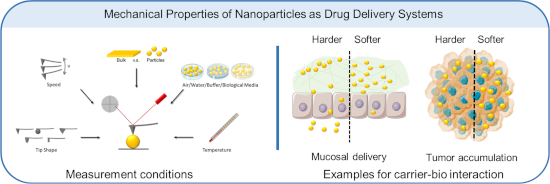
- biological effects the cell type (i.e., epithelial, immune, or even more organ-specific cells) should be monitored and well documented. This will hopefully allow for the separation and better understanding of the obtained results, such as biodistribution, tissue accumulation, and cellular uptake. We are


Density functional theory study of Au-fcc/Ge and Au-hcp/Ge interfaces
Beilstein J. Nanotechnol. 2023, 14, 1093–1105, doi:10.3762/bjnano.14.90
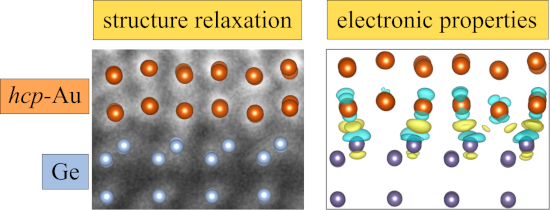
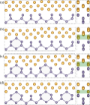
- separation (adhesion) were used. We applied first principles methods based on density functional theory (DFT) to study Au/Ge heterostructures with different interfacial plane orientations. The remainder of the paper is organized as follows. In the Methodology section the calculation details are given, and
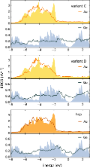
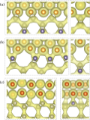
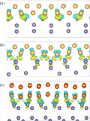
- provide surface energy details for gold and germanium crystals and the charge density differences for the Au/Ge heterostructures. Methodology Interfacial energy and the work of separation in DFT calculations In contrast to the bulk phase of a material, the surface atoms have an incomplete set of neighbors
- separation. Their values can be obtained from DFT calculations of the total energies of appropriate systems modeling the heterostructure as well as the bulk crystals and slabs with a vacuum layer. The methodology details (from choosing the interface model up to the optimization methods) differ between





Dual-heterodyne Kelvin probe force microscopy
Beilstein J. Nanotechnol. 2023, 14, 1068–1084, doi:10.3762/bjnano.14.88




A visible-light photodetector based on heterojunctions between CuO nanoparticles and ZnO nanorods
Beilstein J. Nanotechnol. 2023, 14, 1018–1027, doi:10.3762/bjnano.14.84
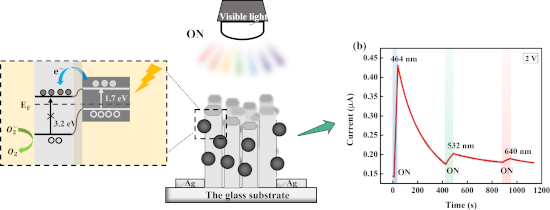
- valence bands of CuO are at a more negative potential than those of ZnO to form type-II region bonds between CuO and ZnO, avoiding recombination and accelerating the separation of photogenerated electron–hole pairs [37]. To explore and confirm the effects of combining CuO and ZnO, we developed a
- 1.28, 1.03, 0.88, 0.61, and 0.42 mW·cm−2, respectively, owing to the fast charge separation at the p-type/n-type heterojunctions of CuO/ZnO. The separation of electron–hole pairs prolongs the lifetime of free electrons, leading to an enhanced photocurrent [45]. When the applied voltage is fixed at 2 V


Isolation of cubic Si3P4 in the form of nanocrystals
Beilstein J. Nanotechnol. 2023, 14, 971–979, doi:10.3762/bjnano.14.80
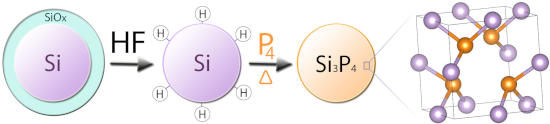
- minor separation occurring on the surface of the NPs [22][23]. The temperature (670 °C) and duration t of the preliminary experiment were chosen through the estimation of the diffusion length l from bulk silicon diffusion constants [24] using the following equation: where D is the diffusion constant


Metal-organic framework-based nanomaterials for CO2 storage: A review
Beilstein J. Nanotechnol. 2023, 14, 964–970, doi:10.3762/bjnano.14.79

- facile post-synthetic modifications, which allow for diverse strategies towards efficient adsorption and separation of gas molecules [15]. Among the nanosized MOFs, MOF-210 has demonstrated a remarkable ability to adsorb CO2 (54.5 mmol·g−1 at 50 bar, 298 K) owing to its large surface area of 6240 m2·g−1
- adsorption ability with OMSs ranging from 5.5 to 8.0 mmol·g−1 at 296 K and 1 bar [21]. Moreover, acid Lewis sites within these MOFs effectively interact with CO2, leading to increased adsorption. The pore size plays a vital role in the adsorption and separation of CO2 from gas mixtures because of the
- an intriguing strategy for enhancing gas storage and gas separation, encompassing species such as CH4, CO2, and N2. This approach involves the introduction of additional linkers to divide large pores into smaller compartments [33]. PSP not only offers an increased number of active sites but also




Biomimetics on the micro- and nanoscale – The 25th anniversary of the lotus effect
Beilstein J. Nanotechnol. 2023, 14, 850–856, doi:10.3762/bjnano.14.69

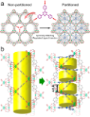
- satisfactory nearly superhydrophobic material which the authors used to create an effective oil–water separation product they called nanopads. What this paper demonstrates, in addition to the not insignificant contribution it makes to the science of structured surfaces, is that with a bit of creativity and a
- repellency, but also on the capability of some surfaces to keep stable air layers under water – the so-called Salvinia Effect. Such air layers are of great importance for drag reduction (passive air lubrication), antifouling, sensor applications, or oil–water separation. Up to now, based on the
- dehumidifiers or water purifiers. The authors here present a model based on a carbon nanotube structure that might finally provide a route to the breakthrough in this field. Their archetype, the Namibian desert beetle, uses a geometric separation of hydrophilic and hydrophobic regions to harvest and drive water


Nanostructured lipid carriers containing benznidazole: physicochemical, biopharmaceutical and cellular in vitro studies
Beilstein J. Nanotechnol. 2023, 14, 804–818, doi:10.3762/bjnano.14.66
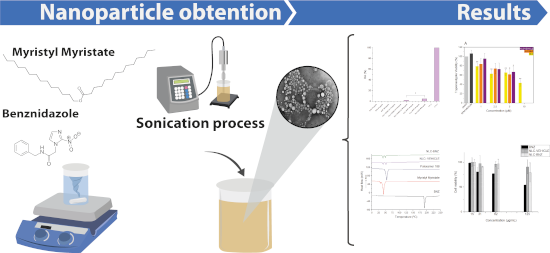
- the filtrate (i.e., the free drug concentration) in μg/mL, and Vf is the volume after ultrasonication (mL). The theoretical drug loading (DL%) was calculated as follows: HPLC analysis of benznidazole Chromatographic separation was achieved by HPLC (Gilson SAS, Villiers-Le-Bel, France) via UV detection


Nanoarchitectonics for advanced applications in energy, environment and biology: Method for everything in materials science
Beilstein J. Nanotechnol. 2023, 14, 738–740, doi:10.3762/bjnano.14.60
- also discuss coordination-assembled myricetin nanoarchitectonics [32], nanoarchitectonics for membranes with enhanced gas separation capabilities [33], nanoarchitectonics of the cathode of Li–O2 batteries [34], nanoarchitectonics in moist-electric generation [35], nanoarchitectonics for drug delivery

Cross-sectional Kelvin probe force microscopy on III–V epitaxial multilayer stacks: challenges and perspectives
Beilstein J. Nanotechnol. 2023, 14, 725–737, doi:10.3762/bjnano.14.59
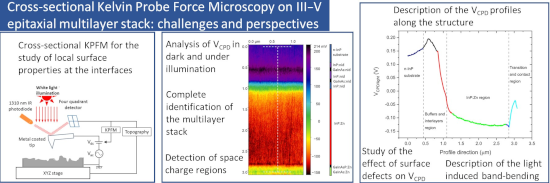
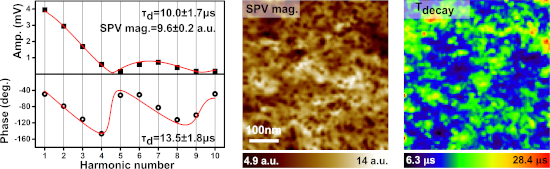
- expected trend in a p-type layer with surface defects. However, in case of pn junctions, the SPV can also include the contribution of the open-circuit voltage (VOC) of the pn junction due to the splitting of the quasi-Fermi levels of electrons and holes and the related charge separation at the junction. In


Metal-organic framework-based nanomaterials as opto-electrochemical sensors for the detection of antibiotics and hormones: A review
Beilstein J. Nanotechnol. 2023, 14, 631–673, doi:10.3762/bjnano.14.52
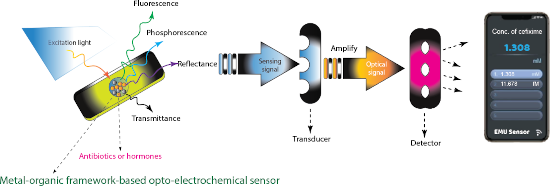
- , multistep separation procedure. A fluorescence polarisation immunoassay, which does not require a separation step, is one development that has been made to get around this restriction [22]. Furthermore, chromatographic techniques such as thin-layer chromatography (TLC), liquid chromatography-coupled mass
- limited resources. Additionally, the mobile phase utilized in the separation of antibiotics and hormones affects the chromatography’s ability to detect substances [23]. The advantages of SERS are its rapid detection time, affordable detection cost, and ease of use. It also has a number of drawbacks, such
- redox reaction during the electron deactivation process. For effective quenching, a complex driven by either hydrophobic, van der Waals, or π–π-stacking interactions is generated between the electron donor and the electron acceptor with a separation on a sub-nanometre length scale. The complexation of


Titania nanoparticles for photocatalytic degradation of ethanol under simulated solar light
Beilstein J. Nanotechnol. 2023, 14, 616–630, doi:10.3762/bjnano.14.51
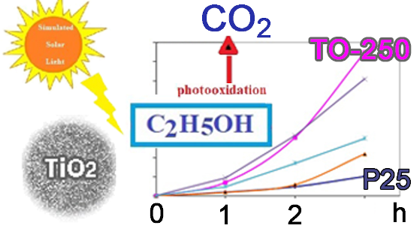
- differences could promote the fabrication of new devices with higher efficiency in electron–hole separation [33]. There are a lot of methods to obtain TiO2 powder, from chemical reactions in solvents [34][35][36] to simple oxidation at high temperatures [37]. Every method has its particular yield and




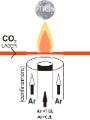
On the use of Raman spectroscopy to characterize mass-produced graphene nanoplatelets
Beilstein J. Nanotechnol. 2023, 14, 509–521, doi:10.3762/bjnano.14.42
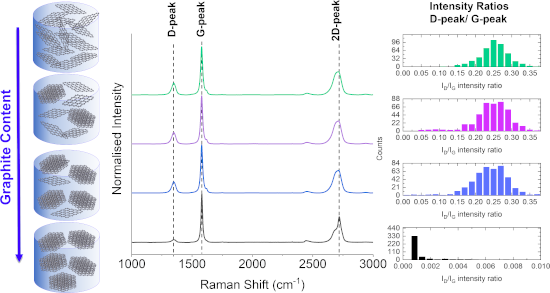
- separation of unexfoliated materials. In this work we assess these metrics when applied to non-ideal samples, where unexfoliated graphite has been deliberately added to the exfoliated material. We demonstrate that previously published metrics, when applied to averaged spectra, do not allow the presence of
- ]. Again, it is not clear if the same metrics can be applied to measurements performed on bulk material, where flakes are restacked or reaggregated. As many GNP products are produced through top-down manufacturing methods, which typically have a GNP yield of less than 100%, there is often a separation step
- of GNP material is prepared through careful separation of unexfoliated material. Then, the observed changes for an averaged Raman spectrum are investigated while adding small amounts of graphite to the GNP sample. We then evaluate the ability of previously published metrics to identify the presence


Conjugated photothermal materials and structure design for solar steam generation
Beilstein J. Nanotechnol. 2023, 14, 454–466, doi:10.3762/bjnano.14.36
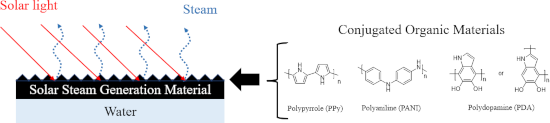
- membranes with hydrophobic photothermal material particles. Over the past years, various types of SSG membranes have been studied [37][39][45][54][56][57]. These SSG membranes can be applied to, for example, seawater desalination and photocatalytic degradation by utilizing the photothermal and separation


Plasmonic nanotechnology for photothermal applications – an evaluation
Beilstein J. Nanotechnol. 2023, 14, 380–419, doi:10.3762/bjnano.14.33