Search results
Search for "sol–gel" in Full Text gives 201 result(s) in Beilstein Journal of Nanotechnology. Showing first 200.
Anchoring Fe3O4 nanoparticles in a reduced graphene oxide aerogel matrix via polydopamine coating
Beilstein J. Nanotechnol. 2018, 9, 591–601, doi:10.3762/bjnano.9.55
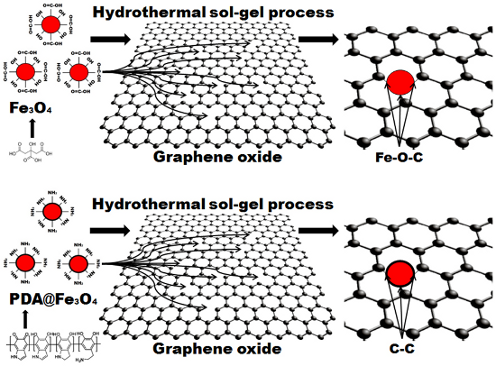
- -forming nanomaterials, as it allows obtaining three-dimensional highly porous structures, characterized by low density and high specific surface area [2][3][4][5]. Typically, the fabrication of aerogel is a multistep process, involving hydrogel formation via sol–gel technique followed by freeze drying or


Influence of the preparation method on the photocatalytic activity of Nd-modified TiO2
Beilstein J. Nanotechnol. 2018, 9, 447–459, doi:10.3762/bjnano.9.43
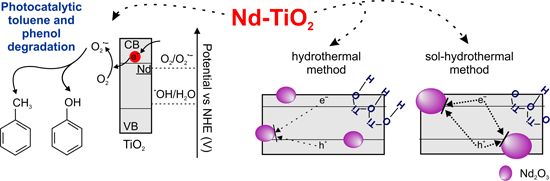
- materials for various applications. According to the literature, RE-modified TiO2 could be prepared through a wide spectrum of methods, such as sol–gel [18][25], hydrothermal [23][26][27], solvothermal [28], electrospinning [29], co-precipitation [30] and electrochemical [8] methods. In our previous papers
- , we presented experimental studies concerning the effect of synthesis methods on lanthanide-modified TiO2. In these studies we compared hydrothermal and sol–gel method. The synthesis method significantly affects the structure, optical, luminescence and photocatalytic properties. It was found that all
- samples (TiO2 modified with Y3+, Pr3+, Er3+ and Eu3+) obtained through the hydrothermal method approach exhibited a higher photocatalytic activity, while the samples prepared via the sol–gel method approach yielded more luminescence when irradiated with 980 nm photons [24]. Meanwhile, the hydrothermal




Facile synthesis of ZnFe2O4 photocatalysts for decolourization of organic dyes under solar irradiation
Beilstein J. Nanotechnol. 2018, 9, 436–446, doi:10.3762/bjnano.9.42
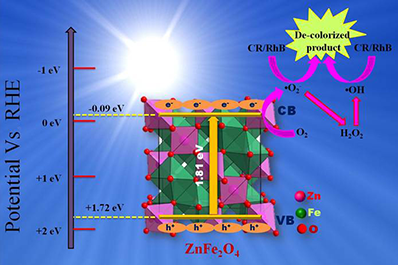
- , hydrothermal [15][16][17] solid-state combustion, sol–gel, co-precipitation, mechanochemical [18] and microwave-hydrothermal assisted ionic liquids have been reported for the synthesis of metal ferrite [10][13][19]. Recently, Sharma et al. reported the synthesis of ZnFe2O4 nanoparticles by an urea combustion


Synthesis and characterization of electrospun molybdenum dioxide–carbon nanofibers as sulfur matrix additives for rechargeable lithium–sulfur battery applications
Beilstein J. Nanotechnol. 2018, 9, 262–270, doi:10.3762/bjnano.9.28
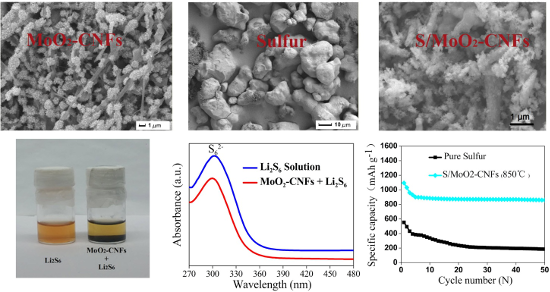
- using an electrospinning technique followed by calcination, using sol–gel precursors and polyacrylonitrile (PAN) as a processing aid. The resulting samples were characterized by X-ray diffraction (XRD), Fourier transform infrared spectroscopy (FTIR), Raman spectroscopy, Brunauer–Emmet–Teller (BET
- vigorously stirred for 24 h at room temperature to form a sol–gel solution for further electrospinning. The solution was then loaded into 10 mL plastic syringes equipped with a 9-gauge stainless steel needle. A high voltage power supply was used to provide a voltage of 15 kV to the needle tips and the


Bombyx mori silk/titania/gold hybrid materials for photocatalytic water splitting: combining renewable raw materials with clean fuels
Beilstein J. Nanotechnol. 2018, 9, 187–204, doi:10.3762/bjnano.9.21
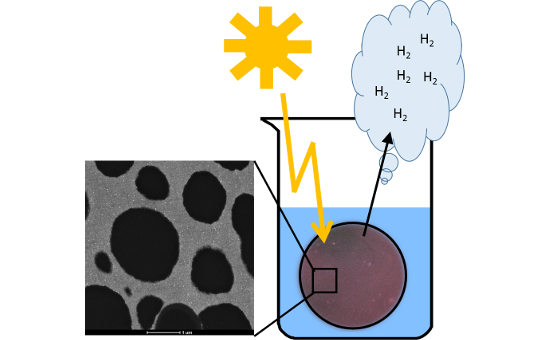
- mechanically and chemically stable to withstand the conditions during photocatalysis. Daoud and Xin [35] coated cotton fibers with 20 nm anatase particles via a sol–gel method. The covalently bonded TiO2 particles have a 50+ UV protection factor and are stable against washing. In an alternative approach, Zheng




Atomic layer deposition and properties of ZrO2/Fe2O3 thin films
Beilstein J. Nanotechnol. 2018, 9, 119–128, doi:10.3762/bjnano.9.14
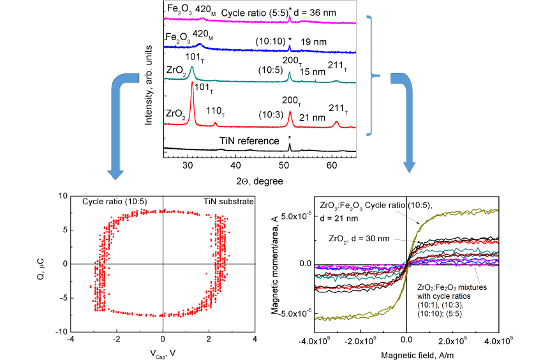
- structures were found to possess ferromagnetic behavior [9]. Ferromagnetism was also observed in annealed Co and Fe co-doped ZrO2, prepared by the sol–gel method [10]. Samples of Mn- and Fe-stabilized cubic zirconia were obtained by a co-precipitation method and no ferromagnetism was observed in such samples
- behavior in Fe-doped ZrO2 was observed. One can note that, for example, in the work by Okabayashi et al. [10], annealing was presumably required in order to initiate crystallization in sol–gel-synthesized (and therefore initially amorphous) films. Magnetization-field hysteresis loops were recorded in the


Review on optofluidic microreactors for artificial photosynthesis
Beilstein J. Nanotechnol. 2018, 9, 30–41, doi:10.3762/bjnano.9.5
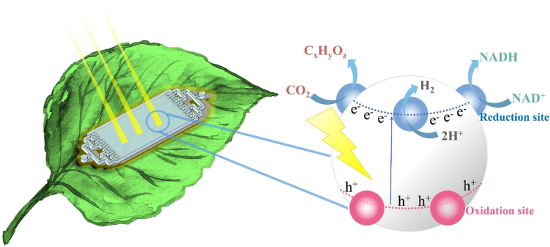
- technology by use of the microreactors. Water splitting In the early studies on optofluidic-based water splitting, the optofluidic device often employed sol–gel catalysts on planar channels. For example, Erickson et al. demonstrated a planar setup with TiO2–Pt to process the water splitting reaction [73


Enhanced photoelectrochemical water splitting performance using morphology-controlled BiVO4 with W doping
Beilstein J. Nanotechnol. 2017, 8, 2640–2647, doi:10.3762/bjnano.8.264
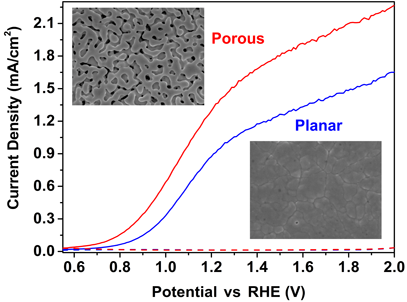
- , the pore size decreases. The film prepared from the water-based solution with the smallest amount of EG (0.5-EG) exhibits cracks in the film (Figure S2, Supporting Information File 1) and has poor adhesion to the substrate. The sol–gel method allows reagents to be mixed at the atomic/molecular level
- films can be successfully synthesized by the sol–gel method. Elemental analysis was also performed to confirm the composition. To simplify the test, two typical samples, 0-water and 1-EG, were selected for the EDX analysis. The results were shown in Table S1 and Table S2 of Supporting Information File 1


Synthesis of metal-fluoride nanoparticles supported on thermally reduced graphite oxide
Beilstein J. Nanotechnol. 2017, 8, 2474–2483, doi:10.3762/bjnano.8.247
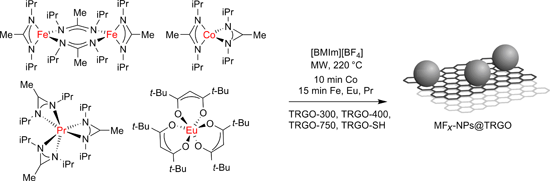
- modern chemistry [53][54]. Nanoscale main-group metal fluorides can be obtained from a fluorolytic sol–gel route by the reaction of the metal alkoxide or acetate with anhydrous HF in a suitable organic solvent. Strong Lewis-acidic main-group metal fluorides such as AlF3 or MgF2 represent a new class of


Synthesis and characterization of noble metal–titania core–shell nanostructures with tunable shell thickness
Beilstein J. Nanotechnol. 2017, 8, 2083–2093, doi:10.3762/bjnano.8.208
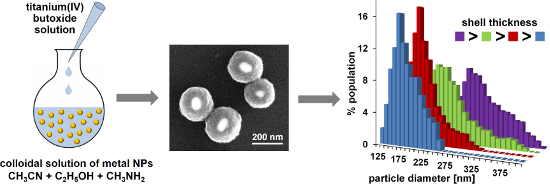
- formation is desired. A sol–gel based titania coating method, which allows control over the shell thickness, was developed and applied to the synthesis of Ag@TiO2 and Au@TiO2 with various shell thicknesses. The morphology of the synthesized structures was investigated using scanning electron microscopy (SEM
- control [21]. This is also the main reason for the low monodispersity of TiO2 particles prepared from titanium alkoxides using the sol–gel method [23]. The limitations in titania coating can be overcome by using the less common but more expensive TiO2 precursors, various solvents or their mixtures


Systematic control of α-Fe2O3 crystal growth direction for improved electrochemical performance of lithium-ion battery anodes
Beilstein J. Nanotechnol. 2017, 8, 2032–2044, doi:10.3762/bjnano.8.204
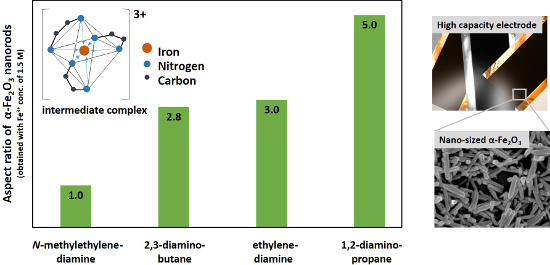
- sol−gel approaches, the hydro/solvothermal synthesis route is known to be advantageous due to the homogenous nucleation/growth process and highly crystallized products [20][21][22]. In order to develop a synthesis method with morphology control aspects, inorganic ions as well as organic reagents


Two-dimensional carbon-based nanocomposites for photocatalytic energy generation and environmental remediation applications
Beilstein J. Nanotechnol. 2017, 8, 1571–1600, doi:10.3762/bjnano.8.159
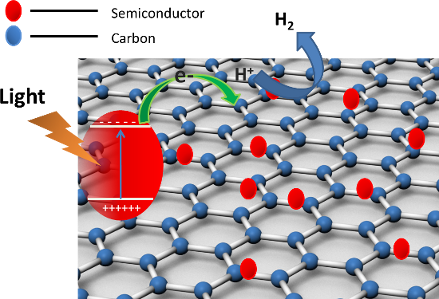
- known as chemical-modified graphene [51]. The schematic illustration of RGO preparation from graphite is shown in Figure 2. The composite formation of graphene with semiconductor materials has been reported by various methods, such as hydrothermal/solvothermal [52], sol−gel [53], self-assembly [54
- concentration, temperature, reaction time, etc., nanocomposites with various exposed crystal facets can be obtained by hydrothermal/solvothermal methods. The sol–gel method is another widely explored method for the synthesis of graphene-based nanocomposites [53]. The precursor material undergoes a series of
- reactions, mainly controlled hydrolysis and condensation, to form the desired photocatalyst. The major advantage of using the sol–gel method is the in situ growth of nanostructures so that the various functional groups on the surface of GO sheets are available to provide reactive and anchoring sites for the


Low-temperature CO oxidation over Cu/Pt co-doped ZrO2 nanoparticles synthesized by solution combustion
Beilstein J. Nanotechnol. 2017, 8, 1546–1552, doi:10.3762/bjnano.8.156

- reported a high activity of Cu-containing ZrO2-based nanocomposites (T50 = 70 °C) for CO oxidation. So, the combination of Cu, Pt and ZrO2 appears to be very interesting and promising. In literature, different methods have been used for the synthesis of doped ZrO2 nanoparticles. These include sol–gel, ball
- milling, precipitation, combustion, and reverse microemulsion [30][31][32][33]. Vahidshad et al. [34] synthesized sol–gel-derived Cu–ZrO2 nanoparticles. Similarly, Saha et al. [35] prepared CuO-doped ZrO2 nanoparticles via ball milling. Among the described methods, solution combustion is used frequently




Calcium fluoride based multifunctional nanoparticles for multimodal imaging
Beilstein J. Nanotechnol. 2017, 8, 1484–1493, doi:10.3762/bjnano.8.148
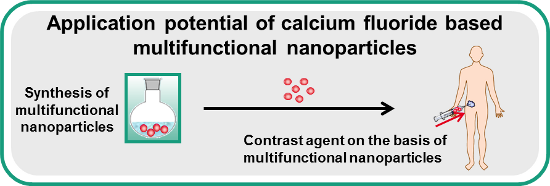
- fluorolytic sol–gel process [33]. The stability and biocompatibility of CaF2 makes it an attractive material for biomedical applications [28][29]. In addition, due to the high capacity to accept lanthanide ions, CaF2 is suitable for the preparation of CAs for multimodal imaging [24]. In this study, we report


Bright fluorescent silica-nanoparticle probes for high-resolution STED and confocal microscopy
Beilstein J. Nanotechnol. 2017, 8, 1283–1296, doi:10.3762/bjnano.8.130
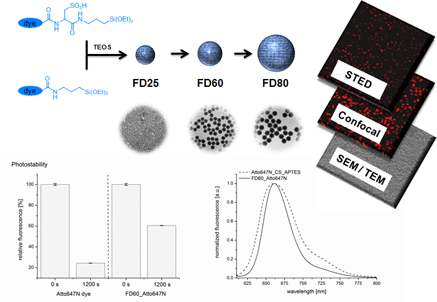
- silica matrix, which is mostly based on non-polar aromatic or conjugated π-electron systems [33], is not easy to achieve due to the hydrophobic character of the organic dye molecules. Commonly, fluorescent silica nanoparticles are obtained by hydrolysis and condensation of a silica precursor via sol–gel
- or reverse microemulsion synthesis [34]. Using the traditional sol–gel synthesis of silica particles described by Stöber et al. [35], particles are available in the size range of a few tens of nanometres up to the micrometre range. Although the Stöber method can be utilised to obtain particles with a


A top-down approach for fabricating three-dimensional closed hollow nanostructures with permeable thin metal walls
Beilstein J. Nanotechnol. 2017, 8, 1231–1237, doi:10.3762/bjnano.8.124
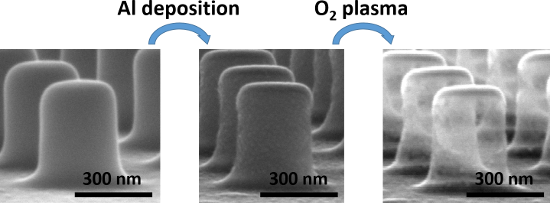
- as artificial cells [2], controlled transport and delivery of chemical agents (e.g., pharmaceutical drugs) [3], catalysis [4], lithium batteries [5] and confined reaction compartments (nanoreactors) [1]. Most fabrication methods of nanocages are based on bottom-up techniques, mainly colloidal and sol
- –gel chemical reactions [1][2][3][4][5]. These procedures allow the synthesis of disperse, hollow nanostructures with precise control of their physical and chemical properties, such as size, shape, material composition and structural characteristics of the shell (thickness, permeability and surface


Preparation of thick silica coatings on carbon fibers with fine-structured silica nanotubes induced by a self-assembly process
Beilstein J. Nanotechnol. 2017, 8, 1145–1155, doi:10.3762/bjnano.8.116
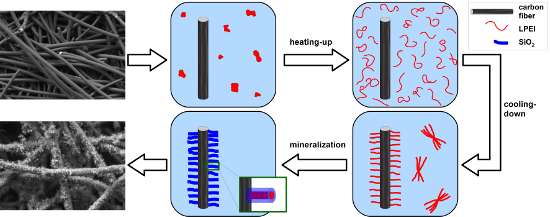
- carbon fibers with a silica shell is presented in this work. By immobilizing linear polyamines on the carbon fiber surface, the high catalytic activity of polyamines in the sol–gel-processing of silica precursors is used to deposit a silica coating directly on the fiber’s surface. The surface
- fiber by fibrillar and interconnected silica fine-structures. The high surface area of the nanostructured composite fiber may be exploited for catalytic applications and adsorption purposes. Keywords: biomimetic silicification; carbon fiber; self-assembly; silica nanotubes; sol–gel process
- –gel techniques [6]. Even though the CVD method leads typically to a uniform and dense surface coating, low deposition rates can make this process time-consuming and expensive. The sol–gel method is advantageous owing to the low processing temperature, inexpensive and commercially available precursors


Assembly of metallic nanoparticle arrays on glass via nanoimprinting and thin-film dewetting
Beilstein J. Nanotechnol. 2017, 8, 1049–1055, doi:10.3762/bjnano.8.106
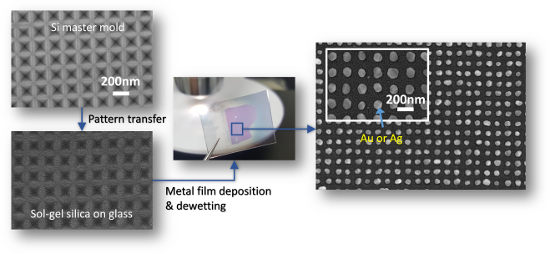
- noble metal nanoparticles on glass substrates via nanoimprinting and dewetting of metallic thin films. Glass templates were made via pattern transfer from a topographic Si mold to an inorganically cross-linked sol–gel (IGSG) resist on glass using a two-layer polydimethylsiloxane (PDMS) stamp followed by
- metallic thin films at high temperatures. Hybrid sol–gel thin films prepared from methyltriethoxysilane (MTEOS) may fulfill these requirements due to the complete hydrolyzation of the ethoxy groups and decomposition of the methyl groups [16][17]. MTEOS films have attracted attention as self-sustainable
- 184 PDMS. In the next imprinting step, an inorganically cross-linked sol–gel (ICSG) resist with a thickness (tf) of 400 nm was spin-coated on a Pyrex glass substrate. To improve the wettability of the resist, the glass surface was pretreated with a dielectric barrier discharge (DBD) using He and O2


High photocatalytic activity of Fe2O3/TiO2 nanocomposites prepared by photodeposition for degradation of 2,4-dichlorophenoxyacetic acid
Beilstein J. Nanotechnol. 2017, 8, 915–926, doi:10.3762/bjnano.8.93
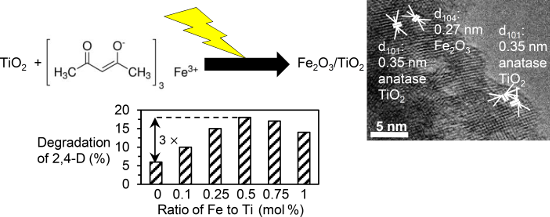
- ][15]. Commonly, the reported methods for the preparation of Fe2O3/TiO2 include impregnation [5][6][16][17][18], sol–gel [7][19], and hydrothermal methods [8][9][10]. A combination of several processes has also been employed, such as the electrospinning method combined with a hydrothermal approach [11
- the Fe(III) complex at 400 °C [5]. This is in contrast to the one prepared by the sol–gel method that showed an obviously reduced Eg value as the Fe ions were incorporated into the TiO2 lattice [7][19]. Diffuse reflectance (DR) UV–vis spectra and Tauc plots of the nanocomposites prepared by the


First examples of organosilica-based ionogels: synthesis and electrochemical behavior
Beilstein J. Nanotechnol. 2017, 8, 736–751, doi:10.3762/bjnano.8.77
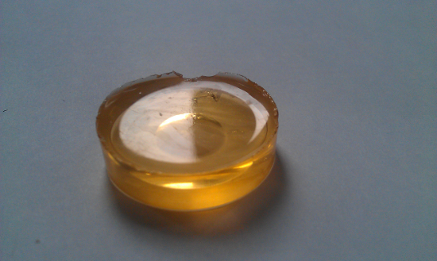
- . Experimental Preparation of the organosilica monoliths. Silica monoliths were made via sol–gel reaction from bis(3-(trimethoxysilyl)propyl)amine (BTMSPA) and tetramethylorthosilicate (TMOS) or methyltrimethoxysilane (MTMS). Reactions were made such that the total silicon concentration in the reaction mixture
- remain intact. The monoliths synthesized in methanol are clear to translucent as long as they are wet, but turn opaque upon drying. The monoliths grown in acetone are opaque already after the sol–gel reaction and Soxhlet extraction. Transmission electron microscopy (TEM, Figure 2) images obtained from






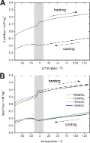


Synthesis of graphene–transition metal oxide hybrid nanoparticles and their application in various fields
Beilstein J. Nanotechnol. 2017, 8, 688–714, doi:10.3762/bjnano.8.74
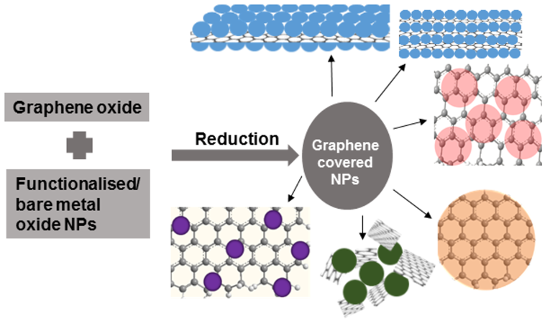
- thermochromic transition at 257 °C and this material is used as a catalyst for industrial processes, gas sensors and in LIBs [105]. Various nanostructures of V2O5 such as nanotubes, nanowires, nanofibers, nanobelts, and nanorods have been prepared by sol–gel processes, hydrothermal processes [106
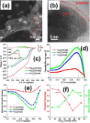
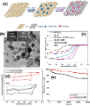
- 3D flower hybrids [113], where this typical morphology results in a high surface area as well as better electrical contact with the graphene leading to better electrochemical performance. Liu et al. have developed a sol–gel method for the incorporation of GSs into V2O5 nanoribbons [114]. These






Carbon nanotube-wrapped Fe2O3 anode with improved performance for lithium-ion batteries
Beilstein J. Nanotechnol. 2017, 8, 649–656, doi:10.3762/bjnano.8.69
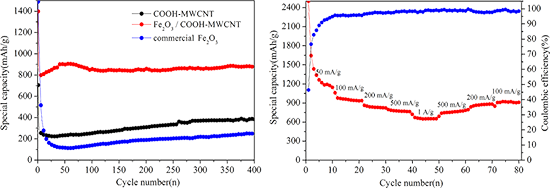
- sol–gel method to prepare graphene-wrapped Fe2O3, which demonstrated an excellent capacity retention of 777 mAh·g−1 at a current density of 100 mA·g−1 after 30 cycles. Wang et al. [29] synthesized Fe2O3/GCNTs via a hydrothermal synthesis method and subsequent thermal reduction. The synthesized Fe2O3


Investigation of the photocatalytic efficiency of tantalum alkoxy carboxylate-derived Ta2O5 nanoparticles in rhodamine B removal
Beilstein J. Nanotechnol. 2017, 8, 604–613, doi:10.3762/bjnano.8.65
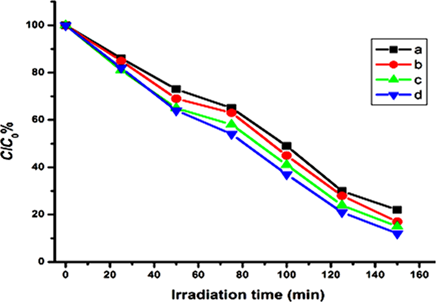
- Subia Ambreen Mohammad Danish Narendra D. Pandey Ashutosh Pandey Department of Chemistry, Motilal Nehru National Institute of Technology, Allahabad, 211004, India 10.3762/bjnano.8.65 Abstract Ta2O5 nanoparticles have been synthesized from alkoxy carboxylates of tantalum via the sol–gel route
- . Tantalum alkoxides were reacted with chlorocarboxylic acids in order to lower the susceptibility hydrolysis. When these modified alkoxy carboxylates were used in the sol–gel synthesis, they yielded Ta2O5 nanoparticles of better properties than those of the alkoxide-derived Ta2O5 nanoparticles. These
- absorption of these materials [9][10][11]. Tantalum(V) alkoxides are important precursors for materials based on tantalum oxide in sol–gel processes. The reactions involved in sol–gel processes can be written as: An inorganic network is formed during hydrolysis the ends of which are occupied either by –OH


Thin SnOx films for surface plasmon resonance enhanced ellipsometric gas sensing (SPREE)
Beilstein J. Nanotechnol. 2017, 8, 522–529, doi:10.3762/bjnano.8.56
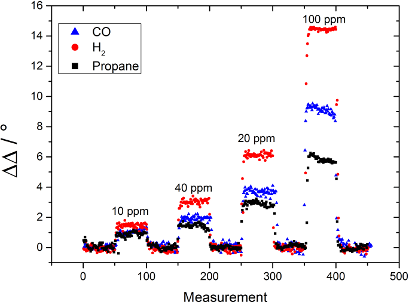
- , several different coating methods were developed which include chemical vapor deposition [11], sol–gel [12], spray pyrolysis [13], sputtering [14][15][16] and electron beam evaporation [17]. In our approach, we aim to develop a new sensing concept which combines the adsorption concept of MOS sensors with


Fiber optic sensors based on hybrid phenyl-silica xerogel films to detect n-hexane: determination of the isosteric enthalpy of adsorption
Beilstein J. Nanotechnol. 2017, 8, 475–484, doi:10.3762/bjnano.8.51
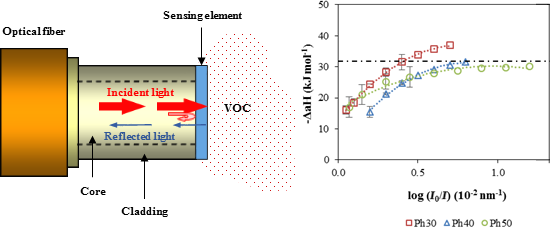
- , respectively. The films were synthesized by the sol–gel method and affixed to the end of optical fibers by the dip-coating technique. Fourier transform infrared spectroscopy, N2 adsorption–desorption at 77 K and X-ray diffraction analysis were used to characterize the xerogels. At a given pressure of n-hexane
- ]. Some advantages of FOCSs over electrical methods are immunity to electromagnetic interference and safety while working with flammable and explosive compounds. Although the xerogel films prepared by the sol–gel method are often considered chemically inert, the films and analytes can interact by one or
- more mechanisms, such as electrostatic, hydrophobic or hydrogen bonding. Films made of hybrid silica materials synthesized by the sol–gel process are well suited for the preparation of sensing elements. These films have chemical and thermal stability, transparency over a wide wavelength range