Search results
Search for "surface" in Full Text gives 2438 result(s) in Beilstein Journal of Nanotechnology. Showing first 200.
Transient electronics for sustainability: Emerging technologies and future directions
Beilstein J. Nanotechnol. 2025, 16, 1545–1556, doi:10.3762/bjnano.16.109

- protective PI layer is extremely thin, it can be selectively removed by reactive ion etching, ultimately leaving only the biodegradable materials on the target surface. To simplify multistep fabrication processes, wafer-scale transfer methods have also been developed [74]. These involve fabricating
- electrical performance. Such variations may cause device malfunction or alter sensor baselines, thereby compromising accuracy. A widely adopted strategy to address this issue involves coating the outer surface of the device with bioresorbable materials that provide electrical insulation while acting as


Influence of laser beam profile on morphology and optical properties of silicon nanoparticles formed by laser ablation in liquid
Beilstein J. Nanotechnol. 2025, 16, 1533–1544, doi:10.3762/bjnano.16.108
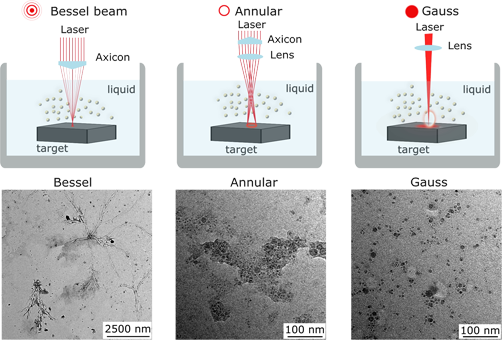
- annular profile formed using a combination of an axicon and a converging lens, and a Gaussian beam focused on the surface of a Si target using the same converging lens. In all the schemes, a nanosecond Nd3+:YAG laser with a pulse duration of 10 ns operating at its fundamental harmonic (1064 nm) was used
- surface [27] with different plasma parameters than in the plasma generated by a Gaussian beam. A change of the incident beam pattern will change the temperature and pressure inside cavitation bubbles (CBs) and influence CB oscillations. Furthermore, pressure variations at the target interface would be
- of the synthesized products towards energy- and catalysis-related applications due to materials’ high surface area and prompt reaction kinetics. The potential benefits of the beam shape variation have recently initiated more active research on the ablative generation of NPs using spatially shaped


Dendrimer-modified carbon nanotubes for the removal and recovery of heavy metal ions from water
Beilstein J. Nanotechnol. 2025, 16, 1522–1532, doi:10.3762/bjnano.16.107

- (CNTs) by growing dendrimers on their surface. First, CNTs were pre-functionalized with maleic acid (MA) via Diels–Alder reaction in presence of a deep eutectic solvent under ultrasonication. Subsequently, dendrimers of varying length were grown by the repeated reaction of ethylene diamine and MA. Raman
- spectroscopy was specifically used to confirm the Diels–Alder reaction on the surface of CNTs, and other characterization techniques (SEM, EDX, XRD, TGA, and FTIR) were applied to confirm the successive growth of the dendrimers. Highly dendrimerized CNTs were found to be more effective in removing heavy metal
- application in numerous fields [18][19][20][21][22][23]. CNTs are particularly attractive as support materials due to their high specific surface area, mechanical strength, and excellent electrical and thermal conductivity [24][25][26][27]. CNTs themselves have been utilized as adsorbents for removing heavy


Cross-reactivities in conjugation reactions involving iron oxide nanoparticles
Beilstein J. Nanotechnol. 2025, 16, 1504–1521, doi:10.3762/bjnano.16.106
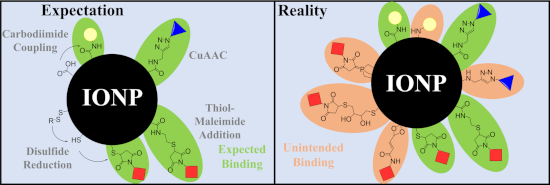
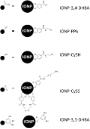
- functional biomedical nanomaterials. However, few studies report the controls performed to determine if the loading of molecules onto IONPs is due to the proposed coupling reaction(s) employed, or some other unknown interaction with the IONP surface. Herein, we use 3,4-dihydroxybenzoic acid-functionalized
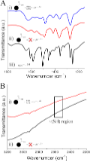
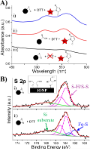
- . Through the judicious use of controls, we demonstrate significant cross-reactivities of amines, thiols, maleimides, and common disulfide reducing agents with surface Fe of IONPs and show how these unwanted interactions can produce false positive results. Without proper controls, these can lead to
- ]. Magnetite (Fe3O4) nanoparticles (NPs), in particular, have been explored for these applications, due to their low toxicity, biocompatibility, and high saturation magnetization [4]. These applications require reliable and controlled surface functionalization to impart desired functionality, such as tissue







Nanomaterials for biomedical applications
Beilstein J. Nanotechnol. 2025, 16, 1499–1503, doi:10.3762/bjnano.16.105
- . Nanomaterials have gained popularity in medicine because they can be altered according to the need [1]. Researchers can tailor the shape, surface chemistry, and other specific properties of materials to deliver desirable traits. In particular, some nanoparticles can be used to deliver drugs to a tumor, reducing
- react to certain bodily conditions, for example, changes in pH or enzymes. As a result, drugs only target affected parts of the body, lowering the damage to healthy cells. Additionally, the surface of these nanoparticles can be modified by attaching antibodies or ligands, which allows these
- nanoparticles to target particular cell types, making them precise [10]. Dendrimers are considered a more promising group among nanocarriers. They are highly branched structures, with a given shape and many functional groups placed on their surface. This enables the safe loading of high quantities of drugs and
Laser processing in liquids: insights into nanocolloid generation and thin film integration for energy, photonic, and sensing applications
Beilstein J. Nanotechnol. 2025, 16, 1428–1498, doi:10.3762/bjnano.16.104
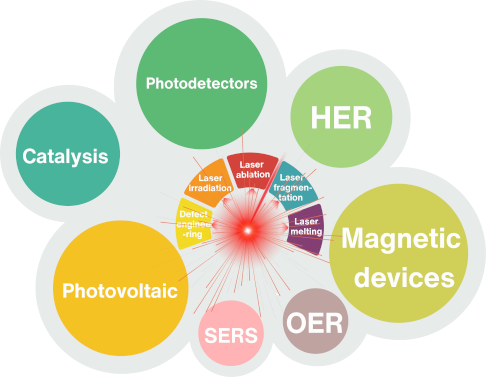
- stability in addition to other benefits like tunable size and morphology, crystalline phases, new compounds and alloys, and defect engineering. These nanocolloids are useful for fabricating different devices mainly with applications in optoelectronics, catalysis, sensors, photodetectors, surface-enhanced
- ; nanocolloids to thin films; photocatalysis; photovoltaics and photodetection; surface-enhanced Raman spectroscopy (SERS); Review 1 Introduction This section provides a brief introduction to the fundamental laser processing techniques used in liquids, including ablation, fragmentation, melting, irradiation; it
- medium characteristics (e.g., chemical composition and viscosity) influence the size, morphology, and surface properties of the Au NPs, which, in turn, determine their performance. The effect of solvents on morphology of generated NPs in laser ablation is shown in Figure 2. While PLAL offers a rich






Photochemical synthesis of silver nanoprisms via green LED irradiation and evaluation of SERS activity
Beilstein J. Nanotechnol. 2025, 16, 1417–1427, doi:10.3762/bjnano.16.103
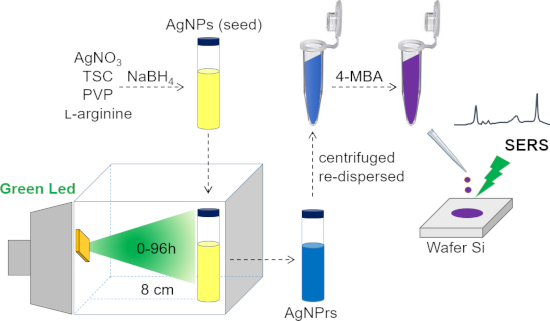
- candidates for surface-enhanced Raman scattering (SERS) due to their strong localized surface plasmon resonance and sharp tip geometry. In this study, AgNPrs were synthesized through a photochemical method by irradiating spherical silver nanoparticle seeds with 10 W green light-emitting diodes (LEDs; 520
- applications. Keywords: light-emitting diodes (LEDs); photochemical synthesis; silver nanoprisms; surface-enhanced Raman scattering (SERS); trisodium citrate; Introduction Anisotropic silver nanoparticles (ASNPs) have attracted increasing attention from research groups worldwide due to their potential
- applications in optical sensing, particularly in surface-enhanced Raman scattering (SERS) [1]. Among ASNPs, silver nanoprisms (AgNPrs) are of particular interest because of their broad absorption in the visible range (400–900 nm), enabling them to display a wide spectrum of colors such as yellow, red, orange


The role of biochar in combating microplastic pollution: a bibliometric analysis in environmental contexts
Beilstein J. Nanotechnol. 2025, 16, 1401–1416, doi:10.3762/bjnano.16.102
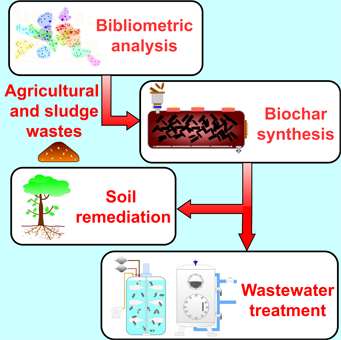
- modifiers, magnetic-derived amphoteric metals and cooperative microbes [31][32][33][34]. Traditional biochar synthesis aims to optimize specific surface area and structural stability by controlling reaction time, heating rate and reactor temperature [35]. For example, biochar produced from oilseed rape
- straw and softwood pellets at 700 °C exhibited a carbon distribution and surface area 3.45–6.15 times greater than that obtained at 550 °C [36]. Similarly, biochar derived from straw feedstock showed an increase in specific surface area (SSA) from 37.2 to 302.8 m2·g−1 when the pyrolysis temperature
- increased from 300 to 800 °C [37]. However, [38] reported contrasting trends in commercial corn straw biochar, where increasing thermolysis temperatures led to a significant decrease in surface area from 808.3 to 177.5 m2·g−1, while the bulk density increased from 0.059 to 0.121 g·cm−3. Similarly, biochar



Parylene-coated platinum nanowire electrodes for biomolecular sensing applications
Beilstein J. Nanotechnol. 2025, 16, 1392–1400, doi:10.3762/bjnano.16.101
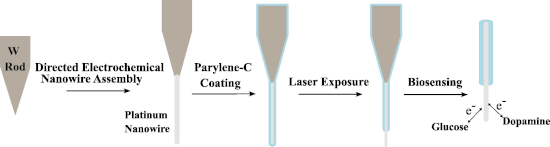
- and components [3]. Advancements in materials science over the past two decades have driven significant progress in the development of nanoscale electrodes. Their high surface-to-volume ratio and nanoscale dimensions offer inherent advantages, including improved response time, improved sensitivity
- , with diameters ranging from 0.4 to 100 nm and lengths extending from a few micrometers to several centimeters [7]. The functionalization of CNTs is achieved by surface modification through various methods including covalent bonding, adsorption, and detection group attachment [7][8]. Palve et al
- , and cell oxidative stress [10]. Another important class of biosensors relies on metal nanoparticles, as metals have long served as some of the earliest and most widely utilized materials in biosensor development. Like CNTs, nanoscale metal particles benefit from their small size and high surface-to


Synthesis and antibacterial properties of nanosilver-modified cellulose triacetate membranes for seawater desalination
Beilstein J. Nanotechnol. 2025, 16, 1380–1391, doi:10.3762/bjnano.16.100
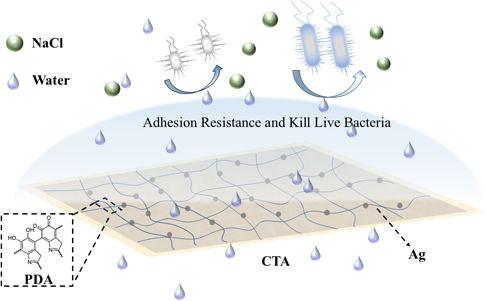
- pollution in cellulose triacetate (CTA) membranes during seawater desalination, silver (Ag) nanoparticles were incorporated onto the CTA surface using polydopamine (PDA). PDA, which contains phenolic and amino groups, exhibits excellent adhesiveness and provides active sites for the attachment and reduction
- for Ag nanoparticles. Various characterizations confirm the successful introduction of Ag nanoparticles onto the surface of the PDA-modified CTA (PCTA) membrane and the preservation of CTA microstructures. Antibacterial testing demonstrates that the Ag@PCTA membrane exhibited excellent antibacterial
- . Concurrently, the consumption of freshwater in industrial and agricultural sectors is also witnessing a significant increase [1][2]. On Earth, while oceans cover approximately 75% of the surface, freshwater constitutes merely 2.5% of the total water volume [3][4][5]. Moreover, 70% of these freshwater resources


Automated collection and categorisation of STM images and STS spectra with and without machine learning
Beilstein J. Nanotechnol. 2025, 16, 1367–1379, doi:10.3762/bjnano.16.99
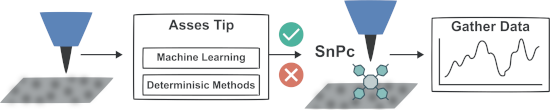
- deterministic methods (DM) using a prototypical tin phthalocyanine on Au(111) system at 4.7 K. We find that both ML and DM are able to classify images and spectra with high accuracy, with only a small amount of prior surface knowledge. We highlight the practical advantage of DM not requiring large training
- contaminants can also strongly perturb the electronic structure of the tip. Methods of optimising the probe state for ideal STS are slow and laborious, involving indentation into a metal surface and bias pulses applied to the tip, manually checking spectra and imaging after each probe shaping attempt. The
- characteristic feature corresponding to the surface state, which appears as a step function around a specific bias value, which for the Au(111) surface appears at around −0.48 V [13][14]. One notable attempt to automate this classification using machine learning (ML) was carried out by Wang et al. [15]. This




Enhancing the therapeutical potential of metalloantibiotics using nano-based delivery systems
Beilstein J. Nanotechnol. 2025, 16, 1350–1366, doi:10.3762/bjnano.16.98
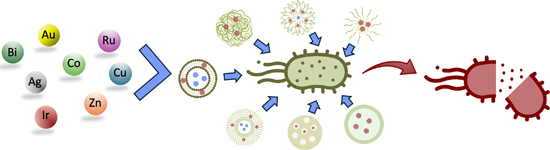
- drug carriers with ligands that bind to specific receptors overexpressed on the surface of the target site [45]. There are notable differences between the surfaces of eukaryotic cells and pathogenic bacteria, which provides obvious advantages in active-targeting strategies. In Gram-positive bacteria
- bacterial lectins could serve as effective binding sites for glycosylated polymers [49]. Targeted nanoparticles need to be designed with an optimal density of targeting moieties to effectively interact with specific cell surface receptors. Achieving this requires a clear understanding of the ratio between
- , significantly expanding their applications [58]. The structure of liposomes can vary, with unilamellar and multilamellar vesicles being the two main forms, offering flexibility in the types of drugs they can deliver. In addition, size, surface charge, and lipid composition of these nanoparticles can be tailored


Ferroptosis induction by engineered liposomes for enhanced tumor therapy
Beilstein J. Nanotechnol. 2025, 16, 1325–1349, doi:10.3762/bjnano.16.97
- ][120]. 3.2 Characterization of liposomes Characterization of liposomes is important to ensure their quality and performance as drug delivery systems. Several techniques are commonly used to analyze the properties of liposomes, including size, lamellarity, surface charge, and EE [110][121]. Dynamic
- light scattering (DLS) is commonly used to determine liposome size and size distribution. Transmission electron microscopy (TEM) and atomic force microscopy (AFM) can be used to image liposome morphology and determine lamellarity. Zeta potential measurements assess the surface charge of liposomes, which
- liposomes is preserved [110]. The surface charge of liposomes, often expressed as zeta potential, is an important parameter that influences their stability and interaction with biological systems. Electrophoretic light scattering is often used to measure the zeta potential of liposomes [110][125]. Cryo-TEM


Wavelength-dependent correlation of LIPSS periodicity and laser penetration depth in stainless steel
Beilstein J. Nanotechnol. 2025, 16, 1302–1315, doi:10.3762/bjnano.16.95
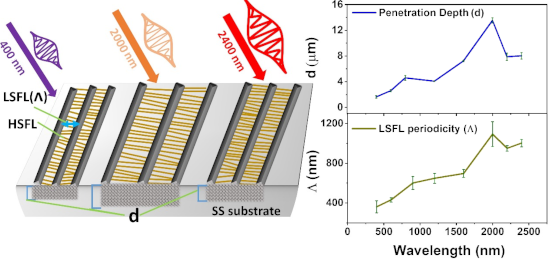
- This research paper delves into the exploration of laser-induced periodic surface structures (LIPSS) on a 100 µm thin stainless steel (SS) sheet. Through the application of laser irradiation with wavelengths spanning from 400 to 2400 nm, we systematically generate ladder-like LIPSS across a substantial
- our comprehension of laser–material interactions and hold potential implications for surface engineering and material science applications. Keywords: cross section of LIPSS; high spatial frequency LIPSS (HSFL); laser-induced periodic surface structures (LIPSS); low spatial frequency LIPSS (LSFL
- ); maximum LIPSS; penetration depth; Introduction Nanostructuring on surfaces plays a pivotal role in governing surface properties, and laser-induced periodic surface structures (LIPSS) have emerged as a potent method for achieving nanoscale surface modifications. Over the past decade, LIPSS and laser




Enhancing the photoelectrochemical performance of BiOI-derived BiVO4 films by controlled-intensity current electrodeposition
Beilstein J. Nanotechnol. 2025, 16, 1289–1301, doi:10.3762/bjnano.16.94
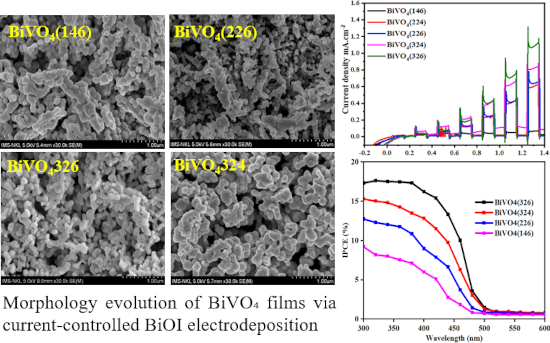
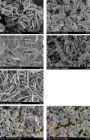
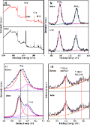
- optimize the crystallinity, surface morphology, and electronic properties of the films. Subsequently, an electrochemical deposition method was developed to facilitate the uniform distribution of V2O5 among Bi–O–I flakes to homogeneously enhance the conversion reaction. The XRD pattern confirms the
- monoclinic scheelite BiVO4 structure with dominant (121) and (004) peaks. FESEM imaging revealed that the different deposition conditions influenced the surface morphologies of the BiOI and BiVO4 films. Photocurrent density measurements showed that BiVO4(326) achieved 1.2 mA·cm−2 at 1.23 V vs RHE
- , representing a significant enhancement compared to the other samples. The surface hole injection efficiency was measured to be 47%, whereas the incident photon-to-current efficiency reached a peak of 18.1% at 420 nm. The applied bias photon-to-current efficiency of BiVO4(326) was also superior to that of the



Acrocomia aculeata oil-loaded nanoemulsion: development, anti-inflammatory properties, and cytotoxicity evaluation
Beilstein J. Nanotechnol. 2025, 16, 1277–1288, doi:10.3762/bjnano.16.93
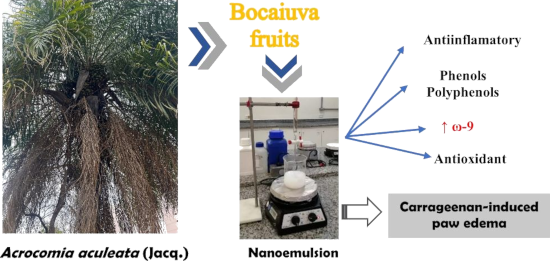
- (O/W) or water-in-oil (W/O), which are isotropic, homogeneous, and thermodynamically unstable, with droplet sizes ranging from 20 to 200 nm [20]. They present properties such as high surface area per unit volume, robust kinetic stability, and tunable rheology [21]. It has been demonstrated that
- counterpart [47]. The superior pharmacological response of the nanoemulsion may be attributed to the nanoscale droplet size, which increases the surface area-to-volume ratio, enhances solubility and stability, and promotes rapid absorption and cellular uptake [56]. The nanometric scale facilitates more


Better together: biomimetic nanomedicines for high performance tumor therapy
Beilstein J. Nanotechnol. 2025, 16, 1246–1276, doi:10.3762/bjnano.16.92
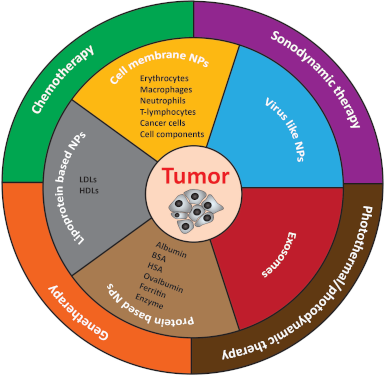
- release behavior, targeting ability, and surface modifications [12][13][14][15]. A variety of nanoparticles have been researched including liposomes, polymer NPs, solid lipid NPs, and hybrid NPs [16]. Nanoscale drug carriers with the advantage of high penetration, long circulation, and significant
- are specialized NPs, where the surface is designed with natural biocompatible biomaterials that can mimic the structure and functions of the natural cells to improve targetability, enhance biocompatibility, and increase retention time with minimum undesired immune reaction [22]. Importantly, efficient
- easiest to use for biomedical applications as they lack mature DNA and other organelles [26]. There are various methods to load agents inside or attach onto the surface of RBCs by either chemical or physical methods such as (A) hypotonic presealing, (B) hypotonic loading, (C) electroporation, and (D







Functional bio-packaging enhanced with nanocellulose from rice straw and cinnamon essential oil Pickering emulsion for fruit preservation
Beilstein J. Nanotechnol. 2025, 16, 1234–1245, doi:10.3762/bjnano.16.91
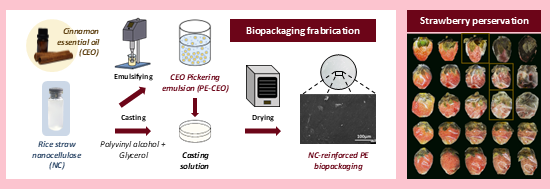
- matrix properties, including tensile strength, elasticity, and thermal stability, due to its high surface area, hydroxy groups forming hydrogen bonds, and excellent dispersion within the matrix [20][21]. This improvement is attributed to interaction between hydroxy groups in NC and PVA, effectively
- ]. Encapsulation strategies, like Pickering emulsions (PEs) stabilized by bio-based particles, address these challenges [37]. Nanocellulose is a promising candidate for stabilizing Pickering emulsions because of its high surface area, nanoscale dimensions, and amphiphilic nature [20]. This not only improves the
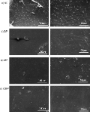
- stability, making PE-CEO-infused films promising candidates for biopackaging applications requiring controlled moisture permeability. The surface morphology of the biopackaging materials was examined using scanning electron microscopy (SEM) (Figure 3). As shown in our previous research, nanocellulose in




Hydrogels and nanogels: effectiveness in dermal applications
Beilstein J. Nanotechnol. 2025, 16, 1216–1233, doi:10.3762/bjnano.16.90
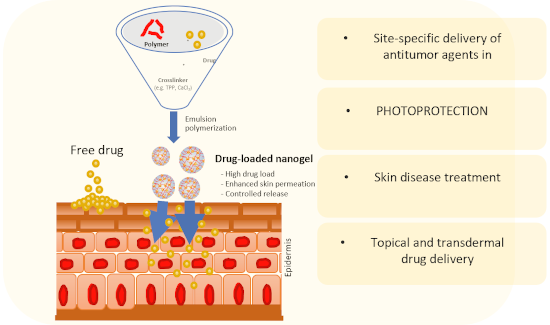
- barriers and deliver therapeutic agents with high precision and efficiency [141][142][143]. Among the ultrasmall systems, cyclodextrin-based nanogels have attracted considerable attention. Cyclodextrins are oligosaccharides with a hydrophobic core and a hydrophilic external surface, facilitating the
- [158] and surface chemical functionalization [159], which helps to achieve high drug levels at the target site. Several strategies have been developed to obtain nanoscale or micrometric gels instead of macroscopic networks formed by a simple gelation process [20][160][161]. In emulsion polymerization
- guanosine quartet hydrogels loaded with recombinant human-sourced collagen can be wrapped onto the skin surface. These films can supply collagen deposition for the wound by recruiting macrophages and fibroblasts and eventually inducing their proliferation and migration [42]. In the study by Zhao et al


Chitosan nanocomposite containing rotenoids: an alternative bioinsecticidal approach for the management of Aedes aegypti
Beilstein J. Nanotechnol. 2025, 16, 1197–1208, doi:10.3762/bjnano.16.88
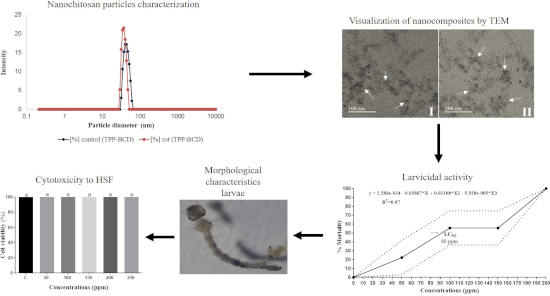
- of 1 cm−1 and an accumulation of 35 scans per spectrum. A compressive force of 15 N was applied to the samples during measurement to ensure proper contact with the ATR crystal surface. Quantification of rotenoids by high-performance liquid chromatography The quantification of rotenoids was performed



Electronic and optical properties of chloropicrin adsorbed ZnS nanotubes: first principle analysis
Beilstein J. Nanotechnol. 2025, 16, 1184–1196, doi:10.3762/bjnano.16.87
- agents is paramount to ensure safety in agricultural settings and protect public health from potential hazards. Nanomaterials have emerged as an exceptional class of materials, characterized by at least one dimension in the range of 1 to 100 nm. These materials exhibit remarkably high surface areas
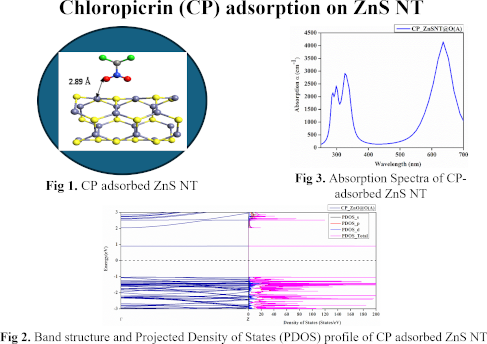
- ][30][31][32][33][34][35]. ZnS NTs are well-suited for gas sensing applications owing to their unique features. These include a high surface area for enhanced gas adsorption, semiconducting properties that enable measurable conductivity changes in the presence of target gases, and their ability to form
- reconstructed ZnS NTs [38][54][55][56]. This minor buckling is attributed to the inherent curvature induced during the transition from a planar sheet to a tubular form. The presence of buckling in the NT structure is of significant interest due to its potential implications for surface properties. The buckling


Mechanical stability of individual bacterial cells under different osmotic pressure conditions: a nanoindentation study of Pseudomonas aeruginosa
Beilstein J. Nanotechnol. 2025, 16, 1171–1183, doi:10.3762/bjnano.16.86
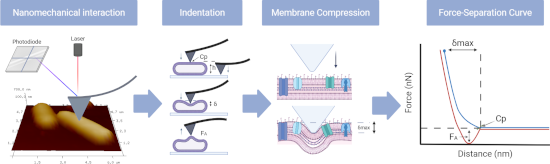
- specific molecular agents is critical in generating strategies to control their undesired propagation. Atomic force microscopy (AFM) is a powerful, sensitive technique that scans the surface topography of a sample with an ultra-sharp tip while monitoring the interaction forces between this tip and the
- investigated sample [11][43][44]. The force–volume (FV) mode allows for mapping surface physical parameters of the analyzed sample via controlled nanoindentations on a pre-programmed grid on the sample surface [44][45][46][47]. In conventional scanning modes (e.g., contact and tapping) the changes in
- displacement by the piezoelectric element are gathered in order to maintain a constant cantilever deflection or amplitude while a surface is scanned line by line Conversely, in FV quantitative information is extracted after analysis of a force–separation curve obtained from a performed nanoindentation


Crystalline and amorphous structure selectivity of ignoble high-entropy alloy nanoparticles during laser ablation in organic liquids is set by pulse duration
Beilstein J. Nanotechnol. 2025, 16, 1141–1159, doi:10.3762/bjnano.16.84
- , Synthesis and Real Structure, Faculty of Engineering, Christian-Albrechts University of Kiel, Kaiserstraße 2, 24143 Kiel, Germany Inorganic Chemistry and Center for Nanointegration Duisburg-Essen (CENIDE), University of Duisburg-Essen, Universitaetsstr. 7, 45141 Essen, Germany Kiel Nano, Surface and
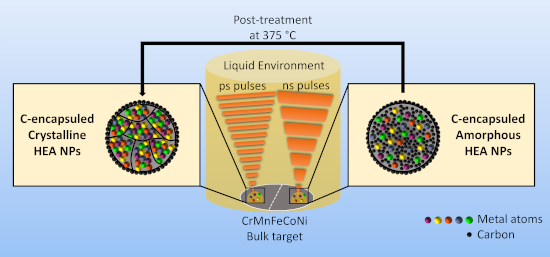
- are in good agreement with the near-equimolar composition of the bulk target (Cr21Mn18Fe21Co18Ni22), determined by both XRF and SEM-EDX measurements, quantifying not only the surface compositions of the corresponding targets but also bulk compositions determined from a target cross-section (Supporting
- also analyzed the elemental composition of the targets after ps-LAL and ns-LAL using EDX. The findings show that the surface retains its homogeneous distribution of elements and no favored ablation of single elements with resulting element islands from non-ablated elements can be observed. Thus




Deep learning for enhancement of low-resolution and noisy scanning probe microscopy images
Beilstein J. Nanotechnol. 2025, 16, 1129–1140, doi:10.3762/bjnano.16.83
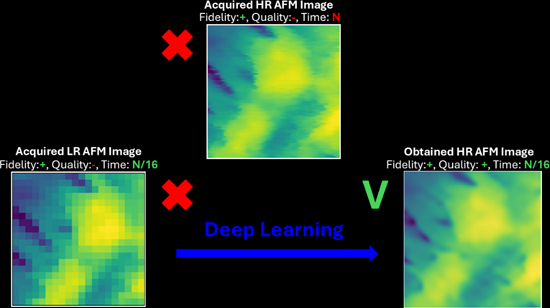
- -resolution imaging of simple and complex surfaces that capture the sensitive features, details, and information of the surface structure. Whereas many manifestations of AFM are in use, including remarkable sub-molecular resolution for specialized systems working under low temperatures and high vacuum [1
- minutes are typically required for each scan. Second, AFM scans can contain inherent artifacts in the captured image due to the operating system settings or the sample and its interaction with the tip. In principle, tip–surface contact should be carefully controlled to avoid damage due to these
- size. In the well-established algorithm of blind reconstruction [13], “certainty maps” are provided, showing clearly where the tip does and does not measure each point. The sharper the tip relative to surface features, the more points it can access. Having said that, blind reconstruction has been used


Influence of ion beam current on the structural, optical, and mechanical properties of TiO2 coatings: ion beam-assisted vs conventional electron beam evaporation
Beilstein J. Nanotechnol. 2025, 16, 1097–1112, doi:10.3762/bjnano.16.81
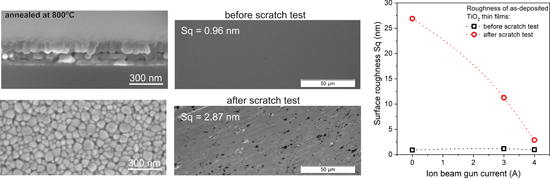
- analysis of surface morphology and cross sections revealed that the TiO2 films prepared by IBAD had smaller, rounded grains and were denser compared to those deposited by EBE. Optical properties showed high transparency of 77–83% in the visible wavelength range for all as-prepared thin films. However
- advantages including low manufacturing cost, high deposition rate, and the possibility to coat large surface areas [3][5][6]. However, the quality of the deposited coatings is relatively poor compared to, for example, magnetron sputtering, which guarantees the production of thin films with good coating
- possibilities and is easily implemented using conventional equipment [8]. The additional energy supplied to the deposited atoms (typically 60–180 eV compared to the energy of simply evaporated particles of not more than 0.1 eV) results in atomic displacements in the growing coating and enhanced surface atom