Search results
Search for "ultrasonic" in Full Text gives 265 result(s) in Beilstein Journal of Nanotechnology. Showing first 200.
Preparation, characterization and photocatalytic performance of heterostructured CuO–ZnO-loaded composite nanofiber membranes
Beilstein J. Nanotechnol. 2020, 11, 631–650, doi:10.3762/bjnano.11.50
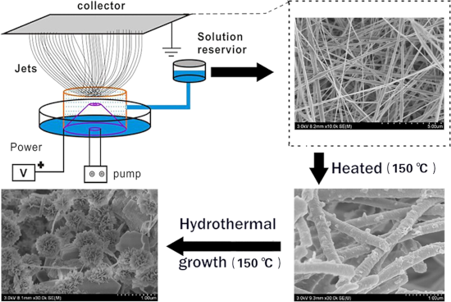
- h at 80 °C until they became homogeneous. Then, equal amounts of Cu(Ac)2 and Zn(Ac)2 were added into the mixed solutions of PVDF and PAN, and were dispersed in the solutions by an ultrasonic cleaner (SL-5200DT, Nanjing Shunliu Instrument Co. Ltd., China) for 2 h at room temperature (25 ± 2 °C). The





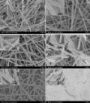


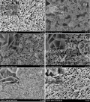


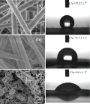


Identification of physicochemical properties that modulate nanoparticle aggregation in blood
Beilstein J. Nanotechnol. 2020, 11, 550–567, doi:10.3762/bjnano.11.44
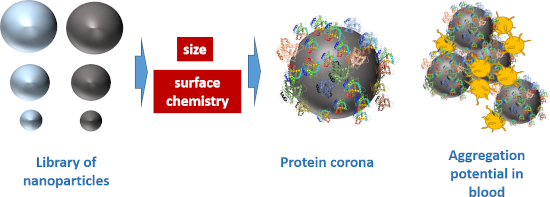
- in an ultrasonic bath and then heated for 5 min at 95 °C to complete the protein denaturation. The protein corona was resolved in a 4% stacking gel / 12% acrylamide and the electrophoretic analysis was conducted at 130 V as previously described [26]. After the electrophoretic separation, the gels




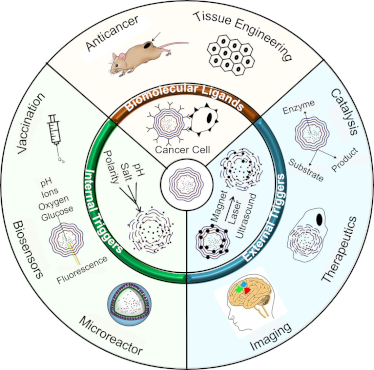
Multilayer capsules made of weak polyelectrolytes: a review on the preparation, functionalization and applications in drug delivery
Beilstein J. Nanotechnol. 2020, 11, 508–532, doi:10.3762/bjnano.11.41


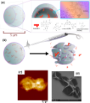

Simple synthesis of nanosheets of rGO and nitrogenated rGO
Beilstein J. Nanotechnol. 2020, 11, 68–75, doi:10.3762/bjnano.11.7
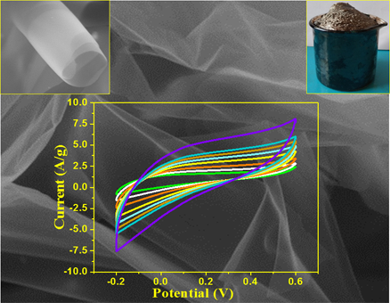
- , using an ultrasonic bath, and subsequent dripping of the suspension on the grid and drying. Raman spectra of the samples were recorded using a Jobin Yvon LabRam HR spectrometer with a 514 nm Ar laser. Thermogravimetric analysis of the samples was carried out in an oxygen flow with a heating rate of 3


Recent progress in perovskite solar cells: the perovskite layer
Beilstein J. Nanotechnol. 2020, 11, 51–60, doi:10.3762/bjnano.11.5

- over time is summarized in Figure 3. Spray coating Spray coating is the fastest method of obtaining scalable perovskite layers providing a high coating rate in a continuous process. For the first time, Lidzey et al. [43] used the ultrasonic spray coating technique to coat a precursor solution


Self-assembly of a terbium(III) 1D coordination polymer on mica
Beilstein J. Nanotechnol. 2019, 10, 2440–2448, doi:10.3762/bjnano.10.234
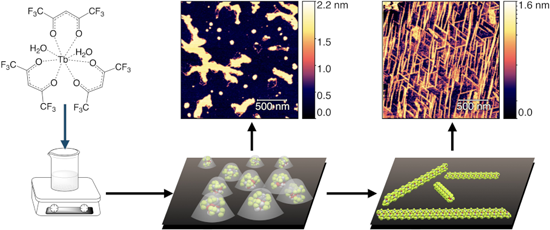
- cleaved muscovite mica (Dumico, Rotterdam, Netherlands) was performed via the following procedure: A 0.35 mM solution of [Tb(hfac)3·2H2O] in cyclohexane was sonicated for 2 min in an ultrasonic bath (Bransonic 3510, 80 W), and 0.5 mL of this solution were dripped on a freshly air-cleaved mica surface




Coating of upconversion nanoparticles with silica nanoshells of 5–250 nm thickness
Beilstein J. Nanotechnol. 2019, 10, 2410–2421, doi:10.3762/bjnano.10.231
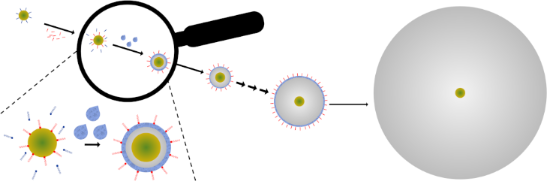
- carried out with standard glass equipment. The reaction vessels were cleaned before use with hydrofluoric acid (8 vol %) and were then repeatedly rinsed with water. The redispersion of the nanoparticles was carried out using an ultrasonic bath (Sonorex RK512H (860 W, 35 kHz) from Bandelin). Alternatively
- mixture under magnetic stirring (600 rpm). After the addition was completed, the reaction mixture was stirred for another 12 h. Then, the particles were washed three times by centrifugation (3300g, 1 h) and redispersion in 10–20 mL of EtOH with the help of an ultrasonic bath and were finally redispersed


Semitransparent Sb2S3 thin film solar cells by ultrasonic spray pyrolysis for use in solar windows
Beilstein J. Nanotechnol. 2019, 10, 2396–2409, doi:10.3762/bjnano.10.230
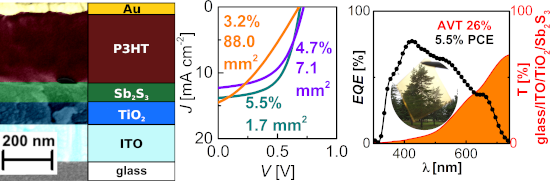
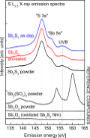
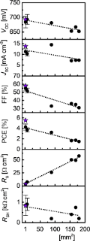
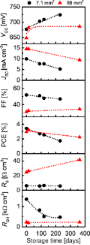
- spectroscopy, semitransparent Sb2S3 thin films can be rapidly grown in air by the area-scalable ultrasonic spray pyrolysis method. Integrated into a ITO/TiO2/Sb2S3/P3HT/Au solar cell, a power conversion efficiency (PCE) of 5.5% at air mass 1.5 global (AM1.5G) is achieved, which is a record among spray
- . Keywords: antimony sulfide; semitransparent solar cells; solar windows; thin films; ultrasonic spray pyrolysis; Introduction Modern buildings, especially high-rise buildings, have a large window area available for building-integrated photovoltaics (BIPV). Covering the windows with semitransparent thin
- techniques are the high energy demand and the need for batch processing, which inflates production costs. As a potent solution-based chemical deposition method, ultrasonic chemical spray pyrolysis (USP) is capable of rapid, area-scalable, roll-to-roll and low-cost in-air deposition of Sb2S3 layers without



Multiwalled carbon nanotube based aromatic volatile organic compound sensor: sensitivity enhancement through 1-hexadecanethiol functionalisation
Beilstein J. Nanotechnol. 2019, 10, 2364–2373, doi:10.3762/bjnano.10.227
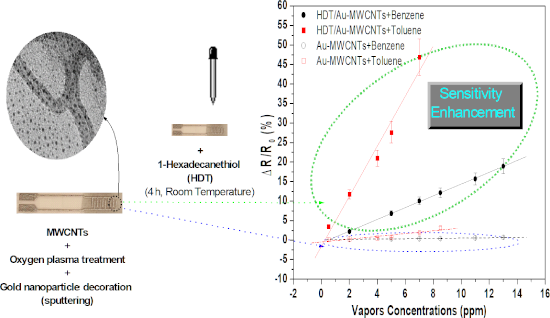
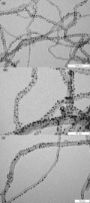
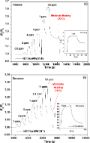
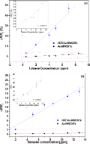
- presented in Supporting Information File 1 [16][17][18]. The MWCNTs were then dispersed in dimethylformamide (DMF) (0.1 mg MWCNTs in 1 mL of DMF) using an ultrasonic bath for 20 minutes at room temperature. Then, they were air-brush deposited over the platinum interdigitated electrode area of alumina




Atomic force acoustic microscopy reveals the influence of substrate stiffness and topography on cell behavior
Beilstein J. Nanotechnol. 2019, 10, 2329–2337, doi:10.3762/bjnano.10.223
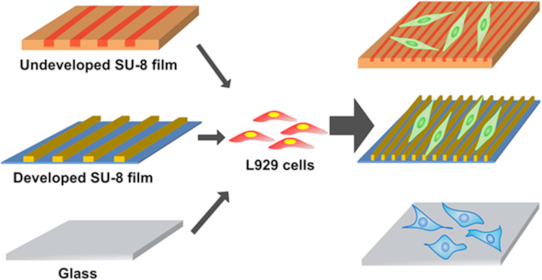
- Atomic force acoustic microscopy (CSPM5500, Benyuan, China) was used for the imaging the SU-8 surfaces and the L929 cells cultured on the different substrates. The specimen to be studied was mounted on the top of an ultrasonic transducer by a coupling medium (Vaseline). The ultrasonic transducer under


Design and facile synthesis of defect-rich C-MoS2/rGO nanosheets for enhanced lithium–sulfur battery performance
Beilstein J. Nanotechnol. 2019, 10, 2251–2260, doi:10.3762/bjnano.10.217
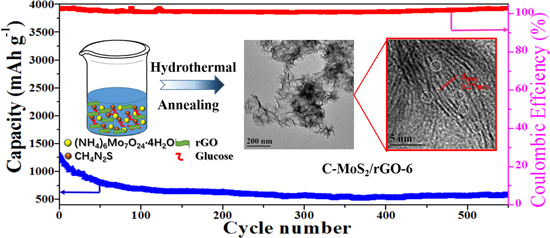
- nanosheets For the synthesis of the C-MoS2/rGO nanosheets, 1.23 g hexaammonium heptamolybdate tetrahydrate, 0.89 g of glucose, and 2.28 g thiourea were dissolved in 25 mL of deionized water to form solution A; 0.03 g of GO was dissolved into 10 mL of deionized water by ultrasonic to form solution B. Then


Nontoxic pyrite iron sulfide nanocrystals as second electron acceptor in PTB7:PC71BM-based organic photovoltaic cells
Beilstein J. Nanotechnol. 2019, 10, 2238–2250, doi:10.3762/bjnano.10.216
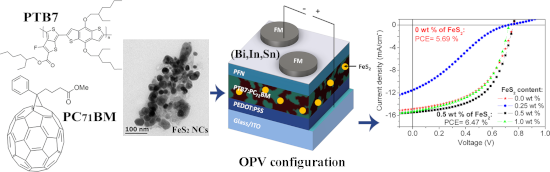
- under nitrogen atmosphere. The solution was stirred on a hot plate for 24 h at room temperature. FeS2 NCs were added to the active layer at concentrations of 0, 0.25, 0.5, and 1.0 wt % with respect to the electron donor and then mixed in an ultrasonic bath for 20 min. Glass/ITO/PEDOT:PSS/PTB7


Targeted therapeutic effect against the breast cancer cell line MCF-7 with a CuFe2O4/silica/cisplatin nanocomposite formulation
Beilstein J. Nanotechnol. 2019, 10, 2217–2228, doi:10.3762/bjnano.10.214
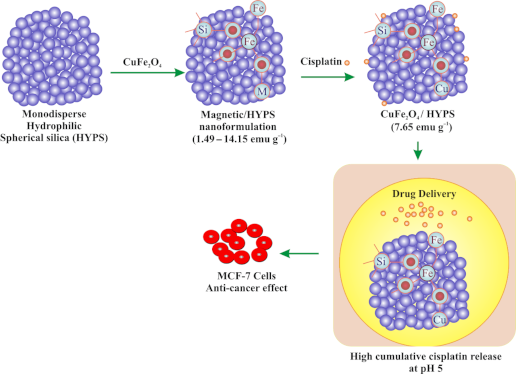
- -6610LV instrument from JEOL. The prepared powder was dispersed onto a doubled sided tape holder and examined under 20 keV. EDS spectra were obtained using Aztec software from Oxford company. The suspensions for TEM analysis were prepared from the dry sample using ethanol followed by ultrasonic treatment


Nanoarchitectonics meets cell surface engineering: shape recognition of human cells by halloysite-doped silica cell imprints
Beilstein J. Nanotechnol. 2019, 10, 1818–1825, doi:10.3762/bjnano.10.176
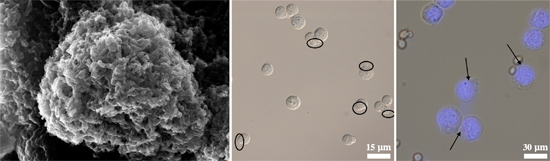
- were mixed with the cells in serum-free medium (1:50 v/v) for 10 min on a rotator. The cells@SiO2-HNTs were washed five times with Milli-Q water, and the sediment was dried for 12 h at 105 °C. Dried cells@-SiO2-HNTs were re-suspended in Milli-Q water and crushed using an ultrasonic bath for 6–8 min. To


Lipid nanostructures for antioxidant delivery: a comparative preformulation study
Beilstein J. Nanotechnol. 2019, 10, 1789–1801, doi:10.3762/bjnano.10.174
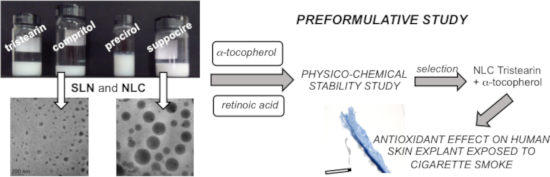
- , the emulsion was subjected to ultrasound homogenization at 6.75 kHz for 15 min (Microson ultrasonic Cell Disruptor-XL Minisonix) and allowed to cool at 25 °C. Lipid nanoparticle dispersions were stored at room temperature. In the case of drug-loaded nanoparticles, TOC (0.4–0.8% w/w with respect to the
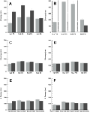
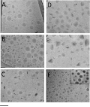
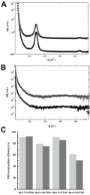

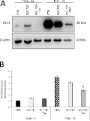
Layered double hydroxide/sepiolite hybrid nanoarchitectures for the controlled release of herbicides
Beilstein J. Nanotechnol. 2019, 10, 1679–1690, doi:10.3762/bjnano.10.163
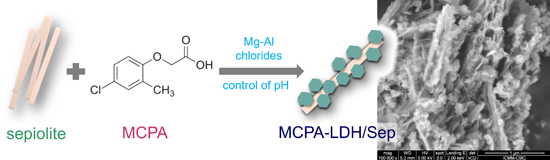
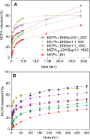
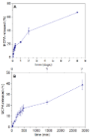
- or in the process of growing. Examples are the direct assembly of carbon nanotubes and sepiolite under ultrasonic irradiation [19] and the generation of layered titanosilicates in the presence of sepiolite [20]. In this context, the use of organic–inorganic interphases has proved highly effective to


Subsurface imaging of flexible circuits via contact resonance atomic force microscopy
Beilstein J. Nanotechnol. 2019, 10, 1636–1647, doi:10.3762/bjnano.10.159
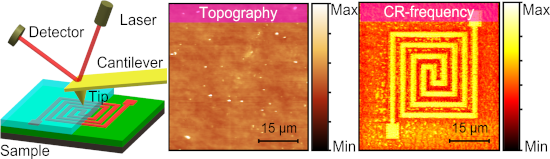
- advantages of easy operation and no special requirements for the tip and sample. In this method, the tip–sample contact is modulated with ultrasonic vibrations and the contact resonance of the AFM probe is monitored while scanning in contact mode. CR-AFM was started from the so-called atomic force acoustic


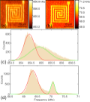

Direct observation of oxygen-vacancy formation and structural changes in Bi2WO6 nanoflakes induced by electron irradiation
Beilstein J. Nanotechnol. 2019, 10, 1434–1442, doi:10.3762/bjnano.10.141
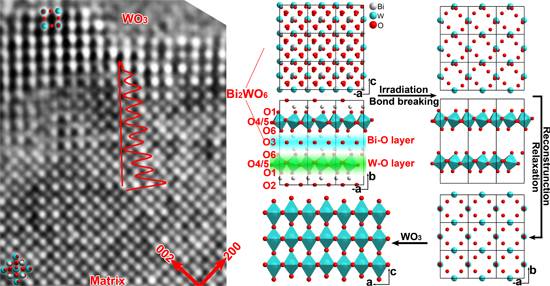
- = 5.4063(4) Å, b = 16.4186(0) Å, and c = 5.4319(7) Å. An extraordinary strong (200) reflection in the SAED pattern indicates the strong preferred orientation of the flake-like nanocrystallites. This effect is further enhanced in TEM experiments because the ultrasonic treatment in absolute ethyl alcohol


Multicomponent bionanocomposites based on clay nanoarchitectures for electrochemical devices
Beilstein J. Nanotechnol. 2019, 10, 1303–1315, doi:10.3762/bjnano.10.129
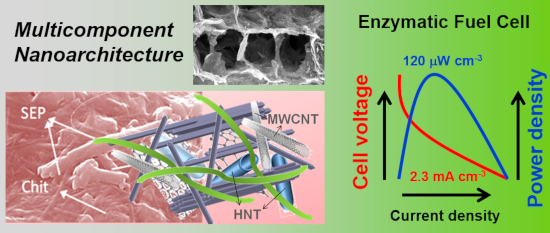
- of chitosan (CHI) and different proportions (Table 2) of SEP/HNTs/GNPs/MWCNTs were prepared at overall concentrations of 0.2% w/v and 8% w/v, respectively. First, the appropriate amounts of both nanoclays and GNPs/MWCNTs were dispersed in bi-distilled water and exposed to pulsed ultrasonic waves



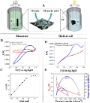
The systemic effect of PEG-nGO-induced oxidative stress in vivo in a rodent model
Beilstein J. Nanotechnol. 2019, 10, 901–911, doi:10.3762/bjnano.10.91
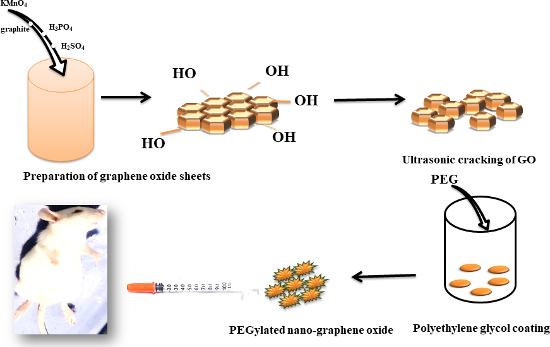
- graphene oxide For PEGylation, the sheets of GO were cracked into nano-graphene oxide (nGO) by an ultrasonic probe at 200 W for 3 h [29]. Then, the nGO solution (2 mg/mL) was neutralized by repeated rinsing and was purified through filtration using a Millex® syringe filter (0.45 μm). Finally, 400 mg of


Tungsten disulfide-based nanocomposites for photothermal therapy
Beilstein J. Nanotechnol. 2019, 10, 811–822, doi:10.3762/bjnano.10.81
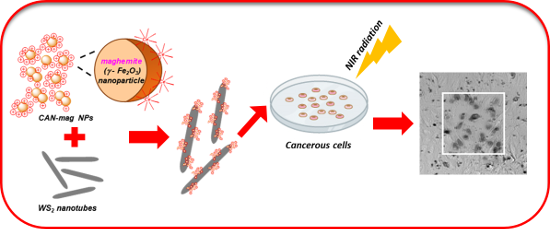
- . Preparation of WS2-NT-CM nanocomposite WS2-NTs (15 mg, NanoMaterials Ltd., Yavne, Israel; Lot number: TWPO-MA018) were dispersed in ddH2O (15 mL) using an ultrasonic probe (set to reach 3.7 KJ, with 20% amplitude) for 7 min at room temperature. Then, the aqueous CAN-mag dispersion (550 µL) was added (this
- of polymer-functionalized WS2-NT-CM nanocomposites WS2-NT-CM (20 mg) was dispersed in ddH2O (75 mL) using an ultrasonic bath. Then, polyethylenimine (11.5 mg, branched PEI, Mw ≈ 25000, Sigma-Aldrich, St. Louis, MO, US) dissolved in ddH2O (1 mL) was added. The mixture was shaken at 15 °C for 48 h (220






Ultrathin hydrophobic films based on the metal organic framework UiO-66-COOH(Zr)
Beilstein J. Nanotechnol. 2019, 10, 654–665, doi:10.3762/bjnano.10.65
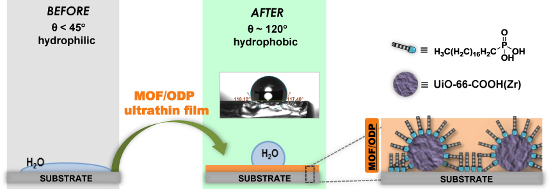
- suspensions were prepared from dry powders using a Selecta Ultrasons 3000683 ultrasonic bath (30 min) and magnetic stirring at room temperature overnight. In all cases, the suspensions were also sonicated for 30 min before using them for Langmuir/Langmuir–Blodgett film preparation. Langmuir–Blodgett films


Hydrophilicity and carbon chain length effects on the gas sensing properties of chemoresistive, self-assembled monolayer carbon nanotube sensors
Beilstein J. Nanotechnol. 2019, 10, 565–577, doi:10.3762/bjnano.10.58
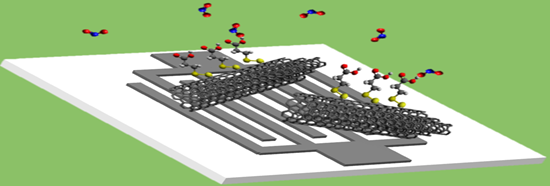
- % purity). Then, the suspension was placed in an ultrasonic bath during 30 min at room temperature. Thereafter, the suspension was deposited onto screen-printed alumina substrates by employing an airbrushing technique. Finally, the MWCNTs were decorated with gold nanoparticles by a sputtering method. An


Development of an anti-pollution coating process technology for the application of an on-site PV module
Beilstein J. Nanotechnol. 2019, 10, 332–336, doi:10.3762/bjnano.10.32
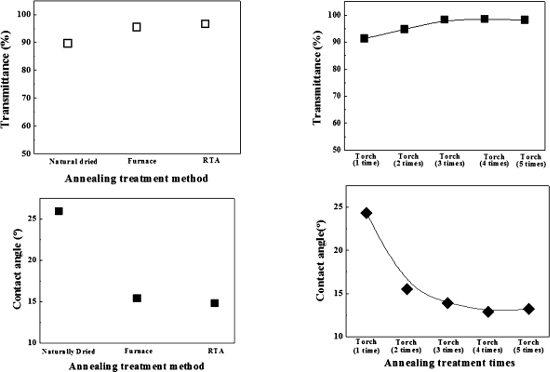
- coat various materials, such as metals, ceramics, and glass [9]. Before coating the glass slide substrates, the substrates were subjected to ultrasonic cleaning for 10 min in, consecutively, trichloroethylene, acetone, methanol and deionized water (DI water). The substrates were coated with the coating


A Ni(OH)2 nanopetals network for high-performance supercapacitors synthesized by immersing Ni nanofoam in water
Beilstein J. Nanotechnol. 2019, 10, 281–293, doi:10.3762/bjnano.10.27
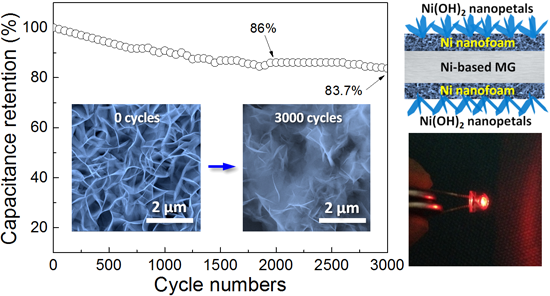
- an X-ray energy dispersive spectroscope (EDS) and a transmission electron microscopy (TEM, JEOL JEM-2100). The preparation process of the TEM sample was as follows: Firstly, the active materials were scraped off with a knife. Then the materials were dispersed in ethanol with ultrasonic vibration