


Search results
Search for "ultrasound" in Full Text gives 125 result(s) in Beilstein Journal of Nanotechnology.
Sonochemical co-deposition of antibacterial nanoparticles and dyes on textiles
Beilstein J. Nanotechnol. 2016, 7, 1–8, doi:10.3762/bjnano.7.1
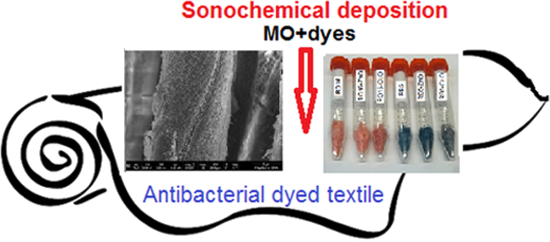
- towards the fabric surface. The dyeing occurs as a result of supplying ultrasound energy to the solution. When high-intensity ultrasound is applied to the aqueous solution of organic molecules, these molecules are adsorbed on the surface of the sonochemically formed acoustic bubbles. When the implosive
- is presented in Figure 4a. Under ultrasound irradiation the dye molecules form NPs which are deposited onto the surface of the textile. The creation of organic nanoparticles from their solution by sonochemical method was previously described by our group [25][26]. The HRSEM images of the fabric




Peptide-equipped tobacco mosaic virus templates for selective and controllable biomineral deposition
Beilstein J. Nanotechnol. 2015, 6, 1399–1412, doi:10.3762/bjnano.6.145
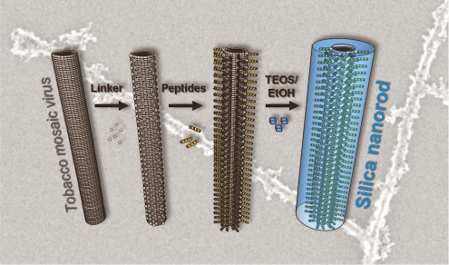
- structures in water but not in buffer. Such agglomerates could be separated by ultrasound; however, re-aggregation occurred after short time. 44C- or 31C-functionalized TMV formed raft-like aggregates in both water and buffer (as detected also after their mineralization, see SEM analysis below). For




Automatic morphological characterization of nanobubbles with a novel image segmentation method and its application in the study of nanobubble coalescence
Beilstein J. Nanotechnol. 2015, 6, 952–963, doi:10.3762/bjnano.6.98
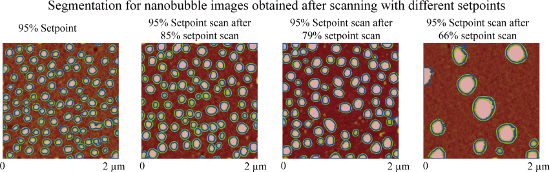
- their potential in numerous applications. They can be used as vehicles for drug delivery and agents to enhance ultrasound contrast for tumor imaging [16][17]. Studies show that NBs can promote physiological activity of living organisms and increase cell productivity [18]. They are responsible for long


Mapping of elasticity and damping in an α + β titanium alloy through atomic force acoustic microscopy
Beilstein J. Nanotechnol. 2015, 6, 767–776, doi:10.3762/bjnano.6.79
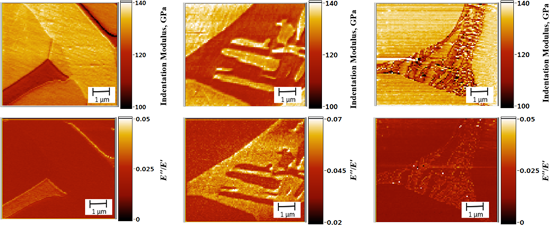
- of contact-resonance force microscopy techniques for quantitative measurements of nanomechanical properties. Ogi et al. [6] have studied elastic and damping properties in a dual-phase steel by using resonance ultrasound microscopy (RUM), which is a contact-resonance based technique but limited to


Caveolin-1 and CDC42 mediated endocytosis of silica-coated iron oxide nanoparticles in HeLa cells
Beilstein J. Nanotechnol. 2015, 6, 167–176, doi:10.3762/bjnano.6.16
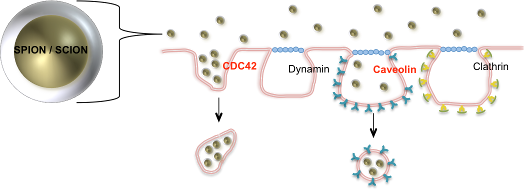
- 70–80% confluence. Before every single experiment, nanoparticles were prewarmed to 37 °C and treated with ultrasound for 10 min to avoid sedimentation and aggregation. SPIONs were diluted with cell culture media to a concentration of 50 µg Fe/mL while SCIONs were diluted to 5 µg/mL. The concentration
- medium without detaching cells from the culture surface. Afterward cells were detached with trypsin/EDTA, counted and cell pellets were resuspended in concentrated hydrochloric acid. Treatment with hydrochloric acid and ultrasound for 10 min destroyed the cells and dissociated the iron cores of SPIONs


Synthesis of boron nitride nanotubes and their applications
Beilstein J. Nanotechnol. 2015, 6, 84–102, doi:10.3762/bjnano.6.9
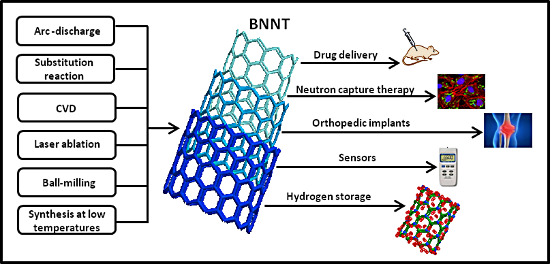
- the BNNTs in the primary human osteoblasts (hOBs) under the exposure of low frequency ultrasound (US) [80]. The BNNTs were wrapped with PLL for stabilization in water. Furthermore, they found that the PLL–BNNTs were localized in the cytoplasm in the vesicles. Although the experimental system was


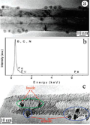


Synthesis and characterization of fluorescence-labelled silica core-shell and noble metal-decorated ceria nanoparticles
Beilstein J. Nanotechnol. 2014, 5, 2413–2423, doi:10.3762/bjnano.5.251
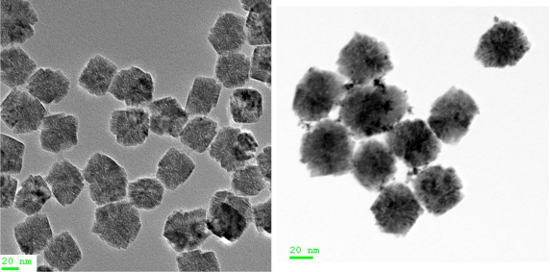
- larger particles from the catalyst decomposition. Attempts to de-agglomerate these super-agglomerates in order to obtain the original small particles by ultrasound treatment were not succesful. Ceria nanoparticles decorated with noble metals Deposition of finely dispersed noble metals on porous materials
- . With respect to (meso)porous ceria, this has been described for, e.g., rhodium [49][50] (impregnation), platinum [51] (ultrasound-assisted reduction), and gold [52][53] (impregnation and photochemical reduction, respectively). In principle, these procedures should be applicable to ceria NP as well, but


Liquid-phase exfoliated graphene: functionalization, characterization, and applications
Beilstein J. Nanotechnol. 2014, 5, 2328–2338, doi:10.3762/bjnano.5.242
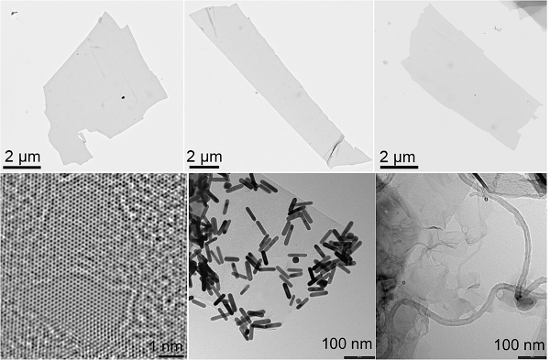
- conditions, graphite is exfoliated as high-quality graphene [18]. Ultrasonic techniques A versatile and simple strategy to exfoliate graphite in liquid phase is based on the use of ultrasonic wave treatment. Ultrasound techniques have important applications in a wide range of materials synthesis strategies
- graphene layers and carbon nanofibers. (b) Carbon nanofibers marked with Au Nanorods. (c) Representative TEM micrograph of a graphene sheet. (d) HR-TEM image of graphene. Reprinted with permission from [9], copyright 2012 The Royal Society of Chemistry. Ultrasound-assisted synthesis of MWNTs from graphite




Nanobioarchitectures based on chlorophyll photopigment, artificial lipid bilayers and carbon nanotubes
Beilstein J. Nanotechnol. 2014, 5, 2316–2325, doi:10.3762/bjnano.5.240
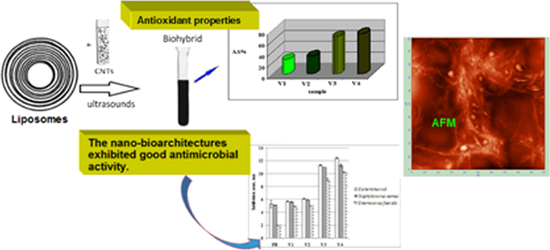
- abbreviations used in this work are presented in Table 1. Preparation of the liposome/SWCNT biocomposites Small aliquots of a previously sonicated SWCNT stock suspension (0.9 mg/mL, in PB pH 7.4) were added to a liposome suspension and the resulting mixture was subjected to ultrasound treatment (Hielser
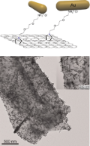
- titanium probe sonicator, UP 100H, 15 min with breaks). Figure 1 shows the schematic representation of the ultrasound-mediated biohybrid preparation resulting in two types of biocomposites: Chla–DPPC–MLVs/CNTs hybrid (sample V3) and Chla–Chol–DPPC–MLVs/CNTs hybrid (sample V4). Due to the photosensitivity
- obtaining these nanobioarchitectures is simple, efficient, economical (requiring small quantities of raw materials) and eco-friendly. It involves safe, self-assembly steps and ultrasound treatments in a bottom-up approach to build biocidal and antioxidant nanomaterials. Cholesterol-containing biohybrids


Biocompatibility of cerium dioxide and silicon dioxide nanoparticles with endothelial cells
Beilstein J. Nanotechnol. 2014, 5, 1795–1807, doi:10.3762/bjnano.5.190
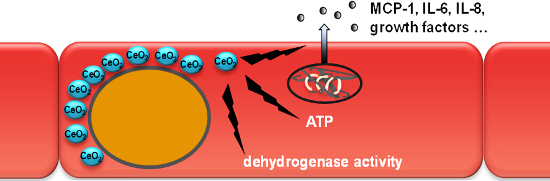
- stock suspensions were vortexed and placed in an ultrasound bath (Bandelin Sonorex RK 52 H, Bandelin electronic GmbH & Co. KG, Germany; HF-power: 60 W (effective)) for 10 min. Nanoparticle characterization Transmission electron microscopy (TEM) measurements were carried out to determine the size and


Experimental techniques for the characterization of carbon nanoparticles – a brief overview
Beilstein J. Nanotechnol. 2014, 5, 1760–1766, doi:10.3762/bjnano.5.186
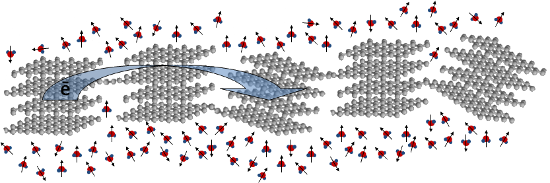
- point of view of many future applications. The experimental XRD diffraction pattern obtained for ultrasound-treated graphite. Both hexagonal and rhombohedral phase have been assumed to simulate the diffraction pattern. For clarity, the Miller indices have been assigned only to the hexagonal graphite


A sonochemical approach to the direct surface functionalization of superparamagnetic iron oxide nanoparticles with (3-aminopropyl)triethoxysilane
Beilstein J. Nanotechnol. 2014, 5, 1472–1476, doi:10.3762/bjnano.5.160
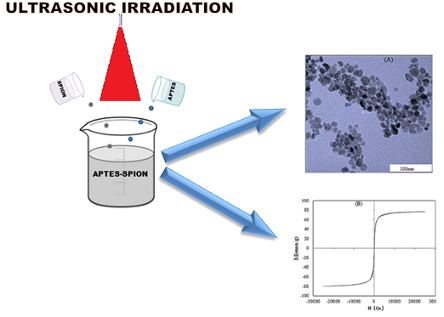
- silanization reaction between the SPION and APTES. Therefore, the energy provided by the initial 2 min sonication period was employed to disperse the SPION. Further 20 minutes sonication of the dispersed SPION in the presence of APTES generated an ultrasound beam with a power of approx. 35 W, which provided


Enhancement of photocatalytic H2 evolution of eosin Y-sensitized reduced graphene oxide through a simple photoreaction
Beilstein J. Nanotechnol. 2014, 5, 801–811, doi:10.3762/bjnano.5.92
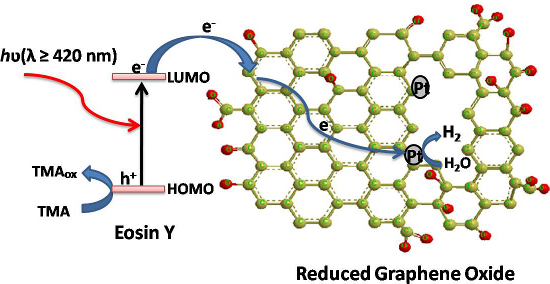
- with 5% HCl and water until pH 5 and dried in an oven at 60 °C. 0.5 g of graphite oxide powder was added into 1 L of distilled water, and the dispersion was treated with ultrasound (KQ-800KDB, KunShan Ultrasonic Instrument Co. Ltd) for 2 h until the solution became clear to obtain a graphene oxide (GO





Nanostructure sensitization of transition metal oxides for visible-light photocatalysis
Beilstein J. Nanotechnol. 2014, 5, 696–710, doi:10.3762/bjnano.5.82
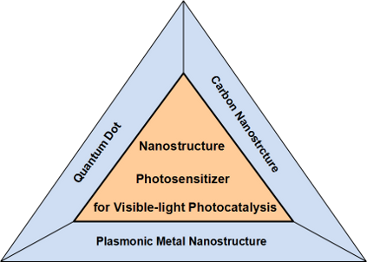
- nanocrystal by micro-emulsion under ultrasound [57]. Co-axial arrays of CdS/TiO2 core/shell structures were also reported to be fabricated by an anodic aluminium oxide template [58]. This type of configuration can not only protect the quantum dots from photocorrosion, but also increases the contact interface




An ultrasonic technology for production of antibacterial nanomaterials and their coating on textiles
Beilstein J. Nanotechnol. 2014, 5, 532–536, doi:10.3762/bjnano.5.62
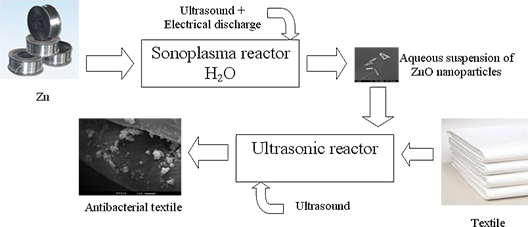
- , Israel 10.3762/bjnano.5.62 Abstract A method for the production of antibacterial ZnO nanoparticles has been developed. The technique combines passing an electric current with simultaneous application of ultrasonic waves. By using high-power ultrasound a cavitation zone is created between two zinc
- the surface of textile at very high velocities. Fabrics coated with ZnO nanoparticles by using the developed method showed good antibacterial activity against E. coli. Keywords: antibacterial textile; cavitation; electrical discharge in liquid; nanoparticle; ultrasound; Introduction Currently, the
- after washing. Antimicrobial textiles can be produced by coating textiles with antibacterial nanoparticles (NPs). NPs such as zinc oxide NPs are known to have antibacterial properties due to OH• radicals, which result from defects in their crystal structure [2]. In the case of power ultrasound


Preparation of poly(N-vinylpyrrolidone)-stabilized ZnO colloid nanoparticles
Beilstein J. Nanotechnol. 2014, 5, 402–406, doi:10.3762/bjnano.5.47
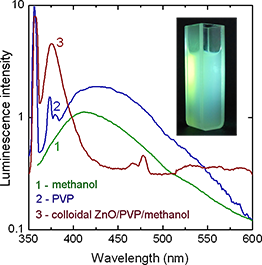
- colloidal solutions with good luminescence properties are obtained by using PVP as stabilizer in the synthesis of ZnO nanoparticles by a sol–gel method assisted by ultrasound. Nanoparticles with sizes of 30–40 nm in a PVP matrix are produced as a solid product. The colloidal ZnO/PVP/methanol solution, apart
- of poly(N-vinylpyrrolidone) as a stabilizer in the synthesis of ZnO nanoparticles by an ultrasound-assisted sol–gel method allowed for the obtainment of stable colloidal solutions with good luminescence properties. The solid product consist of nanocomposite-encapsulated nanoparticles with sizes of 30


Constant-distance mode SECM as a tool to visualize local electrocatalytic activity of oxygen reduction catalysts
Beilstein J. Nanotechnol. 2014, 5, 141–151, doi:10.3762/bjnano.5.14
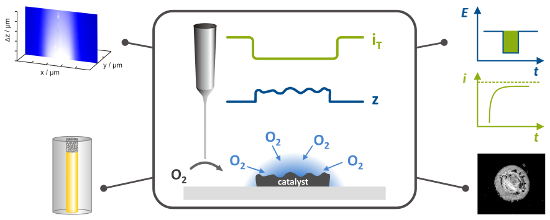
- were removed by an ultrasound washing step in water and electrochemical cleaning in H2SO4. The recessed electrode was characterised by means of CV in 5 mM [Ru(NH3)6]Cl3 and 100 mM KCl. The formed microcavity was filled with the catalyst powder by pressing the etched electrode in a small amount of




Cytotoxic and proinflammatory effects of PVP-coated silver nanoparticles after intratracheal instillation in rats
Beilstein J. Nanotechnol. 2013, 4, 933–940, doi:10.3762/bjnano.4.105
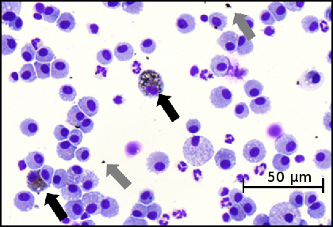
- (ultrasound bath). Scanning electron microscopy (SEM) was performed with an ESEM Quanta 400 instrument with gold/palladium-sputtered samples. Transmission electron microscopic (TEM) was carried out with a CM200 FEG-Instrument (Philips) with a Supertwin lens, operated at an accelerating voltage of 200 keV. The
- samples were ultrasonically dispersed (ultrasound bath) in ethanol and then transferred to holey carbon-coated copper grids. Immediately prior to intratracheal instillation, the particle size distribution and the polydispersity index were measured by dynamic light scattering with a Malvern Zetasizer Nano




Near-field effects and energy transfer in hybrid metal-oxide nanostructures
Beilstein J. Nanotechnol. 2013, 4, 306–317, doi:10.3762/bjnano.4.34
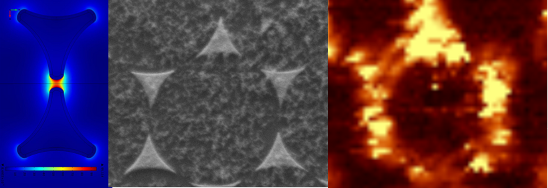
- were dispersed in ethanol solution (95 % ethanol, 5% water), mixed and sonicated with ultrasound. The nanosuspensions obtained in this way were spin-coated on top of glass substrates covered with Ag nanoantennas produced by NSL at a speed of 2000 rpm and a spinning time of 10 s. Figure 15 shows an SEM








Characterization and properties of micro- and nanowires of controlled size, composition, and geometry fabricated by electrodeposition and ion-track technology
Beilstein J. Nanotechnol. 2012, 3, 860–883, doi:10.3762/bjnano.3.97
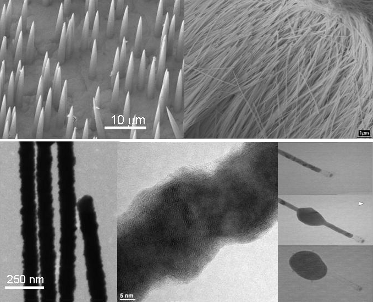
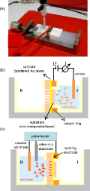
- cell was immersed in an ultrasonic bath. The authors reported that the presence of ultrasound fields improved the convection in the pores and thus the homogeneity of the growth on the whole sample, leading to homogeneous wire arrays. The crystallinity of the different wires is confirmed by the








Spontaneous dissociation of Co2(CO)8 and autocatalytic growth of Co on SiO2: A combined experimental and theoretical investigation
Beilstein J. Nanotechnol. 2012, 3, 546–555, doi:10.3762/bjnano.3.63
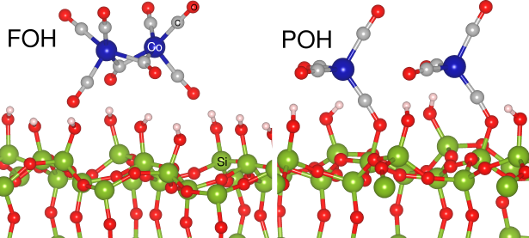
- -doped) substrates with thermal oxide layers of 50 nm up to 285 nm were used. Before use, the substrates were chemically cleaned by acetone, isopropanol and distilled water in an ultrasound bath. In the plasma activation experiments the silica sample surface (285 nm oxide layer) was exposed to the plasma


Forming nanoparticles of water-soluble ionic molecules and embedding them into polymer and glass substrates
Beilstein J. Nanotechnol. 2012, 3, 267–276, doi:10.3762/bjnano.3.30
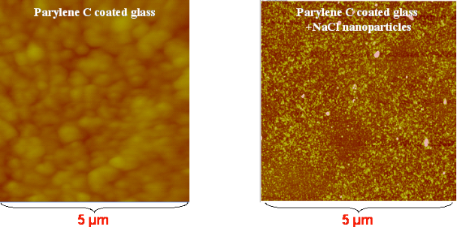
- were created by the application of ultrasonic waves to the aqueous solutions of these salts. When the sonication was carried out in the presence of a glass microscope slide, a parylene-coated glass slide, or a silicon wafer the ionic NPs were embedded in these substrates by a one-step, ultrasound
- mechanism of the ultrasound-assisted coating is proposed. Keywords: deposition; ionic salt nanoparticles; parylene; sonochemistry; Introduction The incorporation of nanocrystals into dielectric matrices, such as glass or polymers, has become a topic of broad interest in recent years. The research in the
- demonstrated that the ultrasound assisted method is effective in uniform distribution and strong attachment of nanoparticles to the surfaces of the substrates and even their penetration into the solid body [10]. These observations can be explained as a result of the extreme conditions of high pressure (>1000




Ceria/silicon carbide core–shell materials prepared by miniemulsion technique
Beilstein J. Nanotechnol. 2011, 2, 638–644, doi:10.3762/bjnano.2.67
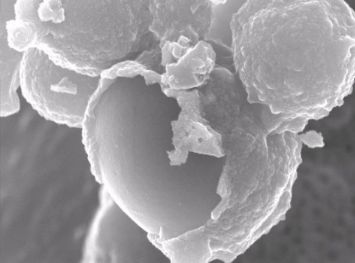
- -water) miniemulsion, with the monomer as the dispersed oil phase. The nanodroplets are generated by shearing this system with ultrasound. A highly hydrophobic osmotic pressure agent (costabilizer) is added to the oil phase, effectively suppressing diffusional degradation (Ostwald ripening) of the


Twofold role of calcined hydrotalcites in the degradation of methyl parathion pesticide
Beilstein J. Nanotechnol. 2011, 2, 99–103, doi:10.3762/bjnano.2.11
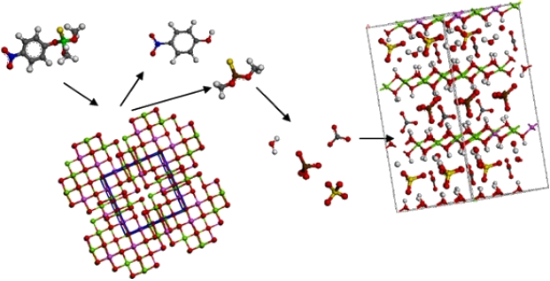
- , ultrasound or microwave irradiation, among others) determine the properties of the HT-like compounds [9][10][11][12][13][14][15][16][17]. HTs are versatile lamellar compounds which may exchange anions. Carbonates are always preferred and it is difficult to inhibit the formation of carbonated HTs [18][19


Fabrication and spectroscopic studies on highly luminescent CdSe/CdS nanorod polymer composites
Beilstein J. Nanotechnol. 2010, 1, 94–100, doi:10.3762/bjnano.1.11
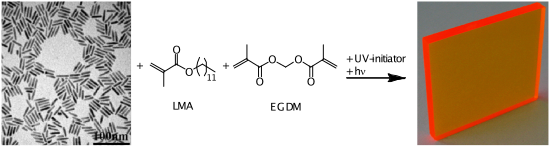
- octadecylphosphonic acid (ODPA). Various amounts of NRs (0.008–0.32 wt %) were dispersed in a monomer mixture of LMA (Fluka, 98%) with 20 wt % of the cross-linking agent EGDM (Fluka, ≥97%) and 0.1–0.5 wt % of the liquid UV-initiator Darocure® 4265 (Ciba) by ultrasound treatment. The reaction mixtures were transferred
- smaller (1.488) than that of the nanocomposites. To prepare CTA nanocomposites, aspect ratio 6 NRs were dispersed in a mixture of CH2Cl2/CHCl3 (1:1) containing 2.5 wt % CTA (Eastman Chemical Company) by ultrasound treatment. The nanorod/polymer-solutions were drop-casted on 3 mm thick glass-substrates





