Search results
Search for "uptake" in Full Text gives 322 result(s) in Beilstein Journal of Nanotechnology. Showing first 200.
Photothermal ablation of murine melanomas by Fe3O4 nanoparticle clusters
Beilstein J. Nanotechnol. 2022, 13, 255–264, doi:10.3762/bjnano.13.20
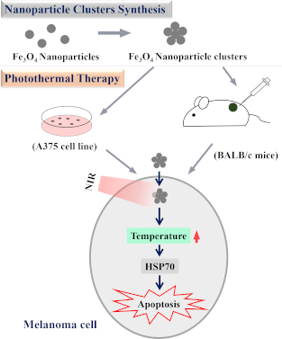
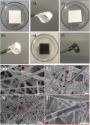
- . Photothermal ablation of tumor cells in vitro The dissolution behavior of our finely dispersed Fe3O4 NPCs was confirmed by DLS results (Figure 1d,e). Furthermore, the successful uptake of Fe3O4-based nanoparticles by A375 cells has been verified in our previous report [4]. Thus, to test the therapeutic effect


Engineered titania nanomaterials in advanced clinical applications
Beilstein J. Nanotechnol. 2022, 13, 201–218, doi:10.3762/bjnano.13.15
- -functionalized, or post-synthetically modified by adding various surfactants or dopants or organic molecules. The size of the nanomaterial also determines the type of immune response elicited by the body (endocytosis/cellular uptake) [21]. Xu et al. reported that the size of the pores is an essential parameter
- dendrimer nps as well as inorganic nanoscale drug carriers are currently used for drug delivery [101]. Almost all of them show higher bioavailability as their uptake mechanism is by absorptive endocytosis, and the slow release of drugs in the blood circulatory system efficiently maintains the level of
- cervical tumors by incorporating zinc phthalocyanine (ZnPc) as photosensitizer into TiO2 nps. The result showed a higher cellular uptake of ZnPc-TiO2 and an increased PDT efficiency compared ot Zn alone [114]. Since photocatalytic absorption generally occurs at the surface, surface modification acts as the


A comprehensive review on electrospun nanohybrid membranes for wastewater treatment
Beilstein J. Nanotechnol. 2022, 13, 137–159, doi:10.3762/bjnano.13.10
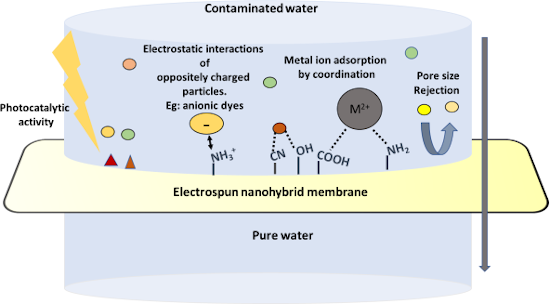
- maximum As5+ uptake capacity of around 21.32 mg/g has been attained by the membrane and 70% of the initial adsorption capacity has been regenerated by a diluted alkaline solution [64]. Transportation, food processing, and petrochemical and pharmaceutical industries are the major culprits responsible for




Theranostic potential of self-luminescent branched polyethyleneimine-coated superparamagnetic iron oxide nanoparticles
Beilstein J. Nanotechnol. 2022, 13, 82–95, doi:10.3762/bjnano.13.6
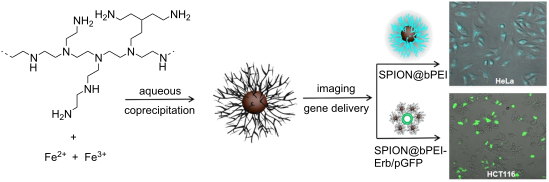
- selective uptake and hence the targeting ability of Erb-tagged nanoparticles. Altogether, this study proves luminescent, cationic, and small SPION@bPEI nanoparticles as strong candidates for imaging and gene therapy. Keywords: Erbitux; photoluminescence; polyethyleneimine; polyinosinic–polycytidylic acid
- expected. HeLa cells are known to have a very low level of EGFR expression [66]. Hence, Erb tagging slightly enhanced particle uptake and GFP transfection compared to untagged nanoparticles. As expected, Erb tagging did not improve the transfection efficiency of EGFR-negative MCF7 cells, confirming the




Measurement of polarization effects in dual-phase ceria-based oxygen permeation membranes using Kelvin probe force microscopy
Beilstein J. Nanotechnol. 2021, 12, 1380–1391, doi:10.3762/bjnano.12.102
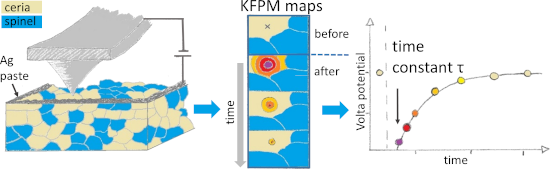
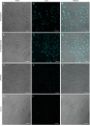
- % FeCo2O4 (CSO-FC2O) as electron-conductive phase in order to, first, locally change the defect chemistry of the material and, then, study the relaxation to the original surface potential state during uptake/release of oxygen from/to the surrounding air. By using an AFM tip as an electron-conductive


Biocompatibility and cytotoxicity in vitro of surface-functionalized drug-loaded spinel ferrite nanoparticles
Beilstein J. Nanotechnol. 2021, 12, 1339–1364, doi:10.3762/bjnano.12.99
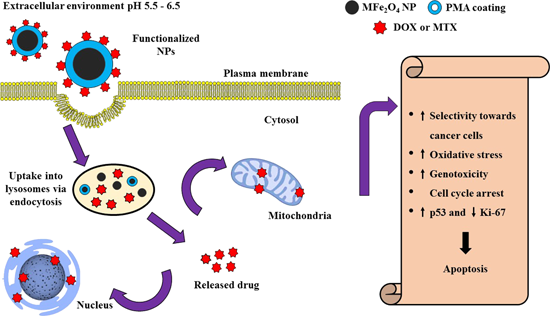
- interaction between NPs a plasma membrane associated proteins [55]. In addition, the charge of polymeric coatings also governs NP uptake by cells. Positively charged polymers have been reported to enhance genotoxicity due to better internalization of NPs via the plasma membrane (electrostatic interaction) and





Identifying diverse metal oxide nanomaterials with lethal effects on embryonic zebrafish using machine learning
Beilstein J. Nanotechnol. 2021, 12, 1297–1325, doi:10.3762/bjnano.12.97
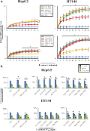
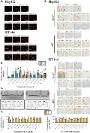
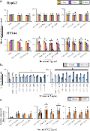
- characteristics related to intermolecular interactions, which could affect agglomeration or uptake by cells, and reactivity, which could trigger toxicity. (Dummy values, lower than the minimum of observed values, were inserted where the corresponding coating was absent, in keeping with recommended practice [45


Self-assembly of amino acids toward functional biomaterials
Beilstein J. Nanotechnol. 2021, 12, 1140–1150, doi:10.3762/bjnano.12.85
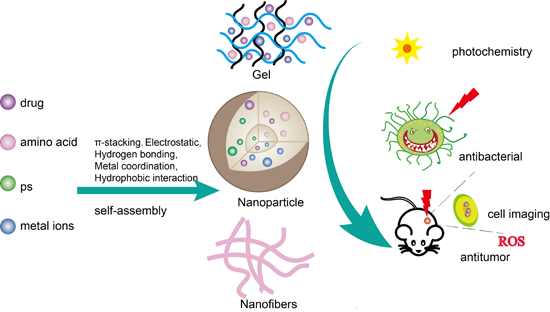
- coordination of Mn2+, Fmoc-ʟ-L, and Ce6, a yield of 36 wt % can be obtained. After the uptake of FMC NPs by cancer cells, Mn2+ and Ce6 can be released in response to intracellular high levels of glutathione (GSH). Magnetic resonance imaging (MRI) results showed an almost complete elimination of the tumor three
- time. However, a weak fluorescence signal was observed in the tumor site of the mice treated with free Ce6. Designing nanoplatforms responsive to pH, enzymes, and photothermal stimuli is critical to enhance cellular uptake and control PS release [79][80][81]. Nanoplatforms responsive to pH undergo
- conformational changes through various mechanisms, such as protonation, charge inversion, or chemical bond cleavage, promoting tumor-specific cellular uptake or drug release [82]. Sun et al. [83] coupled tryptophan-glycine (WG) to hydrophobic porphyrins (P) by an amidation reaction to obtain pH-responsive

pH-driven enhancement of anti-tubercular drug loading on iron oxide nanoparticles for drug delivery in macrophages
Beilstein J. Nanotechnol. 2021, 12, 1127–1139, doi:10.3762/bjnano.12.84
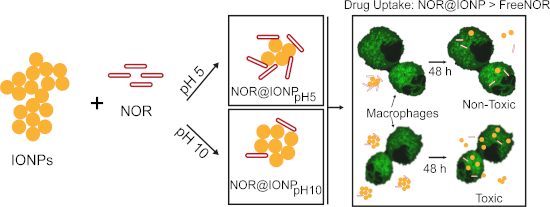
- imparts multiple benefits – improved IONP stability, enhanced drug coating, higher drug uptake in macrophages at reduced toxicity and slower drug release. Keywords: drug-nanoparticle interactions; drug uptake; intra-macrophage; iron oxide nanoparticles; norfloxacin; Introduction Nanoparticles have taken
- have also proven to be beneficial in overcoming multidrug resistance by enabling an increased drug uptake [8]. Similarly, physical combination of stabilized IONPs and anti-tuberculosis drugs improve intracellular drug accumulation through efflux pump inhibition [9] or by enhanced membrane
- shown resistance towards these drugs, too. Use of iron oxide nanoparticles as drug delivery agents could assist the uptake of drugs and thus, overcome drug resistance [8][9][10]. Fluoroquinolones are known to form complexes with metal ions through bidentate or unidentate co-ordination bonds [22]. Thus



Use of nanosystems to improve the anticancer effects of curcumin
Beilstein J. Nanotechnol. 2021, 12, 1047–1062, doi:10.3762/bjnano.12.78
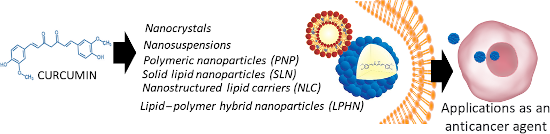
- characteristic of the tumor microenvironment (pH 6.5) and subcellular endosomes (pH 5.0). Regarding its apoptotic effects, a high anticancer activity was found when assayed against a breast cancer cell line (MDA-MB-231), an effect that was accompanied by an enhanced cellular uptake in cells that overexpressed
- the expulsion of the bioactive compound and, therefore, a rapid initial release [66]. Curcumin-loaded SLN were tested in vitro against MDA-MB-231 cells, which revealed a significantly higher cytotoxicity, cellular uptake, and induced apoptosis, as compared to F-CUR [67]. Curcumin-based SLN have shown
- receptors), while the enhanced effect of permeation and retention was considered for passive targeting. Results showed improved in vitro cellular uptake, targeting capability, and cytotoxicity against the human colon cancer cell line HCT116, which was related to early apoptosis after 24 h of incubation. On


An overview of microneedle applications, materials, and fabrication methods
Beilstein J. Nanotechnol. 2021, 12, 1034–1046, doi:10.3762/bjnano.12.77
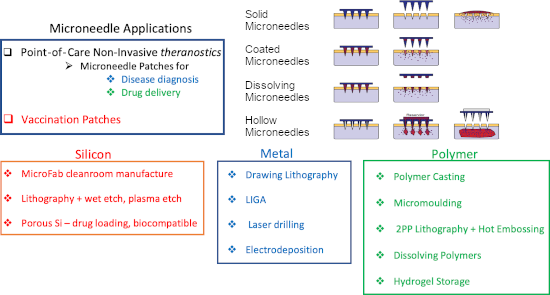
- skin to give greater immune response and more efficient use of the antigen [12]. Such enhanced responses are a likely requirement of future uptake of microneedle delivery systems due to their small active area. Fortunately, there are encouraging data from recent coronavirus-related research [13] and


The role of deep eutectic solvents and carrageenan in synthesizing biocompatible anisotropic metal nanoparticles
Beilstein J. Nanotechnol. 2021, 12, 924–938, doi:10.3762/bjnano.12.69
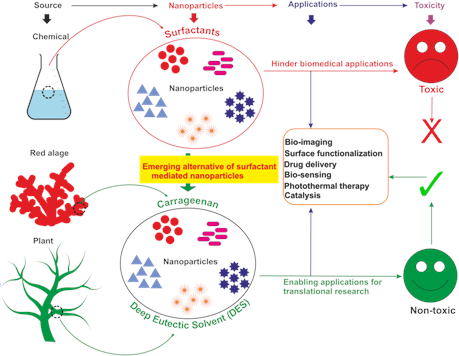
- microscopy revealed fundamental and mechanistic information regarding nanoparticle–cell interactions and their uptake into cell organelles. The metal content within the cells was determined via ICP-MS. Cell toxicity of nanoparticles depends on their size, shape, surface chemistry (predominantly determined by


Comprehensive review on ultrasound-responsive theranostic nanomaterials: mechanisms, structures and medical applications
Beilstein J. Nanotechnol. 2021, 12, 808–862, doi:10.3762/bjnano.12.64
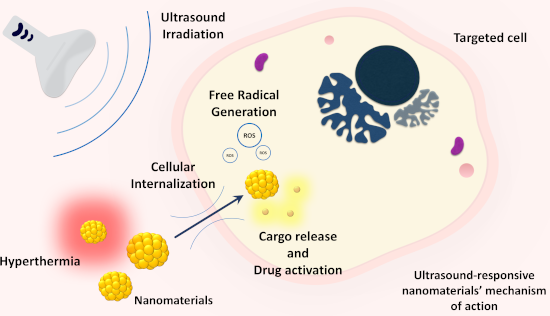
- the MBs, leading to the term “microstream”. Depending on the US intensity, the oscillating MBs come into close proximity with the cells and induce stresses on the cell membrane [75]. Consequently, the triggered shear forces cause disruption of the cell membrane and increase intracellular uptake of
- cytoplasm through simple diffusion. Moreover, these stresses can activate cellular stress signaling pathways [83]. Previous studies have concluded that two mechanisms could be involved in US-mediated drug delivery and cell uptake of impermeable molecules: sonoporation and increased endocytosis [84][85
- ]. However, a few studies have demonstrated that the endocytosis pathway is the main mechanism for the delivery of large molecules mediated by US [33][84][85]. Schlicher et al. investigated the uptake and transfer of different molecular weight fluorescent molecules, including calcein, fluorescein


Silver nanoparticles induce the cardiomyogenic differentiation of bone marrow derived mesenchymal stem cells via telomere length extension
Beilstein J. Nanotechnol. 2021, 12, 786–797, doi:10.3762/bjnano.12.62
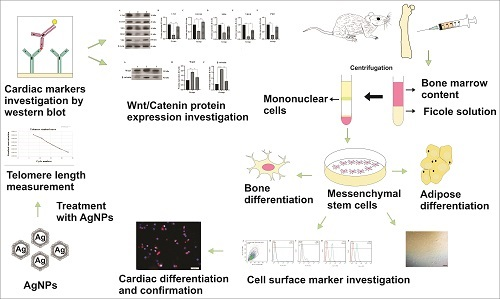
- culture medium outside the cells [11]. According to a previous study by Fröhlich et al., the access of Ag-NPs into other organelles depends on the particle size [32]. In the same way, Berry et al. demonstrated that the uptake of NPs is limited by the dimensions of the nuclear pores. Gold nanoparticles (Au


Fate and transformation of silver nanoparticles in different biological conditions
Beilstein J. Nanotechnol. 2021, 12, 665–679, doi:10.3762/bjnano.12.53
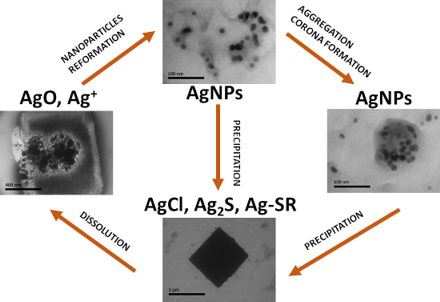
- with biological structures and affect their uptake, toxicokinetics, and toxicodynamics [7][8][9][10][11][12][13][14]. Therefore, any change in those properties will have consequences on the biological fate of AgNPs. No matter how well the properties of pristine AgNPs were tuned during production they
- are created by several pathways, including partial AgNPs dissolution in the gastric fluid, uptake and systemic transport of ionic and nanoparticulate Ag as thiol and selenium complexes, and final deposition in the near-skin regions [15]. Especially important is the process of interaction with thiols
- pathways have not yet been systematically investigated and remain unclear. Here we aimed to examine the biotransformation of differently coated AgNPs [39] simulating real body conditions after oral uptake. The systematic work presented here addresses not only the evolution of various types of AgNPs in




The preparation temperature influences the physicochemical nature and activity of nanoceria
Beilstein J. Nanotechnol. 2021, 12, 525–540, doi:10.3762/bjnano.12.43
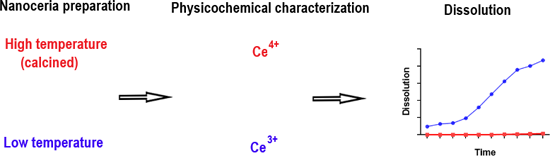
- nanomaterials (ENMs), which could profoundly influence their biological effects, is not well understood. After uptake into phagolysosomes, which have a pH value of ca. 4.5, there is the potential for dissolution, changing the physicochemical, and potentially the biological, identity of ENMs. Nanoceria are a
- charge. The particles do not pass through a 0.2 micrometer MWCO filter, suggesting that they were quite large, which may have affected cell uptake. The results illustrate an effect of nanoceria dissolution on its biological identity. Nanoceria reactivity Nanoceria reactivity increased as the content of




A review on nanostructured silver as a basic ingredient in medicine: physicochemical parameters and characterization
Beilstein J. Nanotechnol. 2021, 12, 440–461, doi:10.3762/bjnano.12.36
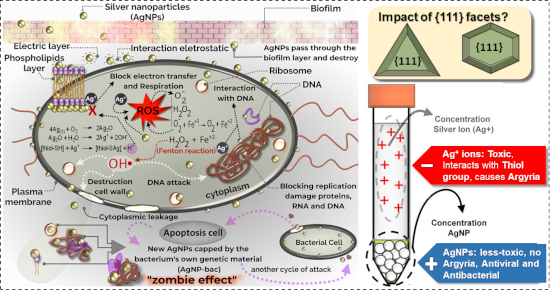
- and uptake by the cells, as shown in Figure 7 [102], and they showed a potent ability to activate macrophages to produce ISGs and pro-inflammatory cytokines [115]. Toxicity of AgNPs For a long time, silver was considered a safe antibacterial agent. The only reported side effect was argyria, which is a


The impact of molecular tumor profiling on the design strategies for targeting myeloid leukemia and EGFR/CD44-positive solid tumors
Beilstein J. Nanotechnol. 2021, 12, 375–401, doi:10.3762/bjnano.12.31
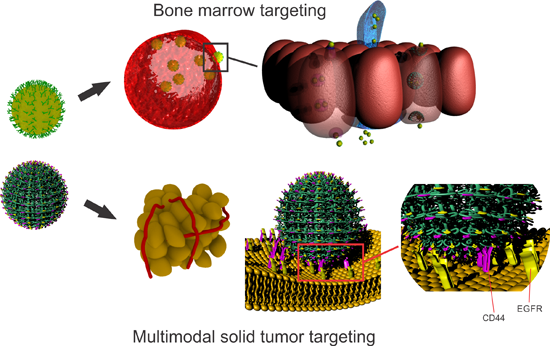
- adsorbs onto the surface of poloxamer 407-coated colloidal particles, thus exhibiting microdomains that are specific for the sinusoidal BM endothelium. Another mechanism of BM targeting is the phagocytosis-mediated uptake from the perisinusoidal macrophages. It is known that the perisinusoidal BM
- knowledge regarding the presence of any specific BM macrophage moieties. Considering the aforementioned, the development of an effective targeting system will rely on strategies that will enable evasion of liver and spleen uptake and, at the same time, facilitate BM uptake using appropriate ligands. BM
- -targeting liposomes were among the first formulation types that employed this specific mechanism. Allen et al. reported that the lipid composition greatly affected the bone marrow affinity of the liposomes. The authors noted that phosphatidylserine and phosphatidylcholine increased the uptake of the


Doxorubicin-loaded gold nanorods: a multifunctional chemo-photothermal nanoplatform for cancer management
Beilstein J. Nanotechnol. 2021, 12, 295–303, doi:10.3762/bjnano.12.24
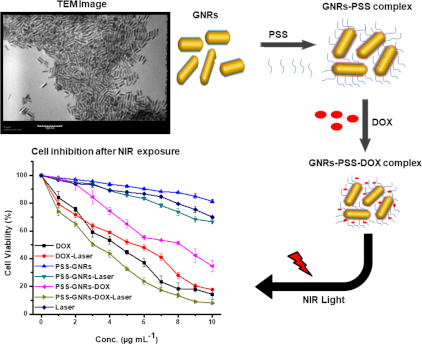
- of the drug to the cells after cell uptake. The decreased cytotoxicity of DOX-PSS-GNRs is because of a delayed drug release inside cells [23]. The PSS-GNRs nanocomplex shows potential as biocompatible nanocarrier for drug loading and delivery in cancer therapy. Arunkumar et al. have reported that DOX
- with modifications [28]. The HepG2 cells were seeded into 96-well plates (5 × 10³ per well) and incubated for 24 h before the adding the different concentrations of PSS-GNRs, free DOX, and PSS-GNRs-DOX conjugate. The treated cells were incubated for 12 h for proper uptake before laser irradiation


Characterization, bio-uptake and toxicity of polymer-coated silver nanoparticles and their interaction with human peripheral blood mononuclear cells
Beilstein J. Nanotechnol. 2021, 12, 282–294, doi:10.3762/bjnano.12.23
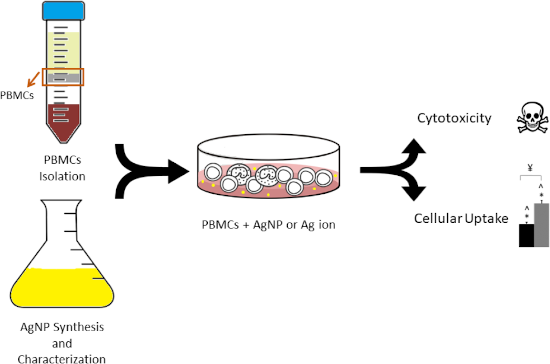
- of issues such as poor control of NP properties and lack of proper characterization. The aim of this study was to investigate the combined characterization, bio-uptake, and toxicity of well-characterized polyvinylpyrrolidone (PVP)-coated AgNPs in exposure media during exposure time using primary
- aggregation of NPs was observed in the RPMI medium over the exposure time (24 h). A dose-dependent relationship between PBMC uptake and Ag concentration was detected for both AgNP and AgNO3 treatment. There was approximately a two-fold increase in cellular Ag uptake in the AgNO3 vs the NP treatment
- . Cytotoxicity, using LDH and MTS assays and based on exposure concentrations was not significantly different when comparing NPs and Ag ions. Based on differential uptake, AgNPs were more toxic after normalizing toxicity to the amount of cellular Ag uptake. Our data highlights the importance of correct synthesis



Differences in surface chemistry of iron oxide nanoparticles result in different routes of internalization
Beilstein J. Nanotechnol. 2021, 12, 270–281, doi:10.3762/bjnano.12.22
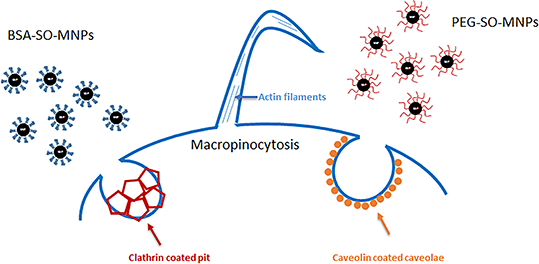
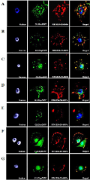
- .12.22 Abstract The efficient entry of nanotechnology-based pharmaceuticals into target cells is highly desired to reach high therapeutic efficiency while minimizing the side effects. Despite intensive research, the impact of the surface coating on the mechanism of nanoparticle uptake is not sufficiently
- understood yet. Herein, we present a mechanistic study of cellular internalization pathways of two magnetic iron oxide nanoparticles (MNPs) differing in surface chemistry into A549 cells. The MNP uptake was investigated in the presence of different inhibitors of endocytosis and monitored by spectroscopic and
- involved in the internalization of polyethylene glycol-coated MNPs. Our data indicate that surface engineering can contribute to an enhanced delivery efficiency of nanoparticles. Keywords: bovine serum albumin; cellular uptake; magnetic iron oxide nanoparticles; polyethylene glycol; surface coating



A review on the biological effects of nanomaterials on silkworm (Bombyx mori)
Beilstein J. Nanotechnol. 2021, 12, 190–202, doi:10.3762/bjnano.12.15
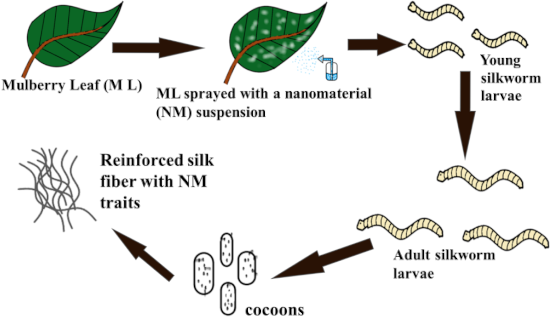
- observed [32]. TiO2 NPs have also been documented to increase the germination of lettuce seeds [33]. Recent reports indicate that multi-walled carbon nanotubes (MWCNTs) also increased the germination of tomato seeds by increasing the seed water uptake [34]. These reports of nanomaterials improving the
- al. [41] reported that the dietary uptake of carbon-based nanomaterials (fullerene C60, carbon black, single-walled nanotubes, multi-walled nanotubes) had no toxic effect on the growth and development of Drosophila melanogaster (fruit fly) from the egg stage to the adult form. However, the dietary
- uptake of carbon black and single-walled nanotubes caused impairment in the locomotor function of these flies. Demir et al. [42] reported that Ag NPs (0.1, 1, 5, and 10 mM) induced genotoxicity in the wing spot assay of fruit flies via somatic recombination. Carmona et al. [43] reported cytotoxic effects


A review on the green and sustainable synthesis of silver nanoparticles and one-dimensional silver nanostructures
Beilstein J. Nanotechnol. 2021, 12, 102–136, doi:10.3762/bjnano.12.9
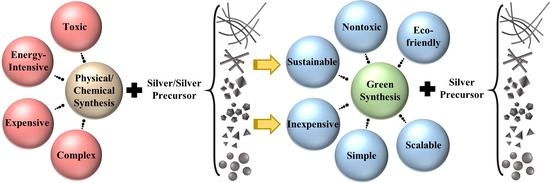
- uptake, and ease of handling provide them with additional advantages compared to bacteria [260]. Previous studies have shown that fungi-synthesis processes are followed by an enzymatic process, affecting the formation of stable AgNPs in the range of 5–15 nm [270]. However, this range can vary with


Effect of different silica coatings on the toxicity of upconversion nanoparticles on RAW 264.7 macrophage cells
Beilstein J. Nanotechnol. 2021, 12, 35–48, doi:10.3762/bjnano.12.3
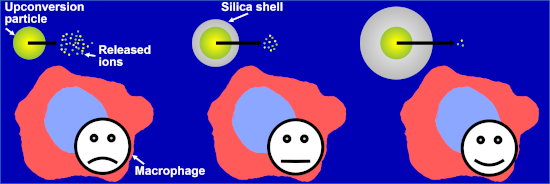
- silica is highly stable over a broad pH range. Thus, it is expected that it protects UCNP cores [40] even if the pH is reduced to values of approx. 4.5–5 in lysosomes during cellular uptake processes [41]. In the present work, the cytotoxicity of UCNP cores coated with silica shells was investigated in
- inductively coupled plasma optical emission spectrometry (ICP-OES). Before the cell experiments, the stability of the particles in cell culture media was investigated via DLS and ELS. The cytotoxicity of the UCNPs was determined by MTT assays and cell cycle analysis. The UCNP uptake potential was evaluated by
- surface charge [51]. Positively charged silica particles interact more efficiently with the negatively charged cell membrane than negatively charged particles [45], which can also cause an enhanced uptake [51][52]. This process is supported by the fact that the hydrodynamic diameter of the AHAPS


PEG/PEI-functionalized single-walled carbon nanotubes as delivery carriers for doxorubicin: synthesis, characterization, and in vitro evaluation
Beilstein J. Nanotechnol. 2020, 11, 1728–1741, doi:10.3762/bjnano.11.155
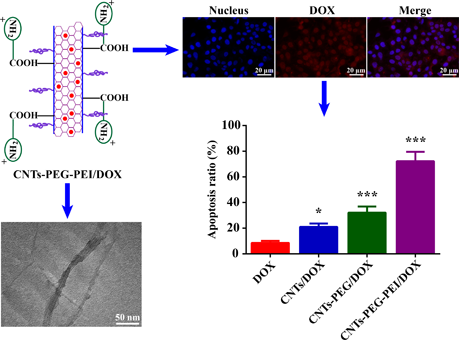
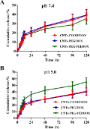
- evaluated in terms of drug loading, in vitro release, cytotoxicity towards MCF-7 cells and cellular uptake. The results showed that all CNT carriers had a high drug loading capacity. In comparison with CNTs-COOH and CNTs-PEG, CNTs-PEG-PEI showed a more rapid drug release under acidic conditions and a higher
- drugs. Keywords: antitumor activity; cellular uptake; PEG functionalization; PEI functionalization; poly(ethylene glycol) (PEG); polyethylenimine (PEI); single-walled carbon nanotubes; Introduction To date, chemotherapy is the most common therapy for cancer treatment. However, the inability of
- enhance the dispersion of particles by electrostatic repulsion [25][30]. Cellular entry and uptake of these carriers can be considerably enhanced by cationic modification and passive drug delivery to a tumor site due to high membrane binding avidity can be achieved. In this study, SWCNTs conjugated with