


Search results
Search for "acetone" in Full Text gives 366 result(s) in Beilstein Journal of Nanotechnology. Showing first 200.
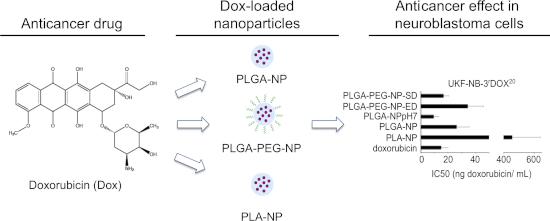
Incorporation of doxorubicin in different polymer nanoparticles and their anticancer activity
Beilstein J. Nanotechnol. 2019, 10, 2062–2072, doi:10.3762/bjnano.10.201
- (Resomer® RGP d 50155) were obtained from Evonik Industries AG (Essen, Germany). Ethyl acetate, dichloromethane, and methanol were purchased from VWR International GmbH (Darmstadt, Germany). Acetone, acetonitrile and dimethyl sulfoxide (DMSO) were obtained from Carl Roth GmbH (Karlsruhe, Germany). Poly
- in 2 mL acetone and combined with 200 µL methanolic doxorubicin solution (2.5 mg/mL). This mixture was injected into 4 mL 2% (m/v) PVA solution to produce PLGA and PLGA-PEG nanoparticles or into 4 mL 1% (m/v) PVA solution to produce PLA nanoparticles. After stirring overnight at 550 rpm and





Synthesis of highly active ETS-10-based titanosilicate for heterogeneously catalyzed transesterification of triglycerides
Beilstein J. Nanotechnol. 2019, 10, 2039–2061, doi:10.3762/bjnano.10.200
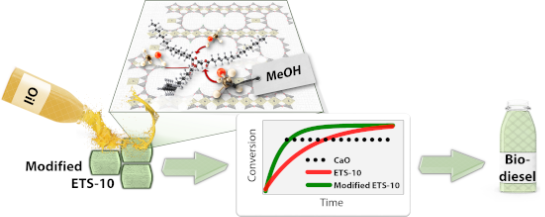
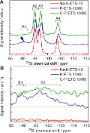
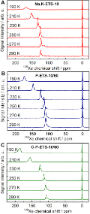
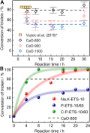
- more basic than the NaX zeolite based on acetone selectivity in the conversion of isopropanol to acetone and propene [24]. However, due to its microporous nature, to the best of our knowledge, in all reported studies on the transesterification of triglycerides (single-component or in mixtures/oils) for








Review of advanced sensor devices employing nanoarchitectonics concepts
Beilstein J. Nanotechnol. 2019, 10, 2014–2030, doi:10.3762/bjnano.10.198
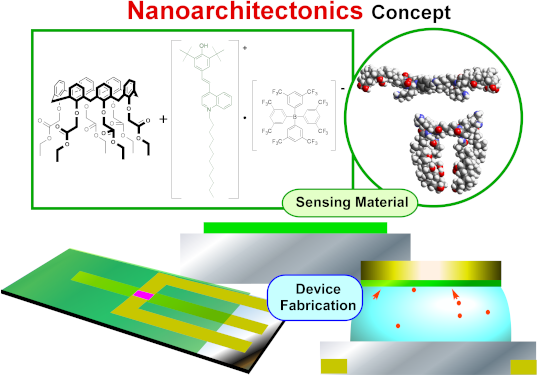
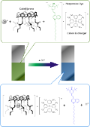
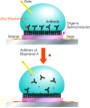
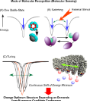
- from nanotechnology (mainly for the device) and supramolecular chemistry and others (mainly for the sensing materials). For example, Osica recently reported sensor systems for selective acetone vapor detection [83][84]. The prepared systems are supported by two separate innovations, a membrane-type





Magnetic properties of biofunctionalized iron oxide nanoparticles as magnetic resonance imaging contrast agents
Beilstein J. Nanotechnol. 2019, 10, 1964–1972, doi:10.3762/bjnano.10.193
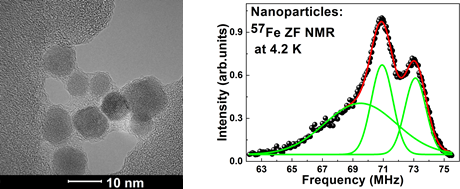
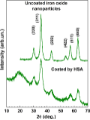
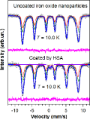
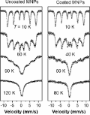
- MNPs were precipitated by acetone, then thoroughly washed with acetone and dried. HSA-coated MNPs were synthesized by the following procedure. First, the MNPs (80 mg) were placed in NaOH aqueous solution (30 × 10−3 M, 20 mL) and the mixture was stirred until all the precipitate was suspended. After




Nanoporous smartPearls for dermal application – Identification of optimal silica types and a scalable production process as prerequisites for marketed products
Beilstein J. Nanotechnol. 2019, 10, 1666–1678, doi:10.3762/bjnano.10.162
- nm (Syloid® AL-1 FP), 6 nm (Davisil® LC 60 Å 12 µm), 10 nm (Syloid® 72 FP), 17 nm (Syloid® 244 FP), and 25 nm (Syloid® XDP 3050) were kindly provided by Grace GmbH & Co. KG (Worms, Germany). Ethanol, isopropanol, butanol, acetone, ethyl acetate, acetonitrile and dimethyl sulfoxide (DMSO) in gradient
- sulfoxide (DMSO), ethanol, isopropanol, butanol, acetone, ethyl acetate, acetonitrile, and water) (n = 1). The suspensions with 20% (w/w) rutin were shaken overnight at room temperature, centrifuged, filtered and the rutin concentration in the filtrate was analyzed after dilution in ethanol (by a factor of
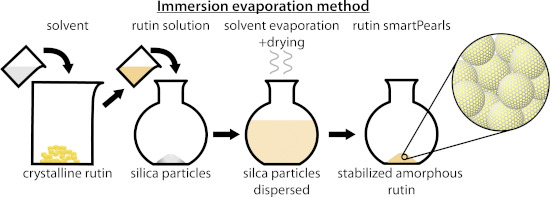
- , but distinctly higher than in acetone (0.8%) and the other organic solvents. The rutin/ethanol solution had a clear, yellowish appearance. Loading of silica particles Different silica materials (Table 1) were loaded with rutin by dispersing them in a saturated rutin/ethanol solution and evaporating




Materials nanoarchitectonics at two-dimensional liquid interfaces
Beilstein J. Nanotechnol. 2019, 10, 1559–1587, doi:10.3762/bjnano.10.153
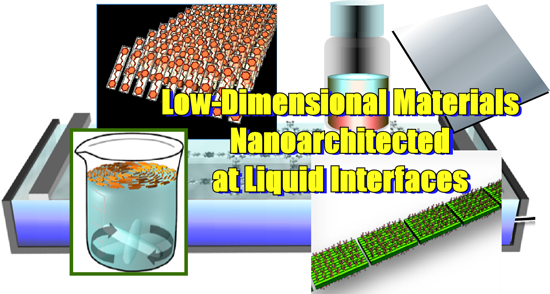
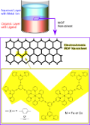
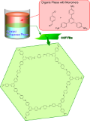
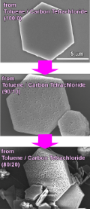
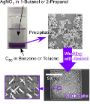
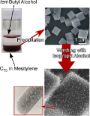
- mechanism might be generalized for zero-dimensional dot-dispersed monolayers of block-copolymers. Wen and co-workers reported the drastic modification of two-dimensionally patterned Langmuir–Blodgett (LB) films of polystyrene-b-poly(2-vinylpyridine) transferred from the air–water interface through acetone













A biomimetic nanofluidic diode based on surface-modified polymeric carbon nitride nanotubes
Beilstein J. Nanotechnol. 2019, 10, 1316–1323, doi:10.3762/bjnano.10.130
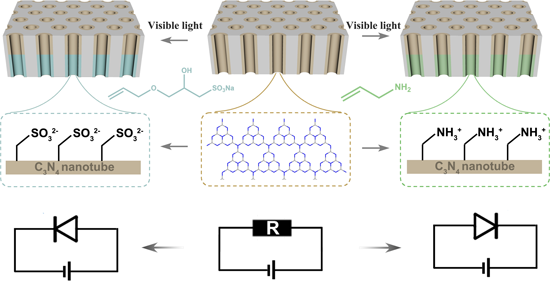
- daylight sources for the desired reaction time. Afterward, the mixture was vacuum-filtered, washed three times with water (3 × 50 mL), and washed once with acetone (20 mL). Ion diode measurements: The setup for the measurement of the ion diode properties is shown in Figure S3 (Supporting Information File 1


Tailoring the magnetic properties of cobalt ferrite nanoparticles using the polyol process
Beilstein J. Nanotechnol. 2019, 10, 1166–1176, doi:10.3762/bjnano.10.116
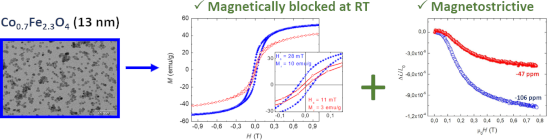
- . After being cooled to RT, the black nanoparticle powders were recovered by several centrifugation cycles and washing with acetone. At the end, they were dried overnight in air at 50 °C. Table 1 is collecting all the main features of these samples. Characterization of the nanoparticles Structure The XRD




Fe3O4 nanoparticles as a saturable absorber for giant chirped pulse generation
Beilstein J. Nanotechnol. 2019, 10, 1065–1072, doi:10.3762/bjnano.10.107
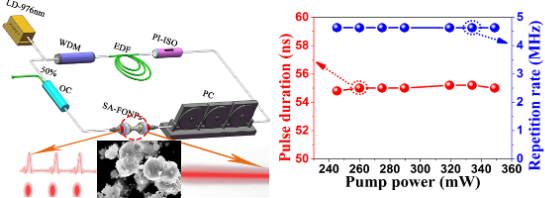
- °C for 12 h is performed. Finally, the resulting product was washed several times with acetone or distilled water and dried in an oven at 50 °C for 12 h to obtain a powder. The insert shows how the FONP powder and acetone were prepared at a 1:1 ratio, and then the FONPs are deposited onto a fiber


Tailoring the stability/aggregation of one-dimensional TiO2(B)/titanate nanowires using surfactants
Beilstein J. Nanotechnol. 2019, 10, 1024–1037, doi:10.3762/bjnano.10.103
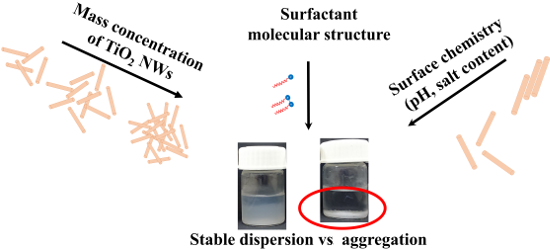
- . Experimental Materials Dodecyltrimethylammonium bromide (DTAB, Sigma-Aldrich, 99%) was commercially obtained and recrystallized from acetone. Bis(N,N-dimethyl-N-dodecyl)ethylene-1,2-diammonium dibromide (12-2-12) was synthesized, purified and characterized as described elsewhere [33]. The TNWs were prepared


Structural and optical properties of penicillamine-protected gold nanocluster fractions separated by sequential size-selective fractionation
Beilstein J. Nanotechnol. 2019, 10, 955–966, doi:10.3762/bjnano.10.96
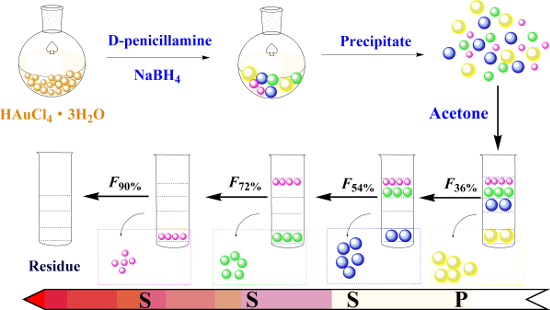
- fractionation and purification of the monolayer-protected AuNCs. Through continuously adding acetone to a crude AuNC aqueous solution and controlling the volume percentage of acetone, we successfully separated the polydisperse AuNCs with diameters ranging from 0.5 to 5.4 nm into four different fractions
- materials D-Penicillamine (98%), chloroauric acid (HAuCl4·3H2O, 99.9%) and sodium borohydride (NaBH4, 99%) were purchased from Aldrich (Milwaukee, WI, USA). Acetone (99.5%), 2,5-dihydroxybenzoic acid (DHB, 99%), methanol (MeOH, 99.8%) and ethanol (EtOH, 99.8%) were obtained from Sigma (St. Louis, MO, USA
- color of the solution changed to orange, the intermediate product was immediately reduced with 2.27 g NaBH4 in 6.0 mL of EtOH. Then 100 mL of acetone was added after 30 minutes, and the crude AuNCs were precipitated. Then, the crude AuNCs were redissolved in ≈0.2 mL of H2O, adjusted to a pH value to 1




Tungsten disulfide-based nanocomposites for photothermal therapy
Beilstein J. Nanotechnol. 2019, 10, 811–822, doi:10.3762/bjnano.10.81
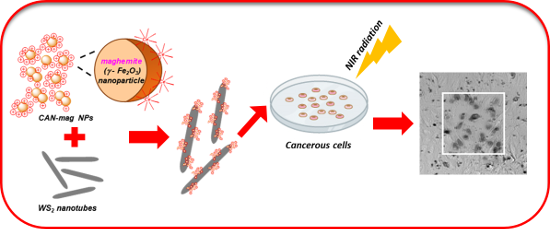
- nanoparticles were washed with three portions of ddH2O (40 mL each) to neutrality. Then, ddH2O (30 mL) was added, and the maghemite NPs suspension was set aside for a minimum of 1.5 h at ambient temperature for aging, before any further use. A solution of CAN (500.0 mg, 0.912 mmol) in acetone (6.0 mL) was added






Towards rare-earth-free white light-emitting diode devices based on the combination of dicyanomethylene and pyranine as organic dyes supported on zinc single-layered hydroxide
Beilstein J. Nanotechnol. 2019, 10, 760–770, doi:10.3762/bjnano.10.75
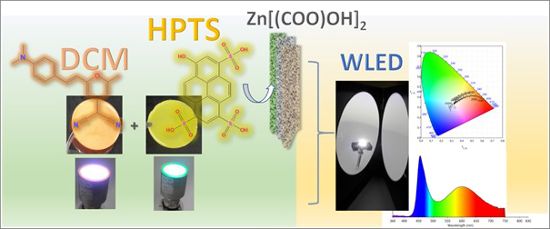
- correspond to the loss of two water molecules below 100 °C and four additional molecules below 250 °C, together with acetone and CO2 as well as acetic anhydride to finally form ZnO. The TG-DTA data were used to verify the chemical formula of the compound Zn5(OH)8(CH3COO)2·nH2O. The mass formula at room


Topochemical engineering of composite hybrid fibers using layered double hydroxides and abietic acid
Beilstein J. Nanotechnol. 2019, 10, 589–605, doi:10.3762/bjnano.10.60
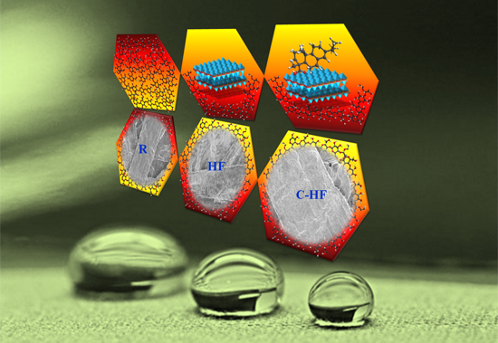
- (AA). Abietic acid is a resin acid, abundantly present in pinewood and other coniferous plants [16]. Rosin, the colorful resin material used as pigments in inks, varnishes and adhesives, largely consists of abietic acid. It is highly hydrophobic and soluble only in organic solvents such as acetone




Advanced scanning probe lithography using anatase-to-rutile transition to create localized TiO2 nanorods
Beilstein J. Nanotechnol. 2019, 10, 412–418, doi:10.3762/bjnano.10.40
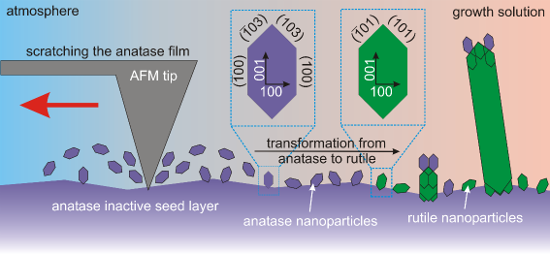
- . Titanium was turned into the TiO2 seed layer in a rapid thermal processing oven at 850 °C in an oxygen atmosphere (500 sccm) for 2 h using a temperature dwell time of ±1 °C/s. The remaining resist was dissolved in acetone. Results and Discussion We have shown in a previous study that the nanorods produced


One-step nonhydrolytic sol–gel synthesis of mesoporous TiO2 phosphonate hybrid materials
Beilstein J. Nanotechnol. 2019, 10, 356–362, doi:10.3762/bjnano.10.35
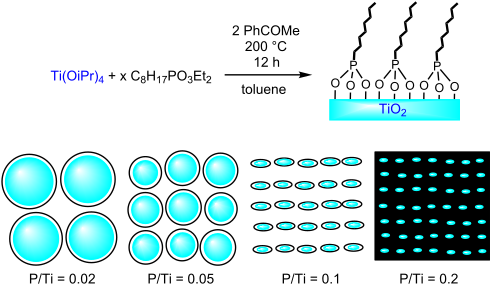
- reaction, the resulting monoliths were thoroughly washed with acetone (5 times, 30 mL). Then, they were dried under reduced pressure (5.10−2 mbar) at room temperature and ground into a fine powder. Characterization FTIR spectra were collected in ATR mode on a Spectrum II spectrometer (Perkin-Elmer). The


Development of an anti-pollution coating process technology for the application of an on-site PV module
Beilstein J. Nanotechnol. 2019, 10, 332–336, doi:10.3762/bjnano.10.32
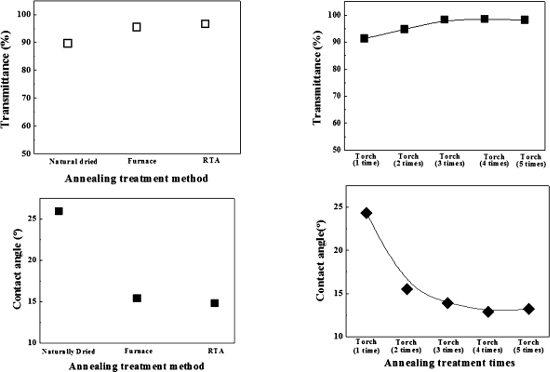
- coat various materials, such as metals, ceramics, and glass [9]. Before coating the glass slide substrates, the substrates were subjected to ultrasonic cleaning for 10 min in, consecutively, trichloroethylene, acetone, methanol and deionized water (DI water). The substrates were coated with the coating


Nanoporous water oxidation electrodes with a low loading of laser-deposited Ru/C exhibit enhanced corrosion stability
Beilstein J. Nanotechnol. 2019, 10, 157–167, doi:10.3762/bjnano.10.15
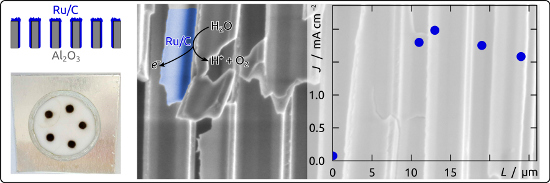
- /solution interface from the side of glass for an irradiation duration of 30 min (Figure 3a,b). The maximum temperature in the laser focal spot does not exceed 27 °C as recorded with a Thermovision camera Ti32 from Fluke. After the deposition procedure the planar samples were washed in a flow of acetone and
- evaporated (approx. each 30 s) a new droplet was placed on the same spot. The nanostructured samples were then washed in a flow of acetone and isopropanol. Four to five depositions were performed on each substrate. In a last step, the electrical contact was generated by sputter-coating of approx. 1 μm ITO in




pH-mediated control over the mesostructure of ordered mesoporous materials templated by polyion complex micelles
Beilstein J. Nanotechnol. 2019, 10, 144–156, doi:10.3762/bjnano.10.14
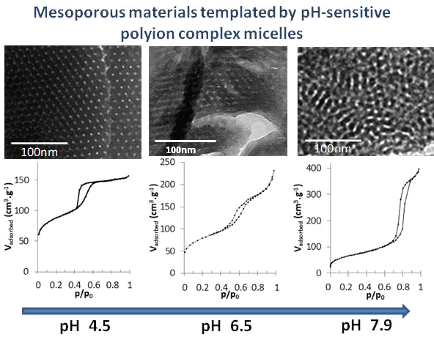
- Mn = 5000 g·mol−1, CuBr 98%, 1,1,1,7,10,10-hexamethyltriethylenetetramine 97%, trifluoroacetic acid 99%, triethylamine 99%, 2-bromoisobutyryl bromide 98%, absolute ethanol, toluene 99.8%, THF 99.9%, acetone 99.5%, diethyl ether 99.5%, glacial acetic acid, dichloromethane, pentane, sodium chloride
- , DOWEX MSC-H resin, neutral alumina 50–200 µm) were purchased from Sigma-Aldrich and purified when necessary (α-methoxy-ω-hydroxy-poly(ethylene oxide), tert-butyl acrylate, toluene, THF, acetone); the solvents were dried and distilled by routine procedures. Oligochitosan lactate (OC, M < 5000 g·mol−1


Wet chemistry route for the decoration of carbon nanotubes with iron oxide nanoparticles for gas sensing
Beilstein J. Nanotechnol. 2019, 10, 105–118, doi:10.3762/bjnano.10.10
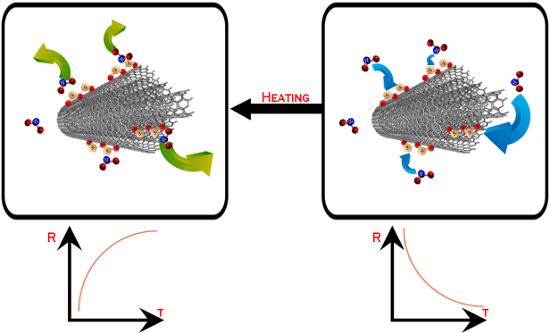
- ][14]. Among them, iron oxide is a semiconductor that has been used in many gas sensing applications because of its low cost and simple preparation [14][15]. This oxide has been used in the detection of acetone, H2S, several alcohols, CO, acetic acid and liquefied petroleum gas (LPG) [16] and forming
- composites with other materials such as graphene oxide or polyaniline has been reported to detect NO2 [17][18]. The decoration of CNTs with iron oxide has been reported for sensing different species in air such as acetone, CO2 and some volatile organic compounds [19][20][21]. Moreover, composites made of
- %) Sulfuric acid, J. T. Baker (H2SO4 95–97%) Conductive silver paste, Sigma-Aldrich Methanol, Scharlau (CH3OH 99.9%) Ethanol, Scharlau (C2H5OH 96% extra pure and 99.5% absolute) Acetone, Scharlau (C3H6O 99.5%) Dimethylformamide (DMF), Alfa Aesar (C3H7NO 99.8%) Iron(III) nitrate nonahydrate, Sigma-Aldrich (Fe




Zn/F-doped tin oxide nanoparticles synthesized by laser pyrolysis: structural and optical properties
Beilstein J. Nanotechnol. 2019, 10, 9–21, doi:10.3762/bjnano.10.2
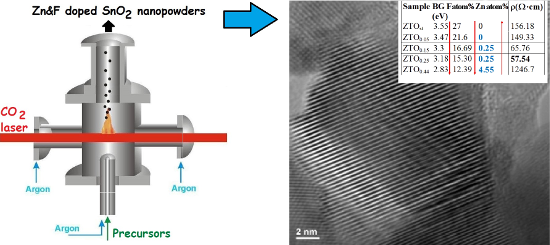
- ], photocatalysts for rhodamine 6G dye degradation in aqueous solution [27] and were proposed as a thermal UV sensor for high-radiation environments [4]. Moreover, the ZTO materials were also employed as volatile organic compound (VOC) (such as methanol, ethanol or acetone vapors) sensors [28], as an anode for Li



Electrolyte tuning in dye-sensitized solar cells with N-heterocyclic carbene (NHC) iron(II) sensitizers
Beilstein J. Nanotechnol. 2018, 9, 3069–3078, doi:10.3762/bjnano.9.285
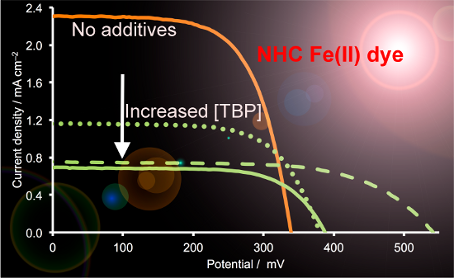
- used in the dye bath (in case of MeCN the electrodes were washed a second time with acetone) and dried with a heat gun. Commercial counter electrodes from Solaronix (Test Cell Platinum Electrodes Drilled) were rinsed with EtOH and dried on a heating plate at 500 °C for 30 min. The TiO2 electrodes and



Co-intercalated layered double hydroxides as thermal and photo-oxidation stabilizers for polypropylene
Beilstein J. Nanotechnol. 2018, 9, 2980–2988, doi:10.3762/bjnano.9.277
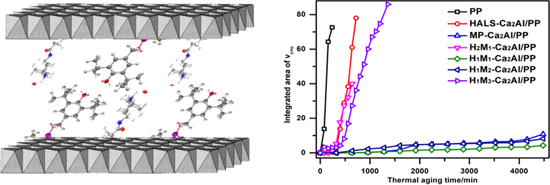
- further washed twice with acetone with surface modification and then was used for the preparation of H1M1-Ca2Al/PP composites. To obtain the H1M1-Ca2Al powder, part of the slurry was dried in an oven at 80 °C for 24 h. Co-intercalated HnMn′-Ca2Al with different molar ratios and MP-Ca2Al were obtained


In situ characterization of nanoscale contaminations adsorbed in air using atomic force microscopy
Beilstein J. Nanotechnol. 2018, 9, 2925–2935, doi:10.3762/bjnano.9.271
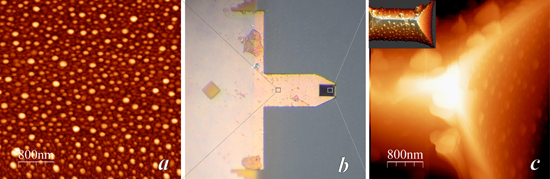
- sodium dodecyl sulfate (SDS), alcohols (e.g., ethanol) or acetone [24], ultraviolet (UV) [25] and ozone treatment [26], imaging of gratings [27][28], heating to evaporate contaminants [29][30], argon bombardment and even ultrasound, to much more aggressive methods, such as cleaning in piranha solution


Layered calcium phenylphosphonate: a hybrid material for a new generation of nanofillers
Beilstein J. Nanotechnol. 2018, 9, 2906–2915, doi:10.3762/bjnano.9.269
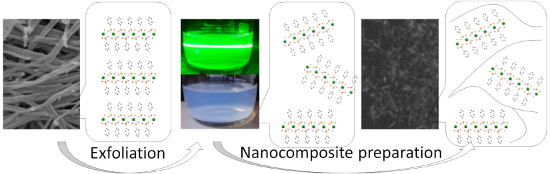
- the green laser beam (see Figure 4). It is possible to conclude that this material is not compatible with water or acetone. Alcohols were shown to be the best solvents for this type of exfoliation, namely propan-2-ol and n-butanol. In fact, the stability of the dispersion in n-butanol was slightly
- friction bowl. Exfoliation of CaPhP Solvent selection A sample of CaPhP_a (10–13 mg) was put into a small glass vial to which 5 mL of a solvent (distilled water, propan-2-ol, ethanol, butanol, acetone) was added. The mixture was sonicated in an ultrasound bath (f = 37 kHz) for one hour and the temperature
- 24 hours after ultrasound treatment (A – distilled water, B – propan-2-ol, C – ethanol, D – butanol, E – acetone). The green line is Tyndall scattering by a green laser. AFM pictures of exfoliated CaPhP: A) Particles successfully exfoliated into monolamellar sheets. B) Material destroyed by too long





