


Search results
Search for "coatings" in Full Text gives 333 result(s) in Beilstein Journal of Nanotechnology. Showing first 200.
Magnetic properties of biofunctionalized iron oxide nanoparticles as magnetic resonance imaging contrast agents
Beilstein J. Nanotechnol. 2019, 10, 1964–1972, doi:10.3762/bjnano.10.193
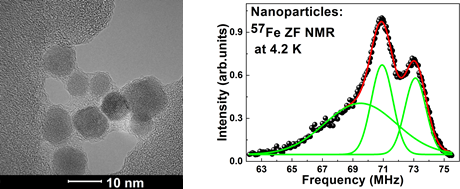
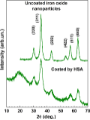
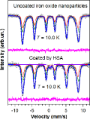
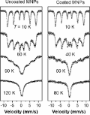
- of coating on the particle size and their magnetic properties is also raised. It has been shown that different types of coatings shift the magnetic blocking temperature [10][13][14]. In our present study, we observe a superparamagnetic transition of coated and uncoated samples in the temperature




Oblique angle deposition of nickel thin films by high-power impulse magnetron sputtering
Beilstein J. Nanotechnol. 2019, 10, 1914–1921, doi:10.3762/bjnano.10.186
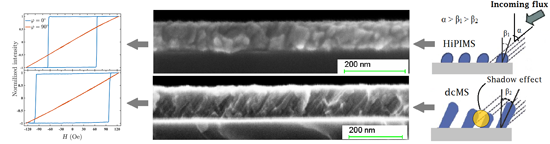
- crystallizes in the fcc structure. Because of the negative magnetostriction property of pure nickel, it is used as a magnetic material for certain applications, including ones that utilize magnetostriction. Thin nickel films have also found a wide range of other applications such as decorative coatings [2][3
- ], corrosion-resistant coatings [3][4], optically transparent conductive electrodes [5], contact devices [6], Li-storage materials [7], and as selective absorbers in solar thermal energy conversion [8]. Moreover, a number of nickel-containing alloys exploit the ferromagnetic properties of nickel such as NiTi


Toxicity and safety study of silver and gold nanoparticles functionalized with cysteine and glutathione
Beilstein J. Nanotechnol. 2019, 10, 1802–1817, doi:10.3762/bjnano.10.175
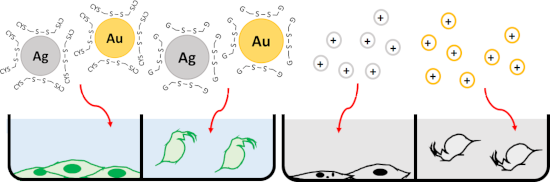
- -chemical properties. Silver nanoparticles (AgNPs) are extensively used in antimicrobial coatings for medical devices, wound dressing, cosmetic products and food packaging due to their antimicrobial, antiangiogenic and anti-inflammatory properties [1][2][3][4][5]. Biomedical applications of gold


Growth dynamics and light scattering of gold nanoparticles in situ synthesized at high concentration in thin polymer films
Beilstein J. Nanotechnol. 2019, 10, 1768–1777, doi:10.3762/bjnano.10.172
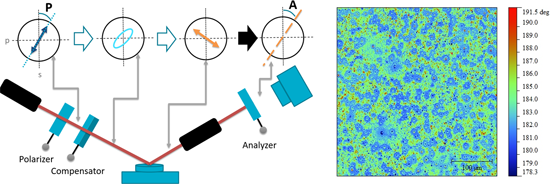
- properties of plasmonic nanocomposite materials from experimental, theoretical as well as numerical points of view [1][2]. Metal nanoparticles (NPs) play a central role in the development of nanotechnology-based optical devices. Gold nanoparticles (AuNPs) are used in spectrally selective coatings to block


TiO2/GO-coated functional separator to suppress polysulfide migration in lithium–sulfur batteries
Beilstein J. Nanotechnol. 2019, 10, 1726–1736, doi:10.3762/bjnano.10.168
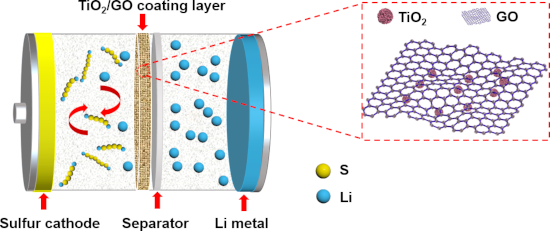
- potential of the TiO2/GO functional interlayer in next-generation Li/S batteries and presents a novel approach to prepare metal oxide based hybrid coatings for energy storage applications. Experimental Preparation of TiO2/GO composite Ti10Al90 alloy ribbons were fabricated by refining pure Al (99.9 wt


Development of a new hybrid approach combining AFM and SEM for the nanoparticle dimensional metrology
Beilstein J. Nanotechnol. 2019, 10, 1523–1536, doi:10.3762/bjnano.10.150
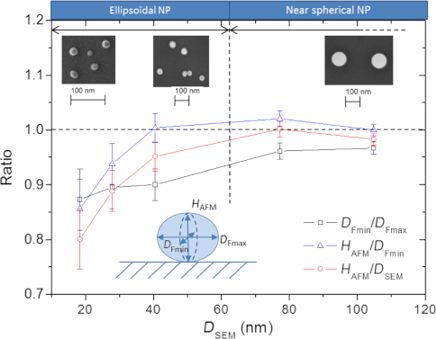
- and TEM) of 27.8 nm with 1.5 nm uncertainty (k = 2) [16]. The third sample, Klebosol® 30R50, is a commercially available bimodal silica NP suspension. It is used for applications concerning catalysis, leather treatment, paints and coatings, and textiles. A complete dimensional characterization of this




Rapid thermal annealing for high-quality ITO thin films deposited by radio-frequency magnetron sputtering
Beilstein J. Nanotechnol. 2019, 10, 1511–1522, doi:10.3762/bjnano.10.149
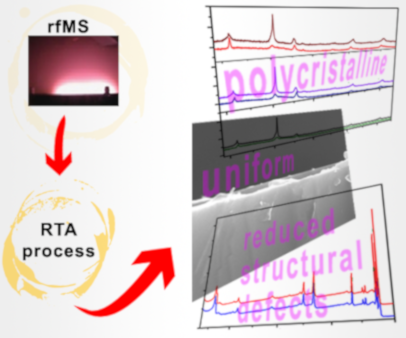
- ]. Despite its low cost, the radio-frequency magnetron sputtering (rfMS) deposition technique [31][32] involves sophisticated deposition equipment, allowing for the quick production of functional coatings, in addition to the possibility of adjusting the deposition parameters of the thin films to provide a


Growth of lithium hydride thin films from solutions: Towards solution atomic layer deposition of lithiated films
Beilstein J. Nanotechnol. 2019, 10, 1443–1451, doi:10.3762/bjnano.10.142
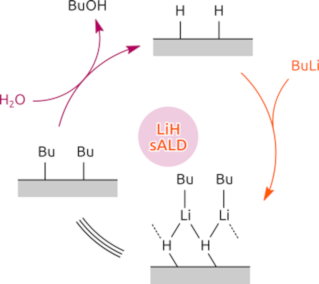
- LIPON battery in which the solid electrolyte consists of nitrogen-doped lithium phosphate, present several shortcomings. One of them is the use of sputtering [1] for the deposition of the thin layers. Inherently, sputtering does not yield coatings with high conformity on non-planar substrates. Low


Kelvin probe force microscopy of the nanoscale electrical surface potential barrier of metal/semiconductor interfaces in ambient atmosphere
Beilstein J. Nanotechnol. 2019, 10, 1401–1411, doi:10.3762/bjnano.10.138
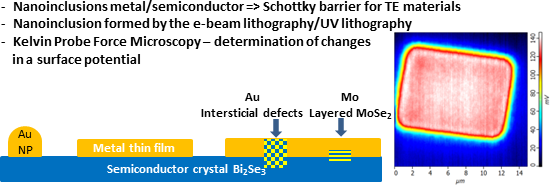
- conductive AFM tip has to be coated with a mechanically hard and non-reacting layer as TiN. Typical Au or Pt coatings need to be avoided because the coating might diffuse into the material forced by the electric field during the interaction. iii) The I–V characteristics can be affected by oxidation and


Scavenging of reactive oxygen species by phenolic compound-modified maghemite nanoparticles
Beilstein J. Nanotechnol. 2019, 10, 1073–1088, doi:10.3762/bjnano.10.108
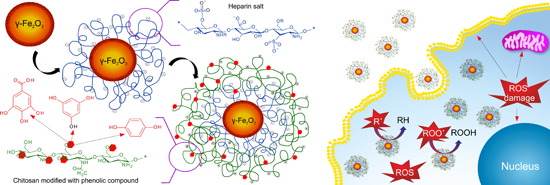
- modified with polymers via a layer-by-layer (LbL) technique [17]. Two naturally derived polymers, namely, anionic heparin and cationic chitosan, were used as nanoparticle coatings, and three phenolic compounds, including hydroquinone, phloroglucinol, and gallic acid, differing in the number of hydroxy
- temperature and magnetic field showed a typical superparamagnetic behavior of the γ-Fe2O3 nanoparticles with a saturation magnetization of 0.307 A∙m2·kg−1 at 260 K. The similarity of the magnetic hysteresis and ZF-C/F-C curves of the neat and modified nanoparticles indicated that the coatings did not affect





Tailoring the stability/aggregation of one-dimensional TiO2(B)/titanate nanowires using surfactants
Beilstein J. Nanotechnol. 2019, 10, 1024–1037, doi:10.3762/bjnano.10.103
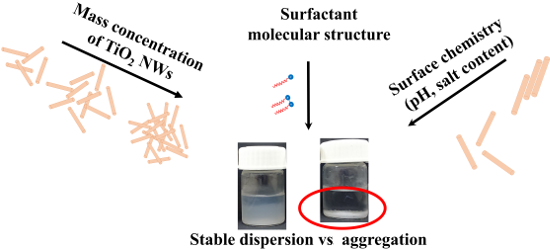
- other titanium oxide nanostructures [14][16]. It has been previously shown that various types of surface coatings affect NM properties, and in particular, can improve their stability and biocompatibility [13][17][18][19]. Although much is known about the aggregation of spherical TNMs in different media


Polydopamine-coated Au nanorods for targeted fluorescent cell imaging and photothermal therapy
Beilstein J. Nanotechnol. 2019, 10, 794–803, doi:10.3762/bjnano.10.79
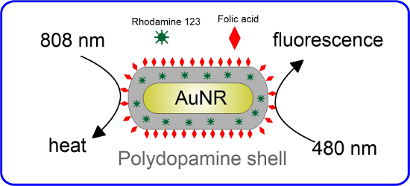
- tunable shell thickness. The most popular coatings such as mesoporous silica, PEG and polyelectrolyte shells do not meet the above quality criteria. In 2007 Messersmith et al. reported the mussel-inspired adhesive polydopamine (PDA) multifunctional coating for various materials including nanoparticles [25
- provides additional potential advantages for in vivo experiments as compared to other inorganic coatings such as silica shells. It is well known [46] that the adsorption of fluorescent dyes on Au nanoparticles can induce quenching of their emission. However, in the AuNRs-PDA-R123-folate, the PDA layer
- M CTAB solution. AuNRs were allowed to grow overnight without stirring at 30 °C. For further PDA coatings the prepared nanorods were PEGylated using the procedure described in [53]. Polydopamine coating of AuNRs PDA shells were grown on the surface of PEGylated nanorods. To this end AuNRs were


Towards rare-earth-free white light-emitting diode devices based on the combination of dicyanomethylene and pyranine as organic dyes supported on zinc single-layered hydroxide
Beilstein J. Nanotechnol. 2019, 10, 760–770, doi:10.3762/bjnano.10.75
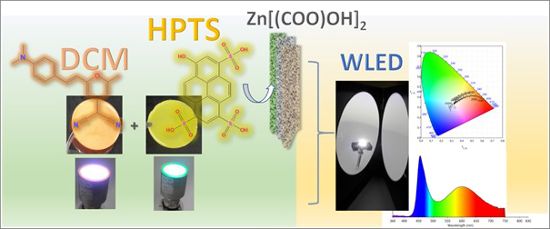
- large part of the visible spectrum. The concept developed in our work consisted in keeping SLH in its wet form to ensure a good dispersion of the fluorescent dyes prior to immobilizing the hybrid materials in a silicone polymer to achieve luminescent composite films. We demonstrate that these coatings


Ultrathin hydrophobic films based on the metal organic framework UiO-66-COOH(Zr)
Beilstein J. Nanotechnol. 2019, 10, 654–665, doi:10.3762/bjnano.10.65
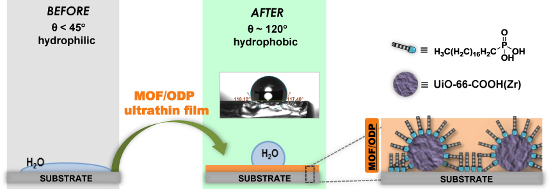
- ][35]. Superhydrophobic MOFs could be of interest for a great variety of technological applications, including coatings, paints and fabrics [36]. Moreover, it has been shown [37] that these materials could be used as catalysts and in gas separation under humid conditions. In this contribution, mixed
- of LB films were higher due to the low deposition of MOF (2 µg for the LB film and ≈6 µg for the drop-cast sample). Ultrathin hydrophobic coatings To study the hydrophobic character of LB, LS and RLS films, water contact angle (WCA) values were measured on glass and mica substrates before and after
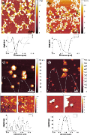
- highly hydrophilic substrate like mica showed a clear hydrophobic behavior after being coated with just one MOF/ODP film. Moreover, the increment of the WCA was significantly higher using MOF/ODP coatings than pure ODP films (WCA values between 92° and 99°) and deviations from the average WCA values were


Hydrophilicity and carbon chain length effects on the gas sensing properties of chemoresistive, self-assembled monolayer carbon nanotube sensors
Beilstein J. Nanotechnol. 2019, 10, 565–577, doi:10.3762/bjnano.10.58
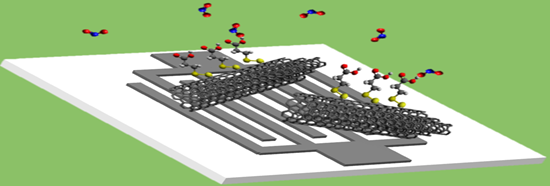
- (which accounted for 5.7 wt % in bare samples) is almost no longer “visible” by XPS after the formation of the SAM. The hydrophilicity of the different coatings was studied via contact angle measurements. It was found that bare Au-MWCNTs showed a hydrophilic character due to the presence of carboxyl
- thiols [28]. Material characterization The hydrophilicity of the gas-sensitive coatings was evaluated using an optical tensiometer from Biolin Scientific. Their chemical composition was characterized by Raman spectroscopy and X-ray photoelectron spectroscopy (XPS). Raman spectrometry was performed


Ceria/polymer nanocontainers for high-performance encapsulation of fluorophores
Beilstein J. Nanotechnol. 2019, 10, 522–530, doi:10.3762/bjnano.10.53
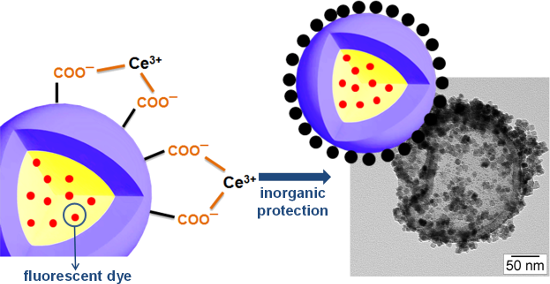
- film at the oil–water interface [32] or rose bengal embedded in a microcapsule shell [33] can also be used to protect the encapsulated dye from molecular oxygen. Incorporating oxygen-scavenging materials such as WO3 photocatalysts loaded with Pt [34], phosphonate coatings [35], organophosphates [36] or


Ultraviolet patterns of flowers revealed in polymer replica – caused by surface architecture
Beilstein J. Nanotechnol. 2019, 10, 459–466, doi:10.3762/bjnano.10.45
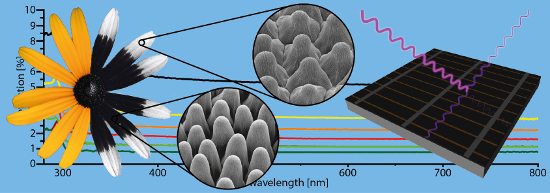
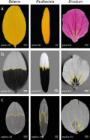
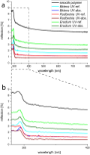
- the reflection of light. Mechanisms to reduce the reflection of light and to extend the light path length in the material are particularly interesting for several technical applications [33][34][35]. Today, anti-reflective coatings are used in a broad range of optical applications, and importantly
- antireflective or absorbing coatings, lenses and many more. Experimental Plant material Based on prior examinations of UV-reflection in some 8,000 species, three model species with distinct patterns were selected. Two are yellow flowering North American members of the sunflower family (Asteraceae): the Apache


Nanocomposite–parylene C thin films with high dielectric constant and low losses for future organic electronic devices
Beilstein J. Nanotechnol. 2019, 10, 428–441, doi:10.3762/bjnano.10.42
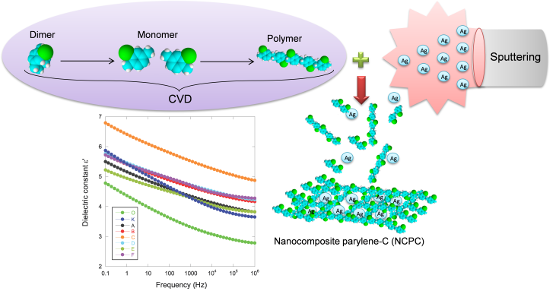
- atoms·cm−2) is directly converted into the amount of parylene (in monomeric units·cm−2), since each monomeric unit contains one Cl atom. RBS analysis was performed on coatings deposited on silicon substrates. Taking into account the desorption of Cl-containing species from the film occurring during ion




Biocompatible organic–inorganic hybrid materials based on nucleobases and titanium developed by molecular layer deposition
Beilstein J. Nanotechnol. 2019, 10, 399–411, doi:10.3762/bjnano.10.39
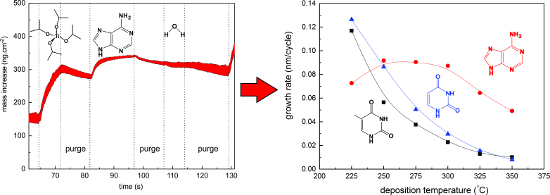
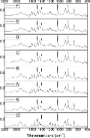
- combining titanium tetra-isopropoxide (TTIP) and the nucleobases thymine, uracil or adenine using the molecular layer deposition (MLD) approach. Such materials have potential as bioactive coatings, and the bioactivity of these films is described in our recent work [Momtazi, L.; Dartt, D. A.; Nilsen, O
- anticancer complexes for better metallo-pharmaceutical activity and toxicity reduction [8]. This work describes the growth of films based on such organic nucleotides as complexes with the biocompatible metal titanium. As thin films, such materials can be better applied as coatings on scaffolds or implants




Development of an anti-pollution coating process technology for the application of an on-site PV module
Beilstein J. Nanotechnol. 2019, 10, 332–336, doi:10.3762/bjnano.10.32
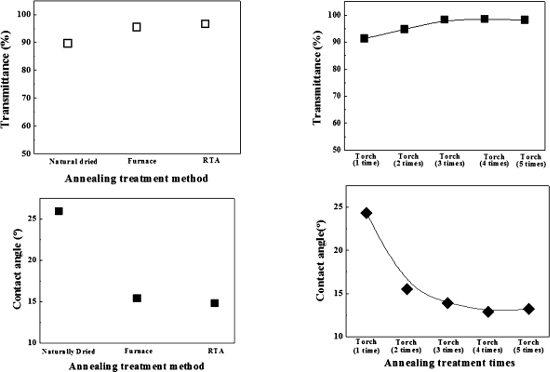
- were measured using the integrating sphere of a UV–visible spectrophotometer (Mega 700, Scinco Co., Ltd., South Korea). Results and Discussion The light transmittance measurement results of the fabricated functional coatings are summarized in Figure 1. The light transmittance of the coating film


Uniform Sb2S3 optical coatings by chemical spray method
Beilstein J. Nanotechnol. 2019, 10, 198–210, doi:10.3762/bjnano.10.18
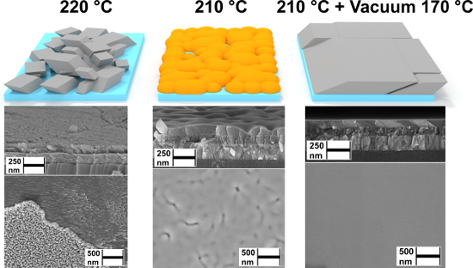
- controllable in-air growth of continuous, uniform, polycrystalline Sb2S3 absorber layers has not yet been accomplished. This could be achieved with chemical spray pyrolysis, a robust chemical method for deposition of thin films. We applied a two-stage process to produce continuous Sb2S3 optical coatings with
- were investigated using Raman spectroscopy, X-ray diffraction, scanning electron microscopy, energy dispersive X-ray spectroscopy and UV–vis–NIR spectroscopy. We demonstrated that Sb2S3 optical coatings with controllable structure, morphology and optical properties can be deposited by ultrasonic spray
- two-step process on ZnO nanorod/TiO2 substrates [7]. In this study, we applied this two-step process, i.e., depositing amorphous Sb2S3 layers on planar substrates, followed by post-deposition crystallization. The aim of this study was to produce crystalline, continuous, Sb2S3 optical coatings with




Nanoporous water oxidation electrodes with a low loading of laser-deposited Ru/C exhibit enhanced corrosion stability
Beilstein J. Nanotechnol. 2019, 10, 157–167, doi:10.3762/bjnano.10.15
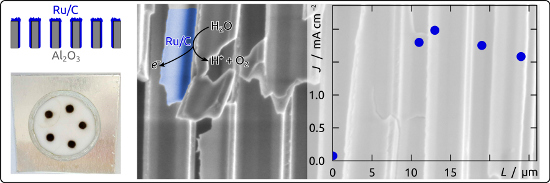
- in the range of 11 ≤ L ≤ 24 μm. In contrast to planar substrates, the laser beam must be directed to the solution/substrate interface after traversing the solution (Figure 3c,d). In these conditions, deposition durations of 15 min are sufficient for the successful deposition of thin Ru/C coatings
- reaction [69][70][71]. Conclusion With this, we have established a novel type of nanostructured Ru/C composite electrode for the oxygen evolution reaction at pH 4 by laser-induced deposition. Laser irradiation of Ru3(CO)12 in 1,2-dichloroethane at 325 nm provides the first laser-induced coatings of hybrid
- the anodized Al2O3 with 0.7 M CuCl2 solution in 10% HCl, followed by opening the Al2O3 barrier layer closing the pores with simultaneous isotropic pore widening in 10 wt % H3PO4 at 45 °C for 37 to 47 min. The laser-induced deposition of Ru/C coatings followed was adapted from the planar case (vide




Zn/F-doped tin oxide nanoparticles synthesized by laser pyrolysis: structural and optical properties
Beilstein J. Nanotechnol. 2019, 10, 9–21, doi:10.3762/bjnano.10.2
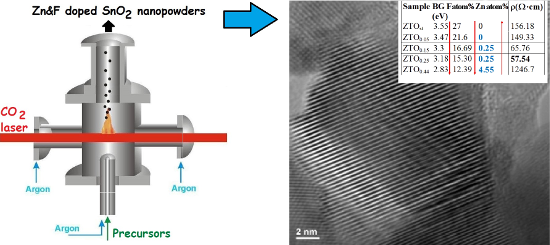
- case, the bandgap values decreased with increasing metal dopant content, down to 3.93 eV for 4 atom % Nd [24]. The FTO films were also successfully tested for other applications such as anticorrosive coatings on steel for fuel cell bipolar plates [25], sensors for liquefied petroleum gas [26



A new bioinspired method for pressure and flow sensing based on the underwater air-retaining surface of the backswimmer Notonecta
Beilstein J. Nanotechnol. 2018, 9, 3039–3047, doi:10.3762/bjnano.9.282
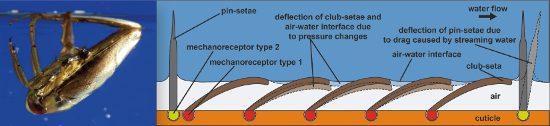
- ., for drag reducing ship coatings [5]. Submerged backswimmers are covered with a thin air layer, in particular on their hemelytra (forewings) [4][11][12]. This air layer remains stable over long periods of time under both static and dynamic conditions [4][13][14][15]. To understand the mechanism that


Ternary nanocomposites of reduced graphene oxide, polyaniline and hexaniobate: hierarchical architecture and high polaron formation
Beilstein J. Nanotechnol. 2018, 9, 2936–2946, doi:10.3762/bjnano.9.272
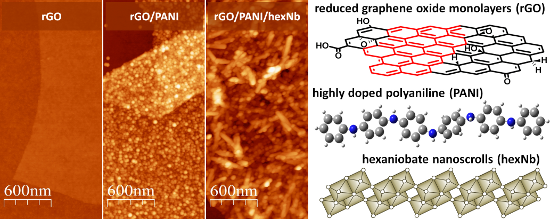
- applied, for instance, as supercapacitors, sensing materials, solar cells, electrochromic devices, anticorrosion coatings or as materials for carbon dioxide capture [8]. The layered inorganic phase offers a high surface area for PANI deposition and increases its thermal stability with regard to





