


Search results
Search for "efficiency" in Full Text gives 1038 result(s) in Beilstein Journal of Nanotechnology. Showing first 200.
Performance optimization of a microwave-coupled plasma-based ultralow-energy ECR ion source for silicon nanostructuring
Beilstein J. Nanotechnol. 2025, 16, 484–494, doi:10.3762/bjnano.16.37

- . Additionally, a small negative field can extend from the extractor grid into the positively charged plasma region. This increases the ion extraction efficiency by enhancing the electric field gradient and enlarging the effective extraction volume. Grid 3 (grounded grid) The third grid is maintained at ground
- , which allows the produced ions to traverse a longer distance without collision. This increases the ionization efficiency, and hence, with fewer collisions, the probability for recombination of the ions is very low. Consequently, a large number of ions are extracted, intensifying the beam current. The


Effect of additives on the synthesis efficiency of nanoparticles by laser-induced reduction
Beilstein J. Nanotechnol. 2025, 16, 464–472, doi:10.3762/bjnano.16.35
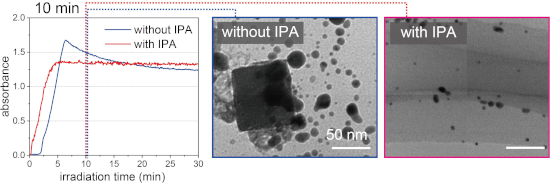
- produced by the breakdown of solvent molecules in a high-intensity reaction field near the focus of the laser. This unique reaction has the characteristic of being able to synthesize non-equilibrium solid–solution alloy nanoparticles. On the other hand, it is necessary to improve the synthesis efficiency
- of nanoparticles in large quantities for practical use. In this study, we investigated improvements of the synthesis efficiency of nanoparticles in LRL by adding scavengers, such as isopropyl alcohol (IPA) and glycerin, for oxidative radicals formed by laser irradiation to the solution and converting
- the oxidative radicals into reducing species. Based on the evaluation of the synthesis efficiency of Au nanoparticles, it was confirmed that the addition of IPA increased the synthesis efficiency of nanoparticles by about five times, and the addition of glycerin increased it by about nine times


Synthetic-polymer-assisted antisense oligonucleotide delivery: targeted approaches for precision disease treatment
Beilstein J. Nanotechnol. 2025, 16, 435–463, doi:10.3762/bjnano.16.34

- patient-personalised therapies [41][42]. In 2019, Kim et al. pioneered the development of milasen, a ssASO drug tailored to a single patient affected by a rare form of Batten’s disease, and its clinical efficiency was successfully proven [43]. Despite significant progress in the discovery of novel
- significantly improved gene silencing efficiency in prostate cancer cells, compared to a control diblock copolymer micelle. While cellular internalisation of ASO complexes can take place through several pathways, it has been previously reported that non-specific adsorptive endocytosis is the predominant
- significantly suppressed c-myc mRNA expression, reduced cell proliferation, and inhibited tumour growth both in vitro and in vivo, compared to other groups without Gal–PLL or SonoVue. This demonstrated the essential role of Gal–PLL in enhancing the specificity and efficiency of antisense delivery. In a separate


Biomimetics and bioinspired surfaces: from nature to theory and applications
Beilstein J. Nanotechnol. 2025, 16, 418–421, doi:10.3762/bjnano.16.32

- microstructures that reduce drag; for instance, bees and wasps have structures on the wings that facilitate flying [5]. Zhu et al. [9] applied this concept in using microtextures to rotating blades of aircraft engines. Their results show that the microtextures may improve energy efficiency by 3.7% of a single

Size control of nanoparticles synthesized by pulsed laser ablation in liquids using donut-shaped beams
Beilstein J. Nanotechnol. 2025, 16, 407–417, doi:10.3762/bjnano.16.31
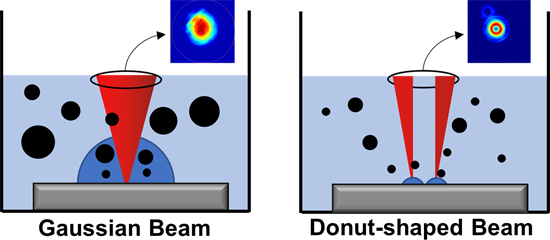
- increase in the radiation absorption efficiency inside transparent materials because of the implosion of the absorbed energy during propagation [39]. It is crucial to understand the early-stage mechanisms of PLAL to correlate them to NP size control. Plasma plume formation and expansion is a critical step


Engineered PEG–PCL nanoparticles enable sensitive and selective detection of sodium dodecyl sulfate: a qualitative and quantitative analysis
Beilstein J. Nanotechnol. 2025, 16, 385–396, doi:10.3762/bjnano.16.29
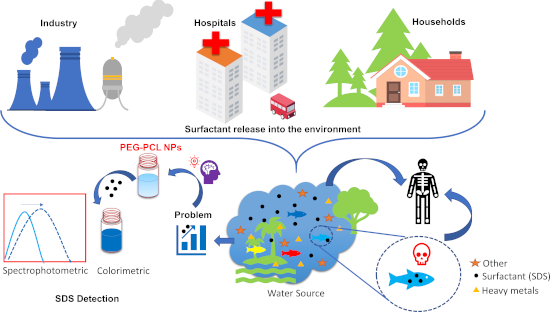
- ensures sufficient time for the formation of well-defined, monodisperse nanoparticles with consistent size and shape. The monodispersity of the nanoparticles is critical for their uniform behavior in biological and industrial applications, as it influences factors such as drug loading efficiency and


Development of a mucoadhesive drug delivery system and its interaction with gastric cells
Beilstein J. Nanotechnol. 2025, 16, 371–384, doi:10.3762/bjnano.16.28

- positive charge. A peptide, as a model drug, was loaded onto the nanoparticles with an encapsulation efficiency of 58%. The release of the model drug from the delivery system was pH-independent and lasted for 7 days. The periodic acid–Schiff stain assay indicated 69% mucin interaction for the nanoparticles
- adhere to the mucosa. The size of the microspheres, from which the drug was released over a period of 24 h, was in the range of 800–900 µm [26]. Although particulate systems with larger sizes could be advantageous in terms of higher encapsulation efficiency and slower release, they would have a reduced
- surface area for adhesion. Also, mucus penetration would be hindered because of the mesh-like structure of mucin. For therapeutics that have gastric mucosa as target, this might limit the efficiency and decrease the drug absorption at the site. A smaller particle size, however, is advantageous because of


Pulsed laser in liquid grafting of gold nanoparticle–carbon support composites
Beilstein J. Nanotechnol. 2025, 16, 349–361, doi:10.3762/bjnano.16.26
- -term stability. A widely used ionomer binder is Nafion, which is highly acidic [11] and can corrode earth-abundant catalysts that are not acid-stable [12]. Ionomer binders can additionally lead to undesired side reactions, thus reducing the energy efficiency for the desired transformation [13
- nanoparticles and supports, lowering electrical contact fidelity and energy efficiency of the composite electrodes. Surfactants alter nanoparticle surfaces, complicating understanding and often lowering catalytic performance by blocking active sites. Surfactants (like binders) partake in electrochemical
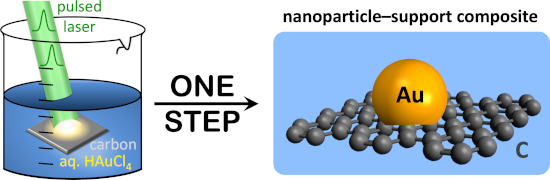
- unattached catalyst material, which is especially problematic with precious catalysts. Overall, separate nanoparticle synthesis–attachment produces composites with adhesion, durability, electrical contact, and concomitant energy efficiency issues. Here, we report a new one-step pulsed laser grafting process


Tailoring of physical properties of RF-sputtered ZnTe films: role of substrate temperature
Beilstein J. Nanotechnol. 2025, 16, 333–348, doi:10.3762/bjnano.16.25
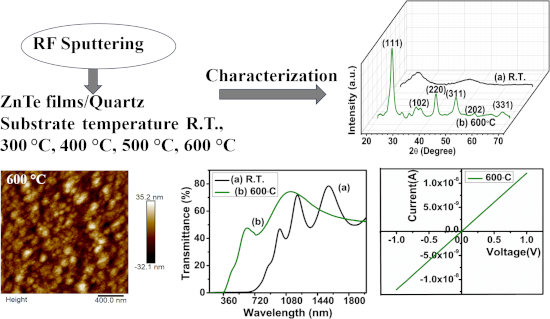
- used for this purpose. However, the requirement of very pure material for making these devices leads to high production cost. Metal chalcogenide-based solar cells, because of their low cost and comparable efficiency, can act as a substitute for the Si-based technology. Metal chalcogenide (II–VI
- (CdZnTe) compounds. Currently many efforts are made to increase the efficiency of CdTe-based solar cells. A maximum efficiency of 22.1% has been achieved using CdTe-based solar cells. The efficiency can be tuned by the formation of a stable ohmic back contact. For this, a material with a bandgap greater
- thin films with varying thickness [35]. However, the changes we observed for direct bandgaps (1.47–3.11 eV) and indirect bandgaps (0.98–2.63 eV) are more significant. The existence of both direct and indirect bandgaps in a material has implications regarding the efficiency of solar cells. The




Graphene oxide–chloroquine conjugate induces DNA damage in A549 lung cancer cells through autophagy modulation
Beilstein J. Nanotechnol. 2025, 16, 316–332, doi:10.3762/bjnano.16.24
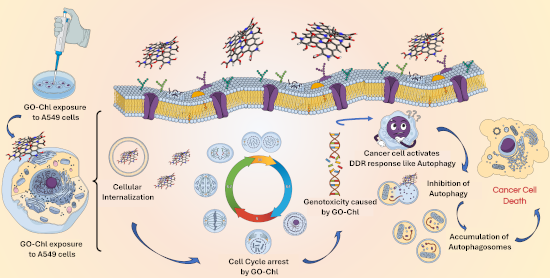
- two ways viz. entrapment efficacy (EE, % Chl that has been successfully absorbed onto GO) and % drug content or drug loading efficiency (DLE, amount of Chl loaded per unit weight of GO) using UV–vis spectroscopy. Firstly, a standard calibration curve of Chl was plotted by monitoring the optical
- fusion between the autophagosome and the lysosome. Estimation of entrapment efficacy and drug loading efficiency using UV–visible spectroscopy. Supporting Information The file contains three figures and one table. Figure S1 demonstrates the optical, functional, structural, and morphological analysis of



Fabrication and evaluation of BerNPs regarding the growth and development of Streptococcus mutans
Beilstein J. Nanotechnol. 2025, 16, 308–315, doi:10.3762/bjnano.16.23
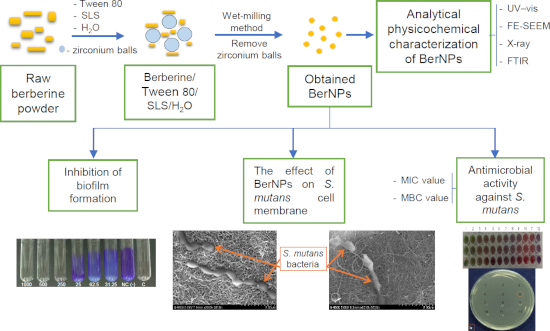
- demonstrated superior efficiency in producing nanoscale berberine. Tran et al. employed the ball milling technique to produce BerNPs, achieving a particle size of 570.7 nm [23]. Piri et al. utilized the anti-solvent precipitation method, yielding BerNPs with an average particle size of 75 nm [24]. BerNPs were




Enhancing mechanical properties of chitosan/PVA electrospun nanofibers: a comprehensive review
Beilstein J. Nanotechnol. 2025, 16, 286–307, doi:10.3762/bjnano.16.22

- is a promising method for fabricating nanofibers with advantages such as protection, controlled release, and high loading efficiency for food, pharmaceutical, and biomedical applications [100]. Table 3 summarizes some of the main advantages and disadvantages of the different electrospinning methods
- with excellent antibacterial efficiency, when compared to commercial wound dressings [202]. Challenges and future perspectives Despite new technologies being discovered every day, the current mechanical performance of electrospun nanofibers remains limited. For biomedical materials, single modification


Emerging strategies in the sustainable removal of antibiotics using semiconductor-based photocatalysts
Beilstein J. Nanotechnol. 2025, 16, 264–285, doi:10.3762/bjnano.16.21
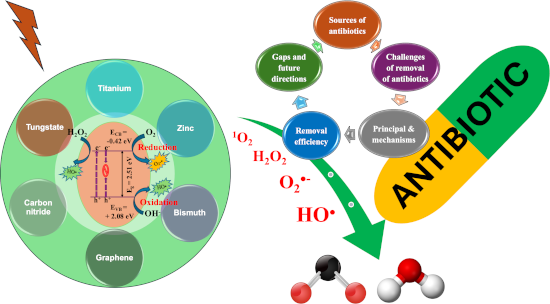
- effectively and precisely break down and neutralize antibiotic compounds with high efficiency and selectivity by utilizing a complex interaction between radical reactive oxygen species and non-radical equivalents under light irradiation. Although photocatalysts have certain drawbacks, such as a limited
- light exposure. To be specific g-C3N4-based ternary photocatalysts exhibited more than 90% degradation of tetracycline and sulfamethazine antibiotics within one hour of irradiation. This study addresses the antibiotic degradation efficiency during photocatalytic processes and suggests new approaches to
- -based photocatalysts often achieved superior efficiency and high mineralization rates, offering a comprehensive solution for antibiotic contamination (see below in Tables 1–6). The progressively increasing trend of publications and corresponding citations in recent times highlight the superiority of



Radiosensitizing properties of dual-functionalized carbon nanostructures loaded with temozolomide
Beilstein J. Nanotechnol. 2025, 16, 229–251, doi:10.3762/bjnano.16.18
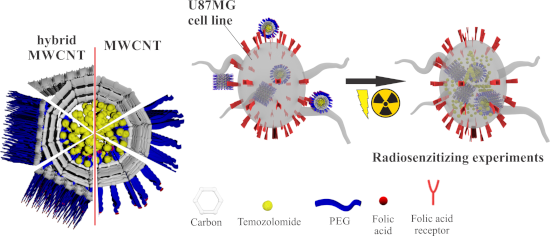
- changes in the structure of the CNs and TMZ after irradiation were observed. With single and dual functionalization, formulations with relatively high TMZ loading efficiency and drug content were prepared. They exhibited homogeneous particle size distributions and mean particle sizes and surface charges




Synthesis and the impact of hydroxyapatite nanoparticles on the viability and activity of rhizobacteria
Beilstein J. Nanotechnol. 2025, 16, 216–228, doi:10.3762/bjnano.16.17
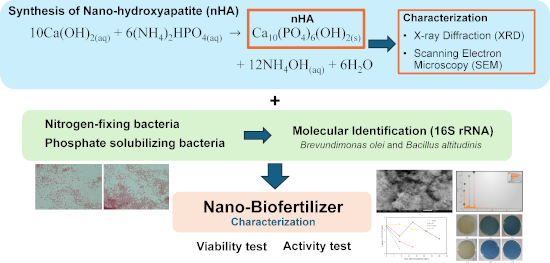
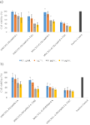
- application and storage [7]. Nanomaterials have gained significant attention in the development of rhizobacterial carrier materials, as their effective utilization can provide protective benefits to plants, assist in nutrient absorption, and, when in gel form, significantly improve water management efficiency
- efficiency of hydrothermally synthesized nHA as a specialized carrier material for rhizobacterial strains, including Pd and Tb rhizobacteria. The results of this research have the potential to enhance the efficacy of biofertilizers formulated with nanoparticles as carriers with the aim to enhance plant


Recent advances in photothermal nanomaterials for ophthalmic applications
Beilstein J. Nanotechnol. 2025, 16, 195–215, doi:10.3762/bjnano.16.16
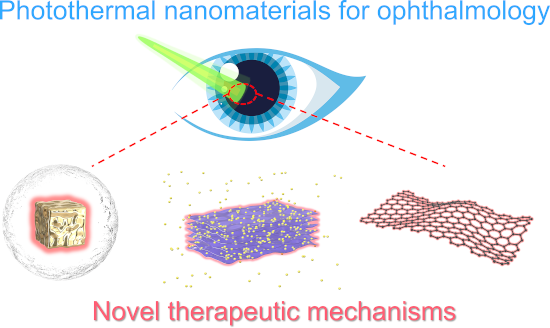
- , and inorganic semiconductor materials that absorb light through bandgap transitions [25]. The specific photothermal properties of these materials, encompassing aspects such as range and rate of light absorption, photothermal conversion efficiency, heat transfer capability, and photothermal stability
- efficient process with photothermal conversion nearing 100% efficiency (see below in Figure 2a) [45][46][47]. The specific absorption wavelength of these metals is closely linked to their extinction cross section and particle size and shape, which are greatly influenced by the chemical capping agents and
- photothermal agents [61]. Organic small molecule dyes are easy to remove from the eye, however, they suffer from low photothermal conversion efficiency, easy photobleaching, low water solubility, and low stability [39]. Common organic small molecule dyes include cyanine dyes (e.g., indocyanine green (ICG


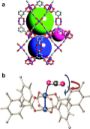
A review of metal-organic frameworks and polymers in mixed matrix membranes for CO2 capture
Beilstein J. Nanotechnol. 2025, 16, 155–186, doi:10.3762/bjnano.16.14
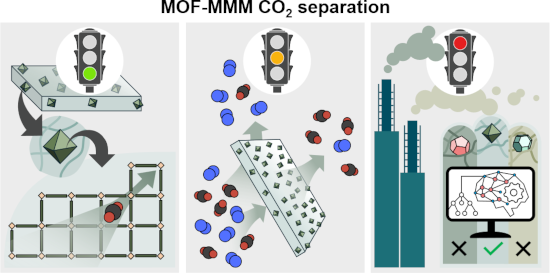
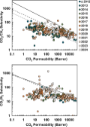
- much attention [3][4]. Considerable research has been dedicated to enhancing the efficiency of CO2 capture technologies for large-scale applications, particularly in natural gas purification and post-combustion processes [5]. Various technologies are currently under investigation for the capture of CO2
- , including regenerative solvent-based absorption [2][6], fixed-bed adsorption [7], cryogenic separation techniques [8], and membrane separation methods [9][10][11][12]. Of these, membrane technology offers advantages such as exceptional stability, high efficiency, low energy consumption, and ease of
- improve CO2 permeability and selectivity to enhance the efficiency of CO2 capture. A promising approach in this field involves hybrid polymer composite membranes known as mixed matrix membranes (MMMs) [15][16][17][18][19][20][21][22]. Among the diverse range of inorganic fillers integrated into MMMs




Clays enhanced with niobium: potential in wastewater treatment and reuse as pigment with antibacterial activity
Beilstein J. Nanotechnol. 2025, 16, 141–154, doi:10.3762/bjnano.16.13
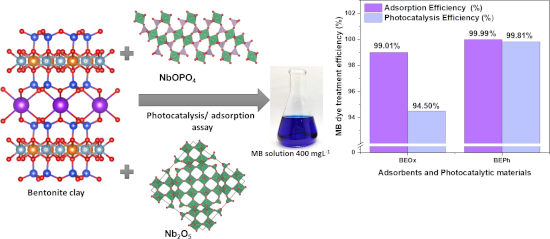
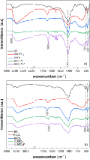
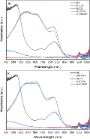
- photocatalysts for treating solutions containing the MB dye (400 mg·L−1) at 25 °C. The results showed adsorption and photocatalysis efficiency above 94% for both samples. The blue-colored BEOx and BEPh samples were then applied as a hybrid pigment. The power pigment and its dispersion in colorless paint were
- A-BEOxP to designate the modifications with NbOPO4 and Nb2O5, respectively. The adsorption efficiency of MB by the clays was calculated using Equation 1: where C0 (mg·L−1) is the initial concentration of the solution, and Cf (mg·L−1) is the concentration of the solution after the adsorption
- experiment. The efficiency of MB photodegradation (X%) was determined by Equation 2: where M0 and Mf are the concentrations of MB at the beginning and at the end of the photocatalytic test, respectively. Dispersion of the pigments clay/Nb and clay/Nb/MB in colorless commercial paint The samples A-BEPh, A



TiO2 immobilized on 2D mordenite: effect of hydrolysis conditions on structural, textural, and optical characteristics of the nanocomposites
Beilstein J. Nanotechnol. 2025, 16, 128–140, doi:10.3762/bjnano.16.12
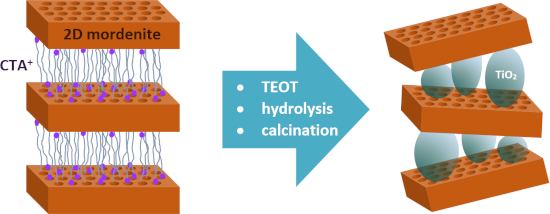
- similarly leads to the formation of TiO2. TiO2 is a well-known photocatalyst whose efficiency depends on a number of factors, including the crystalline phase, particle size, and degree of crystallinity. The most active phase of TiO2 is considered to be anatase. Its nanoparticles usually show higher
- efficiency than the bulk phase, but the bandgap of anatase particles smaller than 10 nm is very sensitive to their size [14]. One of the disadvantages of such free photocatalyst nanoparticles is the limitation of mass transfer between solid and liquid phases. From this perspective, the problem of



Comparison of organic and inorganic hole transport layers in double perovskite material-based solar cell
Beilstein J. Nanotechnol. 2025, 16, 119–127, doi:10.3762/bjnano.16.11
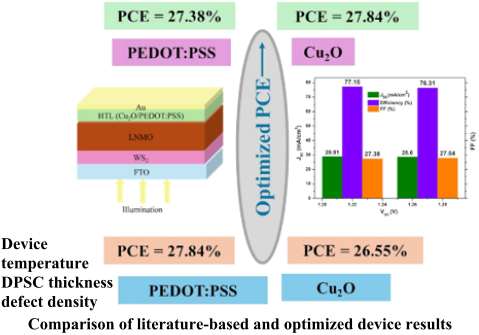
- , that is, La2NiMnO6 (LNMO), is studied with the organic and inorganic hole transport layers (HTLs) Cu2O and PEDOT:PSS. Our study yields a significant improvement in the power conversion efficiency (PCE) of perovskite solar cells with two types of HTLs. The optimized devices achieved a maximum PCE of
- Karapinar [2] fabricated a dye-sensitized solar cell (DSSC) with selenium@activated carbon (Se@AC) composites as an alternative to the Pt counter electrode (CE) via chemical activation. The fabricated DSSC showed a power conversion efficiency (PCE) of 5.67%, an open-circuit voltage (VOC) of 0.648 V, a short
- % Mn doping and an Eu compact layer, an efficiency of 4.20% was obtained. Currently, perovskite solar cells (PSCs) are attracting the attention of research communities worldwide because of their outstanding and unique properties. PSCs possess desirable characteristics such as cost-effectiveness


Nanocarriers and macrophage interaction: from a potential hurdle to an alternative therapeutic strategy
Beilstein J. Nanotechnol. 2025, 16, 97–118, doi:10.3762/bjnano.16.10

- decades of technological evolution, during which NCs have become indispensable components of drug delivery systems, known for their adaptability and efficiency [2]. The “family” of nanoparticles (NPs) includes a broad range of materials such as lipids, polymers, proteins, dextran, silica [3], and metals
- ultrastructural changes in macrophages, providing nanoscale insights into inflammation. The efficiency of gold NP (AuNP)-loaded macrophages as a targeted delivery system was tested in an ovalbumin-induced asthma mouse model. Findings showed significant macrophage–NP interactions, highlighting the potential of


Characterization of ZnO nanoparticles synthesized using probiotic Lactiplantibacillus plantarum GP258
Beilstein J. Nanotechnol. 2025, 16, 78–89, doi:10.3762/bjnano.16.8
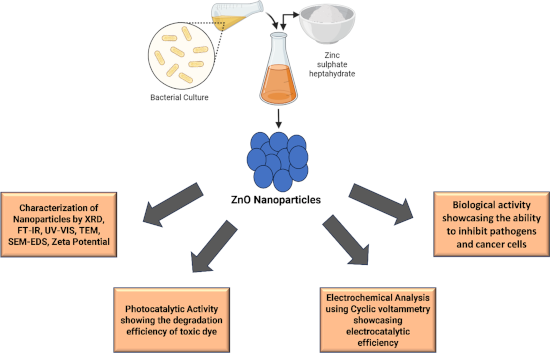
- (CV) and electrochemical impedance spectroscopy (EIS) were carried out at room temperature using a three-electrode cell with 0.1 M KCl electrolyte. The ZnO NP electrode was measured at scan rates from 10 to 50 mV/s. The measurements revealed reversibility and electrode load efficiency along with
- frequency (ω), Y, and n. The obtained results suggest robust electron transfer and enhanced electrocatalytic efficiency in dextrose oxidation [19][20][21] (Figure 5). Antibacterial activity of ZnO NPs The biogenic ZnO NPs presented a good dispersion and exhibited antibacterial activity against both Gram
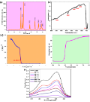
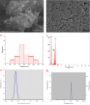
- analysis, (b) Fourier-transform infrared (FTIR) spectroscopy, (c) UV–vis spectroscopy, and (d) photocatalytic efficiency of ZnO NPs. (a, b) Transmission electron microscopy (TEM) micrographs showing the morphology and size of the nanoparticles. (c) Selected area electron diffraction (SAED) pattern of ZnO



Bioinspired nanofilament coatings for scale reduction on steel
Beilstein J. Nanotechnol. 2025, 16, 25–34, doi:10.3762/bjnano.16.3

- applications of mimicking the liquid-repelling properties of their skin to address a common industrial challenge: The scaling of steel surfaces. Scaling, a pervasive issue in various industries, results from unwanted water adhesion and mineral deposition, leading to corrosion, reduced efficiency, and increased


A nanocarrier containing carboxylic and histamine groups with dual action: acetylcholine hydrolysis and antidote atropine delivery
Beilstein J. Nanotechnol. 2025, 16, 11–24, doi:10.3762/bjnano.16.2

- carried out in a manner similar to that of p(Hist-CA). After the reaction, dialysis was carried out using a 12000 Da dialysis bag to remove unencapsulated Fl, resulting in a solution of Fl@p(Hist-CA). The encapsulation efficiency (%EE) was found to be 55%. In the UV spectra of Fl@p(Hist-CA) (PB, pH 7.4


Orientation-dependent photonic bandgaps in gold-dust weevil scales and their titania bioreplicates
Beilstein J. Nanotechnol. 2025, 16, 1–10, doi:10.3762/bjnano.16.1
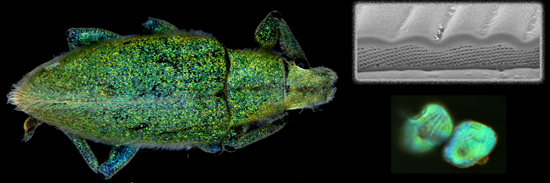
- volumes with differing refractive indices. The diamond TPMS structure is special as it provides optimal diffraction efficiency and can form photonic bandgaps even with lower refractive index contrasts (i.e., with refractive index contrasts above 2.1) [15][17]. This makes these structures rather





