Search results
Search for "glucose" in Full Text gives 177 result(s) in Beilstein Journal of Nanotechnology.
Hyperthermic intracavitary nanoaerosol therapy (HINAT) as an improved approach for pressurised intraperitoneal aerosol chemotherapy (PIPAC): Technical description, experimental validation and first proof of concept
Beilstein J. Nanotechnol. 2017, 8, 2729–2740, doi:10.3762/bjnano.8.272
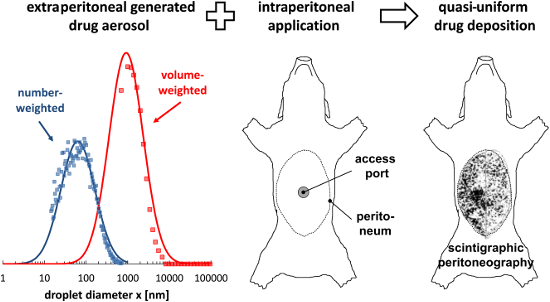
- same aqueous glucose solution (Glucosterile® 5%, Fresenius Kabi GmbH, Germany) at a similar distance of ≤5 mm between aerosol outlet and laser beam (laser wavelength of 632.8 nm) and with equal signal evaluation (i.e., Fraunhofer theory). The LAU was operated with compressed air at system pressures of
- aqueous glucose solution (Glucosterile® 5%, Fresenius Kabi GmbH, Germany) at 28 °C. Cross-check analyses concerning possible vaporization effects within the experimental setup were performed with silicon oil (Elbesil-Oil B10, Böwing GmbH, Germany). The HINAT-LAU aerosol was characterised for a 1 bar and a




The role of ligands in coinage-metal nanoparticles for electronics
Beilstein J. Nanotechnol. 2017, 8, 2625–2639, doi:10.3762/bjnano.8.263
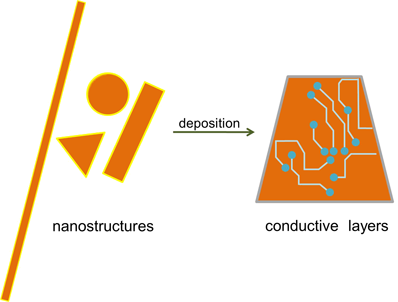
- hexadecylamine (Figure 2) as ligand and glucose as reducing agent. The amine showed good selectivity towards the {100} facets and prevented multiply twinned seeds from being etched, leading to copper nanowires by the reduction of CuCl2 in an aqueous dispersion. At lower amine concentrations, twinned seeds were


Bi-layer sandwich film for antibacterial catheters
Beilstein J. Nanotechnol. 2017, 8, 1982–2001, doi:10.3762/bjnano.8.199
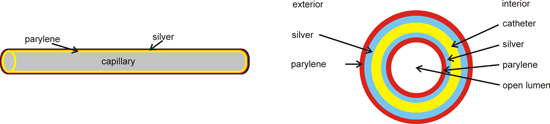
- influence on the porosity, and the influence of the above properties on the release rate of antibacterial Ag+ ions. Experimental Silver film Deposition The deposition of metallic silver is an electroless reaction in aqueous solution. Silver ions are reduced by a saccharide (glucose or maltose) at elevated
- + solution (AgNO3 dissolved in a surplus of aqueous ammonia (type TL, Medorex, Nörten-Hardenberg, Germany), to which a certain amount of a monosaccharide (glucose) or a disaccharide (maltose) is added (denoted as Tollens’ reagent) and air (Figure 9), by which a chain of bubbles is generated, consisting of


A biofunctionalizable ink platform composed of catechol-modified chitosan and reduced graphene oxide/platinum nanocomposite
Beilstein J. Nanotechnol. 2017, 8, 1508–1514, doi:10.3762/bjnano.8.151
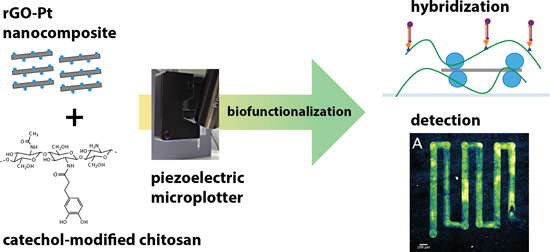
- probe function and that the ink itself does not yield substantial non-specific binding of DNA. Further studies will be conducted to evaluate the potential of this ink platform for other biosensing systems, including electrochemical detection and/or glucose biosensing. Experimental Preparation of reduced


Characterization of ferrite nanoparticles for preparation of biocomposites
Beilstein J. Nanotechnol. 2017, 8, 1257–1265, doi:10.3762/bjnano.8.127
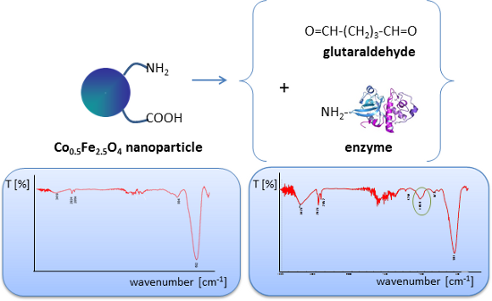
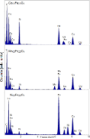
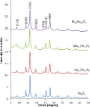
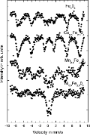
- with a bioparticle was studied. In subsequent steps, the nanoparticles were immobilized with enzymes such as albumin, glucose oxidase, lipase and trypsin as a test bioparticles. The characterization of the nanoparticles was acheived by transmission electron microscopy, X-ray diffraction, energy
- dispersive X-ray and Mössbauer spectroscopy. The effect of the obtained biocomposites was monitored by Fourier transform infrared spectroscopy. The obtained results show that in some cases the use of glutaraldehyde was crucial (albumin). Keywords: albumin; EDX; glucose oxidase; IR spectroscopy; lipase
- , we have used nanoparticles with or without attached glutaraldehyde that served as a linker between the nanoparticle and enzymes and gives more space for interaction. The enzymes tested in this paper were: albumin, glucose oxidase, lipase, and trypsin. This study is a continuation of our previous



Nanoantenna-assisted plasmonic enhancement of IR absorption of vibrational modes of organic molecules
Beilstein J. Nanotechnol. 2017, 8, 975–981, doi:10.3762/bjnano.8.99
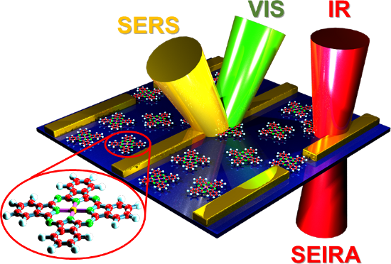
- , corresponding to only 145 molecules per antenna [20]. A similar approach is used for the terahertz (or far-IR) spectral range for which special nanoscale slot-antenna arrays were designed to determine glucose and fructose in solutions, including market beverages [21]. Terahertz transmittance measurements were
- and in several tissues and regulates blood glucose levels. Cortisol production disorders lead to the development of diabetes, Cushing's syndrome and other pathologies [36]. Therefore, the determination of the cortisol concentration in blood and tissue is important. The immunoassay methods are



Synthesis of graphene–transition metal oxide hybrid nanoparticles and their application in various fields
Beilstein J. Nanotechnol. 2017, 8, 688–714, doi:10.3762/bjnano.8.74
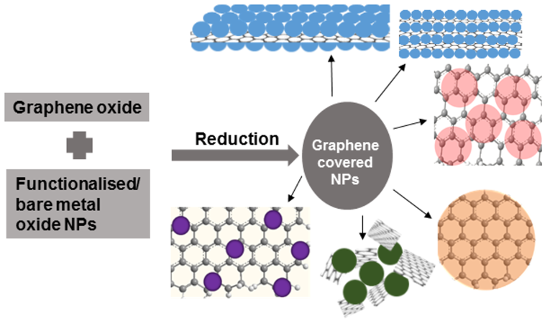
- results in an improved electrochemical performance [172]. Symmetric supercapacitors are based on Co3O4 NPs on vertically aligned graphene. This hybrid has also been used for nonenzymatic glucose detection in microdroplets [173]. Wang et al. fabricated graphene–Co3O4 hybrid electrodes constructed on a
- micropipette tip which can detect nonenzymatic glucose [173]. N-doped graphene/Co3O4 has been used for selective oxidation of olefins and alcohols [174], LIBs [175], and oxygen reduction [176], and as a water electrolysis catalyst [177]. Co3O4 NPs were anchored on conducting graphene and used as an anode for
- used for enzymeless glucose detection [191] and determination of carbofuran and carbaryl in fruits and vegetables [192]. Instead of using cobalt oxide–graphene hybrids, Yao et al. have synthesised a cobalt hydroxide nanoflake–rGO hybrid by a one-pot hydrothermal method using glucose as a reducing agent






Association of aescin with β- and γ-cyclodextrins studied by DFT calculations and spectroscopic methods
Beilstein J. Nanotechnol. 2017, 8, 348–357, doi:10.3762/bjnano.8.37
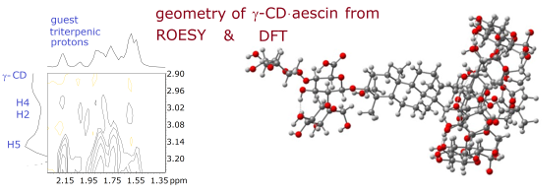
- with six (α-CD), seven (β-CD) and eight (γ-CD) units of α-D-glucose, which occur in nature from bacterial degradation of starch [13]. Their particular shape – a truncated cone with a hydrophobic cavity and a large number of hydroxy groups at the rims – enables them to include a variety of hydrophobic
- << complex γ3. The most stable geometry is found with complex γ1 and it involves inclusion of the triterpenic moiety of aescin into γ-CD. Nonetheless, the difference in energy to that of complex γ2 is only +27.1 kJ/mol. This means that this second geometry, in which γ-CD docks at one of the glucose residues
- the two β-CD molecules interact with aescin at one of the glucose fragments to form a complex stabilised by an extensive network of hydrogen bonds. Inclusion of aescin into γ-CD is favoured by the larger diameter of its cavity, where aescin fits more adequately. This results in the occurrence of


Fundamental properties of high-quality carbon nanofoam: from low to high density
Beilstein J. Nanotechnol. 2016, 7, 2065–2073, doi:10.3762/bjnano.7.197
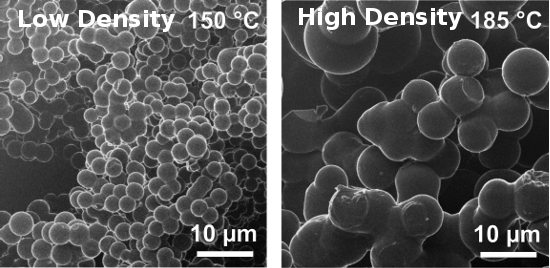
- various chemical elements have been investigated. In particular, foams from transition metals and noble metals have attracted attention, and interesting applications have been developed. Nickel nanofoam has been used for glucose sensing [1] and also been suggested for high-performance supercapacitor


A novel electrochemical nanobiosensor for the ultrasensitive and specific detection of femtomolar-level gastric cancer biomarker miRNA-106a
Beilstein J. Nanotechnol. 2016, 7, 2023–2036, doi:10.3762/bjnano.7.193
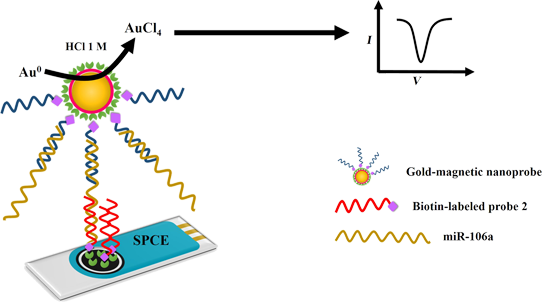
- -ethyl-3-(3-dimethylaminopropyl)carbodiimide (EDC), N-hydroxysuccinimide (NHS), 11-mercaptoundecanoic acid (MUA), streptavidin, K3Fe(CN)6, and K4Fe(CN)6 were purchased from Sigma Chemical Company (USA). Analytical grade HCl, NaCl, D-glucose, glutaraldehyde, N-methylpyrrolidone (NMP), iodomethane, sodium
- were synthesized using D-glucose as the reducing agent via a typical short procedure at 60 °C [36]. In the following, 200 mg of magnetic NPs was exposed to appropriate amount of previously produced TMC (Fe3O4/TMC molar ratio of 1) in a 20 mL solution containing glutaraldehyde (25%, 2 mL), NaCl (0.5 M


Development of adsorptive membranes by confinement of activated biochar into electrospun nanofibers
Beilstein J. Nanotechnol. 2016, 7, 1556–1563, doi:10.3762/bjnano.7.149
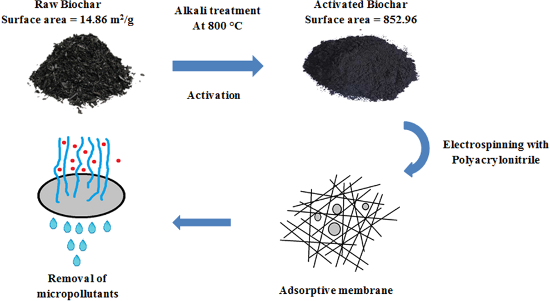
- metallic ions, malachite green and methylene blue from water. Embedding carbonaceous materials, such as carbon nanotubes and graphene in NFMs has been investigated for different applications, such as glucose sensors, hydrogen storage and enzyme immobilization [18][19]. However, to the best of our knowledge




High performance Ce-doped ZnO nanorods for sunlight-driven photocatalysis
Beilstein J. Nanotechnol. 2016, 7, 1338–1349, doi:10.3762/bjnano.7.125
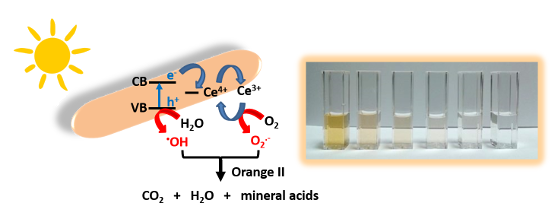
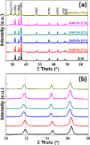
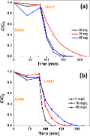
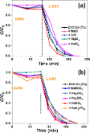
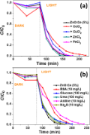
- (Figure 12a) [58]. Glucose, a reducing sugar (100 mg/L), urea (100 mg/L) or Na2S (10 mg/L) only slightly decreased the photodegradation rate of Orange II at pH 7 (Figure 12b). Bovine serum albumin (BSA) (10 mg/L) and aniline (10 mg/L) had a more pronounced inhibition effect (degradation of Orange II in







Straightforward and robust synthesis of monodisperse surface-functionalized gold nanoclusters
Beilstein J. Nanotechnol. 2016, 7, 1278–1283, doi:10.3762/bjnano.7.118
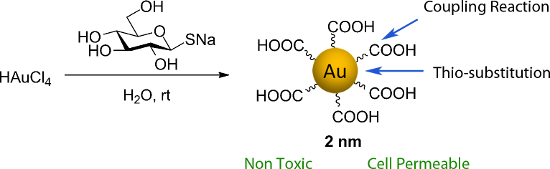
- conditions including the speed of the stirrer. The influence of the gold to 1-thioglucose ratio on the yield and quality of the glucose-stabilized gold nanoclusters (Glc-NCs) was determined (Table S1, Supporting Information File 1). The nanoclusters aggregated within 5 h at very high ratios of gold ions to 1
- oxidation of hydroxy groups of the carbohydrate as the precursor 1-thio-glucose contains no carbonyl group. The carboxylic acid in the stabilizing agent was confirmed by the XPS O–C=O signal and IR bands at 3270, 1732 and 1014 cm−1 (Figure S9, Supporting Information File 1). To confirm the XPS and IR
- ). Unfunctionalized Glc-NCs fail to aggregate since oxidized thio-glucose is not recognized by ConA (Figure 2C). Glc-NC@Man are monodisperse prior to aggregation by the addition of ConA as judged by TEM (Figure S12, Supporting Information File 1). Nanocluster cytotoxicity was assessed by incubating the nanoclusters


Templated green synthesis of plasmonic silver nanoparticles in onion epidermal cells suitable for surface-enhanced Raman and hyper-Raman scattering
Beilstein J. Nanotechnol. 2016, 7, 834–840, doi:10.3762/bjnano.7.75
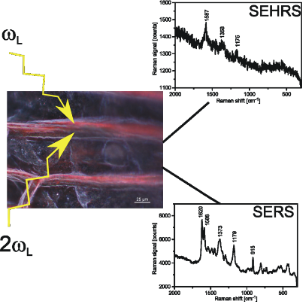
- salts [5][6], but also more eco-friendly compounds such as glucose or starch can be used for the preparation of metal nanoparticles [7][8]. Overall, various reducing and stabilization agents as well as variations in experimental conditions during the preparation process, such as the influence of light


Facile synthesis of water-soluble carbon nano-onions under alkaline conditions
Beilstein J. Nanotechnol. 2016, 7, 758–766, doi:10.3762/bjnano.7.67
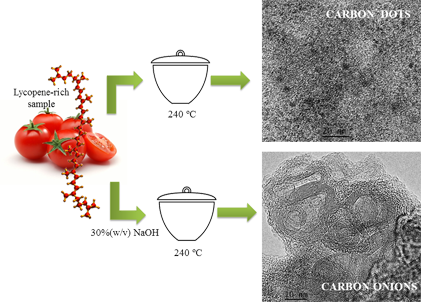
- straightforwardly synthetized via two approaches: a) from fine carbon structures (such as multi-wall nanotubes and graphene) by top-down methods and b) by bottom-up approaches from chemical precursors (such as glucose, citrate, ethylenediaminetetraacetic acid) or from natural products (usually vegetables). Recently


Novel roles for well-known players: from tobacco mosaic virus pests to enzymatically active assemblies
Beilstein J. Nanotechnol. 2016, 7, 613–629, doi:10.3762/bjnano.7.54
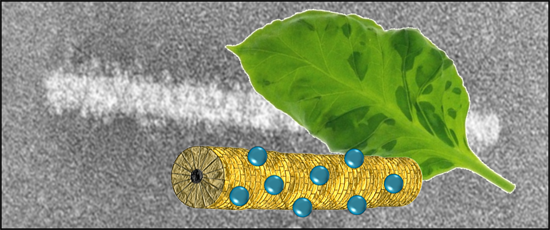
- and ZYMV particles. Since diagnostic assays could profit particularly from novel nanosculptured high-density presentation platforms, a glucose-sensing enzyme combination of glucose oxidase (GOx) and signal-generating horseradish peroxidase (HRP) was applied (see below in Figure 5 and Figure 6). Due to
- enabled a colorimetric detection of catalytic activity and the quantification of glucose [152][166][167]. Specifically, GOx catalyzes glucose oxidation to D-glucono-1,5-lactone, thereby producing hydrogen peroxide [168]. This is a substrate for HRP, which reduces it to water, and, as a side reaction, can
- wet storage with 14 uses or idle, 40 to 50% of the glucose sensing activity was still retained (Figure 6C, bottom and [132]). TMV CP aggregates were able to stabilize the GOx/HRP system to a considerably lesser extent, but significantly superior to plain biotin linkers, whereas directly attached


Surface coating affects behavior of metallic nanoparticles in a biological environment
Beilstein J. Nanotechnol. 2016, 7, 246–262, doi:10.3762/bjnano.7.23
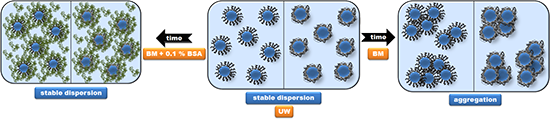
- about the effects of NPs in a variety of biological systems. Experimental Chemicals and materials If not otherwise stated, chemicals were obtained from Sigma-Aldrich Chemie GmbH (Munich, Germany). Dulbecco’s modified Eagle’s medium (DMEM) with 4.5 g·L−1 glucose without L-glutamine and sodium dihydrogen
- several different dispersion protocols: ultrapure water (UW), DMEM high glucose as model biological medium (BM), BM supplemented with 0.1 or 1% BSA (BMP), whole blood (WhBl) and blood plasma (BlPl) taken from the Wistar rat. The aim was to investigate the behavior of each NP after 1 h in different

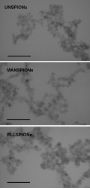


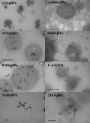

Green and energy-efficient methods for the production of metallic nanoparticles
Beilstein J. Nanotechnol. 2015, 6, 2354–2376, doi:10.3762/bjnano.6.243
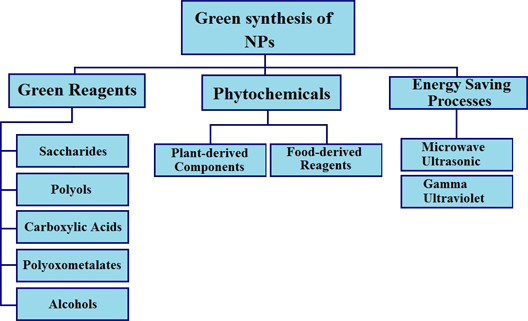
- stabilized Au NPs and heparin stabilized Ag NPs were in the range of 7–20 nm and 9–29 nm, respectively [143]. Raveendran et al. reported a method for the synthesis of Au, Ag, and Au-Ag NPs in aqueous media, using glucose as the reductant and starch as stabilizer. The prepared bimetallic NPs were uniform and
- their sizes were within the quantum size domain (less than10 nm), where their electronic properties are size-dependent. They observed no signs of aggregation even after several months of storage [26][108]. He et al. reduced [Ag(NH3)2]+ ions by glucose in aqueous solution and then they added Al(NO3)3
- into solution to synthesize Ag nanosheets. They claimed that the in situ generated Al(OH)3 influenced the formation of Ag nanosheets. The produced nanosheets in 60 min reaction had a thickness of 20–30 nm [111]. Sun and Li produced colloidal carbon micro and nanospheres from glucose in a hydrothermal


Au nanoparticle-based sensor for apomorphine detection in plasma
Beilstein J. Nanotechnol. 2015, 6, 2224–2232, doi:10.3762/bjnano.6.228
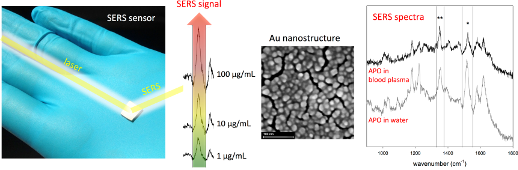
- application of SERS spectroscopy. The Langmuir isotherm was applied to qualitatively describe the concentration dependence and to find a nonlinear calibration curve for ten common narcotic drug analytes [32], while linear regression curves were generated from experimental data for glucose detection [33]. The


An ISA-TAB-Nano based data collection framework to support data-driven modelling of nanotoxicology
Beilstein J. Nanotechnol. 2015, 6, 1978–1999, doi:10.3762/bjnano.6.202
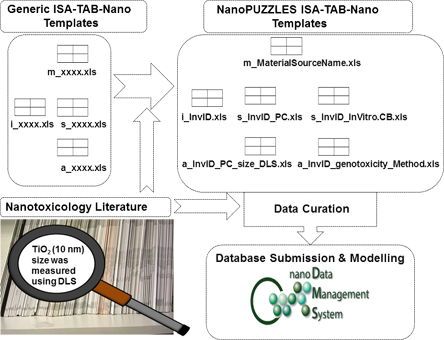
- of the nanomaterial will be evaluated. Hence, they are designed to capture different kinds of experimental variables: (1) those which are relevant to preparation of the biological sample prior to adding the nanomaterial, e.g., the “Factor Value [culture medium glucose supplement]” in
- “s_InvID_InVitro.CB.xls” designed to record whether or not the cells were grown in glucose containing “culture medium”, which may significantly affect the observed toxicity in some in vitro assays [56]; (2) those which are relevant to the preparation of the nanomaterial sample applied to the biological sample, e.g



Optimized design of a nanostructured SPCE-based multipurpose biosensing platform formed by ferrocene-tethered electrochemically-deposited cauliflower-shaped gold nanoparticles
Beilstein J. Nanotechnol. 2015, 6, 1840–1852, doi:10.3762/bjnano.6.187
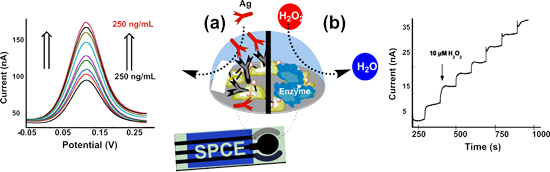
- concentrations of, e.g., biologically active analytes and disease-related biomarkers [9][10]. Many electrochemical biosensors use ferrocene to transduce the biological reactions into readily measurable electrical signals [11][12]. For instance, Chen and Diao developed a glucose biosensor using gold nanoparticles
- that were tethered with a β-cyclodextrin/ferrocene inclusion complex as a transducing system. Connection between gold and the ferrocene host was achieved thanks to a thiol terminal group [13]. The ferrocene complex acted as an electron shuttle allowing for glucose oxidation at low potentials. Li et al
- through a ethylenediamine spacer was prepared by Fan et al. and used as an efficient electron transfer (ET) shuttle to build a sensor for H2O2 [16]. Also, a nanocomposite formed with ferrocene-branched silica material reduced graphene oxide and glucose oxidase entrapped in chitosan matrix and was used for


Synthesis, characterization and in vitro biocompatibility study of Au/TMC/Fe3O4 nanocomposites as a promising, nontoxic system for biomedical applications
Beilstein J. Nanotechnol. 2015, 6, 1677–1689, doi:10.3762/bjnano.6.170
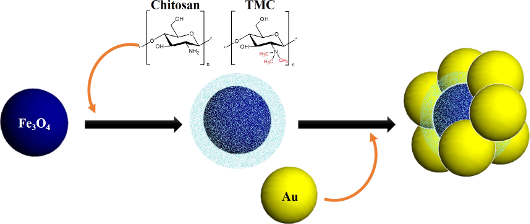
- variety of reported methods for the synthesis of colloidal Au nanoparticles all of which are generally based on the reduction of Au salts such as HAuCl4 [31]. In this study, D-glucose, as the reducing agent, was oxidized to gluconic acid, which then forms a very thin layer on the surface of the reduced Au
- nanoparticles. This layer acted to further stabilize the Au nanoparticles via interactions with hydroxyl groups [33][36]. The use of an alkaline solution (NaOH) stimulates the opening of the glucose ring, which facilitates the Au3+ reduction [36]. Through regulation of the reaction conditions and parameters
- purchased from Sigma (UK). T47D human ductal breast epithelial tumor cell line was obtained from American Type Culture Collection (ATCC) (USA). FeCl3·6H2O (99.0%), FeCl2·4H2O (99.0%), NaOH, and acetic acid were purchased from Acros Organics (USA). Analytical HCl, NaCl, D-glucose, glutaraldehyde, N




Heterometal nanoparticles from Ru-based molecular clusters covalently anchored onto functionalized carbon nanotubes and nanofibers
Beilstein J. Nanotechnol. 2015, 6, 1287–1297, doi:10.3762/bjnano.6.133
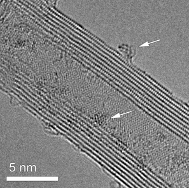
- supercritical carbon dioxide [23][24], ultrasonic treatment [25][26] or H2 plasma treatment [27], for instance. Glucose sensors based on PtRu/MWNT have been elaborated as well [28]. These studies on Ru–Pt/MWNT materials give at best global EDX analyses [10][11][17] and XPS results [15]. However, these are both
- glucose [4]. The amount of clusters that can be loaded onto a nanocarbon structure will be evaluated, as well as their behavior during the first steps of thermal treatment, which aims to gently remove the ligands and coalesce the metal cores to form ultrasmall heterometal nanoparticles supported on


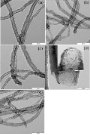


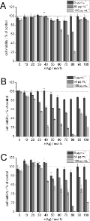
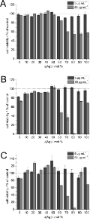
Synthesis, characterization and in vitro effects of 7 nm alloyed silver–gold nanoparticles
Beilstein J. Nanotechnol. 2015, 6, 1212–1220, doi:10.3762/bjnano.6.124
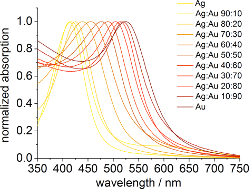
- wet chemical syntheses by co-reduction of gold and silver salts with citrate [18][19], NaBH4 [20] or starch and glucose [21], reduction with hydrazine in water-in-oil emulsions [22], sol–gel processes [23] or UV irradiation [24]. Recently, the generation of alloyed silver–gold nanoparticles by laser


Multifunctional layered magnetic composites
Beilstein J. Nanotechnol. 2015, 6, 134–148, doi:10.3762/bjnano.6.13
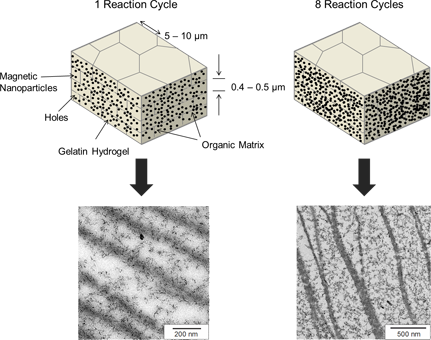
- helix of (Gly–Pro–Hyp)n peptides) is contrasted to ion association to chitin. The latter model was chosen as three poly-(1,4)-D-glucose chains of about 40 Å length (which corresponds to nine monomers) stacked in three layers, which are connected by hydrogen bonds. As a starting point, the association of
- to be about 3 Å, whilst the remaining hydroxide ion exhibits an Fe–O distance of 3.2 Å. Colors: Fe2+ (green), Fe3+ (light blue), O (red), H (white), N (dark blue), C (grey). Illustration of a β-chitin model [45] consisting of three poly-(1,4)-D-glucose chains of nine monomers stacked in three layers