


Search results
Search for "material" in Full Text gives 1952 result(s) in Beilstein Journal of Nanotechnology. Showing first 200.
Focused ion beam-induced platinum deposition with a low-temperature cesium ion source
Beilstein J. Nanotechnol. 2025, 16, 910–920, doi:10.3762/bjnano.16.69
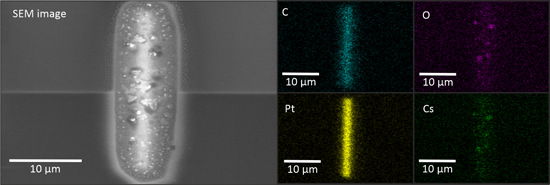
- and Application Center (SUNUM), 34956, Istanbul, Turkey Department of Applied Physics, Eindhoven University of Technology, P.O. Box 513, 5600 MB Eindhoven, The Netherlands 10.3762/bjnano.16.69 Abstract In addition to precise milling, the deposition of material at a specific location on a sample
- currents. Deposition rate, material composition, and electrical resistivity were examined and compared with layers deposited at comparable settings with a standard gallium (Ga) FIB. The deposition rate is found to depend linearly on the current density. The rate is comparable for Cs+ and Ga+ under similar
- ); Introduction The deposition of material at a certain spot on a sample surface is a powerful and useful feature of focused ion beam (FIB) systems. At first, the deposition was used for circuit editing and as a protection layer before milling. Nowadays, the process is more far-reaching, and three-dimensional


Characterization of ion track-etched conical nanopores in thermal and PECVD SiO2 using small angle X-ray scattering
Beilstein J. Nanotechnol. 2025, 16, 899–909, doi:10.3762/bjnano.16.68
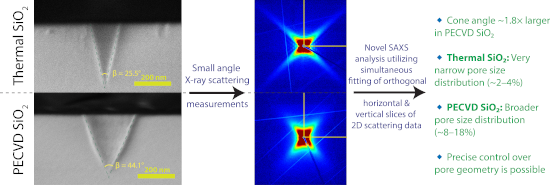
- , and nanofluidic applications. The characterization of the pore morphology and size distribution, along with its dependence on the material properties and fabrication parameters, is crucial to designing nanopore systems for specific applications. Here, we present a comprehensive study of track-etched
- the track-etch technology in a number of different materials [39][29]. This method involves irradiating the material with swift heavy ions to create long and narrow damaged regions along the paths of the ions known as “ion tracks”. These ion tracks are more susceptible to chemical etching compared to
- the undamaged material, which can be exploited for the fabrication of nanopores with narrow size distribution [13][29][40]. The geometry of the resulting nanopores is determined by several factors, including the substrate material, the type and concentration of the etchant, the density of the material


Heat-induced transformation of nickel-coated polycrystalline diamond film studied in situ by XPS and NEXAFS
Beilstein J. Nanotechnol. 2025, 16, 887–898, doi:10.3762/bjnano.16.67
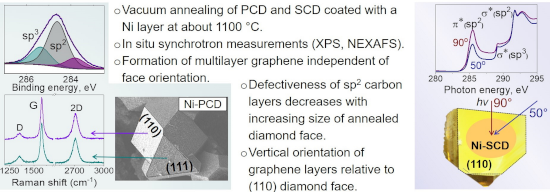
- sp3 hybridization is a metastable material. A significant activation barrier hampers its relaxation into sp2 graphitic carbon, and this transformation occurs during vacuum heating in the temperature range of 1500–1800 °C [9]. According to molecular dynamics simulations, graphitization of nonterminated
- graphite or graphene-like layers are products of the diamond annealing process. The intensity ratio of π*(sp2)- and σ*(sp2)-resonances in NEXAFS C K-edge spectra of the annealed samples can be used for qualitative assessment of structural perfection in a graphitic-like material. Graphite and graphene have


Ar+ implantation-induced tailoring of RF-sputtered ZnO films: structural, morphological, and optical properties
Beilstein J. Nanotechnol. 2025, 16, 872–886, doi:10.3762/bjnano.16.66
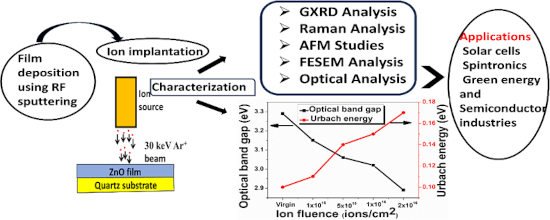
- promising material for device fabrication in different fields, namely, spintronics, nanoelectronics, and photonics [1][2]. It possesses a wide bandgap of 3.37 eV [3] and has a large exciton binding energy of about 60 meV [4], which assures the stability of ZnO film-based devices such as liquid crystal
- control material properties by inducing damage and introducing defects in the host matrix in a controlled manner [8]. It offers the advantage of controlling the amount of energy transferred to the host system by selecting the desired ion energy, mass, and fluence [9]. Different types of lattice vacancies
- , defects, and interstitials are induced through the interaction between energetic ions and the host material, resulting in structural modification and thus alteration in lattice dynamics of the host material [10]. The implantation-induced disorder can be qualitatively examined using Raman spectroscopy






Insights into the electronic and atomic structures of cerium oxide-based ultrathin films and nanostructures using high-brilliance light sources
Beilstein J. Nanotechnol. 2025, 16, 860–871, doi:10.3762/bjnano.16.65

- -scale information about material behavior under different conditions. This thorough understanding can be leveraged to optimize materials for various applications, including energy storage, catalysis, and electronics. This review focuses on cerium oxide, an important material for catalytic and energy
- dynamic processes occurring for example upon photoexcitation. Among transition metal oxides, cerium oxide (or ceria) has unique redox properties, linked to the relative stability of Ce cations in the 4+ and 3+ oxidation states, which make the material highly effective in automotive catalysts and in the
- field of environmental remediation [9]. The related ability of the material to easily store and release oxygen also plays a key role in energy conversion technologies, including fuel cells and batteries [10][11]. Gas sensing applications of ceria-based materials are based on the modifications of the


Synchrotron X-ray photoelectron spectroscopy study of sodium adsorption on vertically arranged MoS2 layers coated with pyrolytic carbon
Beilstein J. Nanotechnol. 2025, 16, 847–859, doi:10.3762/bjnano.16.64
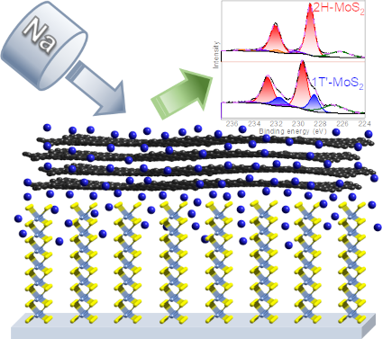
- capacity and cycle life of SIBs. Molybdenum disulfide (MoS2) has a layered structure and a high theoretical capacity of 669 mAh·g−1, so it is considered as a promising anode material for SIBs [1][2]. The large sodium ion can diffuse with a low energy barrier between the S−Mo−S layers due to the interlayer
- resulting in low electrical conductivity and huge volume expansion of the anode material limits the application of MoS2 anodes in high-energy SIBs. Thus, the main issues that need to be addressed for SIBs with MoS2 anodes are long-term stability and high rate performance. Conducting graphitic-like carbon
- reversible specific capacity [7][8][9][10][11][12][13][14][15][16]. Moreover, it has been reported that the electrochemical reaction of MoS2 with sodium ions could be reversible in the presence of graphitic components [17]. Wang et al. showed that in an anode material in which graphitic layers were


Facile one-step radio frequency magnetron sputtering of Ni/NiO on stainless steel for an efficient electrode for hydrogen evolution reaction
Beilstein J. Nanotechnol. 2025, 16, 837–846, doi:10.3762/bjnano.16.63
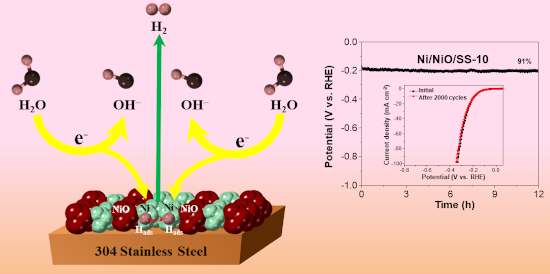
- catalysts were recognized as the best material for electrochemical hydrogen evolution reaction (HER) [11][12][13]. However, it is challenging to use Pt-based nanomaterials for industrial applications because of their non-abundance and high cost. As a result, many studies have explored Pt-free catalysts
- and coworkers prepared Ni/NiO nanosheets via a hydrothermal process and annealing, which gave a high HER efficiency [18]. Wang et al. found that Ni metal plays a crucial role in NiOx-based material for water electrolysis [19]. However, using chemical methods to fabricate Ni/NiO-based nanomaterials is
- and metal oxide phases, offering a potential for HER. These outcomes indicated the successful Ni/NiO thin film fabrication on SS substrates. The uniformity of the electrocatalyst material is a vital factor that has a direct effect on electrode performance. Scanning electron microscopy (SEM) was


Synthesis and magnetic transitions of rare-earth-free Fe–Mn–Ni–Si-based compositionally complex alloys at bulk and nanoscale
Beilstein J. Nanotechnol. 2025, 16, 823–836, doi:10.3762/bjnano.16.62
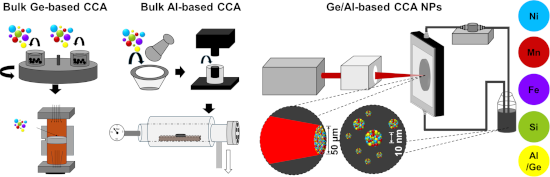
- fluctuations or trigger mechanical responses, making them essential in automation, industrial processes, and healthcare monitoring technologies. Considerable research has been dedicated to tailoring the Curie temperature and associated magnetic properties through material design. Advances in composition
- modification, doping strategies, and material synthesis have been shown to effectively tune the phase transition characteristics, such as the temperature, coercivity (Hc), magnetization, and Curie or Néel temperatures [7][8][9]. For instance Zhou et al. [10] reported that adjusting the composition of NiMnGa to
- Ni55.2Mn18.6Ga26.2, a giant magnetocaloric response with a ΔS of −20.4 J·kg−1·K−1 at 317 K in a 5 T field can be achieved compared to Ni57.2Mn15.9Ga27.0 where a ΔS of just −2 J·kg−1·K−1 at 310 K was witnessed. Within the myriad of material systems exhibiting magnetic transitions, compositionally complex alloys (CCAs


Supramolecular hydration structure of graphene-based hydrogels: density functional theory, green chemistry and interface application
Beilstein J. Nanotechnol. 2025, 16, 806–822, doi:10.3762/bjnano.16.61
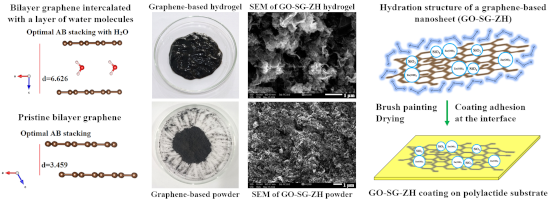
- supercell of 16 carbon atoms, one oxygen atom, and two hydrogen atoms (two graphene sheets and one water molecule). Preparation of graphene oxide from natural graphite The improved cascade-design synthesis of graphite oxide (GrO) was reported in our previous papers [15][16]. Briefly, 5 g of raw material of
- exothermic heat increased the reactor temperature to above 90 °C). After 2 h of agitation, the reaction was mixed with 150 mL of a 5% H2O2 solution and kept stirring for one day. After washing to neutral pH, the material was dried and ground to produce a GrO powder (moisture ≈20%). Next, the GrO powder was
- experiments. Our method of nanosilica synthesis using potassium hydroxide and acetic acid was mentioned in a recent paper [21]. Raw material from rice husk ash waste was dispersed in a 7% potassium hydroxide solution. The suspension was agitated for 1 h at a temperature range of 80–90 °C. After careful


Morphology and properties of pyrite nanoparticles obtained by pulsed laser ablation in liquid and thin films for photodetection
Beilstein J. Nanotechnol. 2025, 16, 785–805, doi:10.3762/bjnano.16.60
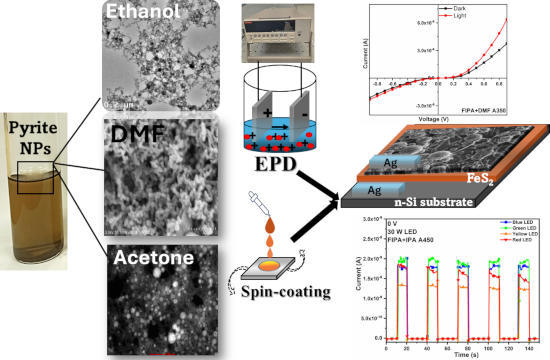
- related to FeS2 [3]. Pyrite has shown outstanding performance and a long shelf life as a high-capacity cathode and has been utilized in batteries [4]. Pyrite has also been identified as a promising material for effectively removing environmental contaminants in the environment near the surface of the
- is that the productivity and morphology/size of the NPs generated can be regulated by carefully managing the input parameters [16]. Due to the challenges in obtaining phase-pure FeS2 by PLAL, this is a much less explored material despite its high potential. A strong reducible ferric ion and an
- a large range of applications. This method does not require expensive equipment or expert labor, and the coatings produced are generally quite homogenous. Other benefits include quick deposition, no substrate shape constraint, application to any material that is available as a fine powder or charged






Changes of structural, magnetic and spectroscopic properties of microencapsulated iron sucrose nanoparticles in saline
Beilstein J. Nanotechnol. 2025, 16, 762–784, doi:10.3762/bjnano.16.59
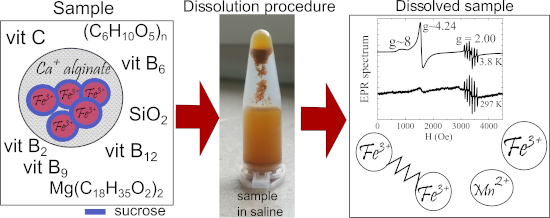
- nanoscale amorphous grains exhibit averaged, broad X-ray scattering maxima, in contrast to the sharp diffraction maxima from a crystalline material [30][31]. The prediction of the amorphous iron-containing phase is based on XRD contrasts with the TEM images, which registered the crystalline structure of the
- leaflet of the investigated material, silicon dioxide plays the role of an anti-caking agent. Thus, any interaction with other components should be excluded, and only a trace of it was expected in the investigated samples. However, as the Si 2p XSP spectra show, this is not the case, so assuming that the
- recorded O 1s spectra, it was impossible to determine which of the iron oxyhydroxide polymorphs is present in the investigated material, if at all, given that the binding energies for O 1s states predicted in the literature are very similar for all Fe(III) oxyhydroxides. In addition, in these samples, we





Thickness dependent oxidation in CrCl3: a scanning X-ray photoemission and Kelvin probe microscopies study
Beilstein J. Nanotechnol. 2025, 16, 749–761, doi:10.3762/bjnano.16.58
- -dimensional material; work function; Introduction The family of chromium-based trihalides has garnered significant interest in recent years, particularly after the remarkable discovery of long-lasting magnetism in a single layer of CrI3 [1]. In our previous reports, we dealt with the environmental stability
- of CrCl3 [2], which can be easily exfoliated and exhibits a slower degradation rate compared to CrI3 or CrBr3[3]. To fully exploit the potential of any material, a detailed understanding of its electronic and structural changes arising from intrinsic and extrinsic defects is crucial [4]. Despite this
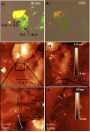
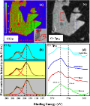
- Figure 2e. Spatially resolved photoemission In our quest to understand exfoliated materials under varying photon flux conditions, we have extensively investigated the material while varying the incident photon energies [8]. As we aim for more ambitious goals, delving into variations of the material’s






Synthesis of a multicomponent cellulose-based adsorbent for tetracycline removal from aquaculture water
Beilstein J. Nanotechnol. 2025, 16, 728–739, doi:10.3762/bjnano.16.56
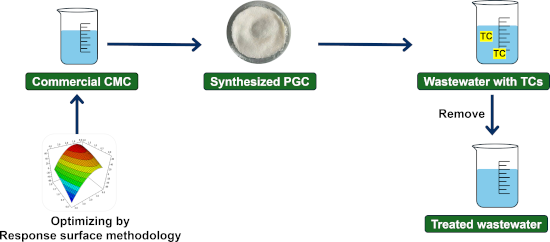
- -based multicomponent adsorbent material (PGC) synthesized from sodium carboxymethyl cellulose and investigated factors influencing its TC adsorption capacity. The synthesis process was optimized using parameters derived from the response surface methodology. The surface and structural properties of PGC
- concentration of 60 mg·L–1 at pH 6–7, reaching equilibrium after 12 h. The surface characteristics and structural properties of PGC were determined using various material characterization techniques, including FTIR, SEM, EDX, and BET. Verification experiments under optimal conditions confirmed that the
- investment and recurring maintenance costs, while the contents of organic material and dissolved salts significantly affect the function of the membranes. Furthermore, challenges related to the draw solution and the necessity for integrating additional membrane processes for its regeneration remain key


Efficiency of single-pulse laser fragmentation of organic nutraceutical dispersions in a circular jet flow-through reactor
Beilstein J. Nanotechnol. 2025, 16, 711–727, doi:10.3762/bjnano.16.55
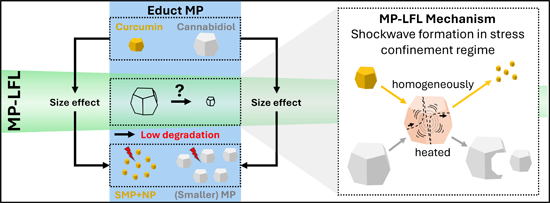
- few decades, as this relatively new fabrication method can be used to produce stable, additive-free colloids of different material classes under high-purity conditions, which are suitable for a wide range of technical applications [1][2][3][4][5]. Pulsed laser ablation (LAL), laser fragmentation (LFL
- properties being transiently affected by multiple laser pulses. Here, nutraceuticals, defined as plant-based foods with scientifically approved health-related effects [44][45], are a good model material as they, on the one hand, require sensitive processing methods and, on the other hand, are highly
- one passage of the jet passing the laser) in a liquid jet (Figure 1). The two organic model nutraceuticals curcumin and cannabidiol (CBD) were used to cover different material classes with different initial particle diameters. As triggering photomechanical fragmentation effects is intended [43], we


Nanostructured materials characterized by scanning photoelectron spectromicroscopy
Beilstein J. Nanotechnol. 2025, 16, 700–710, doi:10.3762/bjnano.16.54
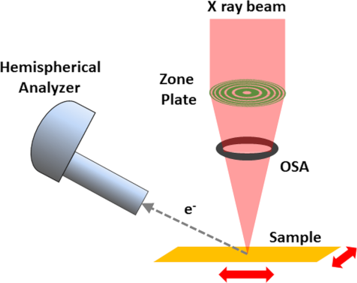
- charge distribution, to list the most important features. If the building blocks are crystallites, any change in the structure or chemical composition may lead to the formation of incoherent or coherent interfaces among them which may influence the final properties of the material. Often the volumes of
- 1i–k). Operando characterization of InP nanowire p–n junctions Semiconductor nanowires offer unprecedented possibilities in utilizing, combining, and modifying material properties for application in electronic, photonic, energy harvesting, or quantum information devices [15][16]. Their small
- footprint allows for the combination of different materials with dislocation-free interfaces and to form axial or radial heterostructures of varying material, doping, or crystal phase [17][18][19]. Nanowire heterostructures based on III–V semiconductors are especially promising for electronic


High-temperature epitaxial growth of tantalum nitride thin films on MgO: structural evolution and potential for SQUID applications
Beilstein J. Nanotechnol. 2025, 16, 690–699, doi:10.3762/bjnano.16.53
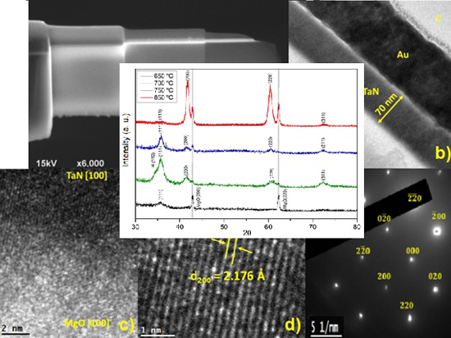
- has a superconductive energy gap lower than that of NbN [7], the most commonly used material for single-photon detectors in the gigahertz range; hence, this material can be a better candidate for superconductive electronic devices. Depending on the amount of incorporated nitrogen, x, the tantalum
- nitride system TaNx can be an insulator, semiconductor, or superconductor and also can exhibit a variety of crystallographic phases [8][9]. For example, Nie and collaborators mentioned that Ta2N thin films presented a high-temperature coefficient of resistance, and resistors using this material as a


The impact of tris(pentafluorophenyl)borane hole transport layer doping on interfacial charge extraction and recombination
Beilstein J. Nanotechnol. 2025, 16, 678–689, doi:10.3762/bjnano.16.52
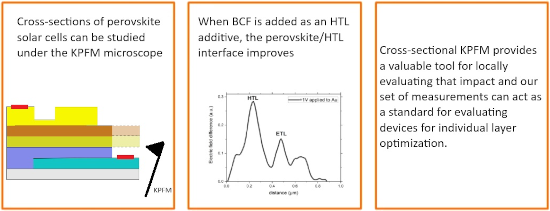
- (pentafluorophenyl)borane (BCF), we enhanced the hole extracting material/perovskite junction quality in spiro-OMeTAD and in PTAA based devices. Measurements under illumination show that the improvement is caused by a reduced recombination rate at the perovskite/hole transporter interface. Keywords: cross-section
- ; hole transport layer doping; Kelvin probe force microscopy; perovskite solar cells; Introduction Perovskite solar cells (PSCs) are a promising class of photovoltaic material that exhibits high power conversion efficiencies and relies on a low-cost solution-processed fabrication method [1][2][3][4]. At
- the core of their success lies the perovskite absorber material, which exhibits impressive bulk properties, such as long carrier lifetimes and low recombination rates [5][6][7][8]. However, the granular nature of perovskites and the layered structure of their solar cells, introduce complications such


Colloidal few layered graphene–tannic acid preserves the biocompatibility of periodontal ligament cells
Beilstein J. Nanotechnol. 2025, 16, 664–677, doi:10.3762/bjnano.16.51
- significantly enhanced the flexural strength of the material, thereby improving its overall mechanical properties [6]. Additionally, another study investigated the effects of adding graphene oxide nanoplatelets (GONPs) to Portland cement. It was shown that the addition of 1 wt % GONPs improved surface
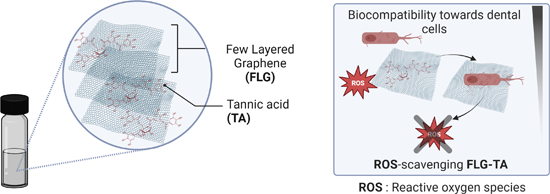
- , rising from 0.17 in graphite to 0.45 in the FLG–TA material. In addition, the high-resolution C 1s and O 1s spectra of the FLG–TA composite show the presence of carbonyl, ether, and hydroxy groups (Figure 2C,D). The percentage of those moieties in the FLG–TA material increases significantly with respect
- hydrogen bonds and coat various surfaces [23]. Our results are compatible with a model where adsorbed TA molecules create a partially active antioxidant layer on the FLG surface, maintaining bioactivity while enhancing graphene colloid stability. Unfortunately, the zeta potential of the FLG–TA material in





Aprepitant-loaded solid lipid nanoparticles: a novel approach to enhance oral bioavailability
Beilstein J. Nanotechnol. 2025, 16, 652–663, doi:10.3762/bjnano.16.50
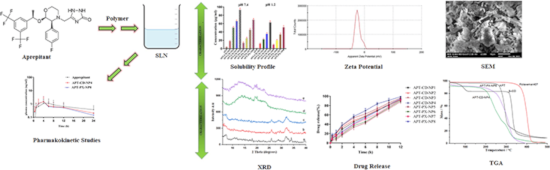
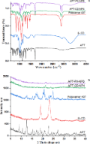
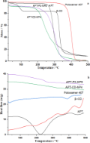
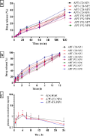
- pharmacokinetic APT analysis on rats and obtained an AUC0–t value of 1198 ± 317 ng·h/mL [23]. The pharmacokinetic data suggest that APT has excellent permeability in the gastrointestinal tract and drug absorption was more rapid when APT was solubilized in polymeric material. APT-CD-NP4 was superior to APT and APT



Nanoscale capacitance spectroscopy based on multifrequency electrostatic force microscopy
Beilstein J. Nanotechnol. 2025, 16, 637–651, doi:10.3762/bjnano.16.49

- understanding of material properties, particularly at the nanoscale, where phenomena such as quantum confinement, interface effects, and defect dynamics play a critical role. Innovations in characterization techniques have enabled researchers to explore these properties with unprecedented precision, paving the
- way for the design of materials with tailored functionalities [1][2][3][4][5][6]. Dielectric properties are fundamental for understanding the behavior and performance of various material systems, as they directly influence charge storage, polarization, and energy dissipation mechanisms. For instance
- features. Scanning probe techniques have revolutionized nanoscale material characterization. Since the invention of scanning tunneling microscopy (STM) [16] and atomic force microscopy (AFM) [17], various electric force-based methods, called electrostatic force microscopy (EFM) methods, have emerged to




A formulation containing Cymbopogon flexuosus essential oil: improvement of biochemical parameters and oxidative stress in diabetic rats
Beilstein J. Nanotechnol. 2025, 16, 617–636, doi:10.3762/bjnano.16.48
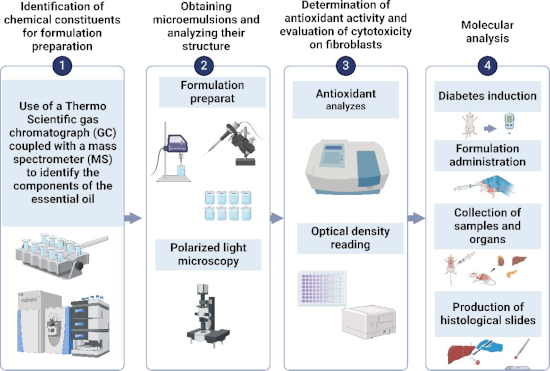
- inflammation, increased HDL cholesterol levels, and a hepatoprotective effect. Experimental Material The EOCF was obtained commercially from local suppliers (Engenharia das Essências, lot: 451 A225841), produced by Yanih Cosmetics (ANVISA Notification 25351.25600/2017-36). The citral was purchased from Sigma




Focused ion and electron beams for synthesis and characterization of nanomaterials
Beilstein J. Nanotechnol. 2025, 16, 613–616, doi:10.3762/bjnano.16.47

- tailored 3D architectures [4]. Focused beams not only allow the characterization of atomic structures but also enable precise local modification of material properties through ion milling and the creation of novel structures with tunable mechanical, electrical, and magnetic properties using gas-assisted
- , and substrates to transform them from specialized prototyping to market-relevant methods. Advances are particularly needed in precursor development to achieve desirable material compositions and in modeling to enable full 3D-growth control. As we transition into an era defined by artificial

Polyurethane/silk fibroin-based electrospun membranes for wound healing and skin substitute applications
Beilstein J. Nanotechnol. 2025, 16, 591–612, doi:10.3762/bjnano.16.46
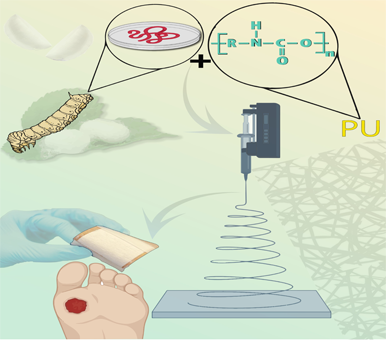
- . The properties of nanofibers such as their high specific surface area, large surface-to-volume ratio, large length-to-diameter ratio, porous membrane structure, and their ability to mimic the extra-cellular matrix (ECM) of natural tissues make them a suitable material for wound dressing and skin
- processing into nanofibers, make it an ideal material for biomedical applications including the reconstruction of bone and cartilage [17][18]. Polyurethan (PU) is a very flexible, long-lasting, and reliable material. It is versatile and can be used in almost every field of work. PU can also be used in
- in the silk thread needs to be removed for biomedical applications because it can lead to allergic reactions [75][76]. Recently, it has been reported that sericin, when used alone, is a biocompatible material. However, combining SF and sericin compromises its biocompatibility [77]. The SF produced by




Feasibility analysis of carbon nanofiber synthesis and morphology control using a LPG premixed flame
Beilstein J. Nanotechnol. 2025, 16, 581–590, doi:10.3762/bjnano.16.45
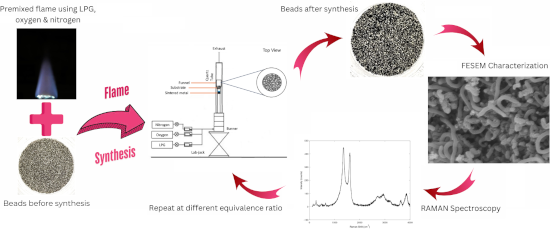
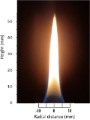
- combustion mode where the fuel and oxidizer are thoroughly mixed before ignition. LPG is a cheap industrial material used as a carbon source to produce carbon nanomaterials [6]. The application of CNFs includes, but is not limited to, energy storage in batteries and supercapacitors, electronics, drug



Retrieval of B1 phase from high-pressure B2 phase for CdO nanoparticles by electronic excitations in CdxZn1−xO composite thin films
Beilstein J. Nanotechnol. 2025, 16, 551–560, doi:10.3762/bjnano.16.43

- the surface resulting from Ag ion irradiation. The previously distinct void regions are no longer present, suggesting that material may have been sputtered from the film surface due to Ag ion irradiation, potentially leading to the amorphization of the crystallographic B2 phase associated with CdO
- material, which facilitates the amorphization process. The confined of molten material within this narrow cylindrical volume promotes rapid cooling, thereby enhancing the quenching process and resulting in solidification and ion track formation. We have calculated the track diameter for CdO subjected to





