


Search results
Search for "microscopy" in Full Text gives 1878 result(s) in Beilstein Journal of Nanotechnology. Showing first 200.
Performance optimization of a microwave-coupled plasma-based ultralow-energy ECR ion source for silicon nanostructuring
Beilstein J. Nanotechnol. 2025, 16, 484–494, doi:10.3762/bjnano.16.37

- formation of well-defined nanoscale ripple patterns. The prominence of ripple structures increases with prolonged irradiation time, while bombardment at 72.5° with the same ion beam parameters leads to the coarsening of nanostructures. Cross-sectional transmission electron microscopy (TEM) measurements
- confirm the formation of nanostructures as observed from atomic force microscopy (AFM) images. The thickness of the amorphous thin layer is in good agreement with Monte Carlo simulations (SRIM) [31]. The article further investigates and explains the optical response (by UV–vis spectrometry) of the


Effect of additives on the synthesis efficiency of nanoparticles by laser-induced reduction
Beilstein J. Nanotechnol. 2025, 16, 464–472, doi:10.3762/bjnano.16.35
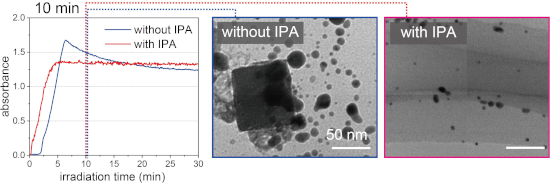
- solution without IPA. On the other hand, when 10 vol % IPA was added (red line in Figure 1), an increase in absorbance was immediately seen after the start of laser irradiation, and the absorbance levelled off after 5 min of laser irradiation. Figure 2 shows the transmission electron microscopy (TEM
- alloy nanoparticles by LRL with the addition of IPA as a radical scavenger to a solution containing multiple metal ions, and the structure of the synthesized nanoparticles was evaluated by scanning transmission electron microscopy-energy dispersive spectroscopy (STEM-EDS). In this case, we selected an


Synthetic-polymer-assisted antisense oligonucleotide delivery: targeted approaches for precision disease treatment
Beilstein J. Nanotechnol. 2025, 16, 435–463, doi:10.3762/bjnano.16.34

- effective complexation with ASOs and enhanced cellular uptake. Additionally, while these high-generation DPLs exhibited moderate cytotoxicity, complexation with ASOs was shown to reduce toxicity, making them a promising vehicle for gene therapy applications. Confocal microscopy further confirmed the ability


Quantification of lead through rod-shaped silver-doped zinc oxide nanoparticles using an electrochemical approach
Beilstein J. Nanotechnol. 2025, 16, 422–434, doi:10.3762/bjnano.16.33
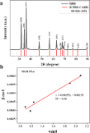
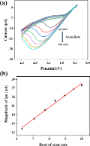
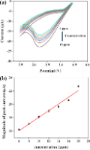
- Scherrer method. This difference is proportional to the strain value [17]. Field-emission scanning electron microscopy of Ag@ZnO nanorods The general morphological characteristics of the as-obtained nanorods were analyzed by electron microscopy. Figure 2a depicts the typical field-emission scanning
- electron microscopy (FESEM) image of the as-obtained nanomaterials. The produced nanomaterials had rod-shaped morphologies and were grown at extremely high densities, as seen by the SEM image. Figure 2b represents the average diameter of Ag@ZnO NRs which was calculated using the Image J software. The





Size control of nanoparticles synthesized by pulsed laser ablation in liquids using donut-shaped beams
Beilstein J. Nanotechnol. 2025, 16, 407–417, doi:10.3762/bjnano.16.31
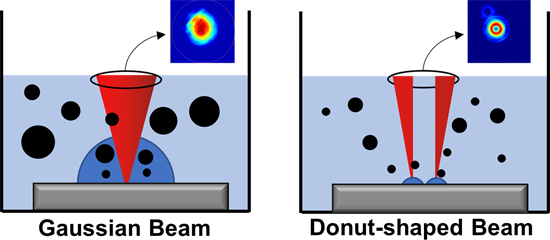
- the morphology and size of the NPs synthesized by PLAL, the colloidal samples were drop-cast on a silicon wafer and dried for microscopic analysis. All NPs were characterized using scanning electron microscopy (SEM, Quanta 400 FEG, FEI Company, USA and TESCAN MIRA3 LMH, Brno, Czech Republic). The


ReactorAFM/STM – dynamic reactions on surfaces at elevated temperature and atmospheric pressure
Beilstein J. Nanotechnol. 2025, 16, 397–406, doi:10.3762/bjnano.16.30
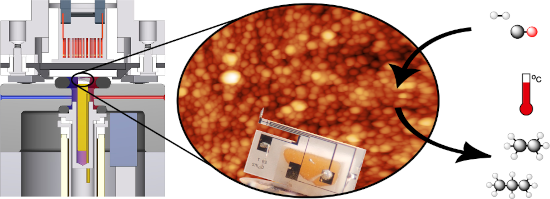
- , Netherlands Leiden Institute of Physics, Leiden University, Rapenburg 70, Leiden, 2311 EZ, Netherlands ASML, Veldhoven, Netherlands Leiden Probe Microscopy, Leiden University, Rapenburg 70, Leiden, 2311 EZ, Netherlands 10.3762/bjnano.16.30 Abstract Previous work has shown the ReactorSTM and ReactorAFM
- , capable of studying materials under industrially relevant conditions. Here we show current developments of the ReactorAFM/STM, implementing a qPlus sensor to add the ability of combining atomic force microscopy (AFM) and scanning tunneling microscopy (STM) techniques to study the geometric and electronic
- , a high-pressure ReactorSTM has been developed [10][11]. The pressures in the scanning tunneling microscopy (STM) reactor are orders of magnitude above UHV (up to several bar), rendering gas–catalyst interactions very significant and leading to differences in reaction mechanisms [12][13][14][15


Engineered PEG–PCL nanoparticles enable sensitive and selective detection of sodium dodecyl sulfate: a qualitative and quantitative analysis
Beilstein J. Nanotechnol. 2025, 16, 385–396, doi:10.3762/bjnano.16.29
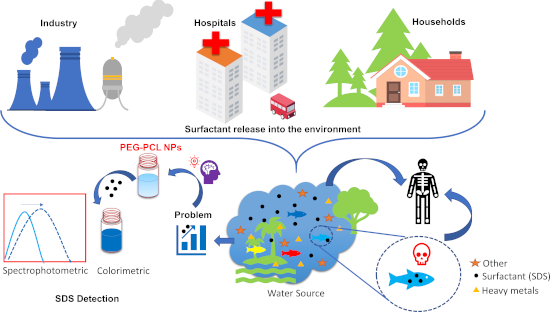
- microscopy (SEM). The nanoparticles obtained from the 10 mg/mL stock solution were diluted 100-fold for the SEM analysis. The slide for SEM imaging was prepared with a sputter coating of gold as a conductive material, followed by the addition of 10 μL of nanoparticles, and air drying. The imaging was
- performed using SEM (FEI Quanta 250, Netherlands). Transmission electron microscopy (TEM) was also performed to measure nanoparticle mean size and their distribution. The sample was diluted 1000-fold from the stock solution, and 5 µL of the sample was placed onto a carbon-coated copper grid with 200 mesh
- delivery and biosensing. Further insights into the size and morphology of the PEG–PCL NPs were obtained through electron microscopy. Scanning electron microscopy was used to examine the surface structure and to conduct a quantitative size distribution analysis. The SEM images (Figure 2c) revealed that the


Development of a mucoadhesive drug delivery system and its interaction with gastric cells
Beilstein J. Nanotechnol. 2025, 16, 371–384, doi:10.3762/bjnano.16.28

- position was detected (from 1567 to 1608 cm−1). This was attributed to weak interactions between alginate and Eudragit polymer, which were also observed in other studies [37]. Taken together, it can be concluded from the results of microscopy and FTIR analysis that the Alg nanoparticles were coated with
- , Germany. Fetal bovine serum was from Biological Industries, USA, and alamarBlue cell viability reagent was purchased from Invitrogen. For microscopy studies, PureBlu DAPI was purchased from BIORAD, and FITC-alginate was purchased from RuixiBiotech, China. Preparation of alginate nanoparticles Alginate
- for 10 min), washed once with ddH2O, and sonicated for 5 min in a sonication bath before characterization. To investigate the interaction of EudAlg nanoparticles with artificial mucus and for visualization of nanoparticles in fluorescence microscopy, fluorescently labeled Alg NPs were synthesized and


Pulsed laser in liquid grafting of gold nanoparticle–carbon support composites
Beilstein J. Nanotechnol. 2025, 16, 349–361, doi:10.3762/bjnano.16.26
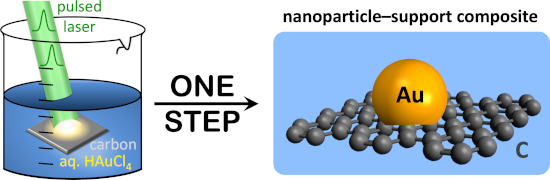
- , rapid, scalable, acid-free process to make carbon fiber paper hydrophilic without destroying the carbon network, as other carbon fiber paper oxidation methods do [22], evident from scanning electron microscopy (SEM) imaging (Figure 2A). Hydrophilicity was achieved by graphitic edge carbon oxygenation
- custom-made Teflon tub, in 2.0 mL of commercially available aqueous colloid of citrate-capped gold nanoparticles (100 nm, nanoComposix), followed by drying under a heat lamp at 60 °C for 20 min. Physical characterization Scanning electron microscopy (SEM) images were obtained at UR-Nano. A Zeiss Auriga


Tailoring of physical properties of RF-sputtered ZnTe films: role of substrate temperature
Beilstein J. Nanotechnol. 2025, 16, 333–348, doi:10.3762/bjnano.16.25
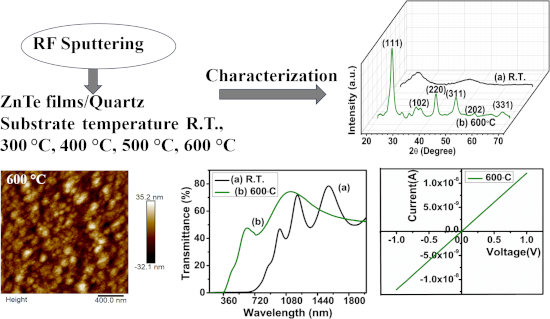
- the optical bandgap of the films can be tuned from 1.47 ± 0.02 eV to 3.11 ± 0.14 eV. The surface morphology of the films studied using atomic force microscopy reveals that there is uniform grain growth on the surface. Various morphological parameters such as roughness, particle size, particle density
- ) spectrophotometer under 320 nm excitation produced by a xenon arc lamp. For investigating the surface topography, atomic force microscopy (AFM) micrographs of ZnTe/Qz films were recorded (scan area 2 × 2 µm2) using a Bruker multimode-8 AFM in the ScanAsyst mode at the Ion Beam Centre, Kurukshetra University. The
- obtained micrographs were then analysed regarding various statistical parameters such as roughness, skewness, kurtosis, and power spectral density using the NanoScope Analysis software. Surface morphology and composition of the films were studied by field-emission scanning electron microscopy attached with




Graphene oxide–chloroquine conjugate induces DNA damage in A549 lung cancer cells through autophagy modulation
Beilstein J. Nanotechnol. 2025, 16, 316–332, doi:10.3762/bjnano.16.24
- the specific experiment. Each group contained four technical replicates and three biological replicates for each experiment. In each assay cells without nanoconjugates were used as a control. Transmission electron microscopy analysis The A549 cells (2 × 10⁵ cells/mL/well in 6-well plates) were exposed
- with 1× PBS. The cells were then fixed in 4% paraformaldehyde at 4 °C for 30 min, counterstained with DAPI for nuclear staining, mounted using antifade, and analyzed using confocal microscopy. Immunoblot analysis The expression level of various autophagy-related proteins was analyzed using
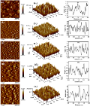
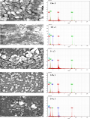
- nanoconjugates. The observed data with relative % are shown in Supporting Information File 1, Table S1. The morphological analysis of GO was carried out using field-emission scanning electron microscopy (FESEM) and high-resolution transmission electron microscopy (HRTEM). In Supporting Information File 1, Figure



Fabrication and evaluation of BerNPs regarding the growth and development of Streptococcus mutans
Beilstein J. Nanotechnol. 2025, 16, 308–315, doi:10.3762/bjnano.16.23
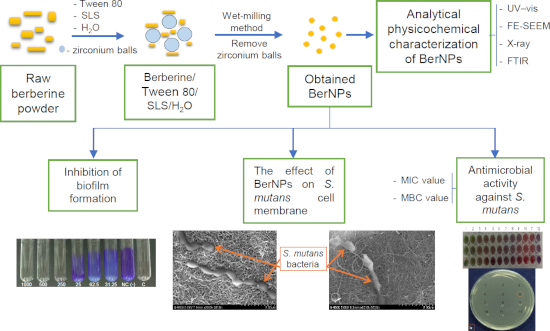
- prepared using a wet-milling method with zirconium balls to enhance bioavailability and expand potential applications. The particle size and physicochemical properties of the BerNPs were analyzed using field-emission scanning electron microscopy (FE-SEM), UV–vis spectroscopy, X-ray diffraction, and Fourier
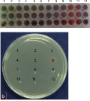
- from the wells in the MIC assay were dripped on the TSA plate and incubated at 37 °C for 24 h. The MBC value was determined as the lowest concentration at which no visible bacterial colonies were observed. Evaluation of the effect of BerNPs on S. mutans cells Filed-emission scanning electron microscopy




Enhancing mechanical properties of chitosan/PVA electrospun nanofibers: a comprehensive review
Beilstein J. Nanotechnol. 2025, 16, 286–307, doi:10.3762/bjnano.16.22

- electron microscopy (SEM) and field-emission scanning electron microscopy (FESEM) are more commonly used to analyze the fiber diameter, distribution, and overall surface morphology [144]. Microscopic images obtained from these techniques help to identify defects such as beading or non-uniformity in fibers
- , which can adversely affect mechanical performance. Besides SEM and FESEM, transmission electron microscopy (TEM) has the additional ability to visualize fiber cross sections and can be employed to examine core–shell, encapsulated, and particle-incorporated fiber structures [112][145][146]. Atomic force
- microscopy has been used to investigate morphology as well as the nanomechanical properties of individual fibers, including magnetization, friction, and mechanical strength [147]. These imaging techniques are critical for linking the mechanical behavior to the microstructure of the fibers. Based on fiber


Preferential enrichment and extraction of laser-synthesized nanoparticles in organic phases
Beilstein J. Nanotechnol. 2025, 16, 254–263, doi:10.3762/bjnano.16.20
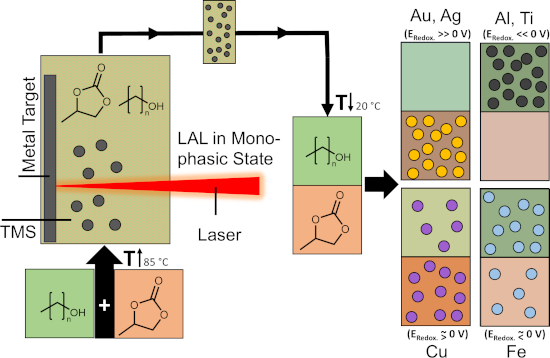
- detectible. Extinction values for the Cu and Fe colloids can be found in Supporting Information File 1, Table S1 and Table S2, and the fractions of colloidal NPs in the propylene carbonate phase are found in Supporting Information File 1, Table S3. High-resolution transmission electron microscopy (HRTEM




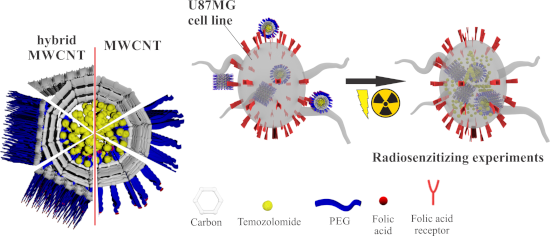
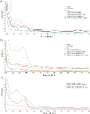
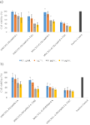
Radiosensitizing properties of dual-functionalized carbon nanostructures loaded with temozolomide
Beilstein J. Nanotechnol. 2025, 16, 229–251, doi:10.3762/bjnano.16.18




Synthesis and the impact of hydroxyapatite nanoparticles on the viability and activity of rhizobacteria
Beilstein J. Nanotechnol. 2025, 16, 216–228, doi:10.3762/bjnano.16.17
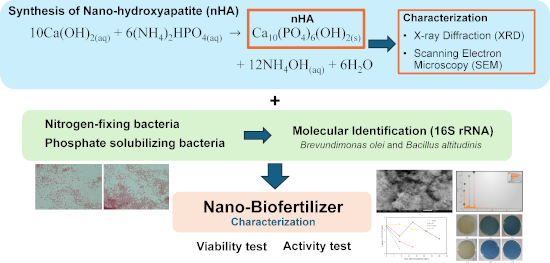
- used as a carrier for two rhizobacteria strains (Pd and Tb). The structural and morphological properties of nHA were examined through XRD and scanning electron microscopy analyses. Rhizobacteria were encapsulated within the carrier material, and their viability was evaluated using the total plate count
- . The morphology of the analyzed sample, observed through scanning electron microscopy (SEM) at magnifications of 15,000× and 50,000× are depicted in Figure 3. Figure 3 provides a clear view of the sample demonstrating spherical shapes with a consistent particle size distribution. The SEM analysis


Probing the potential of rare earth elements in the development of new anticancer drugs: single molecule studies
Beilstein J. Nanotechnol. 2025, 16, 187–194, doi:10.3762/bjnano.16.15

- , Minas Gerais, Brazil Departamento de Ciências Naturais, Universidade Federal do Acre, Rio Branco, Acre, Brazil 10.3762/bjnano.16.15 Abstract We use optical tweezers and atomic force microscopy to investigate the potential of rare earth elements to be used as anticancer agents in the development of new
- extracted as well, providing robust information about the effects of the rare earths on the DNA double helix [19][16]. In addition, atomic force microscopy (AFM) imaging assays were also performed to confirm DNA compaction/condensation by erbium and neodymium, allowing for a direct visualization of these
- parameters and the local persistence lengths are left as adjustable parameters to be determined from the fit. The details of this methodology can be found in [19][21]. Atomic force microscopy assays The samples for atomic force microscopy (AFM) assays consist of 3 kbp DNA molecules (ThermoFischer Scientific


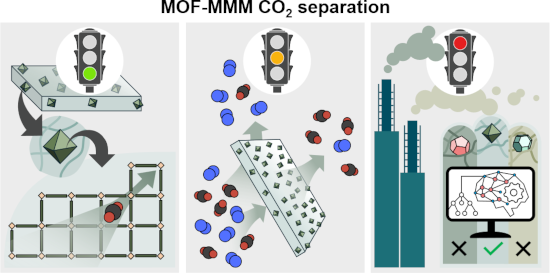
A review of metal-organic frameworks and polymers in mixed matrix membranes for CO2 capture
Beilstein J. Nanotechnol. 2025, 16, 155–186, doi:10.3762/bjnano.16.14
- 7d. For instance, in a study by Carja et al. [128], PIM-1 was functionalized with amidoxime groups to induce superior adhesion to UiO-66 in flat sheet MMMs, drastically reducing defect formation as predicted by molecular simulations and confirmed by field-emission scanning electron microscopy and
- high-resolution transmission electron microscopy (HRTEM). Utilizing smaller MOF filler sizes is a straightforward approach to improve filler dispersion. The contact area with the polymer matrix increases when the size of MOF particles is decreased, promoting adhesion, and reducing interfacial defects
- MMMs Material characterization techniques are pivotal for the assessment of novel MOF-based MMMs structures. Electron microscopy enables direct imaging of a sample with up to sub-nanometer resolution [139]. Scanning electron microscopy (SEM) is a popular and straightforward method to obtain images of




TiO2 immobilized on 2D mordenite: effect of hydrolysis conditions on structural, textural, and optical characteristics of the nanocomposites
Beilstein J. Nanotechnol. 2025, 16, 128–140, doi:10.3762/bjnano.16.12
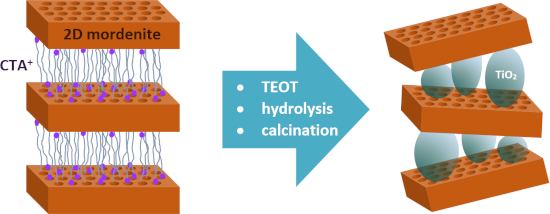
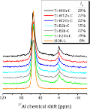
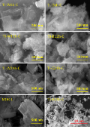
- studied composites. The scanning electron microscopy (SEM) image of the initial lamellar mordenite sample MOR-L is also shown for comparison. As can be seen, MOR-L exhibits elongated plates up to 1 μm long and 0.1 μm wide, combined into stacks. After introduction of TEOT followed by hydrolysis and



Nanocarriers and macrophage interaction: from a potential hurdle to an alternative therapeutic strategy
Beilstein J. Nanotechnol. 2025, 16, 97–118, doi:10.3762/bjnano.16.10


Characterization of ZnO nanoparticles synthesized using probiotic Lactiplantibacillus plantarum GP258
Beilstein J. Nanotechnol. 2025, 16, 78–89, doi:10.3762/bjnano.16.8
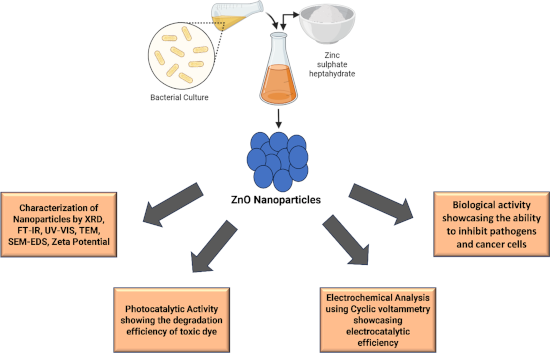
- characterization using UV–vis spectroscopy, Fourier-transform infrared spectroscopy, X-ray diffraction measurements, energy-dispersive X-ray spectroscopy, scanning and transmission electron microscopy, photocatalytic studies, electrochemical analysis, and determination of antibacterial and anticancer activity. The
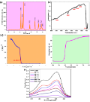
- analysis, (b) Fourier-transform infrared (FTIR) spectroscopy, (c) UV–vis spectroscopy, and (d) photocatalytic efficiency of ZnO NPs. (a, b) Transmission electron microscopy (TEM) micrographs showing the morphology and size of the nanoparticles. (c) Selected area electron diffraction (SAED) pattern of ZnO
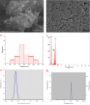
- NPs with orange values representing the Miller indices of the diffraction planes, confirming the hexagonal wurtzite structure. (a, b) Scanning electron microscopy images depicting morphology, structure, and size of ZnO NPs. (c) Frequency distribution of nanoparticle sizes derived from SEM analysis. (d



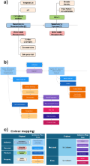
Instance maps as an organising concept for complex experimental workflows as demonstrated for (nano)material safety research
Beilstein J. Nanotechnol. 2025, 16, 57–77, doi:10.3762/bjnano.16.7

- focused on silica (SiO2) nanomaterials in the size range of 50–100 nm (depending on the method used, i.e., transmission electron microscopy, nanoparticle tracking analysis, or dynamic light scattering (intensity or number distribution)) with different surface modifications, which are reported to be


Advanced atomic force microscopy techniques V
Beilstein J. Nanotechnol. 2025, 16, 54–56, doi:10.3762/bjnano.16.6

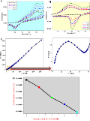
- 10.3762/bjnano.16.6 Keywords: AFM; atomic force microscopy; conductivity; drift correction; force spectroscopy; NC-AFM; non-contact atomic force microscopy; resistivity; tip–surface interaction; With the restrictions on travelling and social distancing lifted, we were delighted to continue two series of
- meetings on atomic force microscopy (AFM), the 23rd International Conference on Non-Contact Atomic Force Microscopy (NC-AFM) held in Nijmegen (Netherlands) and the 6th International Workshop on Advanced Atomic Force Microscopy Techniques held in Potsdam (Germany). The strong advance in the field and the
- high quality of the presentations motivated us to establish this thematic issue in the Beilstein Journal of Nanotechnology for compiling the latest results on developments and applications of atomic force microscopy techniques. Atomic force microscopy, a technique soon celebrating its 40th anniversary
Precursor sticking coefficient determination from indented deposits fabricated by electron beam induced deposition
Beilstein J. Nanotechnol. 2025, 16, 35–43, doi:10.3762/bjnano.16.4

- precursors. This work has been performed within the Frankfurt Center for Electron Microscopy (FCEM). Funding This work has been supported by the Deutsche Forschungsgemeinschaft (DFG) via grant HU 752/16-1.


A nanocarrier containing carboxylic and histamine groups with dual action: acetylcholine hydrolysis and antidote atropine delivery
Beilstein J. Nanotechnol. 2025, 16, 11–24, doi:10.3762/bjnano.16.2

- observed (Figure 4). With further dilution, no erythrocyte effects were noted, as confirmed by bright-field microscopy (Figure 4). The nanocarrier p(Hist-CA) induced hemolysis (27.1%) and agglutination solely at the highest concentration (Figure 3 and Supporting Information File 1, Figure S4). Degradation
- electron microscopy (TEM) images were taken with a Libra 120 EFTEM (A Carl Zeiss SMT AG Company, Oberkochen, Carl Zeiss, Germany) at 100 kV. Samples were spread on a 300 mesh copper grid with a carbon/formvar support film. 1H and 13C NMR spectra were obtained using a Bruker Avance 600 spectrometer with an
- diluted solutions of Hist-RA, CA-RA, and p(Hist-CA) at two- to 128-fold dilutions. Bright-field microscopy (Nikon Eclipse Ci, 400× magnification). K(−) for intact cells; K(+) for the agglutination control. The concentration-dependent conductivity of (a) CA-RA, Hist-RA, and the mixture CA-RA + Hist-RA in





