


Search results
Search for "multifunctional" in Full Text gives 169 result(s) in Beilstein Journal of Nanotechnology.
A top-down approach for fabricating three-dimensional closed hollow nanostructures with permeable thin metal walls
Beilstein J. Nanotechnol. 2017, 8, 1231–1237, doi:10.3762/bjnano.8.124
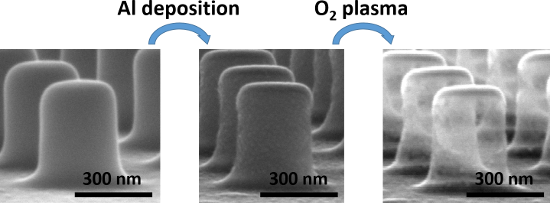
- is typically required to create integrated systems based on multifunctional devices on a chip. For the latter purpose, top-down approaches based on fabrication methods used in the microelectronics industry are particularly well-suited because of the patterning design flexibility and controllability


Ultrasmall magnetic field-effect and sign reversal in transistors based on donor/acceptor systems
Beilstein J. Nanotechnol. 2017, 8, 1104–1114, doi:10.3762/bjnano.8.112
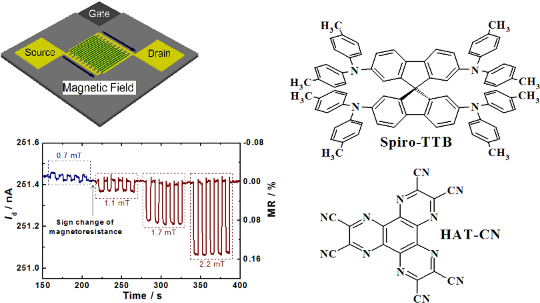
- the way towards efficient, multifunctional organic spin-devices. Experimental Bottom-contact field-effect transistor substrates were purchased from Fraunhofer IPMS (Dresden, Germany) with channel lengths (L) between 2.5 and 20 µm and channel width (W) of 10 mm. The isolation layer consists of 230 ± 10




Recombinant DNA technology and click chemistry: a powerful combination for generating a hybrid elastin-like-statherin hydrogel to control calcium phosphate mineralization
Beilstein J. Nanotechnol. 2017, 8, 772–783, doi:10.3762/bjnano.8.80
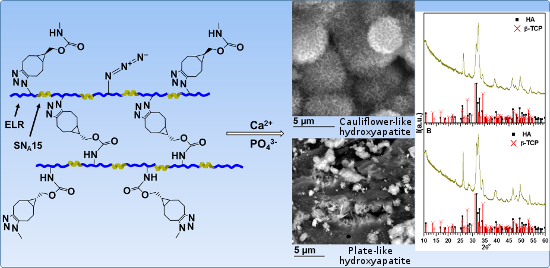
- advanced multifunctional materials. The generation of such multifunctional hybrid materials depends on the properties of their counterparts and the way in which they are assembled. The success of this assembly depends on the different approaches used, such as recombinant DNA technology and click chemistry
- data show an increase in the Ca/P ratio with increasing reaction time, irrespective of the type of hydrogel used for mineralization. Discussion The combination of two or more materials can give rise to the formation of a multifunctional hybrid system with properties superior to those of each component



Vapor deposition routes to conformal polymer thin films
Beilstein J. Nanotechnol. 2017, 8, 723–735, doi:10.3762/bjnano.8.76
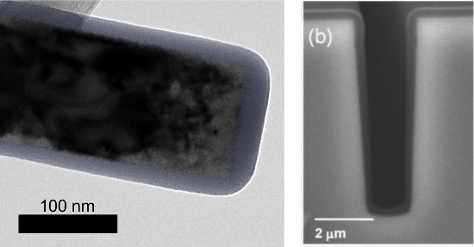
- CVD both in conformality and functional group retention for the deposition of conformal sensing molecules on microfluidic devices [30]. This concept was later used to enable PDMS-free microfluidic devices for oxygen-free flow-lithography, a process that can generate multifunctional micro and nano


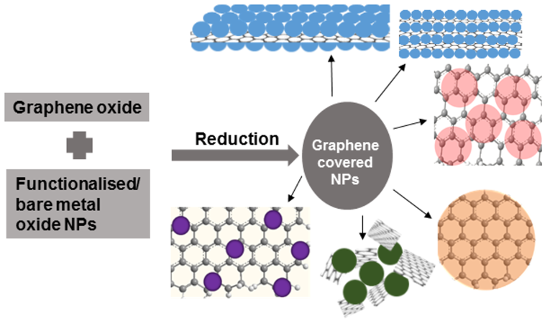
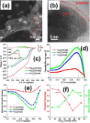
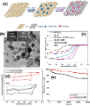
Synthesis of graphene–transition metal oxide hybrid nanoparticles and their application in various fields
Beilstein J. Nanotechnol. 2017, 8, 688–714, doi:10.3762/bjnano.8.74






Methods for preparing polymer-decorated single exchange-biased magnetic nanoparticles for application in flexible polymer-based films
Beilstein J. Nanotechnol. 2017, 8, 408–417, doi:10.3762/bjnano.8.43
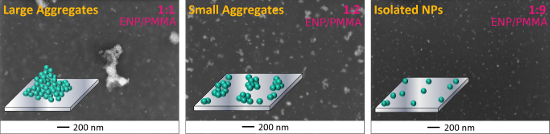
- Polymer-based hybrid materials are opening the way for engineering new, multifunctional, flexible materials exhibiting novel properties (e.g., mechanical, magnetic, electrical, optical) due to the synergy between the two components, polymer and inorganic nanoparticles (NPs) [1]. In the case of magnetic
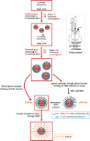


Tailoring bifunctional hybrid organic–inorganic nanoadsorbents by the choice of functional layer composition probed by adsorption of Cu2+ ions
Beilstein J. Nanotechnol. 2017, 8, 334–347, doi:10.3762/bjnano.8.36
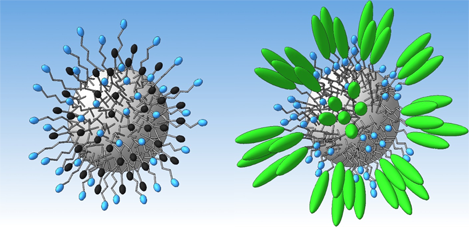
- ; Introduction Materials with bi- or multifunctional surface layers have been of considerable interest in the recent years [1][2][3][4][5][6][7][8][9][10][11]. Such materials possess, undoubtedly, certain advantages over the materials with monofunctional coatings. For example, multifunctional drug-delivery
- agents may have functionalities ensuring their transportation to the desired target after introduction in the human body, whereas the functionalities of a different nature exert their, e.g., therapeutic effect [12]. Moreover, the creation of a multifunctional surface layer is an instrument for the subtle


Template-controlled piezoactivity of ZnO thin films grown via a bioinspired approach
Beilstein J. Nanotechnol. 2017, 8, 296–303, doi:10.3762/bjnano.8.32
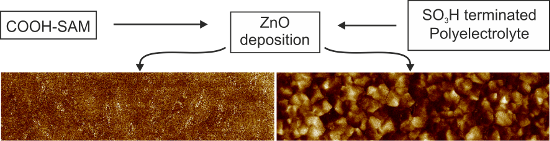
- templates with different functionalities [25][29][30][31][32][33][34][35] or to change the roughness of the growing films [36]. The principle of these methods was adapted from nature where multifunctional materials are produced under ambient conditions. Mollusks for example produce the organic/inorganic


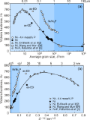
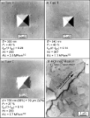
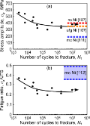
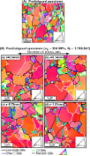
A new approach to grain boundary engineering for nanocrystalline materials
Beilstein J. Nanotechnol. 2016, 7, 1829–1849, doi:10.3762/bjnano.7.176
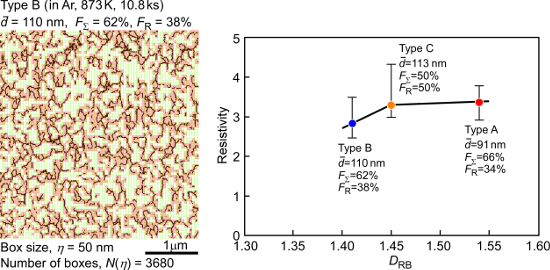
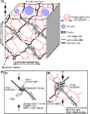
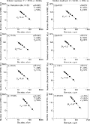
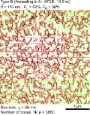
- nanocrystalline materials, as well as ordinary polycrystalline materials. Accordingly, it is reasonable to consider that the GBE approach that the authors of this work have been deeply involved so far should become of increasing importance in the development of high performance and multifunctional nanocrystalline








Antitumor magnetic hyperthermia induced by RGD-functionalized Fe3O4 nanoparticles, in an experimental model of colorectal liver metastases
Beilstein J. Nanotechnol. 2016, 7, 1532–1542, doi:10.3762/bjnano.7.147
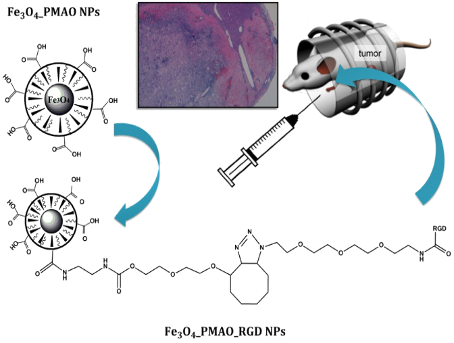
- applicability toward diverse substrates is “click chemistry” [29][30]. Moreover, multistep reactions could be shortened by combining click chemistry with other conventional bioconjugation methods. Such strategies are commonly involved in the preparation of multifunctional nano-biohybrids with the advantage of


Viability and proliferation of endothelial cells upon exposure to GaN nanoparticles
Beilstein J. Nanotechnol. 2016, 7, 1330–1337, doi:10.3762/bjnano.7.124
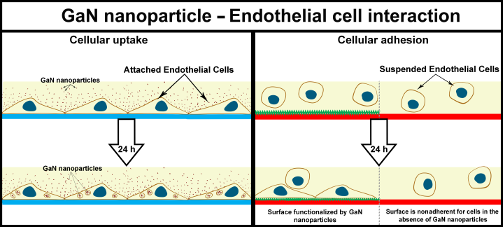
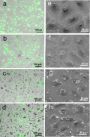
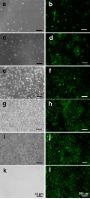
- multifunctional and hybrid “smart materials” for biological and medical applications is of paramount importance [1]. Biomaterial research is closely associated with the development of chemical/biochemical sensors, hydrogels, membranes, and artificial organs, and is utilized in applications such as the recognition



Functional diversity of resilin in Arthropoda
Beilstein J. Nanotechnol. 2016, 7, 1241–1259, doi:10.3762/bjnano.7.115
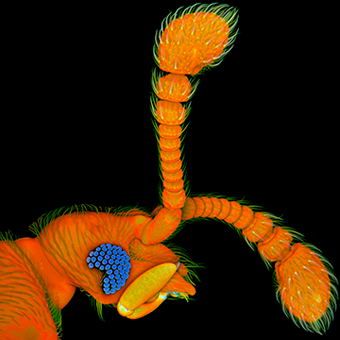
- that are typically thin, non-sclerotised and very flexible. Such membranes often are multifunctional units. The soft cuticles of caterpillars, for example, have a combination of both a protective and a locomotory role, which is reflected in their ultrastructural architecture [58]. The main functions of


Fast diffusion of silver in TiO2 nanotube arrays
Beilstein J. Nanotechnol. 2016, 7, 1129–1140, doi:10.3762/bjnano.7.105
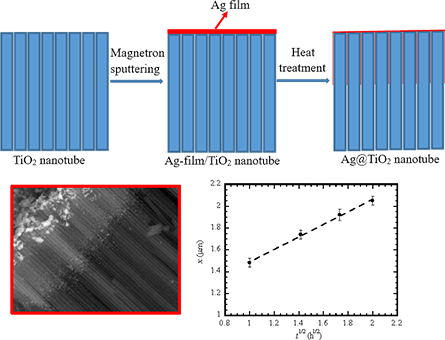
- magnetron sputtering in a multifunctional magnetron sputtering instrument (JGP560B), using an Ag target. Argon gas was flowed into the sputtering chamber after the pressure of the sputtering chamber reached 8 × 10⁻⁴ Pa. The surface residuals were removed via pre-sputtering. During the sputtering, argon gas


Finite-size effect on the dynamic and sensing performances of graphene resonators: the role of edge stress
Beilstein J. Nanotechnol. 2016, 7, 685–696, doi:10.3762/bjnano.7.61
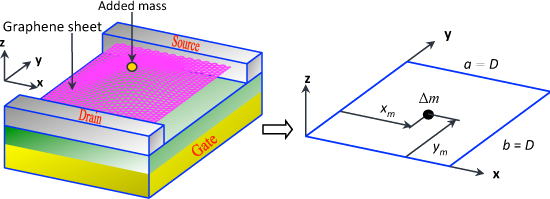
- [12][13] properties, which imply that graphene can be used for developing a multifunctional NEMS device. For instance, a monolayer graphene sheet has recently been reported to exhibit a high elastic modulus of the order of 1 TPa [14][15][16], which is much larger than that of conventional engineering


Novel roles for well-known players: from tobacco mosaic virus pests to enzymatically active assemblies
Beilstein J. Nanotechnol. 2016, 7, 613–629, doi:10.3762/bjnano.7.54
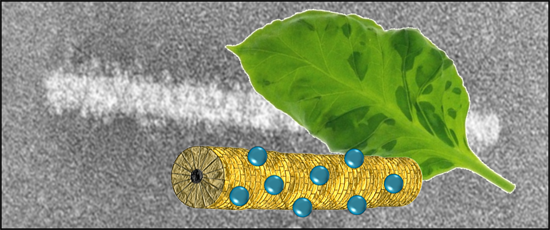
- the evolutionary roles and individual capacities of distinct viruses, and the mutual interactions between virus populations and communities ('viromes'), hosts and their environments. Concurrently, remarkable progress has been made in the investigation of natural multifunctional complexes, and the


Nanostructured surfaces by supramolecular self-assembly of linear oligosilsesquioxanes with biocompatible side groups
Beilstein J. Nanotechnol. 2015, 6, 2377–2387, doi:10.3762/bjnano.6.244
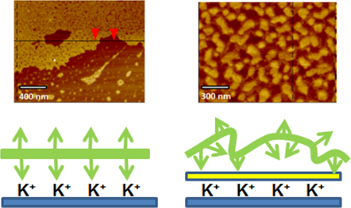
- -COOH/X coated on primed mica The surface free energy measurements (Figure 10) proved the proposed model of adsorption of NAC, CA and TG (Scheme 2) by ionic interactions of COOH substituents with K+ ions on the surface of mica. Such an arrangement of the multifunctional primers exposes reactive polar




Template-controlled mineralization: Determining film granularity and structure by surface functionality patterns
Beilstein J. Nanotechnol. 2015, 6, 1763–1768, doi:10.3762/bjnano.6.180
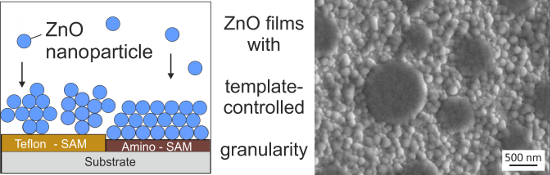
- ”. The support within the scope of the DFG priority program 1569 “Generation of multifunctional inorganic materials by molecular bionics” is also gratefully acknowledged.

Towards multifunctional inorganic materials: biopolymeric templates
Beilstein J. Nanotechnol. 2015, 6, 1698–1699, doi:10.3762/bjnano.6.172

- multifunctional properties may be severely limited because of the mismatch between the thermal expansion coefficients of the different components. This is also an issue in the combination of inorganic components with temperature sensitive materials, which is limited or even impossible. In contrast to the
- multifunctional features and an expanded spectrum of properties as compared to those of the pure inorganic components. Although the composition of biominerals comprises only a limited number of chemical elements, the principles of biomineralization and the obtained structures can be considered archetypes for the
- generation of inorganic functional materials not found in living nature. This highly topical research field is currently drawing worldwide attention and is a main subject of the Priority Program 1569, “Generation of multifunctional inorganic materials by molecular bionics”, of the Deutsche
Synthesis, characterization and in vitro biocompatibility study of Au/TMC/Fe3O4 nanocomposites as a promising, nontoxic system for biomedical applications
Beilstein J. Nanotechnol. 2015, 6, 1677–1689, doi:10.3762/bjnano.6.170
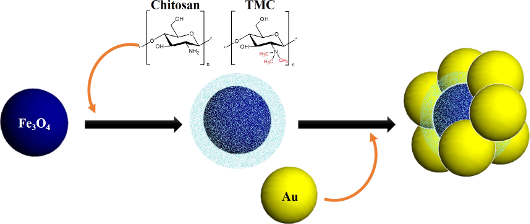
- , suggesting that replacement with TMC might overcome some of the limitations of chitosan (and even other polymers). Considering its biocompatible and nontoxic properties, the Au/TMC/Fe3O4 nanocomposite developed herein could be promisingly employed as a multifunctional platform for biomedical applications




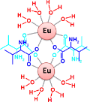
Natural and artificial binders of polyriboadenylic acid and their effect on RNA structure
Beilstein J. Nanotechnol. 2015, 6, 1338–1347, doi:10.3762/bjnano.6.138
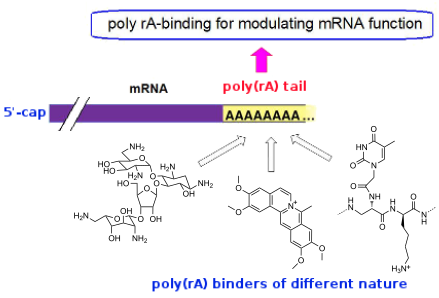
- ribosomal subunit (Figure 1) [11]. Regarding the poly(rA) tail length, it is influenced by the deposition onto mRNAs of nucleophosmin [12], a multifunctional protein able to recognize G-quadruplex-forming nucleic acids [13], whose overexpression is associated with poor prognosis in ovarian cancer [14





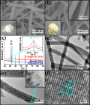
High photocatalytic activity of V-doped SrTiO3 porous nanofibers produced from a combined electrospinning and thermal diffusion process
Beilstein J. Nanotechnol. 2015, 6, 1281–1286, doi:10.3762/bjnano.6.132
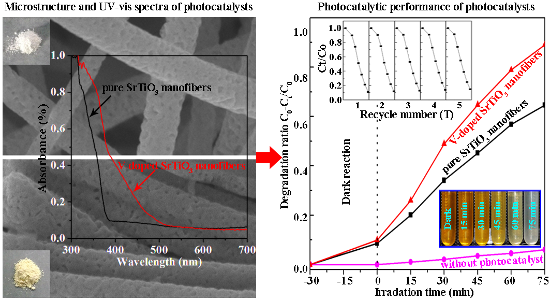
- metal ions [8][9][10][11], such as Ti4+, Zr4+, Ta5+, Nb5+ and V5+, as well as the development of new photocatalysts. Strontium titanate (SrTiO3), an important multifunctional semiconductor, has been applied in photocatalysis technology for water splitting and organic contaminant degradation [12][13


Microwave assisted synthesis and characterisation of a zinc oxide/tobacco mosaic virus hybrid material. An active hybrid semiconductor in a field-effect transistor device
Beilstein J. Nanotechnol. 2015, 6, 785–791, doi:10.3762/bjnano.6.81
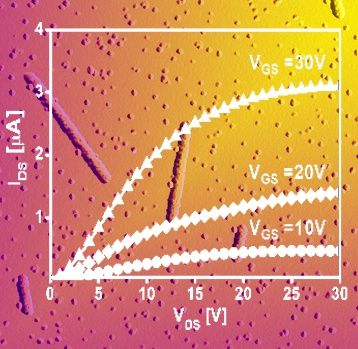
- defined functional properties [1][2][3]. Significant interest has been dedicated to the generation of multifunctional devices by employing a unique combination of functional biological molecules and inorganic materials. The use of biological building blocks at the nanoscale include DNA, peptides


Morphological and structural characterization of single-crystal ZnO nanorod arrays on flexible and non-flexible substrates
Beilstein J. Nanotechnol. 2015, 6, 720–725, doi:10.3762/bjnano.6.73
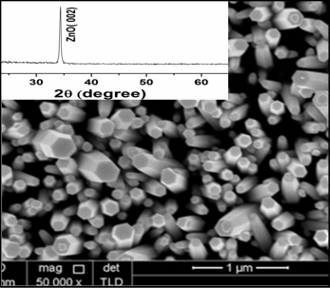
- realized by adjusting the synthesis conditions. Keywords: chemical bath deposition (CBD); nanorods; Raman; XRD; ZnO; Introduction Metal oxides are multifunctional materials with a wide range of applications encompassing photonic devices, high-K dielectrics, sensors, implants, and solar cells [1][2]. It


Silica micro/nanospheres for theranostics: from bimodal MRI and fluorescent imaging probes to cancer therapy
Beilstein J. Nanotechnol. 2015, 6, 546–558, doi:10.3762/bjnano.6.57
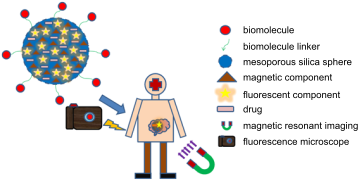
- applications for diagnosis and therapy of disease sites. Through smart and careful chemical modifications of the nanoparticle surface, these can be converted to multifunctional tiny objects which in turn can be used as vehicle for delivering multimodal imaging agents and therapeutic material to specific target
- will cover a full description of MRI-active and fluorescent multifunctional silica micro/nanospheres including the design of the probe, different characterization methods and their application in imaging and treatment in cancer. Keywords: bimodal imaging; fluorescence imaging; magnetic nanoparticles
- (negative contrast, modified T2). Similarly the fluorescent CAs includes different lanthanide complexes, rare earth oxides, organic dyes, QDs, and ruthenium complexes. In this review article, we summarize recent literature reports on multifunctional nanocomposites for MRI and fluorescence imaging that are


Hollow plasmonic antennas for broadband SERS spectroscopy
Beilstein J. Nanotechnol. 2015, 6, 492–498, doi:10.3762/bjnano.6.50
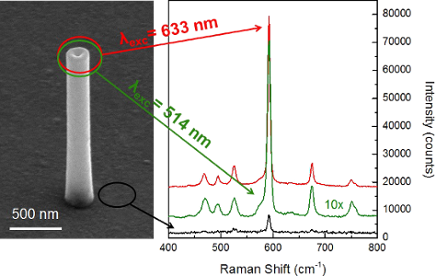
- large enhancement of the vibrational features both in the case of resonant excitation and out-of-resonance excitation. Such characteristics indicate that these structures are potential candidates for plasmonic enhancers in multifunctional opto-electronic biosensors. Keywords: biosensing; multiband
- further integration of the nanocylinders in devices requiring multifunctional plasmonic properties over a broad wavelength range for the deep investigation of the complete cell environment. (a) Illustrative scheme representing the structure of a single antenna and (b) SEM images at different





