


Search results
Search for "nano" in Full Text gives 857 result(s) in Beilstein Journal of Nanotechnology. Showing first 200.
Investigations on the optical forces from three mainstream optical resonances in all-dielectric nanostructure arrays
Beilstein J. Nanotechnol. 2023, 14, 674–682, doi:10.3762/bjnano.14.53
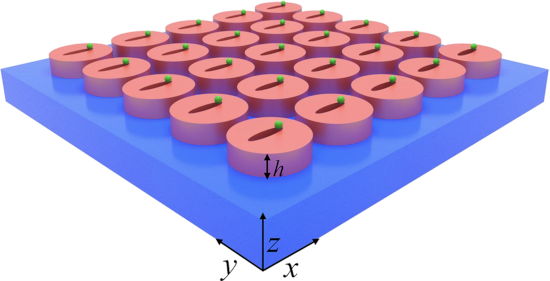
- when one designs nano-optical tweezers system to capture nanoscale particles. The low absorption losses, high laser power damage threshold as well as the large optical force that can be achieved with lossless all-dielectric nanostructures provide a better choice compared to the metallic counterpart in


Metal-organic framework-based nanomaterials as opto-electrochemical sensors for the detection of antibiotics and hormones: A review
Beilstein J. Nanotechnol. 2023, 14, 631–673, doi:10.3762/bjnano.14.52
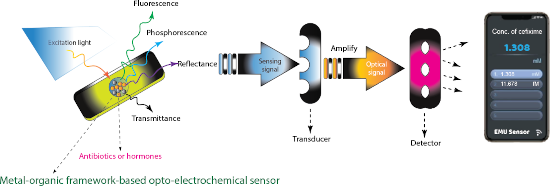
- state (Sn, n = 1, 2, ...) occurs in femtoseconds [39]. Depending on the wavelength of the absorbed photon, the excited state of the electron may result in the electron occupying any one of a number of possible vibrational levels. In a rapid (nano- to microseconds) transition from the lowest excited


Suspension feeding in Copepoda (Crustacea) – a numerical model of setae acting in concert
Beilstein J. Nanotechnol. 2023, 14, 603–615, doi:10.3762/bjnano.14.50
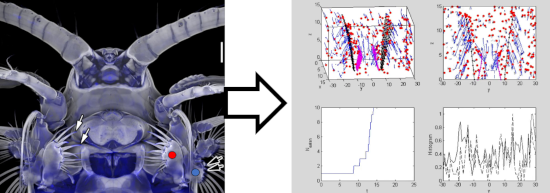
- adhesive forces to retain particles. In contrast to organisms, which collect particles at the nano- to millimeter scale, most industrial cross-flow filtration systems can capture material only in more limited size ranges, highlighting the necessity to investigate particle retention in biological systems


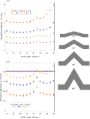
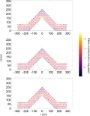
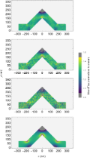
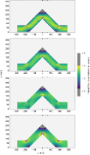
Thermal transport in kinked nanowires through simulation
Beilstein J. Nanotechnol. 2023, 14, 586–602, doi:10.3762/bjnano.14.49
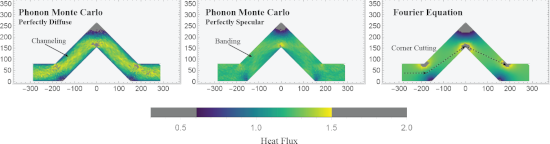
- additional scattering of phonons at boundaries and cause interesting effects due to phonon reflections [12][13][14]. These effects are typically not seen at the macroscopic scale, but instead reflect the sophisticated nature of transport and finite sizes at the nano- and mesoscales. Recently, there have been





Carbon nanotube-cellulose ink for rapid solvent identification
Beilstein J. Nanotechnol. 2023, 14, 535–543, doi:10.3762/bjnano.14.44
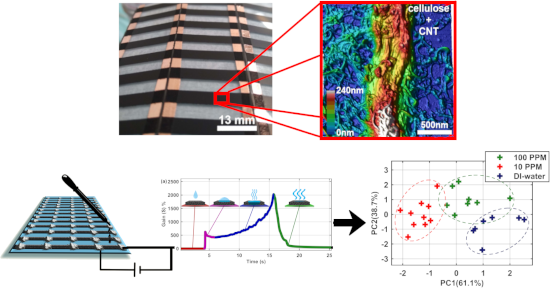
- are thankful to LabNano, Laboratório de Cristalografia (LabCri), CT-NANO-UFMG, and SISNANO/LCPNano at UFMG. We also would like to acknowledge Vinicius Castro and Dra. Glaura Silva at CTNANO for providing the functionalized carbon nanotubes materials. We also would like to acknowledge Douglas Miquita


Molecular nanoarchitectonics: unification of nanotechnology and molecular/materials science
Beilstein J. Nanotechnol. 2023, 14, 434–453, doi:10.3762/bjnano.14.35
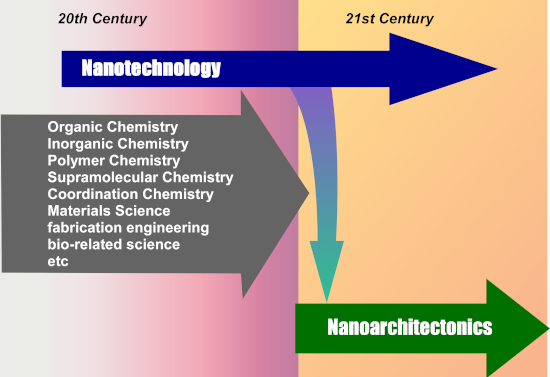
- ordering by external fields or forces, nano/microfabrication, and material modification using biological phenomena are selected and combined. These processes include both equilibrium and nonequilibrium processes. The structures created by combining these processes or by working on them step by step are





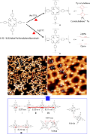
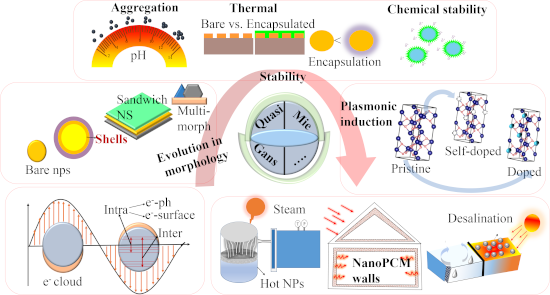
Plasmonic nanotechnology for photothermal applications – an evaluation
Beilstein J. Nanotechnol. 2023, 14, 380–419, doi:10.3762/bjnano.14.33


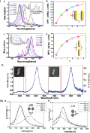


New trends in nanobiotechnology
Beilstein J. Nanotechnol. 2023, 14, 377–379, doi:10.3762/bjnano.14.32

- Technological University, 62 Nanyang Drive, Singapore, 637459 Singapore School of Energy and Chemical Engineering, Xiamen University Malaysia, Selangor Darul Ehsan, Selangor, 43900, Malaysia Center of Excellence for NaNo Energy & Catalysis Technology (CONNECT), Xiamen University Malaysia, Selangor Darul Ehsan
- such as nanomaterials applied in biotechnology; nanoparticles used in environmental science and technology; nanosensors used in biosystems; nanomedicine in the context of biochemical engineering; micro- and nanofluidics; micro- and nano-electromechanical systems; nanoscience and nanotoxicology
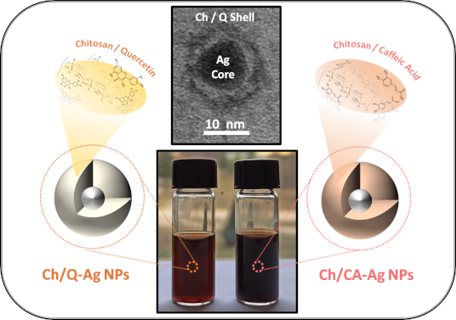
Quercetin- and caffeic acid-functionalized chitosan-capped colloidal silver nanoparticles: one-pot synthesis, characterization, and anticancer and antibacterial activities
Beilstein J. Nanotechnol. 2023, 14, 362–376, doi:10.3762/bjnano.14.31
- potential measurements were carried out using a Malvern Zetasizer Nano–Z instrument at 25 ± 0.1 °C. The data was taken as the average of three independent measurements of 10 runs. Inductively coupled plasma optical emission spectroscopy (ICP-OES) measurements were carried out using Perkin Elmer Avio 220 Max


The steep road to nonviral nanomedicines: Frequent challenges and culprits in designing nanoparticles for gene therapy
Beilstein J. Nanotechnol. 2023, 14, 351–361, doi:10.3762/bjnano.14.30
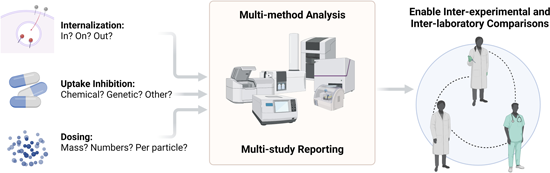
- characterizations suitable to the specific type of investigation [11]. Among these recommendations, “MIRIBEL” (Minimum Information Reporting in Bio-Nano Experimental Literature) was proposed in 2018 for the community to adopt a “reporting standard” to enhance the quality and reproducibility of published research [6

Biocatalytic synthesis and ordered self-assembly of silica nanoparticles via a silica-binding peptide
Beilstein J. Nanotechnol. 2023, 14, 280–290, doi:10.3762/bjnano.14.25
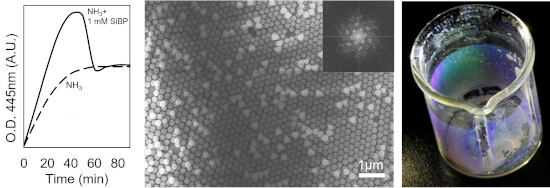
- ., Waltham, MA, USA) was used for the quantitative analysis of GC–MS data. The reaction rate of TEOS hydrolysis was calculated according to first-order reaction kinetics [43]. Particle size and zeta potential measurements Measurements were performed using a Zetasizer Nano ZS90 (Malvern Panalytical Ltd




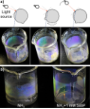
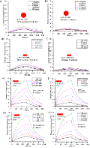
Concentration-dependent photothermal conversion efficiency of gold nanoparticles under near-infrared laser and broadband irradiation
Beilstein J. Nanotechnol. 2023, 14, 205–217, doi:10.3762/bjnano.14.20
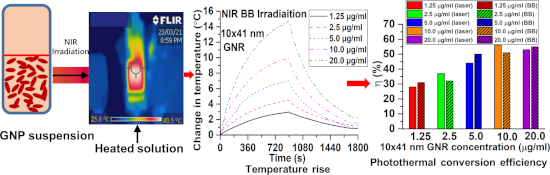
- Vikas Raj Kumar Sanjeev Soni Academy of Scientific and Innovative Research (AcSIR), Ghaziabad-201002, India Biomedical Applications Group, CSIR Central Scientific Instruments Organisation, Sector-30C, Chandigarh-160030, India Micro and Nano Optics Centre, CSIR Central Scientific Instruments




A novel approach to pulsed laser deposition of platinum catalyst on carbon particles for use in polymer electrolyte membrane fuel cells
Beilstein J. Nanotechnol. 2023, 14, 190–204, doi:10.3762/bjnano.14.19
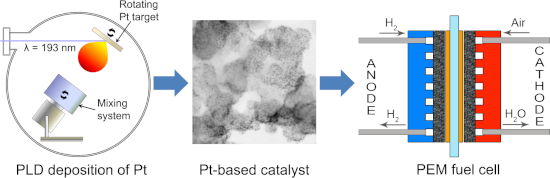
- supports in the form of nano- and microparticles. Herein, we report on the deposition of platinum on carbon particles using PLD to fabricate cost-efficient catalysts for PEMFCs with good performance. The research aimed to develop an effective physical method of PtNP deposition on carbon supports directly



Characterisation of a micrometer-scale active plasmonic element by means of complementary computational and experimental methods
Beilstein J. Nanotechnol. 2023, 14, 110–122, doi:10.3762/bjnano.14.12
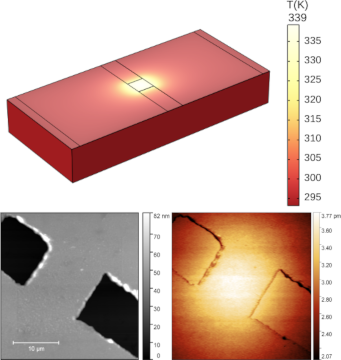
- fundamental physical phenomena at the nano- and mesoscales [9][10][11][12][13][14][15], as well as more practical applications in Raman spectroscopy in the form of surface-enhanced Raman spectroscopy (SERS) [16] and other spectroscopic techniques [17][18]. SPPs also find uses in fields such as ultrasensitive
- understood that heating affects the electrical permittivity of metals [25][26][27][28] and dielectrics [29][30]. This, in conjunction with Joule heating, is used to generate the desired effects. The active plasmonic element proposed (Figure 1) consists of a nano- or mesoscale constriction in a 48 nm thick




Antimicrobial and mechanical properties of functionalized textile by nanoarchitectured photoinduced Ag@polymer coating
Beilstein J. Nanotechnol. 2023, 14, 95–109, doi:10.3762/bjnano.14.11
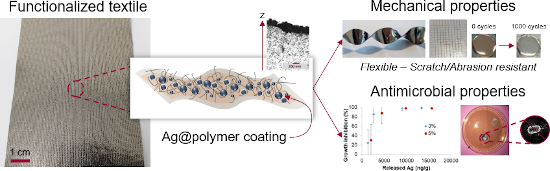
- antimicrobial activity due to the increased amount of available silver. Conclusion The innovative photoinduced approach led to the successful functionalization of nano-architectured Ag@polymer composites onto textile substrates. Two different biocompatible polymer matrixes were compared in terms of AgNP growth



Combining physical vapor deposition structuration with dealloying for the creation of a highly efficient SERS platform
Beilstein J. Nanotechnol. 2023, 14, 83–94, doi:10.3762/bjnano.14.10
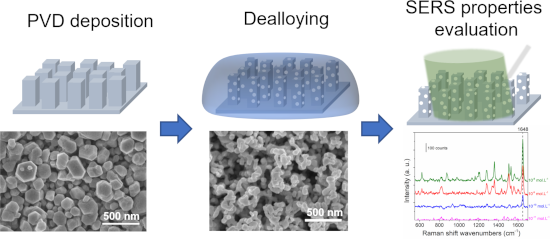
- Avenue F.D. Roosevelt, 1050 Brussels, Belgium Nano Hybrid BioInterfaces Lab (NHBIL), Department of Chemical Sciences, University of Catania, viale Andrea Doria, 6, 95125 Catania, Italy Materia Nova Research Center, 3 avenue Nicolas Copernic, 7000 Mons, Belgium 10.3762/bjnano.14.10 Abstract




Frontiers of nanoelectronics: intrinsic Josephson effect and prospects of superconducting spintronics
Beilstein J. Nanotechnol. 2023, 14, 79–82, doi:10.3762/bjnano.14.9
- scattering times has been carried out [27]. In addition, the volume also highlights some other interesting effects in S/F functional nanostructures, which may be implemented in future spintronics devices. The concept of this thematic issue was developed during the International SPINTECH Conference “NANO-2021
Gap-directed chemical lift-off lithographic nanoarchitectonics for arbitrary sub-micrometer patterning
Beilstein J. Nanotechnol. 2023, 14, 34–44, doi:10.3762/bjnano.14.4
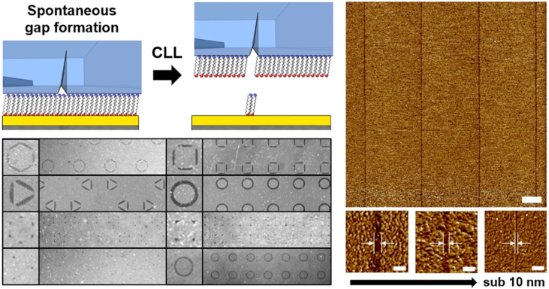
- force microscopy (Dimension Fastscan, Bruker Nano Surfaces, Hsinchu, Taiwan). Results and Discussion The results of selective SAM removal are visualized by backfilling biotinylated alkanethiol (BAT) molecules into the post lift-off regions followed by conjugating streptavidin and FITC-labeled anti


Two-step single-reactor synthesis of oleic acid- or undecylenic acid-stabilized magnetic nanoparticles by thermal decomposition
Beilstein J. Nanotechnol. 2023, 14, 11–22, doi:10.3762/bjnano.14.2
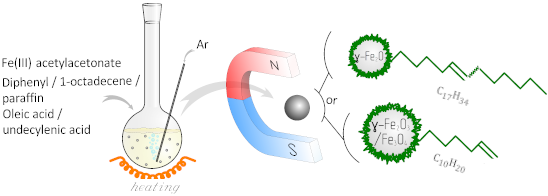
- diameter, X-ray diffraction, transmission electron microscopy, and dynamic light scattering (Malvern Zetasizer Nano S, Palaiseau, France) were used. Transmission electron microscopy observations were conducted using a JEOL JEM 2100 HR microscope (Croissy Sur Seine, France) equipped with a LaB6 source, and


Atmospheric water harvesting using functionalized carbon nanocones
Beilstein J. Nanotechnol. 2023, 14, 1–10, doi:10.3762/bjnano.14.1
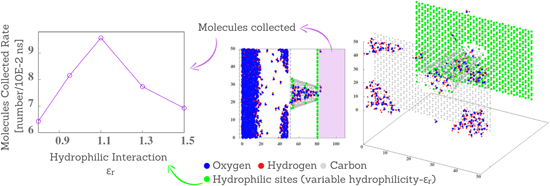
- ), which use hierarchical nano/microstructures to collect water. Some examples are the Trifolium pratense plant, the Cotula fallax cactus, and the Uloborus walckenaerius spider [14][15][16]. Usually, these biomimetic designs have an asymmetrical shape that energetically drives the directional transport of




Non-stoichiometric magnetite as catalyst for the photocatalytic degradation of phenol and 2,6-dibromo-4-methylphenol – a new approach in water treatment
Beilstein J. Nanotechnol. 2022, 13, 1531–1540, doi:10.3762/bjnano.13.126
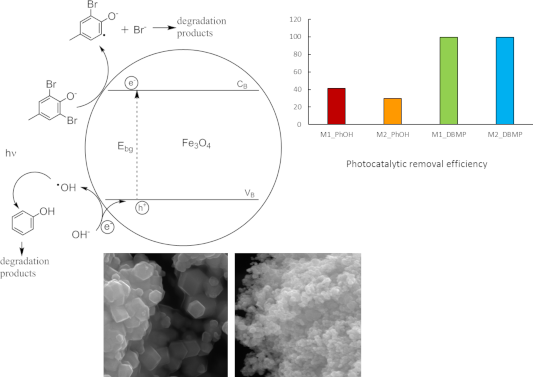
- micro-powder (M1, particle size under 5 µm, d = 4.8–5.1 g·cm−3, 95% purity estimated from trace metal analysis); Fe3O4 nano-powder (M2, particle size under 50 nm, d = 3.9 g·cm−3, >98% purity estimated from trace metal analysis). All chemicals were of analytical grade and were used without prior


Hydroxyapatite–bioglass nanocomposites: Structural, mechanical, and biological aspects
Beilstein J. Nanotechnol. 2022, 13, 1490–1504, doi:10.3762/bjnano.13.123
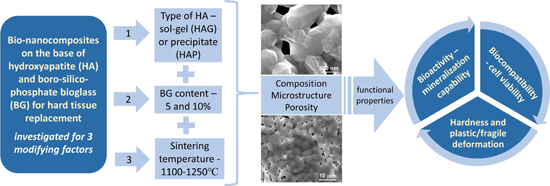
- refinement to obtain a mirror-like surface. The depth-sensing MI was carried out on a PMT-3NI-02 instrumented nano/microindentation device using a Vickers diamond tetrahedral pyramid as an indenter. For the calculation of microhardness (H), the Oliver–Pharr method was applied [39]. The range of used loads
Frequency-dependent nanomechanical profiling for medical diagnosis
Beilstein J. Nanotechnol. 2022, 13, 1483–1489, doi:10.3762/bjnano.13.122
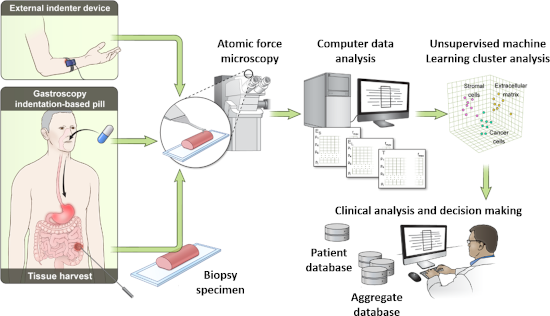
- ][16][17] could be applied at different length scales, ranging from the nano- to the macroscale. One can envision various applications at larger scales, such as the characterization of muscular viscoelasticity in orthopedic rehabilitation or in athletics, where the mechanical properties of muscles


Double-layer symmetric gratings with bound states in the continuum for dual-band high-Q optical sensing
Beilstein J. Nanotechnol. 2022, 13, 1408–1417, doi:10.3762/bjnano.13.116
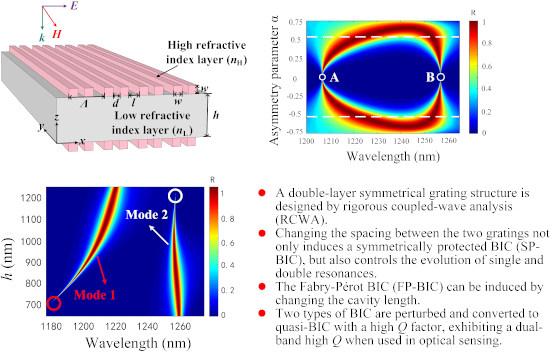
- sensing and nonlinear optics, which are important for practical nano-optics utilization. Schematic of the double-layer symmetric gratings structure. Reflection spectra mapping of the DLSG-based structure with respect to wavelength and α. a) Reflection spectra of the structure with different α values. The


Orally administered docetaxel-loaded chitosan-decorated cationic PLGA nanoparticles for intestinal tumors: formulation, comprehensive in vitro characterization, and release kinetics
Beilstein J. Nanotechnol. 2022, 13, 1393–1407, doi:10.3762/bjnano.13.115
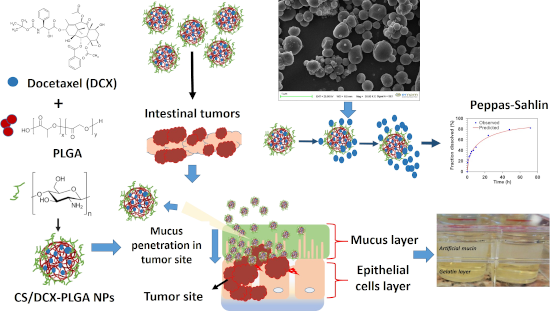
- frequently used in research especially in the development of nanoparticulate drug formulations [17][22][23][24]. Chitosan (CS) is a common biocompatible polymer used extensively in drug delivery applications as a vehicle for drugs, proteins, and nucleic acids. Also, it is used as a coating polymer in nano
- phase for the blank PLGA nanoparticles. In vitro characterization of the nanoparticles Mean particle size and surface charge Mean particle size (nm), PDI, and zeta potential (mV) of the NPs were investigated by dynamic light scattering (DLS; Malvern Zetasizer Nano ZS series, UK) with a disposable





