


Search results
Search for "polystyrene" in Full Text gives 234 result(s) in Beilstein Journal of Nanotechnology. Showing first 200.
Nanostructured carbon materials decorated with organophosphorus moieties: synthesis and application
Beilstein J. Nanotechnol. 2017, 8, 485–493, doi:10.3762/bjnano.8.52
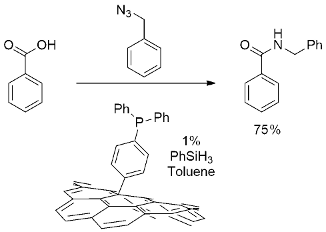
- ] and, recently, also triphenylphosphine oxide (TPPO) have found similar application [21][22][23][24]. Despite their utility, very few examples of heterogeneous catalysts are described. One example was reported by Tang, who developed a phosphine oxide derivative linked to a polystyrene resin [25]. For





Methods for preparing polymer-decorated single exchange-biased magnetic nanoparticles for application in flexible polymer-based films
Beilstein J. Nanotechnol. 2017, 8, 408–417, doi:10.3762/bjnano.8.43
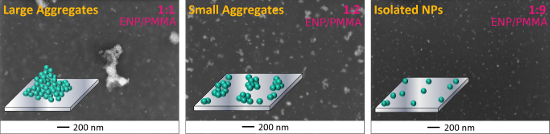
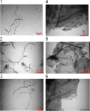
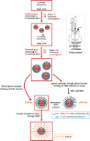
- ) or polystyrene (PS), using radical-controlled polymerization under various processing conditions. We compared the influence of the synthesis parameters on the structural and microstructural properties of the resulting hybrid systems, with special emphasis on significantly reducing their mutual
- resulting nanohybrids can be considered as valuable building blocks for flexible, magnetic polymer-based devices. Keywords: assembly; ATRP; magnetic nanoparticle; exchange-bias; films; functionalization; polymerization; poly(methyl methacrylate); polystyrene; seed-mediated growth; surface; Introduction
- and aggregation as far as possible in the first stage of polymer grafting, mechanical stirring and dilute suspensions of reactants were used, even if the functionalization of large amounts of particles becomes difficult. We specifically graft poly(methyl methacrylate) (PMMA) and polystyrene (PS


Template-controlled piezoactivity of ZnO thin films grown via a bioinspired approach
Beilstein J. Nanotechnol. 2017, 8, 296–303, doi:10.3762/bjnano.8.32
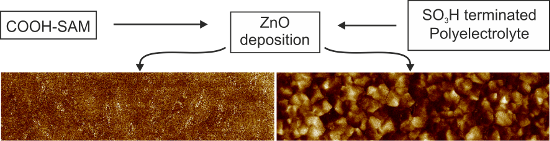
- water-free reaction solution. The first template is a carboxy-terminated SAM, the second consists of a PEL with polystyrene sulfonate (PSS) as a top layer. The grown ZnO thin films are characterized with piezoresponse force microscopy (PFM) to investigate the influence of the templates on the


Streptavidin-coated gold nanoparticles: critical role of oligonucleotides on stability and fractal aggregation
Beilstein J. Nanotechnol. 2017, 8, 1–11, doi:10.3762/bjnano.8.1
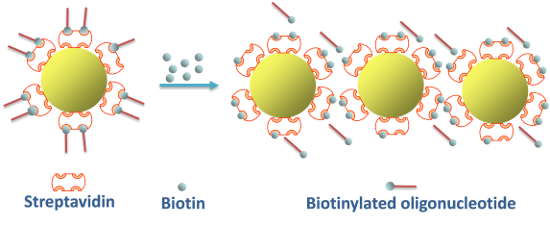
- or 0.22 µm pore size membrane. Samples (1 mL) were transferred into a disposable polystyrene cuvette for DLS measurements while a folded capillary cell was used for ζ-potential measurements. The concentration of solutions (0.1–1 nM) was adjusted to accommodate scattering properties of samples and




Intercalation and structural aspects of macroRAFT agents into MgAl layered double hydroxides
Beilstein J. Nanotechnol. 2016, 7, 2000–2012, doi:10.3762/bjnano.7.191
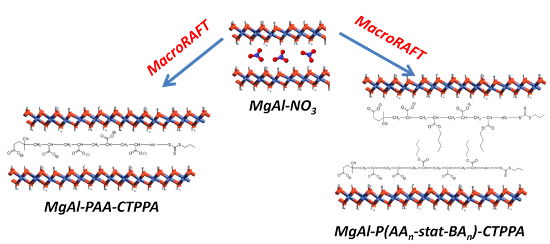
- ) polymerization [43] in the LDH matrix. This resulted in an exfoliated LDH/polystyrene nanocomposite with a good control of the molar mass of the polystyrene chains. Recently, we reported that highly stable dispersions at elevated macroRAFT copolymer concentrations [44] could be obtained by adsorbing statistical
- number-average molar mass (Mn) and dispersity (Đ = Mw/Mn), with Mw: weight-average molar mass) were derived from the RI signal using a calibration curve based on polystyrene standards (from Polymer Laboratories) [53]. Table 1 presents the main characteristics of the well-defined polymers obtained with a


Facile fabrication of luminescent organic dots by thermolysis of citric acid in urea melt, and their use for cell staining and polyelectrolyte microcapsule labelling
Beilstein J. Nanotechnol. 2016, 7, 1905–1917, doi:10.3762/bjnano.7.182
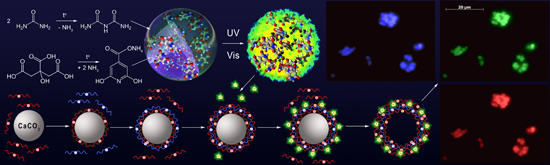
- made by adsorption of the positively charged poly allylamine hydrochloride (PAH) from 1 mg/mL solution in 0.15 M NaCl (15 min of incubation and shaking) on CaCO3 microparticles dispersed in this solution. The second layer was prepared by absorption of the negatively charged polystyrene sulfonate (PSS




Numerical investigation of depth profiling capabilities of helium and neon ions in ion microscopy
Beilstein J. Nanotechnol. 2016, 7, 1749–1760, doi:10.3762/bjnano.7.168
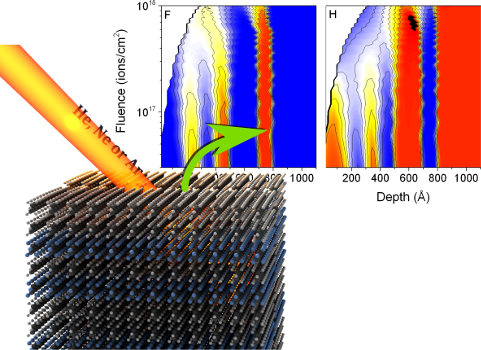
- damage formation. The emission of H2, CH4, C2H2, C3H5, etc. has been observed for 100 keV He+ and 200 keV Ar+ bombardment of polyethylene (PE) and polystyrene (PS) [14]. Similarly, H2, C2H2, CO and CO2 are typically emitted from implanted PI [15]. The degassing leads to an increase of the carbon
- polytetrafluoroethylene (PTFE), polystyrene (PS) or poly(methyl methacrylate) (PMMA). For samples 1 to 3, layers 1 and 5 have a thickness of 20 nm while the remaining layers have a thickness of 10 nm. For samples 4 and 6, layers 1, 3 and 6 are 20 nm thick, layers 2 and 4 are 10 nm thick and layer 5 is 40 nm thick. The


Graphene-enhanced plasmonic nanohole arrays for environmental sensing in aqueous samples
Beilstein J. Nanotechnol. 2016, 7, 1564–1573, doi:10.3762/bjnano.7.150
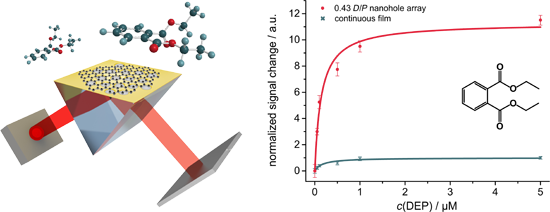
- that this type of plasticizers adsorbs on polystyrene resins by multiple adsorbent–adsorbate interactions such as hydrogen bonding and π-stacking [38], which makes them an ideal analyte for the evaluation of the graphene-modified gold surfaces in SPR. Nanostructured surfaces are promising in enhancing
- method described by Masson et al. [39][40]. Drop casting of the polystyrene particles on a clean glass slide leads to a densely packed monolayer on the substrate (Figure 2). The sphere mask consists of ordered areas of several square millimetres covering more than the optical spot size of the SPR device
- polystyrene particles on a clean and dry glass slide. The polystyrene particles have a diameter of 1.04 μm (SD = 0.04 μm, microparticles GmbH). Covering with a Petri dish allows a slow evaporation rate, resulting in a close-packed monolayer. The sphere masks were dried overnight. In order to create a nanohole




Polystyrene-block-poly(ethylene oxide) copolymers as templates for stacked, spherical large-mesopore silica coatings: dependence of silica pore size on the PS/PEO ratio
Beilstein J. Nanotechnol. 2016, 7, 1454–1460, doi:10.3762/bjnano.7.137
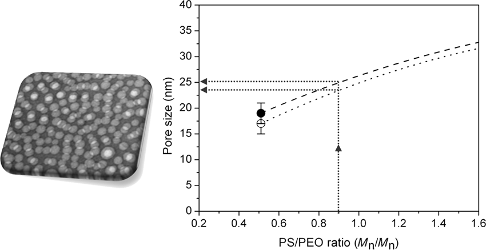
- narrow pore size distribution and high porosity have been obtained by a sol–gel reaction of a silicon oxide precursor (TEOS) and using polystyrene-block-poly(ethylene oxide) (PS-b-PEO) copolymers as templates in an acidic environment. PS-b-PEO copolymers with different molecular weight and composition
- block copolymers, such as polystyrene-block-poly(ethylene oxide) (PS-b-PEO), have been successfully employed to synthetize mesoporous oxides [19][25]. Starting from these previous works, we decided to develop a systematic study to gain better control on the morphological features of templated silica


Three-gradient regular solution model for simple liquids wetting complex surface topologies
Beilstein J. Nanotechnol. 2016, 7, 1377–1396, doi:10.3762/bjnano.7.129



![[Graphic 10]](/bjnano/content/inline/2190-4286-7-129-i31.png?max-width=637&scale=1.18182) and standard deviation as a function of the cavity diameter d (in...
and standard deviation as a function of the cavity diameter d (in...

![[Graphic 20]](/bjnano/content/inline/2190-4286-7-129-i41.png?max-width=637&scale=1.18182) and the corresponding fluctuations (measured along the x-direction) indica...
and the corresponding fluctuations (measured along the x-direction) indica...

![[Graphic 28]](/bjnano/content/inline/2190-4286-7-129-i49.png?max-width=637&scale=1.18182) and the corresponding standard deviation as measure of variation in the ...
and the corresponding standard deviation as measure of variation in the ...

![[Graphic 39]](/bjnano/content/inline/2190-4286-7-129-i60.png?max-width=637&scale=1.18182) and standard deviation as function of cut-off fraction c for fixed ...
and standard deviation as function of cut-off fraction c for fixed ...
Tunable longitudinal modes in extended silver nanoparticle assemblies
Beilstein J. Nanotechnol. 2016, 7, 1219–1228, doi:10.3762/bjnano.7.113
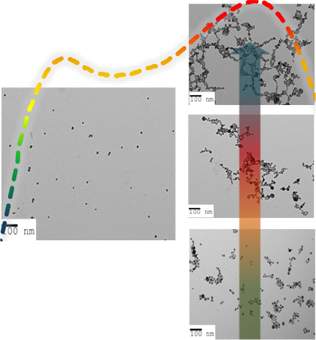
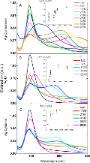
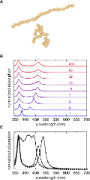
- , end-to-end (via the polystyrene-capped (111) facet) assembly was noticed for more hydrophilic solvent combinations [42]. This helps to understand the role of water in the growth of the AgNPs–cysteamine assemblies under study. The poorer affinity of “heavy” cysteamine to the solvent (light water


Reasons and remedies for the agglomeration of multilayered graphene and carbon nanotubes in polymers
Beilstein J. Nanotechnol. 2016, 7, 1174–1196, doi:10.3762/bjnano.7.109
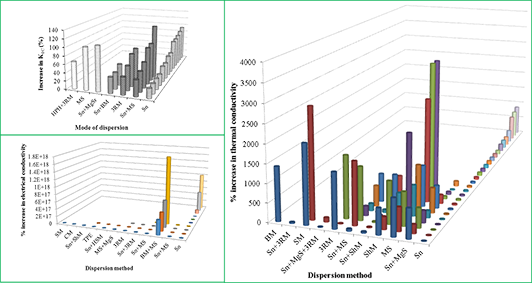
- properties using TEM in polystyrene–1 wt % MWNT. They have reported a 42% increase in breaking strength, which is an indication of strong interfacial adhesion [144]. The trend for strength and modulus with varying content of CSCNT loading is shown in Figure 15 [141]. It can be seen that mechanical properties


Experimental and simulation-based investigation of He, Ne and Ar irradiation of polymers for ion microscopy
Beilstein J. Nanotechnol. 2016, 7, 1113–1128, doi:10.3762/bjnano.7.104
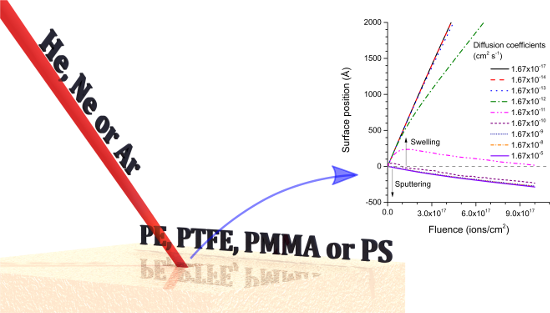
- studies on monatomic bombardment on polymers report on 5 keV and 500 eV Ar atom bombardment of polystyrene oligomers [21] and polystyrene molecules containing 61 repeat units [22] adsorbed on Ag(111), respectively. In the first study, the excited volume in the substrate induces collective motion which
- composition can be found. Methods Experimental setup For this study, different polymer samples were spin-coated on silicon (111). The homopolymers of polystyrene (PS) with molecular mass Mw = 1 900 (Mw/Mn = 1.10) and poly(methyl methacrylate) (PMMA) with molecular mass Mn = 22 200 (Mw/Mn = 1.07) were obtained
- evolution of the He, Ne and Ar positions in the system at atomic level. Four different polymers have been selected: polyethylene (PE), polytetrafluoroethylene (PTFE), atactic polystyrene (PS) and poly(methyl methacrylate) (PMMA). Different polymer samples have been created, each sample containing 10


Multiwalled carbon nanotube hybrids as MRI contrast agents
Beilstein J. Nanotechnol. 2016, 7, 1086–1103, doi:10.3762/bjnano.7.102
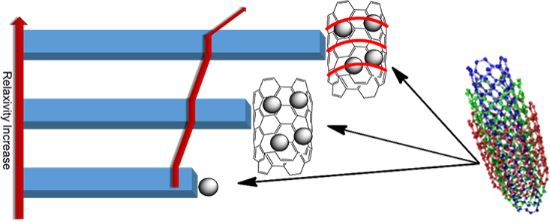
- conditions [34]. The so-obtained hybrids were further wrapped with anionic polyelectrolyte polystyrene sulfonate (PSS) and then with cationic polyethylenimine (PEI). A modification of this hybrid, PEI/PSS/SPIO/oMWCNT#Yin, was additionally synthesized by covalent carboxylic-amine crosslinking with folic acid



Generalized Hertz model for bimodal nanomechanical mapping
Beilstein J. Nanotechnol. 2016, 7, 970–982, doi:10.3762/bjnano.7.89
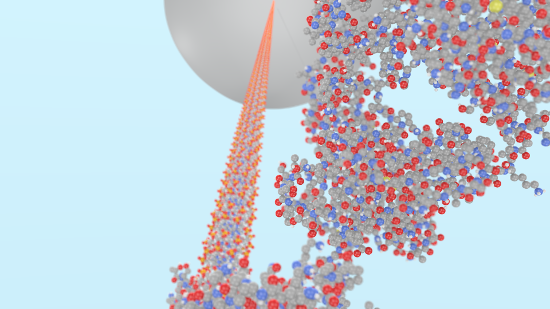
- experimental data and extract a shape and size of the tip interacting with a polystyrene surface. Keywords: bimodal atomic force microscopy; bimodal spectroscopy; contact mechanics; multifrequency; nanomechanical mapping; nanomechanics; Introduction Over the decades since its invention [1] the atomic force
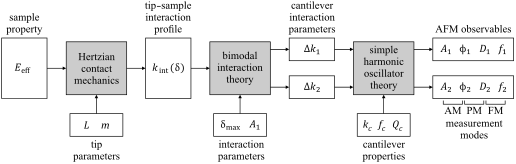
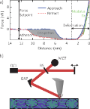
- amplitude modulation (AM) [1][18][19], phase modulation (PM) [43][44][45][46] and frequency modulation (FM) [23][36][47]. Finally, a method for extracting the tip size and tip shape from bimodal AFM approach curves is presented and demonstrated on a polystyrene sample. Figure 1 provides a diagram of the
- measurements [39][55]. Here, the AM-AM, AM-PM and AM-FM configurations are explored in detail. Practical considerations for these choices will be discussed later. Results A polystyrene surface was probed with bimodal approach curves (also known as “force–distance” curves), where the bimodally oscillating


![[Graphic 4]](/bjnano/content/inline/2190-4286-7-89-i40.png?max-width=637&scale=1.18182) approximation applied to Equation 6 i...
approximation applied to Equation 6 i...


Large-scale fabrication of achiral plasmonic metamaterials with giant chiroptical response
Beilstein J. Nanotechnol. 2016, 7, 914–925, doi:10.3762/bjnano.7.83
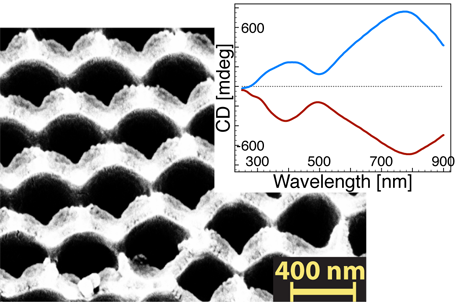
- been investigated. These have been thoroughly studied [17][18][19][20] and other structures including theoretical suggestions are limited to plasma sphere arrays [21], gold dot arrays [22], gold square arrays [23], metal disk arrays [24], two layer hole arrays [25], polystyrene sphere templates for
- [31], preassembled nanoparticles [32][33][34] and a variety of colloidal nanolithography techniques [35][36][37]. Compared to the above mentioned PCMs, the experimentally proven ECMs only comprise structures from polystyrene sphere templates for gold deposition [26], structures formed by carbon

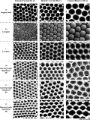


![[Graphic 2]](/bjnano/content/inline/2190-4286-7-83-i2.png?max-width=637&scale=1.18182) , of incident light with respect to the ECM structures.
, of incident light with respect to the ECM structures.



Magnetic switching of nanoscale antidot lattices
Beilstein J. Nanotechnol. 2016, 7, 733–750, doi:10.3762/bjnano.7.65
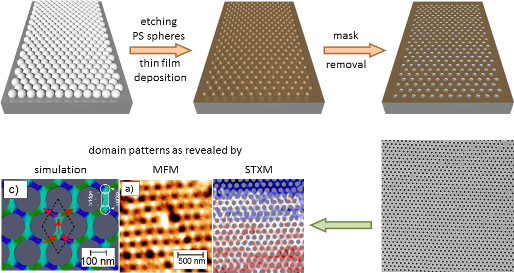
- , nanosphere lithography offers the preparation of a self-assembled monolayer on the time scale of minutes even on a centimetre length scale. In this work, polystyrene(PS)-based nanosphere lithography was chosen, since monodisperse PS nanosphere suspensions are nowadays commercially available with a wide range



Tight junction between endothelial cells: the interaction between nanoparticles and blood vessels
Beilstein J. Nanotechnol. 2016, 7, 675–684, doi:10.3762/bjnano.7.60
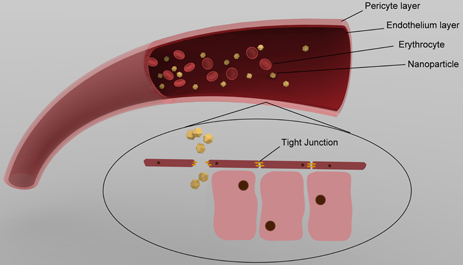
- exposure to NPs (polystyrene nanoparticles, quantum dots, single-wall carbon nanotubes) results in the disruption of the alveolar epithelial barrier, the extent of which also depends on the composition, shape and surface charge of the NPs [31]. Carbon nanotubes also show their capacity to penetrate the

Correlative infrared nanospectroscopic and nanomechanical imaging of block copolymer microdomains
Beilstein J. Nanotechnol. 2016, 7, 605–612, doi:10.3762/bjnano.7.53
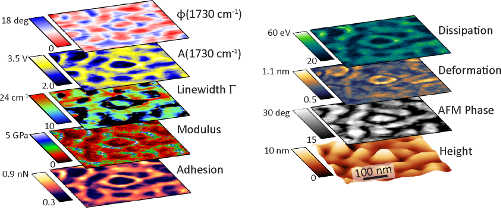
- properties between and within polymer microdomains. Methods We study a high molecular weight block copolymer of polystyrene-block-poly(methyl methacrylate) (PS-b-PMMA), with a relative chain length of 270.0-b-289.0 Mn × 103 (P4443-SMMA, Polymer Source), spin-coated from a 1% w/v solution in toluene onto
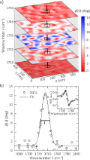
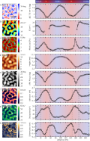


![[Graphic 9]](/bjnano/content/inline/2190-4286-7-53-i10.png?max-width=637&scale=1.18182) (1730 ...
(1730 ...
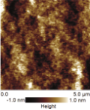
Characterization of spherical domains at the polystyrene thin film–water interface
Beilstein J. Nanotechnol. 2016, 7, 581–590, doi:10.3762/bjnano.7.51
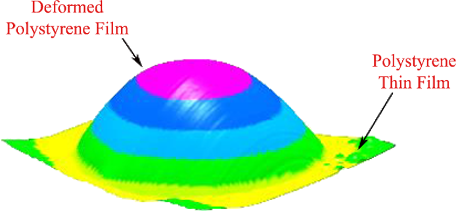
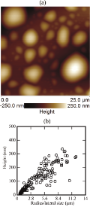
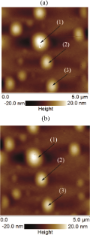
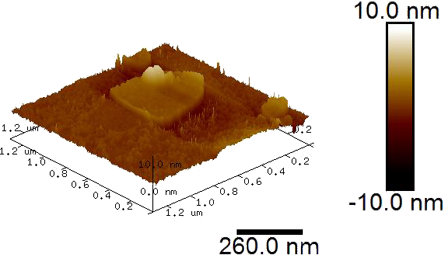
- , University of Engineering and Technology, Peshawar, Pakistan State Key Laboratory of Robotics and Systems and School of Mechatronics Engineering, Harbin Institute of Technology, Harbin 150001, P.R. China 10.3762/bjnano.7.51 Abstract Spherical domains that readily form at the polystyrene (PS)–water interface
- have been used to produce such films. Polystyrene (PS) is one of the most widely used materials for the preparation of thin films. Thin PS films have been prepared by spin coating [11][12][13][14][15]. So far, these films have been used in different studies related to surface and interface science, for
- , China), polystyrene beads (average MW ≈350,000; Aldrich, USA), AFM cantilevers (RTESPA, DNP, SNL; Bruker, USA), AFM (Innova; Bruker, USA), digital microscope (KH1300; Hirox, Japan), spin coater (KW-4A; SETCAS Electronics Co. Ltd., Beijing, China), and drop meter (MAIST, Vision, China). Sample




Active multi-point microrheology of cytoskeletal networks
Beilstein J. Nanotechnol. 2016, 7, 484–491, doi:10.3762/bjnano.7.42

- viscoelastic media. Experimental Human keratins 8 and 18 were isolated and purified according to [28][29]. They were assembled into networks in 10 mM Tris-HCl buffer with a protein concentration of 0.5 g/L. Polystyrene beads with 1 µm diameter were incorporated in the network as measuring probes for


High-bandwidth multimode self-sensing in bimodal atomic force microscopy
Beilstein J. Nanotechnol. 2016, 7, 284–295, doi:10.3762/bjnano.7.26
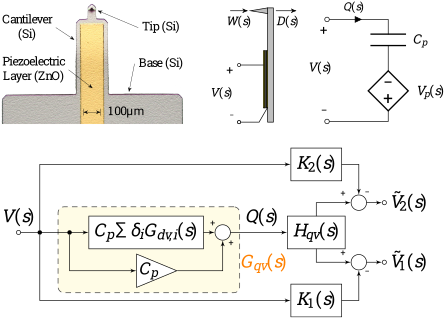
- calibration grating available from NT-MDT with periodic rectangular features of heights h = 21.6 ± 1.5 nm and a blend of polystyrene (PS) and polyolefin elastomer (ethylene-octene copolymer) (LDPE) available from Bruker (PS-LDPE-12M). The PS regions of the sample have elastic modulus numbers around 2 GPa


Characterisation of thin films of graphene–surfactant composites produced through a novel semi-automated method
Beilstein J. Nanotechnol. 2016, 7, 209–219, doi:10.3762/bjnano.7.19
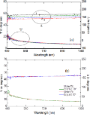
- ]. Multi layered films of graphene were deposited onto gold-coated glass microscope slides by alternating layers of graphene–surfactant with oppositely charged polyelectrolytes, e.g., graphene(+)CTAB layers alternated with polyanionic layers of sodium polystyrene sulfonate (PSS), while graphene(−)SDS was




Single-molecule mechanics of protein-labelled DNA handles
Beilstein J. Nanotechnol. 2016, 7, 138–148, doi:10.3762/bjnano.7.16
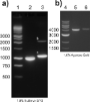
- ) were conjugated with streptavidin or neutravidin proteins. The DIG-modified ends of these hybrids were bound to surface-modified polystyrene (anti-DIG) beads. Using different physiological buffers, optical force measurements showed consistent mechanical characteristics with long dissociation times
- ) in high-resolution measurements [10]. We previously presented optical force rupture measurements of the nascent polypeptide chain from biotinylated ribosomes, which were specifically bound to surface-modified polystyrene beads [11]. While the ribosome was translating, the biotinylated lysine residue
- and coupling to polystyrene beads PCR amplification of plasmid pTYB1 (7477 bp, New England Biolabs, Ireland (NEB)) with 5’-biotin (5’-AAT TCT TGA AGA CGA AAG GGC GGC-3’ for 4056 bp DNA and 5’-GGA TAC GAC GAT ACC GAA GAC AGC-3’ for 3034 bp DNA) and 5’-thiol or 5’-DIG end-modified primers (both have the



Chemical bath deposition of textured and compact zinc oxide thin films on vinyl-terminated polystyrene brushes
Beilstein J. Nanotechnol. 2016, 7, 102–110, doi:10.3762/bjnano.7.12
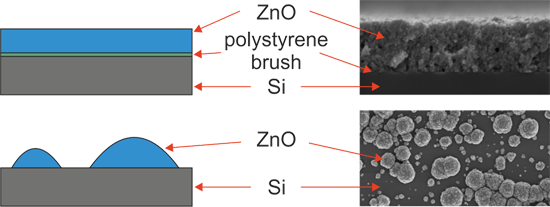
- polystyrene brush on the deposition of ZnO thin films under moderate conditions. On a non-modified SiOx surface, island growth is observed, whereas the polymer brush induces homogeneous film growth. A chemical modification of the polystyrene brushes during the mineralization process occurs, which enables
- measurements as well as scanning electron microscopy (SEM), atomic force microscopy (AFM) and X-ray diffraction (XRD). Infrared spectroscopy (IR) measurements were used to investigate the polystyrene brushes before and after modification. Keywords: bioinspired synthesis; polymer brush; template activation
- [36] as organic templates are known, which can modify the surface charge on the substrates for ZnO precipitation under moderate conditions. Based on these studies, we investigated the ZnO film formation on silicon wafers modified with vinyl-terminated polystyrene (PS) brushes. Those brushes consist of





