


Search results
Search for "efficiency" in Full Text gives 1038 result(s) in Beilstein Journal of Nanotechnology. Showing first 200.
Mechanistic insights into endosomal escape by sodium oleate-modified liposomes
Beilstein J. Nanotechnol. 2024, 15, 1667–1685, doi:10.3762/bjnano.15.131
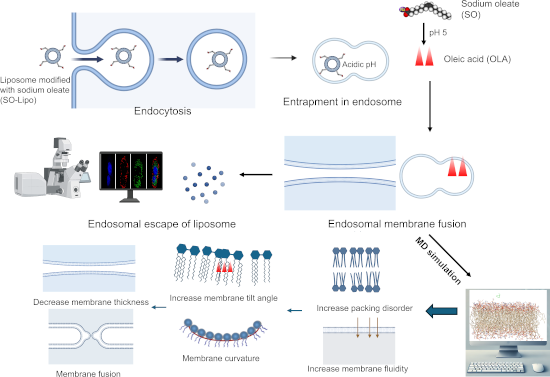
- , and AUR-Lipo formulations. The particle sizes were 102.2 ± 3.30 nm for Unmodified-Lipo, 109.6 ± 7.65 nm for SO-Lipo, and 151.9 ± 5.88 nm for AUR-Lipo, with polydispersity indices below 0.25, indicating uniform size distribution. Endosomal escape efficiency was evaluated through confocal microscopy by
- Figure 3 illustrates the assessment of endosomal escape efficiency for Unmodified-Lipo, SO-Lipo, and AUR-Lipo after 2 and 6 h of incubation. The colocalization of the DiD-labeled liposomes (red) with LysoTracker-stained lysosomes (green) is a key indicator of whether the liposomes remain trapped within
- six-hour time point (Figure 3c,d), Unmodified-Lipo continued to exhibit notable colocalization, as evidenced by the yellow areas, albeit slightly diminished. In contrast, SO-Lipo and AUR-Lipo demonstrated further decreases in Pearson’s coefficients, confirming their superior escape efficiency over




Biomimetic nanocarriers: integrating natural functions for advanced therapeutic applications
Beilstein J. Nanotechnol. 2024, 15, 1619–1626, doi:10.3762/bjnano.15.127

- such as: loss of stability, low efficiency in crossing biological barriers, inadequate efficacy in reaching target active molecules, and poor biodistribution [13][14]. Nanocarriers are employed to transport raw materials, which can be vesicles or solid nanoparticles [15]. Despite the significant
- this context, biomimetic strategies using natural components emerge as revolutionary tools to overcome these challenges. The utilization of cellular components or parts thereof, such as macromolecules or membranes, can enhance drug delivery and therapeutic efficiency in the human body, representing a
- voltage and exposure time, can be optimized to improve efficiency. Though costly, this method is suitable for industrial applications [34][45]. Another strategy exploits electrostatic charges of nanocarriers and membrane vesicles. Opposite charges (negative for vesicles and positive for carriers) foster


Liver-targeting iron oxide nanoparticles and their complexes with plant extracts for biocompatibility
Beilstein J. Nanotechnol. 2024, 15, 1593–1602, doi:10.3762/bjnano.15.125
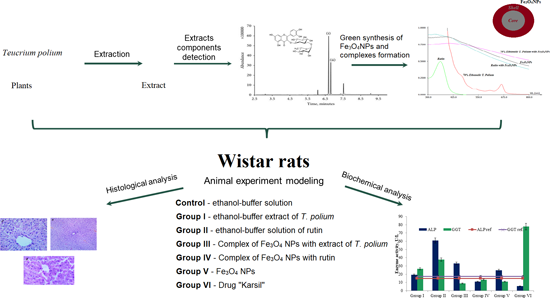
- interdisciplinary approach is to integrate advances in biotechnology, nanomaterials, biomedical robotics, and genetic engineering into the broader field of nanomedicine. On a larger scale, the application of nanotechnology in medicine enhances efficiency, accelerates processes, and improves functional performance
- activity, membrane leakage, and morphological changes. Toxic NPs can adversely affect cell viability, proliferation rate, and metabolic activity; also, they can reduce the therapeutic efficiency of the treatment [55]. The toxicity of NPs on biological entities fundamentally depends on the characteristics


Facile synthesis of size-tunable L-carnosine-capped silver nanoparticles and their role in metal ion sensing and catalytic degradation of p-nitrophenol
Beilstein J. Nanotechnol. 2024, 15, 1576–1592, doi:10.3762/bjnano.15.124
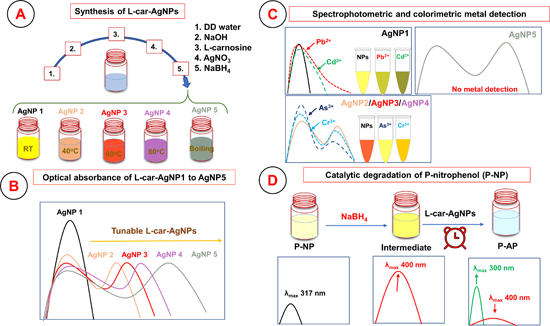
- intensity. The catalytic efficiency was quantified using the following equation: where C0 represents the initial concentration at t = 0 and Ct denotes the concentration at time t. Results and Discussion Synthesis of ʟ-carnosine-capped tunable silver nanoparticles ʟ-car-AgNPs were synthesized using a wet
- -AgNP1 led to the degradation of 0.25 mM P-NP within 90 s of the reaction, achieving a degradation efficiency of 95.5% (Figure 9a). In comparison, ʟ-car-AgNP2, ʟ-car-AgNP3, ʟ-car-AgNP4, and ʟ-car-AgNP5 achieved complete P-NP degradation within 100, 160, 140, and 220 s, respectively, with catalytic
- -AgNP4, ʟ-car-AgNP3, and ʟ-car-AgNP2 are nearly the same, but the lower rate constant in case of AgNP5 might be due to the formation of larger aggregates, which was confirmed by optical spectroscopy and TEM analysis. The high efficiency of AgNP2 might be due to its quasi-spherical shape. The catalytic




Ultrablack color in velvet ant cuticle
Beilstein J. Nanotechnol. 2024, 15, 1554–1565, doi:10.3762/bjnano.15.122

- distribution and organization of such microstructures influence the absorption efficiency and potential adaptive significance of ultrablack coloration in different ecological contexts. The role of ultrablack colors in nature is still a topic of debate, with limited evidence regarding the selective pressures
- pigment absorption that results in these remarkably absorptive surface. Especially, this kind of wasp-inspired technology may have its application in increasing efficiency of solar panels [20]. Further research is needed to uncover the mechanisms and functional roles of ultrablack coloration in velvet



The round-robin approach applied to nanoinformatics: consensus prediction of nanomaterials zeta potential
Beilstein J. Nanotechnol. 2024, 15, 1536–1553, doi:10.3762/bjnano.15.121
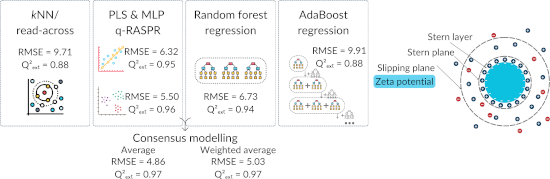
- possessing modest individual predictive prowess. However, when integrated into an ensemble, they collectively augment the predictive efficiency of the model. A notable distinction between the random forest algorithm and AdaBoost lies in their operational frameworks. In the random forest, individual
- -across and QSPR, has been recently introduced and applied to the prediction of NM cytotoxicity [44], power conversion efficiency of organic dyes in dye-sensitized solar cells [45][46], detonation heat for nitrogen containing compounds [47], and to the prediction of surface area of perovskite materials
- materials being studied, (ii) a random forest model, and (iii) an AdaBoost regression model, both of which stand out for their speed and computational efficiency. Last, two quantitative read-across structure-property relationship (q-RASPR) models were included that combine the advantages of read-across and


Integrating high-performance computing, machine learning, data management workflows, and infrastructures for multiscale simulations and nanomaterials technologies
Beilstein J. Nanotechnol. 2024, 15, 1498–1521, doi:10.3762/bjnano.15.119
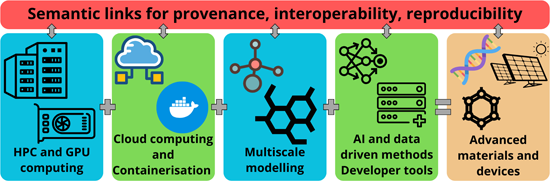
- efficiency of materials research. The integration of digital technologies into materials science has, thus, opened up exciting new possibilities for materials design, discovery, and innovation [14]. New, fully digitalized research directions for materials development are therefore emerging at the convergence
- computational challenges with greater speed and efficiency. The availability of powerful processors, increased memory capacity, and enhanced parallel computing architectures has significantly accelerated materials simulations and modelling [17]. In parallel, software technologies have undergone remarkable
- in materials development. Beside the implementation of automation and robotics in the development, synthesis, and characterization of materials, automation in modelling has emerged as a powerful approach to streamline and enhance the efficiency of computational studies. By leveraging digital


Polymer lipid hybrid nanoparticles for phytochemical delivery: challenges, progress, and future prospects
Beilstein J. Nanotechnol. 2024, 15, 1473–1497, doi:10.3762/bjnano.15.118
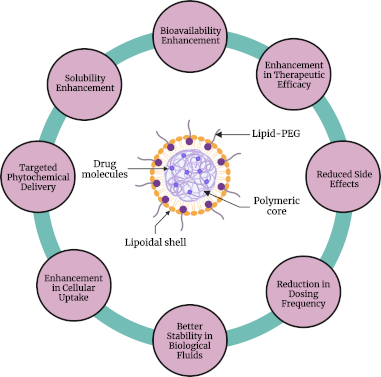
- . We discuss the obstacles in the conventional delivery of phytochemicals, the fundamental architecture of PLHNPs, and the types of PLHNPs, highlighting their ability to improve encapsulation efficiency, stability, and controlled release of the encapsulated phytochemicals. In addition, the surface
- polyethylene glycol (PEG), poly(lactic-co-glycolic acid) (PLGA), polycaprolactone (PCL), and chitosan (CHS), provides structural integrity, controlled release properties, and protection against premature degradation [14][15]. This hybrid structure improves the encapsulation efficiency of phytochemicals/drugs
- include their small particle size, high encapsulation efficiency, enhanced stability, and improved dissolution in harsh gastrointestinal (GI) fluids. Following oral administration, PLHNPs demonstrate superior intestinal absorption and bioavailability, attributed to their enhanced stability and dissolution


Ion-induced surface reactions and deposition from Pt(CO)2Cl2 and Pt(CO)2Br2
Beilstein J. Nanotechnol. 2024, 15, 1427–1439, doi:10.3762/bjnano.15.115

- atoms before the residual metal atoms are ultimately removed by physical sputtering, is analogous to the ion-induced reactions with adsorbed Ru(CO)4I2 [23]. In the present study, the relative efficiency of Pt atom sputtering is expected to be greatest for the heavier Ar+ ions [37][41]. Indeed, other



Lithium niobate on insulator: an emerging nanophotonic crystal for optimized light control
Beilstein J. Nanotechnol. 2024, 15, 1415–1426, doi:10.3762/bjnano.15.114
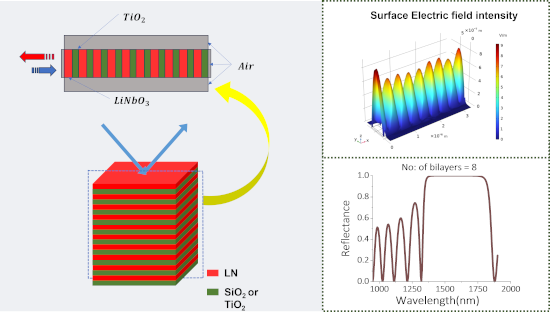
- to capture a wider range of sunlight compared to traditional materials, potentially leading to higher solar energy conversion efficiency [43]. Bae et al. focussed on lead sulfide (PbS) CQDs solar cells where they addressed the major challenge of charge carrier recombination which limits the
- resonant wavelength of the DBR can be selectively enhanced without increasing the CQD film thickness, thereby overcoming the inherent tradeoff in these devices. The combination of FP resonance and DBR increases the power conversion efficiency (PCE) of PbS CQD solar cells by 54% and enables a very thin PbS
- layer to absorb four times more near-infrared light [43]. Flip-chip micro light-emitting diodes (micro-LEDs) are a revolutionary technology with the potential to create next-generation HDR displays due to their tiny size, exceptional brightness, wide color gamut, and energy efficiency [44][45][46


Nanotechnological approaches for efficient N2B delivery: from small-molecule drugs to biopharmaceuticals
Beilstein J. Nanotechnol. 2024, 15, 1400–1414, doi:10.3762/bjnano.15.113
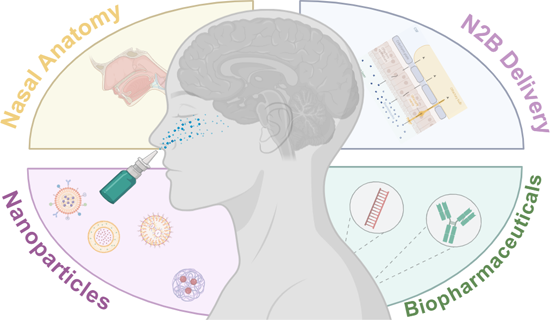
- . While the systemic route of administration with the combination of drug delivery systems (DDSs) to cross the BBB has been promising, the efficiency is often not yet satisfactory [17]. Another noninvasive technique, nose-to-brain delivery or nasal-to-brain delivery (N2B delivery), in contrast, bypasses
- opportunity to modify the release profile of the drugs, enhance targeting efficiency, and improve nasal permeation during intranasal administration [21][22][23][24]. In general, the encapsulation of active pharmaceutical ingredients (APIs) into mucoadhesive DDSs can mitigate rapid mucociliary clearance [25
- showed higher encapsulation efficiency for the positively charged ghrelin at pH 7.4, indicating that the choice of the anionic/cationic liposomes should be based on the desired application as well as the encapsulated substance. Moreover, a chitosan chloride coating increased mucin adsorption by


Out-of-plane polarization induces a picosecond photoresponse in rhombohedral stacked bilayer WSe2
Beilstein J. Nanotechnol. 2024, 15, 1362–1368, doi:10.3762/bjnano.15.109
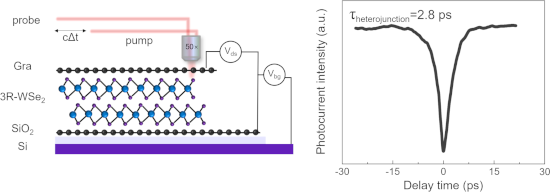
- .15.109 Abstract Constructing van der Waals materials with spontaneous out-of-plane polarization through interlayer engineering expands the family of two-dimensional ferroelectrics and provides an excellent platform for enhancing the photoelectric conversion efficiency. Here, we reveal the effect of
- lead to a high-efficiency photoelectric conversion that has the potential to surpasses the Shockley–Queisser limit [24][31][32][33][34]. In this regard, constructing 2D vdW semiconductors with OOP polarization and moderate bandgap holds great promise for high-performance self-powered BPVE devices. More


Hymenoptera and biomimetic surfaces: insights and innovations
Beilstein J. Nanotechnol. 2024, 15, 1333–1352, doi:10.3762/bjnano.15.107
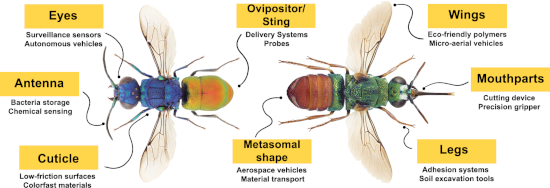
- materials and devices that replicate the efficiency and functionality of insect body structures, driving progress in medical technology, robotics, environmental monitoring, and beyond. Keywords: arthropods; bio-inspired surfaces; bioengineering; cuticle; nanoscale structures; Introduction The body
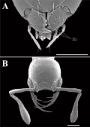
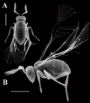
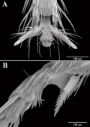
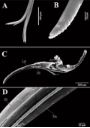
- , scientists and engineers can develop innovative materials and devices that mirror the efficiency and functionality of Hymenopteran anatomy. Here we describe the structural adaptations on the surfaces of the body of Hymenoptera (Figure 2) with potential biomimetic applications. By analyzing their unique
- of some species reduce friction and wear, inspiring the development of low-friction materials and coatings. By mimicking these natural textures, it is possible to create synthetic materials that exhibit similar friction-reducing properties, leading to significant advancements in mechanical efficiency




Nanoarchitectonics with cetrimonium bromide on metal nanoparticles for linker-free detection of toxic metal ions and catalytic degradation of 4-nitrophenol
Beilstein J. Nanotechnol. 2024, 15, 1312–1332, doi:10.3762/bjnano.15.106
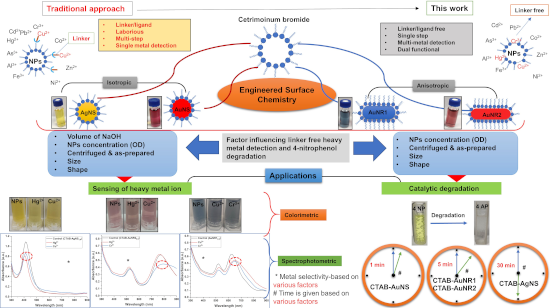
- , metal composition, centrifugation, and NaOH amount, were investigated for their impact on the performance of CTAB-capped nanoparticles in heavy metal detection and 4-NP degradation. CTAB-Au nanospheres demonstrated limited heavy metal ion detection capability but exhibited remarkable efficiency in




Mn-doped ZnO nanopowders prepared by sol–gel and microwave-assisted sol–gel methods and their photocatalytic properties
Beilstein J. Nanotechnol. 2024, 15, 1283–1296, doi:10.3762/bjnano.15.104
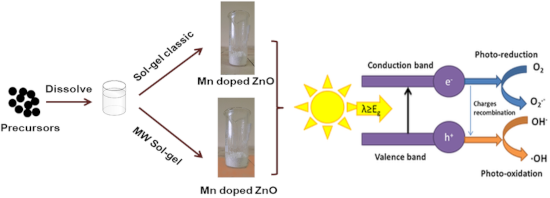
- photocatalyst for organic pollutant degradation but also underscore the importance of optimizing synthesis methods to enhance efficiency and reduce energy consumption. These advancements are crucial for addressing pressing environmental challenges and pave the way for more sustainable approaches to water


Functional morphology of cleaning devices in the damselfly Ischnura elegans (Odonata, Coenagrionidae)
Beilstein J. Nanotechnol. 2024, 15, 1260–1272, doi:10.3762/bjnano.15.102

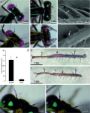
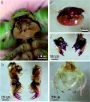
- particle removal efficiency in intact insects and in insects with ablated grooming devices. The grooming devices are constituted of long setae from which a concave cuticular lamina develops towards the medial side of the leg. Each seta shows a material gradient of resilin from its basal to the distal
- efficiency of the grooming activity have been largely investigated in old and recent papers [26][27]. The antenna cleaner is usually formed from a modified fore tibia, tibial spurs, and/or fore basitarsus, but its morphology varies greatly among groups [20]. In Hemiptera, antennal grooming involves scraping
- confocal laser scanning microscopy (CLSM). The eye and antennal grooming behavior of the damselfly Ischnura elegans (Vander Linden, 1820) adults (Odonata, Coenagrionidae) was observed and analyzed to evaluate the particle removal efficiency in intact and ablated insects. Material and Methods Insects


Dual-functionalized architecture enables stable and tumor cell-specific SiO2NPs in complex biological fluids
Beilstein J. Nanotechnol. 2024, 15, 1238–1252, doi:10.3762/bjnano.15.100
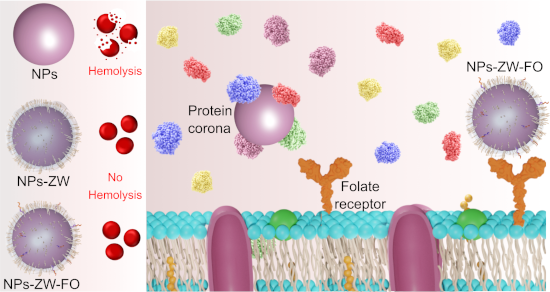
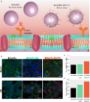
- exhibit heightened efficacy and reduced toxicity for medical purposes. Keywords: colloidal stability; complex media; functionalized nanoparticles; hemolysis; targeting tumor; Introduction In recent years, there has been a growing search for developing high-efficiency nanomedicines for cancer treatment
- biological identity of these particles, impairing their therapeutic efficiency [12][13][14][15]. Proteins and other biomolecules can be adsorbed on the surface of NPs (protein corona formation), masking their original functionality and hiding their target ability [16][17][18]. Protein corona can further lead
- to the formation of aggregates of NPs and activation of unplanned biological pathways (e.g., the complement system) [16][17][18]. The factors mentioned above hamper the biodistribution of nanomedicines and their targeting efficiency, therefore causing adverse effects. Multiple functionalization


Enhanced catalytic reduction through in situ synthesized gold nanoparticles embedded in glucosamine/alginate nanocomposites
Beilstein J. Nanotechnol. 2024, 15, 1227–1237, doi:10.3762/bjnano.15.99
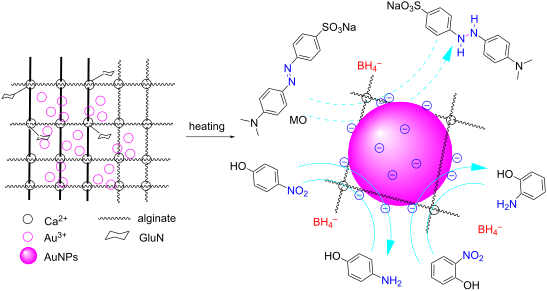
- particular, have demonstrated significant control over the nucleation and growth of metallic nanoparticles. Utilizing polysaccharide-mediated procedures for AuNP synthesis offers several advantages over conventional methods, including cost-effectiveness, energy efficiency, low toxicity, and eco-friendliness
- metallic ions onto the nanogel and the subsequent reduction [22][23]. In recent studies, in situ reduction of metal nanoparticles (MNPs) has been explored to enhance synthetic efficiency and streamline procedures by employing disaccharides such as lactose [24][25]. However, the potential of monosaccharides
- resulting nanocomposites were characterized using various analytical techniques and demonstrated efficacy in the catalytic reduction of nitrophenols and methyl orange. A comparative analysis of the reduction processes was carried out to confirm the enhanced efficiency of the nanocomposites. Experimental



Realizing active targeting in cancer nanomedicine with ultrasmall nanoparticles
Beilstein J. Nanotechnol. 2024, 15, 1208–1226, doi:10.3762/bjnano.15.98
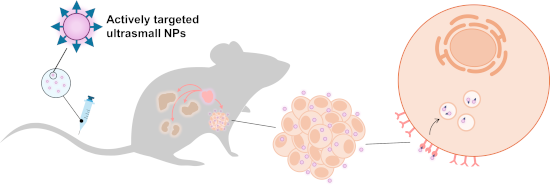
- % ID/g, while PEG-coated AuNCs displayed even higher passive tumor uptake efficiency of ≈8% ID/g owing to their longer blood retention time [77]. Besides achieving decent tumor uptake levels in some cases, usNPs exhibit easier penetration and diffusion through the dense tumor microenvironment relative


Synthesis, characterization and anticancer effect of doxorubicin-loaded dual stimuli-responsive smart nanopolymers
Beilstein J. Nanotechnol. 2024, 15, 1189–1196, doi:10.3762/bjnano.15.96
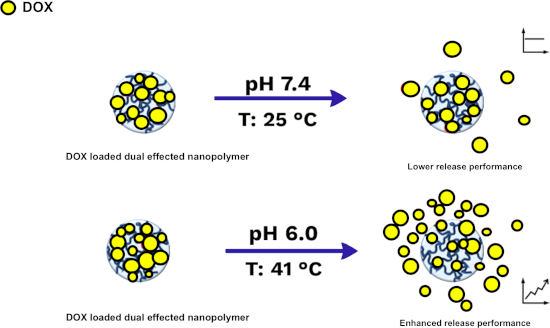
- . The encapsulation efficiency was determined using Equation 1: As expected, DOX was successfully encapsulated in the SNPs. The combination of temperature-sensitive pNIPA and pH-sensitive VIm was investigated at two temperatures (25 and 41 °C) and two pH values (pH 6.0 and 7.4). The total release of DOX
- of treatment, their presence in the liver was lower than that of a Doxil mimic. DOX polymersomes showed better efficiency than the Doxil mimic against tumor after one injection at lower doses. Both formulations induced the similar changes in body and in blood of mice as follows from histological and


Quantum-to-classical modeling of monolayer Ge2Se2 and its application in photovoltaic devices
Beilstein J. Nanotechnol. 2024, 15, 1153–1169, doi:10.3762/bjnano.15.94
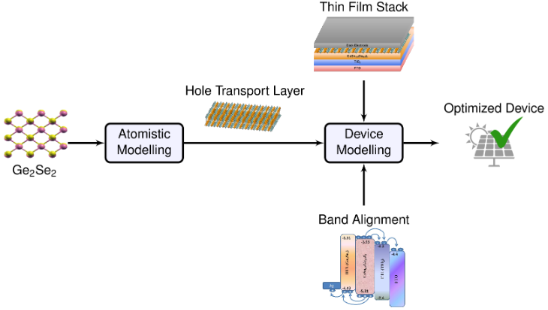
- coefficient and a high dielectric constant inspired the design of a monolayer Ge2Se2-based solar cell, exhibiting a high open circuit voltage of Voc = 1.11 V, a fill factor of 87.66%, and more than 28% power conversion efficiency at room temperature. Our findings advocate monolayer Ge2Se2 for various
- in the last few decades has led to many successful breakthroughs in terms of the stability, efficiency, and cost of PV technology. In the past few decades, perovskite solar cells (PSCs) have emerged as a groundbreaking technology in the field of renewable energy because of their remarkable efficiency
- all these cases, the transport layer thicknesses are taken as sufficiently high. During the last few decades, researchers claimed that ETLs/HTLs of two-dimensional materials could achieve high power conversion efficiency (PCE) and optimum device performance [18][19]. The key features of the 2D




Introducing third-generation periodic table descriptors for nano-qRASTR modeling of zebrafish toxicity of metal oxide nanoparticles
Beilstein J. Nanotechnol. 2024, 15, 1142–1152, doi:10.3762/bjnano.15.93
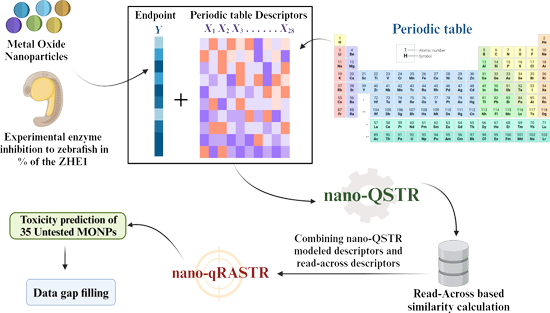
- the outer electrons in larger atoms, which might reduce the efficiency of electronic interactions essential for binding or catalytic activity. Our nano-QSTR model suggests that the enzymatic activity of ZHE1 in zebrafish is influenced negatively by the total electronegativity of metals and the atomic


Photocatalytic methane oxidation over a TiO2/SiNWs p–n junction catalyst at room temperature
Beilstein J. Nanotechnol. 2024, 15, 1132–1141, doi:10.3762/bjnano.15.92
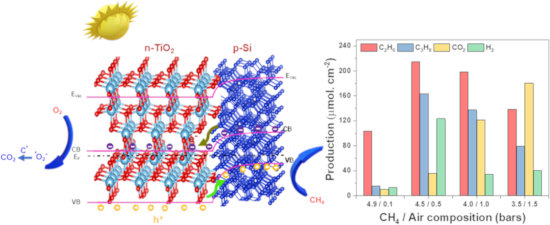
- of TiO2 on p-type SiNWs. The TiO2/SiNWs heterostructure exhibited an outstanding OCM performance under simulated solar light irradiation compared to the single components. This enhanced efficiency was attributed to the intrinsic electrical field formed between n-type TiO2 and p-type SiNWs, which
- because of its high stability, good dispersibility, and narrow energy bandgap. However, pristine TiO2 shows only low photocatalytic efficiency because of the high recombination rate between holes and electrons and the low visible-light harvesting ability [20][21][22]. The rapid recombination of charge
- carriers prior to their participation in reactions significantly reduces the efficiency of methane oxidation reactions [23][24]. To address these issues of TiO2 nanomaterials, many scientists have developed TiO2-based nanostructure composites as advanced photocatalysts [25][26][27][28][29][30]. The


Recent updates in applications of nanomedicine for the treatment of hepatic fibrosis
Beilstein J. Nanotechnol. 2024, 15, 1105–1116, doi:10.3762/bjnano.15.89
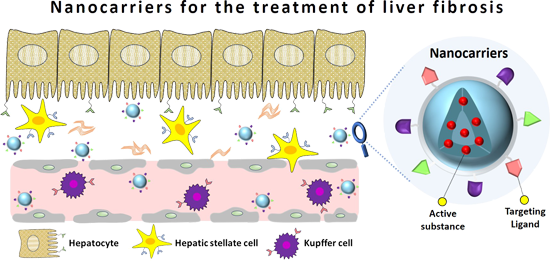
- activated HSCs in liver fibrosis resulted in a loss of the fenestrae, hindering plasma to reach the perisinusoidal space [43]. As the disease progresses, the reduced blood flow and the blockage of portal flow through the liver could diminish the efficiency of drug delivery. Nanoencapsulation as passive
- the FDA up to 2019 [46]. They consist of PLGA microparticles, solid implants, and in situ gels; none of them is a PLGA NP formulation. This fact indicates that there are some challenges, including poor drug entrapment efficiency and drug release kinetics from PLGA nanoformulations [47]. Regarding
- into the solid lipid NPs using the microemulsion-probe ultrasound method, while mannose 6-phosphate was conjugated to albumin. The mannose 6-phosphate-conjugated albumin was then decorated onto the surface of matrine-loaded solid lipid NPs, and its HSC-targeting efficiency was evaluated in vitro and in


Unveiling the potential of alginate-based nanomaterials in sensing technology and smart delivery applications
Beilstein J. Nanotechnol. 2024, 15, 1077–1104, doi:10.3762/bjnano.15.88
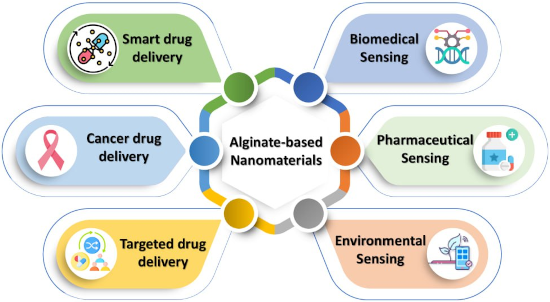
- body, increasing the delivery efficiency of drugs [41]. In addition to drug delivery, sensing technologies are also of great importance in healthcare. Sensing technologies enable healthcare professionals to monitor patients’ health conditions, track the effectiveness of treatments, and detect any
- evaporation, and nanoprecipitation. Advances in alginate-based nanoparticle design have resulted in increased drug encapsulation efficiency, allowing for larger drug payloads within the nanoparticles. Biopolymeric nanoparticles have become the most commonly used nanoparticle DDSs in recent years. The
- mucoadhesive DDSs for cervical cancer [77]. The BCHI/ALG NPs were less than 390 nm in size and showed a drug encapsulation efficiency of 98.1–99.8%, and a drug loading capacity of 326.9–332.7 g/mg. Surprisingly, boronated chitosan-loaded alginate demonstrated a greater mucoadhesive capacity compared to CHI/ALG





