


Search results
Search for "electron" in Full Text gives 2014 result(s) in Beilstein Journal of Nanotechnology. Showing first 200.
Clays enhanced with niobium: potential in wastewater treatment and reuse as pigment with antibacterial activity
Beilstein J. Nanotechnol. 2025, 16, 141–154, doi:10.3762/bjnano.16.13
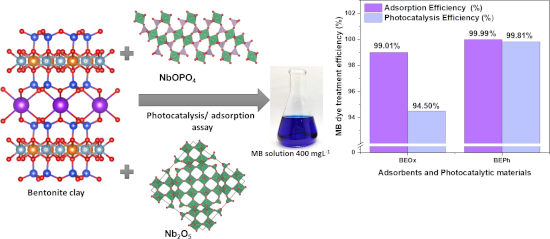
- comparison obtained regarding the percentage of removal from adsorption and heterogeneous photocatalysis tests. The photocatalysis mechanism can be explained as follows: a semiconductor such as the BEPh and BEOx samples absorbs a photon, promoting an electron from the valence band (VB) to the conduction band
- modified clays BEOx and BEPh, which exhibit a strong affinity with the positively charged structure of the MB dye. On the other hand, the BEOx and BEPh samples demonstrated significant efficacy in MB removal, with removal rates of 94.5% and 99.81%, respectively. The preferential electron–hole (hBV



TiO2 immobilized on 2D mordenite: effect of hydrolysis conditions on structural, textural, and optical characteristics of the nanocomposites
Beilstein J. Nanotechnol. 2025, 16, 128–140, doi:10.3762/bjnano.16.12
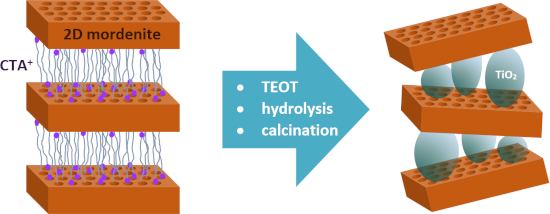
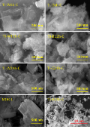
- studied composites. The scanning electron microscopy (SEM) image of the initial lamellar mordenite sample MOR-L is also shown for comparison. As can be seen, MOR-L exhibits elongated plates up to 1 μm long and 0.1 μm wide, combined into stacks. After introduction of TEOT followed by hydrolysis and
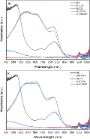
- diffuse reflectance spectra. In this method, it is assumed that the energy-dependent absorption coefficient α can be written as where h is the Planck constant, hν is the photon energy, and B is a constant. The factor n depends on the nature of the electron transition, that is, n = 1/2 for direct and n = 2



Comparison of organic and inorganic hole transport layers in double perovskite material-based solar cell
Beilstein J. Nanotechnol. 2025, 16, 119–127, doi:10.3762/bjnano.16.11
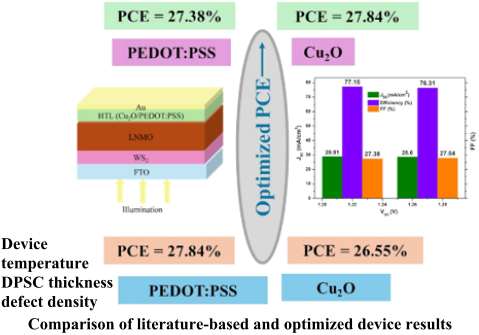
- performance. Keywords: double perovskite solar cell (DPSC); electron transport layer (ETL); hole transport layer (HTL); SCAPS-1D; simulation; Introduction The rapid growth of the world population has increased the global need for energy, which has become undoubtedly quite strong. To date, the energy
- 2009 to 26.1% in 2023 [5][6]. PSCs consist of an absorber layer sandwiched between charge transport layers (CTLs), that is, the hole transport layer (HTL) and the electron transport layer (ETL). Light generates excitons, which further dissociate into electrons and holes. The electrons and holes are
- equation is as follows [20]: where e is the electronic charge, ϕ is the electric potential, ε0 is the vacuum permittivity, εr is the relative permittivity, p(x) and n(x) are, respectively, hole and electron position dependence, ND is the shallow donor density, NA is the acceptor donor density, and ρp and


Modeling and simulation of carbon-nanocomposite-based gas sensors
Beilstein J. Nanotechnol. 2025, 16, 90–96, doi:10.3762/bjnano.16.9
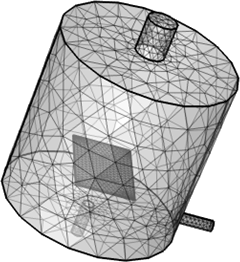
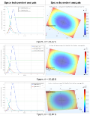
- showed high sensitivity towards strong electron-withdrawing molecules for NO2 gas detection [10]. To simulate gas adsorption in COMSOL Multiphysics for a gas sensor, several adsorption models can be employed depending on the physical and chemical behavior of the sensor. Commonly used models include the



Characterization of ZnO nanoparticles synthesized using probiotic Lactiplantibacillus plantarum GP258
Beilstein J. Nanotechnol. 2025, 16, 78–89, doi:10.3762/bjnano.16.8
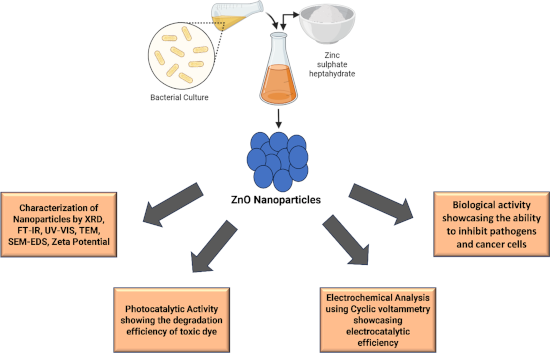
- characterization using UV–vis spectroscopy, Fourier-transform infrared spectroscopy, X-ray diffraction measurements, energy-dispersive X-ray spectroscopy, scanning and transmission electron microscopy, photocatalytic studies, electrochemical analysis, and determination of antibacterial and anticancer activity. The
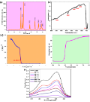
- reduction currents and increased peak oxidation, indicating rapid electron transport at the contacts between the electrolyte and electrode. Pseudo-capacitive behavior was observed in both electrolytes, where ionic conductivity influenced capacitance [17][18]. The addition of dextrose increased the redox
- frequency (ω), Y, and n. The obtained results suggest robust electron transfer and enhanced electrocatalytic efficiency in dextrose oxidation [19][20][21] (Figure 5). Antibacterial activity of ZnO NPs The biogenic ZnO NPs presented a good dispersion and exhibited antibacterial activity against both Gram



Instance maps as an organising concept for complex experimental workflows as demonstrated for (nano)material safety research
Beilstein J. Nanotechnol. 2025, 16, 57–77, doi:10.3762/bjnano.16.7

- focused on silica (SiO2) nanomaterials in the size range of 50–100 nm (depending on the method used, i.e., transmission electron microscopy, nanoparticle tracking analysis, or dynamic light scattering (intensity or number distribution)) with different surface modifications, which are reported to be


Precursor sticking coefficient determination from indented deposits fabricated by electron beam induced deposition
Beilstein J. Nanotechnol. 2025, 16, 35–43, doi:10.3762/bjnano.16.4

- Alexander Kuprava Michael Huth Physics Institute, Goethe University Frankfurt, Max-von-Laue-Str. 1, 60438 Frankfurt am Main, Germany 10.3762/bjnano.16.4 Abstract A fast simulation approach for focused electron beam induced deposition (FEBID) numerically solves the diffusion–reaction equation
- (continuum model) of the precursor surface on the growing nanostructure in conjunction with a Monte Carlo simulation for electron transport in the growing deposit. An important requirement in this regard is to have access to a methodology that can be used to systematically determine the values for the set of
- the center region of an intentionally defocused electron beam. We employ the method to determine the precursor sticking coefficient for bis(benzene)chromium, Cr(C6H6)2, and trimethyl(methylcyclopentadienyl)platinum(IV), Me3CpPtMe, and find a value of about 10−2 for both precursors, which is


Bioinspired nanofilament coatings for scale reduction on steel
Beilstein J. Nanotechnol. 2025, 16, 25–34, doi:10.3762/bjnano.16.3

- shear stress at the plate is reported in Figure 2D for different angular velocities and corresponding volumetric flow rates. Super-hydrophobicity of SNF coatings on steel Figure 3A shows a scanning electron microscopy (SEM) image of a stainless-steel surface coated with SNFs. The wire-type structures
- induce corrosion of the samples. Scanning electron microscopy and energy-dispersive X-ray spectroscopy measurements Scanning electron microscopy images were acquired in a TESCAN CLARA (S8151) using the ANALYSIS and the UH-resolution scan mode with an accelerator voltage of 15 keV and 10 keV, a beam


A nanocarrier containing carboxylic and histamine groups with dual action: acetylcholine hydrolysis and antidote atropine delivery
Beilstein J. Nanotechnol. 2025, 16, 11–24, doi:10.3762/bjnano.16.2

- electron microscopy (TEM) images were taken with a Libra 120 EFTEM (A Carl Zeiss SMT AG Company, Oberkochen, Carl Zeiss, Germany) at 100 kV. Samples were spread on a 300 mesh copper grid with a carbon/formvar support film. 1H and 13C NMR spectra were obtained using a Bruker Avance 600 spectrometer with an


Orientation-dependent photonic bandgaps in gold-dust weevil scales and their titania bioreplicates
Beilstein J. Nanotechnol. 2025, 16, 1–10, doi:10.3762/bjnano.16.1
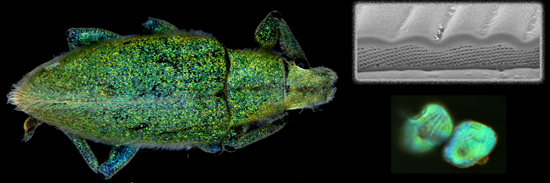
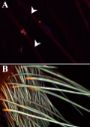
- . The domains in lattice orientation {100} exhibited polarization conversion. The structure inferred from optical measurements was confirmed using conventional and focused ion beam scanning electron microscopy (FIB-SEM). By averaging the reciprocal space images obtained from different lattice
- scales are composed of chitin and an undetermined short-wavelength absorbing pigment. To investigate whether the origin of the coloration is structural, we examined the external and internal structure of intact and plasma-etched elytral scales using scanning electron microscopy (Figure 2). Using a
- focused ion beam electron microscope, we exposed the diamond lattice chitinous network underneath the cortex of intact scales (Figure 2b,c). The upper cortex is ≈1 μm thick and has undulations spaced about 5 μm apart (Figure 2b), which were visible in the light microscopy images ( Figure 1b). The lower


Attempts to preserve and visualize protein corona on the surface of biological nanoparticles in blood serum using photomodification
Beilstein J. Nanotechnol. 2024, 15, 1654–1666, doi:10.3762/bjnano.15.130

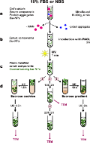
- ) in fetal bovine serum and newborn bovine serum; native sera served as a control. To isolate photomodified bio-NPs, we used ultracentrifugation (UC), sucrose gradient (12%, 30%, and 50%), and sucrose cushion (30%) methods. Isolated bio-NPs were visualized using transmission electron microscopy. The
- that, in addition to EVs, other “natural” NPs are present in the blood, namely, lipoproteins (LPs), which are not vesicles. The content of LPs in blood is incomparably higher than that of EVs [5][16]. Previously, we detected LPs using transmission electron microscopy (TEM) in various biological fluids
- these samples were spherical LPs of low electron density, having a homogeneous structure and different sizes (Figure 3a,e,f). According to [24], we identified LPs with a diameter of 10 nm and less as high-density LPs (Figure 3a,e,f), particles of 20–30 nm as low-density LPs (Figure 3a,e,f), and



Fabrication of hafnium-based nanoparticles and nanostructures using picosecond laser ablation
Beilstein J. Nanotechnol. 2024, 15, 1639–1653, doi:10.3762/bjnano.15.129
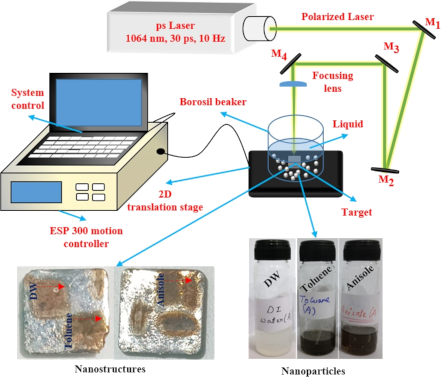
- mbar) using an electron beam melting furnace having a beam power of 60 kW (ELIT 60) at an accelerating voltage of 24 kV in a water-cooled crucible with feeding mechanism and an extraction system [32]. All operations were conducted at the Centre for Materials for Electronics Technology (CMET), Hyderabad
- techniques The synthesised NPs were drop-cast on carbon-coated copper grids to record transmission electron microscopy (TEM) images and selected area electron diffraction (SAED) patterns using a FEI Tecnai G2 S-Twin operating at 200 kV. Further, these NPs were drop-cast on cleaned Si substrates, and their
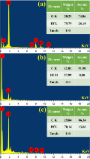
- morphology was analysed using field-emission scanning electron microscopy (FESEM); the composition was determined by EDX attached to the FESEM (Carl Zeiss Smart SEM ULTRA 55). Reflectivity was investigated using a UV–vis–NIR spectrometer (PerkinElmer Lambda 750). For photoluminescence (PL) measurements, a




Natural nanofibers embedded in the seed mucilage envelope: composite hydrogels with specific adhesive and frictional properties
Beilstein J. Nanotechnol. 2024, 15, 1603–1618, doi:10.3762/bjnano.15.126
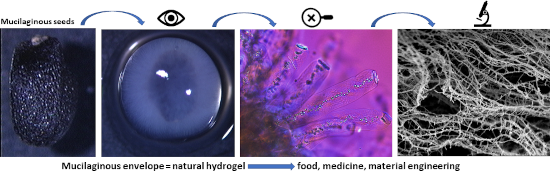
- its composition [14][15][16]. The nanoscale level of the spatial organisation of mucilage observed with scanning electron microscopy (SEM) reveals the complexity of the mucilage with special features, such as 3D organisation of polysaccharides in a net-like structure [7][13]. In the last years, the
- atomic force microscopy (AFM), transmission electron microscopy (TEM), SEM, or cryo-SEM [45][57][63][64][65][66]. Very often, the procedures for preparing mucilage envelope samples can destroy and/or influence the organisation of polysaccharides, making the analysis of spatial structure of the mucilage


Liver-targeting iron oxide nanoparticles and their complexes with plant extracts for biocompatibility
Beilstein J. Nanotechnol. 2024, 15, 1593–1602, doi:10.3762/bjnano.15.125
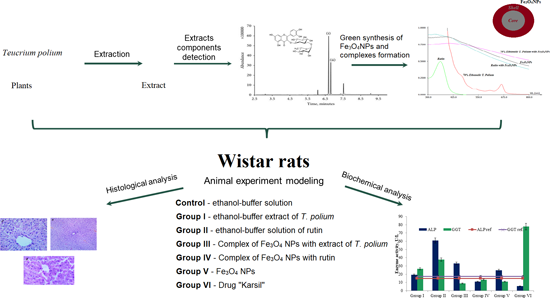
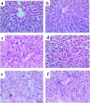
- Sonic-150W, MRC, Israel) at 80% power with an on/off cycle of 5/4 s. During the synthesis of the nanoparticles, a black precipitate with paramagnetic properties formed. Nature and morphology of this precipitate were determined using electron diffraction and transmission electron microscopy (TEM, LEO-912


Facile synthesis of size-tunable L-carnosine-capped silver nanoparticles and their role in metal ion sensing and catalytic degradation of p-nitrophenol
Beilstein J. Nanotechnol. 2024, 15, 1576–1592, doi:10.3762/bjnano.15.124
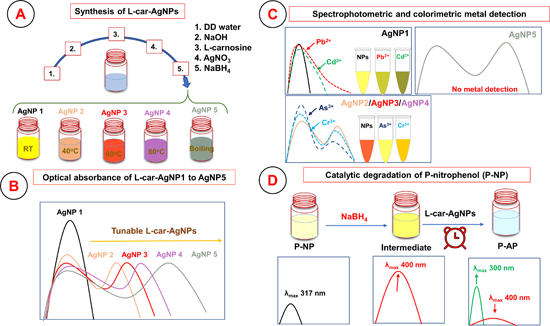
- (Nano ZS, Malvern, UK). The hydrodynamic size of ʟ-car-AgNPs was measured by placing them in 1 mL disposable cuvettes (DTS0012), while the zeta potential was measured using zeta cuvettes (ZEN1020). The ʟ-car-AgNPs samples were observed under a transmission electron microscope (TEM, 120 kV, FEI Tecnai
- peaks in FTIR suggested that carboxyl is the exposed functional group. Based on the earlier reports, free –NH2 and carboxyl groups are believed to participate in cross-linking and forming complexes between ʟ-car-AgNP1 and Cd2+/Pb2+ ions. The Cd2+ and Pb2+ ions interact with lone electron pairs of these
- nanoparticle surface, followed by the electron transfer from NaBH4 to the adsorbed P-NP molecules facilitated by the AgNPs. The obtained rate constants indicate that ʟ-carnosine-capped AgNPs are comparable to or more efficient than other noble metal nanoparticles (Table 2), underscoring their potential as cost




Ultrablack color in velvet ant cuticle
Beilstein J. Nanotechnol. 2024, 15, 1554–1565, doi:10.3762/bjnano.15.122

- of the ultrablack cuticle in Traumatomutilla bifurca, an enigmatic and visually striking species of velvet ants (Hymenoptera, Mutillidae). Using a combination of scanning electron microscopy (SEM), transmission electron microscopy (TEM), confocal laser scanning microscopy (CLSM), and optical
- sunlight (personal observations). For subsequent analyses, we utilized female specimens collected from Caatinga regions in Pernambuco, Brazil (09°19’44.2’’S, 42°33’30’’W) in February 2022. The specimens were preserved in absolute alcohol. Scanning electron microscopy (SEM) To investigate the internal
- different magnifications, starting at 15,000× and adjusted as needed. Transmission electron microscopy (TEM) TEM was utilized to examine the internal cuticle morphology at high resolution at a nanometer scale. The apparatus was configured to operate at 50 kV with a minimum vacuum column pressure of 5.10



The round-robin approach applied to nanoinformatics: consensus prediction of nanomaterials zeta potential
Beilstein J. Nanotechnol. 2024, 15, 1536–1553, doi:10.3762/bjnano.15.121
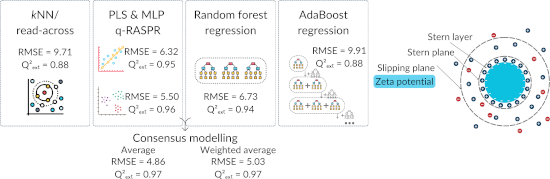
- descriptors) were obtained after Stepwise Selection, GA, and BSS. These are Hamaker (self/water), amount of Ce, amount of Zr, rod (shape), coating, the total number of atoms, tot_metal_alpha, Metals_SumIP, X_ActivM, and Valence electron potential. Additionally, we performed a correlation analysis of the


Electrochemical nanostructured CuBTC/FeBTC MOF composite sensor for enrofloxacin detection
Beilstein J. Nanotechnol. 2024, 15, 1522–1535, doi:10.3762/bjnano.15.120
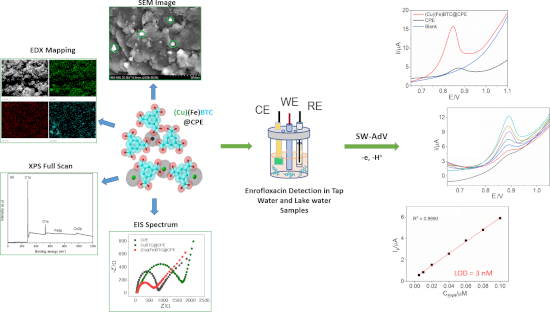
- sensors has some limitations associated with the low conductivity of MOFs. Therefore, the coupling with conducting materials, such as carbon-based materials, metal nanoparticles, and polymers, has been performed to enhance the electron charge transfer of MOFs [23][24]; single MOFs combined with carbon
- capacity, and an acceptable efficacy of the electron transfer, Cu3(BTC)2 exhibited a good sensitivity to 2,4-dichlorophenol in the range from 0.04 to 1.00 μM with a limit of detection (LOD) of 9 nM in differential pulse voltammetry measurements. Moreover, the combination of metal oxides and MOFs showed better
- electrochemical detection ability than pristine MOFs. For example, Wang et al. developed a MOF/TiO2 composite to quantify chlorogenic acid in a range from 0.01 to 1.00 μM with a low LOD of 7 nM [30]. Utilizing carbon-based materials can provide not only enhanced electron transfer but also catalytic functions for


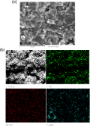


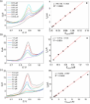

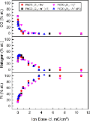
Effect of radiation-induced vacancy saturation on the first-order phase transformation in nanoparticles: insights from a model
Beilstein J. Nanotechnol. 2024, 15, 1453–1472, doi:10.3762/bjnano.15.117

- based on the fact that the movement of dislocations is impeded by particle surfaces (grain boundaries) quite rapidly. For example, a transmission electron microscopy study (irradiation with Kr ions at 1 MeV at room temperature and an average defect generation rate of about 2 × 10⁻³ dpa·s−1) showed that
- film through in situ ion irradiation, observed using atomic-resolution transmission electron microscopy [16]. The gold sample was irradiated with 2.8 MeV Au4+ ions at 200 °C with a fluence of approximately 1014 ions·cm−2 (equivalent to a dose of 10 dpa). A combination of surface- and radiation-induced
- et al. used transmission electron microscopy to investigate nanoscale Pd under 240 keV Kr ion irradiation with a flux of 1013 ions·cm−2·s−1. Pd had grain sizes, d, ranging from 10 to 100 nm. The authors found that the defect density increases with increasing grain size d, and the slope between defect


Ion-induced surface reactions and deposition from Pt(CO)2Cl2 and Pt(CO)2Br2
Beilstein J. Nanotechnol. 2024, 15, 1427–1439, doi:10.3762/bjnano.15.115

- Focused ion beam-induced deposition (FIBID) and focused electron beam-induced deposition (FEBID) are vacuum-based, charged-particle bottom-up nanofabrication techniques that directly fabricate metal containing nanostructures as a consequence of the reactions between ions or electrons and organometallic
- largely avoided by using noble gas ions like He+ [32][35] or Ar+ [21], which are commonly used in helium ion microscopes and focused ion beam milling instruments. In FIBID, ion-induced interactions can initiate a complex mixture of different processes including ion-induced deposition, secondary electron
- the metal of interest. Furthermore, as the volatile species escape the system, they can collide with adsorbed material leading to a cascade of momentum transfer events [43]. In contrast to FIBID, FEBID occurs via different electron stimulated mechanisms, namely, dissociative electron attachment (DEA



Lithium niobate on insulator: an emerging nanophotonic crystal for optimized light control
Beilstein J. Nanotechnol. 2024, 15, 1415–1426, doi:10.3762/bjnano.15.114
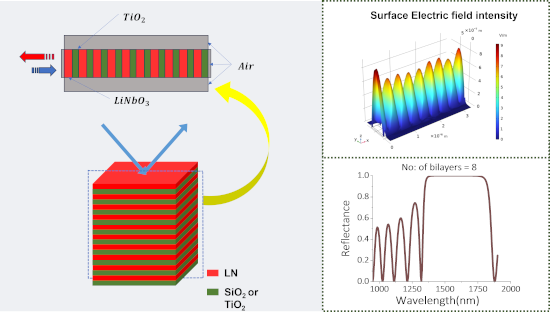
- manipulate the transmission of light modes, similar to how nanostructures have been utilized to regulate electron-related phenomena. Here we study the optical performance of a one-dimensional stacked photonic crystal based on LN and TiO2/SiO2. We studied the quarter wavelength multi-layered stack using


Various CVD-grown ZnO nanostructures for nanodevices and interdisciplinary applications
Beilstein J. Nanotechnol. 2024, 15, 1390–1399, doi:10.3762/bjnano.15.112
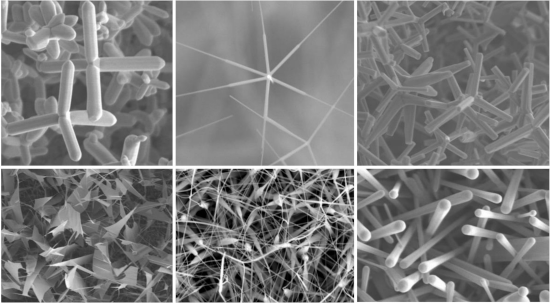
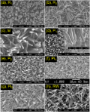
- results prove that ZnO exhibits many novel nanostructures that can foster the development of next-generation optoelectronic nanodevices and new applications in biological and biomedical fields. Keywords: chemical vapour deposition; electron microscopy; Raman and photoluminescent spectra; ZnO
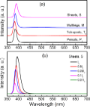
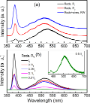
- down to collect white products formed on Si substrates. They were characterized by scanning electron microscopy (SEM, JEOL-6330F) and energy-dispersive X-ray (EDX) spectroscopy. Renishaw’s RS and PL spectrometers operating with laser wavelengths of 488 and 325 nm were also employed to study phonon
- at temperatures of T = 630–640 °C. Their length is several to tens of micrometres and the diameter of the teeth is about 50 nm, as shown in Figure 6a–c. As partially shown in [37], electron diffraction analyses indicated all combs to be single crystals. For single-sided tooth combs, named C1 in



A biomimetic approach towards a universal slippery liquid infused surface coating
Beilstein J. Nanotechnol. 2024, 15, 1376–1389, doi:10.3762/bjnano.15.111
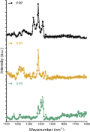
- wavenumber range of 1100–1800 cm−1. The spectra were then normalized by dividing the signal by the visible and infrared intensities. X-ray photoelectron spectroscopy Spectra were collected on a PHI 5600 system with a hemispherical analyzer and a monochromatic Al Kα (1486.6 eV) X-ray source with an electron
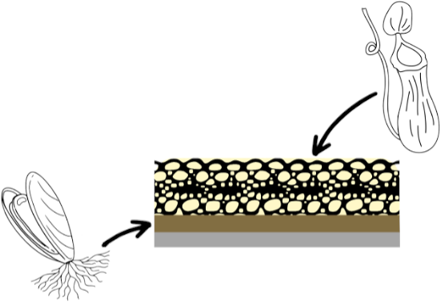
- 2.5% glutaraldehyde in 0.1 M sodium cacodylate buffer overnight. Samples were then rinsed twice in 0.1 M cacodylate buffer for 15 min each. Samples were dehydrated in a graded series of ethanol (10%, 30%, 50%, 70%, 90%, 95%, and 100%) for 10–15 min each, followed by critical point drying (Electron
- Microscopy Sciences). Samples were sputter-coated with gold/palladium (Cressington 108A) and imaged on a scanning electron microscope (SEM) (FEI Quanta 600F). ImageJ was used to measure fiber diameter and clot density. Clot density was determined by drawing a line through the image and counting the number of




Green synthesis of carbon dot structures from Rheum Ribes and Schottky diode fabrication
Beilstein J. Nanotechnol. 2024, 15, 1369–1375, doi:10.3762/bjnano.15.110
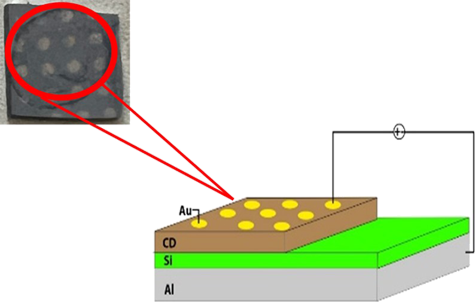
- Cary Eclipse fluorescence spectrophotometer were used for transmission electron microscopy (TEM), zeta potential measurements, X-ray diffractometry (XRD), Fourier-transform infrared spectroscopy (FTIR), X-ray photoelectron spectroscopy (XPS), micro-Raman spectroscopy, PVD thermal evaporation, scanning
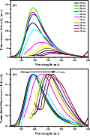
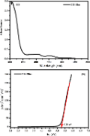
- electron microscopy (SEM), I–V/C–V measurements, UV–vis spectroscopy, and steady-state fluorescence spectroscopy, respectively. CDs synthesis 2.5 g of the powdered Rheum ribes plant was placed in an autoclave bottle, and 50 mL of pure water was added to the bottle. This aqueous solution was placed in an




Investigation of Hf/Ti bilayers for the development of transition-edge sensor microcalorimeters
Beilstein J. Nanotechnol. 2024, 15, 1353–1361, doi:10.3762/bjnano.15.108

- samples with bridges of different shapes and lengths were fabricated simultaneously in an electron beam evaporator at a vacuum of 5 × 10⁻⁸ Torr. The sample with the film was made separately but with the same parameters, including the thickness and evaporation rates. On the bridged samples
- , photolithography was performed on a Karl Suss MJB3 lithography aligner before deposition. We used AZ5214E photoresist, which was subsequently developed with MIF726. We then deposited 85 nm of hafnium and 5 nm of titanium onto the substrates through developed areas in the resist, using an electron beam evaporator
- × 10−10 W/K, calculated for the electron–phonon constant of 0.8 nW/K6/μm3, and the sixth degree of temperature according to [22]. Figure 7 shows the ampere–watt sensitivity and noise characteristics of the TES with above parameters for sample A4. The maximum current response is observed at frequencies





