


Search results
Search for "gas phase" in Full Text gives 228 result(s) in Beilstein Journal of Nanotechnology. Showing first 200.
Negative differential electrical resistance of a rotational organic nanomotor
Beilstein J. Nanotechnol. 2015, 6, 2332–2337, doi:10.3762/bjnano.6.240
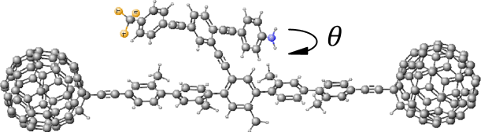
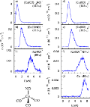
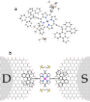
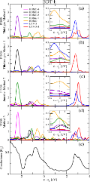
- –angle curves, the pendant group was artificially rotated to a chosen angle and then the molecule was allowed to relax to a local energy minimum. (a) The molecular structure within the junction. (b) A contour plot of the local density of states of the gas-phase molecule at θ = 60° (right) and θ = 0


Core-level spectra and molecular deformation in adsorption: V-shaped pentacene on Al(001)
Beilstein J. Nanotechnol. 2015, 6, 2242–2251, doi:10.3762/bjnano.6.230
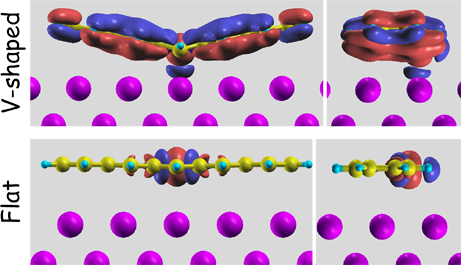
- free molecule in the gas phase (g) are compared to those of the molecule adsorbed flat and bent at T and B sites, respectively. A common trend is found while moving from the free molecule to the flat and to the bent adsorbed molecule, as they keep either increasing or decreasing, conversely decreasing
- indicating that the molecule shrinks along the short molecular axis. On the contrary an increase in the length of the molecule is observed along the long axis in the B configuration hinting a slight weakening in the coupling of outer atoms with respect to those of pentacene in gas phase. Summarizing, the
- induces alterations in the molecular orbitals, which are best perceived by looking first at the gas-phase molecule, but with the same geometry as that in the B site. In particular, the Kohn–Sham eigenvalues for bent and flat molecules are compared in Figure 3. One of the major features emerging is the




The role of low-energy electrons in focused electron beam induced deposition: four case studies of representative precursors
Beilstein J. Nanotechnol. 2015, 6, 1904–1926, doi:10.3762/bjnano.6.194
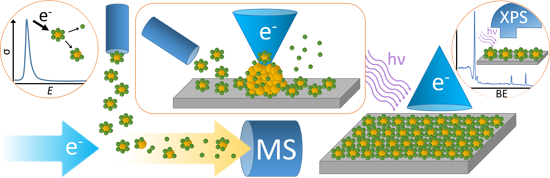
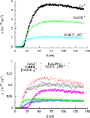
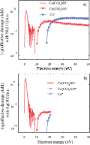
- be used to elucidate their role. In this context, gas phase studies can obtain well-resolved information on low-energy electron-induced reactions with FEBID precursors by studying isolated molecules interacting with single electrons of well-defined energy. In contrast, ultra-high vacuum surface
- studies on adsorbed precursor molecules can provide information on surface speciation and identify species desorbing from a substrate during electron irradiation under conditions more representative of FEBID. Comparing gas phase and surface science studies allows for insight into the primary deposition
- FEBID, specifically, dissociative electron attachment, dissociative ionization, neutral dissociation, and dipolar dissociation, emphasizing the different nature and energy dependence of each process. We then explore the value of studying these processes through comparative gas phase and surface studies








Template-controlled mineralization: Determining film granularity and structure by surface functionality patterns
Beilstein J. Nanotechnol. 2015, 6, 1763–1768, doi:10.3762/bjnano.6.180
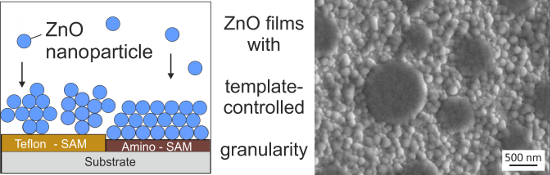
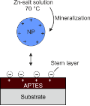
- with the acid for 30 s and gently dried in a nitrogen flow. This procedure was repeated two times with fresh solvent. The fluorinated SAM was deposited from the gas phase: The samples were positioned face down at the lid of a desiccator containing two droplets of 1H,1H,2H,2H-perfluorodecyl

Possibilities and limitations of advanced transmission electron microscopy for carbon-based nanomaterials
Beilstein J. Nanotechnol. 2015, 6, 1541–1557, doi:10.3762/bjnano.6.158
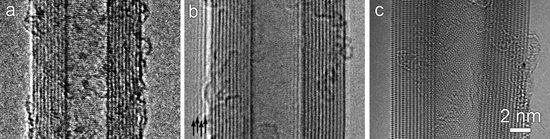
- being introduced into in situ TEM, include mechanical stress [106][107], electrical stimuli [108], and chemical reactions in the gas phase or in liquid cells [50]. Although only a few studies using in situ TEM on carbon-based nanomaterials have been reported, an increase can certainly be expected. For
- dedicated designs of the TEM specimen holder (thermal, mechanical, electrical) or specimen chamber (gas phase, environmental TEM), the contribution of electrons into the dynamic process, which can be regarded as the “internal stimulus”, is often overlooked. The interaction between electrons and carbon atoms


Continuum models of focused electron beam induced processing
Beilstein J. Nanotechnol. 2015, 6, 1518–1540, doi:10.3762/bjnano.6.157
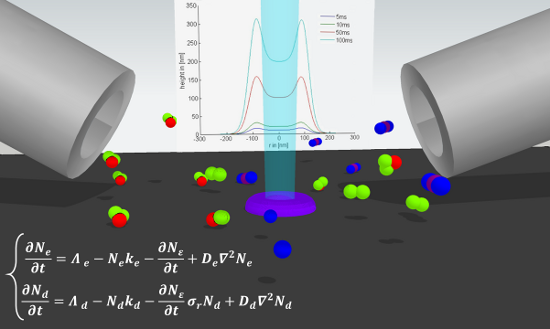
- solving for the difference between the flux of molecules adsorbing from and returning to the gas phase. In the gas phase, the molecule flux is given by: where Pa is the pressure of the precursor gas for adsorbate ‘a’, ma is the mass of a gas molecule, kB is Boltzmann’s constant and Tg is the gas
- by FEBID), surface gas phase collisions, or other capillary geometries. Flow regimes To make a correct choice of the flow regime for the simulation one needs to determine the mean free path λ between molecule–molecule collisions and the Knudsen number (the ratio of λ to the capillary diameter d): The
- numerous surfaces through the thermally activated reaction O2 → 2O, where O2 is in the gas phase or in the physisorbed state, and the two O atoms are in the chemisorbed state. Similarly, XeF2 can fluorinate many surfaces through decomposition pathways that generate chemisorbed F [17][69][70][71], and the


![[Graphic 37]](/bjnano/content/inline/2190-4286-6-157-i117.png?max-width=637&scale=1.18182) and chemisorbed
and chemisorbed ![[Graphic 38]](/bjnano/content/inline/2190-4286-6-157-i118.png?max-width=637&scale=1.18182) adsorbates versus pressure, calcul...
adsorbates versus pressure, calcul...


Thermal energy storage – overview and specific insight into nitrate salts for sensible and latent heat storage
Beilstein J. Nanotechnol. 2015, 6, 1487–1497, doi:10.3762/bjnano.6.154
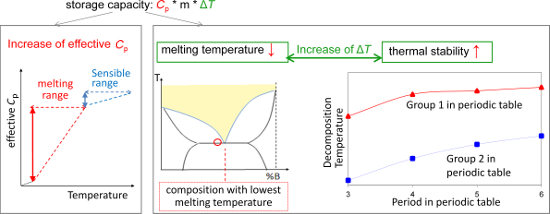
- materials for direct thermal energy storage for CSP applications. With regard to the thermal decomposition, the investigation is complex. Many factors influence decomposition reactions, such as the type of the salt, the temperature and the gas phase composition. There is still a need to examine thermal


Enhanced fullerene–Au(111) coupling in (2√3 × 2√3)R30° superstructures with intermolecular interactions
Beilstein J. Nanotechnol. 2015, 6, 1421–1431, doi:10.3762/bjnano.6.147
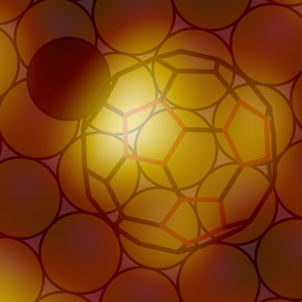
- the C60 forming this domain has striking similarities with the molecule marked with a red circle in Figure 4c. Spectroscopy The molecular orbitals of fullerenes are highly degenerated in the gas phase due to the high molecular symmetry. The HOMOs and the LUMOs exhibit a degeneracy of 5 and 3



Electron and heat transport in porphyrin-based single-molecule transistors with electro-burnt graphene electrodes
Beilstein J. Nanotechnol. 2015, 6, 1413–1420, doi:10.3762/bjnano.6.146
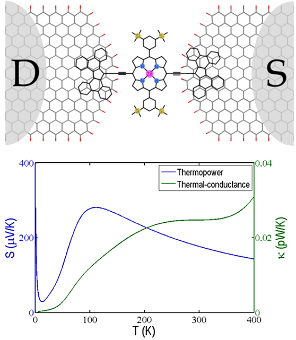
- interactions. The central porphyrin is also connected to two side groups, which stabilize the molecule within the junction. We first use density functional theory (DFT) to study the electronic structure of the PM. To characterize the gas phase molecule, the isolated PM shown in Figure 1a is relaxed to reach
- yields Eg = 3.84 eV. The Kohn–Sham DFT eigenvalues predict and using the generalised gradient approximation/Perdew–Burke–Ernzerhof exchange-correlation functional (GGA/PBE), which results in a Kohn–Sham DFT gap of for the gas phase molecule. Figure 2 shows the iso-surfaces of the HOMO−1, HOMO, LUMO and
- the HOMO resonance, indicating HOMO-dominated transport, which is consistent with the local density calculation shown in Figure 2 for a gas phase molecule. The inset of Figure 4 shows the zero-bias current of the PM–EBG device at 0 K and 300 K. Under nonequilibrium conditions at finite voltages, the


Can molecular projected density of states (PDOS) be systematically used in electronic conductance analysis?
Beilstein J. Nanotechnol. 2015, 6, 1247–1259, doi:10.3762/bjnano.6.128
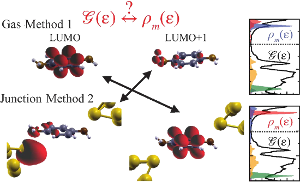
- and the consequent interpretation of the conductance spectrum. Two main methods have been used so far in the literature for identifying MOs. Method 1: The are chosen to be the eigenfunctions of the Hamiltonians of the uncontacted, gas phase, isolated molecule [41]. For consistency, they are usually
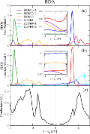
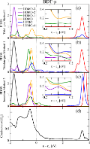
- three different PDOS calculated following Method 1 (gas phase) and Method 2 (junction). For the former, both the dithiol and dithiolate molecules are considered. Without entering into all details, it is clear that the PDOS strongly depends on the method used to calculate it, reflecting previously seen
- difficulties), here we propose a new approach that is based on an evolution of Method 1. Method 3: The are chosen as the eigenfunctions of the Hamiltonian of the uncontacted, gas phase, isolated molecule, to which some charge is added, accounting for metal–molecule charge transfer. The same supercell is used





Probing fibronectin–antibody interactions using AFM force spectroscopy and lateral force microscopy
Beilstein J. Nanotechnol. 2015, 6, 1164–1175, doi:10.3762/bjnano.6.118
- surface from gas phase for 2 h in a desiccator. Next, the sample was immersed in 2.5% glutaraldehyde aqueous solution for 20 min and afterwards rinsed with 10 mM PBS buffer. Then, the prepared sample was completely immersed in 0.1 mg/mL FN solution in PBS for 60 min, which prevented drying. Then, it was
- silanized using APTES from the gas phase, then their surface was activated using a 1.5% aqueous glutaraldehyde solution and rinsed with PBS buffer. Then, the cantilevers were immersed in a drop (≈50 µL) of PBS solution of 0.05 mg/mL Mab for 30 min, and afterwards rinsed with PBS buffer. These prepared



Electrical characterization of single molecule and Langmuir–Blodgett monomolecular films of a pyridine-terminated oligo(phenylene-ethynylene) derivative
Beilstein J. Nanotechnol. 2015, 6, 1145–1157, doi:10.3762/bjnano.6.116
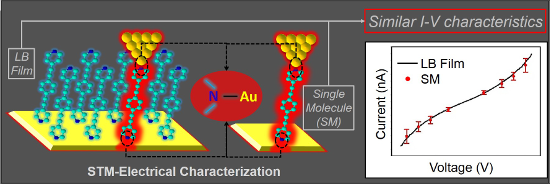
- is illustrated in Figure 2. This isotherm shows a zero surface pressure in the 1.2–0.35 nm2·molecule−1 range, which corresponds to a monolayer in the gas phase. At 0.35 nm2·molecule−1 there is a lift-off in the π–A isotherm, which is followed by a monotonous increase of the surface pressure upon


Charge carrier mobility and electronic properties of Al(Op)3: impact of excimer formation
Beilstein J. Nanotechnol. 2015, 6, 1107–1115, doi:10.3762/bjnano.6.112
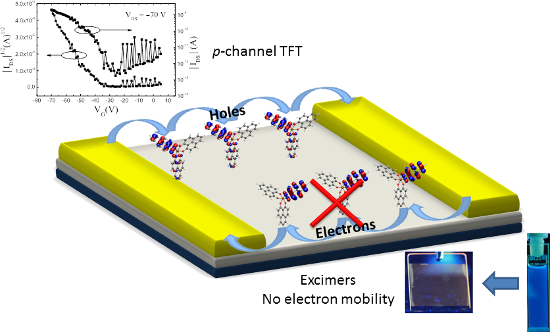
- )3 are reported. Phenalenyl-based complexes (more specifically lanthanoid phenalenyls) have been previously studied for their peculiar photoluminescence in the gas phase [18][19]. Greisch et al. observed that the alkali metal cationization of Eu(Op)3 increases the capability of the ligand 1-oxo-1H


From lithium to sodium: cell chemistry of room temperature sodium–air and sodium–sulfur batteries
Beilstein J. Nanotechnol. 2015, 6, 1016–1055, doi:10.3762/bjnano.6.105


Structure and mechanism of the formation of core–shell nanoparticles obtained through a one-step gas-phase synthesis by electron beam evaporation
Beilstein J. Nanotechnol. 2015, 6, 874–880, doi:10.3762/bjnano.6.89
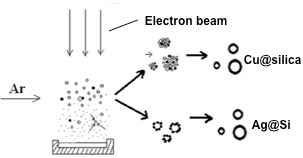
- differences in the vapour concentration of the two components. Keywords: core–shell; electron beam evaporation; gas phase; mechanism of formation; one-step; Introduction Core–shell type nanoparticles are a type of biphasic materials which have an inner core structure and an outer shell made of different
- synthesised using solution methods and usually involve two steps: synthesis of the core structure followed by coating the core structure with the shell material. Gas-phase synthesis techniques exist and usually involve chemical vapour deposition (CVD) or pulsed laser deposition (PLD) [1][2]. However these
- ][6]. Recently, the authors have synthesized core–shell Ag–Si and Cu–Si type particles in a new way using electron beam evaporation [7][8]. In this method, the core–shell particles are synthesized in one-step directly from the gas phase without substrates. The precursors used are elemental materials


Raman spectroscopy as a tool to investigate the structure and electronic properties of carbon-atom wires
Beilstein J. Nanotechnol. 2015, 6, 480–491, doi:10.3762/bjnano.6.49
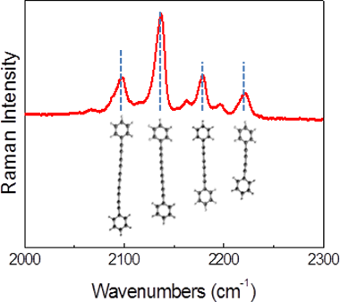
- and structures, embedded in cold gas matrices, in free carbon clusters in the gas phase, as pure sp-sp2 systems, in liquids, inside carbon nanotubes and connecting graphene sheets [5][6][7][8][9][10][11][12][13]. The research on sp carbon dates back to the last century when the carbon community was in


Conformal SiO2 coating of sub-100 nm diameter channels of polycarbonate etched ion-track channels by atomic layer deposition
Beilstein J. Nanotechnol. 2015, 6, 472–479, doi:10.3762/bjnano.6.48
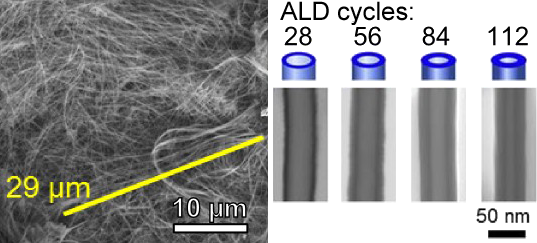
- interesting to study water and ion transport in confinement [15][16]. Coated templates are also attractive to synthesize extremely thin nanowires for the investigation of finite size and quantum size effects [17]. Atomic layer deposition is based on cycles of self-limiting chemical reactions between the gas
- -phase precursor molecules and a solid surface, providing very thin uniform films on arbitrarily shaped materials. The number of cycles determines the thickness of the deposited layer. Tailored coating with various materials such as metals (e.g., Pt) or oxides (e.g., ZnO, Al2O3, TiO2) can be used to


Hematopoietic and mesenchymal stem cells: polymeric nanoparticle uptake and lineage differentiation
Beilstein J. Nanotechnol. 2015, 6, 383–395, doi:10.3762/bjnano.6.38
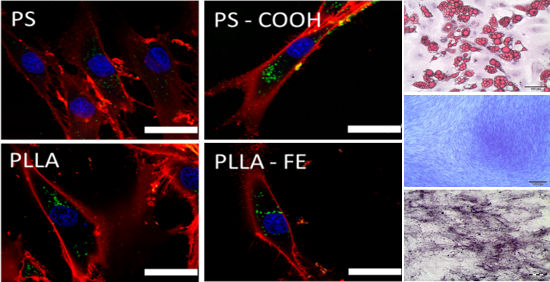
- gas phase of liquid nitrogen always kept below −140 °C and used fresh for every experiment. For all experiments, the cells were seeded at a density of 0.5–2 × 10⁶ cells/well in 12-well plates (Greiner Bio) of 3 mL volume. As a basal medium, Iscove's Modified Dulbecco's Medium (IMDM, Invitrogen


Synthesis, characterization, monolayer assembly and 2D lanthanide coordination of a linear terphenyl-di(propiolonitrile) linker on Ag(111)
Beilstein J. Nanotechnol. 2015, 6, 327–335, doi:10.3762/bjnano.6.31
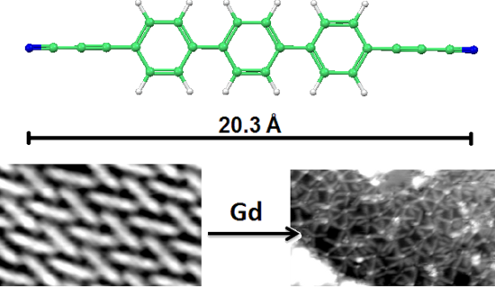
- gas phase, we obtained an average length of about 0.26 ± 04 nm for the phenylene–N distance, which is slightly shorter than in the earlier reported network of molecule 1 (0.33 ± 03 nm) [43]. Lanthanide-directed coordination of 2 on Ag(111) In previous work, regular metallo–supramolecular nanomeshes


Spectroscopic mapping and selective electronic tuning of molecular orbitals in phosphorescent organometallic complexes – a new strategy for OLED materials
Beilstein J. Nanotechnol. 2014, 5, 2248–2258, doi:10.3762/bjnano.5.234
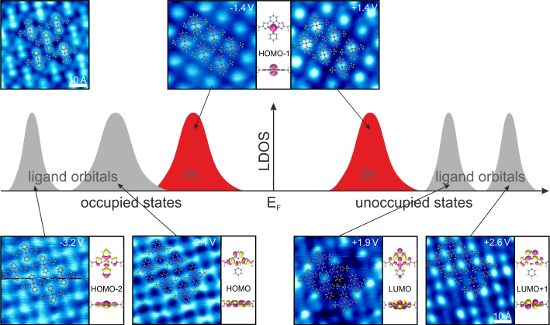
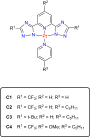
- orbitals were calculated in the gas phase with the Gaussian 09 package [34] using the PBE0 hybrid exchange-correlation functional [35] and the SDD basis set [36]. The molecular orbitals were visualized using the VMD 1.9 software. The orbital energies in the gas-phase calculations are computed with respect
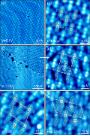
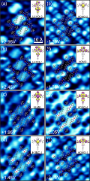
- results from DFT calculations of C1 in the gas phase (Figure 3a) and dI/dV maps of the first monolayer of C1 on Au(111). The theoretical results contain the shapes and energies of five molecular orbitals with respect to EF . While only one MO (HOMO–1) is exclusively localized at the Pt atom, all other
- and Figure 3b display the MO assignments. As the DFT calculations only consider free molecules in the gas phase, differences originate from molecule–molecule or molecule–substrate interactions of the molecules adsorbed as a monolayer on the Au(111) surface. We can rule out any significant lateral



Rapid degradation of zinc oxide nanoparticles by phosphate ions
Beilstein J. Nanotechnol. 2014, 5, 2007–2015, doi:10.3762/bjnano.5.209
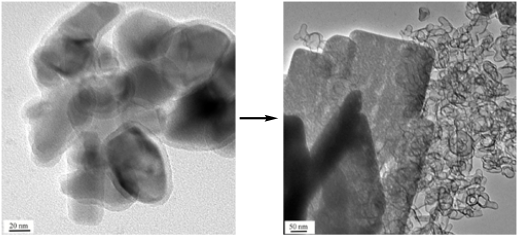
- tendency to form agglomerates in water is higher for the labelled sample (DLS size 144 and 309 nm, respectively). Sample 3 was commercial ZnO prepared by gas phase oxidation of zinc at high temperature, the so-called French process. It is a highly irregular mixture of particles with very different


The impact of the confinement of reactants on the metal distribution in bimetallic nanoparticles synthesized in reverse micelles
Beilstein J. Nanotechnol. 2014, 5, 1966–1979, doi:10.3762/bjnano.5.206
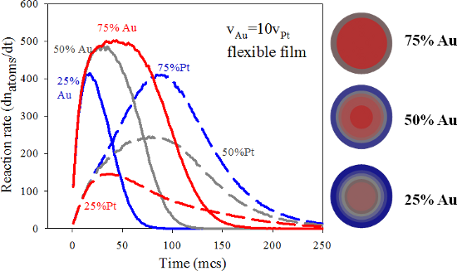
- themselves in the same solvent cage, so the two reactants can eventually form an encounter pair. The encounter pair can fail to react the first time, but it has many more opportunities as long as it remains in the same solvent cage. On the contrary, if the reaction takes place in the gas phase, the molecules


A study on the consequence of swift heavy ion irradiation of Zn–silica nanocomposite thin films: electronic sputtering
Beilstein J. Nanotechnol. 2014, 5, 1691–1698, doi:10.3762/bjnano.5.179
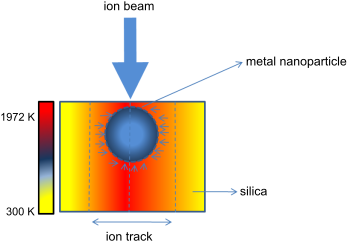
- values of 3/2 for small clusters and 7/2 for larger clusters, respectively. This rules out any possibility of a liquid–gas phase transition taking place in the vaporized Au nanoparticle resulting from SHI irradiation. Johnson et al. [42] reported a unifying description of sputtering in three different


Silica nanoparticles are less toxic to human lung cells when deposited at the air–liquid interface compared to conventional submerged exposure
Beilstein J. Nanotechnol. 2014, 5, 1590–1602, doi:10.3762/bjnano.5.171
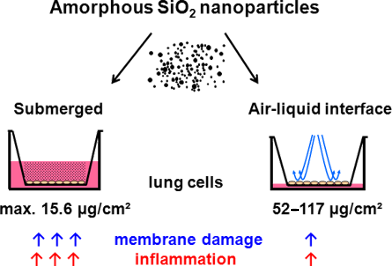
- structure compared to SiO2-50 nm agglomerates that cannot be described by a packing of hard spheres (Figure 6D). We assume this structure is caused by strongly bonded agglomerates and aggregates present in Aerosil200 after its synthesis in gas phase as reported by Seipenbusch et al. [29]. Such strong


Nano-rings with a handle – Synthesis of substituted cycloparaphenylenes
Beilstein J. Nanotechnol. 2014, 5, 1320–1333, doi:10.3762/bjnano.5.145
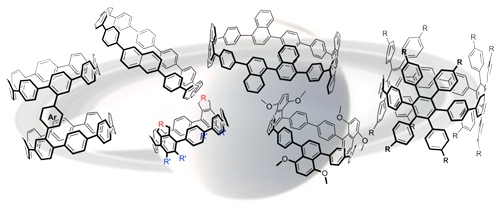
- ring strain and led to a complex mixture of partially dehydrogenated and chlorinated products. A clear evidence for the formation of [3]CHBC was not obtained. DFT calculations showed that the molecule is C3-symmetric with a twisted CPP core and a diameter of 12.2 Å in the gas phase. In the calculated
- with the lowest energy implies the flipping of one CPP ring over the other and not a simple rotation around the aryl linking unit. In this dynamic study the cis configuration was found to be the lowest in energy in the gas phase due to increased van der Waals interactions between the two CPP rings
- . Studies including solvent effects did not change the relative stability of the conformers compared to the gas phase calculations. A directly linked CPP dimer has been synthesized by the group of Itami (Scheme 11) [59]. The synthesis relied again on the L-shaped building block 16 combined with a





