Search results
Search for "gel" in Full Text gives 403 result(s) in Beilstein Journal of Nanotechnology. Showing first 200.
BergaCare SmartLipids: commercial lipophilic active concentrates for improved performance of dermal products
Beilstein J. Nanotechnol. 2019, 10, 2152–2162, doi:10.3762/bjnano.10.208
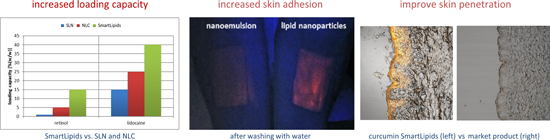
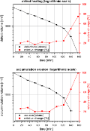
- is very easy by measuring the melting enthalpy using differential scanning calorimetry (DSC). The melting enthalpy of a SmartLipids suspension can be determined before addition to the product, after addition to a gel or a cream and after storage. In case the particles dissolve, e.g., in an oil of a
- (middle) and a commercial curcumin containing gel product (right). Incubation time was 24 h. Both laser strength (35%) and fluorescence detector gain (720 V) were kept constant during all measurements. Models of cosmetic active agents or drugs (green) incorporated into lipid nanoparticles, from left to


Ion mobility and material transport on KBr in air as a function of the relative humidity
Beilstein J. Nanotechnol. 2019, 10, 2084–2093, doi:10.3762/bjnano.10.203
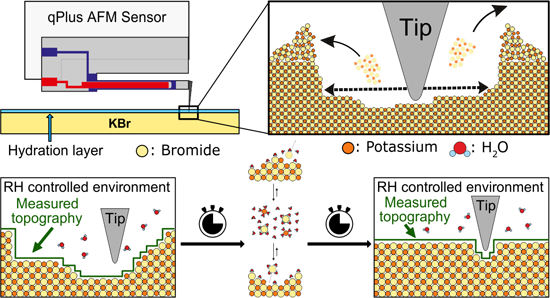
- drying effect of silica gel. With this setup, RH values below 2% can be obtained. The desired humidity can be reached within a time scale ranging from some minutes up to a few hours. Without active influence the air humidity remains quite constant with a maximum rate of change of less than one percent


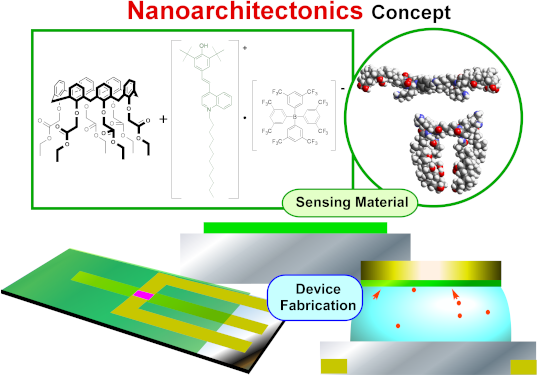
Review of advanced sensor devices employing nanoarchitectonics concepts
Beilstein J. Nanotechnol. 2019, 10, 2014–2030, doi:10.3762/bjnano.10.198
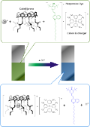
- fluorescent gelators containing a tris(β-diketonato) complex with appropriate metals. The presence of amines can be found through fluorescence-quenching efficiencies of the thin layer films of the gel materials. The prepared films are most sensitive to the detection of tertiary amines. The discrimination and
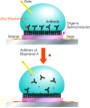
- important targets in biosensor technology. Someya and co-workers developed a highly flexible organic amplifier to detect weak biosignals [107]. A highly conductive biocompatible gel composite made from multiwalled carbon nanotubes and aqueous hydrogel was integrated into a two-dimensional organic amplifier





Optimization and performance of nitrogen-doped carbon dots as a color conversion layer for white-LED applications
Beilstein J. Nanotechnol. 2019, 10, 2004–2013, doi:10.3762/bjnano.10.197
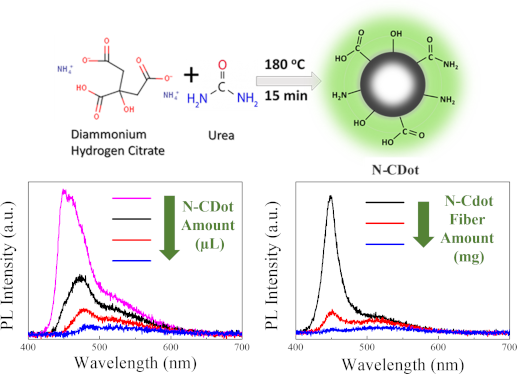
- the blue (430 nm), green (500 nm) and red (630 nm) fluorescence, the AC-CDots can produce a pure white-light emission spectrum. Finally, highly efficient CDot/gel glass, phosphor-based, trichromatic WLEDs were developed by Yuan et al. [50]. The authors doped green and red CDots into a matrix of
- methyltriethoxysilane and 3-(triethoxysilyl)propylamine, respectively, to prepare the CDot/gel glass. With this strategy, the authors achieved a LER of 71.75 lm W−1 and a CRI of 93. Lastly, red emitting [51] and white emitting Cl-doped CDots have also been reported [52]. In this work, we report the synthesis of


Nanostructured and oriented metal–organic framework films enabling extreme surface wetting properties
Beilstein J. Nanotechnol. 2019, 10, 1994–2003, doi:10.3762/bjnano.10.196
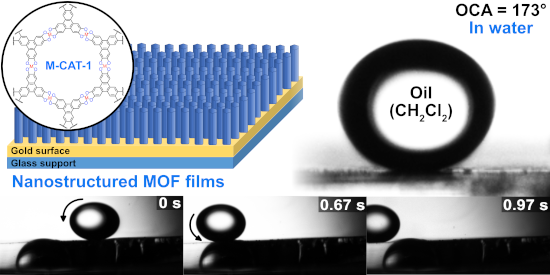
- example, sol–gel synthesis, electrochemical deposition, anodization, electrochemical polymerization, electrospinning, plasma treatment, chemical or hydrothermal methods, vapor deposition, layer-by-layer assembly or laser ablation [19][27][28][29][30][31][32][33][34][35][36][37][38][39]. However, the


The influence of porosity on nanoparticle formation in hierarchical aluminophosphates
Beilstein J. Nanotechnol. 2019, 10, 1952–1957, doi:10.3762/bjnano.10.191
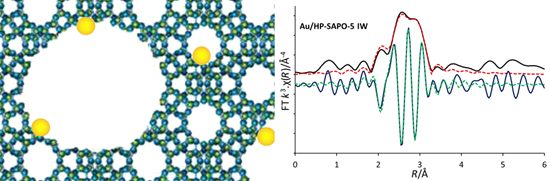
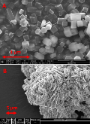
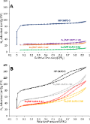
- hydrothermal gel (HP-SAPO-5) preserved the phase purity, as only AlPO-5 features are present (Figure S1, Supporting Information File 1). Nitrogen physisorption measurements show that while the type-I isotherm of MP-SAPO-5 strongly indicates microporosity, HP-SAPO-5 has a type-IV isotherm, indicating the
Synthesis and potent cytotoxic activity of a novel diosgenin derivative and its phytosomes against lung cancer cells
Beilstein J. Nanotechnol. 2019, 10, 1933–1942, doi:10.3762/bjnano.10.189
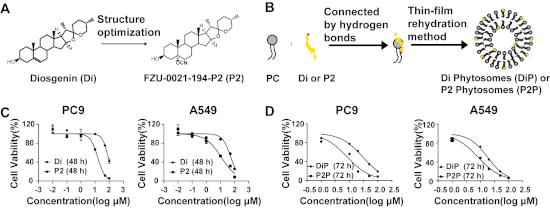
- used without further purification. Preparative column chromatography was performed using silica gel 60 with particle size 0.063–0.200 mm (70–230 mesh, Flash). Analytical thin-layer chromatography (TLC) was carried out employing silica gel 60 F254 plates (Merck, Darmstadt). Nuclear magnetic resonance
- mL) and extracted with H2O (20 mL). The combined organic layers were washed with saturated brine, dried over anhydrous Na2SO4, filtered, which was purified by silica gel chromatography (PE/EtOAc 4:1) to give the desired product (348 mg, 38%) as a white solid. TLC: Rf = 0.54 (PE/EtOAc 2:1). 1H NMR



Facile synthesis of carbon nanotube-supported NiO//Fe2O3 for all-solid-state supercapacitors
Beilstein J. Nanotechnol. 2019, 10, 1923–1932, doi:10.3762/bjnano.10.188
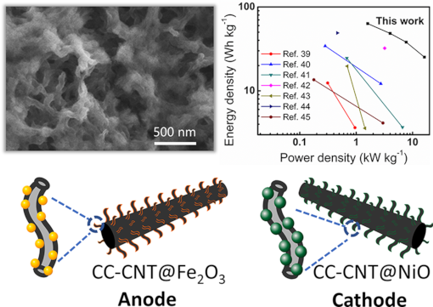
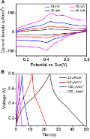
- . All-solid-state asymmetric supercapacitor An all-solid-state asymmetric supercapacitor (ASC) was constructed with CC-CNT@Fe2O3 as the negative electrode, CC-CNT@NiO as the positive electrode, potassium hydroxide/polyvinyl alcohol gel (KOH/PVA, 1:1 mass ratio) as the electrolyte, and a cellulose
- electrode, CC-CNT@Fe2O3 as the negative electrode, and PVA/KOH gel as the electrolyte delivered a high energy density of 63.3 Wh·kg−1 at 1.6 kW·kg−1. Moreover, the device exhibits superior cycling stability with 83% retention of initial capacitance after 5000 cycles. The outstanding electrochemical


High-tolerance crystalline hydrogels formed from self-assembling cyclic dipeptide
Beilstein J. Nanotechnol. 2019, 10, 1894–1901, doi:10.3762/bjnano.10.184
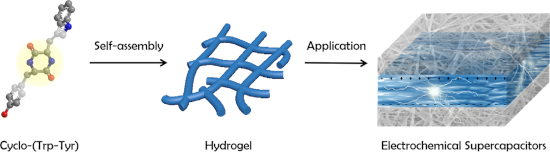
- properties The rheological properties of hydrogels are key evaluation indicators for a variety of applications [50][51]. It is typically challenging for hydrogels based on linear peptides to maintain their original gel state for a long time or under shear force. Driven by a thermodynamic process, they tend


Lipid nanostructures for antioxidant delivery: a comparative preformulation study
Beilstein J. Nanotechnol. 2019, 10, 1789–1801, doi:10.3762/bjnano.10.174
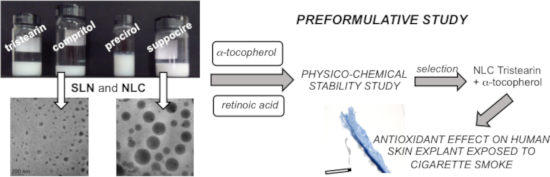
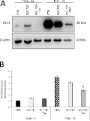
- 10% sodium dodecyl sulfate polyacrylamide gel (SDS-PAGE) and then transferred onto nitrocellulose membranes. Blots were blocked in PBS containing 0.5% Tween 20 and 5% not-fat milk (BioRad). The membranes were incubated overnight at 4 °C with the appropriate primary antibody HO-1 (Abcam, Cambridge, UK

Biocatalytic oligomerization-induced self-assembly of crystalline cellulose oligomers into nanoribbon networks assisted by organic solvents
Beilstein J. Nanotechnol. 2019, 10, 1778–1788, doi:10.3762/bjnano.10.173
- higher-order structures. This finding indicates that small-molecule additives provide control over the self-assembly of crystalline oligosaccharides for the creation of hierarchically structured materials with high robustness in a simple manner. Keywords: cellulose oligomer; gel; nanoarchitectonics
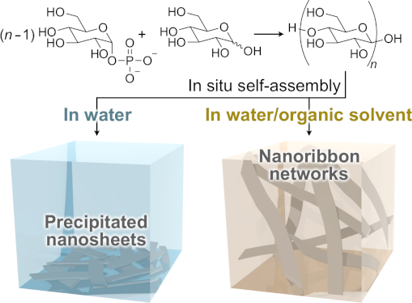
- oligomerization system in mixtures of an aqueous buffer solution and appropriate organic solvents was found to result in nanoribbon network structures for gel formation (Figure 1). It was suggested that the precipitation of the nanosheets was prevented effectively via solvation with the organic solvents through
- % DMSO and 10 vol % EtOH were found to be in gel states after the reaction (Figure 2, photographs with yellow background). The apparent turbidity of the reaction mixtures decreased with increasing organic solvent concentrations for each organic solvent species (Figure 2). The observations were simply due





The impact of crystal size and temperature on the adsorption-induced flexibility of the Zr-based metal–organic framework DUT-98
Beilstein J. Nanotechnol. 2019, 10, 1737–1744, doi:10.3762/bjnano.10.169
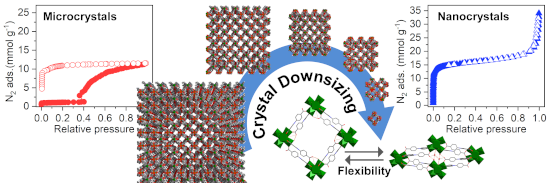
- -density monolithic structures (similar to aerogels recently reported for gel-like Zr MOFs [34][35]), were obtained. The SEM analysis shows a rod-like crystal morphology with crystal length in the range of 120 µm for DUT-98(1), 10 µm for DUT-98(2), 500 nm for DUT-98(3), and 50 nm for DUT-98(4) (Supporting



Layered double hydroxide/sepiolite hybrid nanoarchitectures for the controlled release of herbicides
Beilstein J. Nanotechnol. 2019, 10, 1679–1690, doi:10.3762/bjnano.10.163
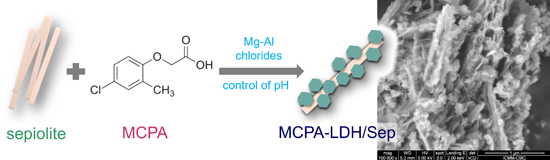
- formed gel was poured with a burette into a 5% CaCl2 solution to form the bionanocomposite beads, which were kept under constant stirring for 15 min. At the end of the process, the beads were washed with deionized water to remove residual Ca2+ ions and finally dried at 40 °C overnight. In this way, the


Nanoporous smartPearls for dermal application – Identification of optimal silica types and a scalable production process as prerequisites for marketed products
Beilstein J. Nanotechnol. 2019, 10, 1666–1678, doi:10.3762/bjnano.10.162
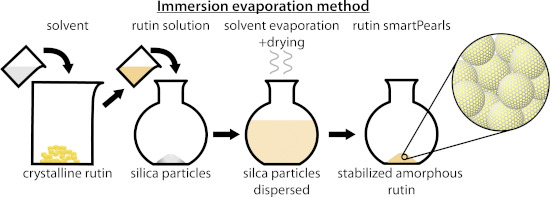
- if the diffused rutin molecules are replaced in the dermal formulation by faster or slower dissolution. In vitro skin penetration studies showed an even higher increase in penetration when a gel with smartPearls was compared to a gel with rutin powder (pig skin penetration test, tape stripping [24




Chiral nanostructures self-assembled from nitrocinnamic amide amphiphiles: substituent and solvent effects
Beilstein J. Nanotechnol. 2019, 10, 1608–1617, doi:10.3762/bjnano.10.156
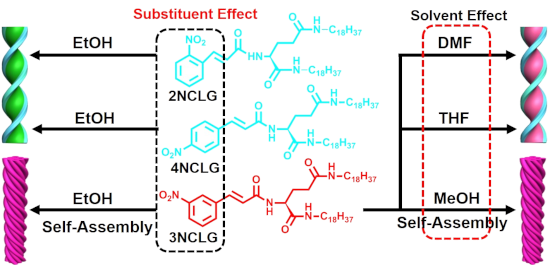
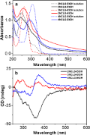
- , as shown in Figure 3b. A negative Cotton effect at around 355 nm was observed for the 2NCLG gel, while a positive Cotton effect at about 300 nm and 370 nm appeared for the 3NCLG assembly. As for the 4NCLG system, a positive Cotton effect was detected at 371 nm and a negative one at 333 nm with a
- characterized on a Bruker AVANCE III HD 500 machine. The gel and precipitate were cast onto single-crystal silica plates and then coated with a thin layer of Pt after drying to increase the contrast. After that, the morphology was observed with a Hitachi S-4800 FE-SEM operating at an accelerating voltage of 10




Rapid thermal annealing for high-quality ITO thin films deposited by radio-frequency magnetron sputtering
Beilstein J. Nanotechnol. 2019, 10, 1511–1522, doi:10.3762/bjnano.10.149
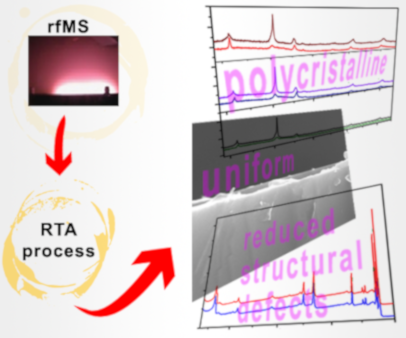
- of ITO in various applications increases when the electrical properties are improved. Various deposition techniques have been used to obtain TCO thin films, such as: vacuum thermal evaporation [15][16], chemical vapor deposition [17], sol–gel [18], pyrolysis spray techniques [5][19], magnetron


BiOCl/TiO2/diatomite composites with enhanced visible-light photocatalytic activity for the degradation of rhodamine B
Beilstein J. Nanotechnol. 2019, 10, 1412–1422, doi:10.3762/bjnano.10.139
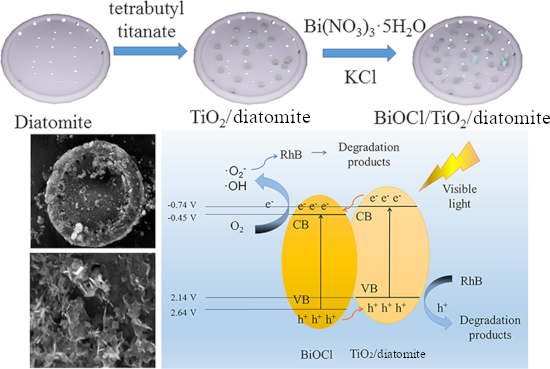
- Abstract A BiOCl/TiO2/diatomite (BTD) composite was synthesized via a modified sol–gel method and precipitation/calcination method for application as a photocatalyst and shows promise for degradation of organic pollutants in wastewater upon visible-light irradiation. In the composite, diatomite was used as
- Yingkou, China, and used after removing impurities by acid leaching. Preparation of TiO2/diatomite composite In a typical synthesis, we prepared the TiO2/diatomite composite via a modified sol–gel method: Firstly, we added 12 mL of tetrabutyl titanate to 20 mL ethanol under stirring, which was recorded as
- −, OH and holes, have strong redox ability, and as a result, RhB can be degraded into small molecules to complete the photocatalytic process. Conclusion In summary, a BiOCl/TiO2/diatomite (BTD) composite was synthesized by a modified sol–gel method and precipitation/calcination method. The prepared BTD


Gas sensing properties of individual SnO2 nanowires and SnO2 sol–gel nanocomposites
Beilstein J. Nanotechnol. 2019, 10, 1380–1390, doi:10.3762/bjnano.10.136
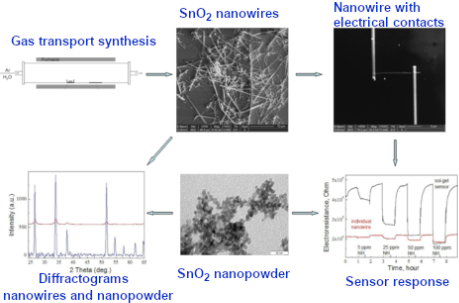
- selectivity to target gases. The aim of this work is the comparison of gas sensing properties of tin dioxide in the form of individual nanowires and nanopowders obtained by sol–gel synthesis. This comparison is necessary because the traditional synthesis procedures of small particle, metal oxide materials
- was used for the fabrication of well-faceted wire-like crystals with diameters ranging between 15–100 nm. The sol–gel method allowed us to obtain fragile gels from powders with grain sizes of about 5 nm. By means of X-ray photoelectron spectroscopy (XPS) it was proven that the nanowires contain
- ; gas transport method; nanowires; quasi-one-dimensional materials; sol–gel synthesis; tin dioxide; X-ray absorption near edge structure (XANES); X-ray photoelectron spectroscopy (XPS); Introduction Semiconductor sensor functionality relies on heterogeneous catalytic chemical processes, which makes the




Highly ordered mesoporous silica film nanocomposites containing gold nanoparticles for the catalytic reduction of 4-nitrophenol
Beilstein J. Nanotechnol. 2019, 10, 1368–1379, doi:10.3762/bjnano.10.135
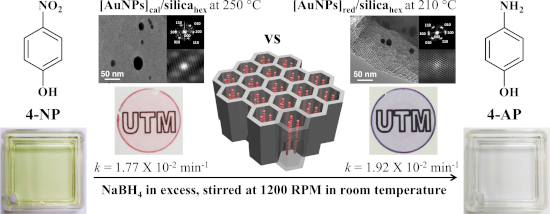
- Institute for Scientific and Industrial Research, Universiti Teknologi Malaysia, 81310 UTM Johor Bahru, Johor, Malaysia 10.3762/bjnano.10.135 Abstract We report that transparent mesostructured silica/gold nanocomposite materials with an interpore distance of 4.1 nm, as-synthesized from a templated sol–gel
- from gold(III) chloride trihydrate (HAuCl4) solution have been used as a precursor for post-synthetic grafting upon mixing with mesoporous silica [20]. Another method is to utilize the co-condensation reaction by the mixing solution of HAuCl4 with surfactants and silica sources during the sol–gel
- external AuNPs was suggested due to the sintering effect as reported by others [29]. As the source of the AuNPs, the organic functional groups are arranged inside the silica channels using a template sol–gel synthesis of mesoporous silica with a functional surfactant [22][23][24][25]. Due to the heat


Multicomponent bionanocomposites based on clay nanoarchitectures for electrochemical devices
Beilstein J. Nanotechnol. 2019, 10, 1303–1315, doi:10.3762/bjnano.10.129
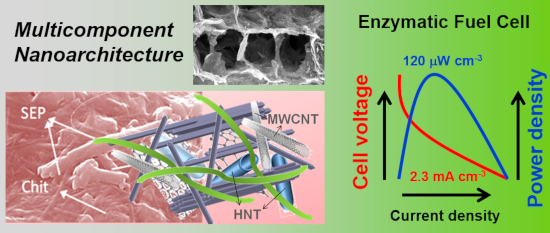
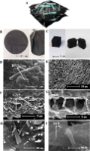
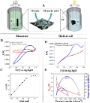
- immobilized in mesopores of Al2O3 membranes (10–30 mM) [63], sol–gel-derived composite films (14 mM) [64], and similar devices based on graphene and carbon nanotubes (4–15 mM) [65][66]. The low Km value is indicative of an excellent performance attributed to strong substrate binding and high enzymatic



Green fabrication of lanthanide-doped hydroxide-based phosphors: Y(OH)3:Eu3+ nanoparticles for white light generation
Beilstein J. Nanotechnol. 2019, 10, 1200–1210, doi:10.3762/bjnano.10.119
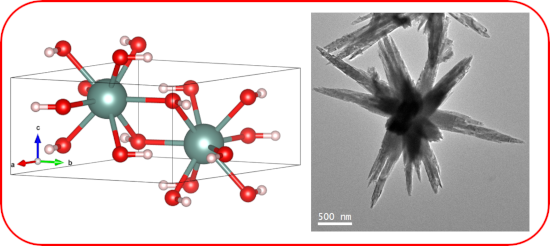
- methods have been widely used such as sol–gel, hydrothermal, combustion, emulsion, and precipitation methods [31][32][33][34]. Among those, the sol–gel and co-precipitation methods are, in general, slow and usually involve additional steps. On the other hand, there is a huge waste of organic solvents

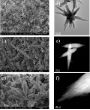


A highly efficient porous rod-like Ce-doped ZnO photocatalyst for the degradation of dye contaminants in water
Beilstein J. Nanotechnol. 2019, 10, 1157–1165, doi:10.3762/bjnano.10.115
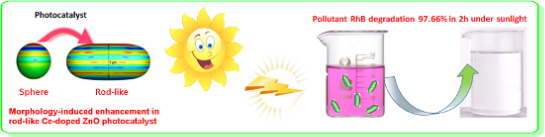
- decarboxylation. Generally, zinc oxide materials can be synthesized via a hydrothermal process [18], sol–gel method [19], microemulsion method [20], among others. Due to its narrow band, the application of zinc oxide is limited, thus it is common to modify ZnO using rare-earth ions [9]. Koao et al. [21
- affects the formation of ZIF-8. More specifically, it undergoes three main stages: gel formation, nucleation and crystallization [23]. According to Mahmoud’s [35] report, the Ce element which is doped into the lattice of Zn seeds may lower the surface energy, thus leading to a new morphology. Labhane et


Photoactive nanoarchitectures based on clays incorporating TiO2 and ZnO nanoparticles
Beilstein J. Nanotechnol. 2019, 10, 1140–1156, doi:10.3762/bjnano.10.114
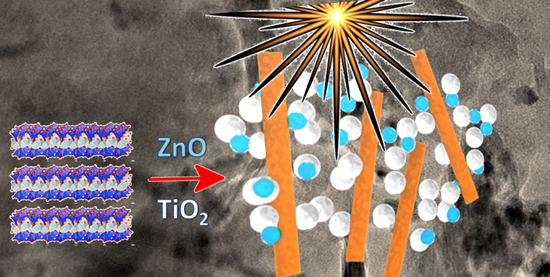
- nanostructured materials prepared by in situ formation of NPs can be achieved by applying various procedures such as impregnation by precipitation, sol–gel, solvothermal and microwave-assisted reactions. As already indicated, clay-based nanoarchitectures containing TiO2 NPs (anatase phase) are currently the most
- kaolinite surface through sol–gel methods as, for instance, one based on the controlled hydrolysis titanium(IV)-n-butoxide in ethanol, resulting in heterocoagulation with kaolinite in aqueous suspensions [96]. However, kaolinite can be expanded by the intercalation of polar molecules such as urea, dimethyl
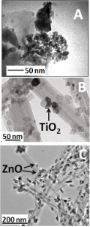
- distributed on the surface of sepiolite or palygorskite [109][111][118]. Figure 3 also shows TEM images of TiO2 produced in a controlled sol–gel process on the external surface of sepiolite modified with cetyltrimethylammonium ions. A coverage of the silicate surface by small NPs (4–8 nm diameter) suitable



Fe3O4 nanoparticles as a saturable absorber for giant chirped pulse generation
Beilstein J. Nanotechnol. 2019, 10, 1065–1072, doi:10.3762/bjnano.10.107
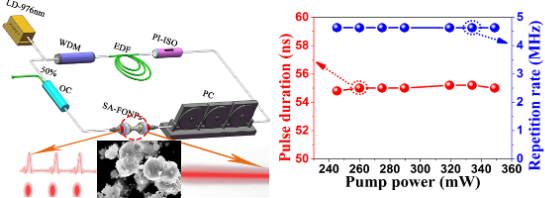
- analyzer (Rohde & Schwarz FSC6) is used to measure the signal-to-noise ratio of the pulse. There are many methods that can be employed for the synthesis of NPs, such as sol–gel, sol–hydrothermal, co-precipitate, or dry methods. Due to the homogeneity and the versatility of the product, a sol–hydrothermal


Enhanced inhibition of influenza virus infection by peptide–noble-metal nanoparticle conjugates
Beilstein J. Nanotechnol. 2019, 10, 1038–1047, doi:10.3762/bjnano.10.104
- then further separated from excess ligands by applying them (100 µL) to a 5 mL Sephadex G25 gel filtration column with PBS as a mobile phase. Ion-exchange chromatography Ion-exchange chromatography was performed on custom-made mini columns of diethylaminoethyl (DEAE) and carboxymethyl (CM) Sepharose
- (GE Healthcare Bio-Sciences AB, Sweden). The gel slurry was packed into a white pipette tip (200 µL) using half the filter as a frit and equilibrated in PBS. Capped nanoparticles were concentrated and exchanged into the appropriate buffer using a 10 kDa cut-off Nanosep centrifugal filter. The