Search results
Search for "gold" in Full Text gives 867 result(s) in Beilstein Journal of Nanotechnology. Showing first 200.
Facile preparation of Au- and BODIPY-grafted lipid nanoparticles for synergized photothermal therapy
Beilstein J. Nanotechnol. 2022, 13, 1432–1444, doi:10.3762/bjnano.13.118
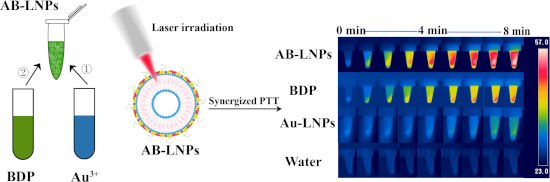
- Synthesis and Function Discovery (Fujian Province University), Fuzhou University, Fuzhou 350116, Fujian, China 10.3762/bjnano.13.118 Abstract Gold nanoparticles with large size exhibit preferable properties for photothermal therapy (PTT). However, the prolonged tissue retention and slow elimination of gold
- nanoparticles limit their therapeutic applications. Previously, gold nanoclusters carrying lipid nanoparticles (Au-LNPs) have been reported after simply mixing Au3+ with preformed diethylenetriaminepentaacetic acid lipid nanoparticles to solve this contradiction. Au-LNPs demonstrated enhanced photothermal
- effects in comparison to neat gold nanoparticles. To further improve the photothermal activity, we introduced the organic photothermal agent boron dipyrromethene (BODIPY) to Au-LNPs for synergistic PTT. Au- and BODIPY-grafted LNPs (AB-LNPs) were formed by simply mixing Au-LNPs with BODIPY. The BODIPY




Orally administered docetaxel-loaded chitosan-decorated cationic PLGA nanoparticles for intestinal tumors: formulation, comprehensive in vitro characterization, and release kinetics
Beilstein J. Nanotechnol. 2022, 13, 1393–1407, doi:10.3762/bjnano.13.115
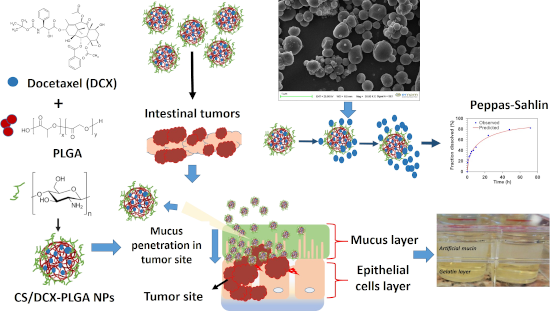
- gold and palladium and inserted on metal stubs before being dried for a 24 h SEM analysis. Determination of encapsulation efficiency, drug loading and production yield The previously reported UV–vis spectrophotometric quantification method was used to determine the DCX encapsulation efficiency of the


Dry under water: air retaining properties of large-scale elastomer foils covered with mushroom-shaped surface microstructures
Beilstein J. Nanotechnol. 2022, 13, 1370–1379, doi:10.3762/bjnano.13.113
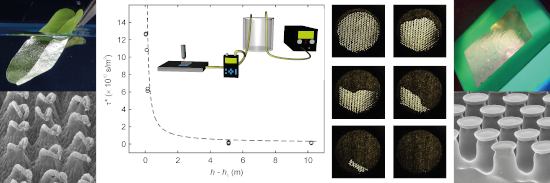
- with a thin gold layer (thickness 20 nm, Sputter Coater 108 auto, Cressington, Dortmund). Afterwards the samples have been analyzed using SEM (15 kV, CAMBRIDGE Stereoscan 200 SEM, Zeiss AG, Oberkochen). Results and Discussion As a first step of the investigation of the air retaining capabilities of


Supramolecular assembly of pentamidine and polymeric cyclodextrin bimetallic core–shell nanoarchitectures
Beilstein J. Nanotechnol. 2022, 13, 1361–1369, doi:10.3762/bjnano.13.112
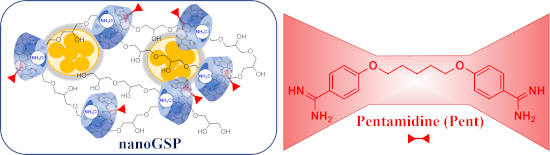
- nanostructures endowed with unique physicochemical properties. Recently, we have proposed a straightforward synthetic strategy that exploits the properties of polymeric β-cyclodextrin (PolyCD) to act as both the reducing and stabilizing agent to produce monodispersed and stable gold-based NPs either as
- during the reduction/stabilization of metal NPs was investigated for the first time by NMR spectroscopy. Keywords: antimicrobial agents; bimetallic nanoparticles; gold/silver core–shell; Leishmania; pentamidine; polycyclodextrin; Introduction Noble metal nanoparticles (NPs), in particular those
- composed of gold and/or silver, are versatile agents endowed with unique physicochemical properties, which recently have drawn great interest for a variety of applications ranging from catalysis to nanomedicine [1][2][3]. The size of the NPs is a key parameter that defines their optical properties


Laser-processed antiadhesive bionic combs for handling nanofibers inspired by nanostructures on the legs of cribellate spiders
Beilstein J. Nanotechnol. 2022, 13, 1268–1283, doi:10.3762/bjnano.13.105
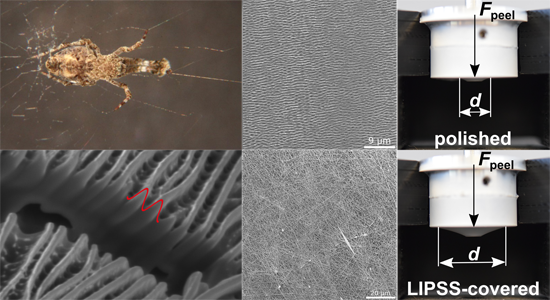
- provided by the Australian Museum (Sydney, Australia). The fourth leg, bearing the calamistrum, was removed from the ethanol-preserved specimens, dried in an ascending ethanol series, which was finally substituted by hexamethyldisilazane. After evaporation, the specimens were gold-sputtered (Hummer
- gold-sputtered (S150B, Edwards). The metatarsi were examined using a focused ion beam scanning electron microscope (FIB-SEM) tomography (Strata 400 STEM, FEI Company, Oregon, USA) at the Central Facility for Electron Microscopy at the RWTH Aachen University. Measurements were performed using the






Studies of probe tip materials by atomic force microscopy: a review
Beilstein J. Nanotechnol. 2022, 13, 1256–1267, doi:10.3762/bjnano.13.104
- addition, the method was also used for the determination of glyphosate in tap water samples with good recovery results. The assay has the advantages of high sensitivity and good selectivity. Compared to the above-proposed metal nanoclusters, gold-based bimetallic nanoclusters have the advantages of metal
- nanoclusters while their fluorescence quantum yields and stability are improved to a larger extent. Gold-silver bimetallic nanoclusters (AuAgNCs) exhibit enhanced luminescence efficiency and photostability due to Förster resonance energy transfer (FRET) and synergistic effects. Zhang et al. [27] synthesized
- highly fluorescent gold-silver bimetallic nanomaterials with stable fluorescence properties by a simple one-pot method using thiol salts as ligands. TPN-AuAgNCs were synthesised using tiopronin (TPN) as ligand, and the clusters emitted strong red fluorescence with good burst selectivity for Fe3+ after Ag
Design of surface nanostructures for chirality sensing based on quartz crystal microbalance
Beilstein J. Nanotechnol. 2022, 13, 1201–1219, doi:10.3762/bjnano.13.100
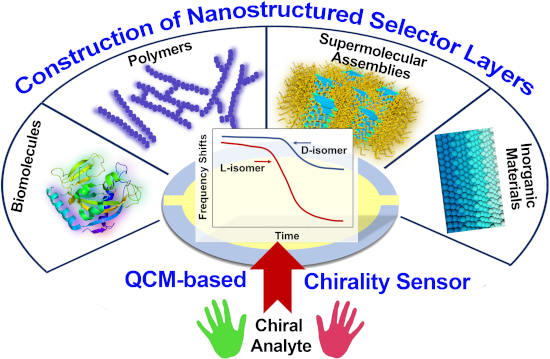
- recognition sites in CDs exposed for preferential adsorption of R-limonene. Ng et al. synthesized thiol-functionalized cyclodextrins with different linker lengths via the Staudinger reaction for chiral recognition of R/S-lactate methyl ester [68]. Through a strong reaction between the thiol group and gold, CD
- moiety on the upper rim were deposited on the gold surface of the QCM electrode. The chiral calixarene film exhibited good and more than doubled selectivity towards ʟ-AA. Different factors may affect the sensing performance, including the “lock-and-key principle”, size-fit concept, three-dimensional
- chiral receptor for gas-phase detection of chiral compounds (Figure 7) [88]. The gold surface of the electrode was first modified with trans-1,2-dithiane-4,5-diol, then a monolayer of [Co2(porphyrin diad)] complex with the porphyrin rings oriented in an almost perpendicular fashion to the surface was


A cantilever-based, ultrahigh-vacuum, low-temperature scanning probe instrument for multidimensional scanning force microscopy
Beilstein J. Nanotechnol. 2022, 13, 1120–1140, doi:10.3762/bjnano.13.95
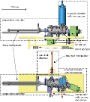
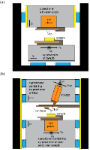
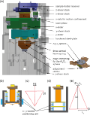
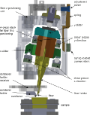
- is achieved through electrical connections between the microscope and the connectors on the cryostat bottom plate together with gold-coated Cu braids that connect the Cu cone to the cryostat bottom but keep a high mechanical flexibility (Figure 2b). Note that for the electrical connections between






Recent advances in green carbon dots (2015–2022): synthesis, metal ion sensing, and biological applications
Beilstein J. Nanotechnol. 2022, 13, 1068–1107, doi:10.3762/bjnano.13.93


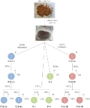


Biomimetic chitosan with biocomposite nanomaterials for bone tissue repair and regeneration
Beilstein J. Nanotechnol. 2022, 13, 1051–1067, doi:10.3762/bjnano.13.92
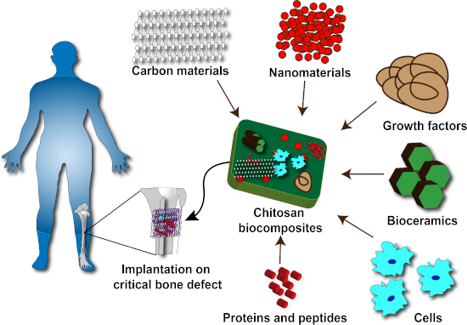
- regenerate bone defects. Autografts are still considered the gold-standard method/material to treat bone-related issues with satisfactory outcomes. It is important that the material used for bone tissue repair is simultaneously osteoconductive, osteoinductive, and osteogenic. To overcome this problem
- , researchers have tried several ways to develop different materials using chitosan-based nanocomposites of silver, copper, gold, zinc oxide, titanium oxide, carbon nanotubes, graphene oxide, and biosilica. The combination of materials helps in the expression of ideal bone formation genes of alkaline
- tissue engineering applications. Keywords: antibacterial activity; biomimetic materials; bone graft substitutes; chitosan; gold; osteoinductive; silver; Introduction Bone-related defects and diseases are a serious concern to the life of patients [1]. Autografts, allografts, and synthetic grafts are
Effects of focused electron beam irradiation parameters on direct nanostructure formation on Ag surfaces
Beilstein J. Nanotechnol. 2022, 13, 1004–1010, doi:10.3762/bjnano.13.87
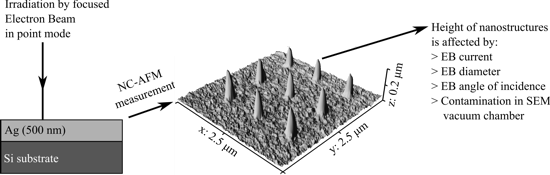
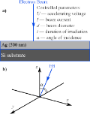
- nanophotonics [3]. They can also serve as catalysts for controlled chemical vapour deposition [4]. While gold is the most widely used material for fabrication of plasmonic nanostructures, silver can offer a less expensive alternative [5][6][7]. Electron beam (EB) lithography is a popular method for the




Interaction between honeybee mandibles and propolis
Beilstein J. Nanotechnol. 2022, 13, 958–974, doi:10.3762/bjnano.13.84
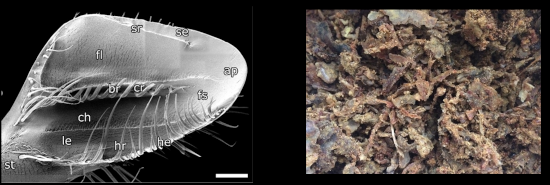
- ) equipped with a camera (Leica DFC420) prior to further experiments. For the following anatomical studies, mandibles of nectar collector and hive bees were then washed with acetone and water. They were air-dried, mounted on holders (inside up), sputter-coated with a 10 nm thick layer of gold–palladium and
- bees were studied in the cryo-SEM in the frozen state so the resin contaminations did not dry out. They were placed on holders (medial surface up), rapidly frozen on the table in the preparation chamber at −140 °C, sputter coated with gold palladium (3 nm), and studied at −120 °C with a cryoSEM


Design of a biomimetic, small-scale artificial leaf surface for the study of environmental interactions
Beilstein J. Nanotechnol. 2022, 13, 944–957, doi:10.3762/bjnano.13.83
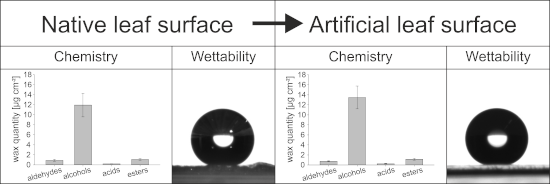
- into small pieces (approx. 0.3 × 0.5 cm) using a scalpel and attached to aluminium SEM sample holders (diameter 2.4 cm, Plano, Wetzlar, Germany) with conductive double-sided adhesive tape (Leit-Tabs, Plano, Wetzlar, Germany). The samples were coated with a thin gold layer (99.9% purity, approx. 8 nm
Bioselectivity of silk protein-based materials and their bio-inspired applications
Beilstein J. Nanotechnol. 2022, 13, 902–921, doi:10.3762/bjnano.13.81


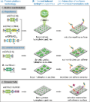
DNA aptamer selection and construction of an aptasensor based on graphene FETs for Zika virus NS1 protein detection
Beilstein J. Nanotechnol. 2022, 13, 873–881, doi:10.3762/bjnano.13.78
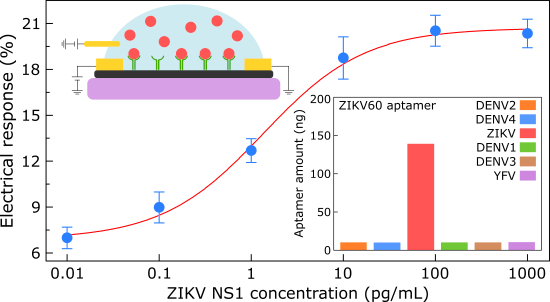
- B2902A Precision Source/Measure Unit, immediately after the functionalization process. The source–drain bias was fixed at 1 mV, and we applied the gate voltage via a gold electrode in contact with 100 mM PBS or human serum. PBS was used as electrolyte for validation of the graphene functionalization with



Temperature and chemical effects on the interfacial energy between a Ga–In–Sn eutectic liquid alloy and nanoscopic asperities
Beilstein J. Nanotechnol. 2022, 13, 817–827, doi:10.3762/bjnano.13.72
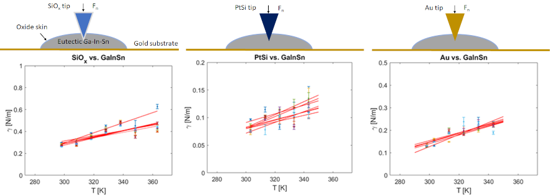
- different substrates (steel, gold, and Al) [13], with the wetting becoming better as the adsorption energy of gallium onto the substrate becomes more negative. In the case of Fe and Cu substrates, it was observed that liquid gallium reacts with the substrate to form an intermetallic layer at the gallium
- nN and the sliding velocity to vs = 4 µm/s. Depending on the tip chemistry, we determined different roughness values ranging from Rq = 4.48 nm with a gold tip to Rq = 10.13 nm with a platinum silicide tip. This dependence on the tip chemistry likely originates from different capillary interactions
- temperature or pulling velocity for all presented cases. However, by taking the average of all adhesion force values for each tip, we find the following mean values and associated standard deviations: = 6.46 ± 2.35 nN, = 7.77 ± 4.61 nN, and = 29.19 ± 9.71 nN. Adhesion of a gold tip on the eutectic Ga–In–Sn



Hierachical epicuticular wax coverage on leaves of Deschampsia antarctica as a possible adaptation to severe environmental conditions
Beilstein J. Nanotechnol. 2022, 13, 807–816, doi:10.3762/bjnano.13.71
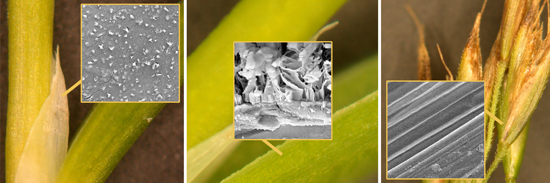
- 2500 cryo-preparation system, Gatan Inc., Abingdon, UK). Frozen samples, either entire or fractured with a cold metal fracture knife in the cryo-stage preparation chamber, were sputter-coated with gold–palladium (6 nm thickness) and examined in frozen condition (−120 °C) in a cryo-SEM Hitachi S-4800




Design and selection of peptides to block the SARS-CoV-2 receptor binding domain by molecular docking
Beilstein J. Nanotechnol. 2022, 13, 699–711, doi:10.3762/bjnano.13.62
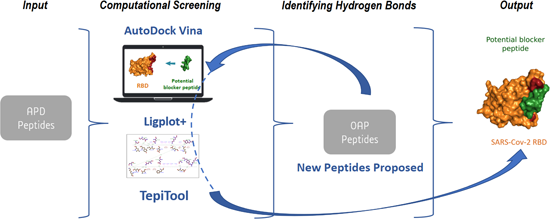
- receptor [5][15]. Powerful computational programs, as local installations or on internet servers, can be used to perform molecular docking. These include DOCK, AutoDock, FlexX, SurFlex, GOLD, ICM, and AutoDock Vina [18][19][20]. AutoDock Vina (ADV), an open-source software with high docking power, is one



Antibacterial activity of a berberine nanoformulation
Beilstein J. Nanotechnol. 2022, 13, 641–652, doi:10.3762/bjnano.13.56
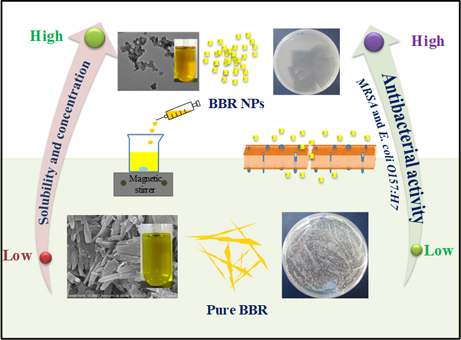
- types of nanoformulations, such as polymer-, lipid-, dendrimer-, graphene-, gold-, or silver-based nanoparticles, have been used for the delivery of BBR [29][30][31]. Yu et al. [29] prepared poly(ethylene glycol)–lipid–poly(lactic-co-glycolic acid) nanoparticles loaded with BBR to improve the oral



Detection and imaging of Hg(II) in vivo using glutathione-functionalized gold nanoparticles
Beilstein J. Nanotechnol. 2022, 13, 549–559, doi:10.3762/bjnano.13.46
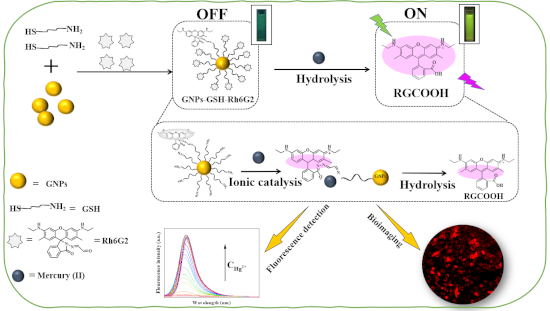
- University, Waurn Ponds, Victoria 3216, Australia 10.3762/bjnano.13.46 Abstract The optical and biological properties of functionalized gold nanoparticles (GNPs) have been widely used in sensing applications. GNPs have a strong binding ability to thiol groups. Furthermore, thiols are used to bind functional
- the fluorescent “ON” form. Keywords: cell imaging; fluorescence probes; glutathione; gold nanoparticles; mercury ions; rhodamine 6G derivatives; Introduction Metal nanoparticles have been widely used in the development and construction of sensor systems and drug carriers due to their excellent
- biocompatibility, large specific surface area, and remarkable photoelectric properties [1][2][3]. Among them, gold nanoparticles (GNPs) have been frequently employed for drug delivery, sensing, imaging, and photodynamic therapy owing to their high extinction coefficient, distinct optical properties, excellent


Design and characterization of polymeric microneedles containing extracts of Brazilian green propolis
Beilstein J. Nanotechnol. 2022, 13, 503–516, doi:10.3762/bjnano.13.42
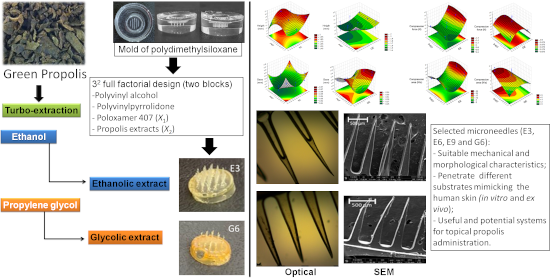
- details of the fabricated MNs was performed by scanning electron microscopy. Each sample was placed over a circular metallic holder (with the help of double-sided tape) and fixed with colloidal gold in a hermetically closed chamber in argon atmosphere. The samples were observed using a Quanta 250 electron


Zinc oxide nanostructures for fluorescence and Raman signal enhancement: a review
Beilstein J. Nanotechnol. 2022, 13, 472–490, doi:10.3762/bjnano.13.40
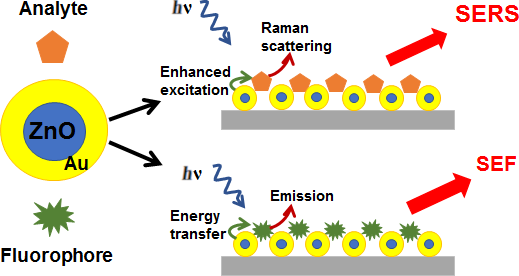
- SERS effect can be attributed to the EM enhancement due to clustering of Ag NPs and the CT mechanism [72]. [73] studied the SERS enhancement by using ZnO NRs decorated with Au NPs. Deposition of gold NPs onto ZnO nanorods resulted in decreasing the green emission band and enhancing the exciton emission
- . Numerous studies have demonstrated the enhancement of both near band edge (NBE) and defect emissions using ZnO decorated with metallic NPs [92][93]. The study in [92] showed a PL enhancement of the Au–ZnO heterojunction system by an order of magnitude when ZnO thin films were incorporated with gold




Investigation of electron-induced cross-linking of self-assembled monolayers by scanning tunneling microscopy
Beilstein J. Nanotechnol. 2022, 13, 462–471, doi:10.3762/bjnano.13.39
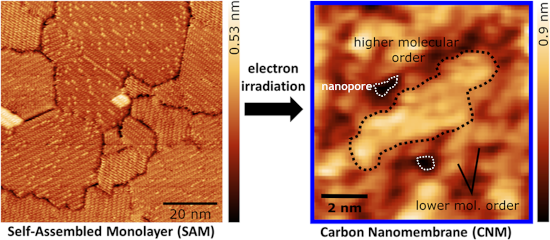
- general concept of self-assembly allows for the preparation of SAMs from the liquid or gas phase. Highly ordered TPT SAMs spontaneously form on Au(111) due to the formation of bonds between sulfur and gold atoms, which is accompanied by van der Waals interactions between the aromatic rings. The TPT SAMs
- in a less dense but more ordered structure over a large area with very few defects. During the self-assembly process, gold adatoms are ejected from the surface layer due to the relaxation of the herringbone reconstruction [68]. Several gold adatom islands, which would build up if the density of
- Au(111) surface was prepared by argon sputtering for 10 min at 1 keV with a pressure of 3 × 10⁻⁶ mbar. Secondly, the treated substrate was annealed at 673 K for 1 h in order to obtain a flat substrate surface characterized by large gold terraces. When required, successive sputtering/annealing cycles


The role of sulfonate groups and hydrogen bonding in the proton conductivity of two coordination networks
Beilstein J. Nanotechnol. 2022, 13, 437–443, doi:10.3762/bjnano.13.36
- Novocontrol broadband dielectric spectrometer (Alpha-A High Performance Frequency Analyzer). The samples were mounted between two Novocontrol BDS1200 based blocking gold-plated electrodes, and two-wire mode measurements were made, as described in earlier studies [21][29]. The impedance data was recorded in


A non-enzymatic electrochemical hydrogen peroxide sensor based on copper oxide nanostructures
Beilstein J. Nanotechnol. 2022, 13, 424–436, doi:10.3762/bjnano.13.35
- were ≥99.8% pure. Copper wire of 2 mm thickness (99.9% purity) was purchased from Sigma-Aldrich. Ag/AgCl wire was purchased from A-M Systems, USA. Printed circuit boards (PCBs) with ENIG (Electroless Nickel Immersion Gold) surface finish were purchased from Multi-CB (Germany). Distilled water was