Search results
Search for "inhibition" in Full Text gives 205 result(s) in Beilstein Journal of Nanotechnology. Showing first 200.
Involvement of two uptake mechanisms of gold and iron oxide nanoparticles in a co-exposure scenario using mouse macrophages
Beilstein J. Nanotechnol. 2017, 8, 2396–2409, doi:10.3762/bjnano.8.239
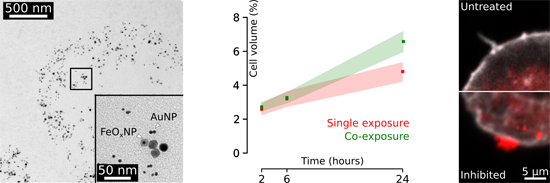
- inhibitor MDC. Inhibition of this pathway was also reported for the Fe-binding protein transferrin, whereas the uptake of non-biological (nano)particles such as polystyrene beads was not blocked [35]. However, the pathway was not exclusively clathrin-mediated because evidence of uptake is observed
- intracellularly after MDC treatment, suggesting that at least one additional uptake mechanism is active. Co-exposure of FeOxNPs and AuNPs in the presence of the clathrin-mediated endocytosis inhibitor MDC mediated a recovery from the uptake inhibition, again suggesting that more than one pathway is involved
- . Therefore, the co-exposure of NPs to a culture of macrophages with an inhibited clathrin-mediated endocytosis pathway may restore the uptake until it is indiscernible from a not-inhibited, healthy culture. Without inhibition, the particles are internalized faster in co-exposure experiments than in each



Evaluating the toxicity of TiO2-based nanoparticles to Chinese hamster ovary cells and Escherichia coli: a complementary experimental and computational approach
Beilstein J. Nanotechnol. 2017, 8, 2171–2180, doi:10.3762/bjnano.8.216
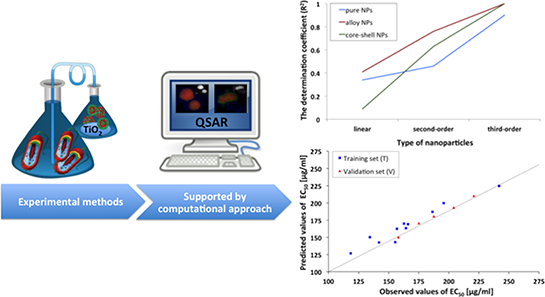
- Toxicity evaluation Three types of TiO2-based NPs were synthetized: (1) monometallic (Au, Pd) clusters, (2) core–shell particles and (3) alloy bimetallic clusters (Au/Pd). The cytotoxicity and antimicrobial activity of TiO2 modified with palladium and/or gold NPs is presented in Table 1. Inhibition of
- bacterial growth was not observed up to the highest tested concentration of 500 µg/L. In the agar diffusion method, a slight inhibition of bacterial growth was noted for nanomaterials: 0.25Au, 1.25Au, 0.1Pd_0.5Au, 0.1Pd_1.25Au, 0.5Pd_0.5Au. At the same time, mammalian cells were more sensitive to Au/Pd-TiO2
- , Pd-TiO2 and bimetallic Au/Pd-TiO2 was greater than the one observed for pure TiO2. At the same time, when MIC was determined, inhibition of bacterial growth was not observed for the investigated nanomaterials, up to the highest tested concentration. When comparing the metal content, the nanoparticles


Bi-layer sandwich film for antibacterial catheters
Beilstein J. Nanotechnol. 2017, 8, 1982–2001, doi:10.3762/bjnano.8.199
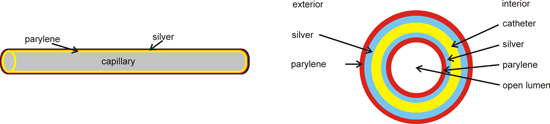
- traces are inductively coupled plasma optical emission spectroscopy (ICP-OES), cyclic voltammetry, and atomic absorption spectroscopy (AAS). The former two methods have been extensively used and are described in [19][40][41]. The biological methods are the determination of the zone of inhibition around a


Optical techniques for cervical neoplasia detection
Beilstein J. Nanotechnol. 2017, 8, 1844–1862, doi:10.3762/bjnano.8.186

- ). It is known that progression of CIN from mild dysplasia to invasive cancer is accompanied by the increase in level of epidermal growth factor receptor (EGFR). The overexpression of EGFR has been correlated to uncontrolled cell growth and inhibition of cell apoptosis. Hence, EGFR can be used as a



A nanocomplex of C60 fullerene with cisplatin: design, characterization and toxicity
Beilstein J. Nanotechnol. 2017, 8, 1494–1501, doi:10.3762/bjnano.8.149
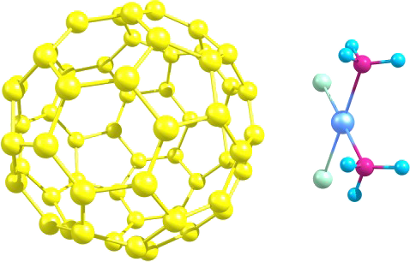
- action and binds covalently to DNA. In tumor cells Cis induces the selective inhibition of DNA synthesis and replication [2]. However, the action of Cis is accompanied by side effects that limit the use of Cis in anticancer chemotherapy. Сіs-induced nephro-, hepato- and cardiotoxicity, as well as



Cationic PEGylated polycaprolactone nanoparticles carrying post-operation docetaxel for glioma treatment
Beilstein J. Nanotechnol. 2017, 8, 1446–1456, doi:10.3762/bjnano.8.144
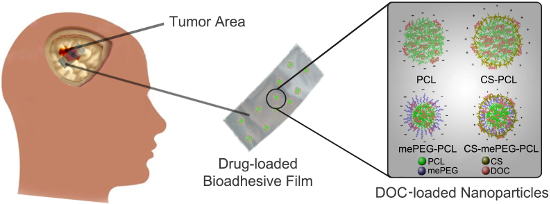
- effective on growth inhibition of breast and prostate cancer cells when compared to free docetaxel [23]. Core–shell nanoparticles are also used as non-viral vectors for the treatment of glioma. Zamora et al. prepared photochemical internalization mediated polyamine core–shell nanoparticles for tumor
- sustained release of the model drug epidoxorubicin as carriers of pEGFP DNA complexes. The results demonstrated that co-delivery of drug and gene could be performed and strong inhibition effects on glioblastoma can be achieved with their system [25]. Additionally, magnetic core–shell nanoparticles have been
- an intracranial U87 glioma model. They demonstrated that active targeted and cationic core–shell nanoparticles could be effective in inhibition of tumor proliferation with higher accumulation in tumor area when they are administered intravenously [67]. Different studies also showed that nanoparticles




Micro- and nano-surface structures based on vapor-deposited polymers
Beilstein J. Nanotechnol. 2017, 8, 1366–1374, doi:10.3762/bjnano.8.138
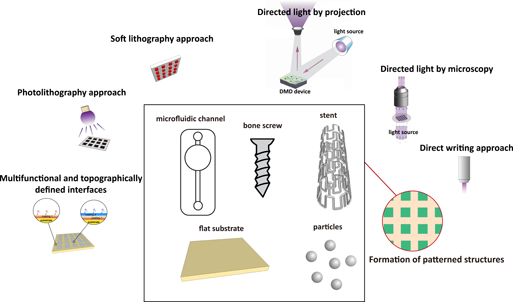
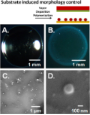
- proliferation (FGF-2) and osteogenic differentiation (BMP-2) for adipose-derived stem cells [76]. Selective deposition The aforementioned methods rely on physical means to obtain spatially controlled surface modifications and patterned structures. A simpler approach is the selective inhibition of the vapor
- deposition/polymerization process on substrates, i.e., the polymer coatings are either deposited or not on substrates because of the chemistry below the substrate surface. The mechanism of the polymer deposition selectivity is not conclusive. The inhibition of polymer deposition is believed to occur because


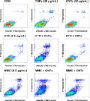
Carbon nanomaterials sensitize prostate cancer cells to docetaxel and mitomycin C via induction of apoptosis and inhibition of proliferation
Beilstein J. Nanotechnol. 2017, 8, 1307–1317, doi:10.3762/bjnano.8.132
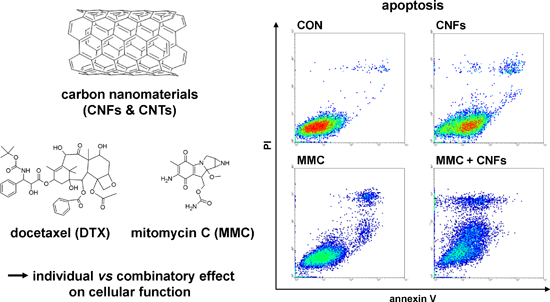
- viability of PCa cells to 94% and 68%, respectively, whereas a combined treatment with CNFs led to less than 30% remaining viable cells. Up to 17- and 7-fold higher DTX and MMC concentrations were needed in order to evoke a similar inhibition of viability as mediated by the combinatory treatments. In
- contrast, the dose of platinum-based chemotherapeutics could only be reduced by up to 3-fold by combination with carbon nanomaterials. Furthermore, combinatory treatments with CNFs led mostly to an additive inhibition of short- and long-term proliferation compared to the individual treatments. Also, higher
- chemotherapeutics and cytotoxic agents by chemosensitizing cancer cells [16][23][24][25][26]. In our previous studies, CNTs and CNFs sensitized prostate and bladder cancer cells to the platinum-based chemotherapeutics carboplatin (CP) and cisplatin (CDDP) via an enhanced inhibition of short- and long-term


Nanotopographical control of surfaces using chemical vapor deposition processes
Beilstein J. Nanotechnol. 2017, 8, 1250–1256, doi:10.3762/bjnano.8.126
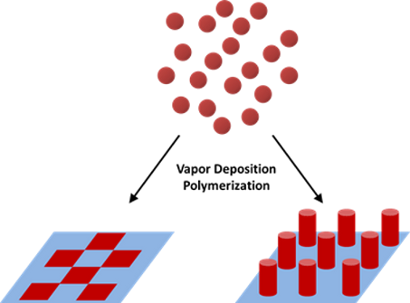
- carboxylic acid-terminated alkanethiols, iron salt exposure on the surface could be spatially defined, which again prevented polymer growth [18]. Further investigations with a wider variety of PPX derivatives were conducted by Chen et al. [22]. For PPX derivatives containing oxygen or nitrogen, no inhibition
- demonstrated. The inhibition of chain growth by transition metals was also demonstrated for different types of monomers by Kwong et al. [19][23]. Various metals and metal salts were found to inhibit the growth of acrylate-based polymers and poly(4-vinylpyridine) (P4VP). Copper salts such as CuCl2 and Cu(NO3)2
- were identified for effective inhibition of all investigated types of polymers. The patterned deposition was demonstrated by screen printing of a solution of the metal salt using a mask. No polymer deposition occurred on locations treated with the metal salt (Figure 2c). In order to pattern surfaces




Nano-engineered skin mesenchymal stem cells: potential vehicles for tumour-targeted quantum-dot delivery
Beilstein J. Nanotechnol. 2017, 8, 1218–1230, doi:10.3762/bjnano.8.123
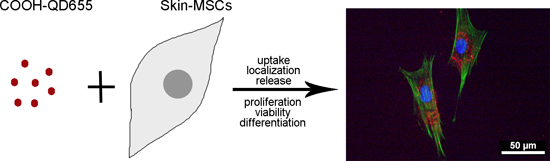
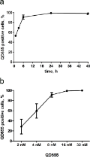
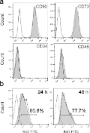
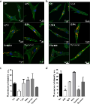
- daughter cells (Figure 3c). Inhibition of proliferation was additionally confirmed by analysing the cell number in the respective medium (data not shown). The addition of QDs did not change the expression of Ki67 (data not shown). QD effect on immunophenotype, proliferation and differentiation of MSCs The
- observations have been reported in the study of mouse embryonic stem cells, where QD loss was still detected after the inhibition of cell proliferation, suggesting that QDs might be excreted from cells [50]. Indeed, we demonstrated that MSCs could be repetitively labelled by the removal of supernatants from QD
- membrane transporters for the elimination of toxic reagents [53]. The induction of ABC transporter P-glycoprotein increases the elimination of QDs from HEK and HepG2 cells, while its inhibition demonstrated an opposite effect. The elimination rate was higher in HEK cells, because of the stem cell phenotype





Recombinant DNA technology and click chemistry: a powerful combination for generating a hybrid elastin-like-statherin hydrogel to control calcium phosphate mineralization
Beilstein J. Nanotechnol. 2017, 8, 772–783, doi:10.3762/bjnano.8.80
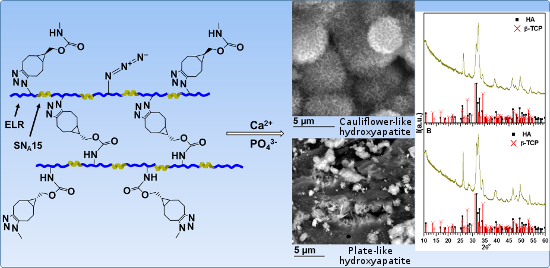
- %) are achieved for both hydrogels. The present work shows the merit of using the in situ-inhibition CP approach, where SNA15 moieties are regularly distributed along the hydrogel matrix for controlling the CP mineralization process. The combination of the self-assembly properties of ELRs with the
- biomedical applications. At the same time, these materials, at the insoluble state, have the ability to control the formation of CP in terms of both phase and morphology, different from the ones formed at the soluble state. Conclusion The present work shows the merit of using the in situ-inhibition CP



Synthesis of graphene–transition metal oxide hybrid nanoparticles and their application in various fields
Beilstein J. Nanotechnol. 2017, 8, 688–714, doi:10.3762/bjnano.8.74


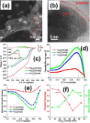


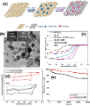


The longstanding challenge of the nanocrystallization of 1,3,5-trinitroperhydro-1,3,5-triazine (RDX)
Beilstein J. Nanotechnol. 2017, 8, 452–466, doi:10.3762/bjnano.8.49
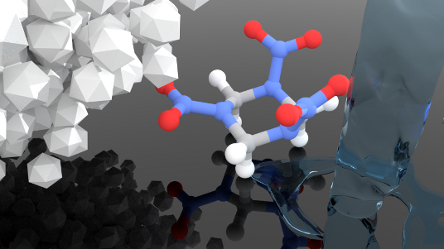
- previously saw for milling. Yet this delicate step is required since the reactivity of high energetic materials is fully exploited in the dried state. Freeze drying and supercritical drying seem to kinetically and partially prevent crystal growth from occurring. Only a complete growth inhibition will lead to


Optical and photocatalytic properties of TiO2 nanoplumes
Beilstein J. Nanotechnol. 2017, 8, 190–195, doi:10.3762/bjnano.8.20
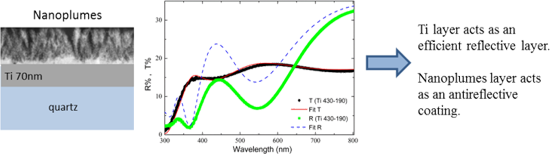
- visible region [7]. Different approaches were proposed to overcome this limit: the inhibition of the recombination of photogenerated electrons and holes [8][9], the increase of the exposed surface area [10][11][12], and the decrease of the band-gap energy [13][14]. Recently, Chen et al. were able to


Facile fabrication of luminescent organic dots by thermolysis of citric acid in urea melt, and their use for cell staining and polyelectrolyte microcapsule labelling
Beilstein J. Nanotechnol. 2016, 7, 1905–1917, doi:10.3762/bjnano.7.182
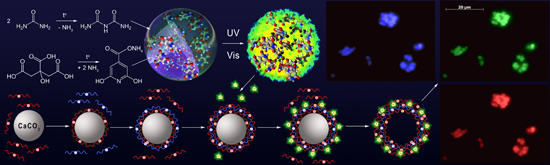
- cells. Thus, at concentrations of up to 3,000 μg/mL, O-dots are non-toxic for normal cellular cultures, but inhibit the activity of NADP-H-dependent oxidoreductase enzymes of cells. Reducing the concentration of O-dots down to 700–900 μg/mL causes an inhibition of cell metabolism of less than 15
- find an application in the inhibition of the metabolic activity of the tumour cells. Synthesized O-dots combine the properties of dyes to provide differential staining of cells in various functional states, as well as the ability to inhibit enzymatic activity in highly metabolizing cells. This




High performance Ce-doped ZnO nanorods for sunlight-driven photocatalysis
Beilstein J. Nanotechnol. 2016, 7, 1338–1349, doi:10.3762/bjnano.7.125
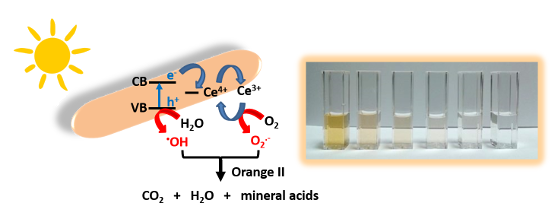
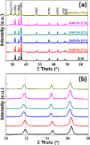
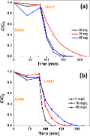
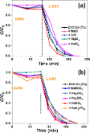
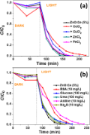
- (S2−, HCO3−, CO32−, SO42−, NO3− and H2PO4−) keeping Na+ as cation and maintaining the pH value at 7.0 (Figure 11b). As previously, the influence of these salts on the photocatalytic efficiency was found to be modest and no strong inhibition was observed. These results demonstrate that the ZnO:Ce
- (Figure 12a) [58]. Glucose, a reducing sugar (100 mg/L), urea (100 mg/L) or Na2S (10 mg/L) only slightly decreased the photodegradation rate of Orange II at pH 7 (Figure 12b). Bovine serum albumin (BSA) (10 mg/L) and aniline (10 mg/L) had a more pronounced inhibition effect (degradation of Orange II in
- degradation. When t-BuOH, a •OH radical scavenger [59] was added at a 40 mL/L concentration, the kinetic of photocatalytic degradation of Orange II was reduced and required ca. 3.4-fold more time compared to the experiment conducted in the absence of t-BuOH (Figure 14). The strong inhibition of the







Viability and proliferation of endothelial cells upon exposure to GaN nanoparticles
Beilstein J. Nanotechnol. 2016, 7, 1330–1337, doi:10.3762/bjnano.7.124
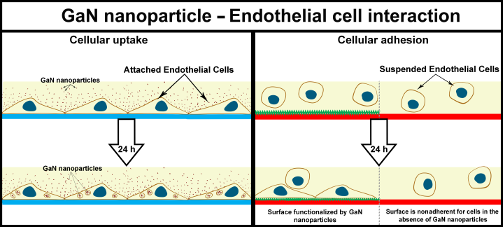
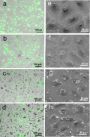
- vasculature building to supply the cells with nutrients. The manipulation of angiogenesis might also result in inhibition of blood vessel development. The ability to stimulate or inhibit the formation of blood vessels is of paramount importance for the development of new organs and it is a challenge for



Preparation of alginate–chitosan–cyclodextrin micro- and nanoparticles loaded with anti-tuberculosis compounds
Beilstein J. Nanotechnol. 2016, 7, 1208–1218, doi:10.3762/bjnano.7.112
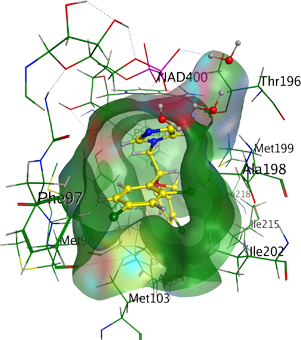
- and candidosis (cutaneous and vaginal) [20]. The main mechanism of the fungistatic effect of ISN is the inhibition of lanosterol 14a-demethylation in the ergosterol biosynthesis in the fungal membrane. At the same time, in the case of a prolonged use of ISN, a fungicidal effect can be observed, which
- is unrelated to the inhibition of the ergosterol synthesis but rather involves rapid membrane damage. As antimycotic, ISN is active against dermatophytes, moulds, yeast, and yeast-like fungi. It is also active against Corynebacterium minutissimum, the microorganism causing erythrasma [21][22]. In
- activity at lower concentrations. System 1, producing an isoconazole concentration of 10 μg/mL in the treatment medium, caused 100% inhibition of the growth of M. tuberculosis. Comparable results were achieved with the INH-containing microparticulate systems (systems 2–5) at a concentration of active



High antiviral effect of TiO2·PL–DNA nanocomposites targeted to conservative regions of (−)RNA and (+)RNA of influenza A virus in cell culture
Beilstein J. Nanotechnol. 2016, 7, 1166–1173, doi:10.3762/bjnano.7.108
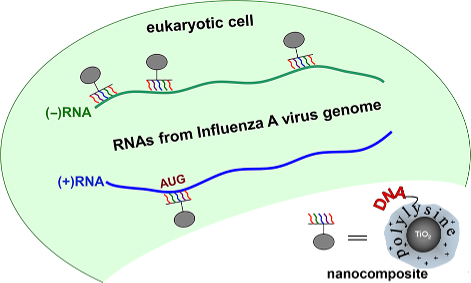
- bearing the DNA fragments targeted to (−)RNA appeared to be more efficient than those containing fragments aimed at the corresponding (+)RNA regions. Conclusion: The proposed TiO2·PL–DNA nanocomposites can be successfully used for highly efficient and site-specific inhibition of influenza A virus of
- the DNA fragment. This nanocomposite concentration was much lower than TC50/mL (1800 µg/mL [18]). The results are presented in terms of the TCID50/mL values in Table 2. Table 2 also shows the extent of the IAV inhibition (n-fold) with the studied nanocomposites in comparison with the control without
- that the use of the proposed TiO2·PL–DNA nanocomposites leads to the more efficient inhibition of the IAV replication as compared to the data of other researchers who used NA-based agents against IAV segment 5 [8][9][10][11][12][13][14][15][16]. Transfection of the IAV-infected MDCK cells with


Unraveling the neurotoxicity of titanium dioxide nanoparticles: focusing on molecular mechanisms
Beilstein J. Nanotechnol. 2016, 7, 645–654, doi:10.3762/bjnano.7.57
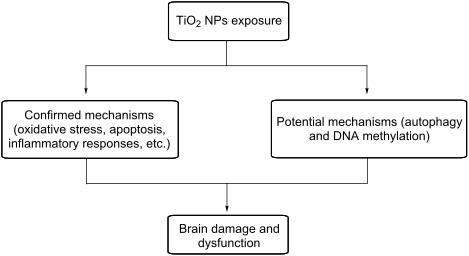
- apoptotic cells. Pretreating PC12 with a ROS scavenger could alleviate these harmful effects induced by TiO2 NPs [51]. In addition, an inhibition in cell proliferation, altered cell morphology (assessed by decreased F-actin), and apoptosis could be induced by TiO2 NPs in C6 and U373 cells. TiO2 NPs were
Comparison of the interactions of daunorubicin in a free form and attached to single-walled carbon nanotubes with model lipid membranes
Beilstein J. Nanotechnol. 2016, 7, 524–532, doi:10.3762/bjnano.7.46
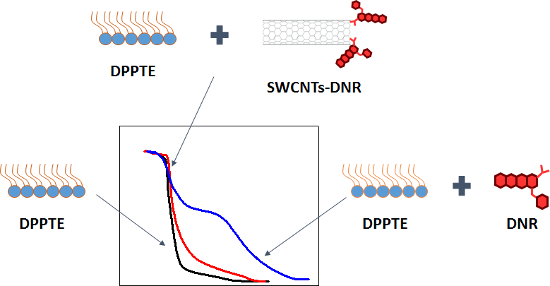
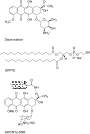
- in the treatment of various types of cancer including leukemia, breast cancer, ovarian cancer, lung carcinoma and several sarcomas (Figure 1). Its mode of action consists in the intercalation into DNA double strand, which leads to the inhibition of the process of duplication and transcription of mRNA
- as well as DNA damage by the inhibition of topoisomerase II [1][2]. However, the second mechanism involving the increased production of ceramides inside cells has been recently postulated [3]. Application of this drug in the cancer treatment is limited because of serious side effects including drug




Antibacterial activity of silver nanoparticles obtained by pulsed laser ablation in pure water and in chloride solution
Beilstein J. Nanotechnol. 2016, 7, 465–473, doi:10.3762/bjnano.7.40
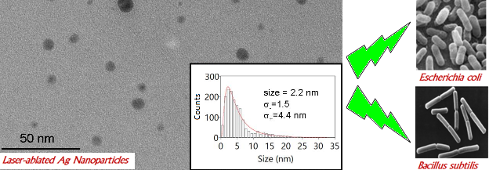
- the microbial cell, which disturbs the power functions of the cell membrane and causes structural damage; (b) the generation of reactive oxygen species (ROS), which damage the cell membrane; and (c) the interference with DNA replication and inhibition of enzymes and other proteins [13][17][18][19][20
- antibacterial activity decreases with increasing particle size. The effect of 1–100 nm AgNPs on Gram-negative bacteria was studied by Morones et al. with HR-TEM analysis [13]. They concluded that only AgNPs with a diameter <10 nm are able to interact with the bacteria. Additionally, bacterial growth inhibition
- both microorganisms by all four NPs formulations. Regarding their effect on growth inhibition, we obtained MIC values ranging from 1.0 to 8.4 µg/mL with ps-ablated AgNPs. These values were lower for both microorganisms than those obtained with ns-ablated AgNPs (either in water or in LiCl solution


Ultrastructural changes in methicillin-resistant Staphylococcus aureus induced by positively charged silver nanoparticles
Beilstein J. Nanotechnol. 2015, 6, 2396–2405, doi:10.3762/bjnano.6.246
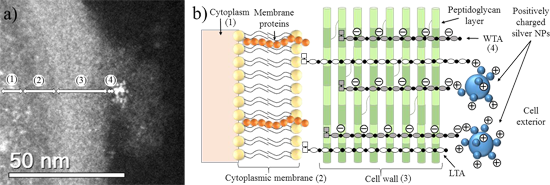
- leakage and cell lysis with growth inhibition in a dose-dependent manner after the particles attached beyond the PG layer. We hypothesize that positively charged silver nanoparticles bind to the negatively charged polyanionic backbones of teichoic acids and cell wall glycopolymers (CWGs) as first targets
- % glycerol. Determination of minimal inhibitory concentration (MIC): To assess the growth inhibition of the bacterial strains MSSA (UAMS1) and MRSA (TCH1516), they were submitted to determination of the minimal inhibitory concentrations (MICs) of AgNPs by serial dilution in 96-well plates in a similar manner


Green and energy-efficient methods for the production of metallic nanoparticles
Beilstein J. Nanotechnol. 2015, 6, 2354–2376, doi:10.3762/bjnano.6.243
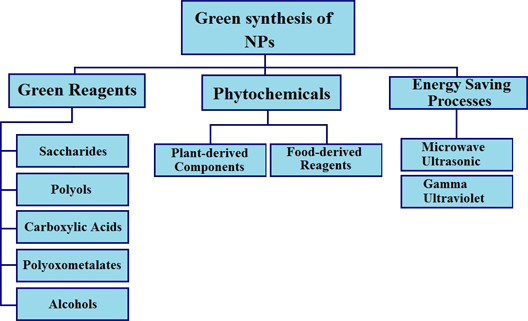
- ]. Inhibition of waste generation: Prevention of the generation of wastes is preferred to their purification. In this sense, the formation of any unusable by-products or the loss of consumed energy can be taken into account as waste. Each form of waste has its own impacts on the environment depending on its
- ionic surfactants can reduce the zeta potential of Ag NPs from −20 to −50 mV, which is favorable for stabilization. They concluded that non-ionic surfactants can form a layer with inhibition function to prevent the formation of other nuclei and consequently lead to monodisperse NPs [100]. Lu et al


Effect of SiNx diffusion barrier thickness on the structural properties and photocatalytic activity of TiO2 films obtained by sol–gel dip coating and reactive magnetron sputtering
Beilstein J. Nanotechnol. 2015, 6, 2039–2045, doi:10.3762/bjnano.6.207
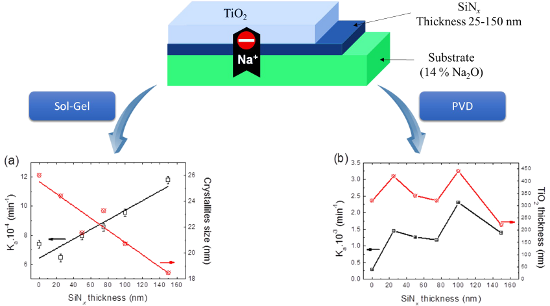
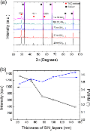
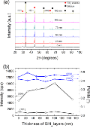
- diffusion barrier intercalated between the substrate and the TiO2 film [6][10]. The most widely used diffusion barriers are SiO2 [10][11] and SiNx [6] layers. SiNx diffusion barriers show better efficiency than SiO2 with respect to inhibition of the diffusion of Na+ ions [6]. The sodium ion concentration