


Search results
Search for "ion" in Full Text gives 949 result(s) in Beilstein Journal of Nanotechnology. Showing first 200.
Nanotechnology – a robust tool for fighting the challenges of drug resistance in non-small cell lung cancer
Beilstein J. Nanotechnol. 2023, 14, 240–261, doi:10.3762/bjnano.14.23
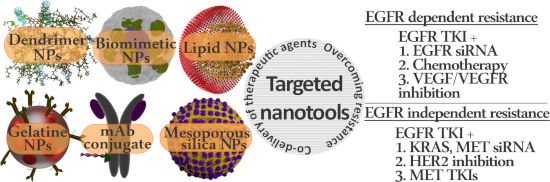
- targeting. Transient PEGylation facilitates not only the localization and interaction with the target cell but also improves ion pair formation between the ionizable lipid (which will become cationic at pH 4) and the anionic endogenous endosomal phospholipids. This will enable the fast release of the


A novel approach to pulsed laser deposition of platinum catalyst on carbon particles for use in polymer electrolyte membrane fuel cells
Beilstein J. Nanotechnol. 2023, 14, 190–204, doi:10.3762/bjnano.14.19
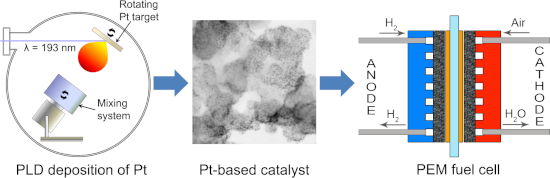
- [27]. Direct deposition of PtNPs can be attained by the use of various physical vapor deposition techniques such as magnetron sputtering [28], sputtering [29], e-beam evaporation [30], dual ion-beam assisted deposition [31], and pulsed laser deposition (PLD) [27][32][33]. Previously, PLD has been used
- ™ (1100 e.w., Ion Power Inc., United States) by ultrasonic mixing. The ratio of the ionomer to the studied Pt-based catalyst mass in a dry electrode was 0.1. The disc-ring electrode surfaces were polished and checked for purity before applying the catalyst layer by cyclic voltammetry in a 0.5 M H2SO4
- W, Cole-Parmer, United States) impulse sonication with 150 W energy for approximately 1 min by mixing Pt-coated carbon material, 5% alcohol suspension of Nafion (1100 e.w., Ion Power, United States) and double distilled water. The suspension was prepared in an airtight tube cooled with ice. The



High–low Kelvin probe force spectroscopy for measuring the interface state density
Beilstein J. Nanotechnol. 2023, 14, 175–189, doi:10.3762/bjnano.14.18
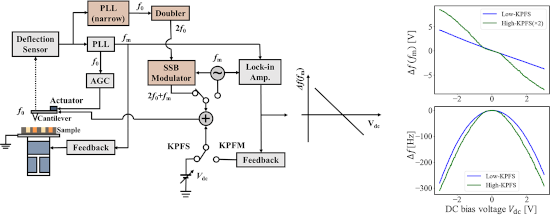
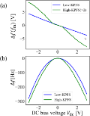
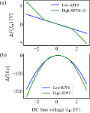
- show that the analysis of electrostatic forces in the depletion region at high- and low-frequency AC bias voltages provides information about the interface state density in the semiconductor bandgap. As a preliminary experiment, high-low KPFS measurements were performed on ion-implanted silicon



Combining physical vapor deposition structuration with dealloying for the creation of a highly efficient SERS platform
Beilstein J. Nanotechnol. 2023, 14, 83–94, doi:10.3762/bjnano.14.10
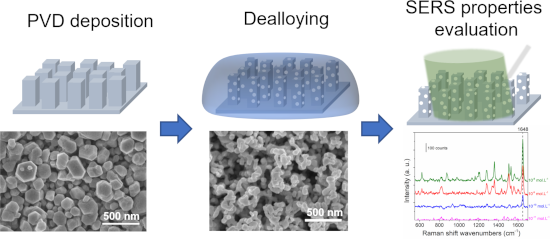
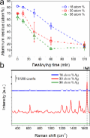
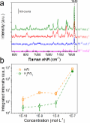
- studied. For this purpose, two other solutions were selected (i.e., H3PO4 and NaOH). Undoubtedly, anions play an important role during the dealloying process due to the intricate reaction between anions and Ag or Al [47][48]. It has been reported that during dealloying in HCl, the Cl− ion accelerates the




Upper critical magnetic field in NbRe and NbReN micrometric strips
Beilstein J. Nanotechnol. 2023, 14, 45–51, doi:10.3762/bjnano.14.5
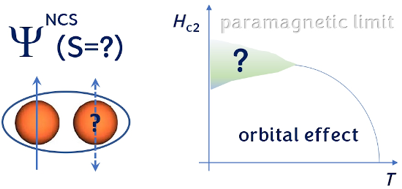
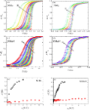
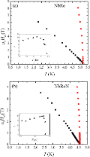
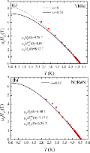
- voltage contacts of L = 90 μm. The NbReN films were structured by using direct laser writer exposure followed by argon ion etching into constriction-type bridges with w = 2 μm and L = 700 μm. Further details on the fabrication procedure of the films are reported elsewhere [4][8]. The superconducting

Observation of collective excitation of surface plasmon resonances in large Josephson junction arrays
Beilstein J. Nanotechnol. 2022, 13, 1578–1588, doi:10.3762/bjnano.13.132
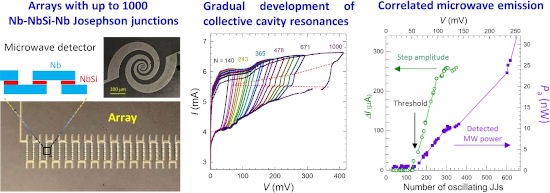
- using photolithography and reactive ion etching. The JJ sensor with variable thickness and a width of ≈100 nm is made by Ga+ focused ion beam etching. The JJ is made small in order to increase its resistance Rn to approx. 50 Ω, which is needed for a good impedance matching with the antenna. In order to




Utilizing the surface potential of a solid electrolyte region as the potential reference in Kelvin probe force microscopy
Beilstein J. Nanotechnol. 2022, 13, 1558–1563, doi:10.3762/bjnano.13.129
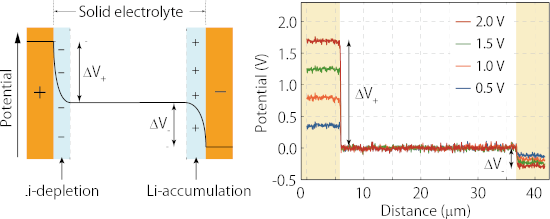
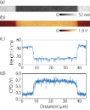
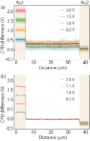
- electrode placed on a solid electrolyte (Li-ion conductor) substrate. The surface-potential distribution in the region across the solid electrolyte was measured with a DC voltage applied between the Au electrodes. During the KPFM measurements, the potential of each Au electrodes relative to the Li electrode
- toward the negatively biased electrode, resulting in an ionic current flow. The ion current decays with time and, in principle, becomes zero when the electric field in the solid electrolyte is shielded by the accumulation and depletion of Li ions. Before starting each KPFM measurement, we waited 2–4 min
- electrolyte sample was a Li-ion conducting glass ceramic purchased from OHARA Inc. (LICGCTM AG-01) [20]. The size and thickness of the substrate were 25.4 mm × 25.4 mm and 150 μm, respectively. The main crystalline phase was Li1+x+yAlx(Ti,Ge)2−xSiyP3−yO12 [20]. The substrate was cut into pieces of




Non-stoichiometric magnetite as catalyst for the photocatalytic degradation of phenol and 2,6-dibromo-4-methylphenol – a new approach in water treatment
Beilstein J. Nanotechnol. 2022, 13, 1531–1540, doi:10.3762/bjnano.13.126
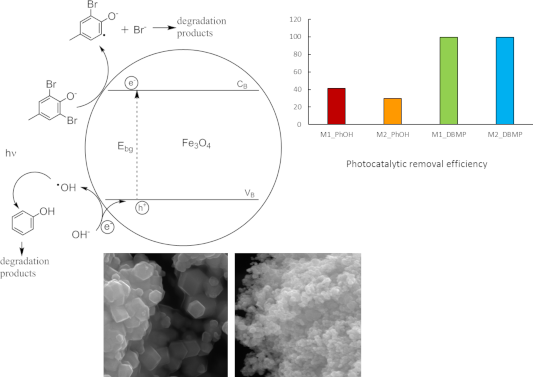
- for photocatalysis (11 × 10−3 min−1 for M1 and 6.2 × 10⁻³ min−1 for M2), a higher kapp value can be observed for ozonolysis. As shown in Figure 6, bromide ions were released from the benzene ring by the ozonation reaction. The bromide ion concentration increased with an increasing level of degradation
- bromide; Figure 6). However, a normalized bromide ion concentration smaller than 0.5 for ozonolysis may denote the production of brominated organic by-products. Release yields of bromine in the form of bromide ions as high as 90% showed eventual mineralization. The half-live of DBMP in photocatalytic
- 1 × 10⁻⁴ to 1 × 10⁻² mol·L−1 were used to quantify PhOH and DBMP. The concentration of dissolved bromide ions was determined potentiometrically with a bromide ion-selective electrode (EBr-01, Hydromet, Poland) with a silver chloride electrode (RL-100, Hydromet, Poland) as a reference electrode and a


A TiO2@MWCNTs nanocomposite photoanode for solar-driven water splitting
Beilstein J. Nanotechnol. 2022, 13, 1520–1530, doi:10.3762/bjnano.13.125
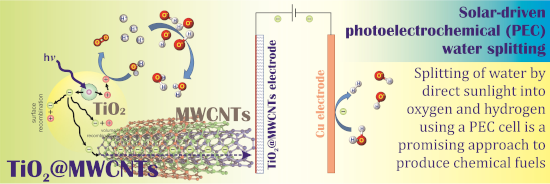
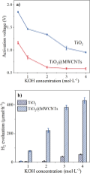
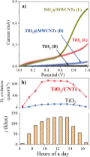
- frequencies [42][43]. Additionally, the equivalent circuit fitted to the TiO2@MWCNTs electrode indicates that electron and ion transfers and the electrode material contribute to the overall charge transfer [43]. The results suggest synergies of TiO2 nanoparticles and MWCNTs in the TiO2@MWCNTs electrode



In search of cytotoxic selectivity on cancer cells with biogenically synthesized Ag/AgCl nanoparticles
Beilstein J. Nanotechnol. 2022, 13, 1505–1519, doi:10.3762/bjnano.13.124
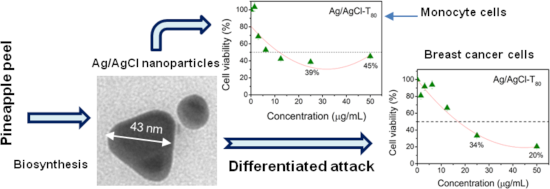
- the Ag+ ion of the AgNO3 salt to Ag0. In this way, silver nuclei are generated and join to form nanoparticles, which are stabilized (via capping) by the same metabolites that are involved in the oxidation–reduction process [9]. Various plant parts have been used to generate AgNPs. Amongst these parts
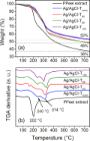
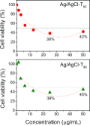
- metallic Ag and as an ion in AgCl. According to the quantitative results, Ag/AgCl-Troom and Ag/AgCl-T100 have the highest Ag content. In contrast, Ag/AgCl-T60 and Ag/AgCl-T80 have the lowest Ag concentrations. This result is consistent with the data determined from the XRD diffractograms shown in Table 1





Hydroxyapatite–bioglass nanocomposites: Structural, mechanical, and biological aspects
Beilstein J. Nanotechnol. 2022, 13, 1490–1504, doi:10.3762/bjnano.13.123
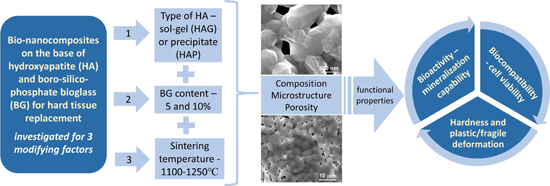
- probably caused by the more porous structure and, as a result, higher dissolution rate of these composites, inducing an increased ion concentration in the surrounding biological environment, which may be detrimental for cell proliferation. It can be noticed that HAG-1200 ceramics without BG also exhibited
- a somewhat lower cell viability than HAP-1200 ceramics. For both HAP- and HAG-based composites the addition of 10% of BG decreased the values of relative viability, again due to higher ion concentration in the physiologic environment due to the higher porosity and dissolubility. Conclusion A series
- . Slightly lower values were observed for HAGCs, caused by the more porous structure and the higher dissolution rate inducing an increased ion concentration in the surrounding biological environment. In the range of the examined composites, an optimal combination of properties (structural, mechanical
Structural studies and selected physical investigations of LiCoO2 obtained by combustion synthesis
Beilstein J. Nanotechnol. 2022, 13, 1473–1482, doi:10.3762/bjnano.13.121
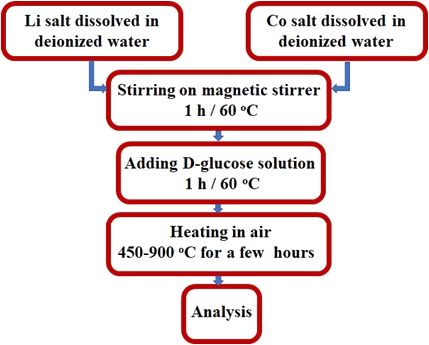
- the annealing temperature causes a steady decrease in the DC conductivity. Keywords: lithium cobalt oxide; lithium-ion battery; nanocrystalline powder; solution combustion synthesis; Introduction Lithium cobalt oxide (LiCoO2, LCO) of hexagonal structure () was first used as cathode material in
- capable of reversibly intercalating lithium ions [2]. The commercialization of lithium-ion cells was achieved in the early 1990s by Sony Corporation and in 1992 by a joint venture company (Asahi Kasai and Toshiba) [2][3][4]. Almost 90% of commercial Li-ion batteries consist of a lithium cobalt oxide
- cathode and a graphite anode immersed in a lithium-ion conducting electrolyte, which is 1 M lithium hexafluorophosphate LiPF6 in a 1:1 (v/v) mixture of ethylene and dimethyl carbonate. Most commercial Li-ion cells are used to power portable devices, including mobile phones, laptops, and cameras [5][6][7




Coherent amplification of radiation from two phase-locked Josephson junction arrays
Beilstein J. Nanotechnol. 2022, 13, 1445–1457, doi:10.3762/bjnano.13.119
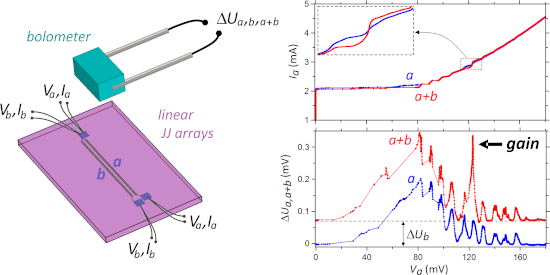
- self-aligning process using e-beam lithography and reactive ion etching [16][17]. Similar arrays were studied earlier in [9][12][13], where additional information about sample characterization can be found. Figure 1a,b shows the layout of “sample-1”. It has been fabricated on a 1 × 1 cm2 silicon


Double-layer symmetric gratings with bound states in the continuum for dual-band high-Q optical sensing
Beilstein J. Nanotechnol. 2022, 13, 1408–1417, doi:10.3762/bjnano.13.116
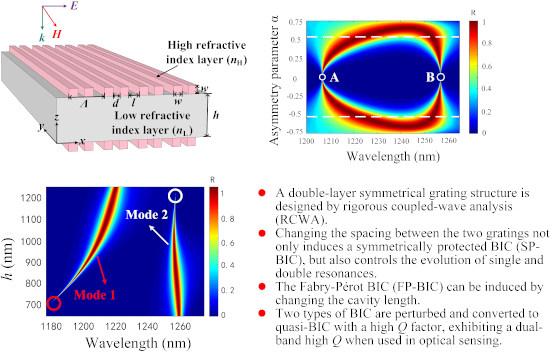
- structure can be fabricated as follows [56]. At first, the gratings of the bottom layer are fabricated using electron beam lithography (EBL) and reactive ion etching (RIE) on a SOI chip with a single crystalline silicon device layer and a buried oxide (BOX), where this SOI chip serves as the receiving


Recent trends in Bi-based nanomaterials: challenges, fabrication, enhancement techniques, and environmental applications
Beilstein J. Nanotechnol. 2022, 13, 1316–1336, doi:10.3762/bjnano.13.109
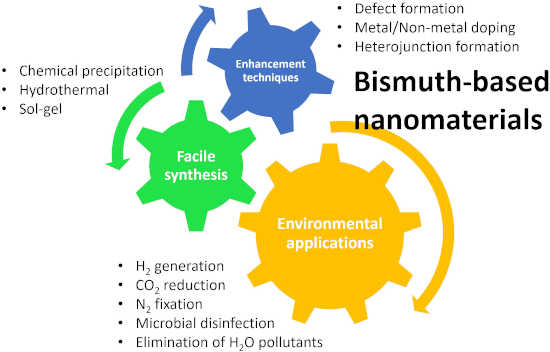
- applications [62]. A very good micro-/nanoscale hierarchical Bi7O9I3/NTC photocatalyst was created in a one-step, easy, and environmentally friendly way by Hou et al., who used an in situ ion exchange–recrystallization approach [63]. The used buffer provided a relatively stable environment for producing




Laser-processed antiadhesive bionic combs for handling nanofibers inspired by nanostructures on the legs of cribellate spiders
Beilstein J. Nanotechnol. 2022, 13, 1268–1283, doi:10.3762/bjnano.13.105
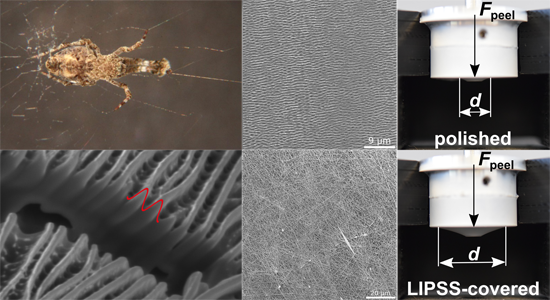
- gold-sputtered (S150B, Edwards). The metatarsi were examined using a focused ion beam scanning electron microscope (FIB-SEM) tomography (Strata 400 STEM, FEI Company, Oregon, USA) at the Central Facility for Electron Microscopy at the RWTH Aachen University. Measurements were performed using the







Role of titanium and organic precursors in molecular layer deposition of “titanicone” hybrid materials
Beilstein J. Nanotechnol. 2022, 13, 1240–1255, doi:10.3762/bjnano.13.103
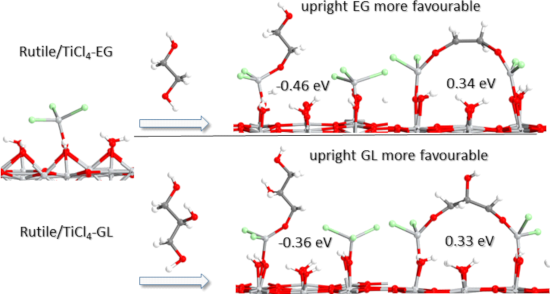
- Li ion batteries or pseudocapacitance supercapacitors [31]. These films were also employed as coatings of nano Si electrodes and successfully improved their performance [48]. As described above, different titanicone and Ti–organic MLD processes have been developed and although first principles


Roll-to-roll fabrication of superhydrophobic pads covered with nanofur for the efficient clean-up of oil spills
Beilstein J. Nanotechnol. 2022, 13, 1228–1239, doi:10.3762/bjnano.13.102
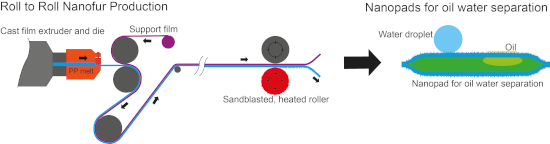
- using various dry/wet etching techniques including electrochemical HF etching, stain etching, metal-assisted etching, and reactive ion etching [9][11]. So-called “nanograss” or “black silicon” is a surface modification of silicon where the surface is covered with millions of tiny needle-like structures




Design of surface nanostructures for chirality sensing based on quartz crystal microbalance
Beilstein J. Nanotechnol. 2022, 13, 1201–1219, doi:10.3762/bjnano.13.100
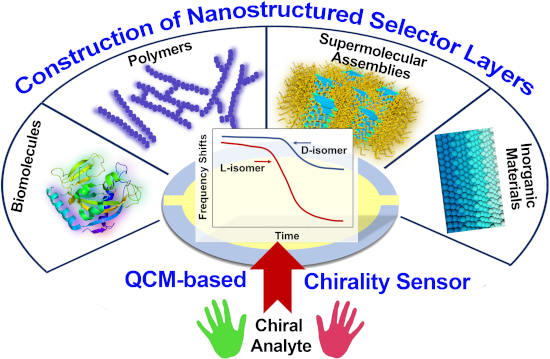
- rims. The key to the chiral recognition by CDs is the formation of diastereomeric host–guest complexes based on different interaction affinities. The complexation may occur via inclusion of the guest chiral molecule into the cavity of CDs by π–π interactions, dipole–dipole, ion-pairing, hydrogen


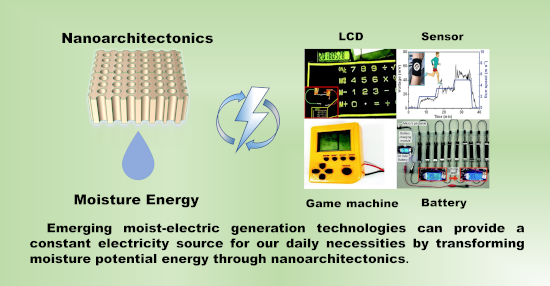
Application of nanoarchitectonics in moist-electric generation
Beilstein J. Nanotechnol. 2022, 13, 1185–1200, doi:10.3762/bjnano.13.99
- resistance and surface potential, directly contribute to the flow potential. At the same time, the parameters of the fluid in the nanochannel, such as dielectric constant and ion concentration, are directly related to the magnitude of the flow potential. In the nanochannel, the flow velocity ν of the fluid
- Wang et al. also provides a valuable explanation and deeper understanding of solid–liquid interactions. Compared to the traditional model, Wang’s model suggests that electron transfer between liquid molecules and solid surface atoms is the initial step and is followed by ion transfer due to electronic
- interaction. The actual charge transfer is much more complicated, involving the contact angle, dielectric function, temperature, and ion concentration [15][16][17]. In MEGs, compared to bulk materials, nanoarchitectonics yields a higher specific surface area to the active material, which makes the contact


Microneedle-based ocular drug delivery systems – recent advances and challenges
Beilstein J. Nanotechnol. 2022, 13, 1167–1184, doi:10.3762/bjnano.13.98
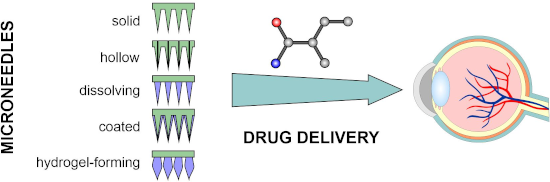
- photoresistant layer. The wafer is then etched. A distinction can be made between wet and dry etching. The wet etching process uses a potassium hydroxide solution, while dry etching includes the physical methods ion milling and sputtering and the chemical method high-pressure plasma [156]. Lithographic


A cantilever-based, ultrahigh-vacuum, low-temperature scanning probe instrument for multidimensional scanning force microscopy
Beilstein J. Nanotechnol. 2022, 13, 1120–1140, doi:10.3762/bjnano.13.95
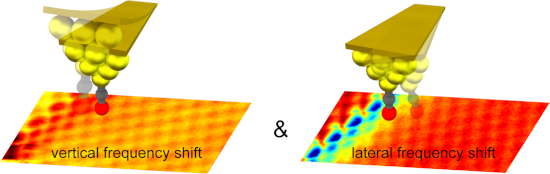
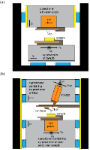
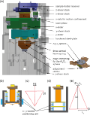
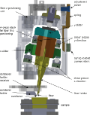
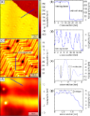
- in the microscope, customized magnetic feedthrough manipulators with hex-key end-pieces are used. Cryostat and preparation chamber are both pumped with 300 L/s ion pumps, which also include titanium sublimation sources. The load-lock chamber is pumped with a 67 L/s turbo pump. The bath cryostat





Recent advances in green carbon dots (2015–2022): synthesis, metal ion sensing, and biological applications
Beilstein J. Nanotechnol. 2022, 13, 1068–1107, doi:10.3762/bjnano.13.93
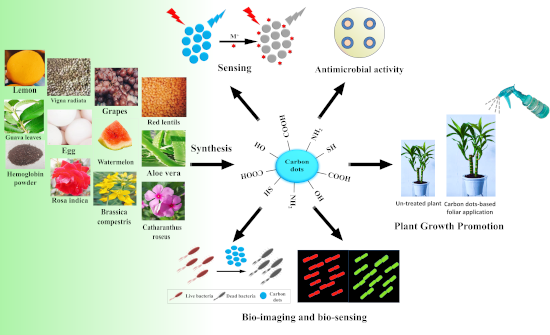
- synthesis of CDs, the effects of surface states on optical properties, the characterization of CDs, metal ion sensing, and biological and agricultural applications of CDs, that is, microbial bioimaging, detection, and viability studies, pathogen control, and plant growth promotion (Figure 1). Review Green
- confirmed the catalytic activity of the product. Adsorption of heavy ions from water samples was investigated to find the activity on the surface of the product, and it was found that the mentioned CDs can remove Cd2+ ions by 37% and Pb2+ ion by 75% from the water sample [111]. Watermelon juice-based N-CDs




Biomimetic chitosan with biocomposite nanomaterials for bone tissue repair and regeneration
Beilstein J. Nanotechnol. 2022, 13, 1051–1067, doi:10.3762/bjnano.13.92
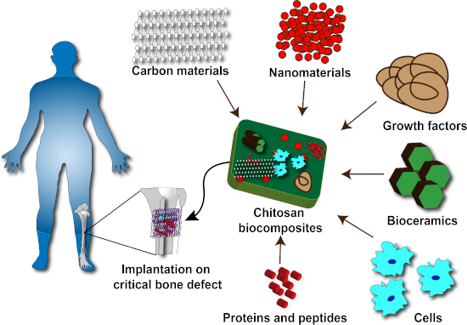
- role in the controlled release of AgNPs at the implanted site and also behave as biocompatible scaffolds. Wang et al. (2019) developed a system containing hydroxyapatite and silver-based composites and electrodeposited those onto titanium implants and chitosan to regulate silver ion and calcium ion
Spindle-like MIL101(Fe) decorated with Bi2O3 nanoparticles for enhanced degradation of chlortetracycline under visible-light irradiation
Beilstein J. Nanotechnol. 2022, 13, 1038–1050, doi:10.3762/bjnano.13.91
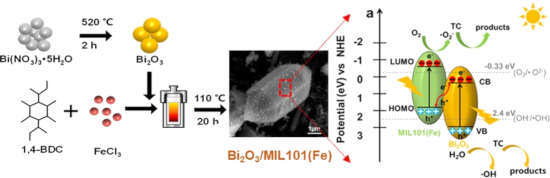
- efficient photocatalysts for CTC degradation. Metal–organic frameworks (MOFs) are a kind of micro- or mesoporous materials established by the self-assembly of organic linkers and metal-cluster or metal-ion nodes [19]. The MOF materials possess large surface areas, high pore volume, tunability, uniform





