Search results
Search for "iron" in Full Text gives 424 result(s) in Beilstein Journal of Nanotechnology. Showing first 200.
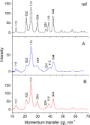
Magnetic-field-assisted synthesis of anisotropic iron oxide particles: Effect of pH
Beilstein J. Nanotechnol. 2020, 11, 1230–1241, doi:10.3762/bjnano.11.107
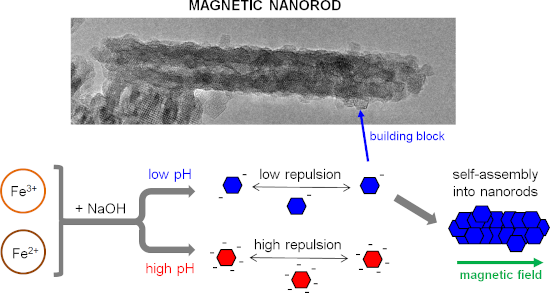
- synthesis and investigation of anisotropic magnetic nanomaterials has received much attention in the last years [1][2][3]. Among different magnetic nanomaterials, iron oxides and hydroxides are of particular interest because of their high magnetization capability, availability, low toxicity and
- cylindrical shape is less favorable due to its higher surface free energy. So far, various methods for the preparation of iron oxide nanorods have been proposed [8][11][23][26][27][28][29][30][31][32][33][34][35][36][37][38][39][40][41][42][43][44][45][46]. These methods include co-precipitation [27][28][29
- difficult to remove or replace. Therefore, the elaboration of new and facile methods for synthesizing magnetic iron oxide nanorods, especially in the absence of additives, still poses a challenge. One of the proposed methods [28][29][30][37] is based on the exploitation of the magnetic properties of iron






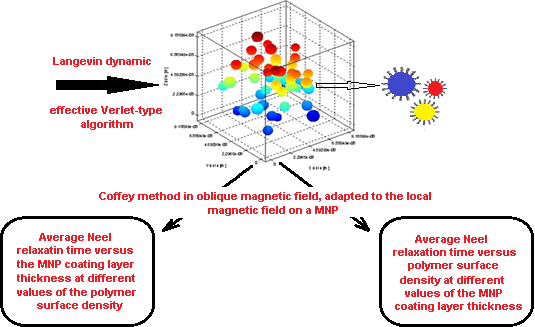
Influence of the magnetic nanoparticle coating on the magnetic relaxation time
Beilstein J. Nanotechnol. 2020, 11, 1207–1216, doi:10.3762/bjnano.11.105
- generating heat. This heat increases the tumour cell temperature which leads to cell death [1][2][3][4]. Iron-oxide magnetic nanoparticles, in particular magnetite (Fe3O4) and maghemite (γ-Fe2O3), have been intensely studied in the context of magnetic hyperthermia applications. These nanoparticles can be
- synthesized in small dimensions, which ensures low toxicity and the possibility for easy surface functionalization. A common method for synthesising iron-oxide nanoparticles includes chemical co-precipitation, which involves the simultaneous precipitation of magnetic nanoparticles and a solid matrix through a
- additional step in which the hydrothermal method or thermal decomposition technique are used. The method used to obtain nanoparticles by thermal decomposition of an iron precursor in the presence of NaBH4 in a polyol was found to be suitable for size control in both chemical approaches [1][2][3][4][6]. Since


Photothermally active nanoparticles as a promising tool for eliminating bacteria and biofilms
Beilstein J. Nanotechnol. 2020, 11, 1134–1146, doi:10.3762/bjnano.11.98
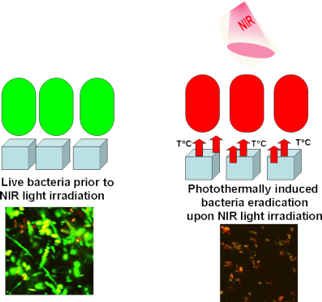
- ]. Functionalized iron oxide nanoparticles can also be used for photothermally induced bacteria eradication. It was demonstrated that the NIR-absorbing nanoparticles functionalized with recyclable iron oxide were capable of eliminating Gram-positive (S. aureus) and Gram-negative bacteria (E. coli) quickly and
- effectively [94]. To this end, iron oxide nanoparticles were coated with catechol-conjugated poly(vinylpyrrolidone) sulfobetaine and then self-assembled with poly(3,4-ethylenedioxythiophene). The latter polymer is capable of absorbing NIR light while capturing the bacteria, effectively releasing heat under
- to be 100% at a 10 µg/mL concentration and 15 min exposure to sunlight. These authors also found the same antibacterial effect with thiolated iron-doped nanoceria upon sunlight exposure [106]. Conclusion Considerable progress in the field of antibacterial treatment has been made due to the


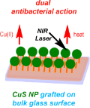
Gram-scale synthesis of splat-shaped Ag–TiO2 nanocomposites for enhanced antimicrobial properties
Beilstein J. Nanotechnol. 2020, 11, 1119–1125, doi:10.3762/bjnano.11.96
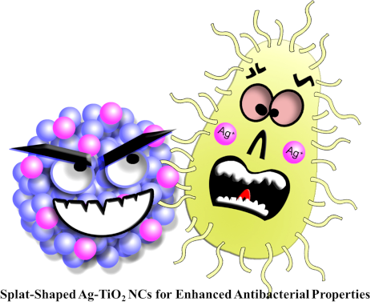
- , silver (Ag), zinc oxide (ZnO), copper oxide (CuO), iron oxide (Fe3O4) and titanium oxide (TiO2) are well recognized options due to their outstanding antibacterial properties. These nanoparticles have antibacterial activity due to the production of reactive oxygen species (ROS) [9][10][11]; more


Applications of superparamagnetic iron oxide nanoparticles in drug and therapeutic delivery, and biotechnological advancements
Beilstein J. Nanotechnol. 2020, 11, 1092–1109, doi:10.3762/bjnano.11.94
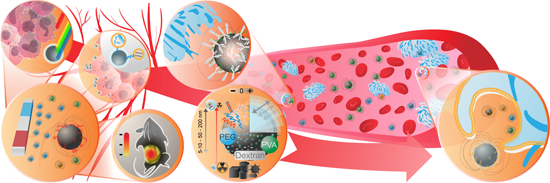
- .11.94 Abstract Superparamagnetic iron oxide nanoparticles (SPIONs) have unique properties with regard to biological and medical applications. SPIONs have been used in clinical settings although their safety of use remains unclear due to the great differences in their structure and in intra- and inter
- therapeutic efficacy, and safety studies. Keywords: drug delivery; drug targeting; endocytosis; medical; nanoparticles; superparamagnetic iron oxide nanoparticles (SPIONs); toxicity; Introduction Nanoencapsulation technologies have been researched over the past several decades and have been widely
- microscopy (EM), iron oxide magnetic beads for the separation of cells and molecules, gold and silver nanoparticles as fiducials for EM, for immuno-EM labeling and surface-enhanced Raman spectroscopy, or for gene transfection, liposomes for drug delivery, and gadolinium or iron oxide nanoparticles for


Uniform Fe3O4/Gd2O3-DHCA nanocubes for dual-mode magnetic resonance imaging
Beilstein J. Nanotechnol. 2020, 11, 1000–1009, doi:10.3762/bjnano.11.84
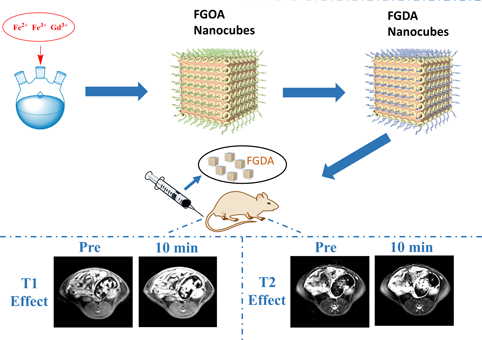
- distributed Fe3O4/Gd2O3 nanocubes for T1–T2 dual-mode MRI contrast agents were successfully designed and synthesized. In order to increase hydrophilicity and biocompatibility, the nanocubes were coated with nontoxic 3,4-dihydroxyhydrocinnamic acid (DHCA). The results show that iron (Fe) and gadolinium (Gd
- -dihydroxyhydrocinnamic acid (DHCA); dual-mode imaging; Fe3O4/Gd2O3-DHCA nanocubes; gadolinium oxide (Gd2O3); iron(II,III) oxide (Fe3O4); magnetic resonance imaging (MRI); Introduction Magnetic resonance imaging (MRI) is a noninvasive technique that has been broadly used in the clinical field to assist in disease
- spectroscopy (EDS) was performed. The EDS spectrum shows that iron, gadolinium and oxygen were the main elements present in the nanocubes. No other impurity elements can be detected except carbon element, which contributes from carbon film on copper mesh used in the EDS experiments. EDS mapping indicates that



Wet-spinning of magneto-responsive helical chitosan microfibers
Beilstein J. Nanotechnol. 2020, 11, 991–999, doi:10.3762/bjnano.11.83
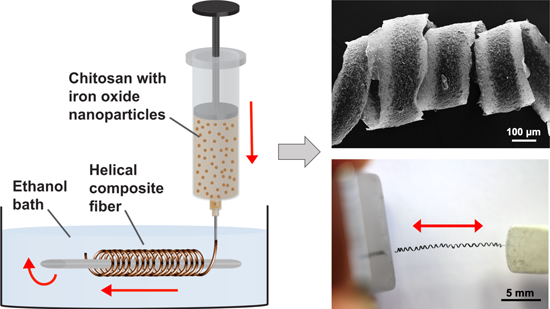
- dressings [36], and nanohydroxyapatite was embedded into chitosan fibers for bone tissue engineering applications [37]. Likewise, magnetic iron oxide particles have been blended with chitosan to prepare electrospun composite fibers [38][39] to form magneto-responsive polymer nanocomposites for bone tissue
- cell behavior in vivo by applying external stimuli [41][42]. Emerging fields, such as magnetic tissue engineering, which uses magnetic levitation to control cell growth, would greatly benefit from the use of magnetic scaffolds since these would replace the need for treating the cells with magnetic iron
- helical fibers have the potential to be used as novel actuator systems or as magneto-responsive scaffolds for tissue engineering. Results and Discussion The viscous feedstock solutions containing 30 mg·mL−1 chitosan and 10 mg·mL−1 magnetic iron oxide particles (IOPs) showed a pronounced shear-thinning


Key for crossing the BBB with nanoparticles: the rational design
Beilstein J. Nanotechnol. 2020, 11, 866–883, doi:10.3762/bjnano.11.72
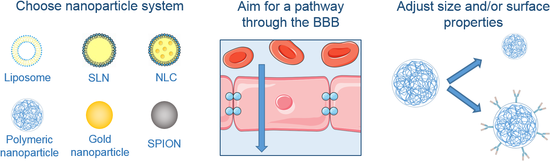
- nanoparticles (AuNPs); blood–brain barrier (BBB); drug delivery; liposomes; nanomedicine; polymeric nanoparticles; solid lipid nanoparticles; superparamagnetic iron oxide nanoparticles (SPIONs); Introduction Neurological disorders and brain diseases are real burdens for modern societies and healthcare systems
- , nanoparticles are considered as solid colloidal particles with a size between 1 and 1000 nm [23]. They can be produced from a variety of different materials including polymers, lipids or inorganic materials such gold or iron oxide [21]. The first reported nanoparticles able to pass the BBB were poly(butyl
- (e.g., human serum albumin) [28], gold nanoparticles [29] and superparamagnetic iron oxide nanoparticles [30]. This review aims to summarize (i) the different pathways to cross the BBB, (ii) the strategies that can be employed to increase nanoparticle BBB permeation without disrupting the BBB, as well


Epitaxial growth and superconducting properties of thin-film PdFe/VN and VN/PdFe bilayers on MgO(001) substrates
Beilstein J. Nanotechnol. 2020, 11, 807–813, doi:10.3762/bjnano.11.65
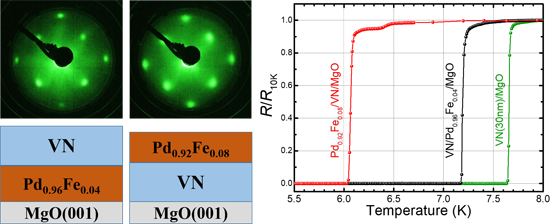
- ; epitaxial superconductor–ferromagnet heterostructure; palladium–iron alloy (PdFe); vanadium nitride (VN); superconducting spintronics; Introduction Since its invention, rapid single-flux quantum (RSFQ) logic [1][2] based on superconducting digital electronics has been seriously considered as an alternative
- matches that of the palladium-rich Pd1−xFex alloys (face-centered cubic with a0 = 389 pm). Therefore, a good crystallinity of the layer stack can hardly be expected. In the resulting polycrystalline films, crystallite boundaries and crystal lattice imperfections can lead to the segregation of iron
- the proximity effect [28]. This may shift the material operation temperature close to or even below the LHeT. With the iron content x in Pd1−xFex alloy below 0.08 its magnetic properties meet all the requirements for the F-layer in superconducting spintronic S/F/S-type structures, i.e., it is a weak


Hexagonal boron nitride: a review of the emerging material platform for single-photon sources and the spin–photon interface
Beilstein J. Nanotechnol. 2020, 11, 740–769, doi:10.3762/bjnano.11.61
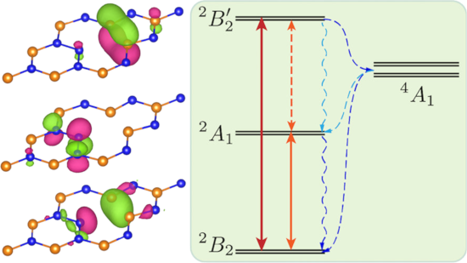
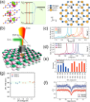
- grown on copper, nickel and iron substrates, with a high density of SPEs of ≈100−200 per 10 × 10 µm2 with more defined ZPLs at (580 ± 10) nm. The most promising approaches seem to be the strain-induced methods and the focused ion beam method, possibly combined with low-pressure CVD for more controlled




Comparison of fresh and aged lithium iron phosphate cathodes using a tailored electrochemical strain microscopy technique
Beilstein J. Nanotechnol. 2020, 11, 583–596, doi:10.3762/bjnano.11.46
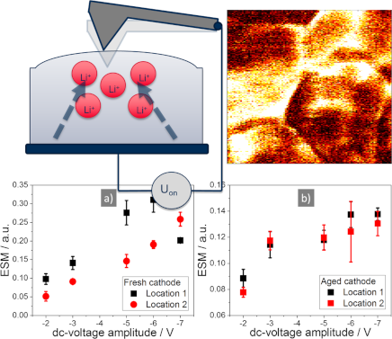
- life-cycle analysis (LCA) studies have emphasized the issues associated with battery production and recycling [1][2][3]. As a consequence there is a trend to reduce or eliminate cobalt as a critical raw material [4][5]. Lithium iron phosphate (LiFePO4 or LFP) is highly promising to achieve this goal
- the assumed decrease of the electrochemical activity, suggested by the reduction of the ESM signal intensity. In former studies of LFP degradation, the main effect observed was iron dissolution and Fe2+ migration to the anode and redeposition. Fe particles on the anode play a decisive role in
- accelerated SEI formation [9][69][70]. Iron dissolution from LFP has been found to increase with water content of the electrolyte and phase impurities in the cathode. The dissolution of iron leads to Fe-deficient inactive phases. The aged cathode showed a higher Fe content on the cathode surface and lower Fe



Luminescent gold nanoclusters for bioimaging applications
Beilstein J. Nanotechnol. 2020, 11, 533–546, doi:10.3762/bjnano.11.42
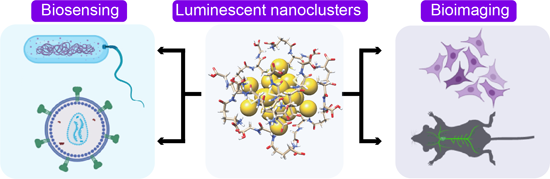
- –nanocluster agglomerates as luminescent nanocarriers for imaging and combination therapy [89][90]. Core–shell nanoparticles consisting of oleic acid-capped superparamagnetic iron oxide nanoparticles (IONPs, d = 6.7 ± 1.2 nm) were used (Figure 5A). The IONPs were subsequently coated with a gold shell using the


Multilayer capsules made of weak polyelectrolytes: a review on the preparation, functionalization and applications in drug delivery
Beilstein J. Nanotechnol. 2020, 11, 508–532, doi:10.3762/bjnano.11.41
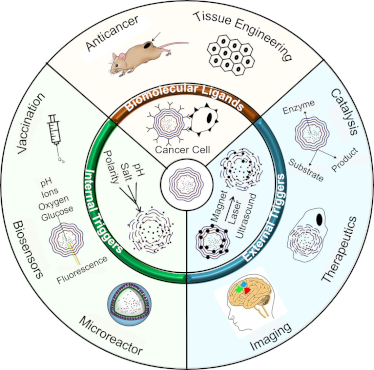
- within the PAH/DS capsule. The rupture and deformation of the capsules occurred via the formation of pores on the surface after laser irradiation at 530 nm (Figure 5c). The encapsulation of silver, gold and iron oxide NPs has been the most common in most of the studies [80][82][83][84]. The incorporation
- of magnetic NPs (e.g., iron oxide and cobalt oxide NPs) into capsules allows them to respond to magnetic stimuli and produce heat due to magnetic energy dissipation, mechanical vibrations and motion induced in the film, thus releasing the cargo [80]. The Fe2O4-PAH capsules studied with A549 cancer



Interactions at the cell membrane and pathways of internalization of nano-sized materials for nanomedicine
Beilstein J. Nanotechnol. 2020, 11, 338–353, doi:10.3762/bjnano.11.25
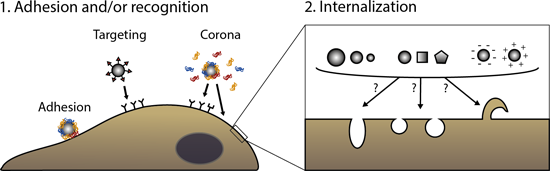
- biomolecules among which low density lipoprotein for cholesterol uptake and transferrin for iron uptake. After binding of the ligand to its receptor, clathrin, the main actor in CME, is recruited at the cell membrane together with several other proteins and assembles around the forming vesicle to form a



Understanding nanoparticle flow with a new in vitro experimental and computational approach using hydrogel channels
Beilstein J. Nanotechnol. 2020, 11, 296–309, doi:10.3762/bjnano.11.22
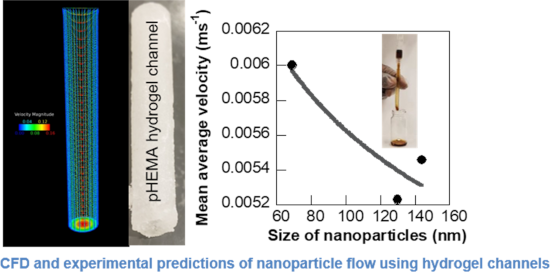
- . Poly(hydroxyethyl)methacrylate hydrogels were used to form soft cylindrical constructs mimicking vascular sections as flow channels for synthesized iron oxide NPs in these first-of-its-kind transport experiments. Brownian dynamics and material of the flow channels played key roles in NP flow, based on
- highlights the reliability of our new in vitro technique in providing mechanistic insights of NP flow for potential preclinical stage applications. Keywords: computational fluid dynamics; drug delivery; iron oxide nanoparticles; nanoparticle flow; poly(hydroxyethyl methacrylate) (pHEMA) hydrogels
- controlled release of the drug [4][5]. NPs, particularly magnetic iron oxide NPs, are highly attractive for drug delivery because they have a higher circulation time compared to the conventional drugs and can be easily delivered to the diseased location through passive, active, or physical targeting [6]. The


Molecular architectonics of DNA for functional nanoarchitectures
Beilstein J. Nanotechnol. 2020, 11, 124–140, doi:10.3762/bjnano.11.11
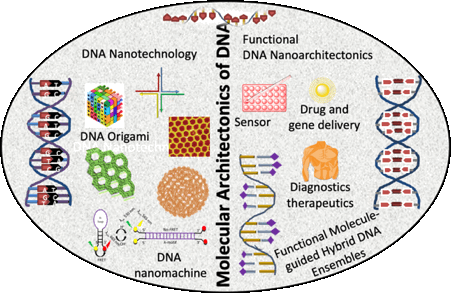
- using three 55 nucleotide-long carboxylic acid-linked DNA strands and a tumor-targeting 87 nucleotide-long aptamer. The carboxylic acid groups of the DNA tetrahedron facilitated the interaction with oleic acid-coated iron oxide nanoparticles via a ligand exchange reaction. The aptamer–DNA tetrahedron
- -functionalized iron oxide nanoparticle system was capable of selectively targeting the cancer cells and, potentially, to act as an MRI contrast agent. The programmability of the DNA tetrahedrons provided an opportunity to conjugate other functional nucleic acid sequences, viz., DNA, siRNA, or DNAzymes, to serve


Internalization mechanisms of cell-penetrating peptides
Beilstein J. Nanotechnol. 2020, 11, 101–123, doi:10.3762/bjnano.11.10
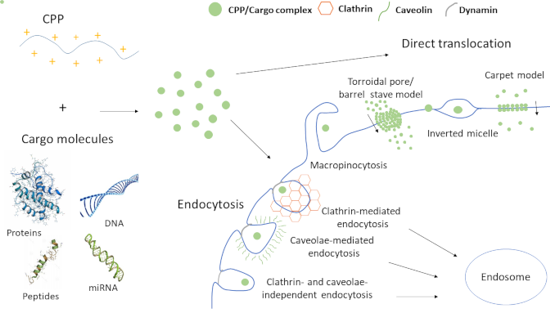
- occurs in all mammalian cells and supports the continuous uptake of essential nutrients such as LDL particles, which carry cholesterol to cells and bind to the LDL receptor (LDLR), and iron-laden transferrin (Tfn) that binds to Tfn receptors (TfnR) [52]. It is a crucial process throughout the life of an


Synthesis of amorphous and graphitized porous nitrogen-doped carbon spheres as oxygen reduction reaction catalysts
Beilstein J. Nanotechnol. 2020, 11, 1–15, doi:10.3762/bjnano.11.1
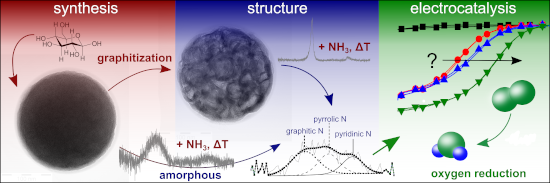
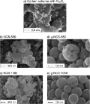
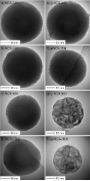
- particles are observed for the graphitized samples via energy dispersive X-ray spectroscopy (EDX) and X-ray photoelectron spectroscopy (XPS). However, we cannot fully exclude small amounts of residual iron in the graphitized catalysts below the detection limit of XPS (about 0.2 atom %) and EDX (about 0.1 wt
- (similar N-configuration, N content, SSA/ESA, and microporosity), it is not astonishing that these two materials show comparable ORR activities (Figure 8a,d). Additionally, this result also strongly supports our claim that the acidic washing of the graphitized catalysts is able to largely remove the iron
- higher reaction temperatures. Graphitized carbon spheres were synthesized with the aid of an iron oxide catalyst at the respective nitriding temperature. For g-NCS-550 and g-NCS-700 materials, the minimum temperature required for the catalytic graphitization is not reached yet, therefore their properties





Self-assembly of a terbium(III) 1D coordination polymer on mica
Beilstein J. Nanotechnol. 2019, 10, 2440–2448, doi:10.3762/bjnano.10.234
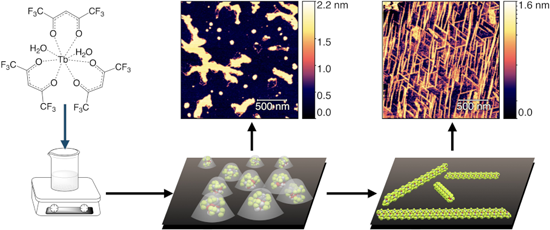
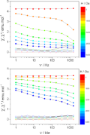
- surface gradually disappear even when operating in tapping mode (semi-contact mode). This indicates the labile nature of the obtained deposit. Magnetic characterization As a mineral, muscovite mica occurs with different chemical compositions. It can randomly host iron atoms by the replacement of SiO4
- tetrahedrons with iron oxides or by the substitution of the aluminium ions in the octahedral positions of the mica 2D network [26]. Consequently, the free substrate may have a significant magnetic response that could be of the same order of magnitude as that of the deposited material. This is the reason why
- on the mica surface that can lead to the formation of potassium carbonate (K2CO3) when mica is air-cleaved. Recent findings [32][33][34][35] show that the mechanism of K+ depletion from air-cleaved mica is not fully known but resembles the one observed on aluminium oxide [36], iron oxide [37] or




pH-Controlled fluorescence switching in water-dispersed polymer brushes grafted to modified boron nitride nanotubes for cellular imaging
Beilstein J. Nanotechnol. 2019, 10, 2428–2439, doi:10.3762/bjnano.10.233
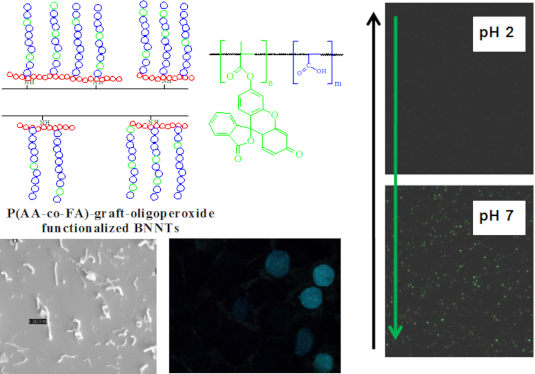
- fluorescein acrylate were supplied by Sigma-Aldrich. Colemanite (Ca2B6O11·5H2O) was obtained from ETI Mine Works General Management (Turkey). Iron(III) oxide, hydrochloric acid, and nitric acid were purchased from Sigma-Aldrich. Highly pure NH3 gas (99.98%) was provided by Schick GmbH & Co. KG. All solutions



Coating of upconversion nanoparticles with silica nanoshells of 5–250 nm thickness
Beilstein J. Nanotechnol. 2019, 10, 2410–2421, doi:10.3762/bjnano.10.231
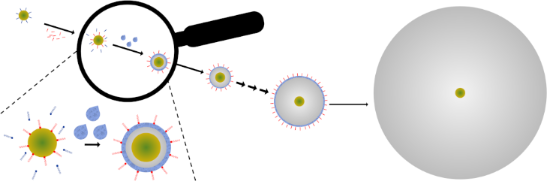
- release rare earth metal and fluoride ions to some extent into the surrounding medium [46], which can cause toxic effects, a thick silica shell could act as protective coating [46]. For silica shells grown onto iron oxide NPs using an inverse microemulsion, it was shown that the thickness of the shell
- factors. Our considerations for the growth of thick silica shells on UCNPs are based on the models presented by Ding et al. [36] and Katagiri et al. [23] for silica-coated iron oxide NP. For UCNPs with a diameter of 24 ± 2 nm and a particle concentration of 3 g/L, with an ammonia water-to-surfactant
- iron oxide NP, the oleate ligands on the NP surface are at least partly exchanged for the surfactant as well as the hydrolyzed TEOS upon addition of the oleate-functionalized NPs to the Igepal CO-520–cyclohexane system [36][47]. A similar process is assumed for the oleate-capped UCNPs. As the size of


Dynamics of superparamagnetic nanoparticles in viscous liquids in rotating magnetic fields
Beilstein J. Nanotechnol. 2019, 10, 2294–2303, doi:10.3762/bjnano.10.221
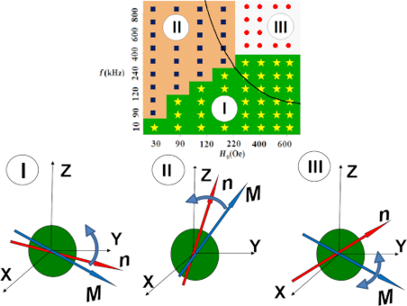
- ; viscous liquid; Introduction Magnetic nanoparticles are promising materials in various areas of biomedicine [1][2][3][4], such as magnetic resonance imaging [5][6][7], targeted drug delivery [8][9][10], and magnetic hyperthermia [11][12][13][14][15][16][17][18][19][20]. Iron oxide nanoparticles are most
- of particle diameters where the SAR in RMFs has a maximum. This behavior of the SAR in RMFs resembles the one in AMFs, [11][25]. For iron oxide nanoparticles of optimal diameter the SAR in RMFs reaches values of the order of 400–450 W/g at a frequency f = 400 kHz and moderate amplitude H0 = 100 Oe
- these modes in a similar way, but it has a constant time shift with respect to the vector . The dynamics of the vectors and in the third mode of particle motion is shown in Figure 1c and Figure 1d, respectively. The illustrative calculations were performed for magnetic nanoparticles of iron oxide with


Nontoxic pyrite iron sulfide nanocrystals as second electron acceptor in PTB7:PC71BM-based organic photovoltaic cells
Beilstein J. Nanotechnol. 2019, 10, 2238–2250, doi:10.3762/bjnano.10.216
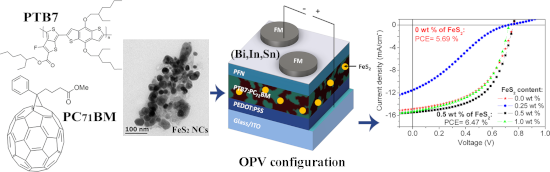
- Escuela Nacional de Estudios Superiores Unidad León; Universidad Nacional Autónoma de México, León, Guanajuato, 37684, México 10.3762/bjnano.10.216 Abstract Herein, we report the synthesis of nontoxic pyrite iron sulfide (FeS2) nanocrystals (NCs) using a two-pot method. Moreover, we study the influence
- follow the same trend. Keywords: iron disulfide; nanoparticles; organic photovoltaic cells (OPVs); PTB7; pyrite; Introduction Iron disulfide (FeS2) is a natural earth-abundant and nontoxic material with possible applications in lithium batteries, transistors or photovoltaic (PV) devices [1][2
- electrodes in dye-sensitized solar cells (DSSCs) [9][12][13], as electron acceptors or donors in inorganic or hybrid solar cells [10][14][15][16][17] and as second electron acceptors in organic photovoltaic cells (OPVs) [18]. An iron pyrite thin film used as a counter electrode showed a conversion efficiency


Targeted therapeutic effect against the breast cancer cell line MCF-7 with a CuFe2O4/silica/cisplatin nanocomposite formulation
Beilstein J. Nanotechnol. 2019, 10, 2217–2228, doi:10.3762/bjnano.10.214
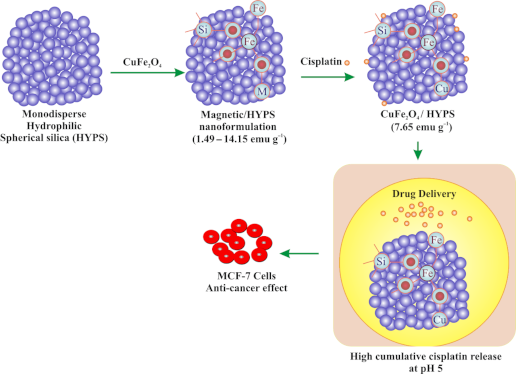
- (magnetic resonance imaging), tissue repair, and thermal ablation have been gaining considerable attention in recent years. In particular, the use of superparamagnetic iron oxide nanoparticles (SPIONs) is now advantageous as they are FDA-approved for clinical use [2]. Magnetic Fe3O4-based mesoporous silica
- (SQUID)) analysis of silica/iron oxide nanocomposites showed the magnetization of 1.65 emu/g. Recently, we have showed that micrometer-sized spherical silica exhibit the highest magnetization of 1.44 emu/g, while silicalite showed the lowest value of 0.08 emu/g, respectively [5]. Although the saturated
- magnetization can be increased with a high loading of SPIONs, the formation of a mixture of iron oxide species (α-Fe2O4, Fe3O4 and γ-Fe2O4) becomes inevitable. However, the surface of iron oxide can be modified with various transition heteroatoms including Ni, Mn, Co, and Cu, leading to family of spinel


Use of data processing for rapid detection of the prostate-specific antigen biomarker using immunomagnetic sandwich-type sensors
Beilstein J. Nanotechnol. 2019, 10, 2171–2181, doi:10.3762/bjnano.10.210

- magnetism than other iron oxide nanoparticles [17]. These MNPs can be synthesized through various techniques, such as ultrasound irradiation, sol–gel methods, thermal decomposition, and co-precipitation [18][19][20][21]. In addition, they can be modified with biomolecules and other compounds to improve the
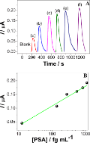
- carbon electrodes (INμ-SPCEs) showed limits of detection of 0.23 pg·mL−1 for PSA and 0.30 pg·mL−1 for IL-6, measured in the serum of prostate cancer patients [26]. Immunosensors to detect PSA include magnetic nanoparticles modified with gold [27], nitrodopamine functionalized iron oxide nanoparticles [3
- immunoassays for the detection of PSA. Supporting Information Supporting Information features detailed information on the synthesis of magnetic iron oxide nanoparticles, electrode fabrication, and sample preparation. Also, the characterization of MNPs and electrode surfaces by using Fourier-transform infrared