Search results
Search for "liquids" in Full Text gives 237 result(s) in Beilstein Journal of Nanotechnology. Showing first 200.
Mesoporous hollow carbon spheres for lithium–sulfur batteries: distribution of sulfur and electrochemical performance
Beilstein J. Nanotechnol. 2016, 7, 1229–1240, doi:10.3762/bjnano.7.114
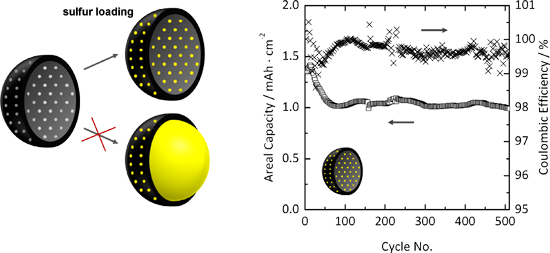
- pores are blocked by sulfur and thus, are no longer accessible for nitrogen gas during the measurements. We believe that the strong capillary forces on liquids/melts in the mesopores are responsible for the pore blocking effect. Once sulfur has filled the mesopores there is no further driving force for


Reasons and remedies for the agglomeration of multilayered graphene and carbon nanotubes in polymers
Beilstein J. Nanotechnol. 2016, 7, 1174–1196, doi:10.3762/bjnano.7.109
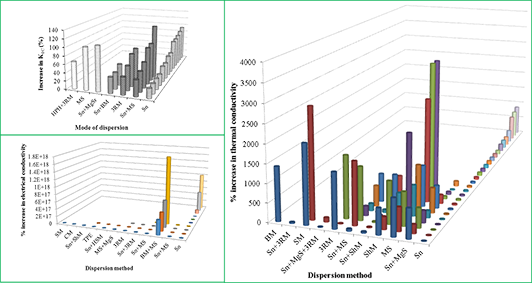
- viscosity of the polymer using a suitable organic solvent as dispersion medium. A homogeneous composite may be obtained after solvent evaporation. Sonication is applicable for liquids with low viscosity. However, the polymers are either highly viscous or solid. So, they first need to be dissolved in a


Multiwalled carbon nanotube hybrids as MRI contrast agents
Beilstein J. Nanotechnol. 2016, 7, 1086–1103, doi:10.3762/bjnano.7.102
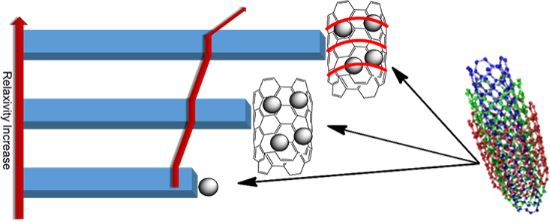
- T2 are sensitive to the mobility of water molecules and are specific to certain tissues and liquids in the organism. Since the recording mode of the MRI tomograph could be tuned to the duration of these times (the so-called T1- and T2-weighted images), the organs are well visible in the images



Advanced atomic force microscopy techniques III
Beilstein J. Nanotechnol. 2016, 7, 1052–1054, doi:10.3762/bjnano.7.98

- presented by Andrzej J. Kulik and co-workers [30]. High-resolution measurements of the adhesion effect of a water film on CaF2 [31], electric and transport phenomena determined by liquid KPFM in ionically-active and -inactive liquids [32], the spray deposition of single molecules to insulating and ionic
Reorientation of single-wall carbon nanotubes in negative anisotropy liquid crystals by an electric field
Beilstein J. Nanotechnol. 2016, 7, 825–833, doi:10.3762/bjnano.7.74
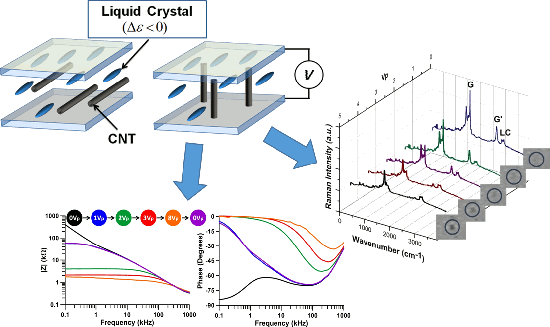
- spontaneously while filling or relaxing in a homogeneously aligned cell, due to the intrinsic anisotropy of both components. In positive LC cells [15][16], the SWCNTs and the LC both switch and relax together. On the other hand, SWCNTs dispersed in liquids also align according to the electric field [17]. This


Molecular machines operating on the nanoscale: from classical to quantum
Beilstein J. Nanotechnol. 2016, 7, 328–350, doi:10.3762/bjnano.7.31
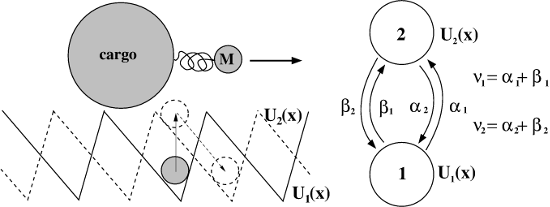

![[Graphic 40]](/bjnano/content/inline/2190-4286-7-31-i86.png?max-width=637&scale=1.18182) with depth ε. Bias Δμ < 0 per one rotation tur...
with depth ε. Bias Δμ < 0 per one rotation tur...

![[Graphic 48]](/bjnano/content/inline/2190-4286-7-31-i94.png?max-width=637&scale=1.18182) , for the most asymmetric sawtooth mod...
, for the most asymmetric sawtooth mod...


Time-dependent growth of crystalline Au0-nanoparticles in cyanobacteria as self-reproducing bioreactors: 2. Anabaena cylindrica
Beilstein J. Nanotechnol. 2016, 7, 312–327, doi:10.3762/bjnano.7.30
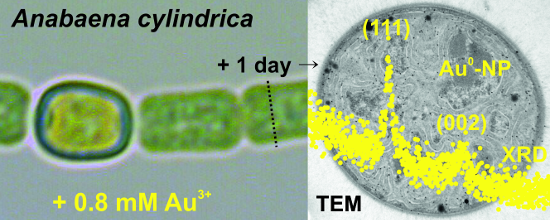
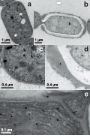
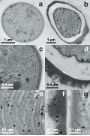
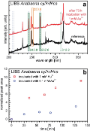
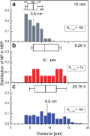
- element specific characteristic peaks as listed in databases [55]. A quantitative elemental analysis using LIBS spectra is only known for bulk materials and liquids for trace element analysis [52][56][57], but up to now unknown for diluted nanoparticles in a matrix. The herein presented semi quantitative



Synthesis and applications of carbon nanomaterials for energy generation and storage
Beilstein J. Nanotechnol. 2016, 7, 149–196, doi:10.3762/bjnano.7.17
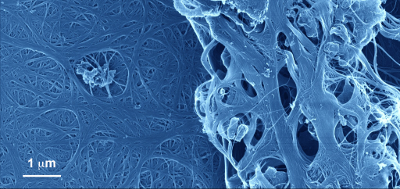
- and water are considered poor solvents for exfoliation [91][92]. Other solvents, such as ionic liquids [93] and chlorosulfonic acid [94], have also been proposed for exfoliating graphite but the exfoliation mechanism has been explained differently. In fact, it has been demonstrated in these cases that















Single-molecule mechanics of protein-labelled DNA handles
Beilstein J. Nanotechnol. 2016, 7, 138–148, doi:10.3762/bjnano.7.16
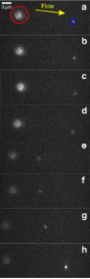
- approx. 2 min. For proof-of-concept that the PDH end remains freely accessible in liquids, the biotin end of the DH was labelled with streptavidin–Qdot conjugates. Then, they were anchored to anti-DIG beads (Figure 1f), and the position of individual Qdots under varying fluid flow velocities was



Sonochemical co-deposition of antibacterial nanoparticles and dyes on textiles
Beilstein J. Nanotechnol. 2016, 7, 1–8, doi:10.3762/bjnano.7.1
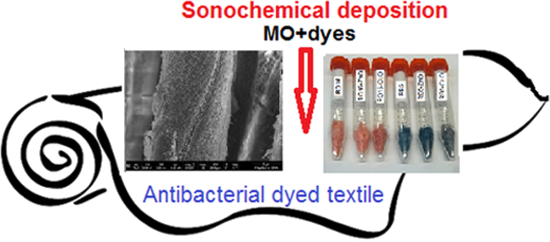
- One of the key factors of classifying the quality of coating technique is the stability of the active phase while exposed to liquids. In the current research, the stability of sonochemically deposited MO and dye was evaluated by soaking the coated textiles in saline solution at 40 °C for 72 h. There




Nanostructured surfaces by supramolecular self-assembly of linear oligosilsesquioxanes with biocompatible side groups
Beilstein J. Nanotechnol. 2015, 6, 2377–2387, doi:10.3762/bjnano.6.244
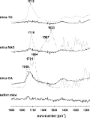
- ≈1700 cm−1 and emergence of diffuse bands in the formed PSAMs was observed). Surface energy of LPSQ-COOH/X coated on native mica The surface free energy (γS) of each studied PSAM sample was determined by measuring the contact angle of water and glycerol as reference liquids (sessile drop technique and
- groups (e.g., SH, NH, OH and COOH). Their ability for the formation of hydrogen bonds with probe liquids (H2O and glycerol) defines the wettability and chemical specificity of the modified supports (Figure 10a). The results are in accordance with ATIR-FTIR data (Figure 3). Citric acid, which was shown to




Au nanoparticle-based sensor for apomorphine detection in plasma
Beilstein J. Nanotechnol. 2015, 6, 2224–2232, doi:10.3762/bjnano.6.228
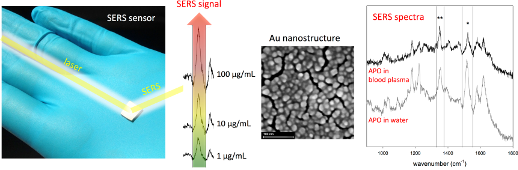
- colloids synthesized by laser ablation in liquids, suitably functionalized and tagged with Raman reporters, have effectively revealed specific biomolecules, even in chemically complex environments such as cells [9][10][11][12]. On the other hand, silver and gold colloids produced by chemical routes can be
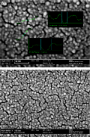


Fabrication of hybrid nanocomposite scaffolds by incorporating ligand-free hydroxyapatite nanoparticles into biodegradable polymer scaffolds and release studies
Beilstein J. Nanotechnol. 2015, 6, 2217–2223, doi:10.3762/bjnano.6.227
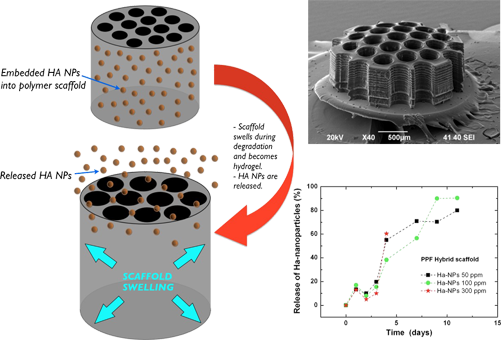
- ], combustion preparation [11] and various wet chemistry techniques [12][13]. However, these routes have drawbacks regarding the synthesis attributed to the use of hazardous surfactants that are not suitable for biomedical applications [14]. Pulsed laser ablation of solid targets in liquids (PLAL) for the


Self-assembly mechanism of Ni nanowires prepared with an external magnetic field
Beilstein J. Nanotechnol. 2015, 6, 2123–2128, doi:10.3762/bjnano.6.217
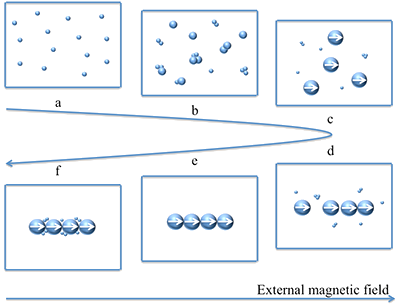
- investigate the self-assembly mechanism, a series of experiments similar to the above were accomplished, and the only difference was that these reaction liquids were poured into 400 mL of cooled, distilled water after the reaction progressed for 30 s, 60 s, 120 s, 180 s, 200 s, 220 s, 240 s and 300 s. These


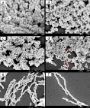


Nanostructured superhydrophobic films synthesized by electrodeposition of fluorinated polyindoles
Beilstein J. Nanotechnol. 2015, 6, 2078–2087, doi:10.3762/bjnano.6.212
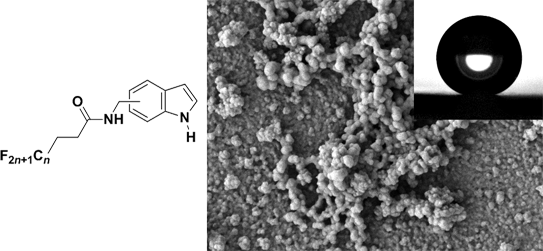
- Interference (PSI) working mode, the objective 50× and the field of view (FOV) 0.5×. The scanning electron microscopy images were obtained by using a 6700F microscope of JEOL. The contact angles were determined by using a DSA30 goniometer of Krüss. Liquids of different surface tension were chosen to
- the four probe liquids (water, diiodomethane, sunflower oil and hexadecane) for the polymers as a function of the normalized deposition charge. Dynamic water contact angles (hysteresis H and sliding angle α) for PIndole-6-F6 as a function of the normalized deposition charge. Arithmetic roughness (Ra
- ), quadratic roughness (Rq) and apparent contact angles (θ) for the four probe liquids (water, diiodomethane, sunflower oil and hexadecane) for the “smooth” polymers. Acknowledgements This work was supported by CNPq, Conselho Nacional de Desenvolvimento Científico e Tecnológico - Brazil (Process No. 202280




Conductance through single biphenyl molecules: symmetric and asymmetric coupling to electrodes
Beilstein J. Nanotechnol. 2015, 6, 1690–1697, doi:10.3762/bjnano.6.171
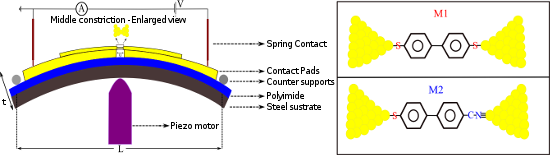
- like vacuum [28][29], or in liquids [30]. Extensions of this method by addition of a third electrode allow even for electrical gating on the nanoscale [31]. The use of tunneling microscopy [6] or atomic force microscopy or a combination of both are further interesting and partly complementary


Materials for sustainable energy production, storage, and conversion
Beilstein J. Nanotechnol. 2015, 6, 1601–1602, doi:10.3762/bjnano.6.163
- density. At the same time, any long term option for energy storage must be based on sustainable materials involving abundant elements in the Earth’s crust. For the reconversion of hydrogen or organic liquids (energy carriers), efficient fuel cells are needed as converters, preferably those based on non
Improved optical limiting performance of laser-ablation-generated metal nanoparticles due to silica-microsphere-induced local field enhancement
Beilstein J. Nanotechnol. 2015, 6, 1199–1204, doi:10.3762/bjnano.6.122
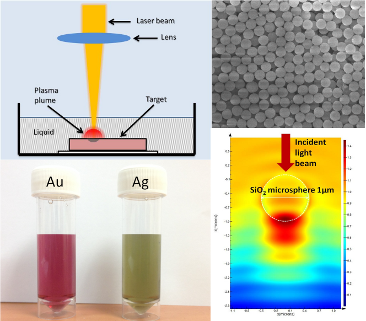
- (>1 μm) microspheres were not stable in the nanoparticle dispersion. The microspheres settle to the bottom of the cuvette after tens of seconds after introducing them in the dispersion. Since the local field enhancement can be increased by larger sized microspheres, high viscosity liquids need to be


From lithium to sodium: cell chemistry of room temperature sodium–air and sodium–sulfur batteries
Beilstein J. Nanotechnol. 2015, 6, 1016–1055, doi:10.3762/bjnano.6.105
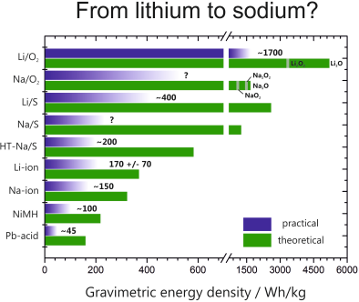
- have been made including ionic liquids [55][56][57], sulfoxides (DMSO) [58][59][60], amides [61][62], and others [62][63][64]. The ether-based glyme solvents with the general structure CH3–O–(CH2–CH2–O)n–CH3 with n = 1–4 are the current state-of-the-art solvents [65][66][67][68][69], although they are
- electrode. Black et al. exposed battery components to potassium superoxide dissolved in aprotic liquids and found that polyvinylidene fluoride (PVDF), a common binder material, decomposes while lithium fluoride (LiF) is formed [81]. They suggest that LiO2, a strong base that is formed as an intermediate in


Multiscale modeling of lithium ion batteries: thermal aspects
Beilstein J. Nanotechnol. 2015, 6, 987–1007, doi:10.3762/bjnano.6.102
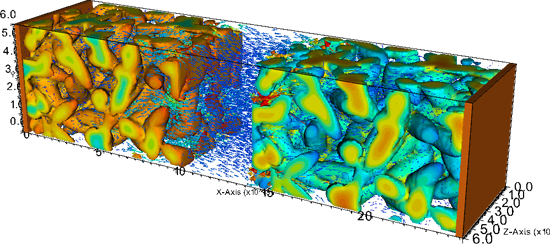
- lattice. Different derivations are necessary for ionic liquids (mixture of positive and negative charges only) and solid electrolytes (ionic conductors). In a liquid electrolyte these are positive cations, negative anions and a neutral solvent. In conventional Li ion batteries under normal operating


Nanostructuring of GeTiO amorphous films by pulsed laser irradiation
Beilstein J. Nanotechnol. 2015, 6, 893–900, doi:10.3762/bjnano.6.92
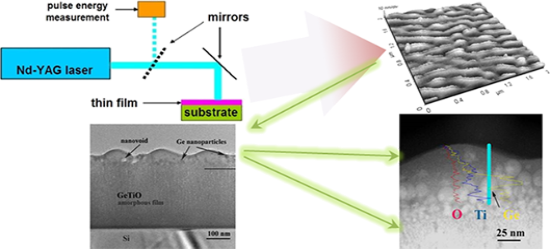
- during the laser pulse action, which is characteristic for liquids, cannot be reached in a viscous matrix. Our experiments show that the diffusivity of atomic and molecular species such as Ge and GeO is very much enhanced in the presence of the laser pulse field. Consequently, the fast diffusion drives


Stiffness of sphere–plate contacts at MHz frequencies: dependence on normal load, oscillation amplitude, and ambient medium
Beilstein J. Nanotechnol. 2015, 6, 845–856, doi:10.3762/bjnano.6.87
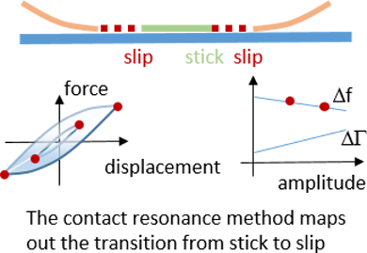
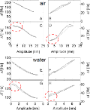
- shown in the four panels at the top and the four panels at the bottom were acquired in air and in water, respectively. In liquids, the maximum achievable amplitude is lower than in air because of damping. Δf and ΔΓ decrease and increase with amplitude, respectively, as is characteristic for partial slip




Influence of gold, silver and gold–silver alloy nanoparticles on germ cell function and embryo development
Beilstein J. Nanotechnol. 2015, 6, 651–664, doi:10.3762/bjnano.6.66
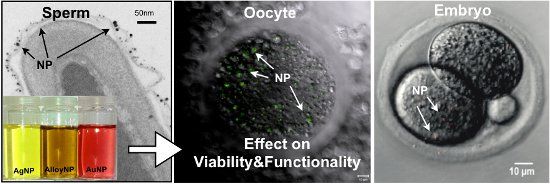
- where produced by laser ablation in liquids [52][53], which allows for the synthesis of highly pure particles free of any stabilisers or reducing agents which might exert a toxicological impact of their own. In addition, laser ablation of solid noble metal alloy targets in water results in homogenous





Raman spectroscopy as a tool to investigate the structure and electronic properties of carbon-atom wires
Beilstein J. Nanotechnol. 2015, 6, 480–491, doi:10.3762/bjnano.6.49
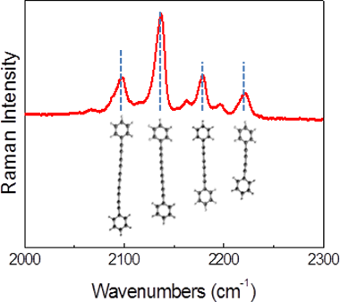
- and structures, embedded in cold gas matrices, in free carbon clusters in the gas phase, as pure sp-sp2 systems, in liquids, inside carbon nanotubes and connecting graphene sheets [5][6][7][8][9][10][11][12][13]. The research on sp carbon dates back to the last century when the carbon community was in
- carbon solid targets or suspensions in liquids and particularly in the polyyne-like form with an even number of carbon atoms [7][46]. With reference to polyynes in solution, an easy-to-use and cost-effective technique is the arc discharge in liquids developed by Cataldo [52]. This technique also allows
- (i.e., poly(vinyl alcohol)) containing polyynes stabilized by Ag nanoparticles [61]. Due to their high stability, polyynes in liquids (up to 14–16 carbon atoms) can now be synthesized even in the form of size-selected samples [5][62][63] and with well-defined end groups [54]. Solid-state samples have


Influence of spurious resonances on the interaction force in dynamic AFM
Beilstein J. Nanotechnol. 2015, 6, 420–427, doi:10.3762/bjnano.6.42
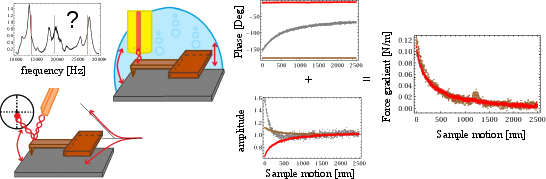
- permits measurements both in air and in liquids. Despite the success of this method, the cantilever transfer function presents a forest of spurious peaks particularly when measuring in liquid media. As a consequence, a quantitative estimation of the interaction between the probe and the sample is
- complicated. Moreover, it has already been observed that the motion of the cantilever base due to the acoustic excitation is not negligible in situations in which the Q factor is low – a typical situation when measuring in liquids. The same holds if the cantilever is not excited close to its resonance
- ]. Consistent efforts have been made to properly quantify the conservative and dissipative interactions when using acoustically excited cantilevers in liquids [15][16]. Here we show that direct excitation is not needed if the position of the cantilever is detected instead of the cantilever bending angle. We