


Search results
Search for "nanomaterial" in Full Text gives 210 result(s) in Beilstein Journal of Nanotechnology. Showing first 200.
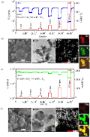
Self-assembly of silicon nanowires studied by advanced transmission electron microscopy
Beilstein J. Nanotechnol. 2017, 8, 440–445, doi:10.3762/bjnano.8.47
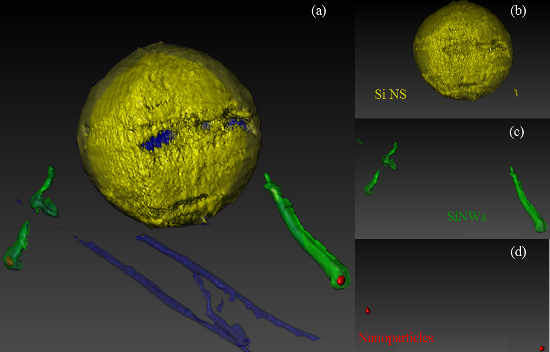
- correctors [3]. In order to access a more realistic three-dimensional vision of nanomaterial components, 3D characterization techniques are highly demanded. For this purpose, atom probe tomography (APT) [4] and X-ray tomography [5] have been used. Nevertheless, while X-ray tomography has a rather limited


Photo-ignition process of multiwall carbon nanotubes and ferrocene by continuous wave Xe lamp illumination
Beilstein J. Nanotechnol. 2017, 8, 134–144, doi:10.3762/bjnano.8.14
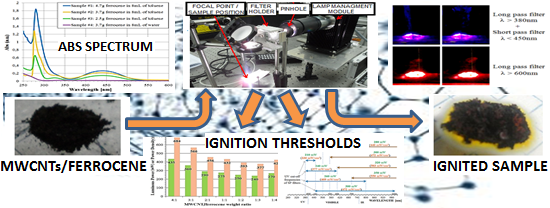
- photo-induced electron transfer in the MWCNT–FeCp2 nanomaterial hybrid. This leads us to postulate intermolecular electron transfer to give MWCNT.−–FeCp2.+, depending on the selected wavelength range of the incident Xe light used to trigger the photo-induced ignition process. From a chemico-physical




Nanocrystalline TiO2/SnO2 heterostructures for gas sensing
Beilstein J. Nanotechnol. 2017, 8, 108–122, doi:10.3762/bjnano.8.12
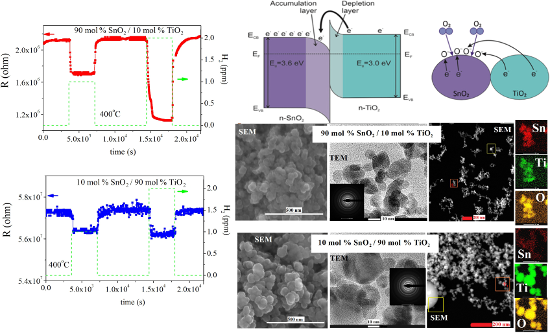
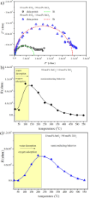
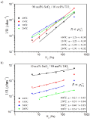
- this data one can conclude that in the case of 90 mol % SnO2/10 mol % TiO2, O2− and O− are adsorbed and the ratio of O−/O2− increases with temperature. Considering the 10 mol % SnO2/90 mol % TiO2 nanomaterial, n is in the range of 0.25–0.40. The reduction of titanium dioxide leads to the formation of




A novel electrochemical nanobiosensor for the ultrasensitive and specific detection of femtomolar-level gastric cancer biomarker miRNA-106a
Beilstein J. Nanotechnol. 2016, 7, 2023–2036, doi:10.3762/bjnano.7.193
- seems that labeled approaches provide more feasible options for overcoming the difficulty of detecting small miRNAs [19]. Based on this idea, various miRNA-biosensors have been fabricated using different enzymes [32], nanomaterials [33], and enzyme–nanomaterial combinations [34]. Due to unique
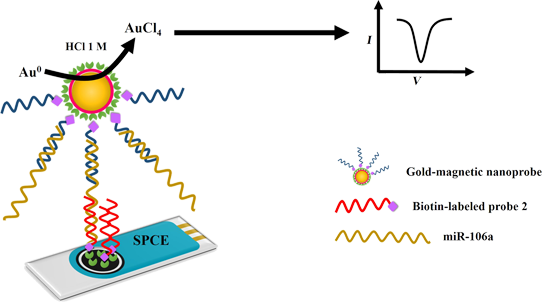
- -characterized nanomaterial and the complementarity principle of nucleic acid molecules, this electrochemical nanobiosensor showed remarkable accuracy in evaluating miRNA target concentrations via differential pulse voltammetry (DPV) analyses. The principal steps of the biosensing procedure are schematically


Influence of hydrothermal synthesis parameters on the properties of hydroxyapatite nanoparticles
Beilstein J. Nanotechnol. 2016, 7, 1586–1601, doi:10.3762/bjnano.7.153
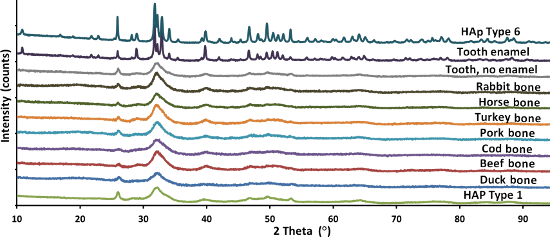
- , the HAp nanomaterial density gradually increased and the SSA considerably decreased – the data are presented in Table 4. For Type 6 hydroxyapatite, a SSA of 51 m2/g and a density of 3.04 g/cm3 were found. The average particle diameter was calculated based on SSA and density results. For Type 1
- scale-up in nanomaterial production is very problematic [58]. This is mainly due to the nonuniform heating of precursors. Despite the fact that we employ the microwave heating method [35][38][59], i.e., the most efficient and quickest method of supplying energy to reagents, an increase in the size


Graphene-enhanced plasmonic nanohole arrays for environmental sensing in aqueous samples
Beilstein J. Nanotechnol. 2016, 7, 1564–1573, doi:10.3762/bjnano.7.150
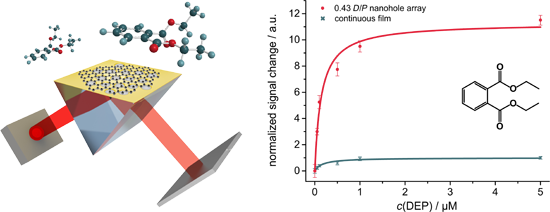
- the nanohole array surface. Furthermore, a reduced graphene oxide (rGO) sensor surface was layered over the nanohole array. Reduced graphene oxide is a 2D nanomaterial consisting of sp2-hybridized carbon atoms and is an attractive receptor surface for SPR as it omits any bulk phase and therefore
- the fabrication of the plasmon–graphene hybrids, the nanostructured substrates were functionalized with rGO via spin coating. The resulting two-dimensional graphene nanomaterial was characterized using Raman microscopy (Figure 5). Reduced graphene oxide is identified by the three distinct Raman bands
- analytes with the ability of π-stacking. This clearly demonstrates the advantage of the interplay of the nanostructured gold layer with the carbon nanomaterial as neither rGO on continuous gold nor a nanohole array without rGO modification will lead to such sensitive signal changes. Conclusion Nanosphere




Enhanced detection of nitrogen dioxide via combined heating and pulsed UV operation of indium oxide nano-octahedra
Beilstein J. Nanotechnol. 2016, 7, 1507–1518, doi:10.3762/bjnano.7.144
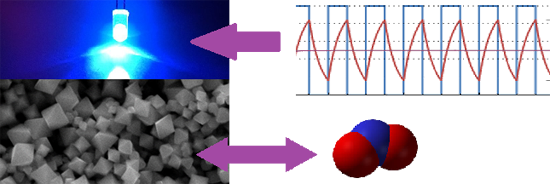
- oxide nano-octahedra as gas-sensitive nanomaterial (a detailed description of the sensor fabrication procedure can be found in the Experimental section). The dynamics of sensor response towards different concentrations of nitrogen dioxide under pulsed UV light activation are presented and discussed
- performed to study the morphology of the indium oxide nanomaterial. Figure 1 shows a SEM micrograph of the as-grown material. The image shows that the nanomaterial consists of well-defined octahedral shaped structures. No other morphologies are observed, which indicates the uniformity of the process
- At first, the response of the nanomaterial to nitrogen dioxide was measured when the sensor was operated at room temperature (22 °C) and in the absence of UV light. Under these conditions, the sensor response was weak and not reversible. Figure 3 shows the evolution of the resistance of the sensor


An efficient recyclable magnetic material for the selective removal of organic pollutants
Beilstein J. Nanotechnol. 2016, 7, 1447–1453, doi:10.3762/bjnano.7.136
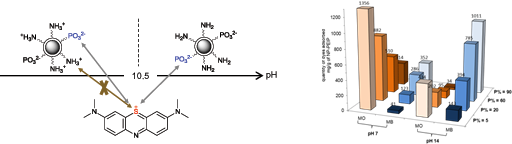
- (NP-PEIP). The special feature of the PEIP is the presence of numerous ammonium and, more original, phosphonate groups spread on the polymer. Its zwitterionic structure allows the adsorption of any kind of charged contaminant. Unlike many others sorbents, this nanomaterial strongly resists the


A composite structure based on reduced graphene oxide and metal oxide nanomaterials for chemical sensors
Beilstein J. Nanotechnol. 2016, 7, 1421–1427, doi:10.3762/bjnano.7.133
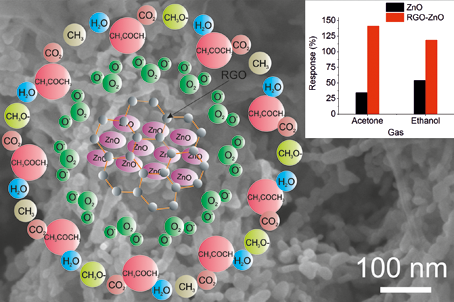
- nanofibers loaded with reduced graphene oxide [23]. These recent studies indicate that the combination of graphene and its modified structures with ZnO nanomaterials may open new perspectives for the fabrication of ZnO-based chemical sensors. In this paper, we describe a hybrid nanomaterial consisting of RGO
- and ZnO with a highly improved performance in sensing the VOCs ethanol and acetone. The highly improved sensing behavior of the obtained structures shows that our hybrid nanomaterial may be used to fabricate gas sensor devices for the detection of VOCs. Experimental The method used for fabricating the
- ZnO nanoparticles. Figure 3 reports the EDX spectrum and the quantitative analysis of the prepared structure. The morphological and the compositional studies confirm that the surface of ZnO nanomaterial is partially covered by GO. The variation of the C/O ratio in the GO platelets was checked by EDX


Viability and proliferation of endothelial cells upon exposure to GaN nanoparticles
Beilstein J. Nanotechnol. 2016, 7, 1330–1337, doi:10.3762/bjnano.7.124
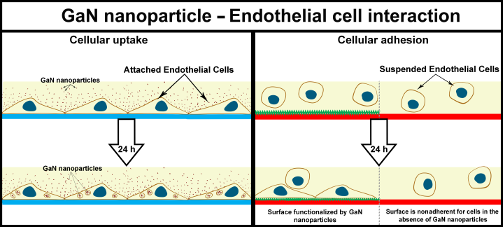
- functionalized by nanoparticles and signs of toxicity were not observed even with an increased density of fixed nanoparticles, thus indicating to a high biocompatibility of the GaN nanomaterial. By further exploration of the semiconducting and piezoelectric properties of GaN nanoparticles, the characteristics of
- growth of GaN, the ZnO core decomposed due to hydrogen flow in the reaction chamber. In the process of GaN growth, the HCl, NH3, and H2 flow rates were 15 sccm, 500 sccm, and 3600 sccm, respectively. The resulting nanomaterial was used in culture with porcine aortic endothelial cells. Figure 1a shows the
- schematic of the fabrication process of GaN nanoparticles and SEM pictures of initial ZnO and GaN composite nanomaterial are presented in Figure 1b and Figure 1c. Functionalization of surfaces with GaN nanoparticles Cellular nonadherent, biocompatible silicone (Rema®Sil) was used for the nanoparticle



Photocurrent generation in carbon nanotube/cubic-phase HfO2 nanoparticle hybrid nanocomposites
Beilstein J. Nanotechnol. 2016, 7, 1075–1085, doi:10.3762/bjnano.7.101
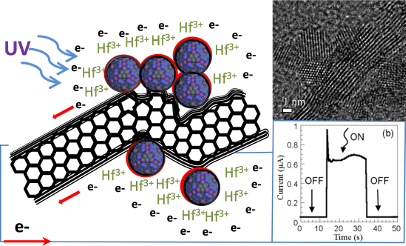
- TEM. The various HAADF-STEM images presented here give an overview of the morphology of the hybrid nanomaterial. Most of the HfO2 nanoparticles are agglomerated and appear to be attached only in certain particular regions of the CNT. In our previous study we observed that cubic HfO2 nanoparticles on


Gold nanoparticles covalently assembled onto vesicle structures as possible biosensing platform
Beilstein J. Nanotechnol. 2016, 7, 655–663, doi:10.3762/bjnano.7.58
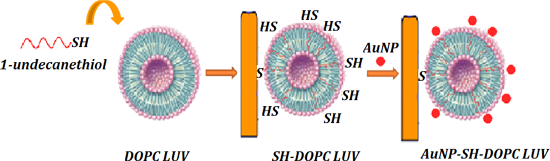
- bilayers with the aim of using this nanomaterial as platform for the future design of immunosensors. A novel methodology for the self-assembly of AuNPs onto large unilamellar vesicle structures is described. The vesicles were formed with 1,2-dioleoyl-sn-glycero-3-phosphocholine (DOPC) and 1-undecanethiol
- decorate vesicles that could be used as a model system to illustrate controlled delivery of molecules under mild hyperthermia. These systems were prepared by using cetyltrimethylammonium chloride and myristic acid, and the nanomaterial was synthetized in aqueous alkaline solution by a co-precipitation
- vesicle systems and, in doing so, lose the specific qualities of nanoparticles [21]. Moreover, the conventional synthesis of AuNPs is carried out in water and uses chemicals such as NaBH4, which is toxic and can damage functional groups. In addition, some nanomaterial syntheses need involve high


Bacteriorhodopsin–ZnO hybrid as a potential sensing element for low-temperature detection of ethanol vapour
Beilstein J. Nanotechnol. 2016, 7, 501–510, doi:10.3762/bjnano.7.44
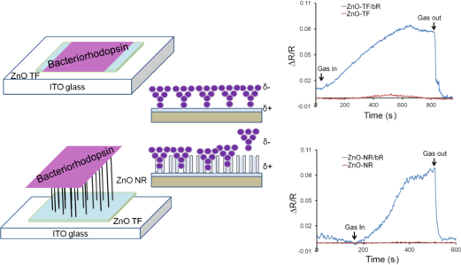
- , nanomaterial–biomolecule hybrid gas sensors. Keywords: amphipol; bacteriorhodopsin; bio-hybrid; gas sensing; ITO; ZnO nanostructure; Introduction Nanomaterial–biomolecule conjugates have emerged into one of the most rapidly developing and sought after areas in modern biomolecular device fabrication and
- charge carriers can move [79][80]. Conclusion Nanomaterial–biomolecule hybrids based on ZnO-TF or ZnO-NR functionalized with bR protein have been successfully fabricated on ITO substrates. The morphological, optical, and electrical characterization of these devices was presented. The behaviour of ZnO-TF


Plasticity-mediated collapse and recrystallization in hollow copper nanowires: a molecular dynamics simulation
Beilstein J. Nanotechnol. 2016, 7, 228–235, doi:10.3762/bjnano.7.21
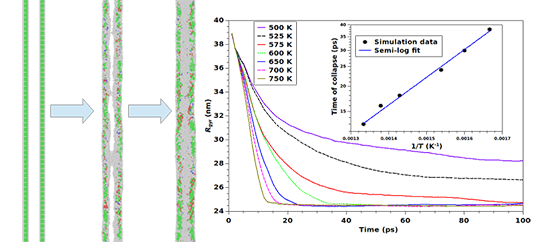
- energy corresponding to the surface of the nanomaterial is typically much larger than that of the interior. This causes an inherent structural instability with the aim to minimize the energy. Although the nanosystem can remain trapped in the surface-dominated high-energy structure during the synthesis
- process, it relaxes to a lower-energy structure upon annealing. This structural transition often causes significant change in the morphology of the nanomaterial. There are several such examples in literature. For instance, the rapid growth of grains in nanocrystalline metal is driven by the thermodynamic
- instabilities exhibiting modulated patterns on the surfaces of pre-molten nanowires [5][6]. In this context, it is a pertinent question to ask what happens in case of a nanomaterial with a hollow interior. The intrinsic structural instability, as discussed above, is expected to be enhanced in such case by the


Synthesis and applications of carbon nanomaterials for energy generation and storage
Beilstein J. Nanotechnol. 2016, 7, 149–196, doi:10.3762/bjnano.7.17
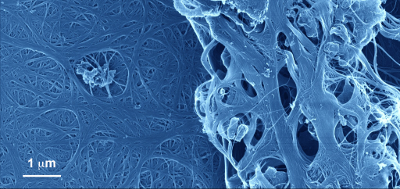
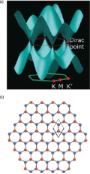
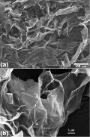
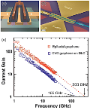
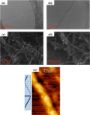
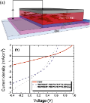
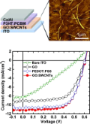
- electrical, mechanical and thermal properties, CNTs are not the only carbon nanomaterial that could play a major role in replacing conventional materials for energy generation and storage devices. In particular, the discovery of the electrical properties of graphene, another allotrope carbon, by Geim















Nanoinformatics for environmental health and biomedicine
Beilstein J. Nanotechnol. 2015, 6, 2449–2451, doi:10.3762/bjnano.6.253

- the eNanoMapper database for nanomaterial safety information is summarized in another contribution [5], while a third contribution reports on the NanoE-Tox database that is concerned with the ecotoxicity of nanomaterials [6]. In addition, important improvements are reported for the Nanotechnology
- Consumer Products Inventory that progressively documents the marketing and distribution of nano-enabled products into the commercial marketplace [7]. The progress in nano-data curation is covered in two contributions. One describes the Nanomaterial Data Curation Initiative, a collaborative effort by the
- nanomaterials, which provides critical information for the environmental impact assessment of nanomaterials [18]. Another contribution addresses the issue of nanomaterial risk assessment and proposes a decision analysis scheme for furthering nanoinformatics work [19]. This work considers an array of decision
An ISA-TAB-Nano based data collection framework to support data-driven modelling of nanotoxicology
Beilstein J. Nanotechnol. 2015, 6, 1978–1999, doi:10.3762/bjnano.6.202
- nanomaterials that are intentionally produced. (It should be noted that slightly different definitions of these terms have been proposed by different organisations [1] and the European Commission has recommended a specific definition of a “nanomaterial” for legislative and policy purposes within the European
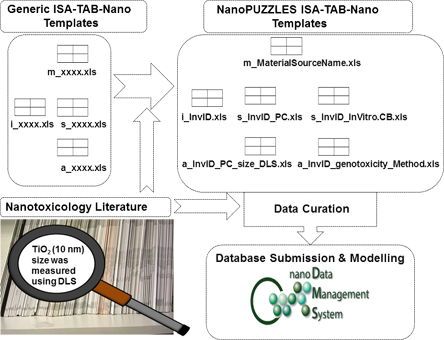
- for a standardised, electronic format for nanomaterial data [16][17][23]. However, as well as a general specification specifying how different kinds of (meta)data should be recorded in a standardised fashion, additional requirements for nanotoxicology datasets to be most valuable for analysis of
- files to tab-delimited text files to facilitate computational analysis and database submission. Since there is a growing interest in the use of ISA-TAB-Nano as a community standard for organising nanomaterial data, from a variety of individual researchers and organizations [3][28][29][30][31][32], it is



Predicting cytotoxicity of PAMAM dendrimers using molecular descriptors
Beilstein J. Nanotechnol. 2015, 6, 1886–1896, doi:10.3762/bjnano.6.192
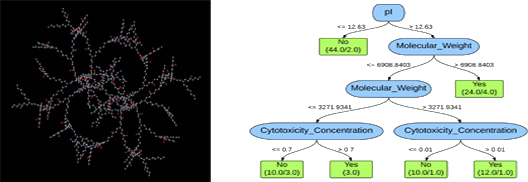
- eliminating a material for potential human applications. Reliable prediction of cytotoxicity using in silico approaches possesses the potential for high payoff in nanomaterial development, allowing the concentration of scarce development resources to be directed towards the synthesis and testing of promising


Nanocuration workflows: Establishing best practices for identifying, inputting, and sharing data to inform decisions on nanomaterials
Beilstein J. Nanotechnol. 2015, 6, 1860–1871, doi:10.3762/bjnano.6.189

- metadata, data completeness, database integration), while the focus of this article is on the nanocuration workflow, or the process of identifying, inputting, and reviewing nanomaterial data in a data repository. In particular, the article discusses: 1) the rationale and importance of a defined workflow in
- nanocuration is nascent, with few individuals formally trained in data curation or utilizing available nanocuration resources (e.g., ISA-TAB-Nano). Additional emphasis on the potential benefits of cultivating nanomaterial data via nanocuration processes (e.g., capability to analyze data from across research
- variety of diverse fields of study. For fields like nanoscience, or the study of materials at the nanoscale, this opportunity is particularly important given the wide array of disciplines that are inherently involved in synthesizing, testing, regulating, using, and developing new nanomaterial applications


NanoE-Tox: New and in-depth database concerning ecotoxicity of nanomaterials
Beilstein J. Nanotechnol. 2015, 6, 1788–1804, doi:10.3762/bjnano.6.183
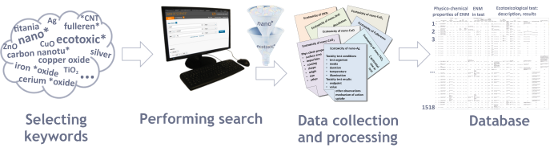
- -depth databases on ENMs. In addition, nanotoxicity-related databases are developed and supported at national level in EU. For instance, in Germany an application-based nanomaterial database, which includes information on potential toxicological effects of ENMs, has been created in the DaNa project [16
- physico-chemical properties of the specific ENMs used in the products. Independent online databases containing nanotoxicological information have also been created in other countries outside Europe. For instance, NanoToxdb: A database on Nanomaterial Toxicity [20] that is by description a comprehensive


Nanotechnology in the real world: Redeveloping the nanomaterial consumer products inventory
Beilstein J. Nanotechnol. 2015, 6, 1769–1780, doi:10.3762/bjnano.6.181
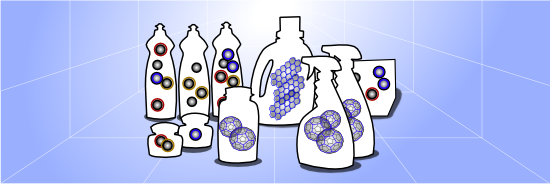
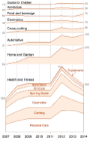
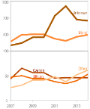
- revised inventory was released in October 2013. It currently lists 1814 consumer products from 622 companies in 32 countries. The Health and Fitness category contains the most products (762, or 42% of the total). Silver is the most frequently used nanomaterial (435 products, or 24%); however, 49% of the
- products (889) included in the CPI do not provide the composition of the nanomaterial used in them. About 29% of the CPI (528 products) contain nanomaterials suspended in a variety of liquid media and dermal contact is the most likely exposure scenario from their use. The majority (1288 products, or 71
- standardized methods and metrics for nanomaterial characterization and labelling in consumer products can lead to greater understanding between the key stakeholders in nanotechnology, especially consumers, researchers, regulators, and industry. Keywords: consumer products; database; inventory; nanoinformatics



The Nanomaterial Data Curation Initiative: A collaborative approach to assessing, evaluating, and advancing the state of the field
Beilstein J. Nanotechnol. 2015, 6, 1752–1762, doi:10.3762/bjnano.6.179
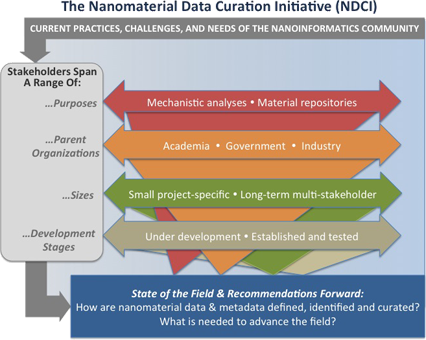
- School of Chemical, Biological and Environmental Engineering, Oregon State University, Corvallis, OR, USA 10.3762/bjnano.6.179 Abstract The Nanomaterial Data Curation Initiative (NDCI), a project of the National Cancer Informatics Program Nanotechnology Working Group (NCIP NanoWG), explores the critical
- aspect of data curation within the development of informatics approaches to understanding nanomaterial behavior. Data repositories and tools for integrating and interrogating complex nanomaterial datasets are gaining widespread interest, with multiple projects now appearing in the US and the EU. Even in
- analysis of nanomaterial data curation itself, as well as a platform for multiple other important discussions to advance the field of nanoinformatics. This article outlines the NDCI project and lays the foundation for a series of papers on nanomaterial data curation. The NDCI purpose is to: 1) present and
Atomic scale interface design and characterisation
Beilstein J. Nanotechnol. 2015, 6, 1708–1711, doi:10.3762/bjnano.6.174
- . Finally some reviews cover key examples of successful nanomaterial integration. Recent drives to improve and refine nanomaterial synthesis routes have adopted different approaches. The increasingly important role played by organic chemists in the field of nanocarbon design has led to new families of
- -ray microscopy has shown to be a powerful tool for chemical analysis of radiation-sensitive nanomaterial [7]. Combining the chemical and magnetic information provided by XPEEM with the structural sensitivity of LEEM has created a complete characterization tool of material properties at the nanometer
Structural and magnetic properties of iron nanowires and iron nanoparticles fabricated through a reduction reaction
Beilstein J. Nanotechnol. 2015, 6, 1652–1660, doi:10.3762/bjnano.6.167
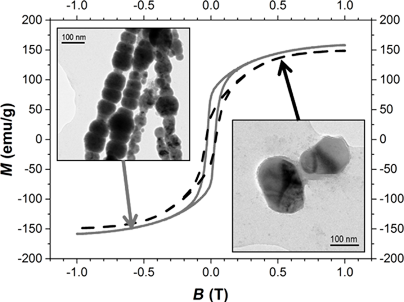
- nanomaterial. It has been already reported that the iron oxide layer at the surface of nanoparticles shows a tendency towards the similar crystallographic orientation as the underlying Fe core [21]. Thus, it is believed that amorphous iron, which lies between the crystalline iron core and iron oxide layer of
- investigated iron nanowires can be treated as straight chains of iron nanoparticles. Therefore, the “chain-of-spheres model” can be applied for this nanomaterial [30]. Moreover, this model can be used only for the single-domain particles with diameters of around 100 nm [9], which matches perfectly with the
- influences the samples, is the application of the external magnetic field during the fabrication process of iron nanowires. The external field enables the formation of wire-like nanomaterial, which actually should be considered as straight chains of single domain iron nanoparticles with dipolar interactions



The eNanoMapper database for nanomaterial safety information
Beilstein J. Nanotechnol. 2015, 6, 1609–1634, doi:10.3762/bjnano.6.165
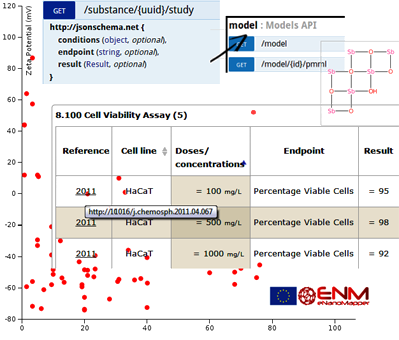
- expectations and (inter)national standards. This usually translates into a set of available study summaries (rarely raw data) for a given ENM. The inclusion of links to product databases could also be considered (e.g., whether the nanomaterial occurs in nature, whether it is emitted by cars or is present in
- certain food sources, as well as known therapies in which the nanomaterial is used). However, supporting raw data files (including microscopy images) is an important requirement in contexts other than regulatory, enabling the reproducibility of the data preprocessing and analysis. Links to the
- ], Nanomaterial-Biological Interactions Knowledgebase (http://nbi.oregonstate.edu/), caNanoLab (http://cananolab.nci.nih.gov/caNanoLab/) [7], InterNano (http://www.internano.org/), Nano-EHS Database Analysis Tool (http://icon.rice.edu/report.cfm), nanoHUB (nanohub.org/resources/databases/), NanoTechnology





