Search results
Search for "polymerization" in Full Text gives 224 result(s) in Beilstein Journal of Nanotechnology. Showing first 200.
Intercalation and structural aspects of macroRAFT agents into MgAl layered double hydroxides
Beilstein J. Nanotechnol. 2016, 7, 2000–2012, doi:10.3762/bjnano.7.191
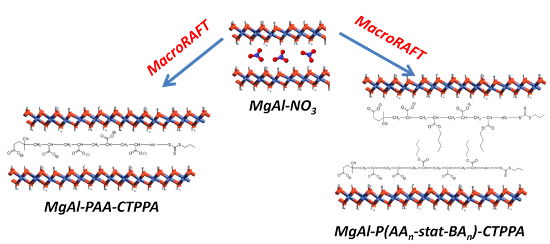
- hydrophilic random copolymers of acrylic acid (AA) and n-butyl acrylate (BA) with molar masses ranging from 2000 to 4200 g mol−1 synthesized by reversible addition-fragmentation chain transfer (RAFT) polymerization, into LDH containing magnesium(II) and aluminium(III) intralayer cations and nitrates as
- inorganic LDH with the polymer matrix during the polymerization [32]. Water soluble macromolecules such as poly(vinyl alcohol), poly(acrylic acid) (PAA), poly(styrene sulfonate) were also intercalated into the layered structure to avoid the use of surfactant molecules which can alter nanocomposite
- properties [33][34]. To design polymer-intercalated LDH hybrid materials, an elegant alternative consists in performing in situ polymerization of monomer-intercalated LDH. Such approach was applied for instance to make LDH intercalated with vinyl benzene sulfonate [33][35], acrylate anion [10][36][37


Controlled supramolecular structure of guanosine monophosphate in the interlayer space of layered double hydroxide
Beilstein J. Nanotechnol. 2016, 7, 1928–1935, doi:10.3762/bjnano.7.184
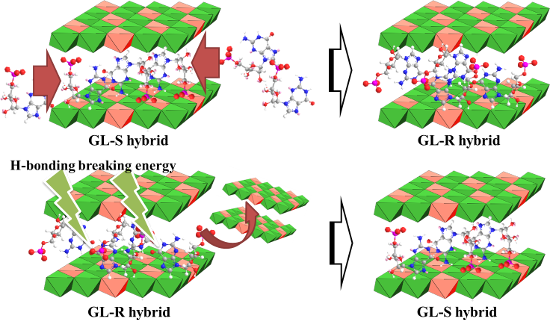
- was suggested that the geometrical restriction of molecules under the confined interlayer space of inorganics would aid the polymerization of biological molecules. Mann et al. intercalated two kinds of amino acids, aspartate and glutamate, into layered double hydroxide (LDH) to synthesize bioinorganic
- nanocomposites [5]. Post-synthetic thermal treatment resulted in polymerization of amino acids in LDH. It was also reported that amino acids such as arginine and glutamate were polymerized via peptidic condensation both on the surface and in the interlayer space of clay [6]. In that literature, peptidic
- condensation of amino acids was determined to favor heteropeptide rather than homopeptide. Besides polymerization of amino acids, it was reported that abiotic oligomerization of RNA nucleotides was catalyzed by montmorillonite clay [7]. In the presence of clay, the length of polymerized RNA oligonucleotides


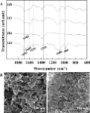
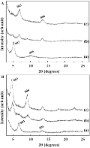
Facile fabrication of luminescent organic dots by thermolysis of citric acid in urea melt, and their use for cell staining and polyelectrolyte microcapsule labelling
Beilstein J. Nanotechnol. 2016, 7, 1905–1917, doi:10.3762/bjnano.7.182
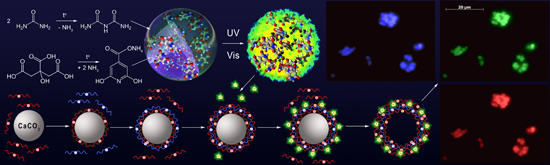
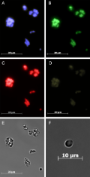
- precursor molecules. It was found that, aside from the polymerization reaction, a salt of citric acid and ethylenediamine forms the fluorescent molecule 5-oxo-1,2,3,5-tetrahydroimidazo[1,2-α]pyridine-77-carboxylic acid (IPCA) in a second simultaneous intramolecular reaction. The subsequent rise in




Nano- and microstructured materials for in vitro studies of the physiology of vascular cells
Beilstein J. Nanotechnol. 2016, 7, 1620–1641, doi:10.3762/bjnano.7.155
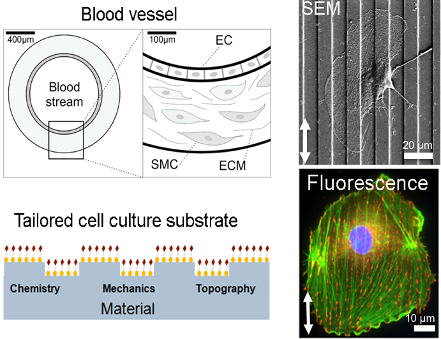
- poured onto the surface with the desired pattern and let to polymerize. After polymerization, the replica is peeled off from the mold (Figure 4B). The lower limit of replica topographies will depend on the material used to replicate. With (PDMS), a commonly used elastomer, it was possible to replicate
- advantage of optical superresolution, with which it is possible to go below the light diffraction limit, to perform photolithography with nanometer resolution. For example, using nano-antennas it was possible, by two-photon polymerization, to produce photoresist nanodots with diameters below 30 nm [64]. In
- low protein absorption [36][162][163]. Commonly used in cell culture experiments are PAA hydrogels [50][114][115][116]. They are made of acrylamide (the monomer), bis(acrylamide) (the crosslinker molecule) and a photoinitiator, which triggers polymerization. By varying the ratio between monomer



False positives and false negatives measure less than 0.001% in labeling ssDNA with osmium tetroxide 2,2’-bipyridine
Beilstein J. Nanotechnol. 2016, 7, 1434–1446, doi:10.3762/bjnano.7.135
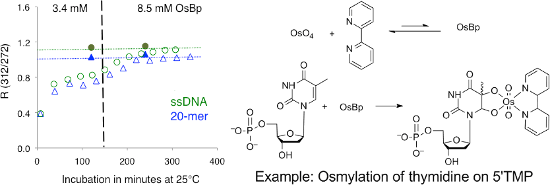
- inter- or intra-strand dimerization and/or polymerization of the reacting nucleic acid, this was investigated possibility as follows: pGEX3’-A9 was employed, which is a 32-mer long deoxyoligo, and both aged and fresh OsBp stock solutions were used for labeling. The reactions were monitored by IE HPLC


High performance Ce-doped ZnO nanorods for sunlight-driven photocatalysis
Beilstein J. Nanotechnol. 2016, 7, 1338–1349, doi:10.3762/bjnano.7.125
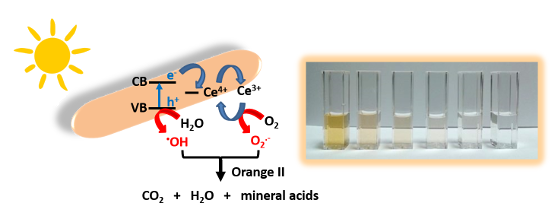
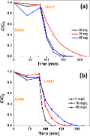
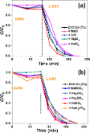
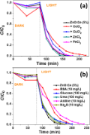
- 485 nm between the UV–visible absorption of Orange II and the oligohydroquinones originating from the O2•−-mediated polymerization of p-benzoquinone. Finally, the addition of oxalic acid used as h+ scavenger [61] (even used at the high concentration of 20 g/L) influenced less the degradation







Ammonia gas sensors based on In2O3/PANI hetero-nanofibers operating at room temperature
Beilstein J. Nanotechnol. 2016, 7, 1312–1321, doi:10.3762/bjnano.7.122
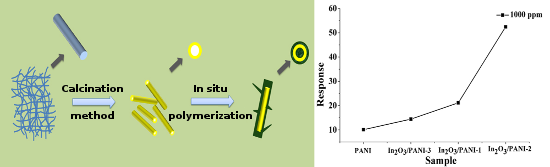
- electrospinning, and then hollow structure indium oxide (In2O3) nanofibers were obtained through calcination with PVP as template material. In situ polymerization was used to prepare indium oxide/polyaniline (In2O3/PANI) composite nanofibers with different mass ratios of In2O3 to aniline. The structure and
- [21][23][24][25][26][27]. In this paper, In2O3/PANI composite nanofibers were prepared by the combination of electrospinning technique, calcination method and in situ polymerization. This study presents the improved response capabilities of gas sensors based on In2O3/PANI composite nanofibers, which
- were synthesized with different ratios between In2O3 and aniline during the in situ polymerization. All sensors were tested at room temperature in a concentration range of NH3 from 100 to 1000 ppm. Experimental Materials Polyvinylpyrrolidone-K90 (PVP-K90, Mw = 1.3 × 10⁶ g/mol) was purchased from Bo Di


Reasons and remedies for the agglomeration of multilayered graphene and carbon nanotubes in polymers
Beilstein J. Nanotechnol. 2016, 7, 1174–1196, doi:10.3762/bjnano.7.109
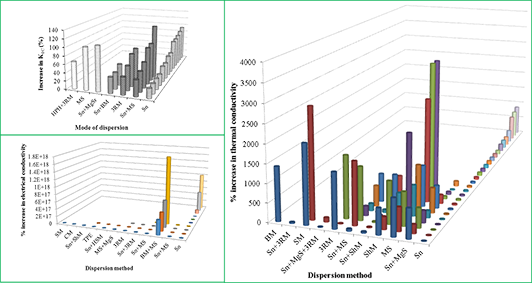
- shown in Figure 10 [53]. Nayak et al. [118] carried out the solvent-free side-wall functionalization of SWNTs with 4-vinylaniline through atom transfer radical polymerization. Different functional groups yield varying interfacial interaction strengths with the polymer matrix [118]. MLG and CNTs can be
- grafted covalently into polymers using two main strategies: (i) “grafting from” and (ii) “grafting to” [2]. In the “grafting from” approach, initiators are initially immobilized onto the surface of the filler. The fillers are bound with desired polymer molecules by in situ polymerization. The main
- impact strength and hardness were also significantly improved by graphene in epoxy nanocomposites. For example, Ren et al. applied a combination of bath sonication, mechanical mixing, and shear mixing to disperse GO in cyanate ester–epoxy and produced nanocomposites using in situ polymerization [159


An ellipsometric approach towards the description of inhomogeneous polymer-based Langmuir layers
Beilstein J. Nanotechnol. 2016, 7, 1156–1165, doi:10.3762/bjnano.7.107
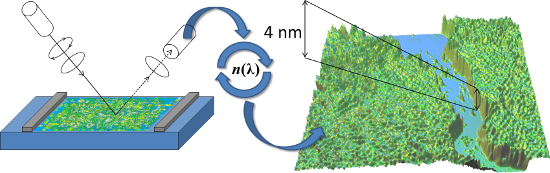
- . In the following a short summary of the methods and the characterization of the polymers are given. PPDL-D4 was synthesized by tin(II)-mediated ring-opening polymerization of ω-pentadecalactone and di(trimethylolpropane) as the core segment. For PPDL-D4 a molecular weight Mn of 5000 g·mol−1 was


Reconstitution of the membrane protein OmpF into biomimetic block copolymer–phospholipid hybrid membranes
Beilstein J. Nanotechnol. 2016, 7, 881–892, doi:10.3762/bjnano.7.80
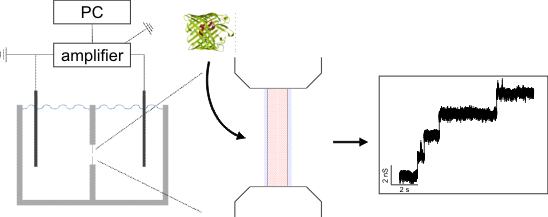
- ). According to anionic polymerization theory, the amount of 1,4-isoprene units in PIPEOs was larger than 88% due to the polymerization in toluene and the polydispersity indices (PDI) being relatively low (Table 1). Only PIPEO877 showed an increased polydispersity index, which was likely caused by the high
- amount of sec-butyllithium used as initiator to obtain the low molecular weight of the polymer. The polydispersity indices of the PIPEO block copolymers were slightly larger than those of the PI precursors, probably because of side reactions during the polymerization of ethylene oxide utilizing the
- and stirred for 1 h over di-n-butylmagnesium under the same conditions. To transfer the solvent and the monomers from one flask to another, cryo-distillation under static vacuum conditions was used. The typical procedure for polymerization of the block copolymers is briefly mentioned here. To a volume



Assembling semiconducting molecules by covalent attachment to a lamellar crystalline polymer substrate
Beilstein J. Nanotechnol. 2016, 7, 784–798, doi:10.3762/bjnano.7.70
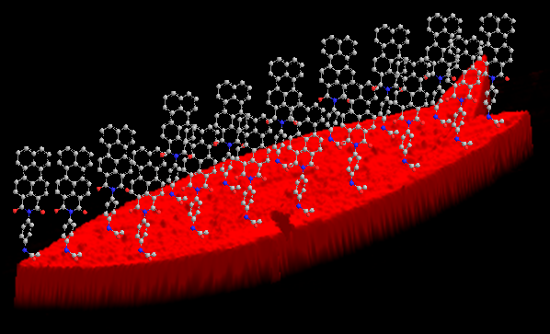
- synthesis Details of the synthesis of the CPE45 polymer and the nanocrystals have been published elsewhere [8]. In brief, acyclic diene metathesis (ADMET) polymerization of an carboxylic acid functionalized α,ω-diene monomer was used, which was prepared in a multistep synthetic approach. Nanocrystals were


Fabrication and characterization of novel multilayered structures by stereocomplexion of poly(D-lactic acid)/poly(L-lactic acid) and self-assembly of polyelectrolytes
Beilstein J. Nanotechnol. 2016, 7, 81–90, doi:10.3762/bjnano.7.10
- distribution) were obtained via ring-opening polymerization. The molecular weight of PDLA and PLLA are 37511 and 59223 g/mol, respectively. This was suitable for our usage due to the use of polymers with similar molecular weights in LBL assembly [46]. Thus, these polymers were used for LBL assembly directly
- 18.2 MΩ·cm. Methods Synthesis and characterization of PLLA and PDLA Typically, 10 g of lactide and 0.5% tannous octoate (as a catalyst) were added to a conical flask. Then the conical flask was place into a vacuum oven at 180° after being sealed and the ring-opening polymerization lasted for 12 h


Plasma fluorination of vertically aligned carbon nanotubes: functionalization and thermal stability
Beilstein J. Nanotechnol. 2015, 6, 2263–2271, doi:10.3762/bjnano.6.232
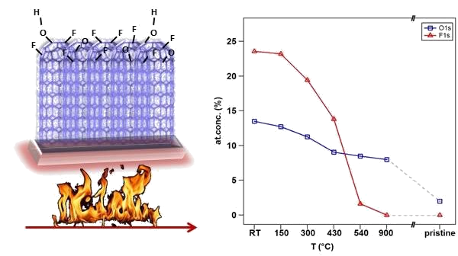
- polymerization, the introduction of unwanted atoms on the functionalized system, or the high toxicity level of the gas used. Carbon tetrafluoride (CF4), sulfur hexafluoride (SF6), pure fluorine (F2) or diluted fluorine in an inert atmosphere (Xe/F2, Ar/F2) are the precursor gases most commonly used. In the case


Selective porous gates made from colloidal silica nanoparticles
Beilstein J. Nanotechnol. 2015, 6, 2105–2112, doi:10.3762/bjnano.6.215
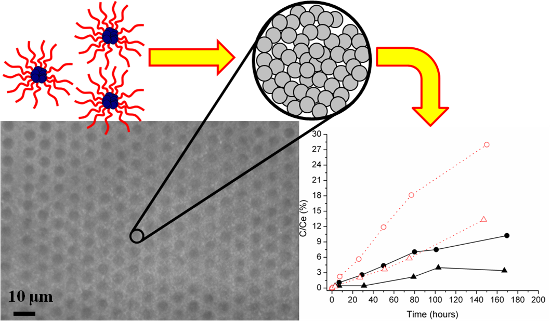
- hexagonally ordered pores were also employed as substrate for MCM-48 silica films, giving promising results [4][23][24]. The sol–gel polymerization process is a key procedure for the bottom-up synthesis of nano- and mesoporous silica films and in the literature there are several reviews focusing on this field


Nanostructured superhydrophobic films synthesized by electrodeposition of fluorinated polyindoles
Beilstein J. Nanotechnol. 2015, 6, 2078–2087, doi:10.3762/bjnano.6.212
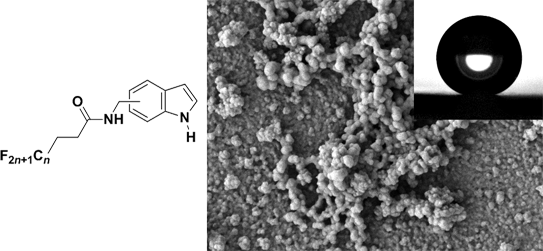
- extremely various shapes can be produced in solution by self-assembly [19][20][21] or directly formed on substrates by different strategies such as preferential growth [22], grafting [23], vapor phase polymerization [24], plasma polymerization [25] and electropolymerization [26][27][28][29][30]. The last
- method allows for a very quick and easy deposition of conducting polymer films while the formation of surface structures can be controlled by electrochemical parameters [26] and the used monomer [27]. In order to control the formation of surface nanostructures, the core responsible for the polymerization
- for Indole-6-F6 is shown in Figure 1, where it is possible to see the maximum peak of oxidation of the monomer. Then, the polymerization was followed from −0.7 V to a potential slightly lower than Eox (working potential Ew) by the same electrochemical method. Examples of cyclic voltammograms for the




Electrochemical behavior of polypyrrol/AuNP composites deposited by different electrochemical methods: sensing properties towards catechol
Beilstein J. Nanotechnol. 2015, 6, 2052–2061, doi:10.3762/bjnano.6.209
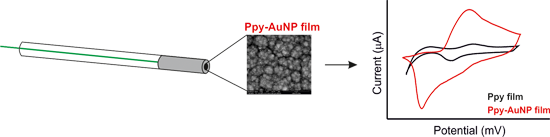
- this reason, they have been widely used as chemical sensors for the detection of a variety of substances. The structure and sensing properties of the Ppy films are considerably influenced by the electrochemical method used for the polymerization (potentiostatic, galvanostatic or potentiodynamic), by
- [13], ammonia gas at room temperature [14], caffeine [15] or hydroxylamine [16] among others. Ppy/AuNP composites can be prepared by chemical and electrochemical polymerization. Electrochemical methods provide a better control of the structure and properties of the composite by controlling the
- sensing properties of the Ppy/AuNPs films directly depend on the polymerization conditions. However, the influence of the polymerization conditions in the properties of Ppy/AuNPs electrodes has not been yet studied. One of the fields where electrochemical sensors are having an important success is in the


Focused particle beam-induced processing
Beilstein J. Nanotechnol. 2015, 6, 1883–1885, doi:10.3762/bjnano.6.191

- polymerization that is a basis for the creation of ultrathin nanomembranes. Finally, André Beyer and coworkers show impressive HIM images of ultrathin carbon nanomembranes [17], which is a clear indication of the potential of the bourgeoning fields of helium ion microscopy and lithography towards nanofabrication
Radiation losses in the microwave Ku band in magneto-electric nanocomposites
Beilstein J. Nanotechnol. 2015, 6, 1700–1707, doi:10.3762/bjnano.6.173
- explained. Further studies revealed that the prepared material is a nanocomposite. FTIR spectra show the presence of expected chemical structures such as C–H bonds in a ring system at 1512 cm−1. Keywords: emulsion polymerization; magneto-electric composite; radiation loss; vector network analyser
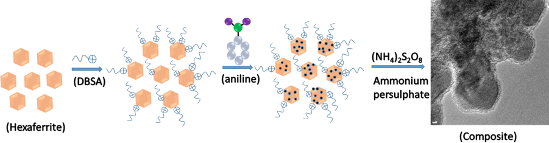
- paper, we have used the versatile citrate precursor method to synthesize La–Co-substituted barium hexaferrite. Lanthanum and cobalt are used as substituents to enhance the magnetic properties of barium hexaferrite and then emulsion polymerization is employed for the synthesis of nanocomposites. The
- material (BaM) and aniline are mixed in the ratio of 1:1. The solution is stirred 3–4 h at very low temperature for micelle formation. To initiate the polymerization, ammonium persulfate is used as an initiator that initiates the reaction at 2 °C. The obtained product is filtered with a suction pump and


Atomic force microscopy as analytical tool to study physico-mechanical properties of intestinal cells
Beilstein J. Nanotechnol. 2015, 6, 1457–1466, doi:10.3762/bjnano.6.151
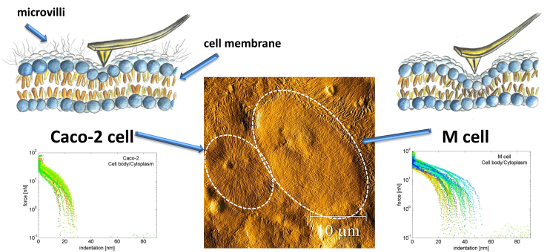
- thus responsible for polymerization of monomeric actin to microfilaments and/or the linkage of single microfilaments into hexagonally packed bundles [6][39]. According to the literature, villin is localized at the apex of cells that display a well-developed brush border [40]. In M cells, however


DNA–melamine hybrid molecules: from self-assembly to nanostructures
Beilstein J. Nanotechnol. 2015, 6, 1432–1438, doi:10.3762/bjnano.6.148
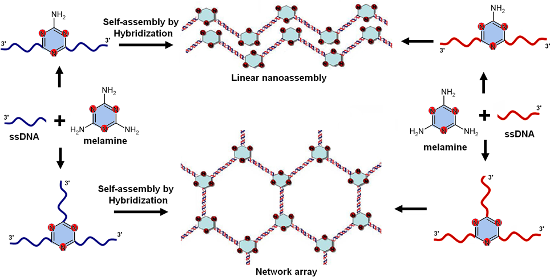
- could be used for various potential applications including templated polymerization or metallization. Several strategies have been developed to generate self-assembled DNA nanostructures based on DNA–organic hybrid molecular building blocks. The selection of organic molecule and the DNA sequence are the



Peptide-equipped tobacco mosaic virus templates for selective and controllable biomineral deposition
Beilstein J. Nanotechnol. 2015, 6, 1399–1412, doi:10.3762/bjnano.6.145
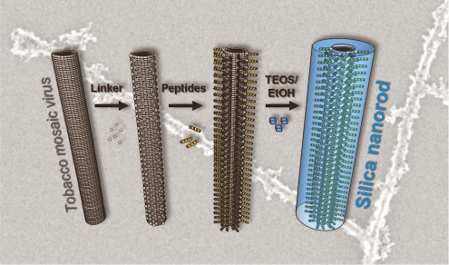
- mineralization-directing peptides designed to yield silica coatings in a reliable and predictable manner via precipitation from tetraethoxysilane (TEOS) precursors. Three peptide groups were compared regarding their influence on silica polymerization: (i) two peptide variants with alternating basic and acidic
- residues, i.e. lysine–aspartic acid (KD)x motifs expected to act as charge-relay systems promoting TEOS hydrolysis and silica polymerization; (ii) a tetrahistidine-exposing polypeptide (CA4H4) known to induce silicification due to the positive charge of its clustered imidazole side chains; and (iii) two




Electrical characterization of single molecule and Langmuir–Blodgett monomolecular films of a pyridine-terminated oligo(phenylene-ethynylene) derivative
Beilstein J. Nanotechnol. 2015, 6, 1145–1157, doi:10.3762/bjnano.6.116
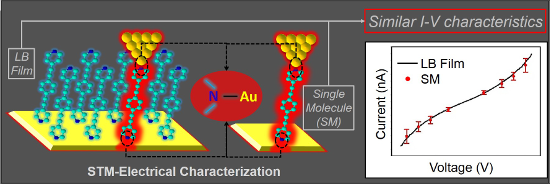
- groups [67][68][69] and fullerenes [60][70][71]. However, many of these groups have significant limitations including chemical degradation at working temperatures [72][73], associated polymerization phenomena [74], small binding energies [74], unexpectedly high contact resistance [75][76][77][78][79][80


In situ observation of biotite (001) surface dissolution at pH 1 and 9.5 by advanced optical microscopy
Beilstein J. Nanotechnol. 2015, 6, 665–673, doi:10.3762/bjnano.6.67
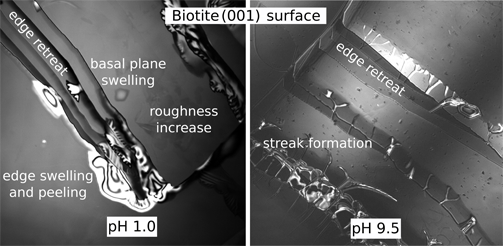
- the biotite structure; (2) hydrolysis of the Si–O–Si and Si–O–Al groups of the tetrahedral sheet, responsible for the layer expansion and (3) re-polymerization of Si–OH groups to form Si–O–Si that might cause layer contraction by expulsion of water. In a new concept of the mineral/solution interface


Simple approach for the fabrication of PEDOT-coated Si nanowires
Beilstein J. Nanotechnol. 2015, 6, 640–650, doi:10.3762/bjnano.6.65
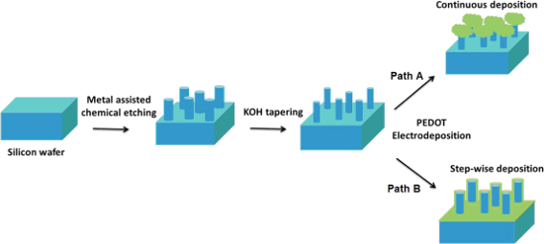
- electrochemical methods. Since the polymerization reaction is a very fast process with regards to monomer diffusion along the SiNW, the conformal deposition by classical, fixed potential deposition was not favored. Instead, the core–shell heterojunction structure was finally achieved by a pulsed deposition method
- . An extremely large shunt resistance was exhibited and determined to be related to the diffusion conditions occurring during polymerization. Keywords: conductive polymer; core–shell structure; electrodeposition; hybrid material; SiNW; Introduction Silicon nanowires (SiNWs) are a current, active
- surface uncovered [16]. In order to improve the junction quality, a conformal PEDOT shell should be introduced to eliminate charge transport paths parallel to the diode. Compared with the spin coating technique, the electrochemical polymerization of PEDOT provides the possibility of excellent polymer




Self-assembled anchor layers/polysaccharide coatings on titanium surfaces: a study of functionalization and stability
Beilstein J. Nanotechnol. 2015, 6, 617–631, doi:10.3762/bjnano.6.63
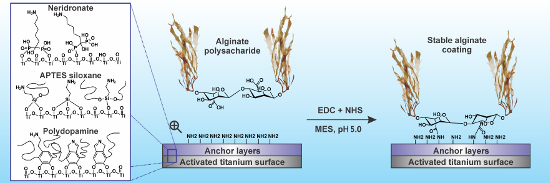
- -aminopropyltriethoxysilane (APTES) can result in several surface structures such as covalent attachment, self-assembly, multilayer formation by surface-initiated (SI) polymerization and particle adsorption [22]. The obstacles and limitations inherent to thiol–SAMs and silanes can be circumvented by the use of moieties
- dopamine and its intermediates (dopamine-quinone, 5,6-dihydroxyindole, etc.), of SI polymerization and of adsorption of the resulting polymer molecules resulted in a 15.2 ± 0.5 nm thick confluent PDA layer. Despite the precautions taken during the APTES deposition for the formation of the SAM [21] (freshly
- surface, but also proves the presence of the siloxane polymer network. The network is formed by SI polymerization from non-hydrolyzed ethoxy groups (which can give rise to silanol groups) and free silanols that did not undergo a dehydration condensation reaction with surface hydroxy groups. Both possible