


Search results
Search for "precipitation" in Full Text gives 297 result(s) in Beilstein Journal of Nanotechnology. Showing first 200.
Anchoring Fe3O4 nanoparticles in a reduced graphene oxide aerogel matrix via polydopamine coating
Beilstein J. Nanotechnol. 2018, 9, 591–601, doi:10.3762/bjnano.9.55
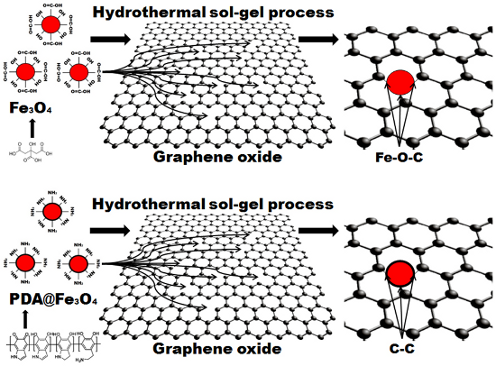
- , collected and dried overnight at 80 °C. Magnetite nanoparticles were synthesized via a co-precipitation process, as follows: FeCl2·4H2O (1.72 g, 8.65 mmol) and FeCl3·6H2O (4.7 g, 17.38 mmol) were dissolved in water and degassed. Next, the temperature was elevated to 85 °C and 25% ammonia solution (20 mL


Influence of the preparation method on the photocatalytic activity of Nd-modified TiO2
Beilstein J. Nanotechnol. 2018, 9, 447–459, doi:10.3762/bjnano.9.43
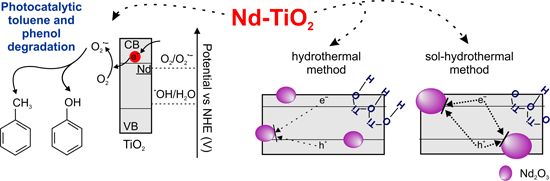
- materials for various applications. According to the literature, RE-modified TiO2 could be prepared through a wide spectrum of methods, such as sol–gel [18][25], hydrothermal [23][26][27], solvothermal [28], electrospinning [29], co-precipitation [30] and electrochemical [8] methods. In our previous papers




Facile synthesis of ZnFe2O4 photocatalysts for decolourization of organic dyes under solar irradiation
Beilstein J. Nanotechnol. 2018, 9, 436–446, doi:10.3762/bjnano.9.42
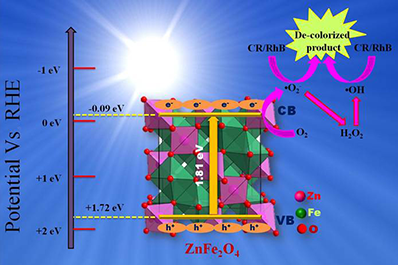
- , hydrothermal [15][16][17] solid-state combustion, sol–gel, co-precipitation, mechanochemical [18] and microwave-hydrothermal assisted ionic liquids have been reported for the synthesis of metal ferrite [10][13][19]. Recently, Sharma et al. reported the synthesis of ZnFe2O4 nanoparticles by an urea combustion
- the organic dyes (i.e., Congo red, Rh B, malachite green methylene blue) to CO2, H2O and the corresponding mineral acids [19][24]. Movahedi et al. have prepared ZnFe2O4 through precipitation tested the photocatalytic activity of ZnFe2O4 in the degradation of 5 ppm Congo red obtaining 64% degradation


Photocatalytic and adsorption properties of TiO2-pillared montmorillonite obtained by hydrothermally activated intercalation of titanium polyhydroxo complexes
Beilstein J. Nanotechnol. 2018, 9, 364–378, doi:10.3762/bjnano.9.36
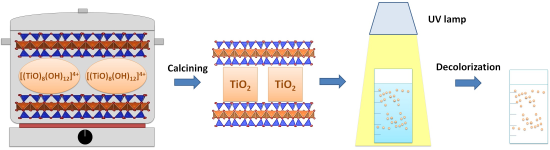
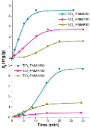
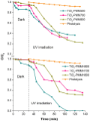
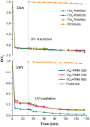
- phenomenon of pillar enlargement can also be explained by Ostwald ripening [43]. Pillar growth occurs due to recondensation, i.e., via the process of dissolving relatively small TiO2 pillars in water followed by re-precipitation at high pillars. The effectiveness of decolorization for the solutions of model






Humidity-dependent wound sealing in succulent leaves of Delosperma cooperi – An adaptation to seasonal drought stress
Beilstein J. Nanotechnol. 2018, 9, 175–186, doi:10.3762/bjnano.9.20
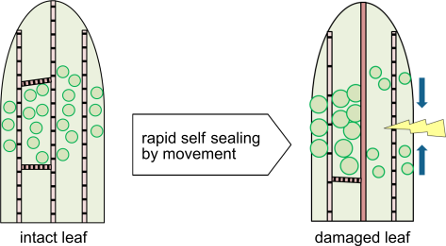
- relative humidity is 57%, and the precipitation is about 500 mm per year with 58 rainy days. In the dry winter month of September, statistically, only 2 rainy days and a relative humidity of 46% occur close to the town of Bloemfontain [16]. In the context of our experiments on self-sealing efficiency, high


Atomic layer deposition and properties of ZrO2/Fe2O3 thin films
Beilstein J. Nanotechnol. 2018, 9, 119–128, doi:10.3762/bjnano.9.14
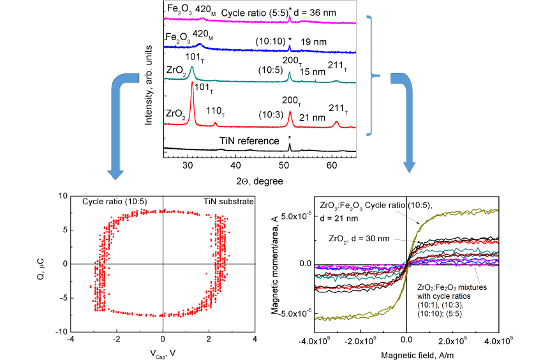
- structures were found to possess ferromagnetic behavior [9]. Ferromagnetism was also observed in annealed Co and Fe co-doped ZrO2, prepared by the sol–gel method [10]. Samples of Mn- and Fe-stabilized cubic zirconia were obtained by a co-precipitation method and no ferromagnetism was observed in such samples


Facile synthesis of silver/silver thiocyanate (Ag@AgSCN) plasmonic nanostructures with enhanced photocatalytic performance
Beilstein J. Nanotechnol. 2017, 8, 2781–2789, doi:10.3762/bjnano.8.277
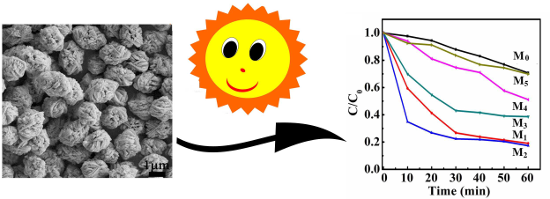
- nanostructured plasmonic photocatalyst, silver/silver thiocyanate (Ag@AgSCN), has been prepared by a simple precipitation method followed by UV-light-induced reduction. The ratio of Ag to silver thiocyanate (AgSCN) can be controlled by simply adjusting the photo-induced reduction time. The formation mechanism of
- cycle was almost the same as for the first cycle, which is notable for a Ag-based catalyst. Results and Discussion Ag@AgSCN nanostructures Ag@AgSCN nanostructures were synthesized by a simple precipitation method, followed by UV-light-induced reduction. As shown in Figure 1a, all the XRD patterns of the
- activity of AgSCN [31][32]. Formation mechanism of Ag@AgSCN nanostructures To investigate the formation mechanism of Ag@AgSCN nanostructures, a time-dependent precipitation experiment was conducted. It can be seen that small AgSCN nanoplates with size of ≈10 nm were formed in 2 min due to the low


Hyperthermic intracavitary nanoaerosol therapy (HINAT) as an improved approach for pressurised intraperitoneal aerosol chemotherapy (PIPAC): Technical description, experimental validation and first proof of concept
Beilstein J. Nanotechnol. 2017, 8, 2729–2740, doi:10.3762/bjnano.8.272
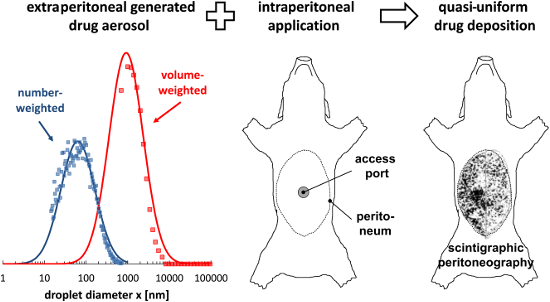
- based on compressed air that was also unipolar-charged extracavitary by means of a brush electrode (IonwandTM, Alesi Surgical Ltd, Cardiff, UK) of an approved electrostatic precipitation system (UltravisionTM, Alesi Surgical Ltd, Cardiff, UK). The mentioned parameters were chosen in order to be as close
- Surgical Ltd, Cardiff, UK) of an approved electrostatic precipitation system (UltravisionTM, Alesi Surgical Ltd, Cardiff, UK). Results und Discussion Granulometric analyses Before discussing the granulometric results, it should be noted here again that the HINAT-LAU was operated with compressed air and
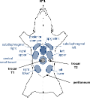
- to the HINAT aerosol with increased local drug deposition (i.e., blue dyed area) due to electrostatic precipitation based on intracavitary aerosol charging. Endoscopic image of the peritoneum after exposure to the PIPAC-MIP aerosol with local drug deposition (i.e., black dyed area) beneath the nozzle




PTFE-based microreactor system for the continuous synthesis of full-visible-spectrum emitting cesium lead halide perovskite nanocrystals
Beilstein J. Nanotechnol. 2017, 8, 2521–2529, doi:10.3762/bjnano.8.252
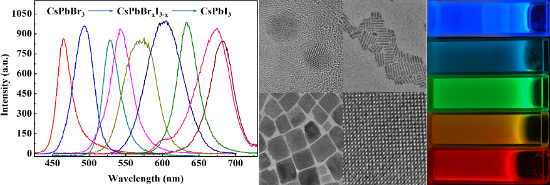
- . [20] independently demonstrated the feasibility of synthesizing CsPbX3 QDs within a few seconds at low temperature. Sun et al. [21] reported the formation of shape-controlled CsPbX3 perovskite nanocrystals of three different morphologies via the re-precipitation process at room temperature. Chen et al


Dynamic behavior of a nematic liquid crystal mixed with CoFe2O4 ferromagnetic nanoparticles in a magnetic field
Beilstein J. Nanotechnol. 2017, 8, 2467–2473, doi:10.3762/bjnano.8.246
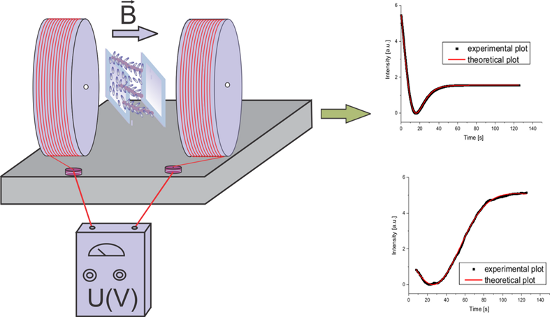
- Dynamic measurements were performed with a reference sample cell filled only with 5CB and a cell filled with a mixture of 5CB and 1% (volumetric ratio) of CoFe2O4 nanoparticles. These nanoparticles are nano-sized ferrite platelets (30 nm diameter) obtained using a co-precipitation method with iron


Fabrication of CeO2–MOx (M = Cu, Co, Ni) composite yolk–shell nanospheres with enhanced catalytic properties for CO oxidation
Beilstein J. Nanotechnol. 2017, 8, 2425–2437, doi:10.3762/bjnano.8.241
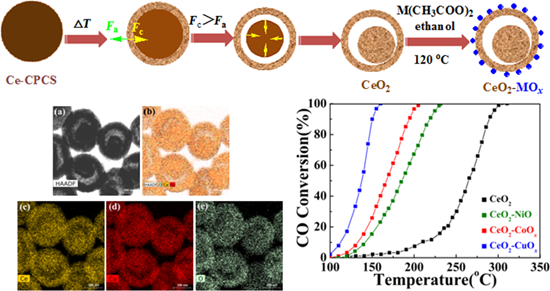
- integration of coordination chemistry with anti-solvent effects for synchronized precipitation. Second, the resultant Ce-CPCSs served as the precursor to produce CeO2 yolk–shell nanospheres by non-equilibrium heat treatment with a proper heating rate. Heterogeneous contraction, caused by non-equilibrium heat
- precipitation method exhibit a H2 consumption peak in the range of 240–300 °C, related to the reduction in the pure bulk CuOx phase [25][35]. For comparison, the binary Ce–Cu oxide shows relatively low reducibility compared to pure ceria and copper oxides due to the significant interaction between the two





Hydrothermal synthesis of ZnO quantum dot/KNb3O8 nanosheet photocatalysts for reducing carbon dioxide to methanol
Beilstein J. Nanotechnol. 2017, 8, 2264–2270, doi:10.3762/bjnano.8.226
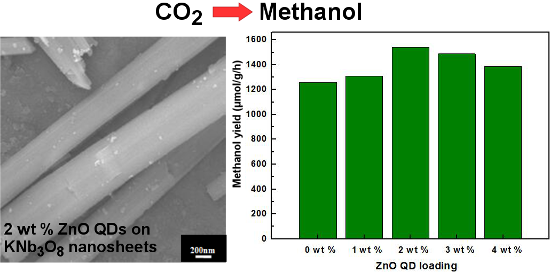
- much higher than that of the commercial Degussa P25 [10]. Zhou et al. synthesized porous K4Nb6O17 microspheres with large surface area via a homogeneous precipitation method, which showed not only two times higher photocatalytic activity than that of the commercial Degussa P25 (the titanium dioxide




Systematic control of α-Fe2O3 crystal growth direction for improved electrochemical performance of lithium-ion battery anodes
Beilstein J. Nanotechnol. 2017, 8, 2032–2044, doi:10.3762/bjnano.8.204
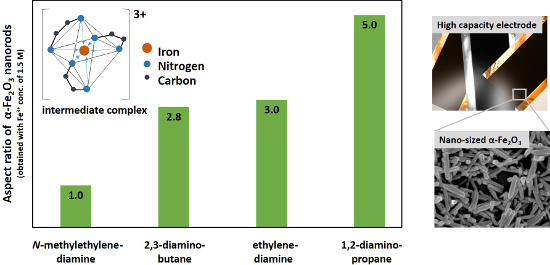
- for micrometer-sized materials, but becomes feasible for their nanostructured derivatives [9][11][16][17][18][19][20]. Therefore, morphology control and nanostructuring of α-Fe2O3 is of great topical importance. Among several synthesis methods for α-Fe2O3 crystal phases, including precipitation and


Bi-layer sandwich film for antibacterial catheters
Beilstein J. Nanotechnol. 2017, 8, 1982–2001, doi:10.3762/bjnano.8.199
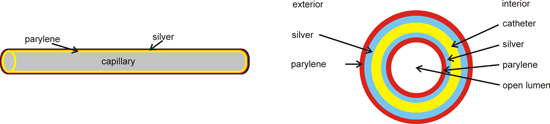
- . The medium of choice is artificial urine because our catheter should be applied to the uriniferous system [41][42]. Although urine is mainly a solution of NaCl (approx. 0.1 M), no precipitation of AgCl occurs because urine always contains ammonia (which is the reaction product of urea and urease


Non-intuitive clustering of 9,10-phenanthrenequinone on Au(111)
Beilstein J. Nanotechnol. 2017, 8, 1801–1807, doi:10.3762/bjnano.8.181
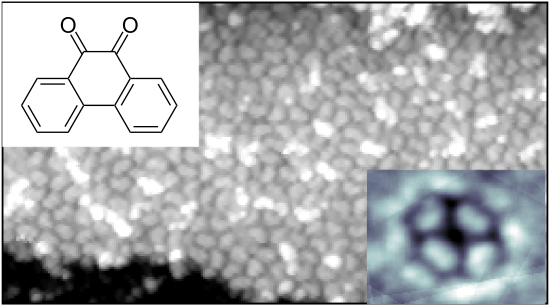
- a metastable 3D configuration with more favorable dipole–dipole and hydrogen-bonding interactions. Then, precipitation onto the Au(111) surface could force it into the observed two-dimensional configuration, where it could be kinetically trapped. If this mechanism is indeed responsible for the


Evaluation of preparation methods for suspended nano-objects on substrates for dimensional measurements by atomic force microscopy
Beilstein J. Nanotechnol. 2017, 8, 1774–1785, doi:10.3762/bjnano.8.179
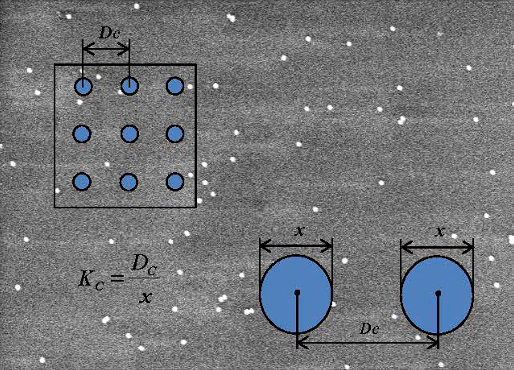
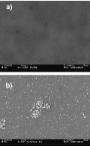
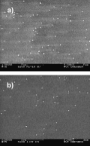
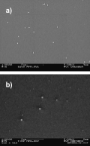
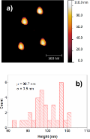
- substrates. Several known and proven particle preparation methods, i.e., membrane filtration, drying, rinsing, dip coating as well as electrostatic and thermal precipitation, were performed by means of scanning electron microscopy to examine their suitability for preparing samples for dimensional AFM
- properties (e.g., surface potential of material and substrate, tendency of nano-objects to agglomerate, adhesion force, size and shape). Therefore several preparation methods (membrane filtration, drying, rinsing, dip coating, electrostatic precipitation, thermal precipitation) on silicon (Si) and with
- been developed and commercialized. The most important deposition mechanisms are the electrostatic precipitation [21], thermal precipitation [22][24][25] as well as aerosol filtration [26][27]. In contrast to the wet phase preparation methods where only the suspensions and substrates have to be pre


Methionine-mediated synthesis of magnetic nanoparticles and functionalization with gold quantum dots for theranostic applications
Beilstein J. Nanotechnol. 2017, 8, 1734–1741, doi:10.3762/bjnano.8.174
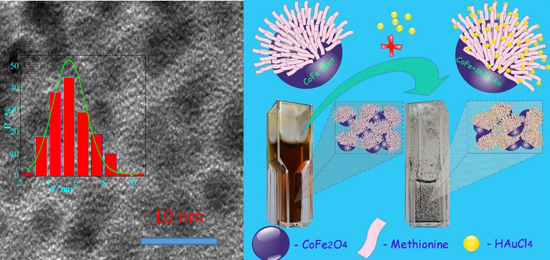
- magnetic NPs with gold quantum dots (QDs) containing more than 13.5% of Au+. Emphasis is put on the synthesis of magnetic NPs by co-precipitation using the amino acid methionine as NP growth-stabilizing agent capable to later reduce and attach gold species. The surface of these NPs can be further
- attachment of gold species. In recent publications amino acids such as methionine [19] and lysine [24] have been reported to be effective capping agents to control the size of magnetite [19] and Co ferrite [24] NPs during co-precipitation synthesis [25]. The main goal of the methionine capping was the
- size of ca. 6 nm were hydrothermally synthesized via co-precipitation. Then the stabilizing shell of methionine molecules attached to Np surface was successfully applied for the reduction of the chloroauric acid. The formation of ultra-small Au0/Au+ QDs with a mean size of ca. 1.5 nm at the surface of


Two-dimensional carbon-based nanocomposites for photocatalytic energy generation and environmental remediation applications
Beilstein J. Nanotechnol. 2017, 8, 1571–1600, doi:10.3762/bjnano.8.159
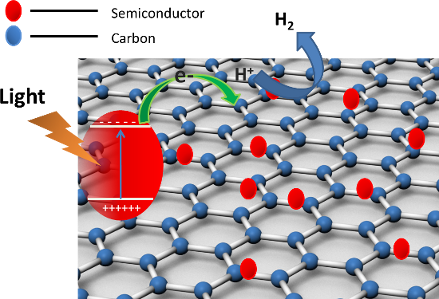
- ], precipitation [55], and photo-reduction [13]. The hydrothermal/solvothermal method for the synthesis of graphene-based nanocomposites involves the treatment of its precursor in a confined volume, teflon-lined autoclave at elevated temperature, wherein high pressure is generated. This method is very important
- was fabricated by a one-pot impregnation co-precipitation method as shown in Figure 12a. The S doping was introduced to narrow the band gap of g-C3N4 by stacking its 2p orbitals on the valence band of bare g-C3N4 which eventually contributes to increase the efficiency. Furthermore, the sulfur doping


Low-temperature CO oxidation over Cu/Pt co-doped ZrO2 nanoparticles synthesized by solution combustion
Beilstein J. Nanotechnol. 2017, 8, 1546–1552, doi:10.3762/bjnano.8.156

- milling, precipitation, combustion, and reverse microemulsion [30][31][32][33]. Vahidshad et al. [34] synthesized sol–gel-derived Cu–ZrO2 nanoparticles. Similarly, Saha et al. [35] prepared CuO-doped ZrO2 nanoparticles via ball milling. Among the described methods, solution combustion is used frequently




Calcium fluoride based multifunctional nanoparticles for multimodal imaging
Beilstein J. Nanotechnol. 2017, 8, 1484–1493, doi:10.3762/bjnano.8.148
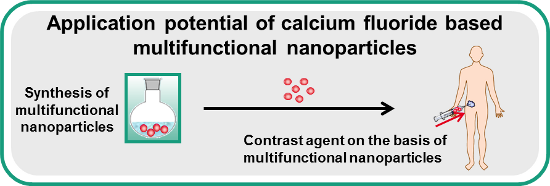
- is to create multifunctional NPs by precipitation and simultaneous doping of the NP matrix with various ions [8][9]. Due to their co-doping with lanthanide ions, NPs on the basis of calcium phosphate or gadolinium oxide are also detectable by MRI and PL [10][11][12][13]. In recent years, fluorides
- ionic substitutions can also be integrated in the CaF2 lattice [24]. Various methods have been reported for the preparation of rare-earth doped CaF2 NPs such as co-precipitation [14][15][24][25][26], hydrothermal methods [27][28][29], flame synthesis [30], microemulsion methods [31][32] and a
- cytotoxicity of the NPs was tested by a cell culture based viability assay. Results and Discussion Synthesis and characterization of the multifunctional nanoparticles The synthesis of the CaF2:(Tb3+,Gd3+) NPs was carried out in analogy to the reported wet-chemical procedure that is based on a co-precipitation


Development of polycationic amphiphilic cyclodextrin nanoparticles for anticancer drug delivery
Beilstein J. Nanotechnol. 2017, 8, 1457–1468, doi:10.3762/bjnano.8.145
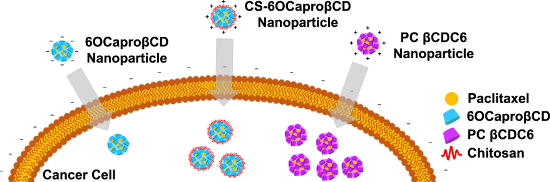
- face whilst the polycationic PC βCDC6 has 7 cationic groups on the primary face and 14 lipophilic groups on the secondary face. Both nanoparticles were prepared by a nanoprecipitation technique which is based on spherical crystallites of the polymer while precipitation occurs at the interface. In
- nanoparticles were stored in ultrapure water at 4 °C and the mean particle size, PDI values and zeta potential were obtained periodically for 30 days in aqueous dispersion form to elucidate whether PCX crystals are formed or any aggregation/precipitation is observed upon storage of the nanoparticle dispersions


Synthesis of [Fe(Leq)(Lax)]n coordination polymer nanoparticles using blockcopolymer micelles
Beilstein J. Nanotechnol. 2017, 8, 1318–1327, doi:10.3762/bjnano.8.133
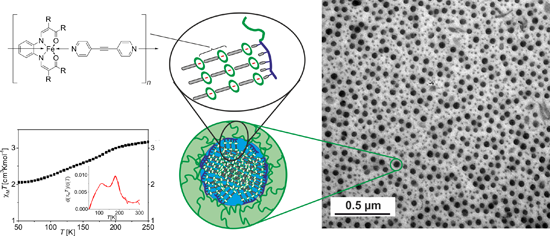
- procedures for nanoparticles with size control (gold [6][7], metal oxides [8][9]) and/or shape control (gold and silver [10]) are already well known. The reduction of metal salts is very common for noble metals [11], while (fast) precipitation or inverse-micelle technique are often used for metal oxides



Characterization of ferrite nanoparticles for preparation of biocomposites
Beilstein J. Nanotechnol. 2017, 8, 1257–1265, doi:10.3762/bjnano.8.127
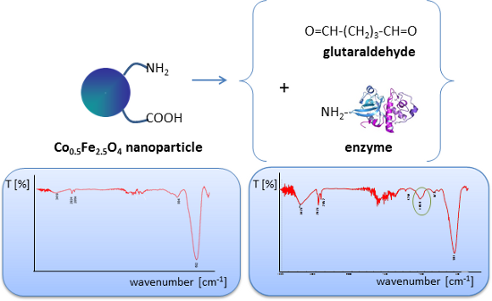
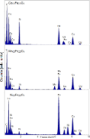
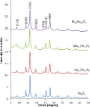
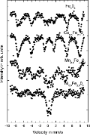
- ), Mn (Mn0.5Fe2.5O4) and Ni (Ni0.5Fe2.5O4) were prepared. The synthesis of these materials was done by the modification of Massart’s method [33]. This is based on the co-precipitation of (0.81 g) Fe(III) and (0.29 g) Fe(II) chlorides in 0.5% ammonia aqueous solution at a temperature of 80 °C under Ar



Synthesis, spectroscopic characterization and thermogravimetric analysis of two series of substituted (metallo)tetraphenylporphyrins
Beilstein J. Nanotechnol. 2017, 8, 1191–1204, doi:10.3762/bjnano.8.121
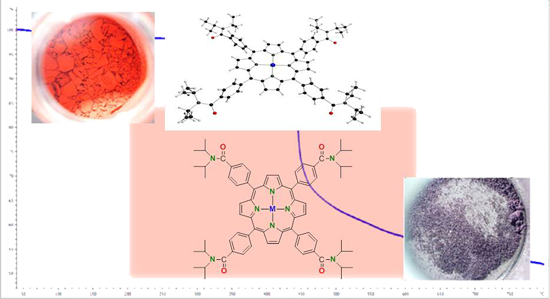
- precipitated with n-hexane. That procedure is referred to in the following as “re-precipitation”. Data for 2a 2 (0.200 g, 0.222 mmol), ZnCl2 (0.0909 g, 0.667 mmol). Yield: 0.156 g (73% based on 2); purple solid. Anal. calcd for C56H48N8O4Zn (962.44): C, 69.88; H, 5.03; N, 11.64; found: C, 69.5; H, 5.0; N, 11.5
- . Comments: No re-precipitation needed. Due to the poor solubility of 2a a 13C NMR spectrum could not be recorded. The ESIMS spectra of 2a reveals as basis peak 988.3599. The origin of this peak remains unclear and may likely correspond to a fragmentation/recombination process under ESIMS measurement
- C56H48CuN8O4 [2b] 960.3128; IR (KBr, cm−1) ν: 2928/2932 (w/w, C–H); 1622 (C=O); UV–vis (CHCl3) λabs [nm] (log ε): 396 (4.44), 419 (5.65), 543 (4.28), 578 (3.39). Supporting Information File 1 gives the IR, UV–vis and ESIMS spectra of 2b. Comments: No re-precipitation needed. Data for 2c 2 (0.200 g, 0.222 mmol


AgCl-doped CdSe quantum dots with near-IR photoluminescence
Beilstein J. Nanotechnol. 2017, 8, 1156–1166, doi:10.3762/bjnano.8.117
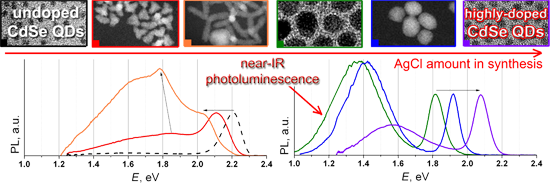
- equal amount of acetone used as an anti-solvent was added to the samples, resulting in the precipitation of QDs. The precipitated QDs were redispersed in hexane. Then the QDs were precipitated with acetone and dispersed in hexane again to achieve sufficient purity. The samples dispersed in hexane were





