


Search results
Search for "protein" in Full Text gives 402 result(s) in Beilstein Journal of Nanotechnology. Showing first 200.
Selective detection of complex gas mixtures using point contacts: concept, method and tools
Beilstein J. Nanotechnol. 2020, 11, 1631–1643, doi:10.3762/bjnano.11.146
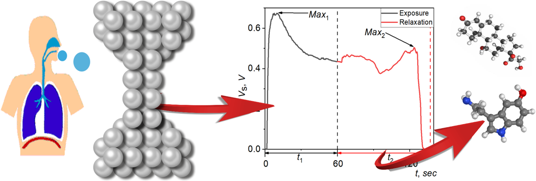
- -dione, C21H30O5) is a biologically active hormone produced by the adrenal cortex. It belongs to the class of glucocorticoid hormones [50] and it controls several functions in the human organism [51]. For example, it participates in the carbohydrate, lipid, and protein metabolism, is responsible for the


![[Graphic 4]](/bjnano/content/inline/2190-4286-11-146-i8.svg?max-width=637&scale=1.18182) in th...
in th...

![[Graphic 7]](/bjnano/content/inline/2190-4286-11-146-i11.svg?max-width=637&scale=1.18182) in the...
in the...
Fabrication of nano/microstructures for SERS substrates using an electrochemical method
Beilstein J. Nanotechnol. 2020, 11, 1568–1576, doi:10.3762/bjnano.11.139
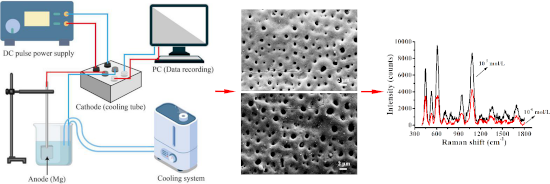
- quantification of extremely small amounts of protein. Experimental As-cast Mg ingots were sliced into rectangular coupons (15 × 15 × 4 mm3) for anodic oxidation treatment. Prior to the treatment, all specimens were ground using SiC paper up to 1200 grit, and then degreased with ethanol and deionized water in
- can be used to detect low levels of proteins (10−6 mol·L−1). Due to its reliability, homogeneity, low cost and high sensitivity, the system described herein holds great promise for future protein detection and quantification applications. Schematic diagram of fabrication of the nanopores substrates


Electrokinetic characterization of synthetic protein nanoparticles
Beilstein J. Nanotechnol. 2020, 11, 1556–1567, doi:10.3762/bjnano.11.138
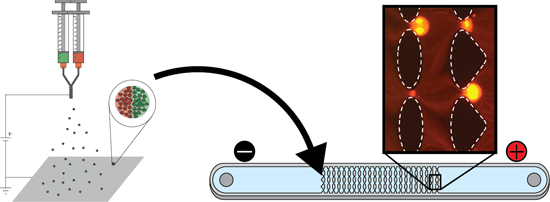
- treatment of a wide variety of diseases. However, the slow progress in the field has resulted in relatively few therapies being translated into the clinic. Anisotropic synthetic protein nanoparticles (ASPNPs) show potential as a next-generation drug-delivery technology, due to their biocompatibility
- ; bicompartmental particles; dielectrophoresis; electrokinetics; electrophoresis; electro-osmosis; microfluidics; protein nanoparticles; Introduction Over the past 30 years, nanoparticles have been developed for a wide variety of scientific applications, ranging from medical imaging to drug delivery and enzyme
- , naturally involved in biological molecule targeting, and are “smart” materials that can respond to various environmental cues, such as pH value, temperature, or target binding [4]. Protein nanoparticles (PNPs) are useful for the loading of active therapeutic enzymes and show potential results to be used as



Antimicrobial metal-based nanoparticles: a review on their synthesis, types and antimicrobial action
Beilstein J. Nanotechnol. 2020, 11, 1450–1469, doi:10.3762/bjnano.11.129
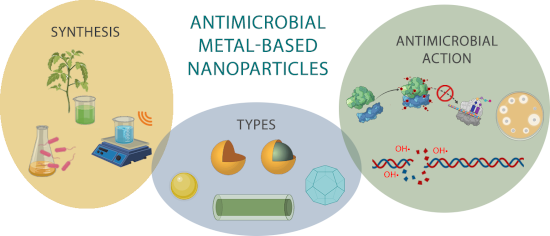
- interact with the functional groups of proteins and nucleic acids, such as thiol (–SH), amino (–NH), and carboxyl (–COOH) groups, and therefore, might affect the enzymatic activities and several protein structures. Although the metal ions released are not the main source of damage caused by NPs, it is


Triboelectric nanogenerator based on Teflon/vitamin B1 powder for self-powered humidity sensing
Beilstein J. Nanotechnol. 2020, 11, 1394–1401, doi:10.3762/bjnano.11.123
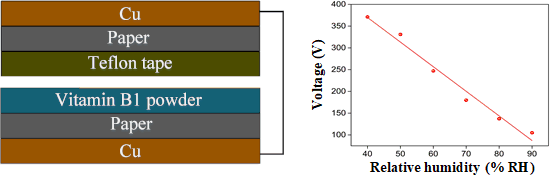
- which stays in the human body for only a few hours. Vitamin B1 is a coenzyme involved in the metabolism of sugar, protein and fat, which is found in grains, beans, pork, and other sources. Since it is cost-effective, environmentally friendly, non-poisonous and soluble, vitamin B1 can be used as a




Transient coating of γ-Fe2O3 nanoparticles with glutamate for its delivery to and removal from brain nerve terminals
Beilstein J. Nanotechnol. 2020, 11, 1381–1393, doi:10.3762/bjnano.11.122
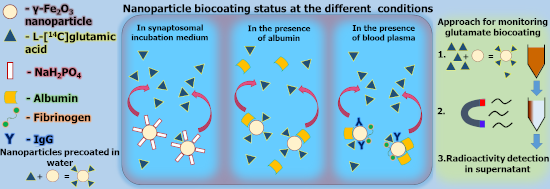
- transient glutamate biocoating can be useful for multifunctional theranostics. Keywords: blood plasma; brain nerve terminals; glutamate biocoating; maghemite (γ-Fe2O3) nanoparticles; protein biocorona; Introduction Glutamate is a main fast excitatory neurotransmitter in the central nervous system. Normal
- isolation. The protein concentrations were measured in accordance to [25]. Uptake of ʟ-[14C]glutamate by nerve terminals in the presence of γ-Fe2O3 nanoparticles The uptake of ʟ-[14C]glutamate was recorded in the synaptosomal suspension (aliquots of 125 µL containing 0.2 mg of protein per mL) incubated in
- ). Extracellular ʟ-[14C]glutamate level in the nerve terminal suspension in the presence of γ-Fe2O3 nanoparticles After preincubation in the abovementioned standard salt solution supplemented with Ca2+ at 37 °C for 10 min, the synaptosomal suspensions were loaded with ʟ-[14C]glutamate (1 nmol of protein per mg


Photothermally active nanoparticles as a promising tool for eliminating bacteria and biofilms
Beilstein J. Nanotechnol. 2020, 11, 1134–1146, doi:10.3762/bjnano.11.98
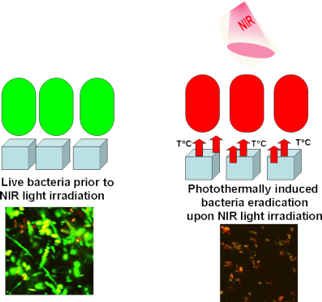
- gold nanoparticles (nanocrosses) with an efficient absorption in the NIR region and a fast photothermal response under NIR light excitation were conjugated to secondary and primary antibodies against PcrV, a type III secretion protein that is expressed by the superbug bacteria P. aeruginosa [58]. It
- heating of gold nanoparticles embedded in an injectable silk protein hydrogel was one of the first examples that used this approach [65]. The NIR laser irradiation at 528 nm for 15 min (450 mW) elevated the maximum gel temperature to 59 °C. The in vivo studies demonstrated a sufficient bacterial reduction
- engineered to combat bacterial infections by integrating bacterial conjugation and NIR-triggered photothermal sterilization [97]. In a very recent publication, polyethylene glycol (PEG)-MoS2 nanosheets additionally functionalized with an antibody (anti-protein A lgG) and polydopamine were applied to induce


Applications of superparamagnetic iron oxide nanoparticles in drug and therapeutic delivery, and biotechnological advancements
Beilstein J. Nanotechnol. 2020, 11, 1092–1109, doi:10.3762/bjnano.11.94
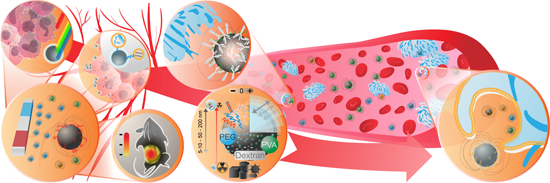
- contact with a living cell, the lipids will be stripped from the particle, leaving the bare nanoparticle in direct contact with the biological material, thus, inducing cytotoxicity. Some surfactants may not be biocompatible because they can disturb the lipid and protein metabolism [78]. In order to use
- -coated SPIONs capped with epidermal growth factor and green fluorescent protein to target atherosclerotic plaques for MRI detection in vivo with good biocompatibility and good targeting resolution, showing that for this application retention time and dimension of the PEG-coated SPIONs were ideal [131
- fluorescence) of Alzheimer’s disease Aβ plaque accumulations. They observed that the nanoparticles are not only appropriate for imaging but they also prevent plaque accumulation and break the already formed aggregates. Feng et al. [163] developed a SPION sensor coupled with a synthetic protein that recognizes


A few-layer graphene/chlorin e6 hybrid nanomaterial and its application in photodynamic therapy against Candida albicans
Beilstein J. Nanotechnol. 2020, 11, 1054–1061, doi:10.3762/bjnano.11.90
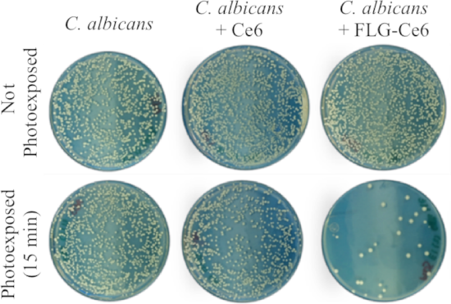
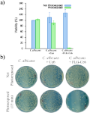
- biological applications, such as biosensors, protein detection, bioimaging and drug delivery [17][18]. In recent years, graphene nanoparticles have been used in many different applications ranging from enhanced spectroscopy techniques, coatings, polymeric composites, sensors, drug delivery systems and others


Key for crossing the BBB with nanoparticles: the rational design
Beilstein J. Nanotechnol. 2020, 11, 866–883, doi:10.3762/bjnano.11.72
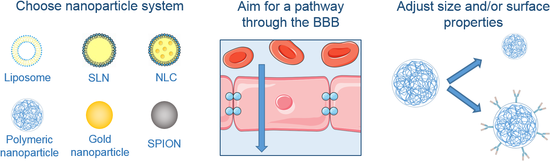
- polymeric nanoparticles prepared with PBCA and polymers from the poly(ethylene) family such as poly(lactic acid) (PLA) and poly(lactic-co-glycolic acid) (PLGA) [25][26]. Liposomes and other lipidic nanoparticles have also been reported as able to pass the BBB [27], as well as protein-based nanoparticles
- receptors found on the luminal side of the BBB are transferrin receptor (TfR), insulin and insulin-like growth factor receptor, low-density lipoprotein receptor (LDLR), low-density lipoprotein receptor-related protein 1 and 2 (LRP1 and LRP2), scavenger receptor class B type I (SR-B1), leptin receptor and
- high, leading to similar transcytosis efficiency as RMT [45][46]. AMT occurs through electrostatic interaction between a positively charged molecule, protein or peptide and the negatively charged luminal membrane of the brain endothelial cells. This process depends on energy, time and concentration and


Identification of physicochemical properties that modulate nanoparticle aggregation in blood
Beilstein J. Nanotechnol. 2020, 11, 550–567, doi:10.3762/bjnano.11.44
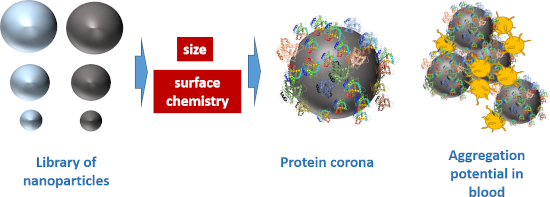
- purpose of investigating the role of surface curvature and chemistry on platelet aggregation, activation and adhesion. Substantial differences were found in the composition of the protein corona depending on the chemical nature of the nanoparticles, while the surface curvature was found to play a minor
- platelet deposition in post-capillary venules in the liver and heart, suggesting the role of this protein in nanoparticle-mediated platelet aggregation [14][15]. Silica nanoparticles (SNPs) of different sizes were found to activate glycoprotein IIb/IIIa and to induce the expression of P-selectin in
- chemistry of the particles. Strong repulsive electrostatic charges and steric hindrance may stabilize the NPs and prevent agglomeration. In the bloodstream, agglomeration is related to the formation of a biocorona that modifies the electrostatic and steric repulsion among particles [22]. Finally, protein




Luminescent gold nanoclusters for bioimaging applications
Beilstein J. Nanotechnol. 2020, 11, 533–546, doi:10.3762/bjnano.11.42
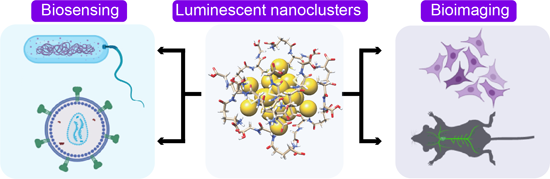
- complexes primarily rely on chelation of metal ions with carboxylic groups, therefore the diversity of ligand design is limited. The discovery of green fluorescent protein (GFP) led to remarkable progress in bioimaging including protein quantification, tracking, sensing as well as imaging various
- noncovalent interaction between streptavidin and biotin was exploited. To achieve the immunoassay, an antibody–antigen–antibody sandwich approach was utilized (Figure 3). The substrates were first coated with capture antibodies that will interact strongly with HIV-1 p24 antigen, a target viral protein
- [100]. Li et al. reported nanoparticle assemblies of pea protein isolate (PPI)-capped AuNCs with red fluorescence for in vitro and in vivo imaging. The nanoparticles were coated with red blood cell membranes to improve their blood circulation and enhance their enrichment in tumors [101]. Lai et al


Multilayer capsules made of weak polyelectrolytes: a review on the preparation, functionalization and applications in drug delivery
Beilstein J. Nanotechnol. 2020, 11, 508–532, doi:10.3762/bjnano.11.41
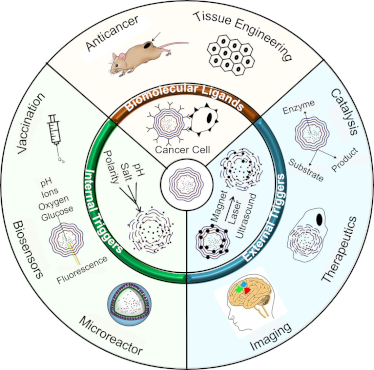
- drug release time could be extended by increasing the crystal size and thickness of the multilayer films. Alternatively, the protein aggregates or DNA could also be used as templates to encapsulate them in PLL-succinylated PLL layers for model viral assembly or gene transfer [66]. Another way of
- porous nature. They can encapsulate both hydrophilic as well as hydrophobic compounds. The encapsulation of proteins in such porous structures can be done by either adsorbing model protein into core particles before PE multilayer deposition [77] or co-precipitation of protein molecules during the
- , the poly(ethylene glycol) (PEG)-based post-functionalization of pH-responsive click capsules of biodegradable PLL and poly(ʟ-glutamic acid) (PGA) rendered their low fouling capability against specific protein binding [94]. Hydrogen bonded films and hollow capsules of alkyne-modified PVP and PMA were



Preparation and in vivo evaluation of glyco-gold nanoparticles carrying synthetic mycobacterial hexaarabinofuranoside
Beilstein J. Nanotechnol. 2020, 11, 480–493, doi:10.3762/bjnano.11.39
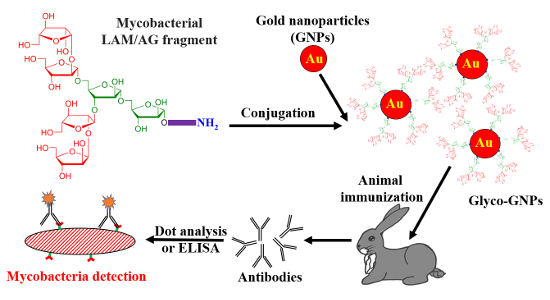
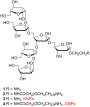
- glycan 2 containing the Ara6 epitope increased the sensitivity of serodiagnosis by 10–15% as compared to the use of unmodified proteins. Here, instead of using protein carriers, conjugation of glycans with GNPs, which is experimentally much easier, was carried out. The obtained Ara6-GNPs 3 and 4 could
- of glyco-GNPs bearing the hexasaccharide epitope of LAM/AG for the activation of a specific immune response against carbohydrate antigens in laboratory animals (rabbits). The results are helpful in the development of synthetic protein- and peptide-free glycoconjugate vaccines based on glyco-GNPs. It


Nanoarchitectonics: bottom-up creation of functional materials and systems
Beilstein J. Nanotechnol. 2020, 11, 450–452, doi:10.3762/bjnano.11.36

- ] gives insight into this interesting field of research which has great potential. The nanoarchitectonics concept has been applied for various bio-related applications, for example, in the small-protein-induced cellular uptake of complex nanohybrids [30], the controlled drug release from layered double

Brome mosaic virus-like particles as siRNA nanocarriers for biomedical purposes
Beilstein J. Nanotechnol. 2020, 11, 372–382, doi:10.3762/bjnano.11.28
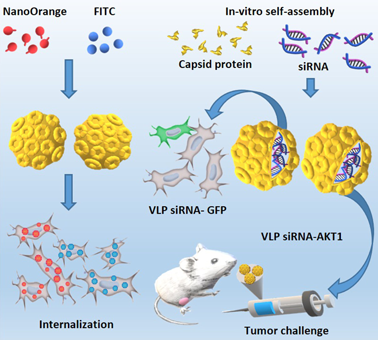
- ) without packaging signal. The gene silencing was demonstrated by VLPs loaded with siGFP and tested on breast tumor cells that constitutively express the green fluorescent protein (GPF). After VLP-siGFP treatment, GFP expression was efficiently inhibited corroborating the cargo release inside tumor cells
- ][19][20]. The capsids of these viruses result from the assembly of 180 identical proteins with T = 3 symmetry that forms the icosahedral shell with a diameter of 28 nm [21]. The N-terminal region of the capsid protein is highly basic and positively charged, which allows for the binding of the viral
- RNA genome [22]. Also, the casid protein able to encapsidate anionic molecules, such as heterologous RNAs [23], enzymes [24], drugs [25], or gold nanoparticles [26] by charge complementarity with the possibility of directing them to target cells through the functionalization of the external surface of


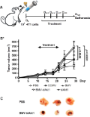
Poly(1-vinylimidazole) polyplexes as novel therapeutic gene carriers for lung cancer therapy
Beilstein J. Nanotechnol. 2020, 11, 354–369, doi:10.3762/bjnano.11.26
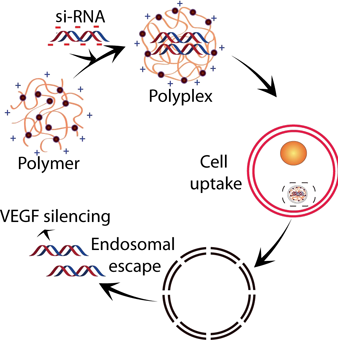
- and the enzyme glucose oxidase for glucose-sensing applications [11]. A hydrogel of xanthan gum and poly(1-vinylimidazole) was recently explored for protein encapsulation and delivery. The system exerted no toxic effects on cells and maintained the functionality of the protein [12]. A pyrrole
- quantified using SYBR green (BioRad, USA). The relative gene expression was calculated using the ΔΔCt method. β-actin was used as the house-keeping gene. The sequences of the primers used in the study are given in Table 1. Western blot analysis: Total protein was isolated from the A549 cells using cell lysis
- buffer (1× RIPA buffer, PMSF, 1% protease and protease inhibitors cocktail, Cell Signaling Technology, USA) and quantified using Lowry’s method. An aliquot of the cell lysate containing 50 µg protein was loaded in 12% sodium dodecyl sulfate–polyacrylamide gel. The membrane was blocked for 1 h with


Interactions at the cell membrane and pathways of internalization of nano-sized materials for nanomedicine
Beilstein J. Nanotechnol. 2020, 11, 338–353, doi:10.3762/bjnano.11.25
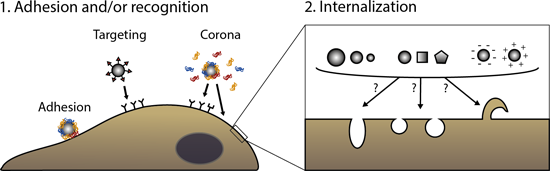
- elasticity can be tailored in order to meet various needs [3][8]. This high engineering potential can be exploited to control the distribution and behaviour of nanomedicines in biological environments. By tuning nanomedicine design, parameters such as serum–protein interactions, sequestration by the immune
- to reduce protein adsorption and corona formation. This can be achieved for instance by grafting hydrophilic polymers such as polyethylene glycol (PEG) on the surface of nanomedicines, or by introducing zwitterionic modifications to make nanomaterials almost neutral [42][43][44][45]. These
- specific carriers) [72][73], membrane bending, which occurs through different mechanisms, including the insertion of hydrophobic protein motifs in the membrane, local recruitment of membrane-bending domains, or scaffolding by proteins (the classic example being clathrin) [72][73][77][78], and scission of


Understanding nanoparticle flow with a new in vitro experimental and computational approach using hydrogel channels
Beilstein J. Nanotechnol. 2020, 11, 296–309, doi:10.3762/bjnano.11.22
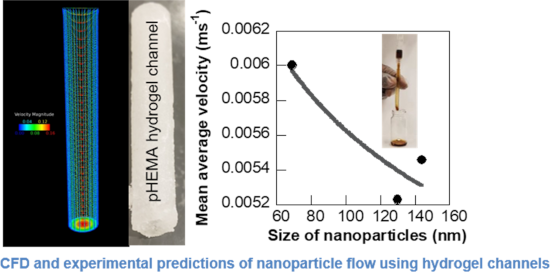
- NPs can essentially transport a large drug payload past the complex physiological microenvironment inside the human body to the target site. In cases of injection of the NPs to the blood stream, the particles must first flow through vascular regimes with high plasma protein concentrations, followed by


Facile biogenic fabrication of hydroxyapatite nanorods using cuttlefish bone and their bactericidal and biocompatibility study
Beilstein J. Nanotechnol. 2020, 11, 285–295, doi:10.3762/bjnano.11.21
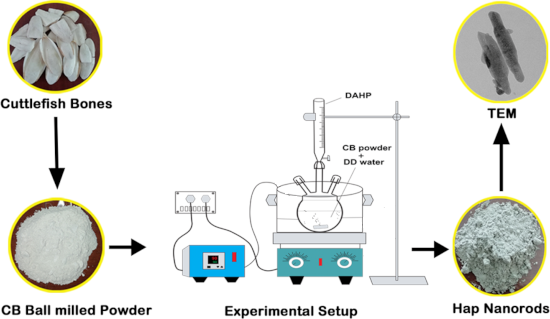
- after annealing which may be due to the removal of organic products such as collagen and protein. Chemicals and reagents Marine waste cuttlefish bones were collected as a source of calcium from Kasimedu fish market, which is located in Chennai, Tamil Nadu, India. All chemicals used for this study were


Using gold nanoparticles to detect single-nucleotide polymorphisms: toward liquid biopsy
Beilstein J. Nanotechnol. 2020, 11, 263–284, doi:10.3762/bjnano.11.20
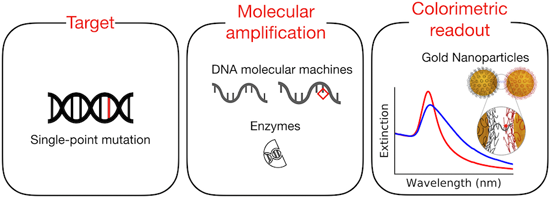
- classified: Single-point mutations or single-nucleotide polymorphism (SNP). A base substitution at one nucleotide that may result in a change of the amino acid sequence of the encoded protein or premature truncation of the protein (Figure 2). Copy-number alteration. Duplications, insertions or deletions of
- one or a few nucleotides leading to the addition or subtraction of amino acids in the protein. Exon or gene copy-number changes. Large duplications or deletions encompassing entire exons (protein-encoding regions in a gene) and affecting the functional domains of the protein. Structural modifications
- ), hence, possibly altering the function of the corresponding protein (Figure 2) [49][50]. Approximately, 50% of all SNPs occur in noncoding regions, 25% are silent mutations with no effect on gene function and phenotype, and the remaining 25% lead to mutations of the gene function [52][53]. These SNPs can




Rational design of block copolymer self-assemblies in photodynamic therapy
Beilstein J. Nanotechnol. 2020, 11, 180–212, doi:10.3762/bjnano.11.15
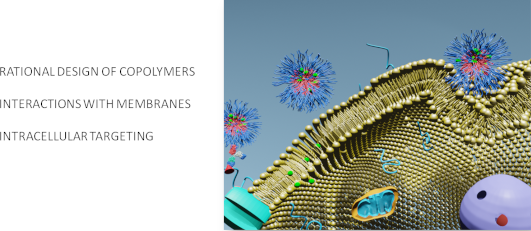
- , the porphyrin photosensitizer was released and the size of the nanoobjects in solution increased (Figure 5d) [77]. For a combined photodynamic therapy/photothermal therapy (PDT/PTT) approach, indocyanine green (ICG) has been encapsulated in a protein, namely human serum albumin. First human serum






Nonclassical dynamic modeling of nano/microparticles during nanomanipulation processes
Beilstein J. Nanotechnol. 2020, 11, 147–166, doi:10.3762/bjnano.11.13
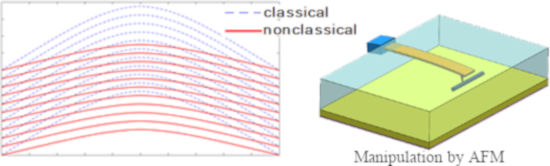
- of protein bonds and Young’s modulus of nanoparticles, Clifford and Seah determined the AFM cantilever normal spring constant [6]. Korayem and Zakeri studied the effects of different parameters on the times and forces in a 2D manipulation. Using their proposed algorithm, the location of the
- . They used the single-walled carbon nanotubes as a probe and performed a series of simulations for studying the effects of various conditions on the success of the nanomanipulation process. They also studied two different strategies for protein manipulation [23]. In another study, using molecular







Molecular architectonics of DNA for functional nanoarchitectures
Beilstein J. Nanotechnol. 2020, 11, 124–140, doi:10.3762/bjnano.11.11
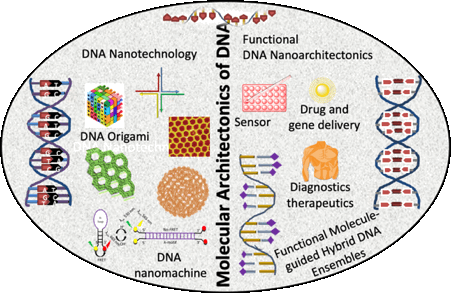
- , DNA origami is anticipated to have possible applications in the fields of biosciences, the design of protein scaffolds, and plasmonics [51][52][53]. Shih and co-workers utilized DNA origami nanotechnology for the structural determination of plasma membrane proteins [54]. They reported the construction
- construction of a DNA origami-based nanorobot for the cargo delivery of payloads into cancer cells [56]. The autonomous DNA nanorobot was constructed using a nucleolin-binding DNA aptamer and was loaded with thrombin protease. The nucleolin protein was overexpressed in tumor-associated endothelial cells, which
- ligated by DNA via direct amidation, and the covalent attachment allowed the insertion of an array of porphyrin segments along the nucleotide sequence. Recently, a transmembrane lipid bilayer nanopore comprised of folded DNA became the center of attraction by mimicking natural protein pores. Howorka and


Internalization mechanisms of cell-penetrating peptides
Beilstein J. Nanotechnol. 2020, 11, 101–123, doi:10.3762/bjnano.11.10
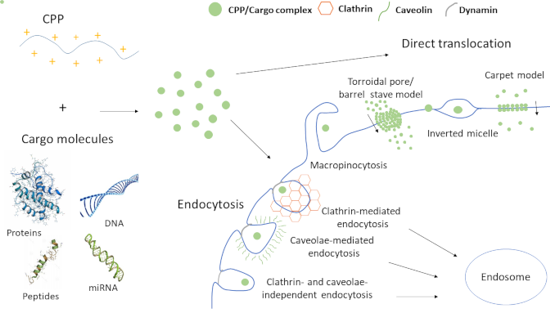
- cargo by chemical cross-linking or by cloning, followed by the expression of a CPP fusion protein. Such interactions have been seen in several CPPs such as TAT derivatives, penetratin or polyarginines [10]. It seems that covalent modification is most suitable for charge-neutral oligonucleotides such as
- inverted micelles was initially reported for penetratin as a mechanism involved at the early stages of cellular uptake [24]. Penetratin is a protein transduction domain derived from the homeoprotein Antennapeadia. It is one of the first peptides described that was able to successfully carry active
- of integral membrane protein pumps and channels. Macromolecules, however, require a different machinery in order to traverse the cellular membrane, which usually needs energy. Endocytosis is the active process in which macromolecules are carried into the cell in vesicles or vacuoles pinched-off of





