Search results
Search for "quantum dots" in Full Text gives 232 result(s) in Beilstein Journal of Nanotechnology. Showing first 200.
Hemolysin coregulated protein 1 as a molecular gluing unit for the assembly of nanoparticle hybrid structures
Beilstein J. Nanotechnol. 2016, 7, 351–363, doi:10.3762/bjnano.7.32
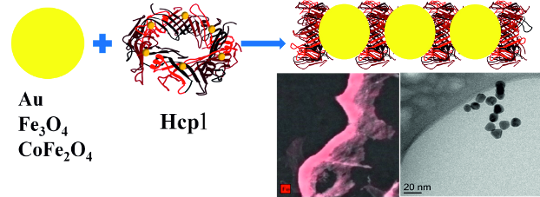
- nanotechnological building block [19][20] (protein data bank (PDB) code: 1Y12) for the fabrication of magnetically and plasmonically active assemblies. The cysteine-modified mutant (Hcp1_cys3) of the native Hcp1 protein is proven to be a great candidate, triggering the assembly of CdSe quantum dots and Au NPs into




Single-molecule mechanics of protein-labelled DNA handles
Beilstein J. Nanotechnol. 2016, 7, 138–148, doi:10.3762/bjnano.7.16
- detail and to facilitate further single-molecule spectroscopy applications we have coupled streptavidin-modified quantum dots (Q-dot 525, Hayward CA) to the 3' end of DIG-λ-DNA-Bio constructs with 48502 bp length, which were tethered to anti-DIG beads held by suction with a pipette (Figure 1f). This
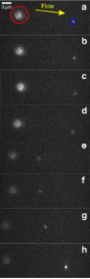
- out of focus or the known blinking of fluorescing quantum dots [32] (Figure 8). This single molecule fluorescence experiment clearly visualizes the specific binding of a protein to the biotinylated end of the dsDNA. Since the dsDNA was not labelled with intercalating dyes in this fluorescence
- high-resolution dual trap OT. f) End-labelled DIG-λ-DNA-biotin bound to an anti-DIG bead (3.4 μm) held by a micropipette. Flow forces elongate the λ-DNA molecule that is tethered at one end to the microsphere. The streptavidin-modified end (labelled with quantum dots) is freely floating in the



Effects of spin–orbit coupling and many-body correlations in STM transport through copper phthalocyanine
Beilstein J. Nanotechnol. 2015, 6, 2452–2462, doi:10.3762/bjnano.6.254
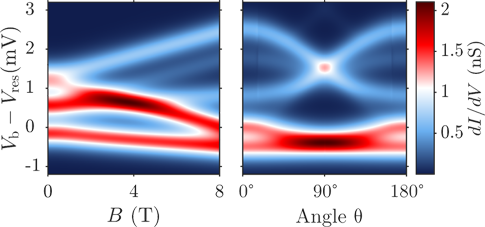
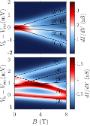
- in our model. The fundamental reason for neglecting it is the large ratio between the hopping integrals (of the order of electronvolts) and the SOI (ξCu ≈ 100 meV), which also justifies our perturbative analysis in terms of molecular orbitals. However, for molecular quantum dots with comparable SOI



Silica-coated upconversion lanthanide nanoparticles: The effect of crystal design on morphology, structure and optical properties
Beilstein J. Nanotechnol. 2015, 6, 2290–2299, doi:10.3762/bjnano.6.235
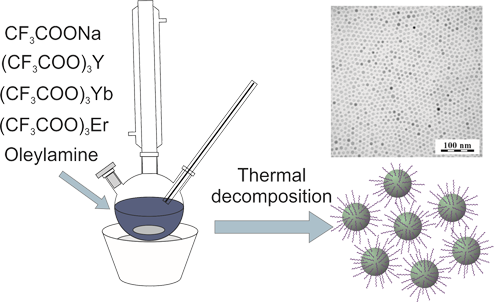
- tracking [8], bioimaging [9] and photodynamic therapy [10]. Lanthanide-doped upconversion nanoparticles emit visible light upon excitation by near-IR light (NIR). Compared with organic dyes and semiconductor quantum dots, upconversion nanoparticles have attractive chemical and optical properties, as well


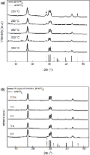


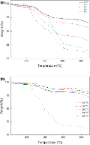


A single-source precursor route to anisotropic halogen-doped zinc oxide particles as a promising candidate for new transparent conducting oxide materials
Beilstein J. Nanotechnol. 2015, 6, 2161–2172, doi:10.3762/bjnano.6.222
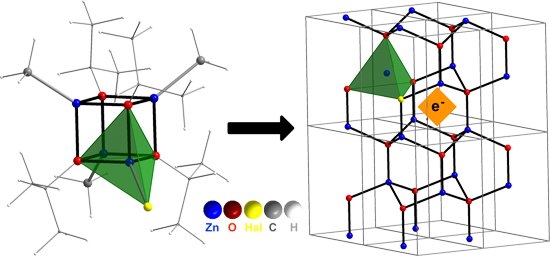
- require quite demanding, high-vacuum equipment, correct process parameters are often difficult to find, and nanostructures different from thin films cannot be obtained. For the preparation of semiconductor nanomaterials such as colloidal particles, quantum dots or porous materials bottom-up synthesis

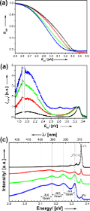
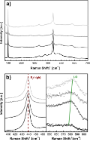


Mapping bound plasmon propagation on a nanoscale stripe waveguide using quantum dots: influence of spacer layer thickness
Beilstein J. Nanotechnol. 2015, 6, 2046–2051, doi:10.3762/bjnano.6.208
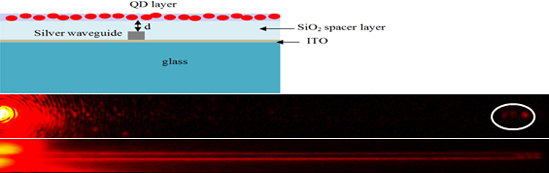
- incoupling to the desired mode. A homogeneous thin layer of quantum dots was used to image the near field intensity of the propagating plasmons on the waveguide. We observed that the photoluminescence is quenched when the QD to metal surface distance is less than 10 nm. The optimised spacer layer thickness
- ). LRSPPs have been shown to have large propagation lengths in the visible light range, greater than 10 µm [6]. When quantum dots (QDs) are placed in the vicinity of propagating plasmons, QDs can be locally excited by the plasmon if the plasmon frequency lies within the absorption spectral range of the QDs
- outcoupled light from the opposite end of the waveguide was observed. CCD image of the outcoupling at the stripe end is shown in Figure 6b. Finally, the samples were covered with SiO2 spacer layers of thicknesses 5, 10, 15, 20, 25, 30, 40, and 50 nm using a PVD 75 electron beam evaporator. Quantum dots with




NanoE-Tox: New and in-depth database concerning ecotoxicity of nanomaterials
Beilstein J. Nanotechnol. 2015, 6, 1788–1804, doi:10.3762/bjnano.6.183
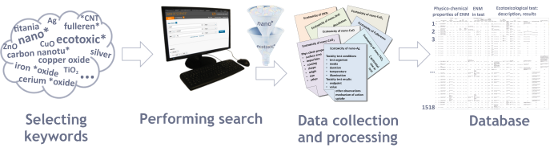
- ENMs were TiO2 (550–5,500 t/year), SiO2 (55–55,000 t/year), AlOx (55–5,500 t/year), ZnO (55–550 t/year), carbon nanotubes (CNT; 55–550 t/year), FeOx (5.5–5,500 t/year), CeOx and Ag (both 5.5–550 t/year), fullerenes and quantum dots (both 0.6-5.5 t/year) [5]. Warningly, the increasing production and use


Nonlinear optical properties of near-infrared region Ag2S quantum dots pumped by nanosecond laser pulses
Beilstein J. Nanotechnol. 2015, 6, 1781–1787, doi:10.3762/bjnano.6.182
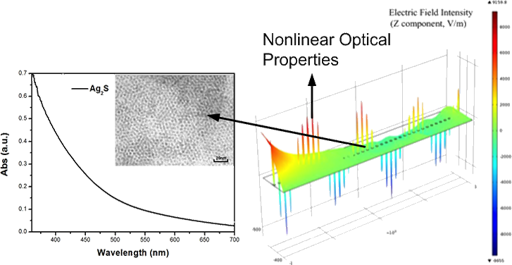
- Abstract This study investigates near-infrared region Ag2S quantum dots (QDs) and their nonlinear optical response under 532 nm nanosecond laser pulses. Our experimental result shows that nonlinear transmission is reduced from 0.084 to 0.04. The observed narrowing behavior of the output pulse width shows
- . Keywords: nonlinear optics; quantum dots; silver sulfide (Ag2S); strong absorption; Introduction Quantum dots (QDs) are semiconductor nanostructures with a size from 3 to 10 nm [1]. Through tailoring their size and composition, the emission wavelength of the quantum dots can be tuned from 650 to 1250 nm
- scanning spectrophotometer (UV-3101PC from Shimadzu). Figure 1b shows the EDS spectra of Ag2S QDs clearly indicating Ag and S as constituents. The two sharp peaks at 0 and 0.15 keV have no relation to the Ag2S quantum dots, and are caused by a measurement error. COMSOL Multiphysics 4.2a was used to



A facile method for the preparation of bifunctional Mn:ZnS/ZnS/Fe3O4 magnetic and fluorescent nanocrystals
Beilstein J. Nanotechnol. 2015, 6, 1743–1751, doi:10.3762/bjnano.6.178
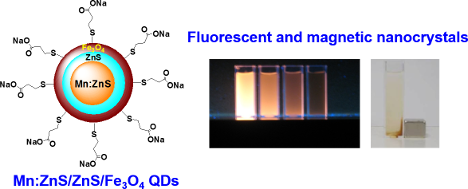
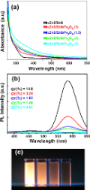
- heterostructures were characterized by X-ray diffraction (XRD), dynamic light scattering (DLS), transmission electron microscopy (TEM), UV–vis spectroscopy and photoluminescence (PL) spectroscopy. The PL spectra of Mn:ZnS/ZnS/Fe3O4 quantum dots (QDs) showed marked visible emission around 584 nm related to the 4T1
- properties of the composites. Nevertheless, a good compromise was achieved in order to maintain the dual modality of the nanocrystals, which may be promising candidates for various biological applications. Keywords: aqueous synthesis; bifunctional nanocrystals; magnetite; Mn-doped ZnS; quantum dots
- ; Introduction Semiconductor nanocrystals with a diameter of approximately 1–10 nm, also referred to as quantum dots (QDs), have attracted great attention due to their unique optical and electronic properties, which are not observed in bulk semiconductor materials [1][2][3]. Compared to conventional organic dyes




Analysis of soil bacteria susceptibility to manufactured nanoparticles via data visualization
Beilstein J. Nanotechnol. 2015, 6, 1635–1651, doi:10.3762/bjnano.6.166
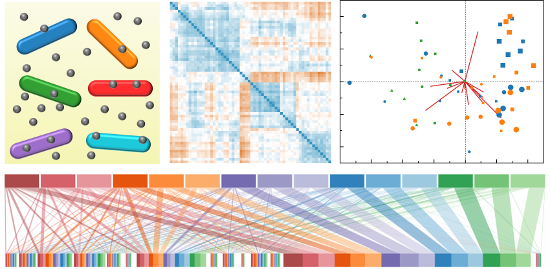
- communities [18][19]; quantum dots (QDs) were linked to DNA damage of both freshwater mussels and gills [24]; and carbon nanotubes have been found to induce harmful effects to various organs (such as aquatic animals, bacteria, and plants) [25]. MNPs in soil can cause compositional changes to soil bacterial







Molecular materials – towards quantum properties
Beilstein J. Nanotechnol. 2015, 6, 1485–1486, doi:10.3762/bjnano.6.153

- information schemes. As a result of their confinement, electrons in both natural atoms and in quantum dots, so-called artificial atoms, are characterized by the formation of discrete energy levels. Similarly, in the case of a Josephson junction, Cooper pairs are confined in the potential well of the Josephson
Self-assembly of nanostructures and nanomaterials
Beilstein J. Nanotechnol. 2015, 6, 1397–1398, doi:10.3762/bjnano.6.144
- , quantum properties and applications of nanoscale assemblies to advanced devices. The main topics of interest involve 2D nanomaterials such as nanomembranes, graphene, silicene and ordered mesoporous oxides, 1D nanomaterials such as nanowires and nanotubes, and 0D nanomaterials such as quantum dots
PLGA nanoparticles as a platform for vitamin D-based cancer therapy
Beilstein J. Nanotechnol. 2015, 6, 1306–1318, doi:10.3762/bjnano.6.135
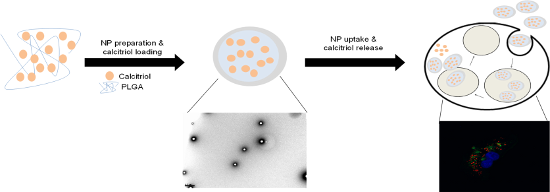
- inhibition when compared to free calcidiol, and the PLA NPs enhanced the intracellular delivery of vitamin in breast cancer cells [14]. In another work, Bonor et al. [23] developed calcitriol-conjugated quantum dots to analyze calcitriol distribution and dynamics in mouse myoblast cells. The authors


Addition of Zn during the phosphine-based synthesis of indium phospide quantum dots: doping and surface passivation
Beilstein J. Nanotechnol. 2015, 6, 1237–1246, doi:10.3762/bjnano.6.127
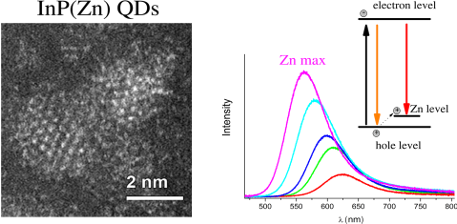
- 10.3762/bjnano.6.127 Abstract Zinc-doped InP(Zn) colloidal quantum dots (QDs) with narrow size distribution and low defect concentration were grown for the first time via a novel phosphine synthetic route and over a wide range of Zn doping. We report the influence of Zn on the optical properties of the
- obtained quantum dots. We propose a mechanism for the introduction of Zn in the QDs and show that the incorporation of Zn atoms into the InP lattice leads to the formation of Zn acceptor levels and a luminescence tail in the red region of the spectra. Using photochemical etching with HF, we confirmed that
- luminescence quantum yield through the reduction of phosphorous dangling bonds. A scenario for the growth of the colloidal InP(Zn) QDs was proposed and discussed. Keywords: core–shell nanoparticles; doped semiconductor nanocrystals; InP(Zn) quantum dots; luminescence; zinc; Introduction Colloidal quantum


Tattoo ink nanoparticles in skin tissue and fibroblasts
Beilstein J. Nanotechnol. 2015, 6, 1183–1191, doi:10.3762/bjnano.6.120

- quantum dots and nanocrystals to target specific tumour antigens [6]. Other medical research on nanoparticles includes the formation of a network of nanoparticles with an insulin core that can regulate and control normal blood sugar level [7]. However, despite considerable progress in nanoscience, it is


Protein corona – from molecular adsorption to physiological complexity
Beilstein J. Nanotechnol. 2015, 6, 857–873, doi:10.3762/bjnano.6.88
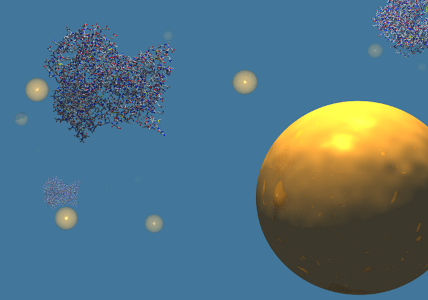
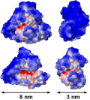
- acid (DHLA)-coated quantum dots (QDs) by using fluorescence correlation spectroscopy (FCS) [4]. The electrostatic surface potential of native HSA shows distinct, positively charged patches on an otherwise negative potential surface (Figure 3). These patches are caused by the presence of basic lysine
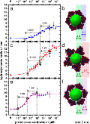
- American Chemical Society. Binding curves as determined by fluorescence correlation spectroscopy and schematic representations for adsorption of (a and b) HSA, (c and d) HSAsuc and (e and f) HSAam onto dihydrolipoic acid-coated quantum dots. Filled symbols: Hydrodynamic radii of DHLA-QDs plotted as a



Statistics of work and orthogonality catastrophe in discrete level systems: an application to fullerene molecules and ultra-cold trapped Fermi gases
Beilstein J. Nanotechnol. 2015, 6, 755–766, doi:10.3762/bjnano.6.78
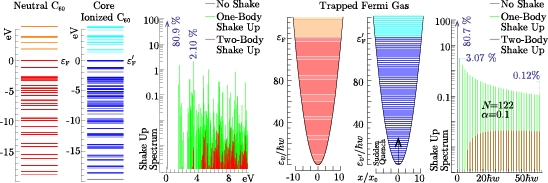
- absorption and emission spectra from noninteracting quantum dots have been interpreted in terms of the quantum work distribution, and linked to the corresponding fluctuation relations in statistical mechanics [36]. To explore more of such a connection, we present here a comparison of the statistics of the

![[Graphic 22]](/bjnano/content/inline/2190-4286-6-78-i30.png?max-width=637&scale=1.18182) ) fullerene molecules, as com...
) fullerene molecules, as com...


Observation of a photoinduced, resonant tunneling effect in a carbon nanotube–silicon heterojunction
Beilstein J. Nanotechnol. 2015, 6, 704–710, doi:10.3762/bjnano.6.71
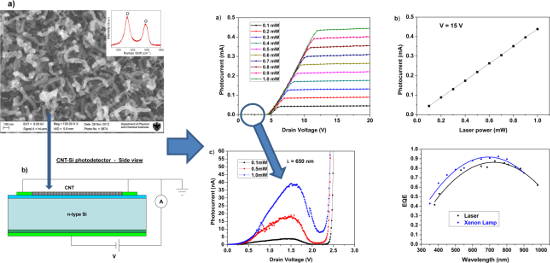
- structures (e.g., heavily doped p–n junction, double and triple barrier, quantum well, quantum wires and quantum dots, nanotubes and graphene) [1][2][3][4][5][6][7]. In general, it has been associated with the occurrence of a process at the junction that allows the electrons to tunnel between energy levels


Influence of gold, silver and gold–silver alloy nanoparticles on germ cell function and embryo development
Beilstein J. Nanotechnol. 2015, 6, 651–664, doi:10.3762/bjnano.6.66
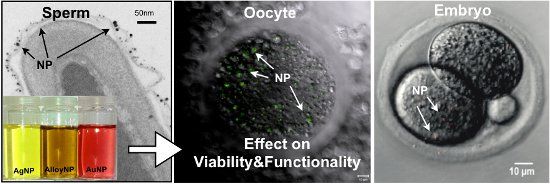
- , PVP–Eu(OH)3 NP, PVA–Eu(OH)3 [65] and bio-conjugated CdSe/ZnS quantum dots [66] into spermatozoa has been reported. However, the picture evidence provided to support these claims does not withstand critical examination at least with regard to intact, non-acrosome reacted spermatozoa, which are the ones
- and collegues examined the effect of titanium dioxide nanoparticles on isolated preantral rat follicles in vitro [75], while Hsieh et al. studied the cytotoxicity of CdSe quantum dots on the maturation of mouse oocytes, fertilization, and fetal development [76]. Both studies reported detrimental





Silica micro/nanospheres for theranostics: from bimodal MRI and fluorescent imaging probes to cancer therapy
Beilstein J. Nanotechnol. 2015, 6, 546–558, doi:10.3762/bjnano.6.57
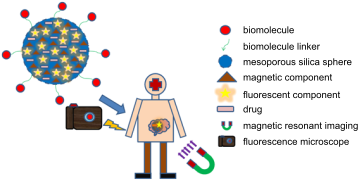
- ; organic dyes; quantum dots; silica nanospheres; theranostics; Review 1 Introduction In the modern era of medical diagnosis, X-rays have long played a major role in the clinical imaging of anatomical details of disease sites [1]. However, the development of suitable molecular diagnostic systems for
- NPs can be maximized. In our earlier review, we have compiled the literature reports on the biological studies of the hybrid nanocomposite materials, exclusively composed of luminescent quantum dots (QDs) and magnetically active iron oxide as bimodal imaging agents [2]. In this sense, nanostructured
- (TMAH). Finally, bioconjugation on silica surface of the magnetic NPs and quantum dots was accomplished by using oleyl-O-poly(ethylene glycol)succinyl-N-hydroxysuccinimidyl ester. The characterization of these NPs was done by using UV–vis and fluorescence spectroscopy, HRTEM, STEM and SQUID studies. The


Biological responses to nanoscale particles
Beilstein J. Nanotechnol. 2015, 6, 380–382, doi:10.3762/bjnano.6.37
- used in this study were those of current, wide-spread technological importance, such as metals (e.g., silver, gold, platinum), oxides (e.g., silica, iron oxide, cerium oxide, manganese oxide), polymers (e.g., polystyrene) and quantum dots (II/VI semiconductors). Naturally occurring and industrially
Nanoparticle shapes by using Wulff constructions and first-principles calculations
Beilstein J. Nanotechnol. 2015, 6, 361–368, doi:10.3762/bjnano.6.35
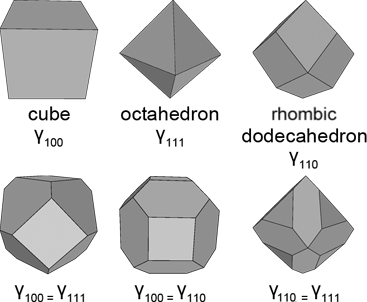
- implementations are Wulffman [19] and VESTA [20]. Among the first uses of the Wulff construction for the characterization of nanoparticles are experiments by H. Topsøe and co-workers for Cu-based catalysts [21][22], and the theory of Müller and Kern for epitaxially strained semiconductor quantum dots [23]. Since



Comparative evaluation of the impact on endothelial cells induced by different nanoparticle structures and functionalization
Beilstein J. Nanotechnol. 2015, 6, 300–312, doi:10.3762/bjnano.6.28
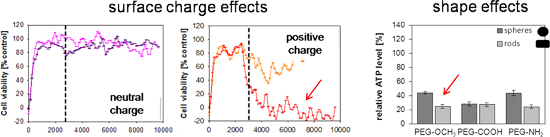
- nanoparticles on endothelial cells. Our findings will help to design new nanoparticles with optimized properties concerning biocompatibility and uptake behavior with respect to the respective intended application. Keywords: cell viability; gold nanoparticles; internalization; Janus particles; quantum dots
- . Colloidal semiconductor nanocrystals or quantum dots (QDs) with their outstanding fluorescence properties also play a distinct role in life science. QDs exhibit high stability against photo bleaching and they are easily tunable in color. Several studies demonstrated their feasibility for detection of
- Fe3O4) and quantum dots (QDs). 1) Gold nanoparticles (GNP): The gold colloids with a core size of approximately 40 nm in diameter were synthesized according to Rosman et al. [45] and were spherically or rod-like shaped. GNP without surface functionalization were transferred to 0.1 M




The effect of surface charge on nonspecific uptake and cytotoxicity of CdSe/ZnS core/shell quantum dots
Beilstein J. Nanotechnol. 2015, 6, 281–292, doi:10.3762/bjnano.6.26
- -particle tracking), was shown to compromise the integrity of the cytoskeletal and plasma membrane dynamics, as evidenced by electric cell–substrate impedance sensing. Keywords: biocompatibility; CdSe/ZnS; cytotoxicity; ECIS; quantum dots; single-particle tracking; Introduction Quantum dots (QDs) are
- core synthesis The synthesis of the CdSe core of the quantum dots and the ZnS shell followed a modified prescription from Mahler et al. [47] The Se injection solution was prepared by heating 64 mg of Se, 4 mL of trioctylphosphine, 1.5 mL of oleylamine and 1 g of tetradecylphosphonic acid under argon
- -Planck-Institute for Dynamics and Self-Organization (MPIDS), Laboratory for Fluid Dynamics, Pattern Formation and Biocomplexity, Am Fassberg 17, 37077 Goettingen, Germany 10.3762/bjnano.6.26 Abstract In this work, cytotoxicity and cellular impedance response was compared for CdSe/ZnS core/shell quantum



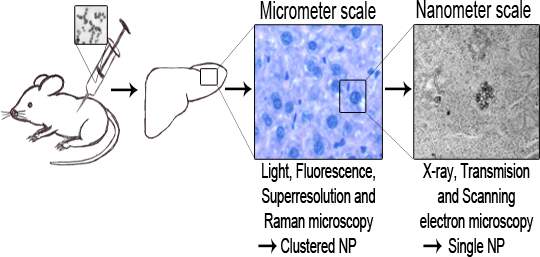
Overview about the localization of nanoparticles in tissue and cellular context by different imaging techniques
Beilstein J. Nanotechnol. 2015, 6, 263–280, doi:10.3762/bjnano.6.25
- ]. In this regard, the increased brightness and photostability of a fluorescent dye when incorporated into the core of SiO2-NP are particularly welcome [83]. Of note, some specifically engineered NP may hold inherent fluorescent properties, such as inorganic quantum dots (QD) [76]. QD used in