


Search results
Search for "reliability" in Full Text gives 187 result(s) in Beilstein Journal of Nanotechnology.
Framework for automatic information extraction from research papers on nanocrystal devices
Beilstein J. Nanotechnol. 2015, 6, 1872–1882, doi:10.3762/bjnano.6.190
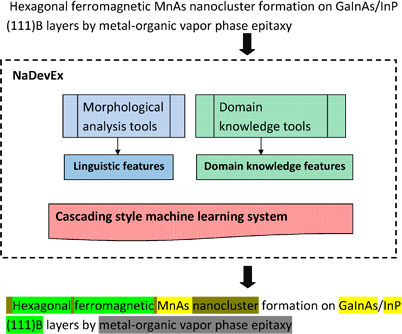
- check the reliability of the guideline. We used kappa coefficient to test inter-annotator agreement (IAA) [32]. Two metrics were used for the analysis: tight agreement, which considers the term boundary and term category to decide the agreement; and loose agreement, which ignores the term boundary, i.e
- evaluate this corpus and finalize it with a domain expert researcher to ensure reliability. We classified the annotations of graduate students into agreed and disagreed annotations. Careless mistakes, such as one annotator missed to add an annotation, or typical types of disagreement when annotators
- ]. We have made a finalized version of the five papers of the corpus based on the revision of the domain expert. To evaluate the annotation reliability of the graduate students, we compared this finalized version with the original corpus constructed before the evaluation experiment. Evaluation showed


Nanotechnology in the real world: Redeveloping the nanomaterial consumer products inventory
Beilstein J. Nanotechnol. 2015, 6, 1769–1780, doi:10.3762/bjnano.6.181
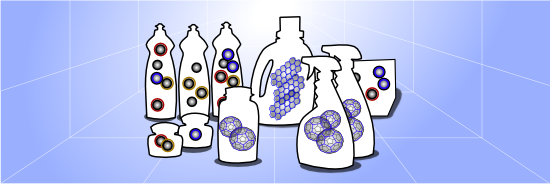
- International Center for Scholars and the Project on Emerging Nanotechnologies created the Nanotechnology Consumer Products Inventory (CPI) in 2005. The objective of this present work is to redevelop the CPI by leading a research effort to increase the usefulness and reliability of this inventory. We created
- , including a lower cost for industries and, ultimately, a registry would benefit consumers, companies, and governments [18]. The objective of this work was to modify the CPI to improve its functionality, reliability, and utility to the diverse group of stakeholders who have come to depend on it as a critical
- identify nanomaterials in consumer products and to understand human exposure to those materials [36]. How much we know Through the “How much we know” descriptor, inventory entries are rated according to the reliability of the manufacturer’s claim that products contain nanomaterials. We evaluated 1259



The eNanoMapper database for nanomaterial safety information
Beilstein J. Nanotechnol. 2015, 6, 1609–1634, doi:10.3762/bjnano.6.165
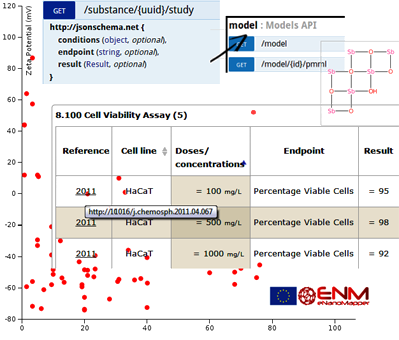
- IUCLID database. They provide definitions and support for annotating the data records by relevance, reliability and adequacy. Some of the criteria necessarily overlap with rules defined elsewhere (availability of the raw data, adequate description of the study, protocols, parameters, purities/impurities
- and the origin of the test substances; proof of ability of the lab to do the study). Klimisch codes (or scores) define four reliability categories (1 = reliable without restrictions, 2 = reliable with restrictions, 3 = not reliable, 4 = not assignable), where score 1 or 2 can only be assigned if the
- data are generated through accepted standard methods (e.g., OECD guidelines or equivalent national or international standards) and according to Good Laboratory Practice (GLP). In practice, very few of the publicly available NM datasets can be assigned reliability code 1 or 2, due to the lack of


Electron and heat transport in porphyrin-based single-molecule transistors with electro-burnt graphene electrodes
Beilstein J. Nanotechnol. 2015, 6, 1413–1420, doi:10.3762/bjnano.6.146
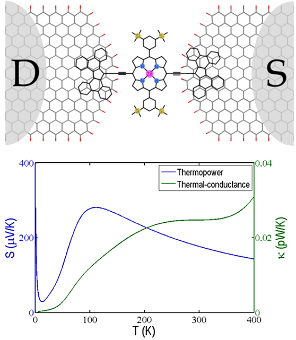
- circuit should double approximately every two years. Since 1974, when the idea of a single-molecule rectifier was proposed by Ratner and Aviram [5], many attempts to realize FETs have failed to deliver the room-temperature reliability, reproducibility and stability required by the electronics industry [6


Electrical characterization of single molecule and Langmuir–Blodgett monomolecular films of a pyridine-terminated oligo(phenylene-ethynylene) derivative
Beilstein J. Nanotechnol. 2015, 6, 1145–1157, doi:10.3762/bjnano.6.116
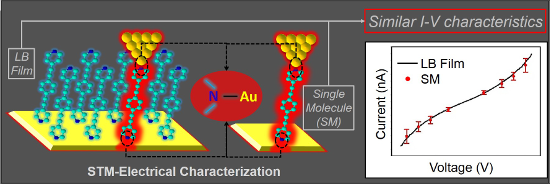
- reproducibility and reliability of the results. Figure 8 shows a representative I–V curve obtained for a single layer LB film transferred onto Au(111) at a surface pressure of 16 mN·m−1 and recorded under touch-to-contact conditions. The profile of the I–V curve is clearly symmetrical around zero bias and


Statistics of work and orthogonality catastrophe in discrete level systems: an application to fullerene molecules and ultra-cold trapped Fermi gases
Beilstein J. Nanotechnol. 2015, 6, 755–766, doi:10.3762/bjnano.6.78
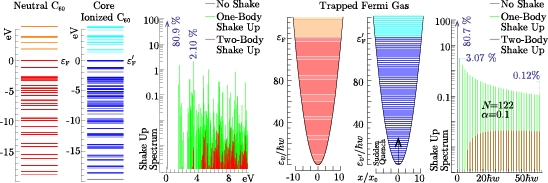
- C60 indicates the reliability of the approach, putting emphasis on the present capability of DFT codes in predicting the excited state structure of molecules and solids [53]. On the other hand the comparison of the results from the trapped Fermi gas with the analytical model of [32][35] is suggestive

![[Graphic 22]](/bjnano/content/inline/2190-4286-6-78-i30.png?max-width=637&scale=1.18182) ) fullerene molecules, as com...
) fullerene molecules, as com...


Manipulation of magnetic vortex parameters in disk-on-disk nanostructures with various geometry
Beilstein J. Nanotechnol. 2015, 6, 697–703, doi:10.3762/bjnano.6.70
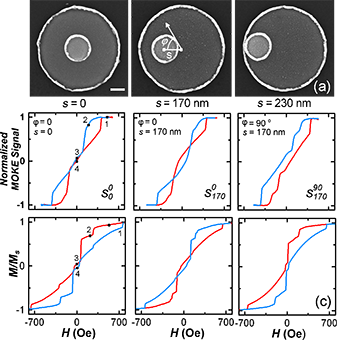
- facilitate their practical implementation in real functional devices. For instance, magnetoresistive memory is used in aviation systems requiring the high reliability, nonvolatility and data write/read rate. Nanomagnets with stable and controllable spin configurations can be used to produce the magnetic


Chains of carbon atoms: A vision or a new nanomaterial?
Beilstein J. Nanotechnol. 2015, 6, 559–569, doi:10.3762/bjnano.6.58
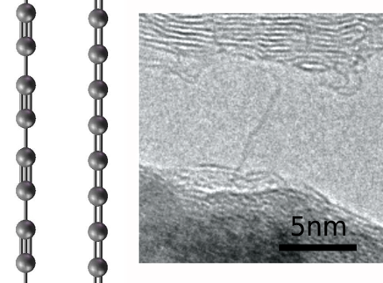
- perturbation theory (MBPT) in the GW approximation including electron–electron interactions resulted in more accurate calculations. Without discussing the applicability and reliability of different computational techniques, a short overview of some predicted properties of carbon chains will be given in this


Boosting the local anodic oxidation of silicon through carbon nanofiber atomic force microscopy probes
Beilstein J. Nanotechnol. 2015, 6, 215–222, doi:10.3762/bjnano.6.20
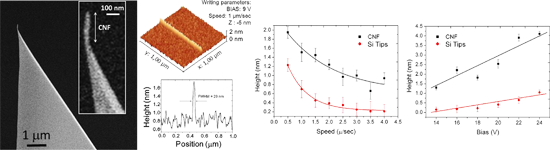
- those parameters also affect the actual resolution of the LAO-AFM features and process reliability. The understanding of the conditions for LAO-AFM as well as of the resolution capabilities have been addressed from several viewpoints. Particularly, non-contact LAO-AFM has proven to yield a better
- -probes can be ordinarily used for dynamic mode imaging. Reliability of CNF-LAO-AFM In Figure 5 we demonstrate another aspect concerning the reliability of CNF probes for LAO-AFM. The images depict two arrays of relatively dense lines defined at two different voltages and at a writing speed of 4 μm/s


Increasing throughput of AFM-based single cell adhesion measurements through multisubstrate surfaces
Beilstein J. Nanotechnol. 2015, 6, 157–166, doi:10.3762/bjnano.6.15
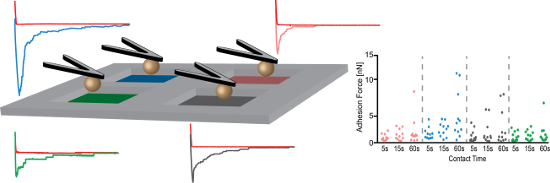
- measurements can be made but also improve their reliability and comparability, because the adhesion of cells of the same type can vary considerably [37]. Therefore, the number of cells probed can be reduced. In addition, the masks decrease the coating area, reduce experimental material and improve experimental


The distribution and degradation of radiolabeled superparamagnetic iron oxide nanoparticles and quantum dots in mice
Beilstein J. Nanotechnol. 2015, 6, 111–123, doi:10.3762/bjnano.6.11
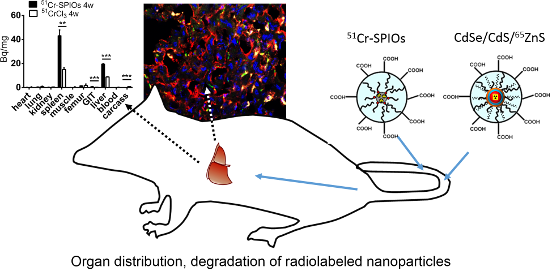
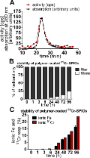
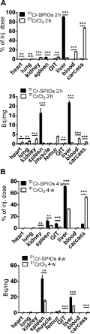
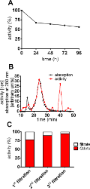
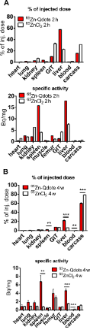
- around 70% of the injected dose present (Figure 7A). This is in good agreement with the results from Sun et al. [32] and supports the reliability of our label results. When CdSe/CdS/ZnS (core/shell/shell) quantum dots are degraded in vivo, the outer shell will be dissolved first and zinc will be released





Materials and characterization techniques for high-temperature polymer electrolyte membrane fuel cells
Beilstein J. Nanotechnol. 2015, 6, 68–83, doi:10.3762/bjnano.6.8
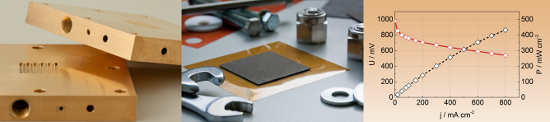
- impurities such as carbon monoxide in the hydrogen fuel, and much simplified thermal and water management of the system. Hence, there are good reasons to develop fuel cell systems that can operate above 120 °C. At this moment, however, no commercial HT-PEMFCs have been developed to meet the reliability and




The capillary adhesion technique: a versatile method for determining the liquid adhesion force and sample stiffness
Beilstein J. Nanotechnol. 2015, 6, 11–18, doi:10.3762/bjnano.6.2
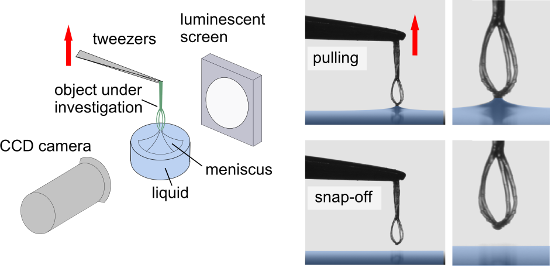
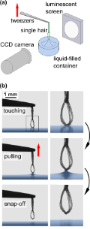
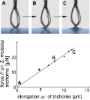
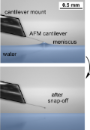
- constant of (0.195 ± 0.002 ± 0.011) N/m. This is in agreement with the spring constant of 0.18 N/m given by the manufacturer, which confirms the reliability of our method. Conclusion To conclude, a versatile, novel technique was presented, which determines both the adhesion force of individual small


Gas sensing properties of nanocrystalline diamond at room temperature
Beilstein J. Nanotechnol. 2014, 5, 2339–2345, doi:10.3762/bjnano.5.243
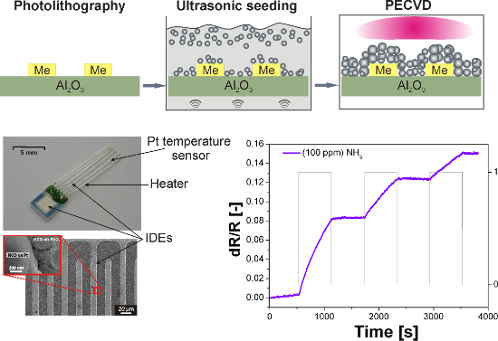
- reproducibility and device reliability. The Raman spectrum of the structures (Figure 6) is characterized by two strong contributions: the peak characteristic for diamond centered at 1330 cm−1 (D-peak) and the broad band at approximately 1590 cm−1 attributed to the non-diamond phase (G-peak or sp2-bonded carbon


In situ metalation of free base phthalocyanine covalently bonded to silicon surfaces
Beilstein J. Nanotechnol. 2014, 5, 2222–2229, doi:10.3762/bjnano.5.231
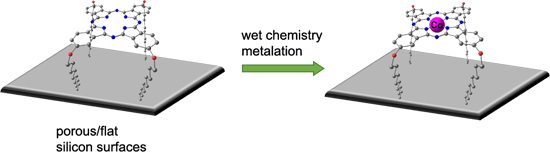
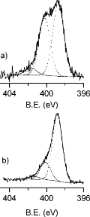
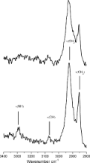
- , covalent grafting on H-terminated silicon through hydrosilylation reaction has the advantage to form robust and highly stable Si–C bonds. For this reason, a device based on silicon-grafted molecules possesses a much greater robustness and reliability compared to van der Waals films or Au-bonded layers

Optical properties and electrical transport of thin films of terbium(III) bis(phthalocyanine) on cobalt
Beilstein J. Nanotechnol. 2014, 5, 2070–2078, doi:10.3762/bjnano.5.215
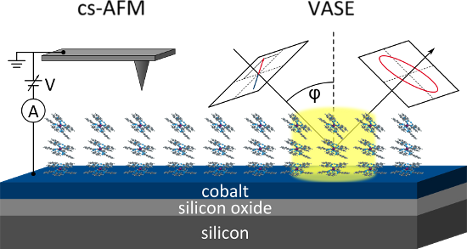
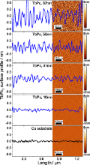
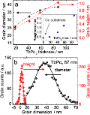
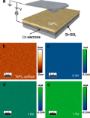
- . This analysis considers areas of 2 × 2 µm2 shown in Figure 4, which contain approximately 2 × 10³ grains on the surface. The statistical analysis was performed on different locations of the organic films, revealing similar results. This reinforces the reliability of the data and dismisses the



Patterning a hydrogen-bonded molecular monolayer with a hand-controlled scanning probe microscope
Beilstein J. Nanotechnol. 2014, 5, 1926–1932, doi:10.3762/bjnano.5.203
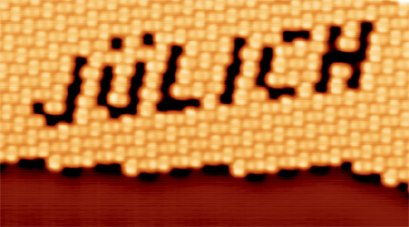
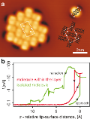
- through the tip–PTCDA–Ag(111) junction with the effects of de-population and de-hybridization of the LUMO of PTCDA, which occur upon the gradual breaking of the PTCDA–Ag(111) bonds [12][20][21]. Finally, to illustrate the reliability of the HCM, we present a structure “stencilled” into PTCDA/Ag(111) by


A reproducible number-based sizing method for pigment-grade titanium dioxide
Beilstein J. Nanotechnol. 2014, 5, 1815–1822, doi:10.3762/bjnano.5.192
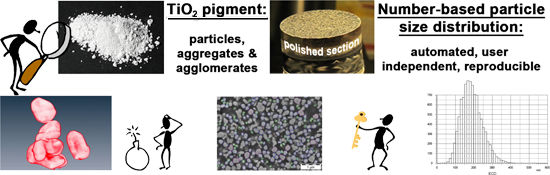
- reproducible. This is the consequence of a rigorous procedure, which primarily targets reliability: a representative, macroscopic amount of sample to start with, preparation that eliminates the possibility of overlapping particles, defined standard operating procedures for sample preparation, measurement and


Precise quantification of silica and ceria nanoparticle uptake revealed by 3D fluorescence microscopy
Beilstein J. Nanotechnol. 2014, 5, 1616–1624, doi:10.3762/bjnano.5.173
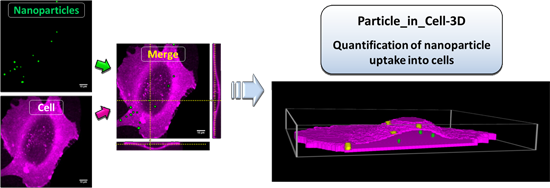
- intensity of individual nanoparticles, Particle_in_Cell-3D has a routine to perform these measurements. Main features The main advantages of this method are its speed, reliability and accuracy. The complete analysis of one cell is performed in a few minutes. Moreover, the results are consistent, that is to


Formation of CuxAu1−x phases by cold homogenization of Au/Cu nanocrystalline thin films
Beilstein J. Nanotechnol. 2014, 5, 1491–1500, doi:10.3762/bjnano.5.162
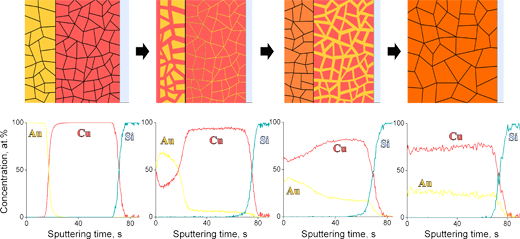
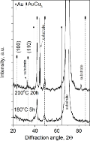
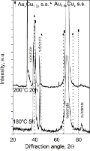
- . After annealing at 180 °C for 5 h they decrease to d = 9 nm and d = 2 nm for Au and Cu, respectively (Figure 2b). The grain size of the newly formed AuCu3 phase (after 10 h of heat treatment at 180 °C) was estimated from the (111) peaks and 6 nm was obtained (Figure 2c). Regarding the reliability of the






Microstructural and plasmonic modifications in Ag–TiO2 and Au–TiO2 nanocomposites through ion beam irradiation
Beilstein J. Nanotechnol. 2014, 5, 1419–1431, doi:10.3762/bjnano.5.154
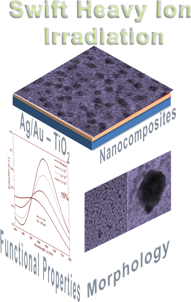
- agrees with the simulated results for TiO by using the JEMS software [50]. In spite of the well-known problems of the light elements' quantification by EDX, test measurements on distinct samples (e.g., amorphous TiO2) point to a sufficient reliability of the setup for a semi-quantitative interpretation


The protein corona protects against size- and dose-dependent toxicity of amorphous silica nanoparticles
Beilstein J. Nanotechnol. 2014, 5, 1380–1392, doi:10.3762/bjnano.5.151
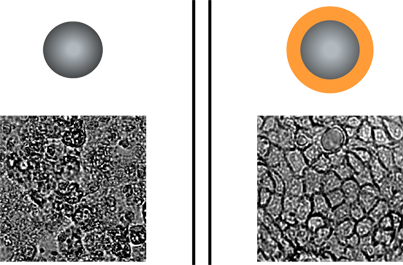
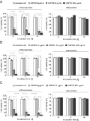
- ASP20 (Figure 3B) or ASP100 (Figure 3C). These results not only confirm the size- and dose-dependent ASP toxicity but also underline the reliability of the microscopy-based morphological assay as a convenient approach to test for nanotoxicity. Currently, high-throughput testing is actively discussed as




Review of nanostructured devices for thermoelectric applications
Beilstein J. Nanotechnol. 2014, 5, 1268–1284, doi:10.3762/bjnano.5.141
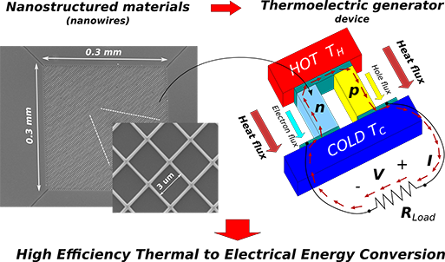
- operation of the device. This high reliability is due to the high level of interconnections (vertical and horizontal branches) of the net. It has been demonstrated [100] that the total top to bottom electrical resistance of the net increases only negligibly for a nanowire failure percentage up to 40%, that
- review of the most innovative technological solutions currently under development for this purpose. Several solutions are very interesting and promising. However, problems of reliability, repeatability on large areas and mechanical stability of very long, and very narrow, silicon nanowires still need to


Surface assembly and nanofabrication of 1,1,1-tris(mercaptomethyl)heptadecane on Au(111) studied with time-lapse atomic force microscopy
Beilstein J. Nanotechnol. 2014, 5, 26–35, doi:10.3762/bjnano.5.3
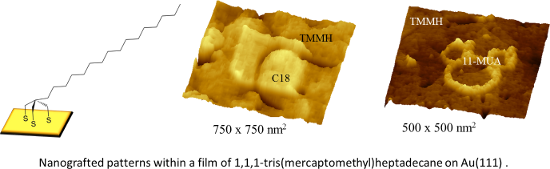
- metal surfaces is a consideration for applications of SAMs, which impacts the reliability and durability of the related products [10][11][12][13][14][15][16][17]. To realize the full potential of patterning surfaces for manufacturing processes, challenges need to be addressed for designing robust


Static analysis of rectangular nanoplates using trigonometric shear deformation theory based on nonlocal elasticity theory
Beilstein J. Nanotechnol. 2013, 4, 968–973, doi:10.3762/bjnano.4.109
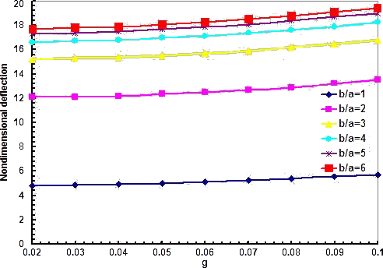
- nondimensional deflections and deflection ratios will be discussed in the next section. Numerical results First of all, to show the reliability and accuracy of the aforementioned equations, our numerical results are compared with those available in literature for simply supported macro plates. In Table 1, the





