


Search results
Search for "room temperature" in Full Text gives 1452 result(s) in Beilstein Journal of Nanotechnology. Showing first 200.
Water-assisted purification during electron beam-induced deposition of platinum and gold
Beilstein J. Nanotechnol. 2024, 15, 884–896, doi:10.3762/bjnano.15.73
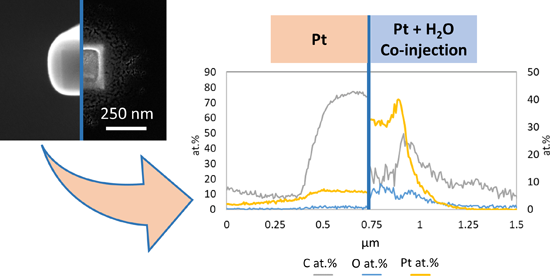
- platinum deposits [50][51]. The reservoir of the Au precursor was kept at room temperature (24 °C), and deposits were made while varying the water reservoir temperature from 24 to 35 °C, to increase the water flux. The increase of the chamber pressure is used as a measure for the increasing water flux. At
- nozzle of the water GIS 150 µm above the substrate and 100 µm from the beam position, while the Pt GIS nozzle was at a much larger distance from the deposition area, that is, 0.54 mm above the substrate and 1.29 mm away from the beam position (Figure 3). Furthermore, the Pt precursor was kept at room
- temperature (24 °C) to minimize the precursor flux. Because of the low vapour pressure of the Pt precursor at 24 °C and the remote position of the Pt GIS nozzle, the deposition of platinum is limited by adsorption and surface diffusion of the precursor molecules [51]. A high water flux was necessary for the





Synthesis of silver–palladium Janus nanoparticles using co-sputtering of independent sources: experimental and theorical study
Beilstein J. Nanotechnol. 2024, 15, 808–816, doi:10.3762/bjnano.15.67
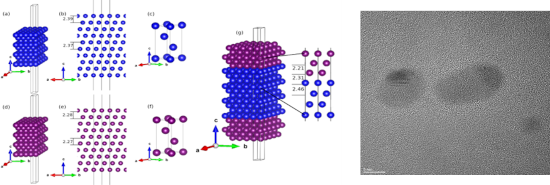
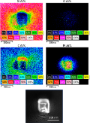
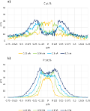
- , an original synthesis equipment built by Mantis Ltd. was modified by the inclusion of an additional magnetron in a second chamber, which allowed us to use two monometallic targets to sputter the two metals independently. With this arrangement, we could find appropriate settings at room temperature to
- designed and built by Mantis Ltd., was modified by adding a second magnetron in a different chamber, in contrast to using a bimetallic target, as Pérez-Tijerina and coworkers did [12]. Unlike other synthesis methods, the IGC technique enabled the BNP synthesis at room temperature. Theoretical studies were
- copper grids in an argon flow at 52 sscm for 5 min at room temperature. The size of the BNPs can be modified by varying three parameters, namely, aggregation area, magnetron power, and partial pressure. The chosen parameters for both magnetrons are presented in Table 1. HRTEM micrographs were obtained




Electron-induced ligand loss from iron tetracarbonyl methyl acrylate
Beilstein J. Nanotechnol. 2024, 15, 797–807, doi:10.3762/bjnano.15.66
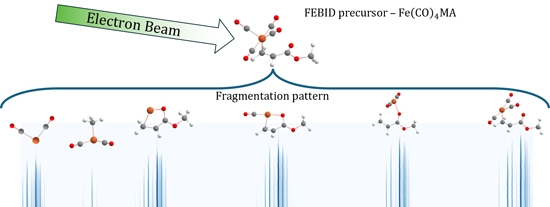
- resulting crude solid product was sublimed at room temperature at 700 mTorr to yield the crystalline yellow product. Yield: 140 mg, 40%. Purity of the product was assessed using 1H NMR and IR spectroscopy. IR (hexane) νCO (cm−1): 2100, 2034, 2020, 1997. 1H NMR (400 MHz, CDCl3) δ 3.71 (s, 3H), 3.25 (dd, J
- (TOF) chamber [25][26]. The sample was kept in a glass container at room temperature (around 25 °C); its vapor was introduced into the interaction chamber via a leak valve and exposed to low-energy electrons produced from a simple magnetically collimated electron gun with a heated tungsten filament



Electrospun polysuccinimide scaffolds containing different salts as potential wound dressing material
Beilstein J. Nanotechnol. 2024, 15, 781–796, doi:10.3762/bjnano.15.65
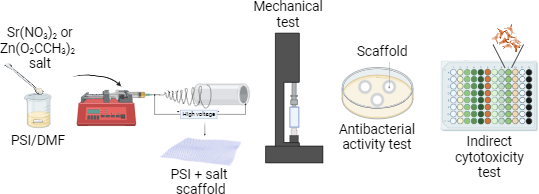
- changed from room temperature to 180 °C, and the pressure was gradually reduced to 3 mbar. The synthesis lasted 8 h. The DMF was added to the synthesized polymer, stirred at 80 rpm, and left to dissolve for 60 min. The solution was dripped into distilled water, precipitating the PSI as a pellet. The
- powder was dried at 40 °C and stored at room temperature. Based on our previous publications, the molecular weight of the polymer is 28 500 ± 3000 Da [44]. Preparation and characterization of the solutions The preparation of solutions for electrospinning was the following: a 25% (w/w) mixture was made
- (Bluehill 2, USA) were used to examine the mechanical properties of the electrospun scaffolds. The tensile testing was conducted at room temperature. The cut samples were 6 cm long and 1.5 cm wide, and a 1 mm/min pulling speed was applied in each case. The specific load capacity (Equation 1) and the



Exploring surface charge dynamics: implications for AFM height measurements in 2D materials
Beilstein J. Nanotechnol. 2024, 15, 767–780, doi:10.3762/bjnano.15.64
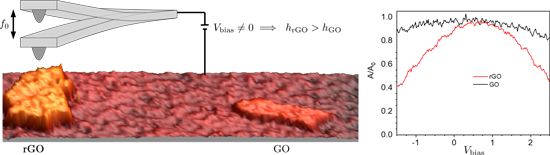
- waited for a minimum of 1 h until the humidity stabilized. The experiments were performed at room temperature and low relative humidity (RH < 10%) in a dry nitrogen atmosphere. Topography images were acquired in AM-AFM mode by using the oscillation amplitude as the topography feedback channel. To


Effect of repeating hydrothermal growth processes and rapid thermal annealing on CuO thin film properties
Beilstein J. Nanotechnol. 2024, 15, 743–754, doi:10.3762/bjnano.15.62
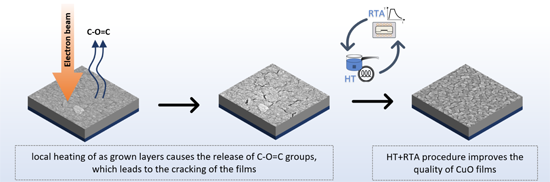
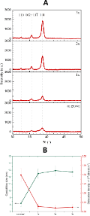
- –Lorentzian functional GL(30) was applied during the simulations. Raman scattering measurements were performed under ambient conditions and room temperature using a T64000 Horiba Jobin-Yvon spectrometer configured in a backscattering geometry with a 1800 gr/mm grating and a microscope objective of 100




Simultaneous electrochemical determination of uric acid and hypoxanthine at a TiO2/graphene quantum dot-modified electrode
Beilstein J. Nanotechnol. 2024, 15, 719–732, doi:10.3762/bjnano.15.60
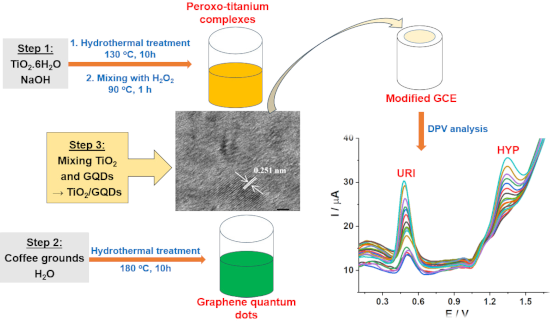
- 10 h. The resulting product was then cooled to room temperature and separated by centrifugation at 4000 rpm to obtain a dark brown solid. The concentration of GQDs calculated after subtracting the insoluble part was 0.249% (w/w) (0.125 g of coffee grounds in 50 mL of water). TiO2/GQDs suspensions
- numbers in parentheses stand for the volume ratio of peroxo titanium complex to GQDs solutions. Electrochemical studies Voltammetric measurements were performed at room temperature using a CPA-HH5 electrochemical workstation, Vietnam. A conventional three-electrode cell with a glassy carbon working


Elastic modulus of β-Ga2O3 nanowires measured by resonance and three-point bending techniques
Beilstein J. Nanotechnol. 2024, 15, 704–712, doi:10.3762/bjnano.15.58
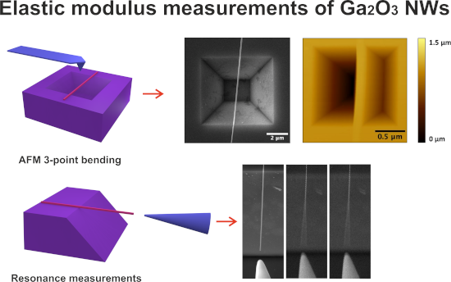
- a carrier gas mixture of Ar/H2 5%, maintaining this temperature and flow for 30 min to allow NW growth. Subsequently, the reactor was naturally cooled to room temperature. Ga2O3 NWs, up to 100 μm in length, grew on SiO2/Si substrates downstream in the low-temperature zone maintained around 850–900


Gold nanomakura: nanoarchitectonics and their photothermal response in association with carrageenan hydrogels
Beilstein J. Nanotechnol. 2024, 15, 678–693, doi:10.3762/bjnano.15.56

- systems by architecting atoms, molecules, and nanomaterials as building blocks [1]. This interplay at the nanoscale renders a plethora of unique physicochemical properties to nanomaterials. These unique properties are due to the mean free path of an electron in a metal which is ≈10–100 nm at room
- temperature [2]. The mean free path of an electron is influenced by shape/size of the metal nanoparticles which ultimately governs their physical, chemical, optical, magnetic, catalytic, and electronic properties [3]. All plasmonic metals exhibit optical phenomena over a range of electromagnetic radiation






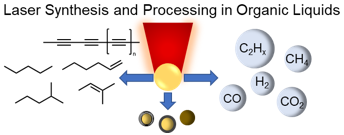
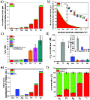
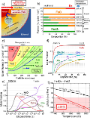
Laser synthesis of nanoparticles in organic solvents – products, reactions, and perspectives
Beilstein J. Nanotechnol. 2024, 15, 638–663, doi:10.3762/bjnano.15.54





Exfoliation of titanium nitride using a non-thermal plasma process
Beilstein J. Nanotechnol. 2024, 15, 631–637, doi:10.3762/bjnano.15.53
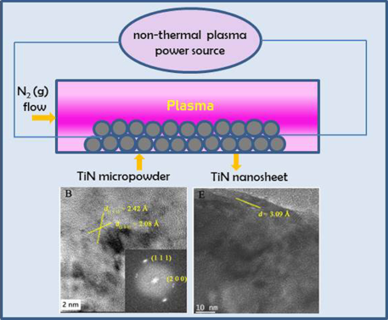
- , Brazil 10.3762/bjnano.15.53 Abstract In this study, we present a novel approach for the exfoliation of titanium nitride (TiN) powders utilizing a rapid, facile, and environmentally friendly non-thermal plasma method. This method involves the use of an electric arc and nitrogen as the ambient gas at room
- temperature to generate ionized particles. These ionized species interact with the ceramic crystal of TiN, resulting in a pronounced structural expansion. The exfoliated TiN products were comprehensively characterized using transmission electron microscopy, X-ray diffraction, and Raman spectroscopy



Comparative analysis of the ultrastructure and adhesive secretion pathways of different smooth attachment pads of the stick insect Medauroidea extradentata (Phasmatodea)
Beilstein J. Nanotechnol. 2024, 15, 612–630, doi:10.3762/bjnano.15.52
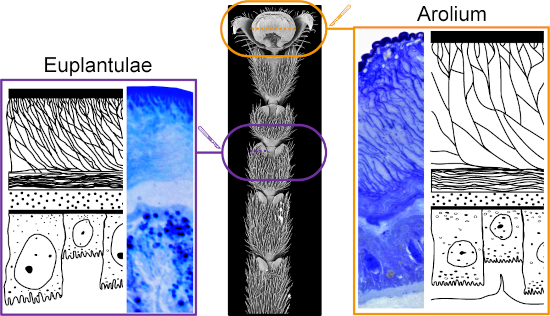
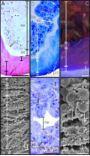
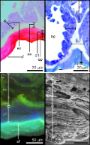
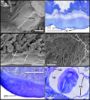
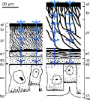
- –1.0 µm using a Leica EM UC7 ultramicrotome (Leica Microsystems GmbH, Wetzlar, Germany) (at 21.5 °C room temperature), mounted on polylysine-covered glass slides (Gerhard Menzel GmbH, Braunschweig, Germany) and stained with toluidine blue or Cason’s triple stain (Romeis 2010). Toluidine blue is a basic



Stiffness calibration of qPlus sensors at low temperature through thermal noise measurements
Beilstein J. Nanotechnol. 2024, 15, 580–602, doi:10.3762/bjnano.15.50
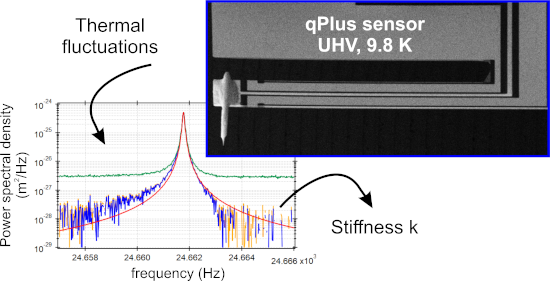
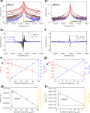
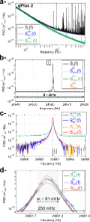
- and at room temperature, nc-AFM experiments are mostly carried out with silicon cantilevers, similar to those used during AFM experiments in air or in liquid. Their stiffness rarely exceeds 100 N/m. In UHV and at low temperature, the use of cantilevers is more tedious because of the required in situ
- . The stiffness calibration of silicon cantilevers at room temperature in air, liquid, or UHV by means of destructive and non-destructive methods has been discussed quite extensively in the literature [18][32][33][34][35][36][37][38][39][40][41][42][43][44][45][46][47][48][49][50][51][52][53][54][55][56
- long and demanding, but it is the properties of the qPlus sensor that constrain one to drastic acquisition parameters. In 2013, Lübbe et al. had already come to the same conclusion in the case of silicon cantilevers in UHV at room temperature [56]. To overcome the drawback of the acquisition duration

Radiofrequency enhances drug release from responsive nanoflowers for hepatocellular carcinoma therapy
Beilstein J. Nanotechnol. 2024, 15, 569–579, doi:10.3762/bjnano.15.49
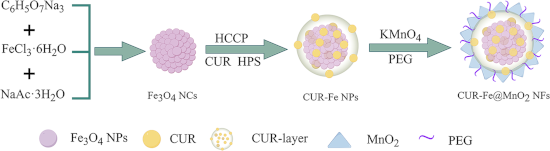
- , China) [32][33]. First, trisodium citrate (0.40 g) was dissolved in pure EG (40 mL) and sonicated at room temperature until complete dissolution was achieved. Then, FeCl3·6H2O (1.35 g) was added with stirring. Next, NaOAc·3H2O (2.0 g) was added at room temperature with stirring for 30 min. The mixed
- solution was then put into a microwave reactor at 200 °C for 2 h. After the reactants cooled to room temperature, Fe3O4 NCs were obtained by magnetic separation followed by vacuum drying at 60 °C for 24 h. Synthesis of CUR-Fe NPs Fe3O4 NCs (12 mg) were dispersed into acetonitrile (60 mL) with
- ultrasonication (XM-P06H, Xiaomei Ultrasonic Instrument Co., Ltd., Kunshan, China) for 30 min at room temperature. HCCP (15 mg), CUR (15.9 mg), and HPS (5.4 mg) were subsequently added with sonication for 30 min. TEA (2 mL) was dispersed into acetonitrile (10 mL), and this mixed solution was added dropwise to the


Directed growth of quinacridone chains on the vicinal Ag(35 1 1) surface
Beilstein J. Nanotechnol. 2024, 15, 556–568, doi:10.3762/bjnano.15.48
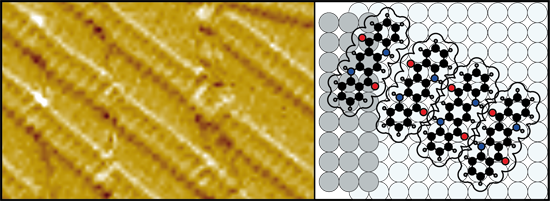
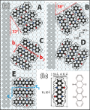
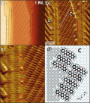
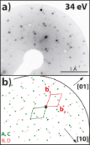
- LEED measurements were performed at 300 K with beam currents below 10 nA and electron energies (E) between 30 and 200 eV. Note that the reported diffraction patterns are distorted due to the MCP geometry. All STM images were recorded at room temperature. As a tip, we used a self-cut Pt/Ir (90:10) wire
- surface and are induced by the adsorption of PTCDA. However, within the scope of the present work, we did not observe any faceting of the Ag(35 1 1) surface. This is because the adsorption energy of QA is likely significantly smaller than the one of PTCDA on Ag surfaces. Conclusion We found that, at room
- temperature (RT), the growth of QA on the vicinal Ag(35 1 1) surface is, in general, very similar to its growth on the nominally flat Ag(100) surface. QA forms molecular homochiral chains with four distinct symmetry-equivalent orientations that are connected via H-bonds (α-phase). At RT, the growth of the


Cholesterol nanoarchaeosomes for alendronate targeted delivery as an anti-endothelial dysfunction agent
Beilstein J. Nanotechnol. 2024, 15, 517–534, doi:10.3762/bjnano.15.46
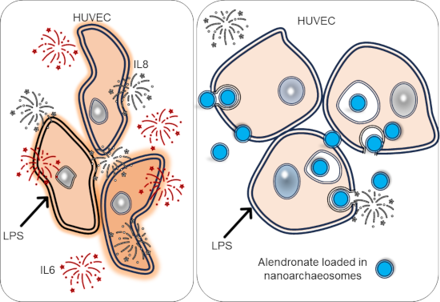
- in Tris buffer (to obtain ALN-containing nanovesicles) up to a final concentration of 10 mg/mL total lipids at room temperature for nanoarchaeosomes and 60 °C for HSPC-Chol. The suspensions of nanovesicles were sonicated for 1 h employing a bath-type sonicator (80 W, 80 kHz) and extruded 10–15 times
- plates by covering them with 10% formaldehyde in PBS for 15 min at room temperature (RT). After removing the fixing buffer carefully, cells were covered with fresh ORO working solution (6 mL of 5 mg/mL ORO in isopropanol stock solution) and 4 mL of distilled water filtered through a 3 μm pore size filter
- finished, aliquots of culture medium supernatant were mixed with 1 volume of Griess Reactive Solution “A” and 1 volume of Griess Reactive Solution “B” and incubated 15 min at room temperature protected from the light. Absorbance was measured at 520 nm in a Cytation™ 5 instrument. Nitrite concentration in





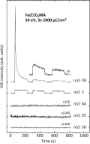
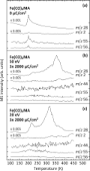
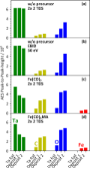
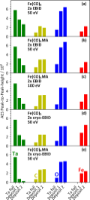
Electron-induced deposition using Fe(CO)4MA and Fe(CO)5 – effect of MA ligand and process conditions
Beilstein J. Nanotechnol. 2024, 15, 500–516, doi:10.3762/bjnano.15.45
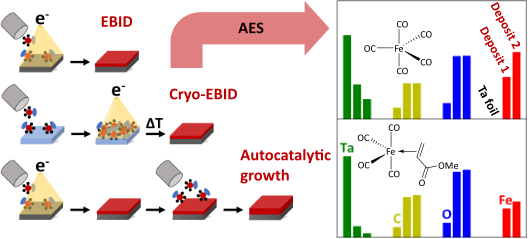
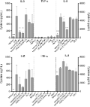
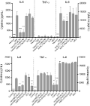
- ]. Autocatalytic growth (AG) of high-purity deposits leads to formation of individual crystallites as a consequence of precursor surface mobility at room temperature [21][24][25]. This mobility is suppressed when the surface is held at sufficiently low temperature. This was demonstrated by UHV experiments that
- then writes patterns into the condensed layer followed by warming up to room temperature to remove the intact precursor from the non-irradiated areas. While cryo-FEBID is less versatile with respect to the fabrication of 3D nanostructures, the processing speed is much higher than for room-temperature
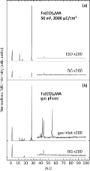
- contents of the deposit. Throughout this conversion, all of the Fe content remains on the surface. Overall, electron irradiation of Fe(CO)5 multilayers at 140 K [43], thus, yields a deposit with significantly higher content of residual C and O than reported for room-temperature FEBID processes [8][21


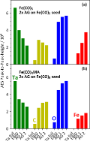

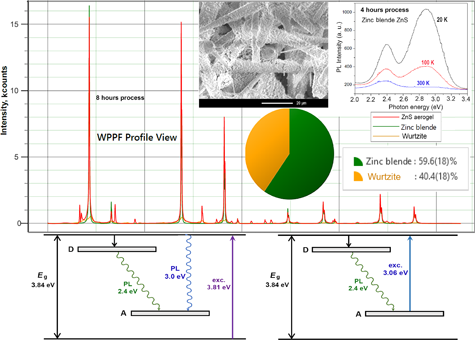
Aero-ZnS prepared by physical vapor transport on three-dimensional networks of sacrificial ZnO microtetrapods
Beilstein J. Nanotechnol. 2024, 15, 490–499, doi:10.3762/bjnano.15.44
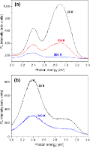
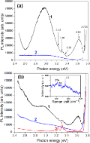
- eV. However, the intensities of these bands are different. The position of these bands does not shift significantly with changing temperature. At room temperature, the intensity of the 2.4 eV band is higher than that of the 2.9–3.0 eV band in both samples. However, their behavior with decreasing
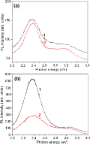
- significantly different when measured at room temperature in air and in vacuum (Figure 5a), while the intensity of the 2.4 eV band decreases significantly with changing the environment from air to vacuum in the sample prepared in the 8 h procedure (Figure 5b). A PL band at 3.62 eV is observed in the spectra
- PC via a GPIB interface for further data processing. Raman scattering (RS) spectra were recorded at room temperature with a Sol Instruments MS750 confocal system equipped with a laser excitation source of 785 nm (Coherent-Ondax LM series, optical power 7.5 mW). A 100× microscope objective lens was



Photocatalytic degradation of methylene blue under visible light by cobalt ferrite nanoparticles/graphene quantum dots
Beilstein J. Nanotechnol. 2024, 15, 475–489, doi:10.3762/bjnano.15.43
- Tristar-3030 system (Micromeritics, USA). The magnetic properties were measured on a Micro Sense vibrating-sample magnetometer (VSM) at room temperature. Scanning electron microscopy (SEM) observations and energy-dispersive X-ray elemental mapping (EDX mapping) were carried out on a Hitachi S-4800 FESEM
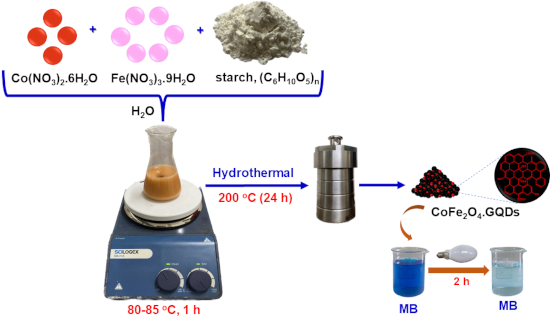
- hydrolyse the starch. Then, the mixture was transferred to a 100 mL Teflon-lined autoclave and heated at 200 °C for 24 h. After hydrolysis, the product was cooled to room temperature. The brown solid was centrifuged, washed several times with distilled water, and calcinated at 700 °C for 3 h to obtain
- ferrites with high coercive field and magnetization, while the hysteresis loops of CF/GQDs are reversible, indicating that CF/GQDs exhibit superparamagnetic characteristics. The magnetic saturation values of the CF/GQDs-140, -180 and -200 samples are 0, 11.1, and 36.3 emu/g, respectively, at room




Fabrication of nanocrystal forms of ᴅ-cycloserine and their application for transdermal and enteric drug delivery systems
Beilstein J. Nanotechnol. 2024, 15, 465–474, doi:10.3762/bjnano.15.42
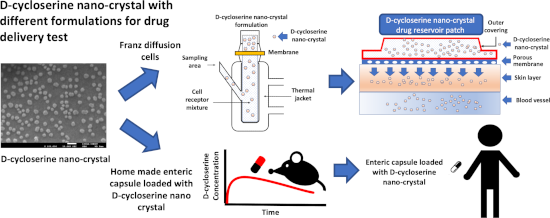
- 8 mL of deionized water. Approximately 1–1.35 mL of the transdermal formulations (Formulation tests 1–3 and A–E) were applied to the membrane over an area of 1 cm2 across the donor compartment. The donor cell was exposed to room temperature with 65% humidity and covered with Parafilm to prevent


Superconducting spin valve effect in Co/Pb/Co heterostructures with insulating interlayers
Beilstein J. Nanotechnol. 2024, 15, 457–464, doi:10.3762/bjnano.15.41
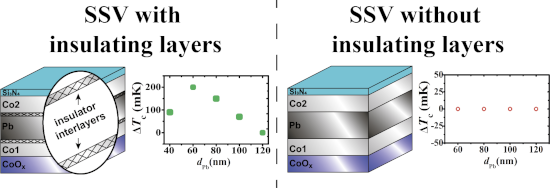
- defined as the midpoint of the transition curve. To study the SSV effect, the samples were cooled down from room temperature to low temperatures in a magnetic field of the order of 5 kOe (field cooling procedure) applied in the sample plane. This field aligns the magnetization of both F layers. Also, the



![[Graphic 6]](/bjnano/content/inline/2190-4286-15-41-i6.svg?max-width=637&scale=1.18182)
Sidewall angle tuning in focused electron beam-induced processing
Beilstein J. Nanotechnol. 2024, 15, 447–456, doi:10.3762/bjnano.15.40
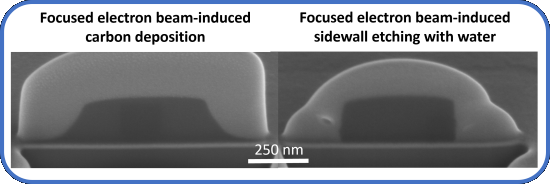
- using FEBIE with water [25], namely dodecane (C12H26) for the deposition of carbon and crystals of MgSO4·7H2O for etching with water. Both precursors were let into the chamber at room temperature. The base pressure in the specimen chamber was between 2 × 10⁻⁶ and 4 × 10⁻⁶ mbar. During patterning (both




Heat-induced morphological changes in silver nanowires deposited on a patterned silicon substrate
Beilstein J. Nanotechnol. 2024, 15, 435–446, doi:10.3762/bjnano.15.39
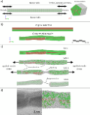
- out in a muffle furnace (NABERTHERM, L-091H1RN-240). Samples were placed into the furnace that was already preheated to the target temperature, then they were removed after 10 min from the hot furnace, and were naturally cooled in air at room temperature. The heating time (10 min) was chosen for
- thermal expansion of Ag NWs and a substrate during heat treatment from room temperature to 673.15 K were simulated by FEM in Comsol Multiphysics 5.6. The structural configuration involved a pentagonal Ag NW positioned above a rectangular hole on an Si substrate. The NW was securely affixed to the
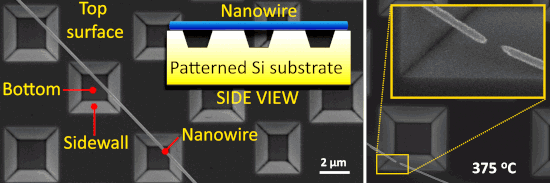
- in a stepwise manner (in 25 °C increments) cycles of rapid heating followed by rapid cooling to room temperature after each cycle (scheme 1), then at 375 °C, nanowires start to split in the middle of the suspended parts, while the adhered parts remain mostly intact (0.225 vs 0.016 splits per µm). If


Potential of a deep eutectic solvent in silver nanoparticle fabrication for antibiotic residue detection
Beilstein J. Nanotechnol. 2024, 15, 426–434, doi:10.3762/bjnano.15.38
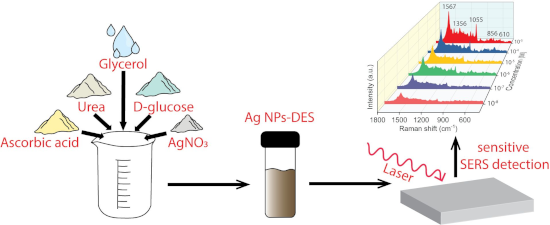
- the most common [30]. In our procedure, AgNO3 was added right after ʟ-ascorbic acid was dissolved in the DES at room temperature. The color of the mixture gradually turned from yellow-orange to dark brown, indicating the crystallization of Ag NPs. The synthesized Ag NPs-DES exhibits rod-like shapes of
- temperature until a homogenous liquid formed. Then, the mixture was cooled down gradually to room temperature while keeping the vigorous stirring. 0.025 g of AA was dissolved in 10.195 g of fabricated DES, and 0.006 g of AgNO3 was added later, which helped the reaction to occur. After 30 min of constant
- . At last, the product was dried naturally at room temperature, resulting in the successful fabrication of the Ag NPs-DES substrate. NFT and SDZ detection on the Ag NPs-DES substrate Various concentrations from 10−3 to 10−8 M of NFT and SDZ were added dropwise on the Ag NPs-DES substrate (20 µL for


Unveiling the nature of atomic defects in graphene on a metal surface
Beilstein J. Nanotechnol. 2024, 15, 416–425, doi:10.3762/bjnano.15.37
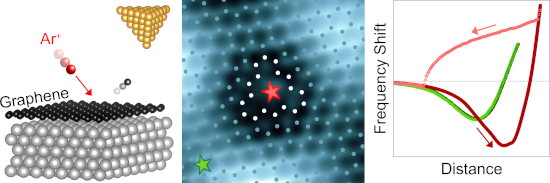
- molecular precursor C2H4 (purity: 99.9%) at a partial pressure of 10−5 Pa for 120 s [25][26]. Atomic-scale defects were created by bombarding graphene-covered Ir(111) with low-energy (140 eV) Ar+ ions (purity of the Ar gas: 99.999%) [27][28][29][30] at room temperature for 5 s followed by annealing (900 K





