Search results
Search for "solubility" in Full Text gives 354 result(s) in Beilstein Journal of Nanotechnology. Showing first 200.
Design of a nanostructured mucoadhesive system containing curcumin for buccal application: from physicochemical to biological aspects
Beilstein J. Nanotechnol. 2019, 10, 2304–2328, doi:10.3762/bjnano.10.222
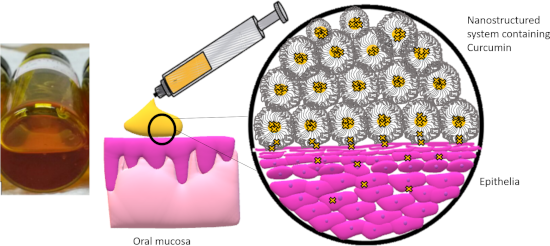
- can be useful as adjuvant in cancer treatment, after surgical procedure, or in combination with chemotherapy [35][36][37][38][39][40][41]. Despite its broad therapeutic potential, CUR has limited stability to light and pH, as well as poor solubility. CUR is also susceptible to degradation due to the
- formation of phenylate anions and high production of CUR radicals, since this polyphenol has demonstrated high lipophilicity (log P 3.29) and low solubility in aqueous solutions and under alkaline conditions (pH > 7) [30][31][42]. These physicochemical characteristics hinder the bioavailability and
- therapeutic efficacy of this drug. Consequently, there is a need to associate CUR with carriers to ensure the delivery to the target site and thereby protect the drug from degradation, increase the solubility and provide controlled release as well as permeation, while maintaining biological activity [31][43


Microfluidics as tool to prepare size-tunable PLGA nanoparticles with high curcumin encapsulation for efficient mucus penetration
Beilstein J. Nanotechnol. 2019, 10, 2280–2293, doi:10.3762/bjnano.10.220
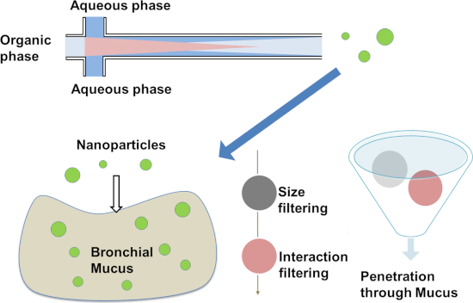
- improved solubility and bioavailability [25]. As penetrating particulate systems also raise the question of toxicity, biocompatible systems such as poly(lactide-co-glycolide) (PLGA) (a very benign material) are considered to be well-suited. PLGA NPs have been extensively studied in the pharmaceutical field
- the stability of the colloidal system is improved with higher stabilizer concentrations. Therefore, 1% Pluronic F68 might be the most suitable system. Effect of solvent nature and solvent mixture Drug solubility relies fundamentally on the solvent used. Therefore, assessing the influence of the nature
- but the Hildebrand solubility parameter (Table 1) correlates with the formation of small NPs [50]. When DMSO was used as solvent, the NP size was reduced from 120 to 40 nm at a 0.05 flow rate ratio in comparison to acetone and acetonitrile (ACN), as can be seen in Figure 6. This data illustrates that


Adsorption and desorption of self-assembled L-cysteine monolayers on nanoporous gold monitored by in situ resistometry
Beilstein J. Nanotechnol. 2019, 10, 2275–2279, doi:10.3762/bjnano.10.219
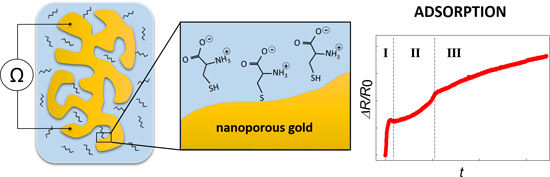
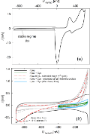
- -/desorption of SAMs on nanoporous gold (npAu), based on our experience on in situ resistometry as a highly sensitive diagnosis tool for ad-/desorption processes [9]. The selected SAM material for this study is cysteine, due to its beneficial properties such as the short carbon backbone, the solubility in

Mannosylated brush copolymers based on poly(ethylene glycol) and poly(ε-caprolactone) as multivalent lectin-binding nanomaterials
Beilstein J. Nanotechnol. 2019, 10, 2192–2206, doi:10.3762/bjnano.10.212
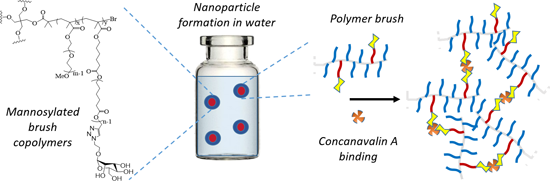
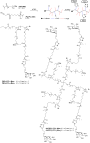
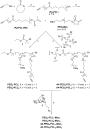
- critical solubility temperature (Tables S1–S4) [35]. For our purposes, this could be an advantage, since they maintain the same size under different operation conditions: storage, room and body temperature. Also the DLS distributions of the mannosylated (A4-)PEGx-PCLy-Many glycopolymers in aqueous media



BergaCare SmartLipids: commercial lipophilic active concentrates for improved performance of dermal products
Beilstein J. Nanotechnol. 2019, 10, 2152–2162, doi:10.3762/bjnano.10.208
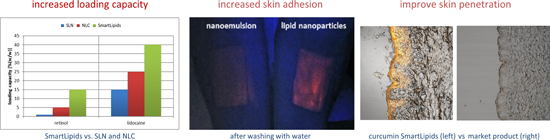
- ) exhibit higher solubilities for active agents compared to solid lipids. In NLCs, the solubilities of solid and liquid lipid are approximately additive, i.e., the solubility of active agents in the NLC particle blend is increased. However, the increase comes at the expense of an accelerated reordering
- shown, according to HPLC analysis containing 0.0001% curcumin in dissolved form, corresponding to its maximum solubility. Only negligible fluorescence in the skin was detectable (Figure 8, right column). This shows that SmartLipids are an enabling technology to provide efficient skin penetration even


Synthesis and potent cytotoxic activity of a novel diosgenin derivative and its phytosomes against lung cancer cells
Beilstein J. Nanotechnol. 2019, 10, 1933–1942, doi:10.3762/bjnano.10.189
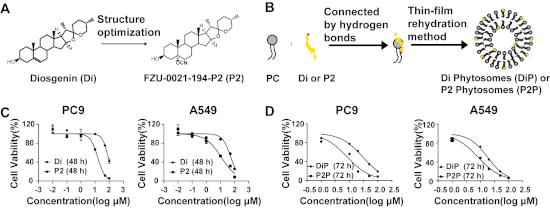
- sterol structure similarly to cholesterol, P2 phytosomes (P2Ps) were prepared to further improve the water solubility of P2. The P2Ps exhibited a particle size of 53.6 ± 0.3 nm with oval shape and a zeta potential of −4.0 ± 0.7 mV. P2Ps could inhibit the proliferation of lung cancer cells more
- by cholesterol have been substantially investigated as drug carriers for targeting, modulating drug pharmacokinetics, and decreasing drug toxicity [15][16]. Liposomes also can be used as solubilizing media to enhance solubility and bioavailability of insoluble drugs [17]. Di and our prepared
- phytosomes were expected to enhance the solubility and bioavailability of the Di derivative for clinical transformation. In this study, we first prepared several Di derivatives and screened the most potent candidate through a preliminary structure–activity relationship study. Then the liposome-like



Preservation of rutin nanosuspensions without the use of preservatives
Beilstein J. Nanotechnol. 2019, 10, 1902–1913, doi:10.3762/bjnano.10.185
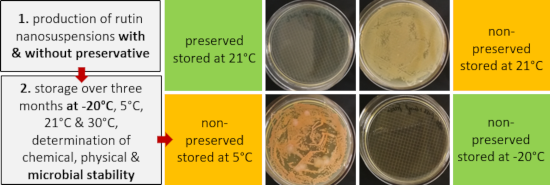
- an enhanced kinetic saturation solubility [5]. Due to their small size they possess an increased surface area, resulting in an increased dissolution rate expressed by the Noyes–Whitney equation. In addition, they also possess an increased adhesiveness and thus, represent a universal, powerful and
- well-known formulation principle to overcome poor aqueous solubility and poor bioavailability of class-II and class-VI active ingredients of the biopharmaceutics classification system (BCS) [6][7]. Nanocrystals are already used in various pharmaceutical drug products for oral use. Examples are Rapamune


Processing nanoporous organic polymers in liquid amines
Beilstein J. Nanotechnol. 2019, 10, 1844–1850, doi:10.3762/bjnano.10.179
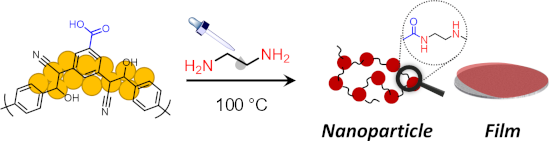
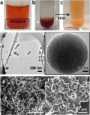
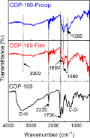
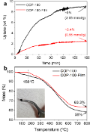
- chains penetrated into COP-100 and formed the new functionalities with carbonyl units, creating room between the polymeric backbones to be dissolved in liquid amines. The amine-induced solubility of COP-100 facilitated the formation of small nanoparticles or polymeric film layers to give COP-100-NP and
- liquids. During processing COP-100, the amount of EDA varied according to the molar ratio between the nitrogen content of COP-100 and the molecular weight of EDA. Interestingly, even a tiny amount of EDA can dissolve COP-100, showing significant solubility COP-100 in liquid amines. The amount of EDA
- granules torn apart through the interpenetration of EDA molecules into the polymeric chains. Consequently, as the EDA layers covered the COP-100 particles, a film could be generated with a clean surface. The amine-induced solubility was not restricted to only COP-100. COP-600 (Figure 5a), produced by the



Microfluidic manufacturing of different niosomes nanoparticles for curcumin encapsulation: Physical characteristics, encapsulation efficacy, and drug release
Beilstein J. Nanotechnol. 2019, 10, 1826–1832, doi:10.3762/bjnano.10.177
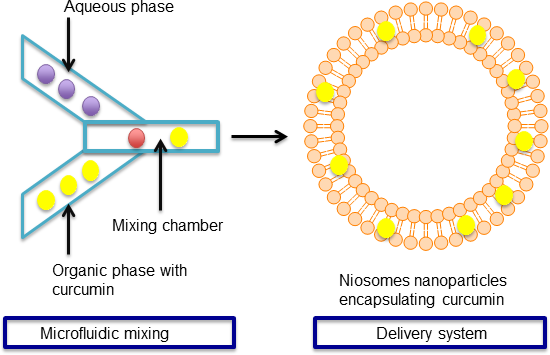
- longa that has been used in antitumor and anti-inflammation applications, exhibits very limited water solubility and rapid in vivo degradation, which limits its clinical application. To overcome these limitations, niosome nanoparticles were prepared by microfluidic mixing for curcumin encapsulation
- cancer such as prostate and cervical cancers [3]. However, the therapeutic application of curcumin is limited by its high hydrophobicity with poor water solubility, photosensitivity, chemical instability, and rapid metabolism rate [4][5]. Therefore, as a result, systemic bioavailability is much reduced


Lipid nanostructures for antioxidant delivery: a comparative preformulation study
Beilstein J. Nanotechnol. 2019, 10, 1789–1801, doi:10.3762/bjnano.10.174
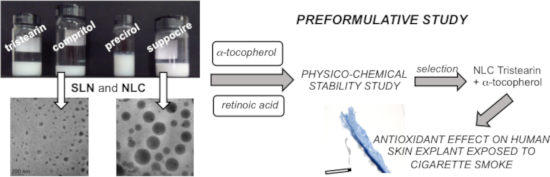
- proposed in the treatment of breast, lung and liver cancers [21][22]. Notably, it has been demonstrated that CS induces RA deficiency [23]. Despite the enormous potential of TOC and RA, some drawbacks are associated to their topical use, such as photodegradation, poor water solubility and irritative skin
- (SLNs) and nanostructured lipid carriers (NLCs) [26][27][28]. SLNs possess several advantages over conventional lipid formulations being able to carry drugs in a biocompatible solid nanometric matrix, thus achieving improvement of solubility, stability of the loaded active molecule and suitability of
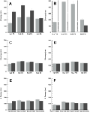
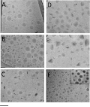
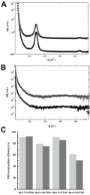
- were loaded in NLCs, as reported in Table 3. Particularly, since TOC is practically insoluble in water (logP 8.84), it was directly added to caprylic/capric triglycerides (miglyol) in order to improve its solubility (reaching 16 mg/mL) before addition of solid lipids [47]. The doubling of the lipid

Biocatalytic oligomerization-induced self-assembly of crystalline cellulose oligomers into nanoribbon networks assisted by organic solvents
Beilstein J. Nanotechnol. 2019, 10, 1778–1788, doi:10.3762/bjnano.10.173
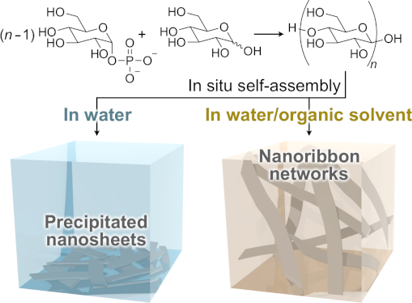
- robust assemblies, whereas the construction of self-assembled materials from such molecules is generally difficult due to their complicated chemical synthesis and low solubility in solvents. Enzyme-catalyzed oligomerization-induced self-assembly has been shown to be promising for creating
- of their assemblies in terms of physicochemical stability and mechanical properties [19][20]. Plausible reasons are their complicated chemical synthesis [21] and low solubility in solvents [22][23], which prevent crystalline poly- and oligosaccharides from undergoing controlled self-assembly into
- building blocks has the potential to open new horizons in nanoarchitectonics. Oligomerization-induced self-assembly is a promising method for overcoming the above issues (i.e., the complicated chemical synthesis and the low solubility in solvents) with crystalline oligosaccharide nanoarchitectonics [21][27





Nanoporous smartPearls for dermal application – Identification of optimal silica types and a scalable production process as prerequisites for marketed products
Beilstein J. Nanotechnol. 2019, 10, 1666–1678, doi:10.3762/bjnano.10.162
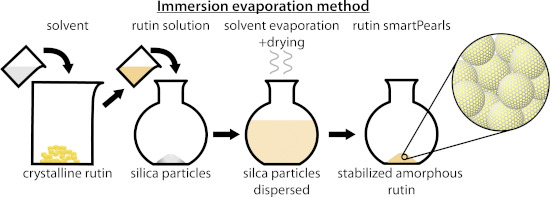
- . Based on a 10% (w/w) loading and the amorphous solubility of the active agent, for a 100 kg dermal formulation, about 500 g of loaded particles were required. This corresponds to production of 5 kg of loaded smartPearls for a formulation batch size of a ton. The production of 5 kg (i.e., about 25 L of
- solvent removal) can be industrially realized in a commercial 50 L rotary evaporator. Keywords: amorphous dispersion; bioavailability enhancement; dermal delivery system; rutin; smartPearls; solubility enhancement; Introduction Many interesting active agents in pharma and cosmetics are poorly soluble
- systems. A simple but very effective approach is to increase the saturation solubility of these active agents. This leads to an increased concentration gradient between the formulation and skin, Cs–Cskin, and thus to an increased diffusional flux into the skin. Moreover, using complexes with polymers or




Highly ordered mesoporous silica film nanocomposites containing gold nanoparticles for the catalytic reduction of 4-nitrophenol
Beilstein J. Nanotechnol. 2019, 10, 1368–1379, doi:10.3762/bjnano.10.135
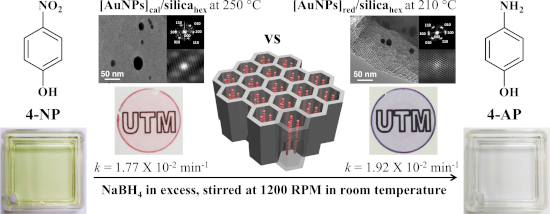
- wastewaters due to its high solubility properties [33], it is very crucial to find an effective method for the degradation and transformation of 4-NP. Generally, the reduction of 4-NP by heterogeneous catalysts in powdered form usually involves a tedious and time-consuming recovery process such as filtration


Alloyed Pt3M (M = Co, Ni) nanoparticles supported on S- and N-doped carbon nanotubes for the oxygen reduction reaction
Beilstein J. Nanotechnol. 2019, 10, 1251–1269, doi:10.3762/bjnano.10.125
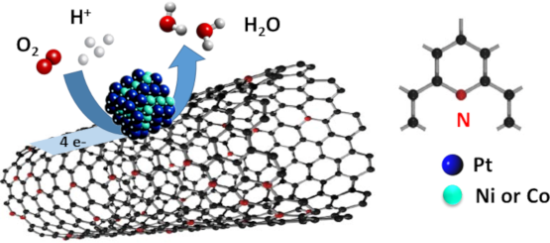
- introduction of small amounts of ionic liquids (ILs), which are known as NP stabilizers, including on carbon supports [26], into Pt-based catalysts can further improve the ORR performance. This is likely due to the high O2 solubility in the IL phase [27]. It was also demonstrated that the choice of the carbon







Enhanced inhibition of influenza virus infection by peptide–noble-metal nanoparticle conjugates
Beilstein J. Nanotechnol. 2019, 10, 1038–1047, doi:10.3762/bjnano.10.104
- selectivity and specificity of the grafted biological functional entity [22], which includes peptides [23][24]. Presentation of a functional peptide by means of a nanoparticle has a number of advantages. Thus, nanoparticle conjugation may enhance the solubility of the peptide, as well as enhance the
- increase their solubility and in some instances their biological half-life [37][38]. However, such modifications may alter the activity of the peptide and can have side effects due to cleavage products [39], and so whether this is a viable route for FluPep remains to be determined. Conjugation to




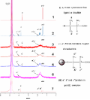
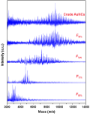
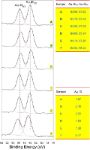
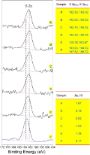
Structural and optical properties of penicillamine-protected gold nanocluster fractions separated by sequential size-selective fractionation
Beilstein J. Nanotechnol. 2019, 10, 955–966, doi:10.3762/bjnano.10.96
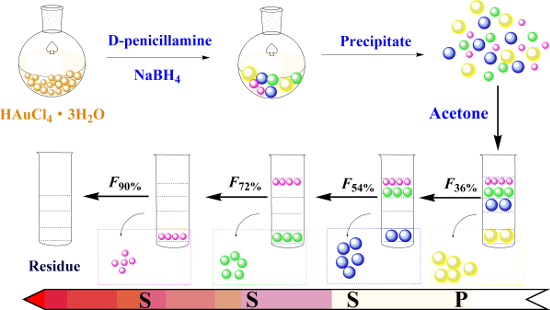
- properties of AuNCs may be altered in the presence of excess thiol ligand; hence, it is necessary to develop a convenient, efficient, and stringent method for the purification of crude monolayer-protected NCs samples. The purification of AuNCs is a very challenging task due to the similar solubility of water
- the solution, the solubility of AuNCs in the mixed solvent was lowered due to the low dielectric constant of acetone, resulting in the precipitation of relatively large-sized clusters. The deposit could then be separated from the solution by centrifugation. Four fractions (F36%, F54%, F72%, and F90



In situ AFM visualization of Li–O2 battery discharge products during redox cycling in an atmospherically controlled sample cell
Beilstein J. Nanotechnol. 2019, 10, 930–940, doi:10.3762/bjnano.10.94
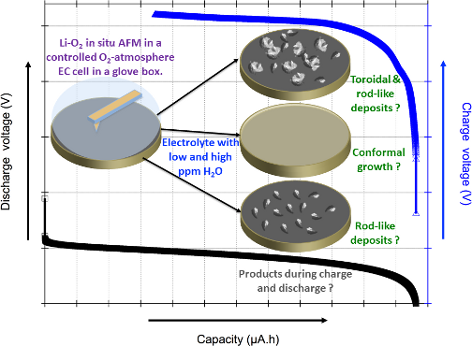
- ion solubility and diffusivity in the electrolyte, resulting in at least a part of the reaction occurring in the electrolyte, as suggested by previous studies [12][39][40]. Similarly, during recharge the deposits abruptly disappear from the surface at less than 50% SOC, likely remaining suspended (or


Ultrasonication-assisted synthesis of CsPbBr3 and Cs4PbBr6 perovskite nanocrystals and their reversible transformation
Beilstein J. Nanotechnol. 2019, 10, 666–676, doi:10.3762/bjnano.10.66
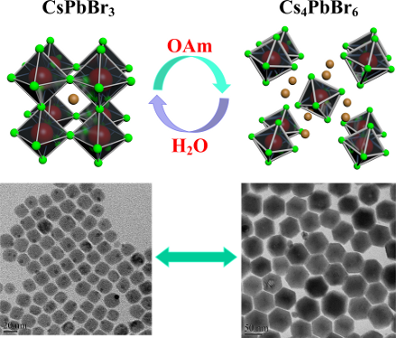
- be proven by the reduction of crystal size from 65 to 11.7 nm (Figure 1 and Figure 4). This is consistent with the findings reported by Wu and co-workers [20]. As the solubility of liquid paraffin or capping ligands in water is very low, further dissolution of CsPbBr3 PNCs is inhibited, which is
- similar to the effect demonstrated by Wu’s group who took advantage of the very low (only 9.5 mg/L) solubility of hexane in water [20]. The above result indicates that the CsPbBr3 PNCs have a higher stability than Cs4PbBr6 PNCs against water. Conclusion In summary, we demonstrate the effect of small



Ultrathin hydrophobic films based on the metal organic framework UiO-66-COOH(Zr)
Beilstein J. Nanotechnol. 2019, 10, 654–665, doi:10.3762/bjnano.10.65
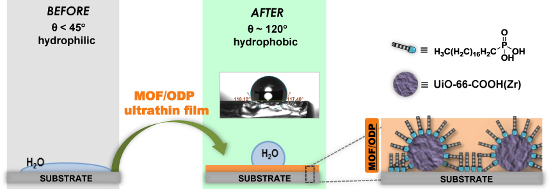
- MOF properties. In this study, molecular surfactants were used because of solubility issues of charged surfactants in chloroform. Mixtures MOF/behenic acid (BA) have been already used with success for MIL-101(Cr) [21]. In this work, MOF suspensions with BA surfactant concentrations in the range 1–10


Topochemical engineering of composite hybrid fibers using layered double hydroxides and abietic acid
Beilstein J. Nanotechnol. 2019, 10, 589–605, doi:10.3762/bjnano.10.60
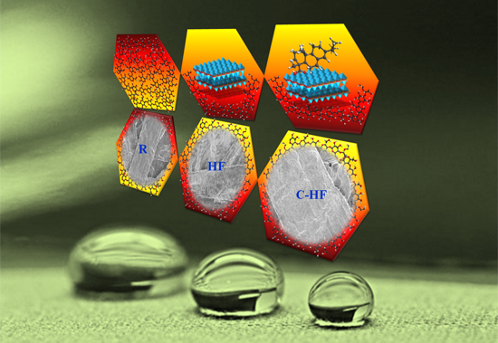
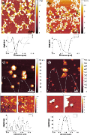
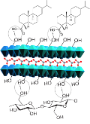
- preparation method was slightly modified due to solubility difference between AA and SA. Also, in our earlier work, stearic acid treatment on HF was carried out for 24 h, whereas this work needs only 15 min to modify the surface of HF. Thus, the time spent on material development was drastically reduced. In




Ceria/polymer nanocontainers for high-performance encapsulation of fluorophores
Beilstein J. Nanotechnol. 2019, 10, 522–530, doi:10.3762/bjnano.10.53
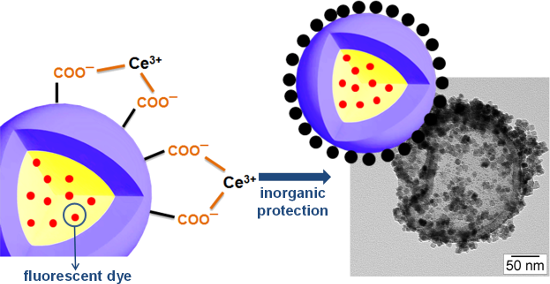
- quantum yield of the fluorophore are, the stronger is the sensitivity to the presence of oxygen quenching [13]. The solubility of oxygen in organic solvents is also an important factor in the quenching process of a florescent molecule. The solubility of oxygen in organic solvents decreases with increasing


Gold nanoparticles embedded in a polymer as a 3D-printable dichroic nanocomposite material
Beilstein J. Nanotechnol. 2019, 10, 442–447, doi:10.3762/bjnano.10.43
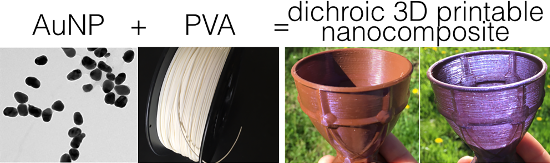
- , Figure S12). The water solubility of PVA has, however, pros and cons: Due to its ease of printability and water solubility, PVA is the most used supporting material. On the other hand, the water solubility of PVA is a problem when a strong resistant material is needed. For example one could not use the
- were added to the dichroic solution at 50 °C to reach a final concentration of 0.1% (w/w) of AuHCl4 in PVA (8.5 g PVA per 100 mL of 0.25 mM HAuCl4 solution), taking in account that the maximum solubility of PVA in water is ≈20% (w/w). A temperature below 50 °C produces less foam while gently stirring



Effects of post-lithography cleaning on the yield and performance of CVD graphene-based devices
Beilstein J. Nanotechnol. 2019, 10, 349–355, doi:10.3762/bjnano.10.34
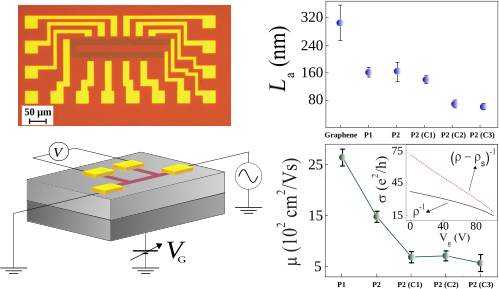
- solubility of graphene in NMP, which tends to promote the delamination of the graphene layer from the substrate. Since procedure P1 is quite destructive, its yield of high-quality GFETs was 10% in a total of 60 devices. In order to improve the efficiency of device production, we removed the photoresist and


pH-mediated control over the mesostructure of ordered mesoporous materials templated by polyion complex micelles
Beilstein J. Nanotechnol. 2019, 10, 144–156, doi:10.3762/bjnano.10.14
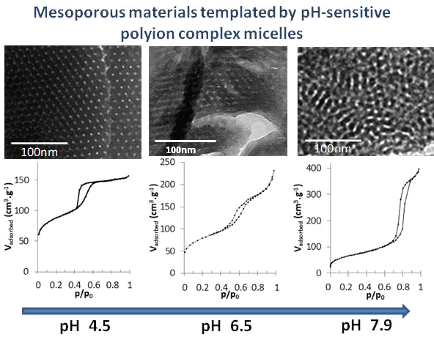
- mixture at pH 4.5 and short-range ordered worm-like/lamellar mixture vs purely lamellar at pH 6.5): the different silica condensation rates, the different quantities of ethanol released upon TEOS hydrolysis and their influence on the polymer solubility, and the amounts of water contained in both the


Characterization and influence of hydroxyapatite nanopowders on living cells
Beilstein J. Nanotechnol. 2018, 9, 3079–3094, doi:10.3762/bjnano.9.286
- in the application of novel NPs in medicine and biology. Adverse effect of NOAA on living organisms may be influenced by many factors such as size, shape, solubility, exposure time, surface charge, surface area, crystallinity, agglomeration or chemical composition [7][8][9]. Since the properties of
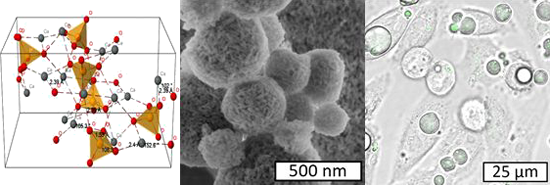
- higher solubility in water. The pH values of GoHAP600s, F202, and GoHAP300s in water were slightly lower than neutral (6.78, 6.93, 6.98, respectively). For F201, GoHAP375C, HApSA, and GoHAP90s the values were slightly higher than neutral (7.06, 7.16, 7.18, 7.19, respectively). CaHAP300, CaHFAP300, and
- content of the carbonate groups), lower density and higher solubility of CaHAP300 and CaHFAP300. Chemical compounds with additional phases exhibited a low degree of crystallinity and phase purity. Their diffraction patterns were visibly different from the others. The HApSA+Si diffraction pattern shows a

![[Graphic 1]](/bjnano/content/inline/2190-4286-9-286-i2.svg?max-width=637&scale=1.18182) .
.